The surprise here is how convincingly woven thread can look like paint. At the Nishijin-ori Asagi Museum, silk, gold and silver threads form intricate pictures and patterns, from Japanese designs to textile versions of works by Van Gogh and Monet.
I like two things in particular: you can see the fine weave up close after admiring each piece from a distance, and the museum offers hands-on cultural options, including a seated tea ceremony and a bridal uchikake photo experience. The museum’s small scale also makes this an easy stop to fit into a day in Nakanoshima.
One point to plan around: admission alone does not clearly include the tea ceremony or kimono dressing. The listed packages include a museum ticket and a separate uchikake option, so check the exact package before booking. The museum also closes on Tuesdays and during exhibition changes.
- What to know before you go
- Nishijin-ori, made for looking twice
- A short visit with plenty to notice
- Tea, matcha and the seated option
- Wearing a bridal uchikake
- The museum’s location makes it an easy add-on
- Is the admission price good value?
- Who should make time for this stop?
- Should you book it?
- FAQ
- How much does admission cost?
- Is the tea ceremony included with museum admission?
- Can I take part in the tea ceremony without sitting on the floor?
- When is the museum open?
- Where is the museum?
- Do children need a ticket?
- The Best Of Osaka!
- More Museum Experiences in Osaka
- More Tours in Osaka
- More Tour Reviews in Osaka
What to know before you go
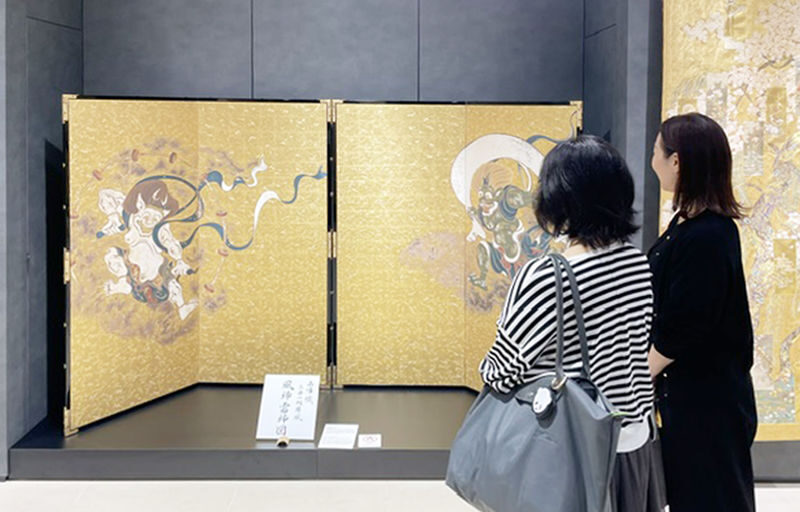
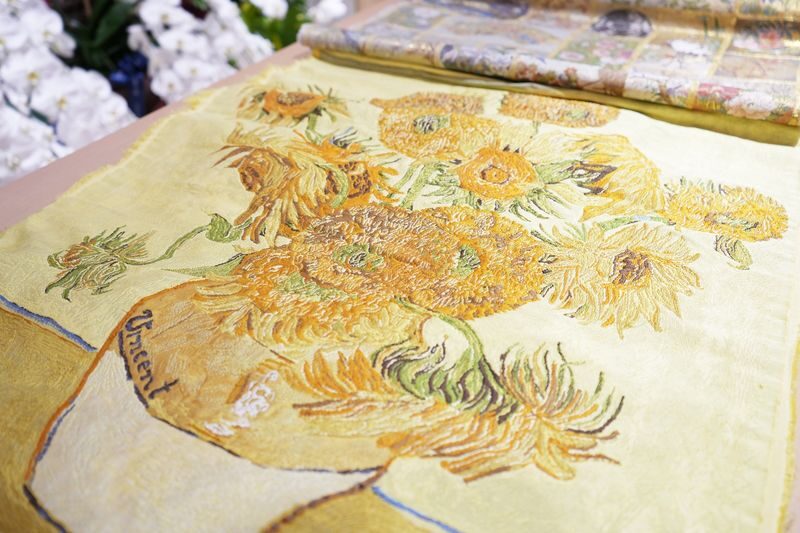
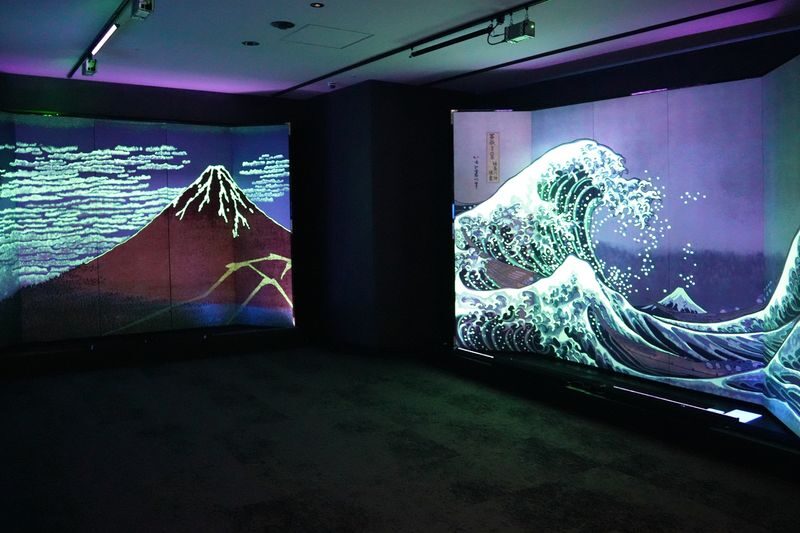
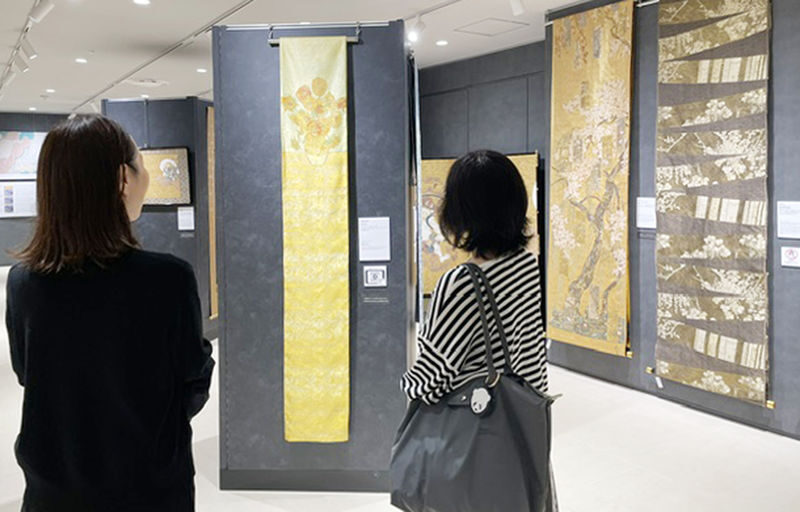
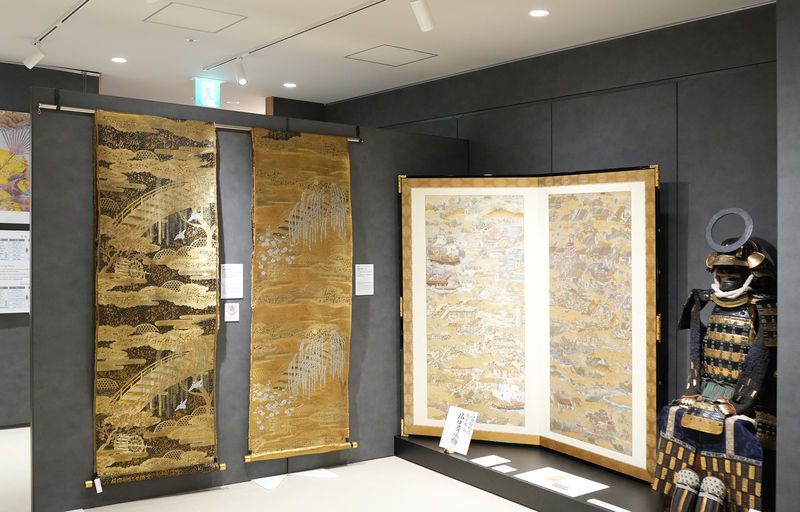
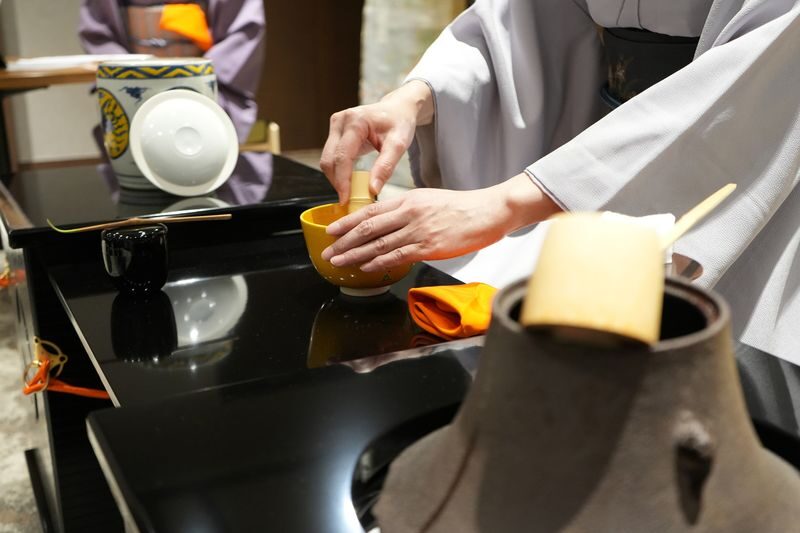
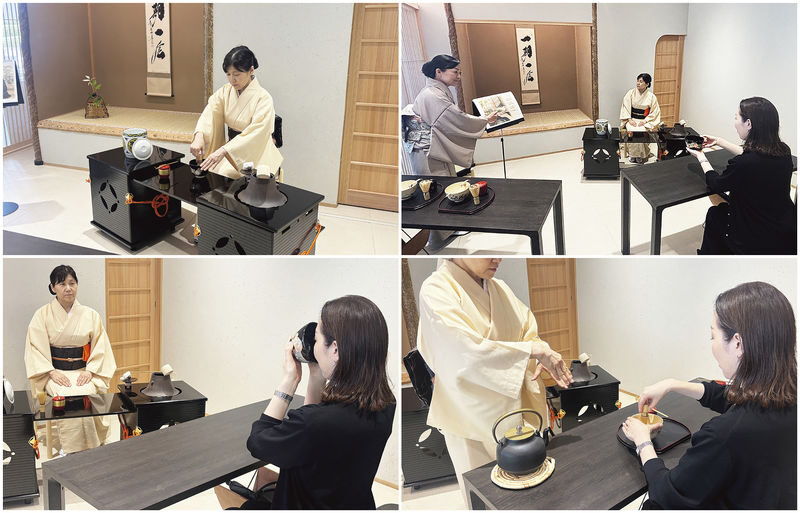
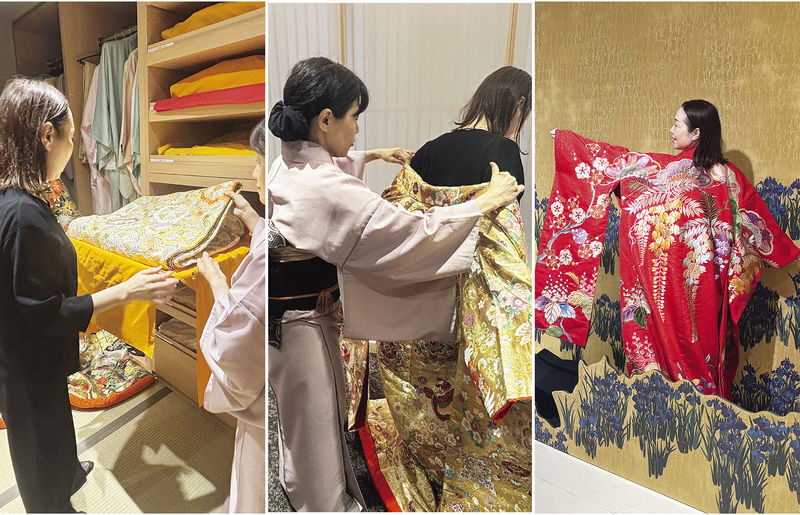
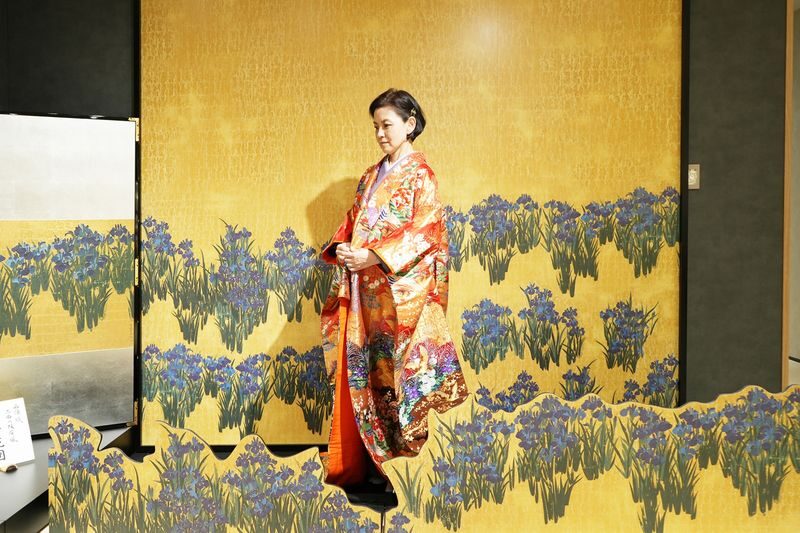
- Look for thread that mimics brushwork: The textile versions of Western and Japanese paintings reward a close look at the weaving.
- Expect a compact museum: Allow about 30 minutes for the exhibits, or longer if you want to browse the shop or book an activity.
- Choose your experience carefully: Admission starts at $6.30; the uchikake dressing package starts at $47.95.
- Try matcha while seated: The tea ceremony can be enjoyed in a chair, and the activity also offers the chance to make your own matcha.
- Find it inside a hotel: The museum is on the first floor of RIHGA Royal Hotel Osaka, with a free shuttle from JR Osaka Station.
- Check the calendar: Regular Tuesday closures and exhibition changeovers can affect when you can visit.
👉 See our pick of the The Top 15 Workshops & Classes In Osaka
Nishijin-ori, made for looking twice
Nishijin-ori is a traditional Kyoto textile with a history stretching back more than 1,200 years. Its makers weave complex designs from high-quality silk threads, often dyed in vivid colors and combined with gold or silver thread. The result is not simply decorative cloth: the technique can create detailed pictures with shifts in color, texture and sheen.
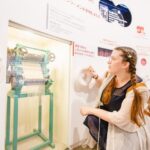
That workmanship is easy to underestimate in a photograph. From across the room, a textile may read as a painting. Move closer and the woven threads become clear, giving the image a surface and sparkle that paint cannot quite imitate. I’d take time to change your viewing distance, especially with the works inspired by Van Gogh, Monet and the Japanese artist Korin.
The exhibition puts this craft in a modern context as well as showing its traditional uses. Nishijin-ori has been used for kimonos and obis, but the museum also presents it as art and interior material. That broader view helps explain why the technique remains relevant beyond formal clothing.
Some pieces use pure gold, and the combination of metallic thread and carefully controlled weaving gives them an opulent look. A few works are designed to glow in the dark, adding another reason to look around rather than treating the museum as a quick display of fabric samples. It is a small collection, but the varied subjects and techniques help keep it engaging.
You can also read our reviews of more museum experiences in Osaka

A short visit with plenty to notice
This is not a sprawling museum that demands half a day. If you focus on the exhibits, about 30 minutes may be enough. That makes it a practical cultural stop before or after another visit in Nakanoshima, including the nearby Nakanoshima Museum of Art.
Still, don’t rush just because the galleries are compact. The details are the point: tiny variations in thread, the way a woven surface catches light, and the shift from image to textile as you get closer. An audio guide is included, and English-speaking staff are available, which can help you understand what you are seeing rather than simply admiring the shine.
The gift shop can stretch your visit. It is easy to spend extra time browsing after the galleries, so leave some room if you enjoy craft objects and textile-related items. The museum has also offered a limited-time ballpoint-pen craft, though you should not count on that activity being available on your visit.
Tea, matcha and the seated option
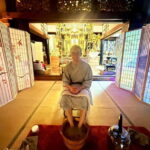
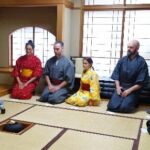
The tea ceremony gives you a way to take part in Japanese culture rather than only observe it. A useful practical detail: you can sit in a chair instead of kneeling in seiza. That makes the activity more comfortable for anyone who finds prolonged floor sitting difficult, and it lowers the barrier for a first tea ceremony.
You can also make your own matcha. The details provided do not specify how long the activity lasts, how much instruction is included, or whether it is part of the basic admission ticket. If making tea is central to your plans, check that your chosen booking includes the ceremony and matcha preparation, rather than assuming the museum ticket covers them.
The setting is especially appealing if you want a quieter cultural pause in the middle of an Osaka day. The museum’s tea room is part of the experience, but this is not described as a full-day lesson or an elaborate formal course. Think of it as an accessible introduction, with a chance to take part while seated.
Wearing a bridal uchikake
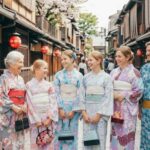
The uchikake dressing experience lets you wear a traditional Japanese bridal kimono and take photos inside the museum. An uchikake is a formal outer robe worn as bridal clothing, and some examples are hand-embroidered. The rich stitching and color make the garment a striking subject for photographs, even if you have never worn a kimono before.
This is the more distinctive option for visitors who want a personal memento as well as a museum visit. It is also the reason to budget beyond the admission-only price: the listed uchikake package starts at $47.95, compared with $6.30 for museum admission. The package is described as including admission, but the provided details do not spell out dressing time, photo limits or whether staff take pictures. Check those points before you book if they matter to you.
The experience is about dressing and taking photos, not a broader tour of bridal customs. That can be just right if you want a memorable cultural activity without setting aside a whole day. If you mainly want to understand the textile craft, the museum ticket is the more economical choice.
The museum’s location makes it an easy add-on
The Nishijin-ori Asagi Museum is on the first floor of RIHGA Royal Hotel Osaka, at 5-3-68 Nakanoshima, Kita-ku. It is directly connected underground to Nakanoshima Station on the Keihan Nakanoshima Line. A free shuttle bus runs from JR Osaka Station to the hotel, giving you another way to reach the museum.
Its location makes this a sensible stop while exploring Nakanoshima, rather than a destination that needs to fill an entire day. If you are visiting another museum or spending time in the area, the compact galleries can add a focused look at a traditional craft without demanding a large time commitment.
Opening hours are 10 a.m. to 8 p.m., with last admission at 7:30 p.m. The museum closes every Tuesday, or Wednesday when Tuesday is a public holiday, and it also closes during exhibition changeovers. Check the operating calendar before setting out. A voucher may be valid for 30 days after booking, but that does not mean the museum is open every day during that period.


Is the admission price good value?
At $6.30, admission is an affordable way to see a specialist collection of traditional textiles. You get the museum entry, an audio guide and access to English-speaking staff. For a short visit, that price makes sense if you are curious about Japanese craft or want a quieter cultural stop among Osaka’s larger attractions.
The value rises if you take time with the works. The key pleasure is seeing the technique in person: thread that resembles paint from afar, metallic glints, and intricate patterns that are hard to judge on a screen. If you rush through in ten minutes, you may miss much of what makes the collection special.
The uchikake option costs considerably more, starting at $47.95, but it adds a hands-on activity and a photo opportunity. The tea ceremony is another possible extra, but its price and inclusion in specific packages are not stated here. Treat the admission ticket and the cultural activities as separate choices unless your booking details clearly say otherwise.
Children aged 0 to 15 enter free, but infants and children must still be included in the passenger headcount when booking. There is no age limit for the activity. Outside food and drinks are not allowed, and pets are prohibited.
Who should make time for this stop?
I’d recommend the museum to anyone who enjoys textiles, art or traditional Japanese craft, especially if you are already in Nakanoshima. It suits visitors who prefer a compact, calm attraction and want to understand how a historic weaving tradition can produce both clothing and image-based art.
The seated tea ceremony may suit you if you are interested in matcha but would rather not sit on the floor. The uchikake experience is a better fit if wearing a bridal kimono and taking photos sounds more appealing than spending extra time studying the exhibits. Families can also consider the museum, with free admission for children aged 0 to 15, while remembering to include them in the booking headcount.
If you want a large museum or a long guided program, this is probably not the right choice. The exhibit is small, and the exact format and price of the tea activity are not specified. But for a modest admission fee, a distinctive craft collection and the option to add a cultural activity, it offers a pleasant change of pace from Osaka’s bigger sights.
Should you book it?
Book the museum ticket if you want a low-cost introduction to Nishijin-ori and can spare about half an hour. Choose the uchikake package if the photo experience is a priority, and confirm the tea ceremony details if you want to make matcha. Check the museum’s closure dates before booking. This is a worthwhile, focused stop, not an all-day attraction, and its best moments come from taking a closer look at the thread.
Osaka:Nishijin Museum Tea ceremony & Kimono Experience
“I visited this museum as part of a museum tour. I only knew the name 'Nishijin-ori,' but the staff explained so much to me, and seeing the real pie…”
FAQ
How much does admission cost?
Museum admission starts at US$6.30. The uchikake dressing package with admission starts at US$47.95.
Is the tea ceremony included with museum admission?
The museum offers a tea ceremony experience, including the chance to make your own matcha, but the admission-only package does not clearly state that it is included. Check the details of the package you select.
Can I take part in the tea ceremony without sitting on the floor?
Yes. The tea ceremony can be enjoyed while seated in a chair, rather than sitting seiza style.
When is the museum open?
It is open from 10 a.m. to 8 p.m., with last admission at 7:30 p.m. It closes every Tuesday, or Wednesday when Tuesday is a public holiday, as well as during exhibition changeovers.
Where is the museum?
It is on the first floor of RIHGA Royal Hotel Osaka, at 5-3-68 Nakanoshima, Kita-ku, Osaka. It is directly connected underground to Nakanoshima Station on the Keihan Nakanoshima Line.
Do children need a ticket?
Admission is free for children aged 0 to 15. Infants and children must still be included in the passenger headcount when booking.