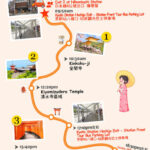
Kyoto’s famous sights sit across a broad stretch of the city, and this four-hour bicycle tour links them by quiet pedaling rather than a string of bus rides. Starting near Gojo Station, you ride through Gion, Nanzenji, the Philosopher’s Path, Ginkakuji, Shimogamo Shrine, and the Kyoto Imperial Palace with an English-speaking guide.
I like two things in particular: the Mamachari bike, a simple, upright city bicycle with three gears, suits a relaxed pace, and a local guide can add context to places you might otherwise see only from the path. The route also mixes celebrated sights with calm, leafy stretches, including the Philosopher’s Path and Shimogamo Shrine’s wooded grounds.
One consideration: this is a private tour from US$280.35, so it is a bigger spend than renting a bicycle and riding alone. The bike is not electric, and a previous meeting-point mix-up makes it especially important to confirm that you are heading to Gojo Station Exit 2, not relying on the address alone.
- Kyoto by bike: the essentials
- What the four-hour ride is designed to do
- From Gojo Station into historic Gion
- Nanzenji and the quieter northern route
- Shimogamo Shrine and the Imperial Palace
- What the price includes, and what it leaves out
- Is this a good way to see Kyoto?
- FAQ
- How long is the bicycle tour?
- Where do I meet the guide?
- What departure times can I choose?
- What time does the tour return?
- Is the bicycle electric?
- What is included in the price?
- Are hotel pickup and meals included?
- What is the minimum age?
- What should I wear to the Imperial Palace grounds?
- Can I cancel and receive a refund?
- The Best Of Kyoto!
- More Tours in Kyoto
- More Tour Reviews in Kyoto
Kyoto by bike: the essentials
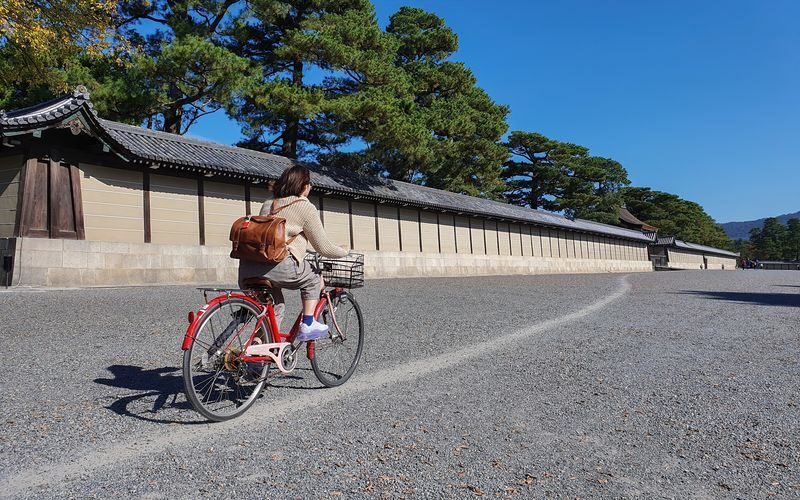
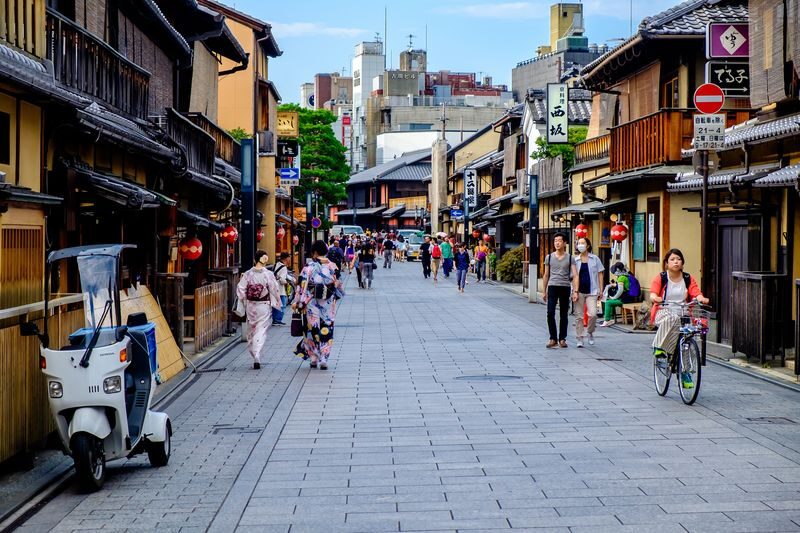
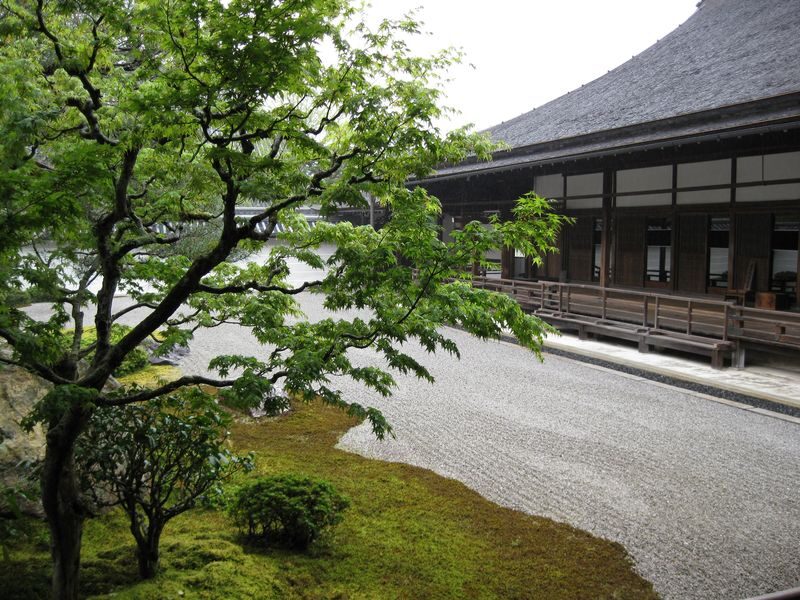
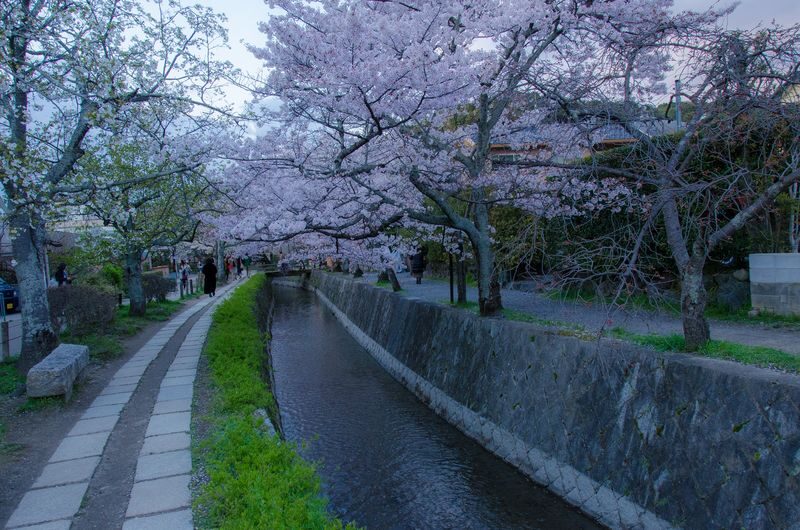
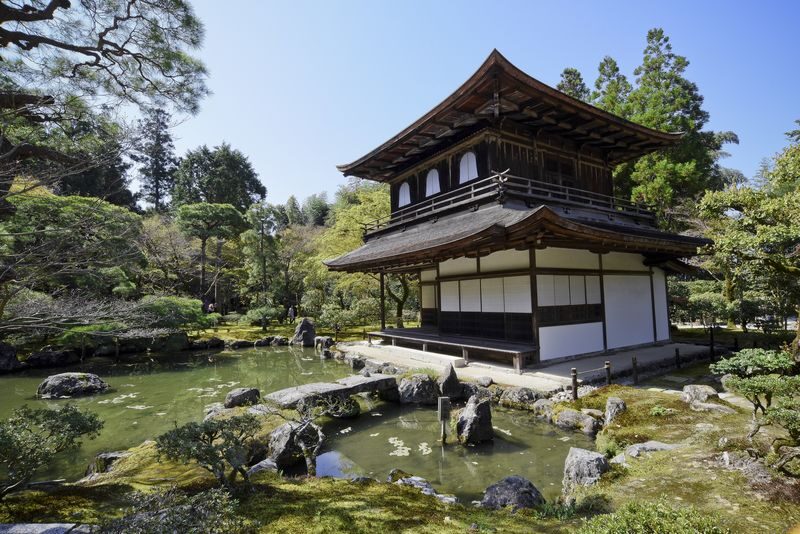
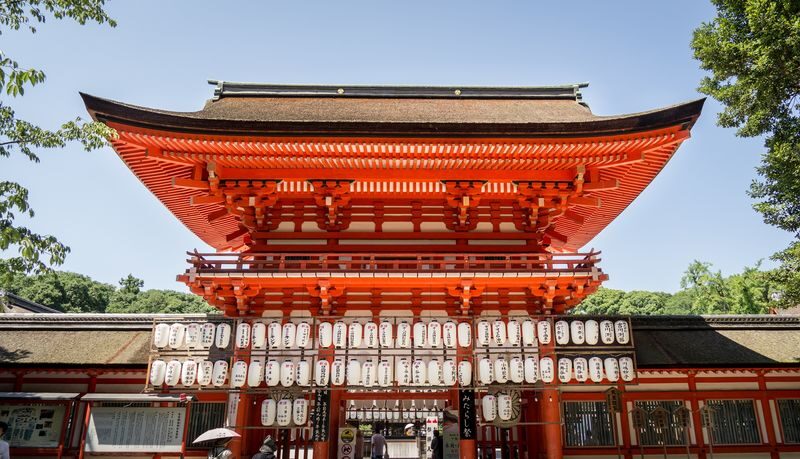
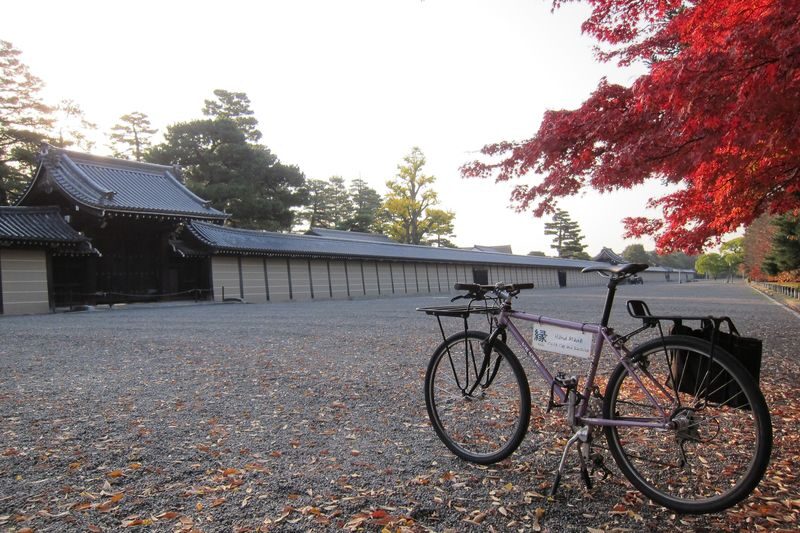
- A long list of landmarks in four hours: The planned route connects Gion, Nanzenji, the Philosopher’s Path, Ginkakuji, Shimogamo Shrine, and the Imperial Palace.
- A standard Mamachari, not an e-bike: The included bicycle has three gears and is described as comfortable for mostly flat riding.
- A guide adds local context: The English-speaking guide shares stories about Kyoto’s past and culture. Guides Katsuhiko and Miyake have been named by people who rode with them.
- A private format allows some flexibility: Miyake has adjusted a route to account for what a rider had already seen, though you should confirm any special requests in advance.
- Meet at the station exit: The stated meeting point is Gojo Station Exit 2. Check this carefully, since the address caused confusion for one booking.
- Plan modestly for the palace grounds: Shorts and tank tops are specifically discouraged there.
👉 See our pick of the We Rank Kyoto’s 15 Top Workshops & Classes
What the four-hour ride is designed to do
This is a half-day orientation to Kyoto’s landmarks, with a bike connecting places that feel far apart on foot. The route aims to move from the old lanes of Gion to temple precincts, a celebrated canal-side path, and broad palace grounds. Rather than spending the whole morning at one site, you get a city-spanning look at several sides of Kyoto.
The tour uses a standard, non-electric B-type bike with three gears. Its mostly flat route should suit riders who are comfortable cycling at an easy pace, but it is still a real bicycle outing, not a motor-assisted sightseeing ride. If you are used to e-bikes or have limited cycling stamina, factor that in before booking.
You have two departure options: 09:00 or 12:30. The matching return times are 13:00 and 16:30. The tour lasts four hours, and the route or schedule may change with traffic and weather. That flexibility matters in a city where streets, crossings, and conditions can affect how much ground you cover.
Because this is a private bicycle experience, it may be a good fit if you want to ask questions, ride at your own pace, or avoid following a large group. The exact group-size arrangements beyond the private format are not specified, so check the booking details if your party has particular needs.
You can also read our reviews of more tours and experiences in Kyoto.
From Gojo Station into historic Gion
The meeting point is Subway Gojo Station Exit 2 in Shimogyo Ward. Look for a guide in a TripGuru shirt or holding a TripGuru sign, and arrive at least 10 minutes before your selected departure. Guides wait a maximum of 10 minutes, and late arrivals or no-shows are not refundable.
Pay close attention to the station exit. One rider went to the supplied address, which was reportedly a 23-minute walk from the actual meeting point, and missed the tour. The practical lesson is simple: use the stated meeting instruction, Gojo Station Exit 2, and verify the pin and route before leaving your hotel. Morning traffic can also slow journeys to the meeting area, so give yourself extra time rather than trusting a navigation app’s quickest estimate.
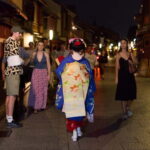
Once underway, the route begins in Gion, Kyoto’s historic geisha district. Riding is a useful way to take in its narrow streets and traditional setting without making this one area the entire outing. The guide can provide context as you pass through, though the tour’s aim is to cover several places, not linger for hours in every district.
A bicycle offers a different view from a car or bus: you move at street level and can notice how the city changes between districts. But Gion is a living neighborhood, not a film set. Follow your guide’s instructions, ride considerately, and be ready to slow down where streets are busy.
Nanzenji and the quieter northern route
From Gion, the itinerary takes you to Nanzenji, a Zen temple known here as one of the tour’s main stops. The appeal is the shift in mood: after city streets, temple grounds offer a quieter setting and a chance to talk about Kyoto’s religious heritage. Your guide’s explanations are part of the value, especially if you want more than a quick photo stop.
The route then follows the Philosopher’s Path, a scenic walkway and canal-side stretch that links the temple area with Ginkakuji. It is one of the tour’s most appealing sections for anyone who wants a slower view of Kyoto between major sights. The path is picturesque, but conditions and pedestrian traffic can affect the pace, so the ride may not feel like uninterrupted cycling from end to end.
Next comes Ginkakuji, or the Silver Pavilion, with its peaceful gardens. This stop gives you a chance to see a famed Kyoto temple setting after the more linear experience of riding the path. The description promises time to explore the gardens, but it does not spell out the length of each stop or specify which admission costs are included. If you want a long visit at every temple, ask how the guide handles time before booking.
One useful sign of the private format is that a guide can adjust the route to what you have already seen. Miyake, for example, has designed a custom route around a rider’s previous visits. That does not guarantee every request can be accommodated, especially within four hours, but it is worth telling the guide what matters to you.
Shimogamo Shrine and the Imperial Palace
The ride continues to Shimogamo Shrine, set within quiet, wooded grounds. This stop changes the feel of the day again: rather than another crowded street or formal temple garden, you get a shrine setting framed by trees. One guide, Miyake, has also shared details about the area’s old trees, a reminder that the tour’s appeal is not limited to famous buildings.
The final major stop is the Kyoto Imperial Palace, with its expansive grounds and place in the city’s political history. A guide can help you connect the site to Kyoto’s role as Japan’s former capital, rather than treating it as just another large complex on a map. The palace grounds call for respectful clothing. The tour information specifically advises against revealing or very casual clothing such as shorts and tank tops.
The itinerary ends at the bicycle rental shop, with the listed return times of 13:00 or 16:30 depending on your departure. No hotel pickup or drop-off is included, so you will need to arrange your own transport to the start and onward from the return point.
The route covers a lot. That is a strength if your Kyoto stay is short or you want a broad first look, but a trade-off if you prefer long, unhurried visits. Ask the guide how the time is divided if there is one particular temple or district you do not want to rush.
What the price includes, and what it leaves out
The private package starts at US$280.35. That is a substantial price for a four-hour activity, especially if you are comparing it with renting a bicycle on your own. What you pay for is the guided format: a bicycle, an English-speaking guide, snacks, and a route that joins several major sights in one half-day.
The most meaningful value is the guide’s local perspective. Katsuhiko has led rides that take in many places in limited time, while Miyake has shared historical and natural details and adjusted a route to suit what a rider had already visited. Those examples point to what the guided option can add: explanations, a sense of direction, and the possibility of a more personal route. They do not mean every tour will follow the same customized plan, so tell the operator what you hope to see.
The bike is not electric, and meals and beverages beyond the included snacks are not covered. Nor are personal expenses. If you want a full meal before or after the ride, plan separately, and bring any drink you prefer. The tour does not include transport from your hotel.
If you are traveling with family, note that the minimum age is 12, and children aged 12 and older pay the adult rate. The activity is not recommended for people with heart disease or other serious medical conditions, pregnant women, or people with disabilities. The information does not give further details about bike adjustments or mobility support, so ask before booking if those points affect you.
Is this a good way to see Kyoto?
I would consider this tour if you want a guided overview rather than a deep visit to one site. In four hours, you can connect several major places and hear their stories while moving through the city under your own power. It is particularly appealing if you enjoy cycling, want a local guide’s perspective, and have enough stamina for a standard bike.
It may be less suitable if you want an electric bicycle, need hotel transport, or prefer to set your own pace at every stop. The route is ambitious, and the listed schedule can change with traffic and weather. If a leisurely temple visit is your priority, consider choosing just one or two sites on your own instead.
Before paying, check that the meeting point is clearly set to Gojo Station Exit 2, ask how much time is planned at your must-see stops, and confirm any route requests. Cancellation brings a full refund only if you cancel at least 24 hours before the activity date, using local destination time. Late arrivals and no-shows are not refundable.
Bicycle Adventure Experience in Kyoto
“our guide Katsuhiko was great!!! we loved the bike tour – having a local guide show so much in the time was awesome. highly recommend it. thank you…”
FAQ
How long is the bicycle tour?
The guided tour lasts four hours.
Where do I meet the guide?
Meet at Subway Gojo Station Exit 2 in Kyoto. Look for a guide wearing a TripGuru shirt or holding a TripGuru sign.
What departure times can I choose?
The listed departure times are 09:00 and 12:30. Choose the time selected with your booking.
What time does the tour return?
The listed return times are 13:00 and 16:30. The available return time depends on your departure and itinerary.
Is the bicycle electric?
No. The included bicycle is a standard, non-electric B-type Mamachari with three gear shifts.
What is included in the price?
The package includes an English-speaking guide, snacks, and bicycle rental.
Are hotel pickup and meals included?
No. Hotel pickup and drop-off, meals, beverages, and personal expenses are not included.
What is the minimum age?
Participants must be at least 12 years old. Children aged 12 and older are charged the same rate as adults.
What should I wear to the Imperial Palace grounds?
Dress modestly and respectfully. Shorts and tank tops are specifically discouraged.
Can I cancel and receive a refund?
You can receive a full refund if you cancel at least 24 hours before the activity date, based on local destination time. Late arrivals and no-shows are not refundable.