Kyoto’s big three are spread across the city, so the appeal here is simple: one day, three famous sights, and no need to plan the transfers yourself. The route brings together Kinkaku-ji’s gold pavilion and reflective pond, Kiyomizu-dera’s far-reaching views, and Fushimi Inari-taisha, with a guide to help give the stops context.
I like the convenience and the personal care described by passengers: guides such as Vivi and Zhang helped with explanations and meeting reminders, while driver Izumo Takaaki was praised for attentive service. The main trade-off is the group timetable. It keeps the day moving, but it can limit how long you linger, and one account describes a cramped, hot bus and a hard-to-find meeting point.
- Key points to know before you book
- A practical way to see Kyoto’s far-apart icons
- Kinkaku-ji: the Golden Pavilion and its pond
- Kiyomizu-dera and Kyoto’s old streets
- Fushimi Inari-taisha: a memorable final stop
- Guides, transport and the realities of a group day
- What .89 buys you
- Who should choose this Kyoto day tour
- Should you book it?
- FAQ
- Which places are included in the tour?
- How much does the tour cost?
- Can I book for tomorrow?
- Is confirmation instant?
- What is the cancellation policy?
- Is a guide included?
- Is lunch included?
- The Best Of Kyoto!
- More Tours in Kyoto
- More Tour Reviews in Kyoto
Key points to know before you book
 1 / 8
 2 / 8
 3 / 8
 4 / 8
 5 / 8
 6 / 8
 7 / 8
 8 / 8
- Three major Kyoto sights in one day: The core package visits Kinkaku-ji, Kiyomizu-dera and Fushimi Inari-taisha.
- Transport is the main value: You avoid working out how to get between far-flung stops on your own.
- Kiyomizu-dera may come with extra street time: Accounts describe time around Sannenzaka and Ninenzaka, and one mentions a three-hour stop in this area. Check the current schedule before booking.
- Guides can make the day easier: Vivi and Zhang are named in positive accounts, with praise for explanations, reminders and thoughtful help.
- The pace is a group pace: It suits first-time visitors who want an overview, less so anyone hoping to spend hours at one site.
- Price starts at $44.89: That can be good value if convenient transport and a guide matter more to you than complete independence.

👉 See our pick of the We Rank Kyoto’s 15 Top Workshops & Classes
A practical way to see Kyoto’s far-apart icons
This tour is built around a classic first visit: Kinkaku-ji, Kiyomizu-dera and Fushimi Inari-taisha. That is a lot of ground to cover in a day, and the service’s strongest practical advantage is having the transport between attractions arranged for you. You can focus on the places rather than stitching together separate journeys.
That convenience is especially useful if you are new to Kyoto, travelling with children or older relatives, or making a day trip from Osaka. One family described the direct travel between attractions as a relief, while another praised the guide’s care for both children and older passengers. The tour does not remove the walking at each site, but it does remove much of the transit puzzle.
The experience appears to combine guided explanations with time to explore independently. You get help understanding where you are and when to meet again, then can use your allotted time for photos, a closer look, or a snack. The balance depends on your interests. If you enjoy a full checklist day, it makes sense. If you want unhurried time at every temple, three major stops may feel like a tight squeeze.
You can also read our reviews of more tours and experiences in Kyoto.
Kinkaku-ji: the Golden Pavilion and its pond
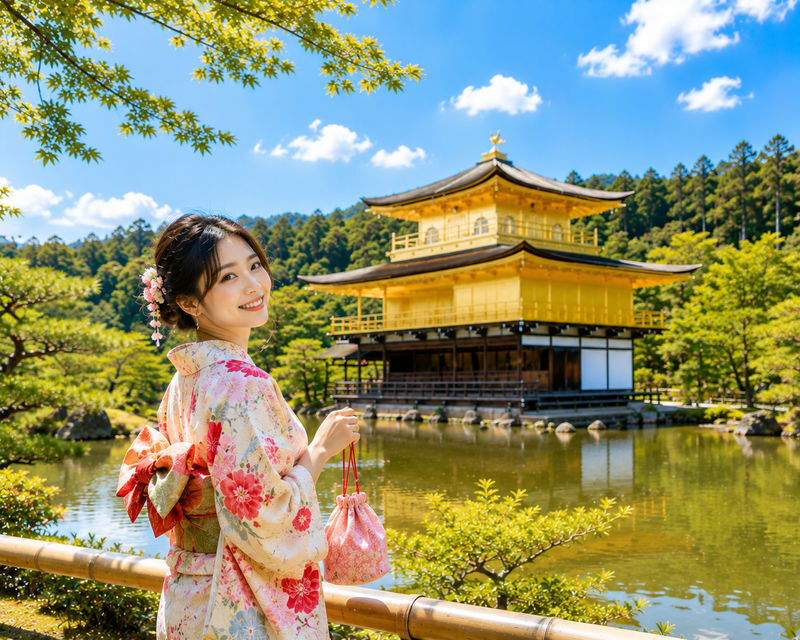
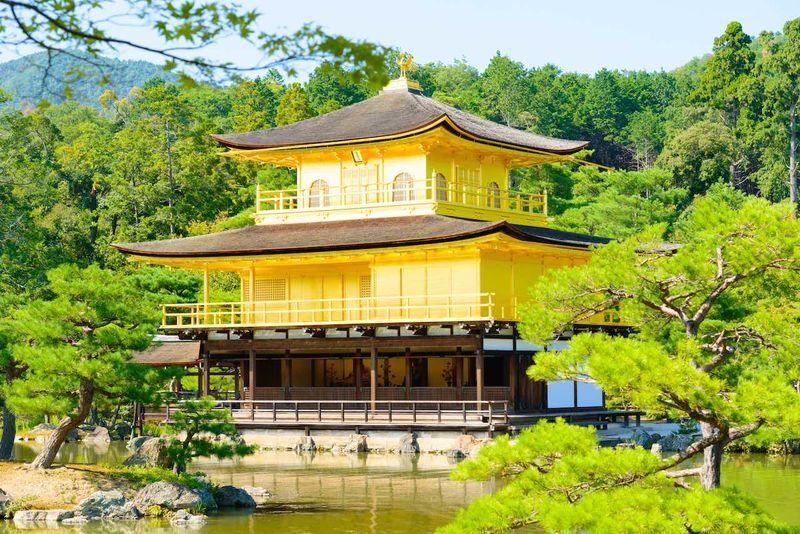
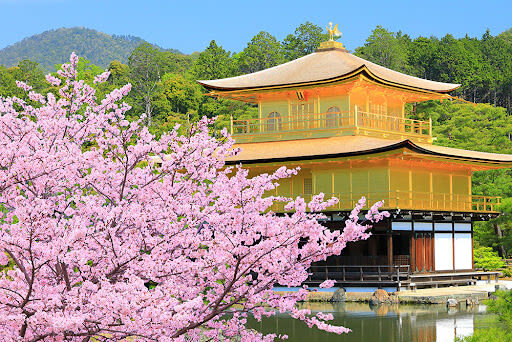
Kinkaku-ji, also called the Golden Pavilion, is the visual opener that tends to stay in your mind. Its gold exterior reflected in the pond is the image many people associate with Kyoto, and the setting gives you a classic scene without needing much explanation. One visitor described the pavilion and its reflection as even more striking in person than in photographs.
That picture-perfect appeal is also the practical catch. The pavilion is a concentrated sight, not a place where you can expect a long, varied visit. Your time here will likely be shaped by the group’s schedule and the wish of many people to stop for photographs. If you are hoping to study every detail at your own pace, you may want to return independently on another day.
For a first visit, though, Kinkaku-ji is a strong use of limited time. The guide can put the site into context, and a shared route means you do not have to plan a separate journey to reach it. Bring a little patience for the photo stops, and treat the pond reflection as a bonus rather than assuming the light will match the postcard version. Weather matters: rain did not prevent one reported tour from running smoothly, but it can change the feel of outdoor sights.
Kiyomizu-dera and Kyoto’s old streets
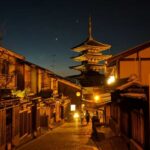
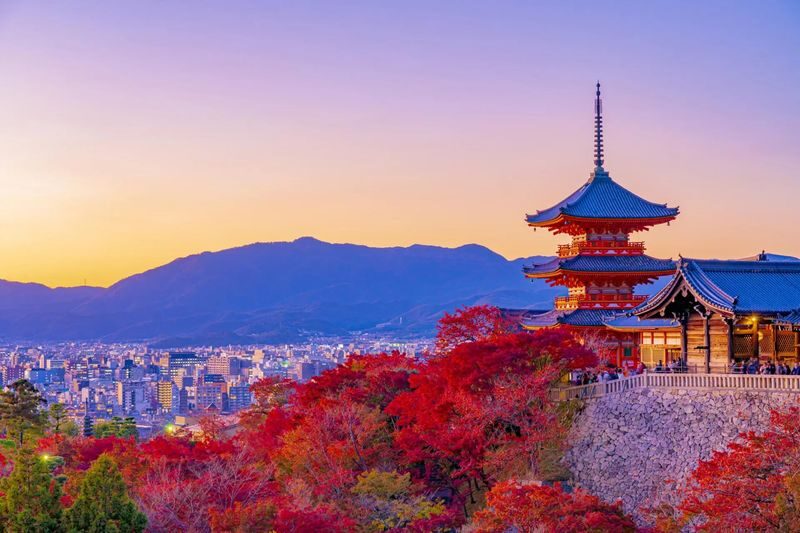
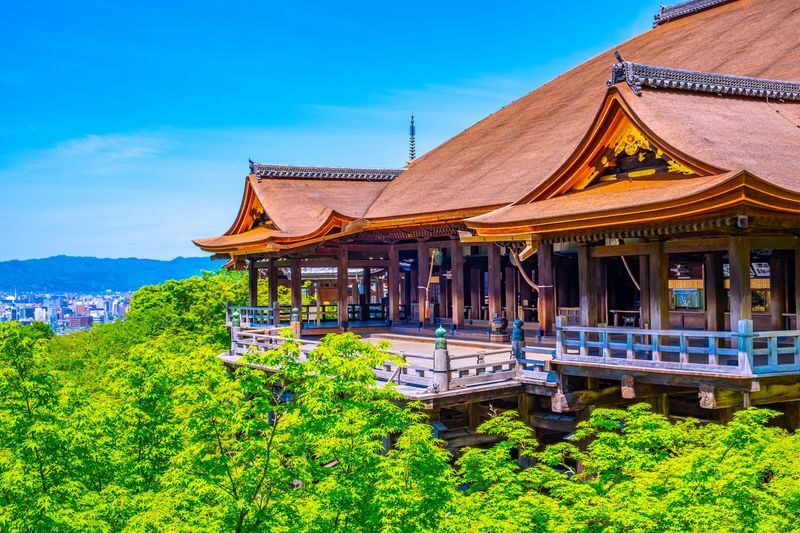
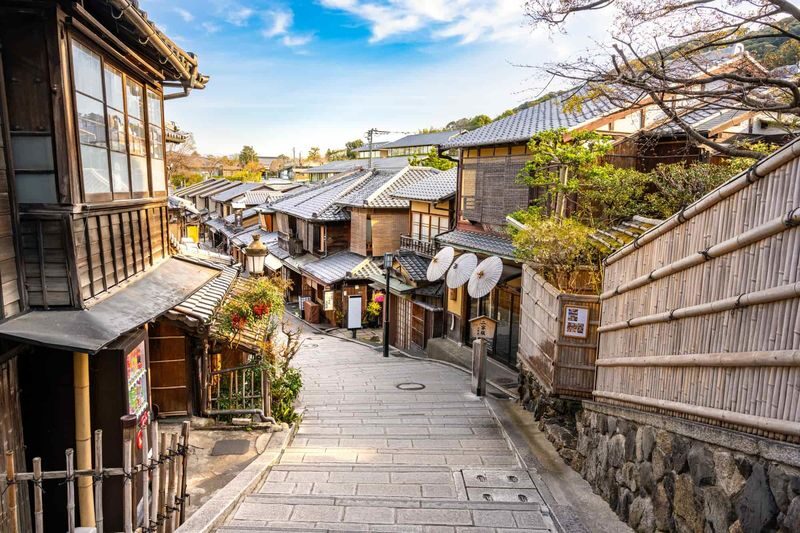
Kiyomizu-dera brings a different kind of appeal. It is prized for its views, and the nearby traditional streets offer a change of pace from a temple visit. Accounts describe Sannenzaka and Ninenzaka as atmospheric lanes of stone paths, wooden buildings and traditional shops, with plenty to catch the eye and camera.
This part of the day can be the most rewarding if you like to wander and take photographs. Some tour accounts also mention Yasaka Shrine or Gion, but those extra places are not named in the core package title, so do not count on them unless the operator confirms they are included for your departure. The reliable expectation is Kiyomizu-dera, with nearby street time described in some accounts.
One passenger described a three-hour stop in this area, including a lunch break. That is useful as a clue to how the schedule may feel, but it is not a published timing guarantee. A longer stop gives you room to explore, though it still means choosing what matters most. The streets are tempting, and a sit-down meal can take a bite out of your free time.
Lunch deserves a little planning. One account strongly preferred buying food from the surrounding vendors rather than pre-purchasing a tour lunch, saying that the meal was acceptable but that drinks cost much more than vending-machine prices and nearby food looked appealing. That is one person’s experience, not a universal rule. Still, unless a set meal is important to you, check what is included and what it costs before paying in advance. The area’s food stalls and shops may be part of the fun.
Fushimi Inari-taisha: a memorable final stop
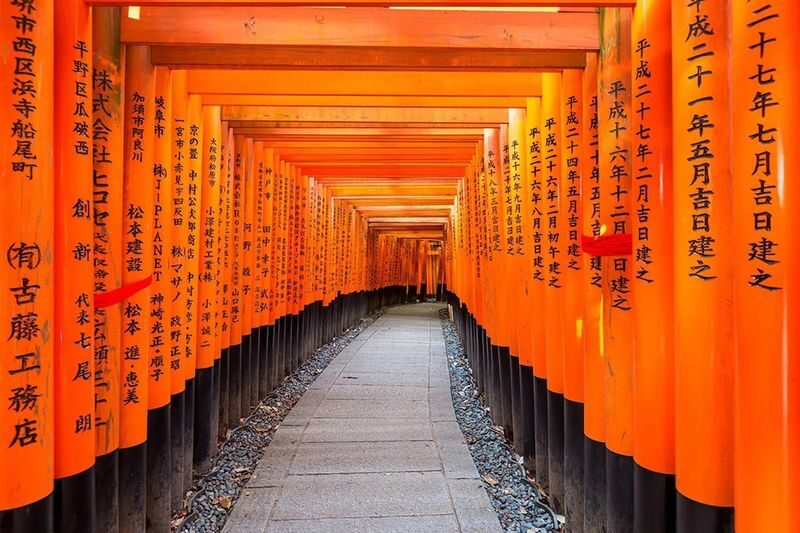
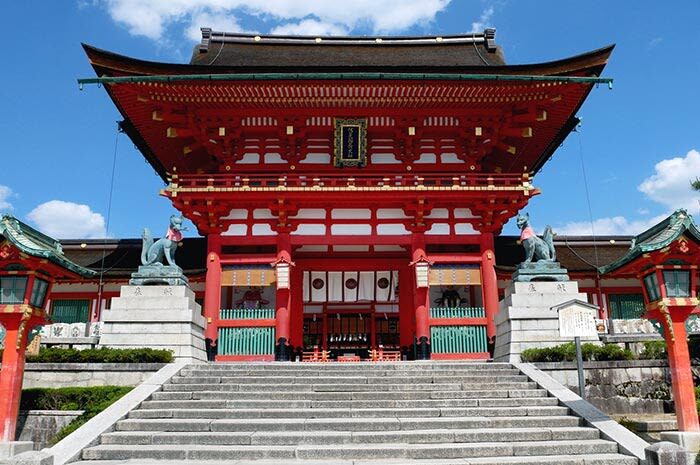
Fushimi Inari-taisha completes the trio with a setting that feels distinct from the Golden Pavilion and Kiyomizu-dera. The site is a frequent highlight for photographs, and it gives the day a final major landmark after the temple and old-street visits. If you have seen pictures of Kyoto’s famous shrine, this is your chance to experience it in person rather than through a screen.
The available details do not specify how long the tour spends here or how far you can walk within the shrine grounds. That matters: a short visit is enough to see the central area and take photos, but may not suit you if you want a longer walk. Ask about the schedule if this is the stop you care about most.
By this stage, your legs may be ready for a quiet ride. The tour is a walking day, even though the transport links the sites. Comfortable shoes and a willingness to keep to the group’s return time will make the experience easier. The benefit is that you still get a taste of three very different Kyoto settings without having to work out the route between them.
Guides, transport and the realities of a group day
The best comments focus on attentive staff. Vivi was praised for clear explanations and for reminding the group about meeting times and locations. Zhang was singled out for going out of the way to help a passenger whose phone battery had run out. Driver Izumo Takaaki was described as professional, attentive during the journey and considerate about passengers’ well-being.
Those examples point to what matters most on a busy day: someone who keeps the group oriented and helps when small problems arise. A PDF itinerary sent the day before was also described as well illustrated with text and images. If you like to know what comes next, that advance outline can help you prepare, though you should still check your meeting instructions carefully.
There are caveats. One passenger found the meeting point difficult to locate, and another described a small, cramped bus with ineffective air conditioning. These are not details you can assume will apply to every departure, but they are worth keeping in mind, especially in warm weather or if you are travelling with bulky bags. Check the meeting point before the day, arrive early, and ask the operator about transport arrangements if bus comfort is important to you.
Language is another point to check. One account describes an English-speaking guide whose accent was difficult for that passenger to follow. Other accounts praise the guides’ explanations, but the available information does not promise a particular guide or language for every date. If clear commentary in a specific language is essential, confirm it before booking.



What $44.89 buys you
The advertised starting price of $44.89 is appealing for a day that links three major sights. The value is not just admission or a seat on a bus; it is the time and effort saved by having a route and transport arranged, plus the help of a guide. For a first Kyoto visit, that can be a sensible trade: you cover the highlights and leave the detailed planning to someone else.
Do not judge the price without checking what is included in your chosen package. The information here gives a starting price but does not spell out every inclusion, such as meals or attraction admission. One account mentions paying extra for drinks after pre-buying lunch, so ask what a meal option covers and whether you would rather buy food as you go. Avoid assuming that every extra place mentioned in an account is part of the standard route.
The alternative is to visit independently. That gives you more freedom to set your pace and linger, but you take on the transport planning and the risk of losing time between stops. If you are comfortable navigating Kyoto and prefer a slow day, independent travel may suit you better. If you want an efficient overview and a guide’s help, the starting price looks reasonable.
Who should choose this Kyoto day tour
I would put this tour on the shortlist for first-time visitors, families who value direct transport, and anyone with only one day to see Kyoto’s best-known sights. It is also a useful option if the thought of planning several cross-city journeys feels more tiring than following a group schedule. The accounts of thoughtful assistance make it particularly worth considering if you appreciate clear reminders and practical support.
It is less suited to a slow, self-directed visit. You will need to keep an eye on the time, and the group sets the pace. If you want to linger at Kinkaku-ji, spend a long stretch at Fushimi Inari, or stop whenever a shop catches your eye, an independent day gives you more control. The tour’s strength is breadth, not solitude.
Booking is available as soon as tomorrow, with instant confirmation. Free cancellation is offered if you cancel at least 24 hours before the activity date, using the destination’s local time. Rescheduling, amendments and refunds remain subject to availability, so check the current terms and contact Klook customer support if you need clarification.
Should you book it?
Book this tour if your priority is seeing Kinkaku-ji, Kiyomizu-dera and Fushimi Inari-taisha in one day without arranging the transport yourself. The guide support, clear reminders and reported care for families are meaningful advantages, and the price from $44.89 makes the convenience worth considering.
Skip it if you want to set your own pace or are especially sensitive to crowded transport and tight schedules. Before paying, confirm the meeting point, language, lunch arrangements and which extra stops, if any, are included on your date. With those details settled, this is a practical way to get a first look at Kyoto’s signature sights.
Kyoto Kinkaku-ji, Kiyomizu-dera, Fushimi Inari-taisha One-Day Tour
“We received the PDF itinerary the day before the trip, and it was well-illustrated with text and images. We had two tour guides for this trip, and…”
FAQ
Which places are included in the tour?
The package is named for Kinkaku-ji, Kiyomizu-dera and Fushimi Inari-taisha. Some accounts also mention places such as Yasaka Shrine, Gion, Sannenzaka and Ninenzaka, but check the schedule to confirm any additional stops.
How much does the tour cost?
The advertised price starts at $44.89. The information provided does not specify every possible package inclusion, so check the details for your chosen date before booking.
Can I book for tomorrow?
The activity information says you can book now for tomorrow. Availability still depends on the date you select.
Is confirmation instant?
Yes. The activity offers instant confirmation.
What is the cancellation policy?
You can receive a full refund if you cancel at least 24 hours before the activity date, using the destination’s local time. Reschedules, amendments and refunds are subject to availability.
Is a guide included?
The tour is described as guided, and passengers have named guides including Vivi and Zhang. The guide assigned to your departure may differ.
Is lunch included?
The available activity details do not state whether lunch is included. One account describes pre-purchasing lunch through the tour, but you should confirm meal options and costs for your date before paying.