Experience the Art of Japanese Lacquerware in Kyoto
If you’re seeking a truly authentic and hands-on cultural activity in Kyoto, the Kyoto Urushi Lacquer Factory Tour and Chopstick Making Experience offers an illuminating glimpse into Japan’s centuries-old craft of urushi lacquer.
Held at the Tsutsumi Asakichi Urushi factory, this 90-minute activity takes you inside a workshop that produces over 70% of Japan’s domestically refined urushi lacquer, a tradition that dates back to 1909. For $107.26 per person, you’ll enjoy a private, guided tour and get your hands dirty (literally) with the delicate art of applying lacquer to a pair of chopsticks.
What makes this experience stand out? First, you get an insider’s view of how Japanese lacquer sap is harvested and processed—a process many of us have only seen in books or documentaries. Second, the opportunity to craft your own lacquered chopsticks using traditional techniques like “fuki-urushi” adds a personal touch that turns this from just a tour into a memorable craft activity.
A minor consideration is that the tour lasts about 90 minutes, which might be longer than some travelers want if you’re pressed for time or prefer quick sightseeing stops. Also, the workshop is located in the city center, making it easily accessible, but it does require wearing clothes suitable for getting a little messy.
This tour suits curious travelers interested in traditional Japanese crafts, those who enjoy hands-on experiences, and anyone eager to learn about the care and skill behind high-quality lacquerware. It’s especially appealing if you’ve read about or seen lacquerware in Kyoto’s markets and want to understand the craftsmanship firsthand.
- Key Points
- Delving Into the Details of the Kyoto Urushi Lacquer Factory Experience
- The Location and Setting
- The Guided Tour: From Tree to Lacquer
- Why This Tour Stands Out
- The Chopstick Making: A Traditional Craft
- The Final Touch and Souvenir
- A Few Considerations for Travelers
- What Travelers Say: Authentic Feedback
- Analyzing the Value
- Who Will Love This Tour?
- FAQ
- The Best Of Kyoto!
- More Tours in Kyoto
- More Tour Reviews in Kyoto
Key Points
- Authentic insight into the centuries-old art of Japanese urushi lacquer.
- Hands-on chopstick-making using traditional “fuki-urushi” techniques.
- Knowledgeable guides who explain the harvesting and refinement process in detail.
- Convenient central location in Kyoto, suitable for travelers staying in the city.
- Limited group size (max 5 travelers), ensuring a personalized experience.
- Cost-effective considering the private tour and souvenir chopsticks included.

👉 See our pick of the We Rank Kyoto’s 15 Top Workshops & Classes
Delving Into the Details of the Kyoto Urushi Lacquer Factory Experience
You can also read our reviews of more tours and experiences in Kyoto.



The Location and Setting
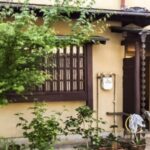
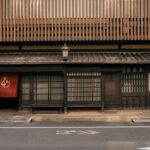
The experience takes place at Tsutsumi Asakichi Urushi, a factory steeped in tradition and essential to the regional economy. Since 1909, this family-run operation has refined over 70% of Japan’s domestic urushi lacquer, making it a cornerstone of Kyoto’s rich craft scene. Located in the heart of Kyoto, the factory offers a glimpse into the working environment of artisans dedicated to maintaining an ancient craft.
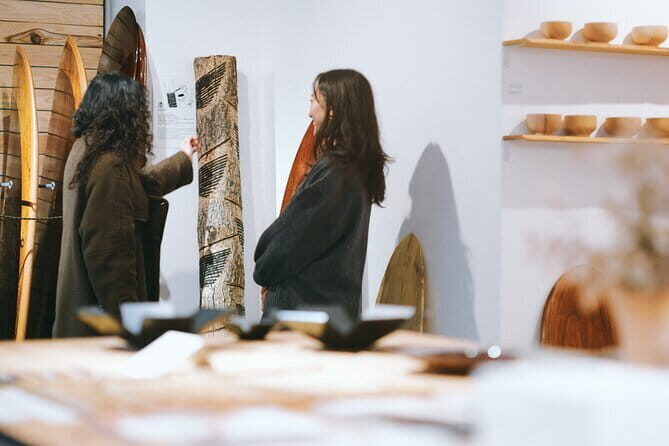
Walking into the factory store “Und.”, you’ll immediately sense the atmosphere of millennia-old craftsmanship. The surroundings are filled with tools, finished items, and the subtle scent of lacquer—which, for many, is a sensory reminder of Japan’s meticulous approach to beauty and durability.
The Guided Tour: From Tree to Lacquer
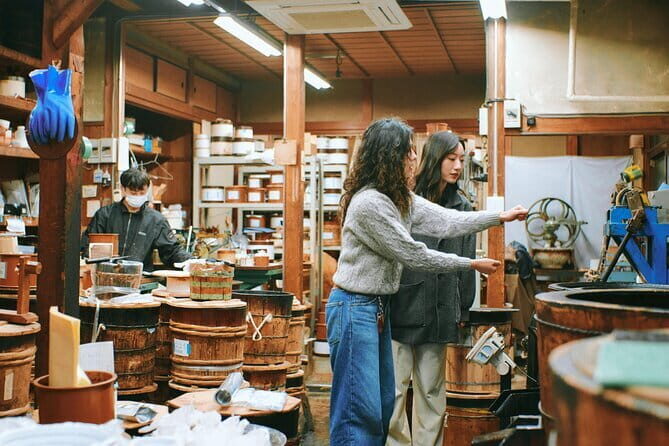
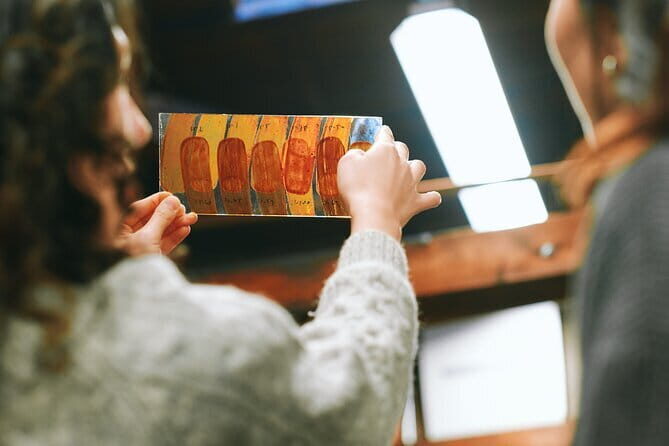
Your guide, whose enthusiasm and expertise shine through, begins by explaining the harvesting of the Japanese lacquer tree’s sap (urushi)—a process that involves careful collection and refinement. You’ll learn how this sap is then processed and colored, revealing some of the secrets artisans keep to produce the vibrant, durable coatings used on everything from traditional furniture to modern smartphone cases.
Most travelers are surprised to discover how labyrinthine and delicate the refining process is. You’ll see some of the tools and techniques used to create the lacquer’s smooth, glossy finish, including how artisans develop a variety of colors and textures. This behind-the-scenes look underscores the artistry and patience required, making it clear why high-quality lacquerware carries a premium.
Why This Tour Stands Out
What makes this tour especially appealing is the personalized approach. With groups limited to five, the guide can answer your questions in detail, making it suitable for those genuinely interested in Japanese craft traditions. The private feel enhances the experience, allowing for a more relaxed and insightful exploration.
The Chopstick Making: A Traditional Craft
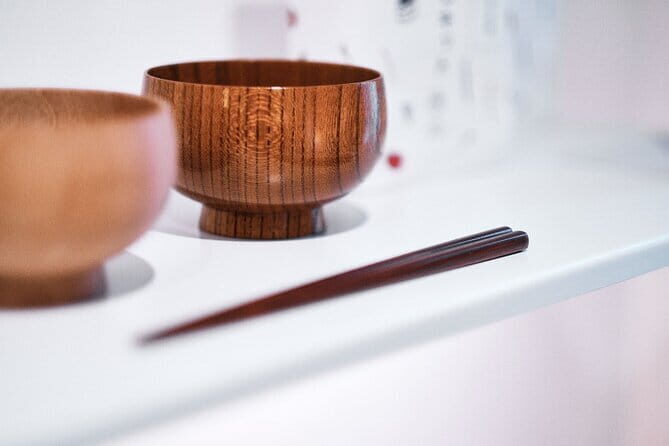
After the factory tour, you’ll head to the workshop on the top floor, where you’ll get to apply lacquer onto a pair of chopsticks. This is where the traditional “fuki-urushi” technique comes alive. You’ll learn how to brush and layer lacquer carefully, mimicking the methods artisans have refined over generations.
The process is more than just a craft; it’s a meditative art requiring patience and attention to detail. The resulting chopsticks are not just souvenirs but authentic pieces of Japanese craftsmanship to take home.
The Final Touch and Souvenir
Once finished, you’ll be able to take your lacquered chopsticks home as a personal keepsake. This tangible reminder of your Kyoto visit offers both practical use and cultural significance, making it a worthwhile memento.
A Few Considerations for Travelers
While the experience is rich and rewarding, it’s worth noting that wearing clothes suitable for getting dirty is recommended, as lacquer can be quite sticky and challenging to remove. Also, if you’re traveling with large luggage, keep in mind that no luggage storage is available at the site.
The experience requires a minimum of two participants to run, so solo travelers or small groups should plan accordingly. If the minimum isn’t met, the tour might be canceled, but a full refund is provided, so there’s little risk.
What Travelers Say: Authentic Feedback
The reviews highlight how knowledgeable guides make the experience especially engaging. One traveler called it a “wonderful and informative experience,” praising the opportunity to learn about “this artistic tradition in the past and present.” The guide’s clarity and accommodating attitude received high marks.
Another reviewer appreciated the stunning views into the process, noting how the tour provided a new appreciation for Japanese artisanship. The chance to apply lacquer themselves and bring home a handmade souvenir has been described as “a privilege” and a highlight of their Kyoto trip.
Analyzing the Value
At just over $100, this experience offers excellent value for anyone wanting more than just sightseeing. You’re not only observing a craft but actively participating in it, which deepens your understanding and appreciation of Japanese culture. The small group size and personalized guidance make it especially worthwhile, ensuring you’re not just a passive spectator but an engaged participant.
Who Will Love This Tour?
This experience appeals most to culture lovers and craft enthusiasts eager to get hands-on with traditional Japanese techniques. It’s ideal for those interested in artisanal processes rather than just sightseeing snapshots. Because it’s conducted entirely in English and offers plenty of opportunity for questions, it’s accessible to international travelers.
If you’re a creative soul or someone who enjoys learning about craftsmanship, this tour will enrich your understanding of Kyoto’s artisanal heritage. It’s also a perfect activity for small groups or couples looking for a meaningful, authentic experience without the crowds.
Kyoto Urushi Lacquer Factory Tour and Chopstick Making Experience
FAQ
Is this tour suitable for children?
While the tour is open to most travelers, the application process on lacquer may require patience and fine motor skills, so it’s best suited for older children and teens willing to focus on detailed work.
Do I need any prior knowledge of lacquerware?
No prior experience is necessary. The guide will explain everything clearly, and the hands-on part is designed to be accessible for beginners.
What should I wear?
Wear clothes that can get a bit dirty or stained, as lacquer can be sticky. An apron is not provided, so dress accordingly.
Is transportation included?
No, private transportation is not included. The meeting point is conveniently located near public transit in Kyoto.
Can I book alone?
Yes, bookings are accepted for any group size, but the tour requires at least 2 participants to operate. If the minimum isn’t met, you’ll be fully refunded.
How long does the entire experience last?
The tour lasts about 90 minutes, including the factory tour and the chopstick application.
Is the tour conducted in English?
Yes, all explanations and instructions are in English, making it easy for international visitors to follow along.
Is there an age limit?
While not explicitly stated, the activity involves fine craftsmanship, so it’s best suited for older children and adults.
What’s the best way to get there?
The factory is near public transportation, so you can easily reach it by Kyoto’s subway or bus system.
Can I purchase additional lacquerware items during the tour?
The tour is primarily focused on the process and making your chopsticks. However, the store offers items and tools for lacquerware artists, so you might find souvenirs or tools to purchase separately.
In summary, this Kyoto Urushi Lacquer Factory Tour and Chopstick Making Experience provides a rare, insider’s look into a traditional craft, paired with a meaningful hands-on activity. It’s perfect for those who want to connect with Japan’s artisanal heritage in a direct, engaging way. The focus on small group sizes and expert guides ensures you’ll leave with both new knowledge and a craft you made yourself—a genuine souvenir of your Kyoto journey. If you’re eager to learn, create, and understand what makes Japanese lacquerware so treasured, this experience is well worth considering.