In Osaka’s Nihonbashi, MOCHIMATSURI turns mochi pounding into a small indoor matsuri. You take a wooden mallet, follow the staff’s cues, and pound mochi to a chorus of cheers beneath lanterns and Japanese decorations. It is lively, hands-on, and much easier to fit into a day than a long workshop.
I like two things here: you get to take part instead of simply watching, and the staff make room for photos and video while keeping the mood friendly. The included daifukumochi gives the session a sweet finish, and the optional matcha package adds a live performance.
One point to keep in mind: this is a brief, camera-ready cultural activity, not a detailed lesson in making mochi from raw rice. If you want a longer cooking class or a quiet, formal introduction to Japanese tradition, this may not be the right fit.
- Take a turn with the mallet: The central activity is pounding mochi with staff guidance and a crowd cheering you on.
- Expect a compact visit: One participant described the session as about 30 minutes, a useful fit between other Osaka plans.
- Get English support: English- and Japanese-speaking staff help explain the activity and encourage participation.
- Bring your camera: Lanterns, Japanese decor, a pine-tree backdrop, and time for photos make this as much a photo stop as a cultural activity.
- Choose your package carefully: The standard option includes one daifukumochi; another adds a live matcha performance.
- Arrive at the exact time you booked: There is no guide meeting you elsewhere, and late arrivals or no-shows are not refundable.
- A festival scene in the middle of Nihonbashi
- What happens when you take the mallet
- From arrival to the last sweet bite
- Photos are part of the activity, not an afterthought
- The standard package or the matcha add-on
- Who will enjoy this Osaka stop
- Practical details that make the visit smoother
- Should you book MOCHIMATSURI?
- FAQ
- Where is MOCHIMATSURI?
- Do I meet a guide before the activity?
- How early should I arrive?
- What is included in the standard package?
- Is there a matcha option?
- Can children take part?
- Can I cancel for a refund?
- The Best Of Osaka!
- More Tours in Osaka
- More Tour Reviews in Osaka
A festival scene in the middle of Nihonbashi
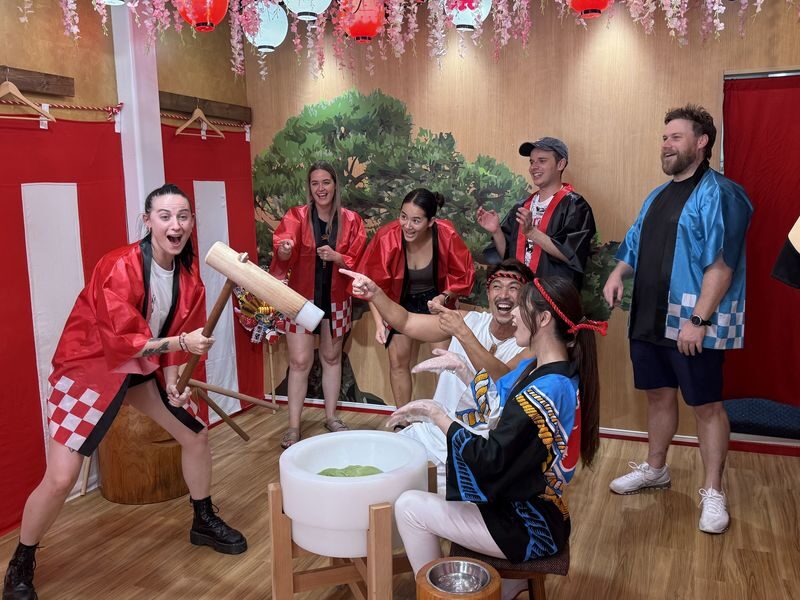
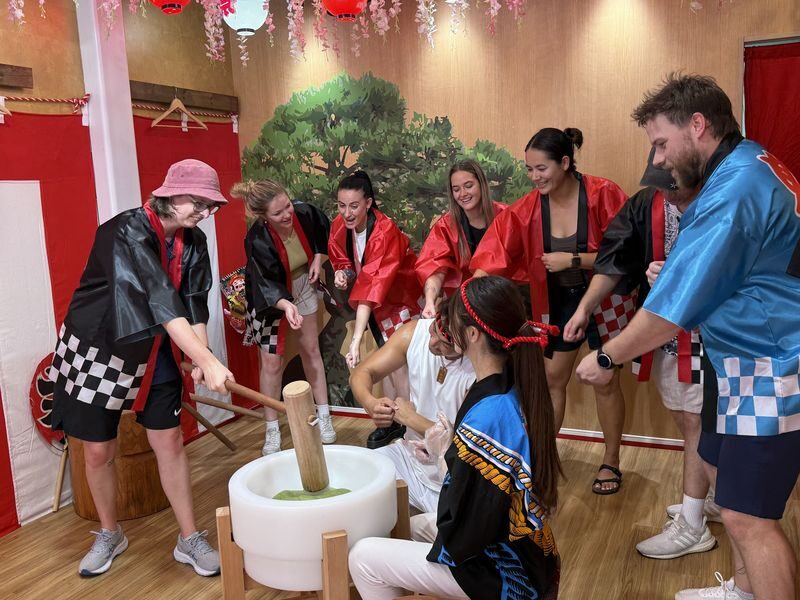
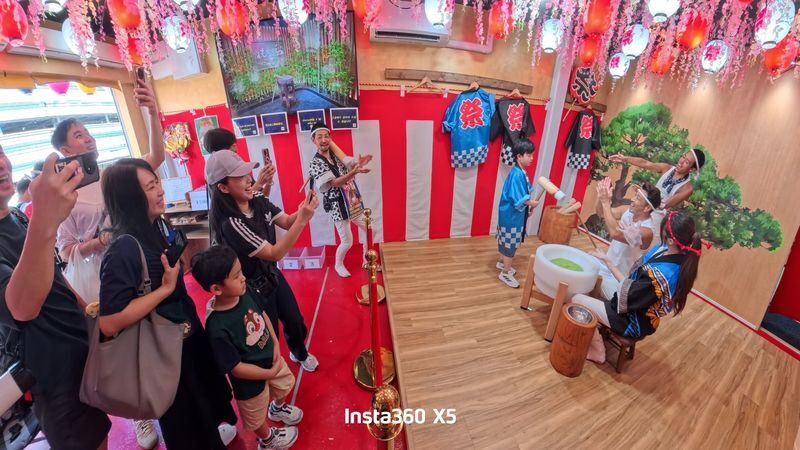
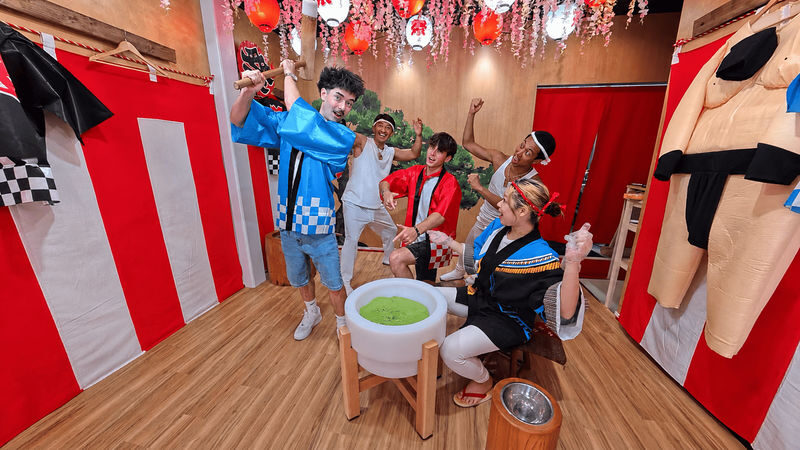
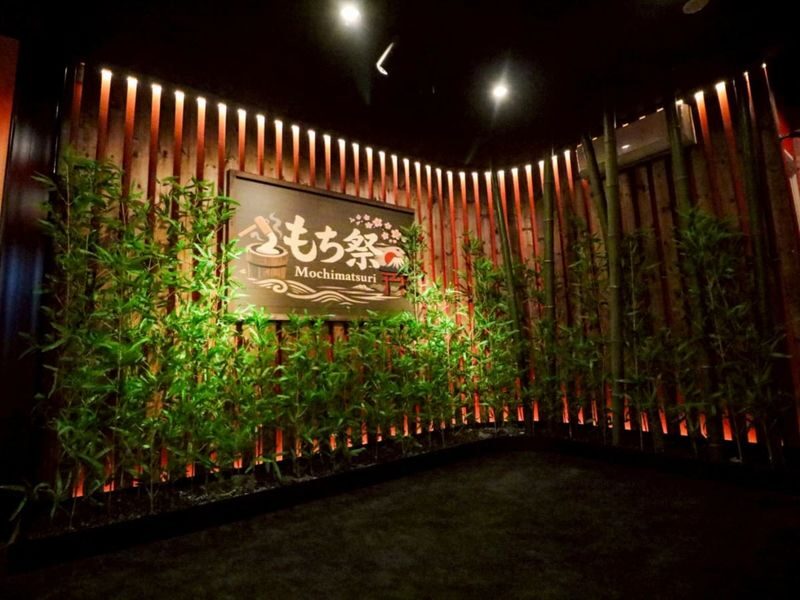
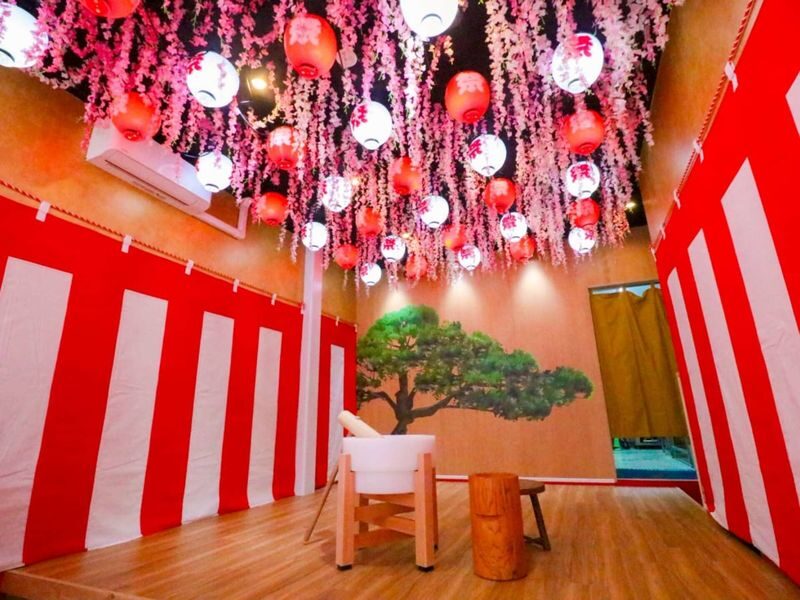
MOCHIMATSURI takes a familiar Japanese food tradition, mochi pounding, and gives it the energy of a festival performance. The setting is an indoor studio at 2-12-29 Nihonbashi, in Osaka’s Chuo Ward. Rather than joining a large street festival, you step into a decorated space with glowing lanterns, Japanese ornaments, wish boards, and a pine-tree backdrop.
That setting shapes the experience. Staff encourage you, explain when to swing, and keep the rhythm lively, so even a first-timer has a clear role. The aim is participation and shared fun, not a long lecture on the history of mochi or a quiet demonstration from a distance.
You may also find clothing and photo opportunities as part of the visit. Participants have described being dressed in kimono or lent outfits, but treat that as a possible extra rather than a guaranteed feature of every booking. The dependable draw is the pounding session, the decorated studio, and staff help with photos.
👉 See our pick of the The Top 15 Workshops & Classes In Osaka
What happens when you take the mallet
Mochi pounding, or mochitsuki, is the heart of the visit. You are invited to use a large wooden mallet while staff lead the action and the group cheers. The motion is simple to grasp, but the mallet is heavy enough that you should listen closely to instructions and wait for your turn.
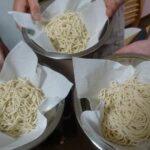
The wording mochi-making can suggest that you will prepare the dough from the beginning. Set expectations more narrowly: this is a hands-on pounding experience, not a full workshop in which you handle every step of mochi production. One participant even described pounding a machine, so the exact setup may vary. If learning the complete process matters most to you, ask the operator what your selected session includes before booking.
The lively format works especially well for people who might feel shy about joining a cultural activity. Staff are described as welcoming and attentive, and solo visitors have taken part comfortably. You do not need to arrive with a group or know the right festival chant in advance.
You can also read our reviews of more tours and experiences in Osaka.


From arrival to the last sweet bite
The itinerary is refreshingly simple. You make your own way to MOCHIMATSURI, check in for your booked time, take part in the mochi-pounding activity, and finish back at the same address. There is no separate departure point, coach transfer, or walk between multiple stops.
The session is short enough to pair with nearby sightseeing. The studio is close to Kuromon Market, making it practical to combine with a market visit or other plans in central Osaka. The exact duration is not specified, though one participant described spending about 30 minutes there. Allow a little extra time for getting settled and taking pictures, but do not plan on a half-day outing.
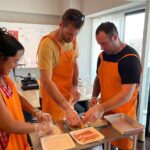
At the end, the standard package includes one daifukumochi. That matters because it gives you a taste of the finished sweet without turning the activity into a full meal. The matcha option adds a live performance, and some participants have received a matcha drink during their visit, but a drink is not listed as included in the standard package. Check the package details rather than counting on an extra.
Photos are part of the activity, not an afterthought
This studio is designed to look good on camera. Lanterns, Japanese decor, and the pine-tree backdrop provide several settings for pictures, while the staff make time to help capture the action. If you are traveling alone, this practical help can make the difference between leaving with a memory and leaving with a folder full of photos of the room.
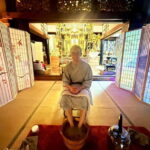
The second-floor lounge is styled like a Japanese set, with soft lighting. It gives you a quieter place to pause and take more pictures after the energetic part. The activity is clearly suited to social-media clips, but you do not need to post anything to enjoy it. Think of the camera-ready setup as a bonus, not a requirement.
For a more natural souvenir, focus on capturing the process: the mallet, the calls from the staff, and the moment you get your turn. The setting is staged, but the physical act of pounding mochi is real participation. That blend of performance and doing is what makes this a different kind of stop from a standard photo studio.
The standard package or the matcha add-on
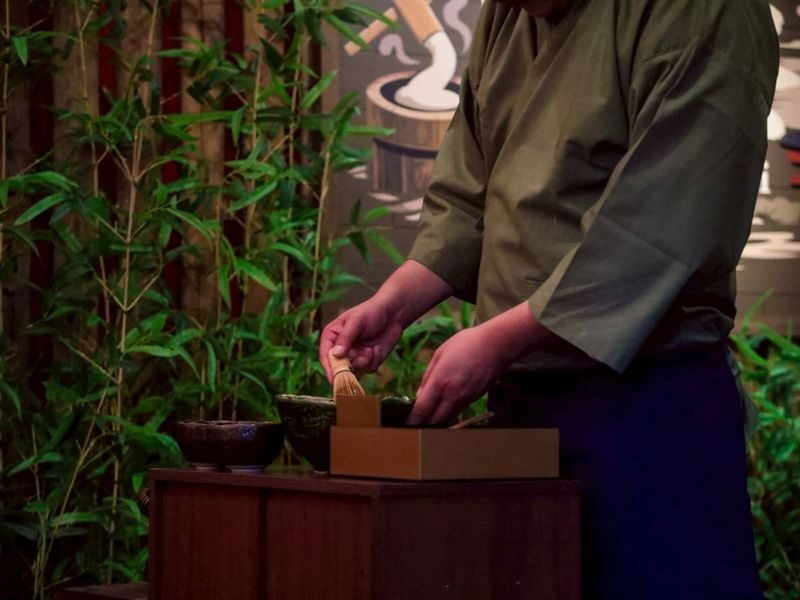
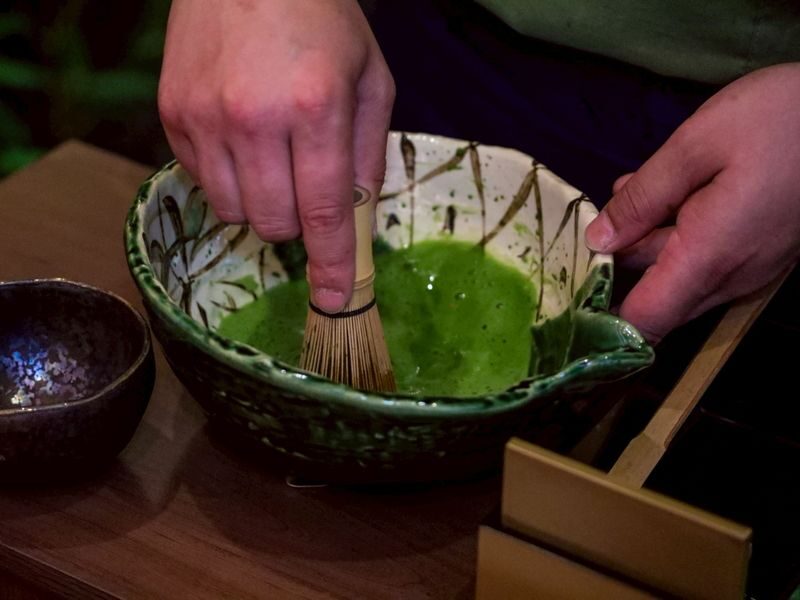
There are two listed options. The standard mochi-making experience includes one daifukumochi. The second package pairs hands-on mochi making with a live matcha performance, also with one daifukumochi.
The word performance is worth noticing. This option is for watching a matcha specialist prepare tea, rather than assuming you will whisk your own matcha. One account of the combined package described a specialist preparing matcha with Kyoto matcha powder, while another participant felt the matcha and mochi parts were more about watching and taking pictures than making everything from scratch. If you are choosing for the tea element, confirm exactly what participation is included.
The listed starting price is $13.29. That is a modest entry point for a short, hosted activity with staff support, a sweet, and a distinctive setting. The real value depends on what you want: if you are after a hands-on laugh, a good photo, and a taste of daifuku, the price makes sense. If you expect an extended class, a full meal, or detailed cultural instruction, the short format may feel thin.
The free daifukumochi is part of the stated package, while the experience description also promotes a free 1,000-yen gourmet daifuku for advance bookings. Since package wording can differ, check your selected option and booking confirmation for the exact inclusion.
Who will enjoy this Osaka stop
Families can make good use of the activity because it gives children something active to do, and staff have small equipment for children. Children aged 13 and older are charged the adult rate. The information does not set out a minimum age for younger children, so check directly if you are booking for a child under 13.
It can also suit solo visitors, couples, and friends who want a cheerful break from sightseeing. You do not need a group to take part, and English support helps visitors who do not speak Japanese. If you are traveling with someone who prefers calm, low-key cultural settings, though, the enthusiastic staff-led style may feel a little theatrical.
The activity is not suitable if you are feeling unwell or are pregnant. The mallet work also calls for attention and coordination, so follow the staff’s directions and do not swing until it is your turn.


Practical details that make the visit smoother
The address is 2-12-29 Nihonbashi, Chuo Ward, Osaka. You need to get there yourself; there is no guide waiting at a separate meeting point. Book one of the available half-hour start times, from 10:00 through 16:30, and arrive five minutes early. The end time depends on the departure time and session length, with return times listed from 10:30 through 17:00.
This is a small-group activity, with a stated group size of one to 20. That gives solo visitors a way to join, while groups can still share the experience. The voucher is valid only for the date and time selected, and late arrivals or no-shows cannot be refunded. Free cancellation is available with at least 24 hours’ notice.
Wear something you can move in, and keep your camera ready if you want pictures of your turn. If you are interested in an outfit, a matcha drink, or particular photo arrangements, ask before you arrive rather than assuming those extras come with every package.
Should you book MOCHIMATSURI?
Book it if you want a short, cheerful activity where you can swing a mallet, enjoy a daifuku, and leave with distinctive photos. It is an easy fit near Kuromon Market and a good choice for families, first-time visitors, solo travelers, or friends looking for something more active than another shop or museum.
Skip it if your main goal is a thorough lesson in traditional sweets, making mochi from raw ingredients, or practicing matcha preparation yourself. MOCHIMATSURI is strongest as a lively festival-style encounter with real participation, helpful English support, and a camera-ready setting. For the modest starting price, that can be a worthwhile Osaka memory, as long as you book it for what it is.
Live Mochi Pounding & Japanese Festival Culture Experience in Namba
“it was interesting pounding the machine but I was hoping for a bit more explanation.”
FAQ
Where is MOCHIMATSURI?
It is at 2-12-29 Nihonbashi, Chuo Ward, Osaka, Japan.
Do I meet a guide before the activity?
No. You make your own way to the location. The activity ends at the same address.
How early should I arrive?
Arrive five minutes before the start time you selected.
What is included in the standard package?
The standard mochi-making experience includes the performance and experience, English- and Japanese-speaking staff, and one daifukumochi.
Is there a matcha option?
Yes. A separate package combines hands-on mochi making with a live matcha performance and includes one daifukumochi.
Can children take part?
Small equipment for children is available. Children aged 13 and older are charged the adult rate. The information does not specify a minimum age for younger children.
Can I cancel for a refund?
You can receive a full refund if you cancel at least 24 hours before the activity date, using the destination’s local time.