At Anko-an, near Kyoto’s Daitoku-ji Temple, the tea ceremony is more than a pretty bowl and a bamboo whisk. You’ll see the measured movements up close, hear why they matter, then make matcha yourself. Instructor Yuka is often praised for clear explanations and a warm, humorous teaching style.
I like two things in particular: you get to take part, rather than only watch, and the class connects the ceremony to the wider culture of tea. Matcha, Japanese sweets and an introductory Chinese tea are included, with time to ask questions.
One consideration: the scheduled class is 60 minutes, but the experience may run longer, and the location is a little removed from Kyoto’s main tourist districts. Check the route before you set out, and leave room in your schedule.
- A demonstration, then a turn at the whisk: Watch the instructor prepare matcha before trying the process yourself.
- Tea culture, not just tea tasting: The session introduces the meaning behind the ceremony’s movements and customs.
- A welcoming, small-room feel: The venue is described as intimate, with a group of eight reported in one session.
- A sweet with your matcha: Japanese sweets are included, giving you the traditional pairing.
- A short walk from Daitoku-ji: The temple is about three minutes away, making it easy to pair the class with a temple visit.
- A quiet neighborhood setting: Anko-an is on Shin-Omiya Shopping Street, away from the city’s busiest sightseeing streets.
- What this Kyoto tea ceremony actually teaches
- Starting with tea and an introduction
- Watching the hirademae demonstration
- Making matcha and sharing it
- A small class with a personal feel
- Pairing the class with Daitoku-ji
- Is .75 good value?
- Timing, booking and practical details
- Who should book this class?
- FAQ
- How long is the tea ceremony experience?
- Where does the class take place?
- What is included in the price?
- Do participants get to make matcha?
- Can children join the experience?
- What do I need to show when I arrive?
- The Best Of Kyoto!
- More Tours in Kyoto
- More Tour Reviews in Kyoto
What this Kyoto tea ceremony actually teaches
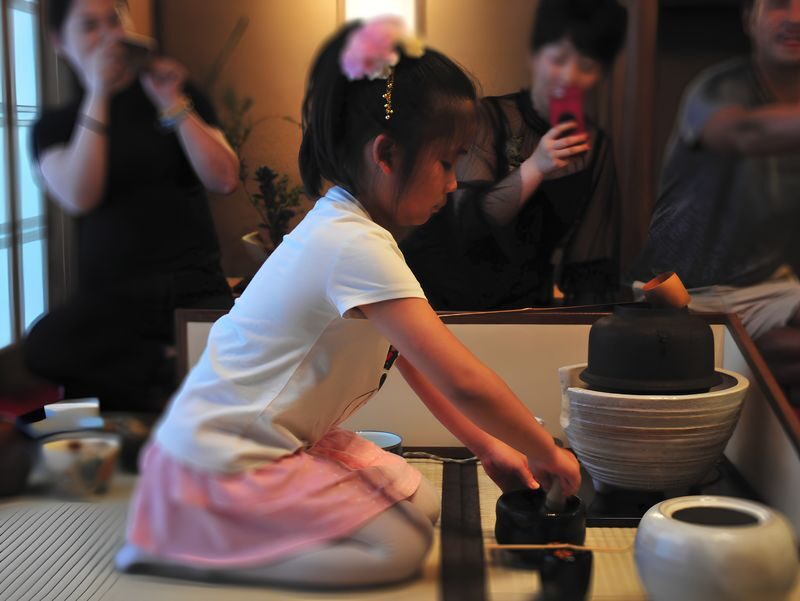
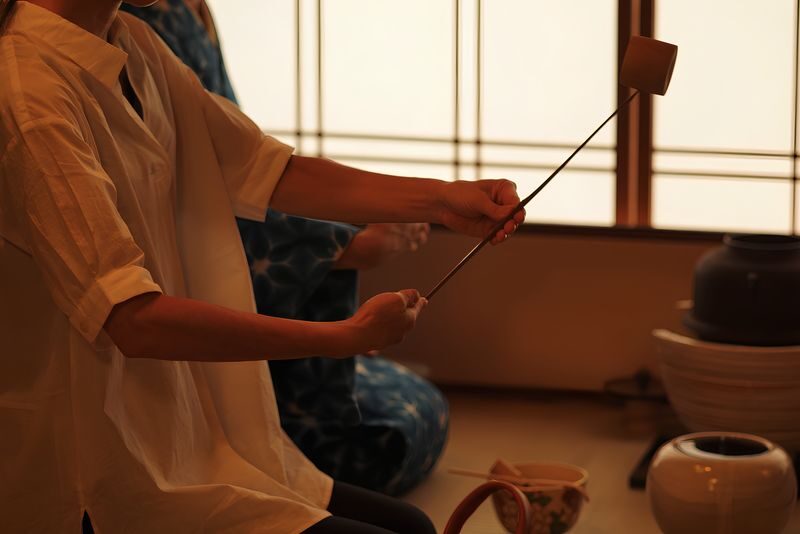
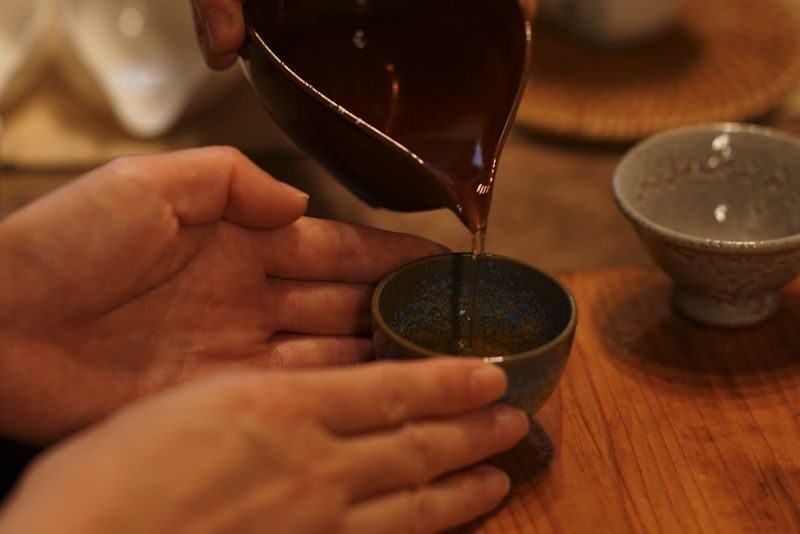
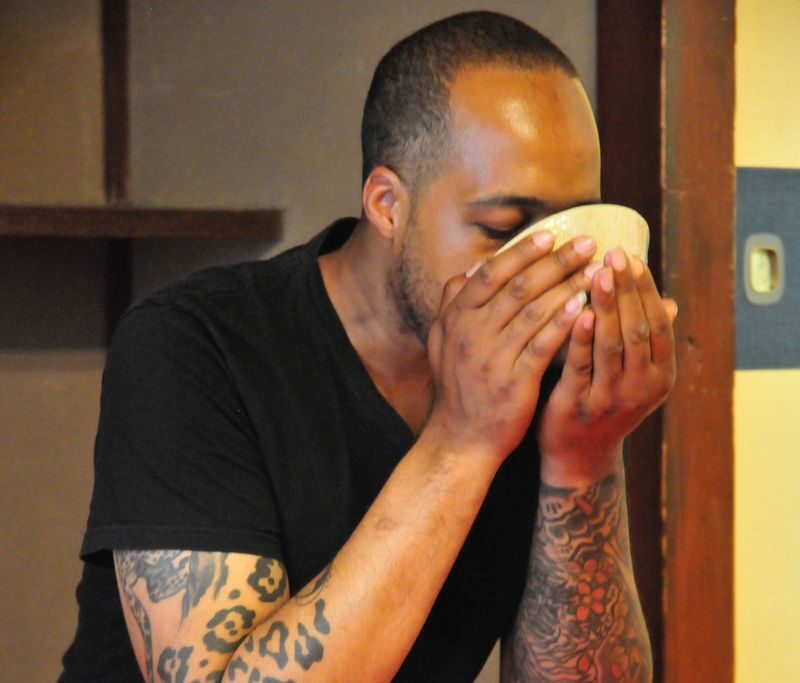
This is a hands-on introduction to matcha and Japanese tea culture, not a long, formal ceremony that asks you to sit silently for hours. The listed experience lasts 60 minutes and includes a demonstration of hirademae, a style of tea preparation, followed by a chance to make matcha yourself.
That distinction matters. If you want a calm first encounter with the ceremony, its tools and its etiquette, this format makes sense. If you are hoping for an extended, highly formal practice, treat this as a concise lesson rather than a complete study of tea.
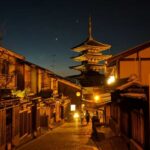
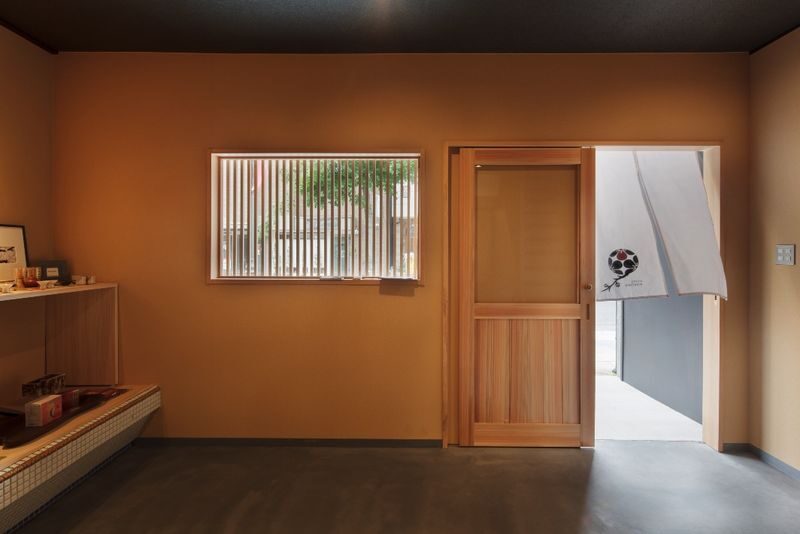
The class is held at Anko-an, a tea and flower-arrangement experience space on Shin-Omiya Shopping Street. It sits in a quiet part of northern Kyoto, close to Daitoku-ji, a major Zen temple with longstanding ties to tea culture. You get a cultural activity and a nearby place to explore, rather than a class in the middle of the city’s busiest visitor zone.
👉 See our pick of the We Rank Kyoto’s 15 Top Workshops & Classes
Starting with tea and an introduction
The session begins with check-in, followed by an explanation of the day’s plan over Chinese tea. This opening is useful: it gives you a moment to settle in and learn a little about the class before the matcha demonstration begins.
The instructor’s interest in both Japanese and Chinese tea culture gives the introduction a wider frame. You are not simply shown a set of motions without context. Expect explanations of the ceremony’s practical details and some of the ideas behind its deliberate pace and gestures.
The class is led by a Japanese instructor. Yuka, also referred to as Yuka-san or Yuka-sensei, is a name that comes up often in descriptions of the experience. She is praised for patient teaching, clear explanations and a light sense of humor that helps newcomers feel at ease. Some sessions may be led by another instructor, so don’t treat a particular teacher’s name as guaranteed.
English has been strong in many reported sessions, and participants have been able to ask questions. Still, the information provided does not promise an English-speaking instructor for every date. If language is essential to your experience, check with the operator before booking.
You can also read our reviews of more tours and experiences in Kyoto.

Watching the hirademae demonstration
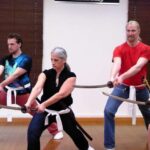
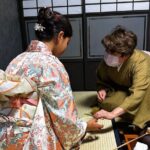
The instructor demonstrates how matcha is prepared, showing the tools and the sequence of movements at close range. The point is not speed. The careful handling of the bowl and whisk helps explain why the ceremony is often described as an art that brings attention to the present moment.
The format also gives you room to ask about the details. For example, one instructor has shared insights about calligraphy and symbolism, alongside the tea itself. That extra cultural context can turn a simple demonstration into a more satisfying lesson, especially if you are curious about how objects and gestures carry meaning.
Keep your expectations grounded: this is a short, guided introduction. You will see a traditional preparation and learn how to approach it, but the class is not described as a full-length formal tea gathering. That shorter format works well for a packed Kyoto itinerary, though it may feel brief if tea ceremony is your main reason for booking.
Making matcha and sharing it
After watching, you get to prepare matcha. Participants describe whisking their own tea and, in some sessions, taking turns making and serving it to one another. This is the part that makes the class feel participatory rather than like a small performance.
There can be limits to how much of the full preparation each person gets to do. In one group of eight, some participants had a turn at the broader ceremony while everyone got to whisk the matcha. That is understandable when one instructor is guiding a whole group within a limited session, but it is worth knowing if you expect each person to repeat every step.
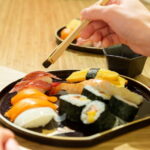
You will also have Japanese sweets with the tea. The pairing gives you a taste of how matcha is traditionally enjoyed, and it makes the practical lesson more memorable. The sweets and drink fee are included, so there is no separate charge for the stated refreshments.
A small class with a personal feel
Anko-an is described as a small venue, and some sessions have felt cozy and intimate. That can be an advantage: you can see the demonstration clearly, take part, and ask questions without being lost in a large crowd. The setting also lends itself to a relaxed exchange among people from different countries.
The trade-off is that group size affects how much hands-on time each person gets. If a full group attends, you may not personally perform every stage of the ceremony. The activity does not state a maximum group size, so ask the provider if the amount of individual practice is important to you.
The host’s manner is a major part of the experience. The strongest praise goes to instructors who are patient, warm and keen to explain the details without making the ceremony feel stiff. The class is presented as a serious cultural practice, but you do not need prior knowledge or experience to join in.
Pairing the class with Daitoku-ji
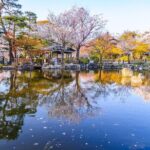
Daitoku-ji Temple is about a three-minute walk from the experience, so it makes a natural companion visit. The temple’s connection to Zen and tea culture gives the class a fitting setting in the wider neighborhood. You can visit before or after, depending on your schedule.
Anko-an itself is on Shin-Omiya Shopping Street, in a quieter area than central Kyoto’s best-known sightseeing districts. That calm is part of the appeal, but the location can feel out of the way if you are trying to string together several central attractions. One account found little to do nearby, so plan the temple visit as your main activity in the area rather than expecting a full day of shops and sights.
The listed address is 63 Murasakino Monzen-cho, Kita-ku, Kyoto. The space is about an eight-minute walk from Kitaoji Station, and there is no on-site parking. One visitor found the Google Maps address inaccurate and described the building as yellow, so check the exact meeting instructions and map pin before leaving.


Is $34.75 good value?
The starting price is $34.75. For that, you get a 60-minute tea ceremony experience, an instructor, a demonstration, a turn at preparing matcha, Japanese sweets and tea, plus use of the facility. The value is strongest if you want context and participation, not simply a cup of matcha.
Think of the price as paying for a cultural lesson in a small setting. You are not just buying tea and a sweet: you are learning how the ceremony is performed and getting a chance to practice. That makes it easier to justify than a quick tasting, particularly if Japanese customs are a central interest on your trip.
Value depends on what you expect. If you want an extensive formal ceremony or a long activity with several parts, the listed hour may feel short for the cost. And since the venue is outside the main tourist center, you should factor in the time and effort to reach it. Combining it with Daitoku-ji makes the outing more worthwhile.
Timing, booking and practical details
The activity is listed as 60 minutes, but leave extra time if your day is tightly planned. One account described a session lasting almost two hours, suggesting that the actual pace can vary. Arrive five minutes before the scheduled start; late arrivals and no-shows are not refundable.
You need to show your Klook voucher on a smartphone or another internet-connected device. Open it before you reach the venue, since you may not have Wi-Fi when you need to access it. The voucher is valid only for the date and time booked.
Children aged zero to two can take part for free. Children aged three and older pay the adult rate. There are no stated participation restrictions based on health conditions, but share any concerns in the booking remarks so the organizer can respond.
The operator may cancel because of unforeseen events or severe weather. If that happens, you can reschedule or request a full refund. The cancellation information supplied gives differing cutoff periods, so check the terms shown for your selected booking before you pay.
Who should book this class?
Book it if you want a thoughtful, approachable introduction to matcha, and like the idea of trying the preparation yourself. It suits first-time visitors to Kyoto, curious food and culture fans, and anyone who prefers a small class with room for questions over a large staged presentation.
It is also a good fit if Daitoku-ji is already on your itinerary. The temple and tea class make a coherent outing, and the quiet setting offers a change of pace from central Kyoto.
You may want to pass if your schedule cannot absorb a trip to the northern part of the city, if you need a guaranteed long session, or if you expect every participant to complete every step of the ceremony. For most curious beginners, though, the mix of demonstration, practice, sweets and cultural explanation makes this a rewarding hour, especially when paired with a visit to Daitoku-ji.
Matcha Tea Ceremony Experience (Kyoto)
“Yuka was an amazing teacher! My wife and I really enjoyed this class. Yuka was very detailed and you can tell she takes this tradition very serious…”
FAQ
How long is the tea ceremony experience?
The activity is listed as 60 minutes. Leave some extra time, since one session was reported to last almost two hours.
Where does the class take place?
It is held at Anko-an, at 63 Murasakino Monzen-cho, Kita-ku, Kyoto. The venue is about a three-minute walk from Daitoku-ji Temple and about an eight-minute walk from Kitaoji Station.
What is included in the price?
The package includes a 60-minute tea ceremony experience, Japanese sweets and tea, an instructor or guide, Japanese-speaking staff, tax and facility use. Other personal expenses are not included.
Do participants get to make matcha?
Yes. The instructor demonstrates the ceremony, and participants get to prepare matcha. How much of the full preparation each person tries may depend on the group size and available time.
Can children join the experience?
Children aged zero to two can take part for free. Children aged three and older are charged the adult rate.
What do I need to show when I arrive?
You need to present your voucher on a smartphone or another device with internet access. Open the voucher before arriving in case Wi-Fi is unavailable at the venue.