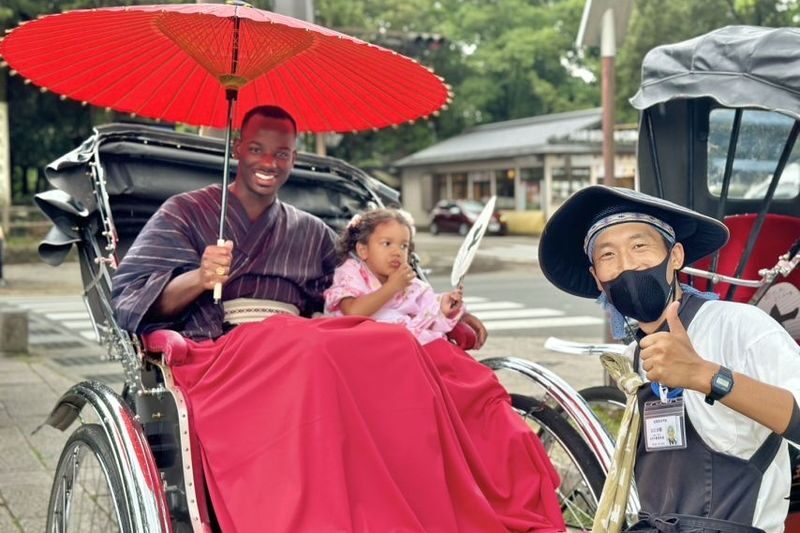
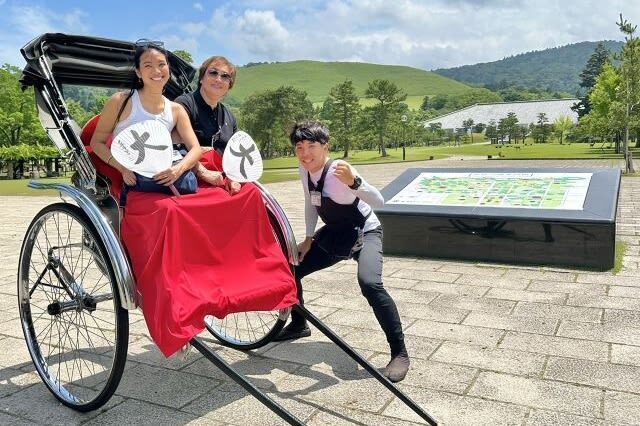
Nara’s great temples and famous deer are spread across an area best explored at a human pace. A private rickshaw gives you a seat, a guide, and a chance to take in the old capital without turning the visit into a march between landmarks.
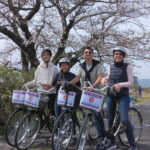
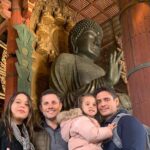
I like two things in particular: you can choose a short, scenic ride or a longer tour built around Buddhist art and heritage sites, and the guide can make the ride personal. A family of four appreciated being able to choose their route and chat with guides Denden and Kei about Japanese and Hawaiian culture.
One consideration: the price rises quickly with tour length, and temple admission is not included. The rickshaw also may not suit you if you are pregnant, as the activity is not recommended for pregnant women.
At a glance
- Three durations, three different days: Pick 70 minutes for Mt. Wakakusa and deer, 130 minutes for Buddhist sculpture, or 190 minutes for heritage sites, Naramachi, and sake tasting.
- A route with room for conversation: The private format gives you time with an English- or Japanese-speaking guide, rather than just a ride between sights.
- Deer biscuits are provided: On the 70-minute tour, you can feed Nara’s deer with biscuits supplied by the operator.
- The longest tour adds a local stop: The 190-minute option includes Naramachi and samples at a traditional sake brewery.
- Budget for temple admission: Tickets to temples are not included, and personal expenses are extra.
- Ask about Denden and Kei: These guides were praised for conversation and route flexibility, but you should not assume you can book a specific guide.
👉 See our pick of the 9 Of The Best Workshops & Classes In Nara
- At a glance
- A rickshaw ride through Nara’s old capital
- Choosing between 70, 130, and 190 minutes
- Mt. Wakakusa, deer, and the 70-minute ride
- Buddhist sculpture and temple landmarks on the 130-minute route
- Todaiji, Kasuga Taisha, and Naramachi on the longest tour
- What the private guide adds
- Price, meeting point, and practical details
- Who should book this Nara rickshaw tour?
- FAQ
- How long are the Nara rickshaw tours?
- What is included in the 70-minute tour?
- Are temple admission fees included?
- Where does the tour depart?
- Can young children ride for free?
- Can I request a specific guide or return location?
- The Best Of Nara!
- More City Tours in Nara
- More Tours in Nara
- More Tour Reviews in Nara
A rickshaw ride through Nara’s old capital
 1 / 6
 2 / 6
 3 / 6
 4 / 6
 5 / 6
 6 / 6
Nara was once Japan’s capital, and its concentration of temples and shrines ranks second only to Kyoto. Its UNESCO World Heritage sites make for a full day on foot, but the rickshaw offers a different way to connect the stops: you can look around while your guide shares context along the way.
The experience is private, so it is a good fit if you want a more personal pace than a group tour. You can talk with your guide, ask questions, and, on the shorter tour, have some say in the route. That flexibility can matter in a city where your interests may be deer, grand temple gates, or Buddhist sculpture rather than a checklist of every landmark.
This is not a substitute for visiting the temples on foot. Instead, think of the rickshaw as a guided introduction to Nara’s outdoor setting and cultural highlights. For the longer options, you will still want time and budget for temple visits, since admission is extra.
You can also read our reviews of more city tours in Nara


Choosing between 70, 130, and 190 minutes
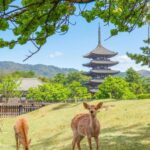
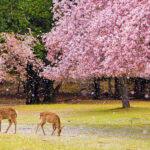
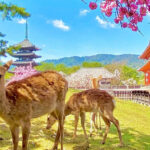
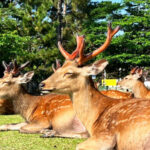
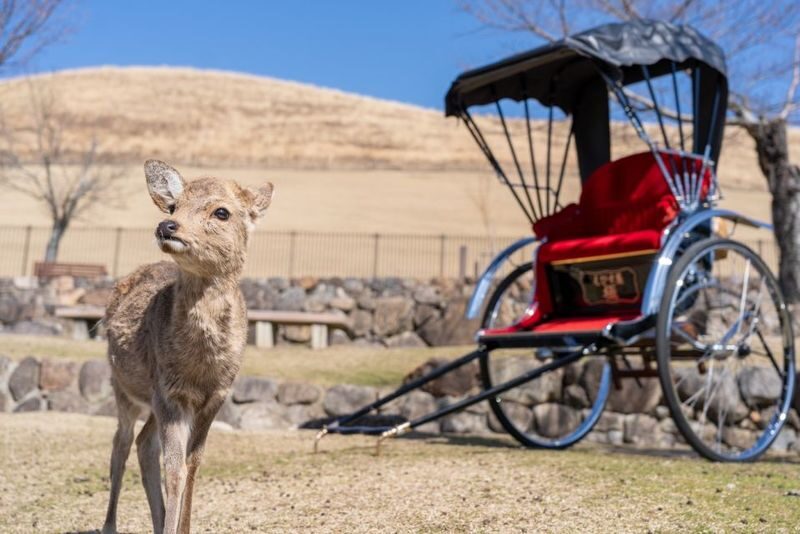
The 70-minute tour starts at US$122.99 and focuses on Mt. Wakakusa and Nara’s deer. It is the most affordable option and suits you if you have limited time, want a scenic ride, or are traveling with children who may enjoy feeding the deer. Deer biscuits are provided.
The 130-minute tour costs from US$217.55 and is built for people interested in Buddhist statues. Its stops include the National Treasure Hall, Tokondo Hall, and Chukondo Hall at Kofukuji Temple, as well as Nandaimon Gate at Todaiji Temple. It offers a more focused look at sculpture and temple architecture, though admission is not included.
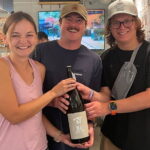
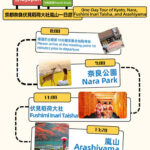
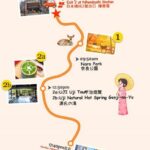
The 190-minute World Heritage tour costs from US$337.39. It includes Todaiji Temple and Kasuga Taisha Shrine, a visit to Naramachi, and sake samples at a traditional brewery. Choose this if you want the widest mix of heritage sites and a neighborhood stop, and have enough time to make a longer outing worthwhile.
All prices are listed as starting prices. The information provided does not specify exactly what affects the final price, so check the booking details before you commit. In general, the short ride gives you the best entry point, while the longer tours buy more time with a guide and a broader set of stops.
Mt. Wakakusa, deer, and the 70-minute ride
The short tour’s main draw is Mt. Wakakusa, a green hillside where you can take in Nara’s natural setting. On clear days, the view can extend to the city skyline. The ride also gives you the chance to feed the deer with biscuits supplied by the operator, a simple activity that can be a highlight for families.
The route is not just a trip to a viewpoint. The guide can talk about Nara’s history and surroundings as you travel, and the private format leaves room for conversation. One family valued being able to choose the path and swap stories about Japanese and Hawaiian culture with Denden and Kei. If you would like to ride with a particular guide, ask when arranging the tour, but treat a request as a preference rather than a guarantee.
The trade-off is time. Seventy minutes is enough for a scenic outing, but it is not a temple tour and should not be mistaken for a full survey of Nara’s heritage sites. If your main goal is the Buddhist art or the UNESCO sites, consider one of the longer options.
The route can change with traffic and weather. Clear skies are best if the city view is important to you, but no particular view can be guaranteed.
Buddhist sculpture and temple landmarks on the 130-minute route
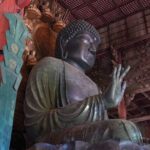
The middle-length option is the clearest choice for anyone drawn to Buddhist art. Nara’s temples are not only historic buildings; they also hold important sculpture, and the tour links several sites associated with Japan’s leading Buddhist sculptors.
At Kofukuji Temple, the route includes the National Treasure Hall, Tokondo Hall, and Chukondo Hall. These stops give the tour a more concentrated focus than a general sightseeing ride. Your guide can help place the statues and buildings in context, while you get to see more than one part of the temple complex.
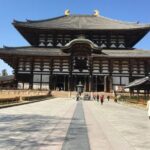
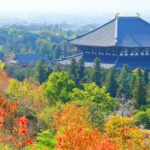
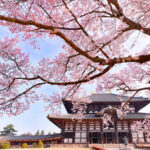
The route also includes Nandaimon Gate at Todaiji Temple. Even if your main interest is sculpture, the gate is a striking landmark in its own right and adds a sense of scale to the outing. The visit is a good way to connect individual works of art with the wider temple setting.
Keep in mind that admission to temples is not included. You may need to pay separately to enter places on the route, so check the current entry arrangements and set aside extra money. This tour works best if you are happy to spend time on Buddhist art and want a guide to help you make sense of what you see.
Todaiji, Kasuga Taisha, and Naramachi on the longest tour
At 190 minutes, the World Heritage tour gives you the broadest view of Nara’s cultural side. It includes Todaiji Temple and Kasuga Taisha Shrine, then adds Naramachi, a historic district, and samples at a traditional sake brewery.
The mix is its strength. You get major heritage sites, a neighborhood experience, and a taste of local sake in one outing. If you want more than a scenic ride but do not want to plan every stop yourself, the longer format gives your guide time to connect these different parts of the city.
It is also the most expensive choice, starting at US$337.39. That price may make sense if you value a longer private experience and want the brewery stop alongside the temples. If your schedule is tight or you mainly want to see deer and enjoy the scenery, the 70-minute ride is likely better value.
Temple admission remains separate. The tour includes sake tasting, but the supplied details do not state how many samples are served or whether any other brewery costs apply. Check the booking terms if those details matter to your plans.
You can also read our reviews of more private tours in Nara
What the private guide adds
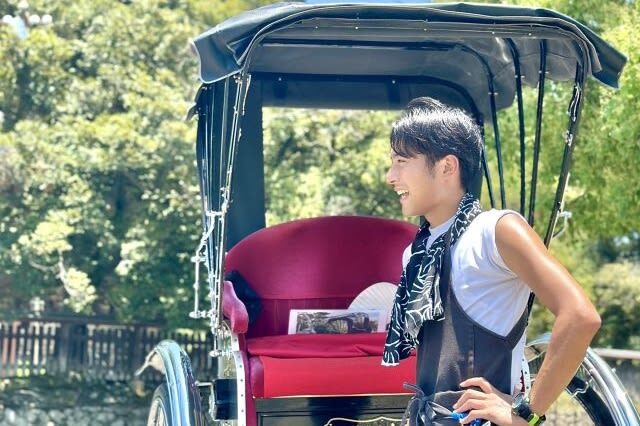
The rickshaw is the vehicle, but the guide is what turns the ride into a cultural experience. An English- or Japanese-speaking guide is included, and the private arrangement lets you ask questions in the moment rather than waiting for a group stop. One rider described hearing historical facts while passing through old Nara and its natural surroundings, and found the conversation as rewarding as the views.
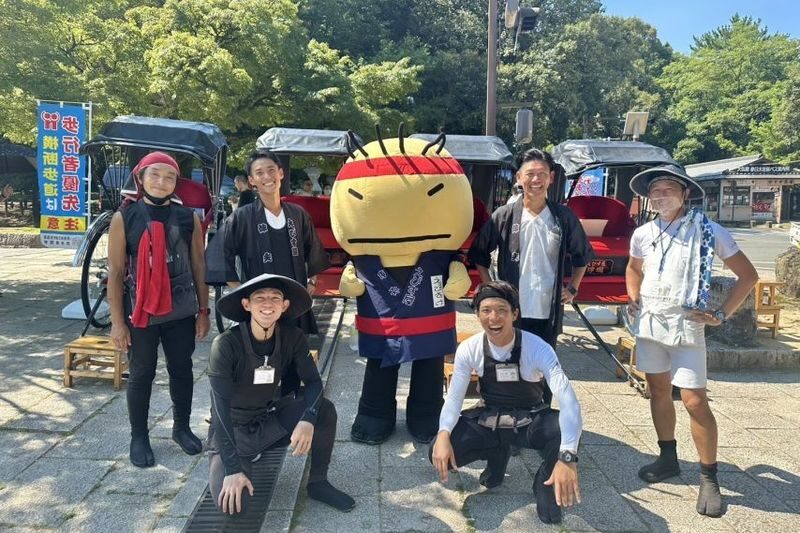
Guides Denden and Kei are names worth asking about if you are booking. Their approach has been described as warm and flexible, with room for the family to help choose the route and share stories from their own culture. That sort of exchange can make a short ride feel less like a narrated circuit and more like a personal introduction to the place. Still, the tour details do not promise a particular guide, so keep expectations flexible.
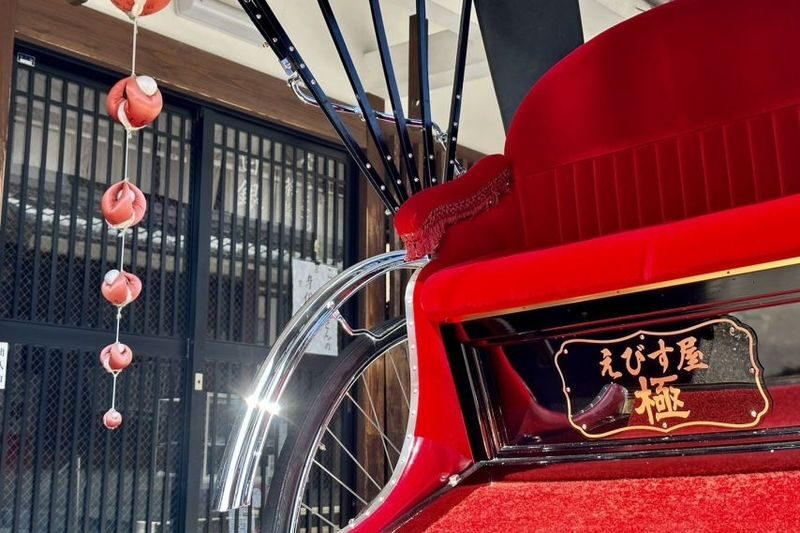
The operator is VERY PROJECT Inc., also known as Ebisuya Rickshaw. Its stated overall good review rate is 98 percent across 971 reviews. This activity itself has a 5.0 rating based on two ratings, a very small sample, so I would treat that score as encouraging but not conclusive.
Price, meeting point, and practical details
The meeting point is Ebisuya Nara Rickshaw at Nara Park. Departure times are offered from 9:30 a.m. to noon in half-hour increments, and your selected time is both the meeting and departure time. Arrive promptly: late arrivals and no-shows are not refundable.
A return to Nara Park is indicated, though other finishing locations may be arranged directly with the guide. The listed return time depends on your chosen departure and tour length, so confirm the details for your booking rather than relying on a general schedule. Traffic and weather can also alter the route.
The price covers an English- or Japanese-speaking guide and insurance provided by the operator. Temple admission and personal expenses are extra. Children aged five and under may ride free if seated on an adult’s lap, with one child per adult; a child needing a separate seat is not covered by that free provision. Children aged six and older pay the adult rate.
The activity is not recommended for pregnant women. Changes are generally allowed until 24 hours before the activity, but some booking types are excluded. Your voucher is valid only for the date and time specified, so check your confirmation carefully.
Who should book this Nara rickshaw tour?
I would choose the 70-minute ride if you want a pleasant, guided introduction to Nara, especially if Mt. Wakakusa and feeding deer appeal to you. It is also the sensible choice if your day already includes temple visits and you want a change of pace between them.
Choose the 130-minute option if Buddhist statues are a priority. The visits to Kofukuji’s halls and Todaiji’s Nandaimon Gate make it the most focused option for art and architecture. The 190-minute tour is better for a fuller cultural outing, especially if you want Naramachi and a sake tasting as part of the day.
Book if you value conversation, a flexible private format, and the chance to see Nara from a different vantage point. Skip it if you need the lowest-cost way to get around, want temple entry included, or would rather explore entirely on foot. The ride is most worthwhile when you treat it as a guided experience in its own right, not simply as transport.
Nara City, Private Cultural Heritage Rickshaw Tour
“The rickshaw ride tour with our driver (runner) 😂 Den Den was absolutely amazing. The opportunity to choose the path was great greatly appreciated….”
FAQ
How long are the Nara rickshaw tours?
There are three options: 70 minutes, 130 minutes, and 190 minutes. The 70-minute tour focuses on Mt. Wakakusa and deer; the longer routes cover Buddhist art or World Heritage sites, Naramachi, and sake tasting.
What is included in the 70-minute tour?
The tour includes an English- or Japanese-speaking guide, operator-provided insurance, a ride around Mt. Wakakusa, and deer biscuits for feeding the deer.
Are temple admission fees included?
No. Admission to temples is not included, and personal expenses are extra.
Where does the tour depart?
The departure point is Ebisuya Nara Rickshaw at Nara Park. Available departure times are 9:30 a.m., 10:00 a.m., 10:30 a.m., 11:00 a.m., 11:30 a.m., and noon.
Can young children ride for free?
Children aged zero to five can ride free if they sit on an adult’s lap, with one child per adult. Children aged six and older are charged the adult rate.
Can I request a specific guide or return location?
You can ask about guides Denden and Kei, but a specific guide is not guaranteed. Other finishing locations may be arranged directly with the guide.