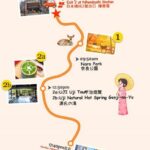
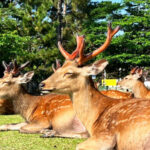
Nara’s famous deer are only the opening act on this day trip. From Osaka, you’ll have time to explore the temple district and its old stone paths, then head up Mount Ikoma for amusement-park rides and broad views toward Nara and Osaka.
I like the contrast between Todai-ji’s immense Buddha Hall and Ikoma Sanjo’s cheerful, old-fashioned rides. I also like that the included transport links places that would take more planning to combine by yourself, especially the mountain park.
The trade-off is that this is not an all-inclusive guided tour: admission, rides, food, and drinks cost extra, and the English-language guiding can be uneven. Nara Park also involves plenty of walking, so comfortable shoes matter.
- Key points before you book
- Osaka to Nara, without juggling trains
- Deer, temple roofs, and open paths at Nara Park
- Inside Todai-ji’s Great Buddha Hall
- Kasuga Taisha and Mount Wakakusa: plan for a flexible visit
- Ikoma Sanjo’s old-fashioned rides and big views
- What the price covers, and what it doesn’t
- Guide quality, language, and the group pace
- Should you book this Nara and Ikoma day trip?
- FAQ
- Where does the tour meet in Osaka?
- When does the tour return to Osaka?
- How much time is scheduled for Nara?
- Is admission to Todai-ji included?
- Are Ikoma Sanjo rides included?
- What happens if Ikoma Sanjo Amusement Park is closed?
- Which guide languages can I choose?
- Can children under three join for free?
- Is there a free cancellation period?
- The Best Of Nara!
- More Full-Day in Nara
- More Tours in Nara
- More Tour Reviews in Nara
Key points before you book
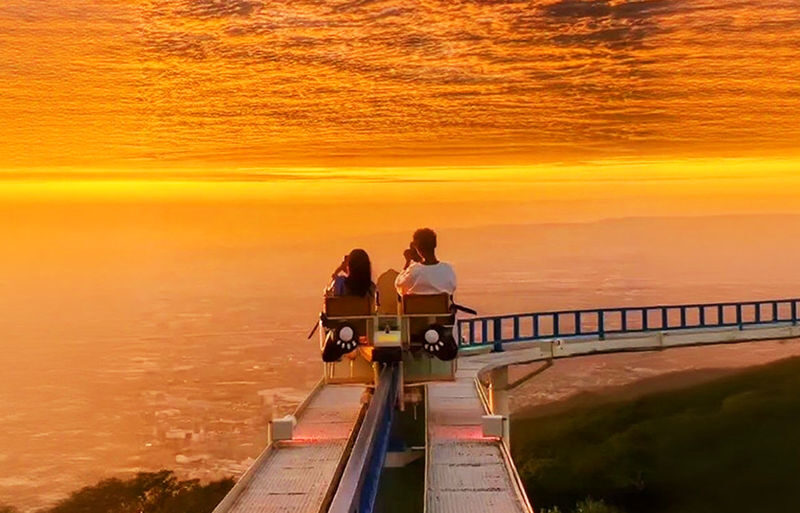
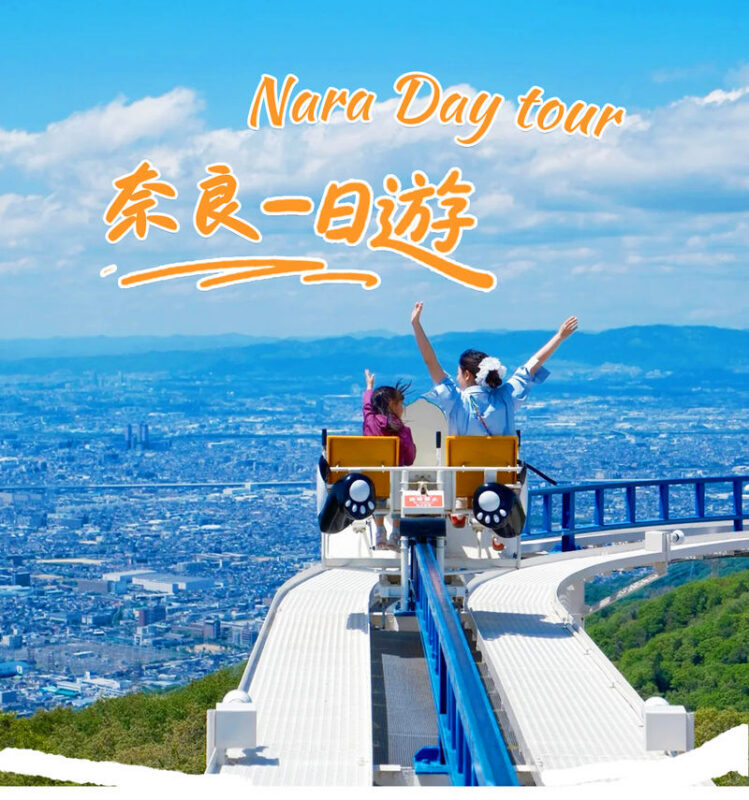
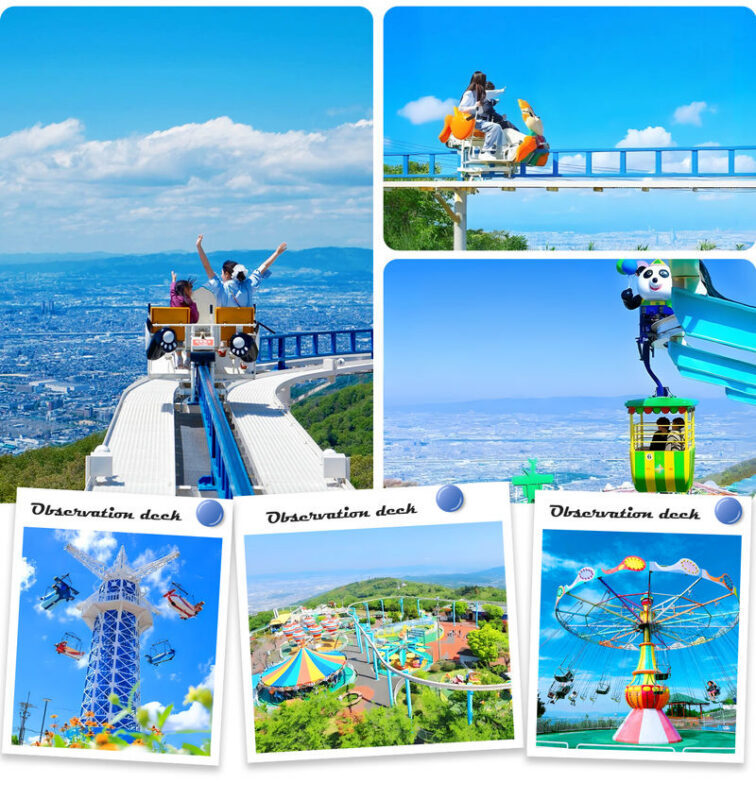
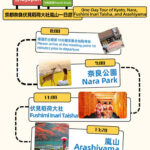
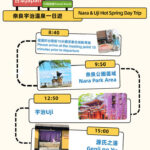
- The aerial bicycle is the signature ride: Pedal slowly above the mountain park and take in views across Nara and Osaka. Ride tickets are not included.
- Nara gets about four hours: That time covers the park area, Todai-ji, Kasuga Taisha, and Mount Wakakusa, but weather, crowds, and capacity can mean skipping a stop.
- Todai-ji’s Great Buddha Hall is a major extra: Adult admission is ¥800, with a combined hall and exhibition-hall ticket available for ¥1,200.
- The park suits younger children best: The amusement park has gentle rides as well as a few more thrilling options, but some rides may be closed.
- Guiding depends on the language and person assigned: Many guides are praised for clear explanations and care, but English service has sometimes been limited to basic directions.
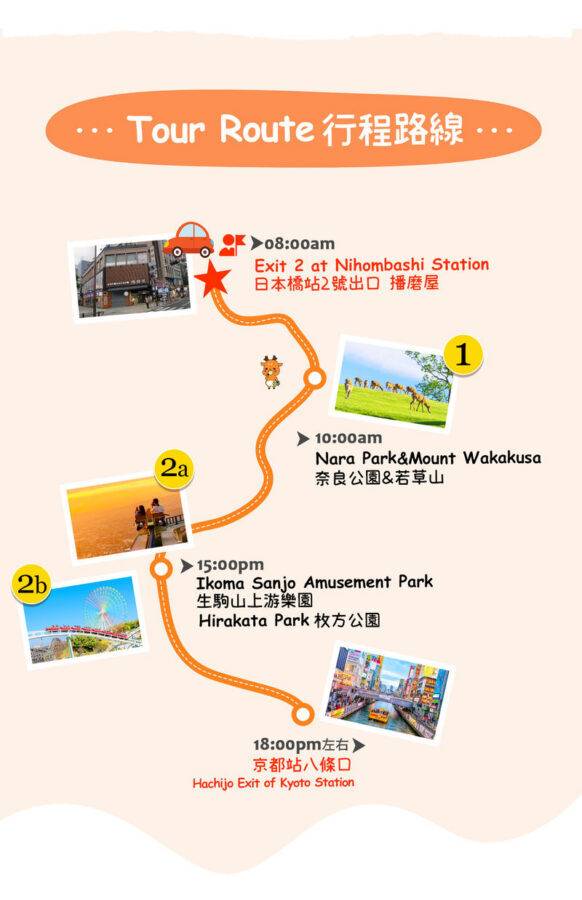
- Expect a long day with a fixed group schedule: Meet in Osaka at 9:00 a.m., arrive back around 5:30 to 6:30 p.m., and leave your evening free in case traffic causes a delay.

👉 See our pick of the 9 Of The Best Workshops & Classes In Nara
Osaka to Nara, without juggling trains
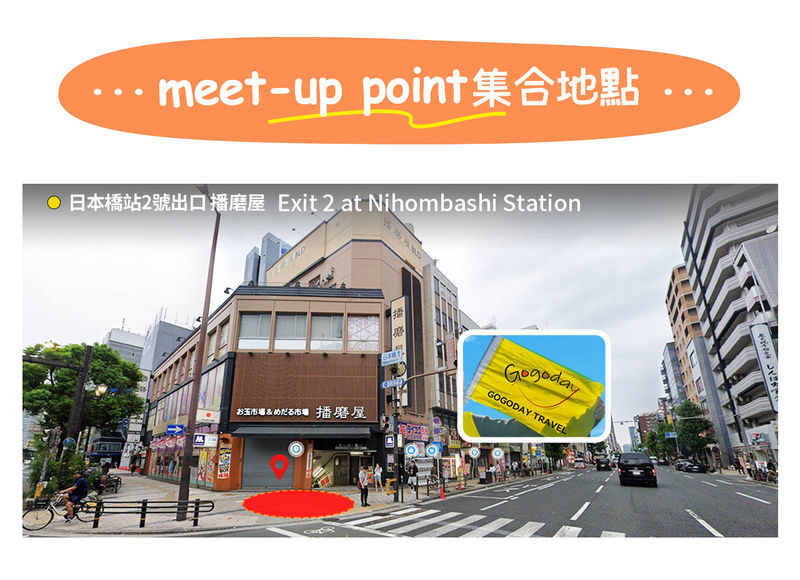
The tour starts at Nihonbashi Exit 2 Harimaya in Osaka. Be there 15 minutes early, and watch for the guide holding a GOGODAY flag. The operator sends the guide and vehicle details by email between 8:00 and 9:00 p.m. the night before, so check your spam folder as well as your inbox.
Round-trip transport is the main practical benefit. Nara is easy to reach by public transit, but adding Ikoma Sanjo to the same day takes extra connections and time. This tour handles the driving between stops, leaving you to focus on the sights rather than figuring out the route.
The vehicle depends on the day’s group size, which can range from four to 48 people. A small group may travel in a smaller car, with less room and simpler commentary than on a large bus. If you are carrying luggage, arrange it in advance; one carry-on-sized piece is allowed per person when declared, but large suitcases are not a good fit.
This is a meet-up tour, not a private car booking. You’ll travel with other people, and you cannot leave the group midway and rejoin later. The order of stops may change to suit traffic, weather, or vehicle time limits, and some attractions may be dropped.
You can also read our reviews of more tours and experiences in Nara
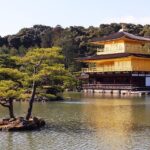
Deer, temple roofs, and open paths at Nara Park
The Nara portion lasts about four hours and is self-guided once you reach the area. That gives you freedom to choose your pace, but it also means you’ll need to keep track of the meeting time and decide how to divide your visit.
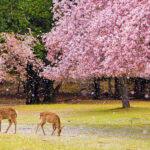
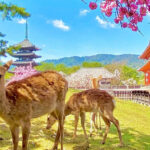
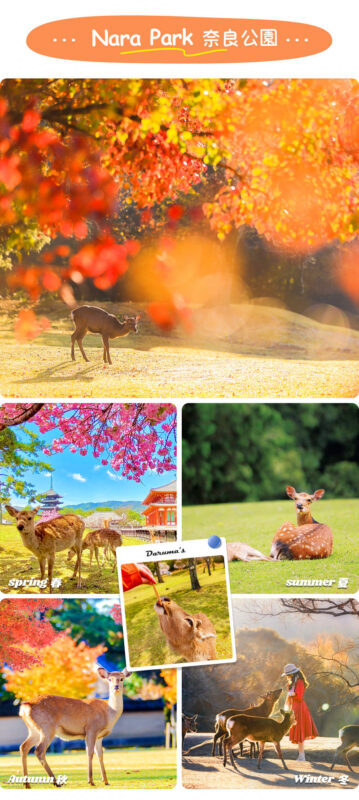
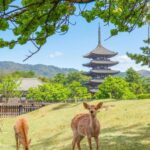
The sika deer are the immediate draw. They roam around the park and may approach when you have deer crackers, so keep food secure and don’t let a feeding turn into a scrum. The tour description warns about being surrounded; a calm approach and a little space are sensible, especially if you’re with young children.
Walking is part of the experience. The park spreads across a large area, and the routes between the deer, temple, shrine, and hillside can tire you out. Wear supportive shoes, carry water, and bring rain protection if the forecast looks unsettled. A rainy visit can still work, but feeding deer and walking open paths is less comfortable in wet weather.
The timing offers a useful balance: enough time to see more than the deer, but not enough to linger at every site. Some families have found the transport particularly helpful when children get tired, since the vehicle carries the group between areas rather than requiring everyone to manage every connection on foot.
Inside Todai-ji’s Great Buddha Hall
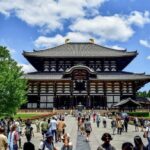
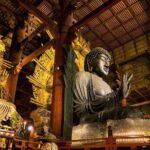
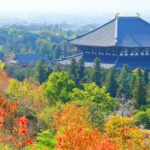
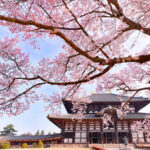
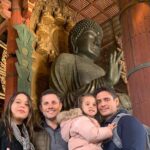
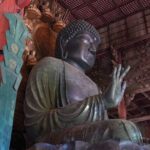
Todai-ji is the day’s great architectural stop. Its Great Buddha Hall is often described as the world’s largest wooden building, and inside sits a 15-meter Vairocana Buddha, also called the Rushana Buddha. Even before you enter, the scale of the hall makes the temple worth approaching slowly.
Admission is not included. The Great Buddha Hall costs ¥800 for adults and visitors aged 13 to 18, and ¥400 for children aged 6 to 12. A combined ticket for the main hall and exhibition hall costs ¥1,200 for adults and ¥600 for children aged 6 to 12.
It’s worth deciding in advance whether you want to go inside. If you do, allow for the ticket cost and the time it takes to explore; the four-hour Nara stop also has Kasuga Taisha and Mount Wakakusa in the mix. If you’re short on time or energy, the exterior and surrounding temple grounds still give you a sense of the site’s size, but you’ll miss the Buddha Hall itself.
Kasuga Taisha and Mount Wakakusa: plan for a flexible visit
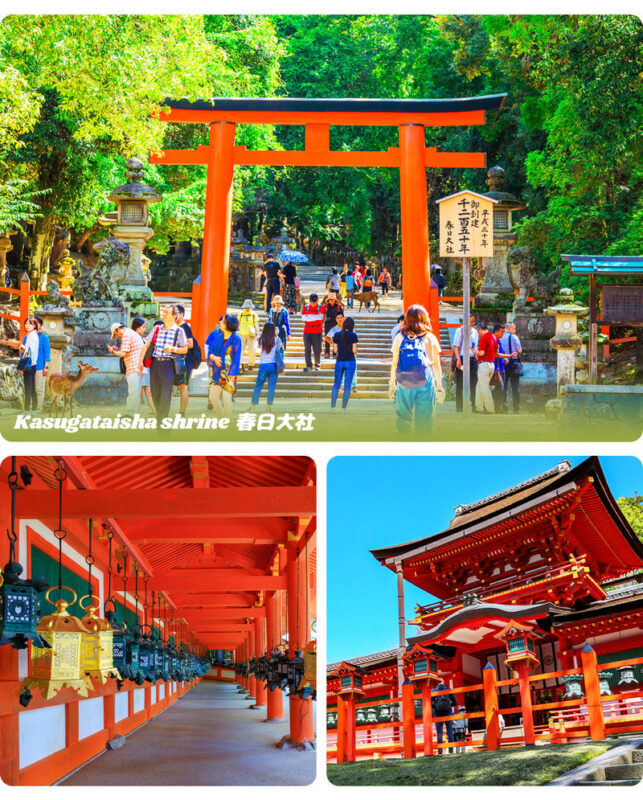
Kasuga Taisha, founded in 768, is known for its vivid shrine buildings and lantern-lined paths. The natural setting gives the approach a different feel from Todai-ji’s grand hall, and the old stone path is a quieter counterpoint to the deer-filled park.
Some parts require separate admission. Special visits to the shrine, the National Treasure Hall, and the Manyo Botanical Gardens are not included in the tour price. Wisteria is a seasonal highlight in late spring, but flowering dates depend on conditions, and seasonal sights are never guaranteed.
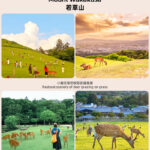
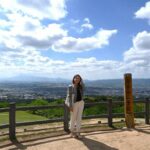
Mount Wakakusa adds a hillside view over Nara. The tour description presents it as a grassy slope with grazing deer, but remember that weather and the day’s schedule can affect whether you make it up. A guide has sometimes suggested taking the small train and arranging the route downhill for people who find the climb difficult. Ask your guide what is practical that day rather than assuming the group will follow a particular path.
The famous Wakakusa Yamayaki, when grass on the hillside is burned, is a winter event, not a regular part of this day trip. Don’t book expecting to see it unless your travel date and the official event schedule confirm it. As with blossoms, snow, and other seasonal sights, poor conditions do not automatically mean a refund.
Ikoma Sanjo’s old-fashioned rides and big views
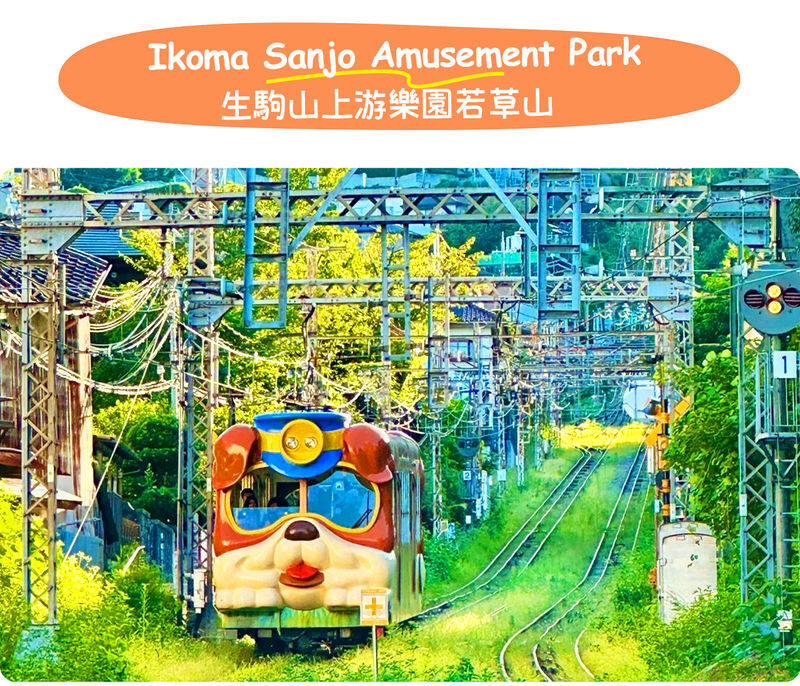
The afternoon takes you to Ikoma Sanjo Amusement Park, near the summit of Mount Ikoma. The park has been operating for nearly a century, and its mix of rides feels quite different from Nara’s temples and deer paths. The main attraction for many adults is the high-altitude bicycle, which lets you pedal above the park while looking out toward Nara and Osaka, with Kyoto also visible in favorable conditions.
The park itself is free to enter, but rides cost extra. A discounted ticket covers 12 rides for ¥3,500 per person, and the ticket can be shared among park visitors. Individual rides may also be available, with prices reported at roughly ¥300 to ¥500 each, so costs can rise if your group rides often. Check the day’s available rides before settling on a ticket plan, since some attractions may be closed.
You get about two hours here. That is enough for a few rides and a relaxed look around, but not a full amusement-park day. The ride selection is especially appealing for kindergarten- and elementary-school-age children; older thrill-seekers should keep expectations measured, since the park is largely geared toward younger visitors and closures can limit the choices.
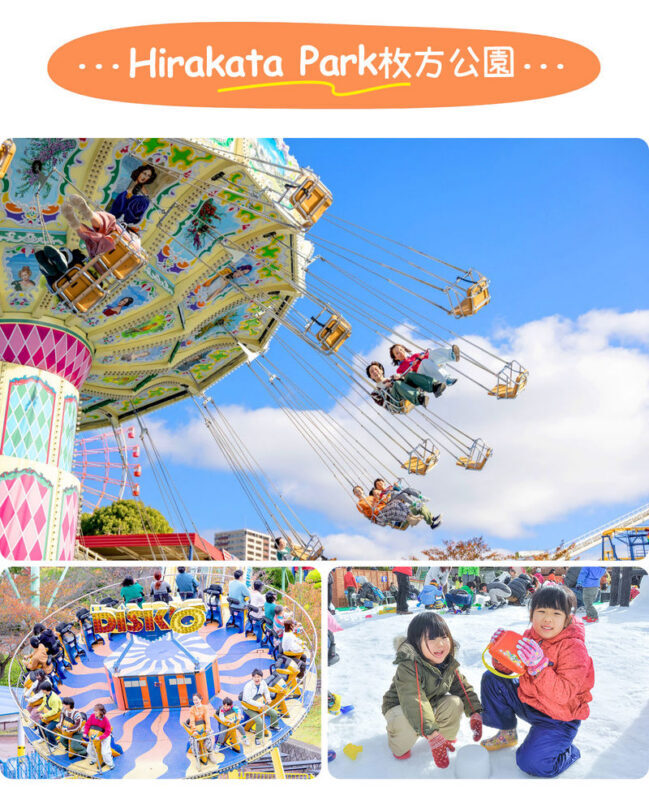
Ikoma Sanjo can close temporarily. If it does, the stated alternative is Hirakata Park, so the afternoon may not follow the plan you had in mind. Confirm the operating status close to your visit if the amusement park is a major reason for booking.
What the price covers, and what it doesn’t
The advertised starting price is $44.85. For that, you get round-trip transport from Osaka and a tour guide in the language option you choose. That can be good value if you want to combine Nara with Ikoma without arranging the transfers yourself, especially for a family or a group that prefers one vehicle and a clear meeting point.
But budget beyond the headline fare. Todai-ji admission, special Kasuga Taisha areas, amusement-park rides, meals, drinks, and personal expenses are all extra. The included ride access at Ikoma is only entry to the park grounds, not unlimited rides.
A sensible cost check is to add the Todai-ji ticket and the rides your group is likely to take. Bring cash as a backup; some places may not accept cards. You choose your own lunch, so the tour gives you flexibility but does not provide a meal stop with food included.
Children aged three and older pay the adult rate. Children aged zero to two can ride free if they do not need a separate seat, but they still count toward the vehicle’s capacity and must be declared when booking. Child seats are not available.
Guide quality, language, and the group pace
The guide can make a real difference here. Strong guides have helped with route choices, explained the sites before setting everyone loose, and stayed available when the group was exploring independently. Names that have been especially praised include Kangfu, Kou-san, Zhang Yanjin, Naomi, and Joanna.
There is a meaningful difference between useful transport coordination and a full guided tour. Some English-language bookings have had a guide who offered little more than directions and pickup times, while others have had fluent, helpful English-speaking guides. If historical explanation matters to you, treat the English option as a possible variable rather than a guarantee of an in-depth lecture. The Chinese-speaking option is the clearest fit for visitors who want commentary in Chinese.
The day’s pace is generally self-guided at the attractions, with set departure times. This gives you room to choose what matters most, but you need to watch the clock. If you have limited mobility, are pregnant, or are over 70, the operator requires a signed liability waiver; note this when booking and return the form in advance.
Should you book this Nara and Ikoma day trip?
Book it if you want a convenient Osaka-to-Nara outing that also reaches Ikoma Sanjo, and you value transport and a flexible self-guided visit more than a fully narrated tour. The combination of deer, a landmark Buddha hall, shrine paths, hillside views, and a small amusement park gives the day a pleasing change of pace.
Skip it if you want a deep historical tour, dislike group timetables, or plan to spend hours at each Nara site. Independent transport may suit you better if you want full control over the order and length of each stop. For families with younger children, or anyone without a car who wants to add the mountain park, this package is a practical way to fit both destinations into one day.
Full-day experience at Osaka Nara Park and Ikoma Sanjo Amusement Park, enjoying panoramic mountain views
“A pleasant and easy day trip. The fee only covers the guide and transportation, which is a bit of a pity since everything else is at your own expen…”
FAQ
Where does the tour meet in Osaka?
The meeting point is Nihonbashi Exit 2 Harimaya, at 1-chome-3 Nipponbashi, Chuo Ward, Osaka. Arrive 15 minutes before the 9:00 a.m. departure and look for the guide holding a GOGODAY flag.
When does the tour return to Osaka?
The estimated return time is between 5:30 and 6:30 p.m. Traffic and weather can affect the journey, so avoid booking other activities for that evening.
How much time is scheduled for Nara?
The Nara portion is about four hours and is self-guided. The tour may adjust or skip stops because of weather, traffic, or capacity.
Is admission to Todai-ji included?
No. The Great Buddha Hall costs ¥800 for adults and visitors aged 13 to 18, and ¥400 for children aged 6 to 12. Combined admission to the main hall and exhibition hall costs ¥1,200 for adults and ¥600 for children aged 6 to 12.
Are Ikoma Sanjo rides included?
No. Entry to the park is free, but rides cost extra. A discounted ticket for 12 rides costs ¥3,500 per person and can be shared among park visitors.
What happens if Ikoma Sanjo Amusement Park is closed?
The stated alternative is Hirakata Park. The stop may change if Ikoma Sanjo is temporarily closed.
Which guide languages can I choose?
Package options include a Chinese-speaking guide and an English-speaking guide. The vehicle may also carry people who speak other languages.
Can children under three join for free?
Children aged zero to two can join without a separate seat at no charge, but they must be included in the passenger headcount and declared when booking. Children aged three and older pay the adult rate.
Is there a free cancellation period?
A full refund is available if you cancel at least 24 hours before the activity date, using local destination time. Late arrivals and no-shows are not refundable, and departures require at least four participants.