Kyoto’s bamboo paths, Nara’s curious deer, and Fushimi Inari’s long rows of red gates make a busy, photogenic day. This shared-vehicle tour links three places that take planning to connect on your own, with set blocks of free time at each stop.
I like two things here: you can spend your time at each site as you choose, and the route gives you a taste of three very different places in one day. Arashiyama’s bamboo groves and bridge, Nara’s deer, and the torii gates each have their own appeal.
The trade-off is the clock. You get about two and a half hours in Arashiyama, 70 minutes in Nara, and 90 minutes at Fushimi Inari, so this is a sampler, not a slow visit. Traffic can cut into those hours, and the tour’s exact guide arrangements depend on group size.
- At a glance
- Three famous stops, one packed day
- Arashiyama: bamboo, bridge, and choices
- Nara Park: deer in the middle of town
- Fushimi Inari: the red gates and the uphill walk
- What the tour is like between stops
- Getting the most from your free time
- Is this day trip worth booking?
- FAQ
- How long is the tour?
- Where does this tour meet?
- How much time do I get at each stop?
- Are lunch and deer crackers included?
- Is this a fully guided walking tour?
- Can I cancel or change my booking?
- The Best Of Kyoto!
- More Tours in Kyoto
- More Tour Reviews in Kyoto
At a glance

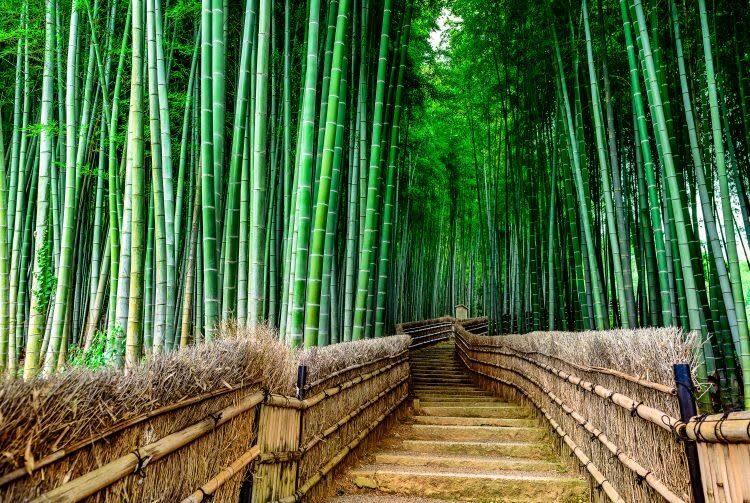
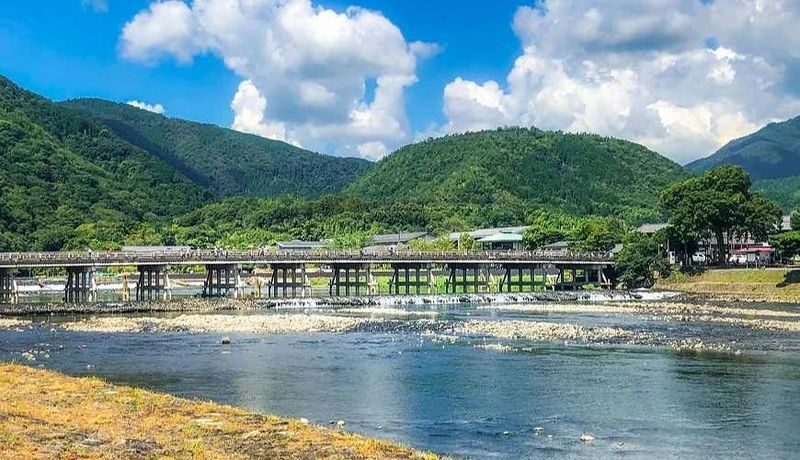
- Arashiyama gets the longest stop: About 150 minutes for the bamboo path, Togetsukyo Bridge, and nearby sights. Kimono rental and rickshaws are extra.
- Nara Park is a quick deer visit: You have about 70 minutes, which is enough for a short walk and deer crackers, but not a full visit to every nearby temple.
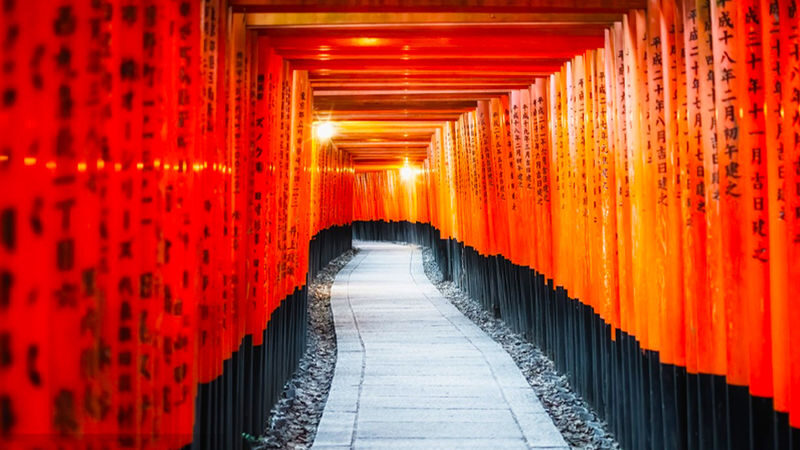
- Fushimi Inari is the final stop: Spend about 90 minutes among the famous torii gates. A longer walk up the mountain may not fit.
- Transport is the main service: This is a shared ride with free time at the attractions, rather than a fully guided walking tour.
- The listed starting price is $44.85: Meals, drinks, entry fees if applicable, personal expenses, and insurance are not included.
- The return can run late: The planned return is around 17:05 to Kyoto Station and 18:20 to an Osaka drop-off, but traffic and weather can change the schedule.

👉 See our pick of the We Rank Kyoto’s 15 Top Workshops & Classes
Three famous stops, one packed day
This route suits you if you want an easy way to reach three major sights without arranging trains and local connections yourself. It is less suited to a deep visit. Each stop has its own pull, and the schedule asks you to choose what matters most rather than see everything.
The published day begins with an 08:40 departure from Kyoto Station’s Hachijo Exit. You reach Arashiyama at about 09:20, then have 150 minutes to explore. The next stop is Nara Park, scheduled for 13:05, with about 70 minutes there. Fushimi Inari follows at 15:20, with roughly 90 minutes before the return journey.
The tour lists Kyoto as its meeting point, with an optional drop-off in Kyoto or Osaka. Package names and routes can differ, so check the option you select for its precise departure and return arrangements. This matters: some available versions use Osaka meeting points, while this option meets at Kyoto Station.
You can also read our reviews of more tours and experiences in Kyoto.


Arashiyama: bamboo, bridge, and choices
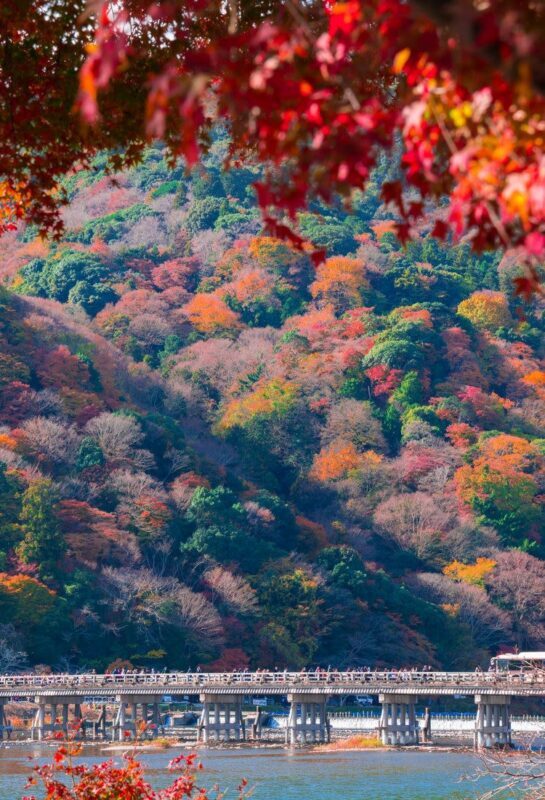
Arashiyama has been a retreat for scenic outings since the Heian period, and it remains one of Kyoto’s best-known places for seasonal views. Its main draw on this visit is the Sagano Bamboo Forest Path, where tall bamboo forms a shaded corridor. The light and quiet can feel a world away from the city, though the path is popular and you should expect company.
Togetsukyo Bridge is another classic stop, with views over the river and the surrounding hills. The area is especially known for cherry blossoms and autumn leaves, but the scenery changes with the season. A visit outside those peak periods can still be pleasant, just less like the idealized seasonal pictures.
With 150 minutes, you have time to see more than the bamboo path, but you will need to keep an eye on the clock. The tour also names Tenryu-ji Temple and a rickshaw experience among its attractions. The schedule does not promise a guided visit or a fixed amount of time inside any one site, so decide what you most want to see before you arrive.
You can also pay extra to rent a kimono or take a rickshaw ride. These can make the Arashiyama stop feel more like an outing than a photo dash, but each takes time from your free period. If you choose one, allow for the time needed to arrange it and get back to the meeting point.
The itinerary warns that some attractions may be skipped because of capacity or weather. That makes it wise to treat the bamboo path and bridge as your core plans, with temple visits and paid activities as options if time allows.
Nara Park: deer in the middle of town
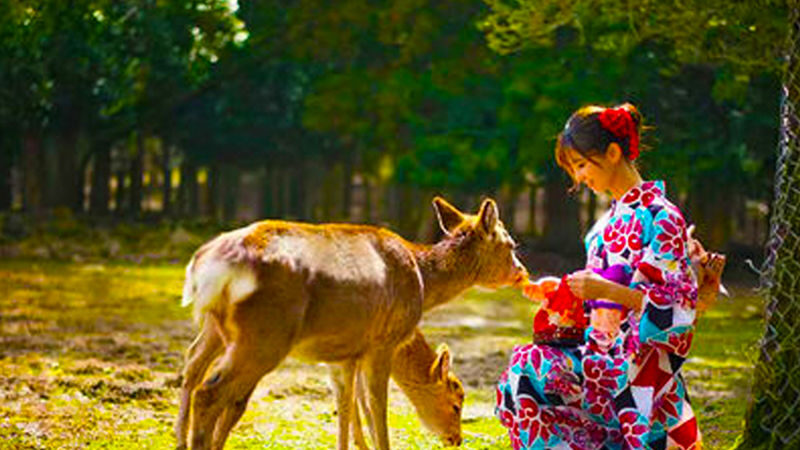
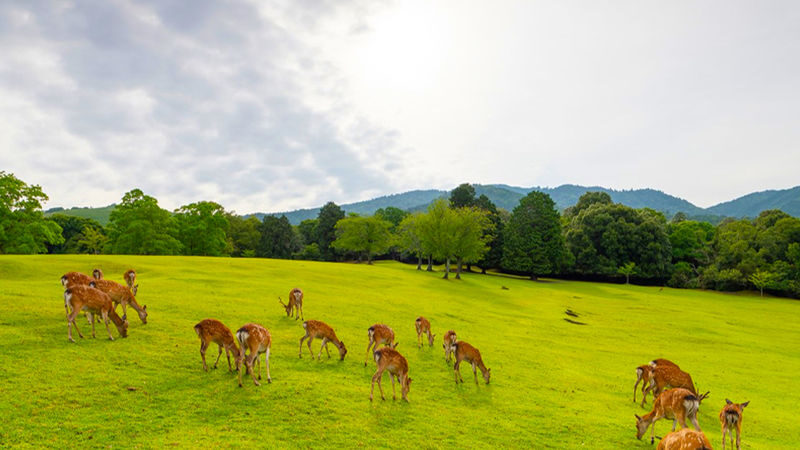
Nara Park sits at the foot of Mount Wakakusa and is known for its free-roaming deer. The animals are the main attraction for many people, and deer crackers are sold locally. They are not included in the tour price, despite confusion over crackers in some versions of the offer, so budget for them if feeding the deer is part of your plan.
The deer may approach when they see food. Hold crackers carefully, follow posted guidance, and avoid crowding or startling the animals. They are accustomed to people, but they are still animals, and a group closing in can be more excitement than you bargained for.
You have about 70 minutes here. That is a short window if you want to walk through the park, feed deer, and visit Todai-ji Temple or Kasuga Taisha. The schedule mentions Mount Wakakusa as a place for panoramic views, but climbing it would use up much of your stop. Choose one main activity, then add a quick look around if time permits.
If Todai-ji is a priority, plan your route before getting off the vehicle and check how much time you need to reach the temple and return. The park’s famous sights are spread across the area, and a short stop does not leave room to wander without a plan.
Fushimi Inari: the red gates and the uphill walk
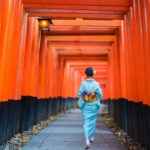
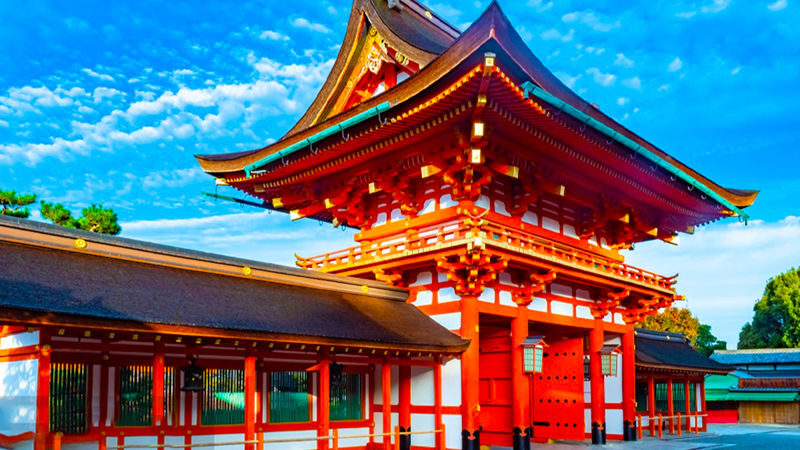
Fushimi Inari Taisha is dedicated to Inari Okami, associated with harvests and business prosperity. Its best-known feature is the Senbon Torii, a sequence of bright gates that creates memorable photo spots. The shrine is popular with people from Kyoto and visitors from across Japan, especially at New Year.
The tour allows about 90 minutes. That gives you time to walk through the main gate corridors, pause for photos, and see part of the shrine grounds. The gates continue up the mountain, so a full climb is a bigger undertaking than the stop allows for most people. If you want to go higher, check the return time with your guide first and be ready to turn back promptly.
This is the last scheduled attraction, which can make it tempting to linger. The tour’s planned return is around 17:05 at Kyoto Station, with an Osaka drop-off listed for about 18:20. One participant found it practical to remain at Fushimi Inari and return to Kyoto by train independently, but that is a choice to make only after confirming the operator’s rules and understanding you may be leaving the group. The standard arrangement is shared transport back.
What the tour is like between stops
The price, from $44.85, is appealing if what you need most is transport between distant sights. Round-trip transfers, tolls, parking, and fuel are included. Meals, beverages, personal spending, tips, and insurance are not. Add the cost of lunch, deer crackers, and any paid kimono or rickshaw experience when comparing this with doing the route independently.
Think of the service as transport with coordination, not an all-day guided lecture. The tour offers English, Chinese, Japanese, and Korean-speaking guide support, but vehicle arrangements vary. For groups under 12 people, the operator may send a vehicle with a driver and no separate guide. With more than 12, a driver and guide are arranged. Some past trips have had limited English explanations, so if detailed commentary is central to your plans, confirm what your selected departure includes.
The practical value is that someone else handles the road travel and parking while you get free time at each stop. The downside is that you follow a fixed schedule. The operator says the vehicle cannot be used for more than 10 hours under Japanese rules, and holidays, weather, crowds, or traffic can lead to delays, shorter stops, or changes in the order of visits.
Plan a flexible evening. The scheduled arrival times are estimates, and the operator warns that weekend or holiday congestion can cause substantial delays. Avoid booking a tight dinner reservation or an onward train you cannot change.



Getting the most from your free time
Pick one priority at each stop before the vehicle arrives. In Arashiyama, that might be the bamboo path and Togetsukyo Bridge. In Nara, it might be feeding deer or reaching Todai-ji. At Fushimi Inari, it might be walking the lower torii corridors or climbing farther up the route.
Keep your phone accessible and check the message sent the day before departure. It should include the meeting time, vehicle details, guide information, and contact details. The stated meeting time is 08:30 for an 08:40 departure, so arrive early. The operator says late arrivals and no-shows are not refundable, and the guide will wait no more than five minutes at stops.
The tour communicates through email and may use WhatsApp or a LINE group. Check your spam folder, and contact the company if the promised message has not arrived by 21:00 the night before. If you use LINE, you may need to join a group through a link sent by email.
Wear shoes you can walk in, and carry water and weather-appropriate clothing. The route includes outdoor walking, and the itinerary may shift in rain or heavy traffic. Large luggage must be reported when booking, and the operator can refuse carriage if the group or luggage exceeds the vehicle’s capacity.
There is no travel insurance included. The operator advises you to arrange your own coverage. The activity is not recommended for people with certain serious medical conditions, limited mobility, or pregnancy. Children must be included in the passenger count; children aged 0 to 2 may travel free only if they do not need a separate seat, while children aged 2 and older pay the adult rate.
Is this day trip worth booking?
I would book this tour if I had one day, wanted to see Arashiyama, Nara, and Fushimi Inari, and valued simple transport more than an unhurried pace. The main strength is the route: it links three major sights without asking you to work out every train and transfer.
I would skip it if you want a long temple visit, a full hike at Fushimi Inari, or relaxed time in Nara. The schedule is tight, and paid extras eat into free time. If you go, make a short list of priorities, keep your evening open, and verify the exact pickup, drop-off, and guide arrangements for your chosen package. At this price, it can be good value for the transport, as long as you treat it as a highlights day rather than a complete visit.
Nara Park & Arashiyama & Fushimi Inari-taisha Senbon Torii One-Day Tour (Departing from Osaka/Kyoto)
“We had a wonderful time exploring Nara and Kyoto with my fellow doctor friends! 🇯🇵❤️ The trip was smooth, enjoyable, and filled with beautiful memo…”
FAQ
How long is the tour?
The listed duration is 8.5 hours. The planned departure is 08:40, with a return to Kyoto around 17:05 and an Osaka drop-off listed around 18:20. Traffic and weather can change the timing.
Where does this tour meet?
For the Kyoto Station option, meet at the Hachijo Exit sightseeing bus boarding area at 08:30 for an 08:40 departure. Other package options may use a different meeting point, so check your selected option.
How much time do I get at each stop?
The schedule allows about 150 minutes in Arashiyama, 70 minutes at Nara Park, and 90 minutes at Fushimi Inari.
Are lunch and deer crackers included?
No. Meals and drinks are not included, and deer crackers are an extra purchase. Kimono rental and rickshaw rides in Arashiyama are also at your own expense.
Is this a fully guided walking tour?
No. You have free time at each attraction and travel between them by shared vehicle. The operator says groups under 12 may have a driver without a separate tour guide; larger groups are assigned a driver and guide.
Can I cancel or change my booking?
A full refund is available if you cancel at least 24 hours before the activity date. Booking changes are allowed until 24 hours before the start, subject to the stated exceptions. Late arrivals and no-shows are not refundable.