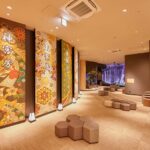
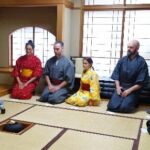
Ukiyo-e gives you a close look at everyday Japan through the eyes of its printmakers: famous landscapes, popular culture, and scenes from life in the Edo period. This small museum brings original works by Hokusai, Hiroshige, Kuniyoshi, and others into a compact gallery in the middle of Osaka.
I like two things in particular: you can see the prints up close, and projection mapping and interactive displays help explain how to read them. I also like the setting, a quiet art stop within easy walking distance of Shinsaibashi and Namba.
The main drawback is the museum’s size. You may be finished sooner than you expect, and the third-floor location has no elevator or other step-free access, so the stairs are essential.
- What makes this visit worthwhile
- Original prints, not just famous images
- A small museum with a quiet mood
- Digital displays add context
- Planning a 1 to 2 hour visit
- Finding the third-floor entrance
- What the ticket includes, and what it costs
- Who will enjoy this museum most
- Should you book it?
- FAQ
- How long should I plan for the museum?
- What are the opening hours?
- Where is the Osaka Ukiyo-e Museum?
- How do I get there from a train station?
- Is the museum accessible without stairs?
- What does the admission ticket include?
- Is the ticket refundable?
- Can I take photos inside?
- Can I bring food or leave and come back?
- The Best Of Osaka!
- More Tickets in Osaka
- More Tours in Osaka
- More Tour Reviews in Osaka
What makes this visit worthwhile
 1 / 5
 2 / 5
 3 / 5
 4 / 5
 5 / 5
- Original Edo-period prints: See works by Hokusai, Hiroshige, Kuniyoshi, and other ukiyo-e artists.
- A calm stop in central Osaka: The museum offers a quieter change of pace from the nearby shopping and nightlife streets.
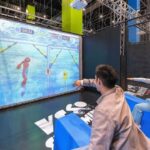
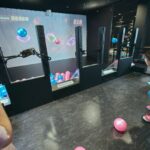
- Digital interpretation: Projection mapping and interactive displays add context to the artwork.
- Multilingual information: Exhibit details are available in Japanese, English, Chinese, and other languages.
- A compact visit: Allow about 1 to 2 hours, though the small size means you can make it a shorter stop.
- A little practical catch: The museum is on the third floor, reached by stairs, and re-entry is not allowed after you leave.
👉 See our pick of the The Top 15 Workshops & Classes In Osaka
Original prints, not just famous images
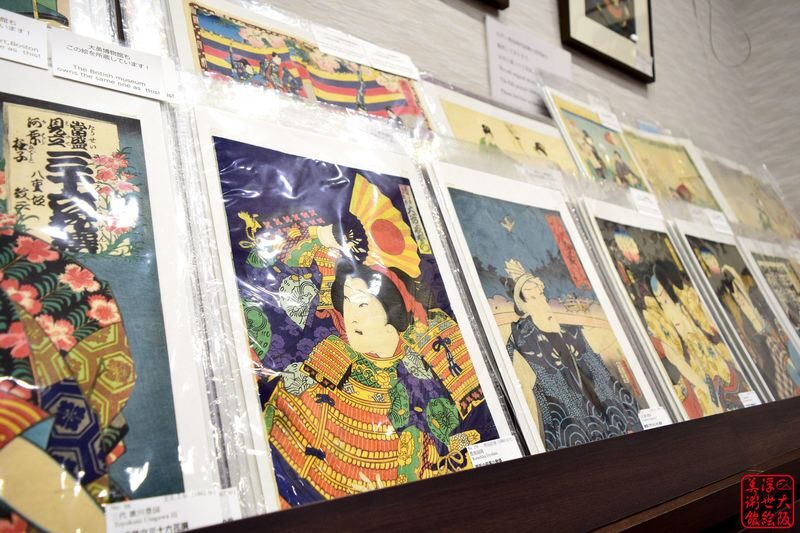
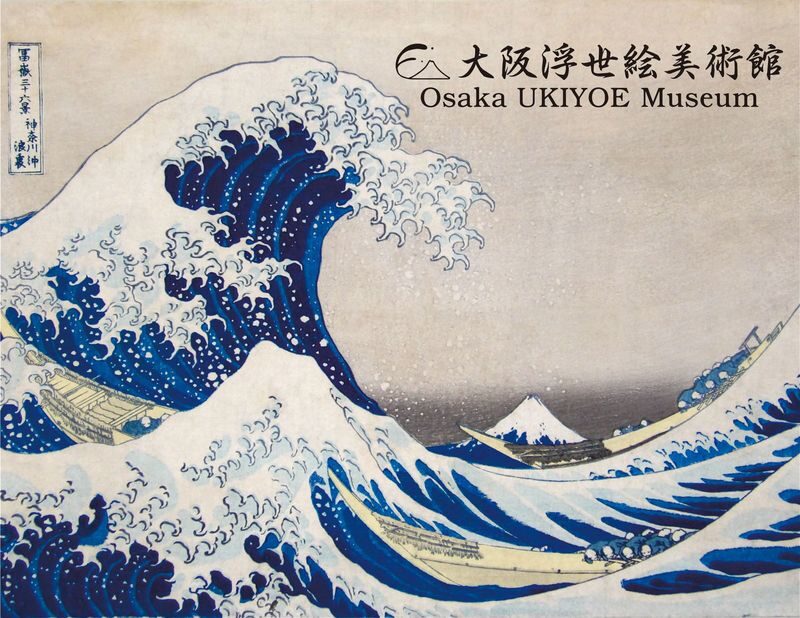
Ukiyo-e is often introduced through familiar images: a dramatic wave, a mountain framed by weather, or a figure in traditional dress. Seeing original prints in person gives you a chance to look past the image you may recognize and notice the fine lines, color choices, and small details that can disappear in reproductions.
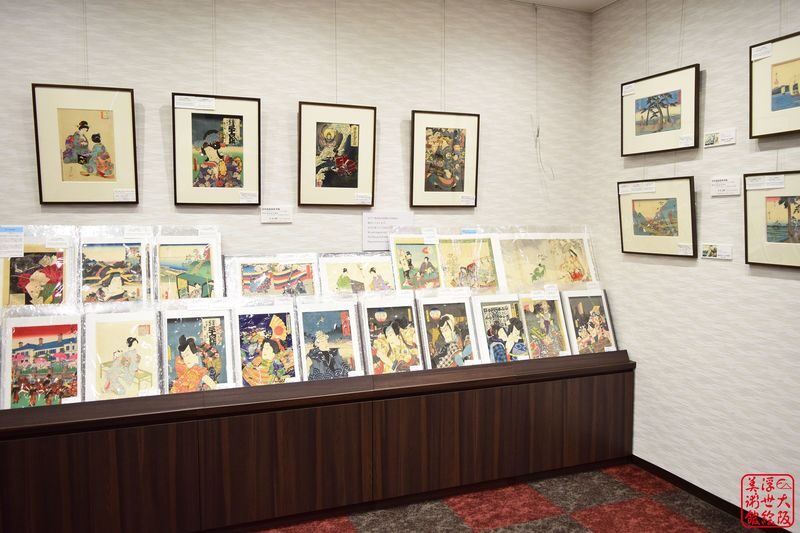
The collection includes work by Katsushika Hokusai, Utagawa Hiroshige, and Utagawa Kuniyoshi. Their prints reflect different subjects and ways of seeing the world, from landscapes to popular culture. The museum’s exhibit information helps connect the art to the people and period behind it, so you need not arrive with an art-history degree to get something from the visit.
A magnifying glass is available to borrow, a useful detail in a small gallery devoted to prints. It lets you examine intricate parts of a work without relying only on a label or screen. Take your time with a few pieces rather than trying to rush past every print. In a compact museum, slow looking is the point.
The collection and displays change regularly. That gives repeat visits a reason to return, although it also means the exact works on view can vary. If you have a particular print in mind, do not assume it will be on display during your visit.
You can also read our reviews of more tours and experiences in Osaka

A small museum with a quiet mood
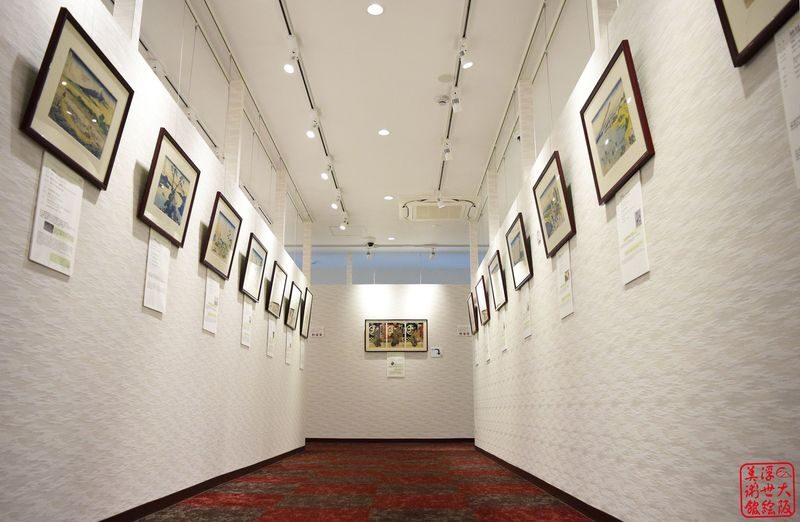
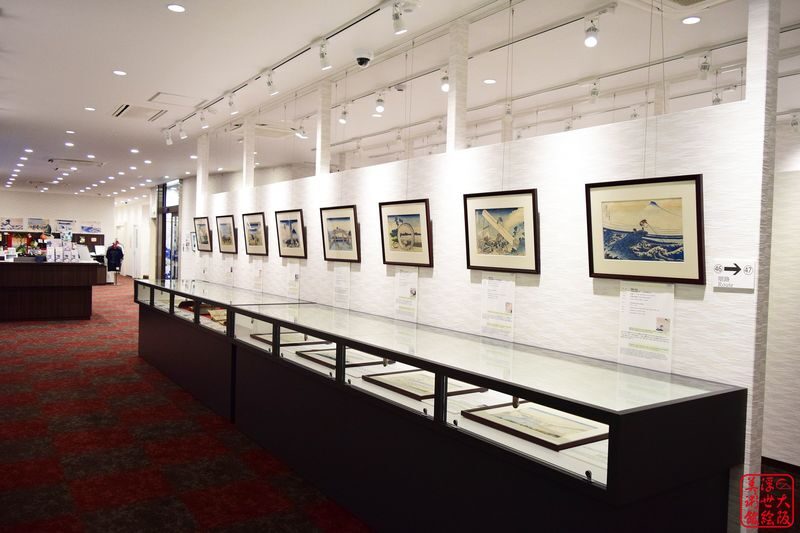
The Osaka Ukiyo-e Museum is not a large institution built for a half-day outing. Its appeal is more focused: a relatively brief chance to see historic prints in a calm setting, then step back into the busy streets around Shinsaibashi and Dotonbori.
That compact scale can be a plus. You can fit the museum between shopping, a meal, or other sightseeing without giving up most of your day. It also suits visitors who want a manageable introduction to traditional Japanese art rather than a large gallery with room after room of exhibits.
There is a trade-off. If you expect a broad museum with many galleries, long interpretive trails, or a full afternoon of activities, this may feel small. The size is part of the experience, not a reason to treat it as a major museum visit. Think of it as a focused cultural pause.
The atmosphere also makes it a useful counterpoint to the district outside. You can spend time with the artworks in a quieter space, then return to the shops and streets when you are ready. That contrast is one of the visit’s real strengths.
Digital displays add context
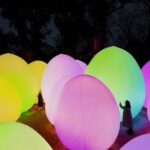
Projection mapping and interactive displays give the museum more than a simple wall of framed prints. They are intended to help explain the art and the stories behind it, making the visit more approachable if ukiyo-e is new to you.
The digital elements are an aid, not a replacement for looking closely at the originals. I would give yourself time for both: read the exhibit information, use the displays to pick up context, and then return your attention to the print itself. English, Chinese, and Japanese information is available, with additional multilingual support noted.
The museum is self-guided based on the information available for this admission. No guide name or scheduled guided tour is provided, so you should not book expecting a personal art historian to lead you through the collection. The exhibition list has an English translation, and the displays help you follow the subjects and techniques at your own pace.
Planning a 1 to 2 hour visit
Most people should plan for about 1 to 2 hours. If you enjoy traditional prints and like to study details, the longer end gives you time to read the exhibit information and use a magnifying glass. If you are fitting it into a packed day, a shorter visit may still be worthwhile because the gallery is compact.
The museum is open from 10:00 a.m. to 5:00 p.m., with last admission 30 minutes before closing. That means you should arrive by 4:30 p.m. at the latest, and earlier if you want to look around without watching the clock.
There is no fixed itinerary or route described for the visit. You enter with your voucher and explore the exhibition at your own pace. As displays change, the specific sequence and works on view may differ. Make room in your schedule for the stairs at the entrance and remember that you cannot re-enter once you leave.
Photography rules need a little care. The museum information says photography is prohibited except at designated photo spots, while also stating that flash photography and video recording are prohibited. The safest approach is to take photos only where the museum clearly permits them, keep the flash off, and do not record the exhibition or livestream.
Finding the third-floor entrance
The address is Fujiya Shinsaibashi Building 3F, 2-2-23 Shinsaibashisuji, Chuo Ward, Osaka. The museum is listed as a five-minute walk from Exit 6 of Osaka Metro Shinsaibashi Station and a seven-minute walk from Namba Station.
The museum is in a building rather than a large standalone cultural complex, so look carefully for the building entrance and the third-floor destination. One practical lesson: allow a little extra time to locate it, especially if you are navigating the area for the first time. The address is useful to have ready on your phone.
The stairs matter. There are no elevators, escalators, ramps, or other assistive devices, and you must walk up to the third floor. If stairs are difficult for you or someone in your group, this is a significant access limitation to consider before booking.
The museum is in the Shinsaibashi and Dotonbori area, which makes it easy to combine with nearby sightseeing. You can visit before or after exploring the district, but remember that food and drinks from outside are not allowed inside.
You can also read our reviews of more museum experiences in Osaka

What the ticket includes, and what it costs
The basic ticket includes admission and an exhibition list with an English translation. Personal expenses and tips are not included. The listed price starts at $6.30, though the final amount may depend on the booking option and date.
At that price, the value rests on what you want from the stop. If seeing original ukiyo-e works is a priority, the ticket can be a worthwhile, low-cost way to spend an hour or two with the art. The originals, multilingual information, and digital displays give you more than a quick photo opportunity.
If you are mainly looking for a large museum experience or a full day of entertainment, the compact scale may not justify a special trip across the city. It works best when you are already near Shinsaibashi or Namba, or when traditional Japanese art is high on your list.
The ticket is non-refundable, so check your date and plans before buying. The voucher is valid for seven days from the participation date and expires at 11:59 p.m. on the last day. The listed package applies to July 28, 2026, through January 24, 2027, while the ticket information also gives a latest redemption date of July 26, 2026. Those dates do not align, so check the date shown for the specific ticket you plan to buy before relying on the voucher window.
The museum is closed on July 14 and from December 31 through January 2. The package information also lists a closure from December 31, 2026, to January 2, 2027. Check the operating date carefully if your visit falls near a holiday.
Who will enjoy this museum most
This is a good fit if you are curious about Japanese prints, appreciate original artwork, or want a quiet cultural stop between more energetic Osaka sights. It can also work well for a first introduction to ukiyo-e, since the exhibition information is multilingual and the digital elements offer context without requiring a guided tour.
Art enthusiasts may value the chance to examine works by major artists at close range. The compact layout can make the visit feel easy to manage, and the magnifying glass is a practical bonus when you want to inspect fine details.
It is less suitable if you need step-free access, expect a large collection, or want to spend several hours in a museum. Families and groups should also note the rules: no outside food or drink, no smoking or drinking, and no re-entry after leaving. Anyone who appears intoxicated may be refused entry without a refund.
Should you book it?
Book the Osaka Ukiyo-e Museum if original Japanese prints interest you and you want a focused, affordable cultural stop near Shinsaibashi and Namba. The combination of historic works, multilingual exhibit information, and digital interpretation makes the visit more rewarding than its small footprint might suggest.
Skip it if you are short on time and not especially interested in art, or if stairs are a barrier. Before paying, confirm the ticket date, check the holiday closures, and allow enough time to find the third-floor entrance. If those details work for you, this is a calm and worthwhile pause in central Osaka.
Osaka Ukiyo-e Museum Admission Ticket
“Although the art museum is small, it was a wonderful and rewarding time to view the artwork.”
FAQ
How long should I plan for the museum?
Plan for 1 to 2 hours. You can make a shorter visit, but taking time with the prints and exhibit information may bring you closer to the longer end.
What are the opening hours?
The museum is open from 10:00 a.m. to 5:00 p.m. Last admission is 30 minutes before closing.
Where is the Osaka Ukiyo-e Museum?
It is on the third floor of Fujiya Shinsaibashi Building, 2-2-23 Shinsaibashisuji, Chuo Ward, Osaka.
How do I get there from a train station?
The museum is a five-minute walk from Exit 6 of Osaka Metro Shinsaibashi Station and a seven-minute walk from Namba Station.
Is the museum accessible without stairs?
No. The museum has no elevator, escalator, ramp, or other assistive device. You must take the stairs to the third floor.
What does the admission ticket include?
The basic plan includes admission to the museum. An exhibition list with an English translation is also included.
Is the ticket refundable?
No. The ticket cannot be cancelled, and refunds are not available.
Can I take photos inside?
Photography is allowed only at designated photo spots. Flash photography, video recording, commercial photography, and livestreaming are prohibited.
Can I bring food or leave and come back?
Outside food and drinks are not allowed inside, and re-entry is not permitted after you leave.