A name becomes a small work of art in this Suita workshop. You choose a stone, work out how your name might look in kanji or as a symbol, and carve the design into a personal hanko, a Japanese seal made through the traditional art of Tenkoku.
I like two things especially: the instructor helps you shape an idea before you pick up the tools, and you leave with a useful, hand-carved souvenir rather than another shop-bought keepsake. The activity is designed for beginners, and instructors including Kazuki, Gwen, and Masaki have guided participants through the process with patience and practical design suggestions.
One consideration: the starting price is $18.79, but high-quality stones and colorful side carving are optional upgrades. The workshop is also in Suita, so check the address and plan your route rather than assuming it is in central Osaka.
- What to know before you carve
- A hands-on piece of Japanese stamp culture
- Choosing a stone and shaping your design
- Carving your own hanko, with guidance
- Optional side carving and the final red-ink test
- Is the starting price good value?
- Who will enjoy this workshop most?
- A few practical details to check
- Should you book the stamp-making experience?
- FAQ
- Where does the stamp-making activity take place?
- What is a hanko?
- Do I need carving experience?
- What languages does the guide speak?
- What is the minimum age?
- What is included in the activity?
- Are stone upgrades and side designs included in the starting price?
- What should I bring, and how does cancellation work?
- The Best Of Osaka!
- More Tours in Osaka
- More Tour Reviews in Osaka
What to know before you carve
 1 / 9
 2 / 9
 3 / 9
 4 / 9
 5 / 9
 6 / 9
 7 / 9
 8 / 9
 9 / 9
- Your name can become kanji or a symbol: An instructor helps you find a design that works on the stone.
- The carving is beginner-friendly: You get step-by-step help, with no previous experience required.
- Tenkoku has a long tradition: Seal engraving has been practiced in Japan for about 1,400 years.
- The keepsake is made by you: At the end, you press your finished stamp into traditional red ink.
- You can add an optional side design: Colorful carving on the side of the stone is available on-site.
- Children must be at least 7: The activity is not recommended for infants.
👉 See our pick of the The Top 15 Workshops & Classes In Osaka
A hands-on piece of Japanese stamp culture
In Japan, a hanko is more than a decorative stamp. It is a personal seal, and the craft of carving one connects a compact, everyday object to an old tradition. This workshop introduces you to Tenkoku, the art of engraving a seal, then lets you make your own version to take home.
The activity is a good fit if you want a cultural experience with a practical result. You are not just watching someone demonstrate a craft. You make choices about the stone and design, then use tools to cut your own mark into it. The finished stamp is personal in a way a mass-produced souvenir cannot be.
The workshop takes place at MatchaExperience Osaka, at 3F, 3-chome 35-5 Tarumicho, Suita-shi, Osaka-fu. The location is listed as Osaka, but the address is in Suita. Put the full address into your route planner and allow time to reach it from wherever you are staying.
You can also read our reviews of more tours and experiences in Osaka.


Choosing a stone and shaping your design
The first step is choosing a stone from the available selection. That choice gives the workshop a personal start: you are making a stamp for yourself, not following a single standard model. Higher-quality stones are offered as upgrades, so ask what is included in the basic price before deciding if you want to spend more.
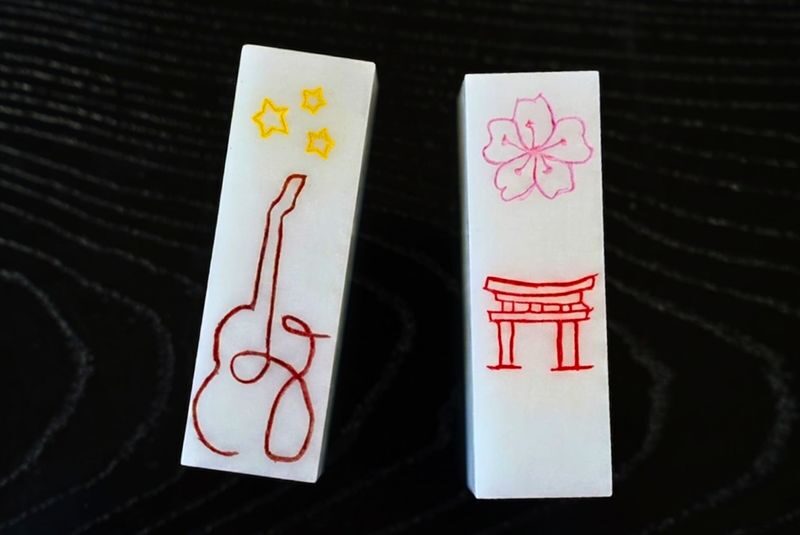
Next comes the design. You can work with the instructor to translate your name into kanji or create a symbol that suits you. This is one of the most interesting parts of the process, because a name does not always transfer neatly into another writing system. A guide can help you explore options and settle on a design that can be carved into the stone.
Participants have also used the workshop to learn a little about the history of kanji and Japanese stamps. You should not expect a long lecture, but the short cultural context makes the carving feel less like a craft project and more like an introduction to a traditional art.
If you arrive without a clear idea, that is fine. Instructors such as Kazuki, Gwen, and Masaki have helped people find design options and offered suggestions when they needed a nudge. That kind of support matters: a small stamp leaves little room for a complicated design, and a simple, well-planned mark is likely to be easier to carve.
Carving your own hanko, with guidance
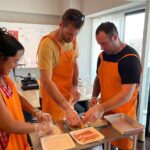
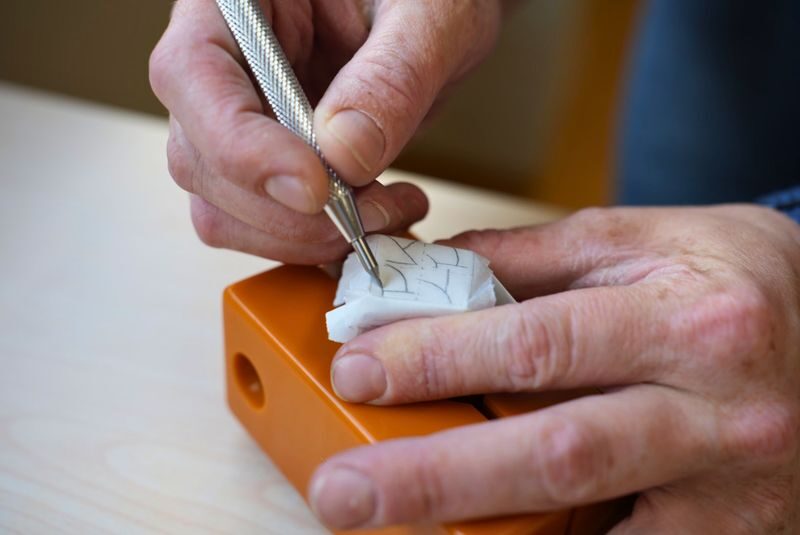
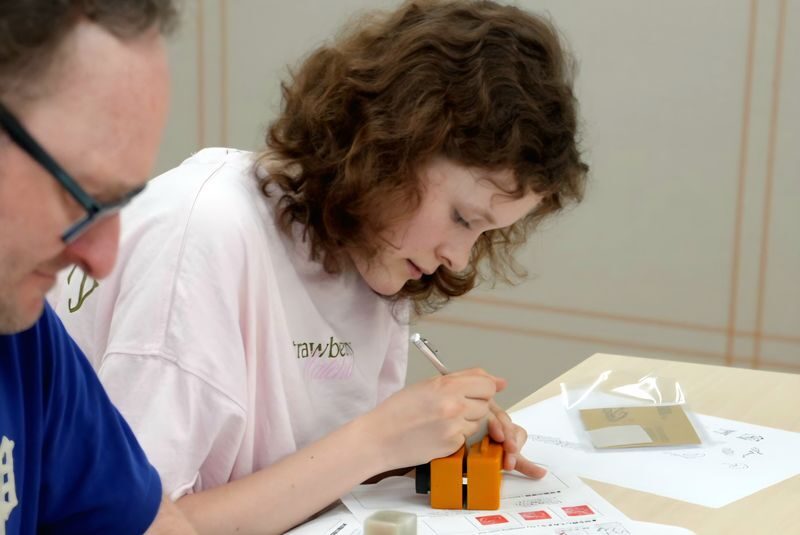
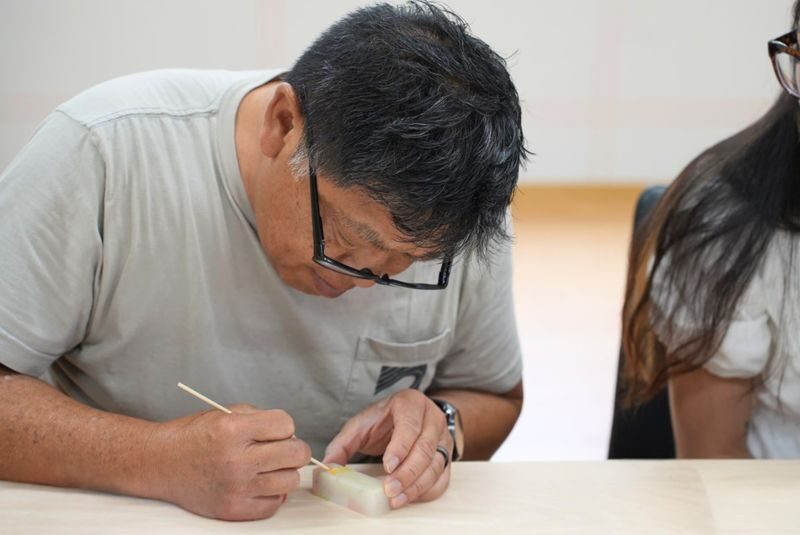
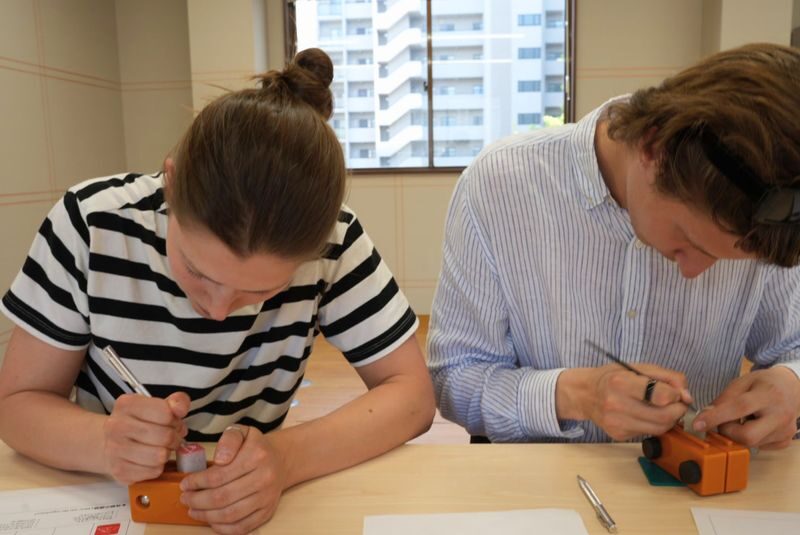
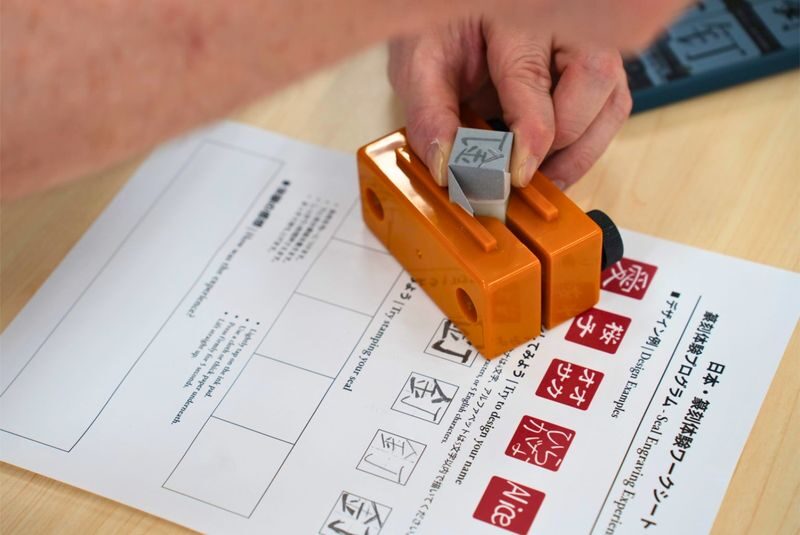
Once you have settled on a design, you pick up the carving tools and work it into the stone. The workshop is described as suitable for beginners, and the process is taught step by step. You do not need to know how to carve before you arrive.
The key is to take your time and follow the instructor’s directions. This is a hands-on activity, so you will be doing the work yourself, but you are not expected to figure out the tools and process alone. Participants have particularly valued the patient, friendly guidance, and the fact that help is there when needed.
If you are nervous about making a mistake, remember that the aim is a personal handmade stamp, not a factory-perfect object. Your finished hanko will carry the marks of your own effort. That is part of its appeal, and one reason this activity works well for couples, families, or solo visitors who want a quieter change of pace from sightseeing.
The minimum age is 7. That makes it a possible family activity for school-age children, though the work involves carving tools, so each child needs to be comfortable following instructions. Infants are not recommended for the activity.
Optional side carving and the final red-ink test
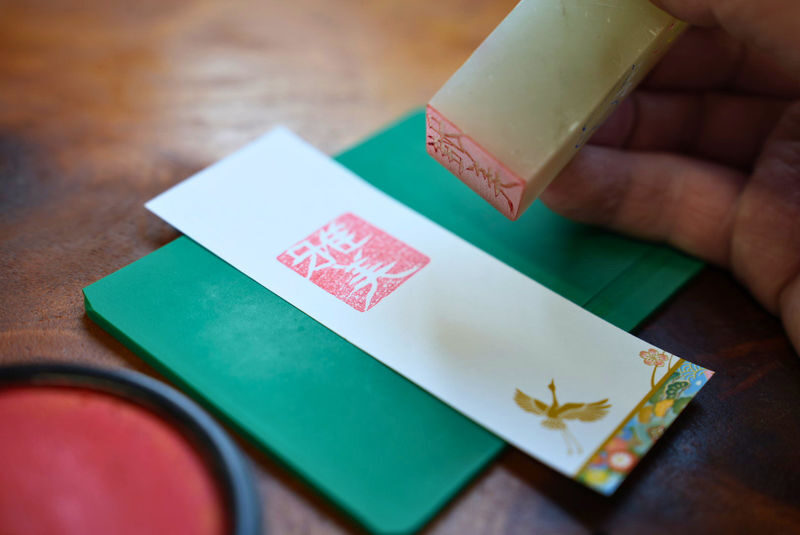
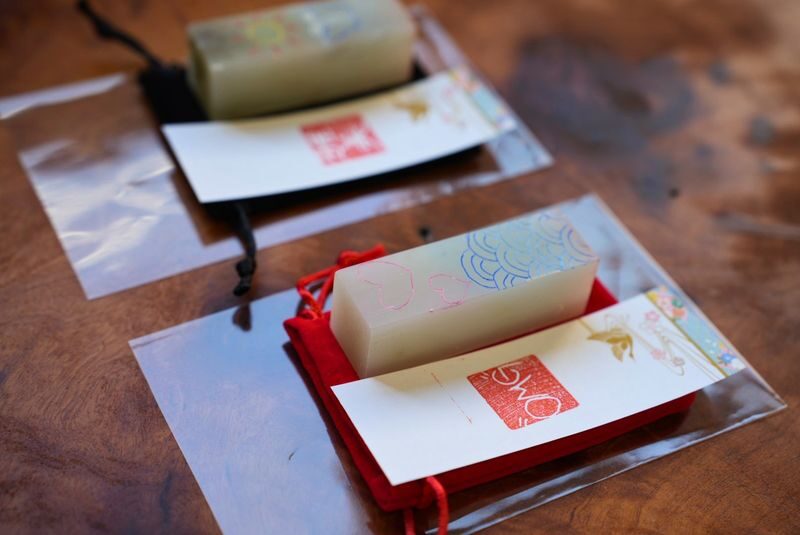
After the main design, you can add an optional colorful design to the side of the stone. This is a nice extra if you want the stamp to feel more decorative from every angle, or if you like the idea of a small, customized object. It is not included as a standard feature, so check the extra cost on-site before choosing it.
The finishing moment is simple and satisfying: press your completed hanko into traditional red ink and see the design take shape. It is the first clear look at how your carved mark works as a stamp, and gives you a ready-to-take-home souvenir at the end of the session.
You leave with the stamp you made that day. If you enjoy collecting travel keepsakes with a story behind them, this one has a clear connection to the place and the activity. It can also be a thoughtful memento for someone at home, especially if you chose a design linked to your name.
Is the starting price good value?
The package starts at US$18.79. For that entry price, the value comes from the instruction, the materials and tools provided for the activity, and the finished hand-carved stamp. You are paying for time spent making something personal, not just admission to watch a demonstration.
The low starting price is appealing, but it is worth treating it as a base rather than assuming every customization is included. Premium stone options and side carving may add to the cost. If you are watching your budget, ask which stone comes with the standard package and decide on upgrades only after you have seen the options.
The workshop’s strongest value is that it gives you an introduction to a traditional craft and something tangible to take away. It is a modest, focused activity rather than a full-day tour. Since no duration is specified, do not build a tight schedule around an assumed session length; check the time details when booking.


Who will enjoy this workshop most?
This is a good choice if you like making things, want a cultural activity that involves more than watching, or are looking for a souvenir with a personal touch. It can also be a welcome change of pace if your Osaka plans are heavy on sights and shopping.
Couples can make individual stamps and compare designs; parents can consider it for children aged 7 and older. Solo visitors are also well suited to the format, since the instructor supports you through the design and carving rather than leaving you to work out the process alone.
It may be less appealing if you want a passive activity, have no interest in making a keepsake, or are looking for a workshop directly in central Osaka. The address is in Suita, and you should factor that into your plans. If you wear glasses for close work, bring them. The practical note is easy to overlook, but carving a small design calls for a clear view.
A few practical details to check
The meeting point is MatchaExperience Osaka, at Osaka-fu, Suita-shi, Tarumicho 3-chome 35-5, 3F. The guide speaks English and Japanese, and the activity is for ages 7 and up. Admission to the attraction and the guide are included; other personal expenses are not.
Your voucher is valid only for the specified date and time, if a time is listed. Confirmation is expected within minutes. If you cancel at least 24 hours before the activity date, in destination local time, you can receive a full refund. Bring glasses if you need them for close work.
Should you book the stamp-making experience?
Book it if you want a beginner-friendly craft session that gives you both a little context about Japanese seals and a handmade souvenir. The clearest strengths are the patient, step-by-step instruction, help turning a name into a workable design, and the chance to carve the stamp yourself.
Before you commit, check the exact price for any stone upgrade or side design, and confirm that the Suita address fits your day. If you are comfortable with those details, the starting price makes this a worthwhile, personal activity for solo visitors, couples, and families with children aged 7 or older.
Stamp Making Experience in Osaka
“Very fun and unique creative experience. Kazuki explained everything very well and gave us some great design ideas which helped a lot. The process…”
FAQ
Where does the stamp-making activity take place?
It meets at MatchaExperience Osaka, 3F, 3-chome 35-5 Tarumicho, Suita-shi, Osaka-fu, Japan.
What is a hanko?
A hanko is a Japanese stamp or personal seal. In this workshop, you carve your own design into a stone.
Do I need carving experience?
No. The activity is beginner-friendly, and an instructor provides step-by-step guidance.
What languages does the guide speak?
The guide speaks English and Japanese.
What is the minimum age?
Participants must be at least 7 years old. The activity is not recommended for infants.
What is included in the activity?
Admission to the attraction and an English- or Japanese-speaking guide are included. Other personal expenses are not included.
Are stone upgrades and side designs included in the starting price?
High-quality stones and optional colorful side carving are available as upgrades. The starting price is from US$18.79, so check the cost of extras before adding them.
What should I bring, and how does cancellation work?
Bring glasses if you need them for close work. You can receive a full refund if you cancel at least 24 hours before the activity date, using destination local time.