The appeal here is the change of pace: instead of just ordering sushi, you learn how the rice, fish and shaping come together, then make some yourself under a chef’s guidance. The class takes place at Uo-taisho, a tuna specialty shop, and finishes with a sushi set to eat on site.
I like two things in particular: you get a hands-on lesson, not just a demonstration, and the meal afterward gives you a chance to compare your own work with sushi made by the kitchen. Families may also appreciate the reported patient, welcoming staff and small take-home souvenirs.
One consideration: the package name matters. The price from $44.15 is for the vegetarian vegetable-roll class, while the broader experience description discusses nigiri and fish. Check the exact option you book, and do not assume every package includes the same sushi.
- Key points before you book
- A sushi lesson with a meal at the end
- What the chef teaches, and why the details matter
- The meal is part of the value
- Getting to Uo-taisho in central Osaka
- Is the vegetarian option right for you?
- How I would judge the price and booking
- Should you book this Osaka sushi class?
- FAQ
- How long does the sushi-making class take?
- What is the starting price?
- What kinds of sushi can I learn to make?
- Where is the meeting point?
- How do I get to Uo-taisho?
- Is there an age limit?
- Are English- or Chinese-speaking staff available?
- Can I cancel or change my booking?
- The Best Of Osaka!
- More Tours in Osaka
- More Tour Reviews in Osaka
Key points before you book
 1 / 7
 2 / 7
 3 / 7
 4 / 7
 5 / 7
 6 / 7
 7 / 7
- The listed starting price is for a vegetarian class: The package details identify a vegetable-roll course, so check the selection before paying.
- Plan for about 1.5 hours: The class is offered between 10:00 AM and 10:00 PM, with your chosen time tied to your voucher.
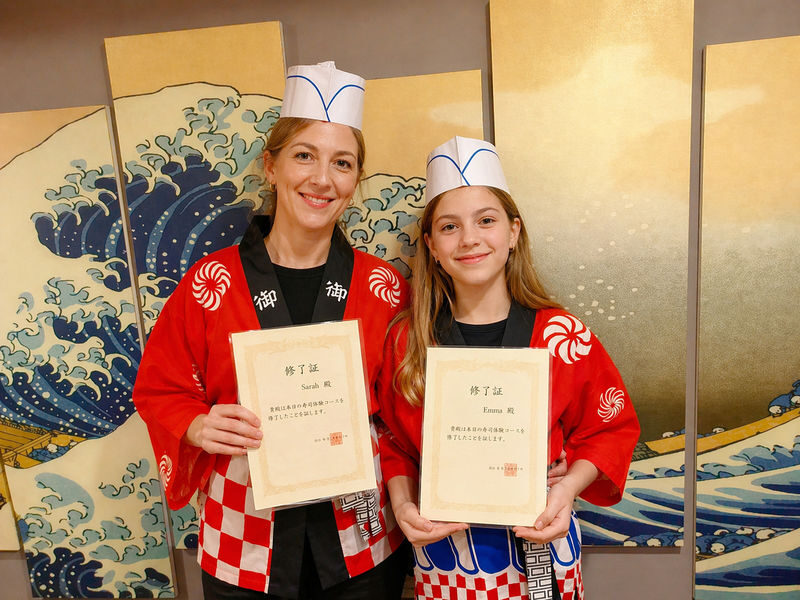
- You make sushi with a chef: The lesson covers ingredients, rice, shaping and placing fillings or toppings, with step-by-step guidance.
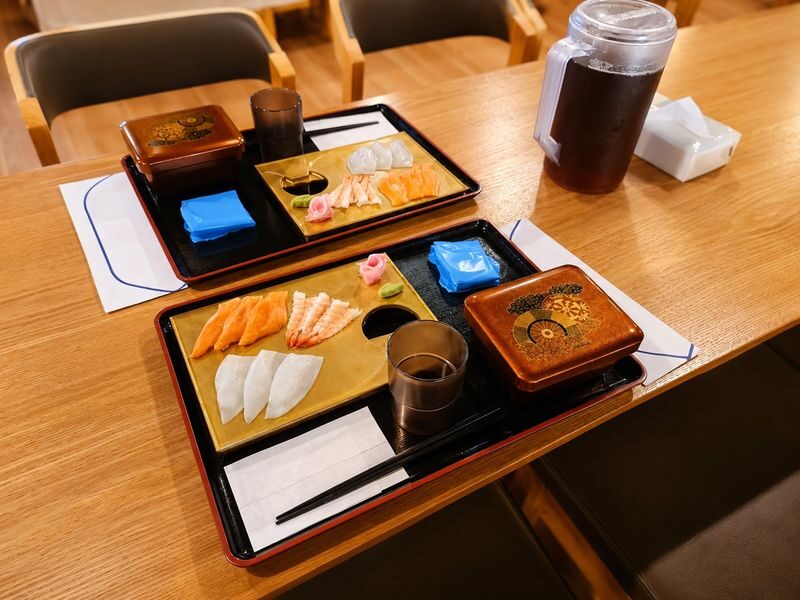
- A meal follows the lesson: You can enjoy a freshly prepared sushi set after the practical session.
- The venue is Uo-taisho in Chuo-ku: It is a tuna specialty shop at 1-5-4 Otemae, with directions given from Tenmabashi Station.
- Language support is listed, but clarity can vary: English- and Chinese-speaking staff are noted; one participant found the instructor’s English difficult to follow.
👉 See our pick of the The Top 15 Workshops & Classes In Osaka
A sushi lesson with a meal at the end
Sushi can look simple from across the counter: a small mound of rice, a topping, a quick press of the fingers. The craft is in the details. This Osaka class is designed to show you some of those details, then put you to work rather than leaving you to watch from the sidelines.
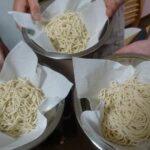
At Uo-taisho, the session begins with an introduction to the day’s ingredients and basic sushi knowledge. The chef is described as explaining rice temperature, the ratio of vinegar rice, and how different fish pair with rice. These are useful ideas even if you never make sushi again. They help explain why good sushi is not simply fish placed on rice.
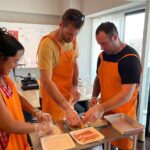
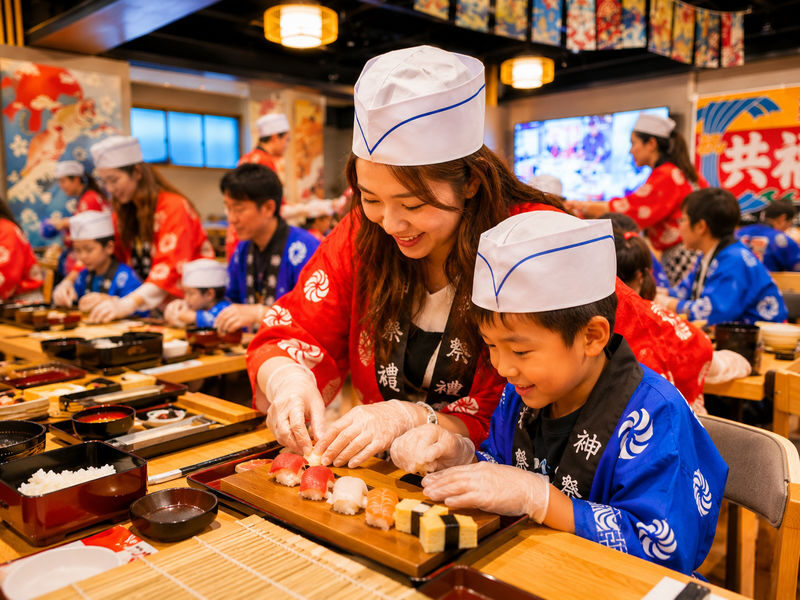
Then comes the practical part. You learn how to shape sushi and place the ingredients, with guidance as you make your own pieces. The exact work depends on the package you select. The vegetarian option is specifically described as a vegetable-roll-making class, while the wider course information and package names refer to nigiri, hand-rolled sushi and gunkan, often called battleship rolls.
That distinction is worth sorting out before you book. The product title says Standard Sushi, but the stated price from $44.15 and package details are for the vegetarian vegetable-roll option. If you want a lesson centered on fish, confirm that your selected package includes it rather than relying on the general description.
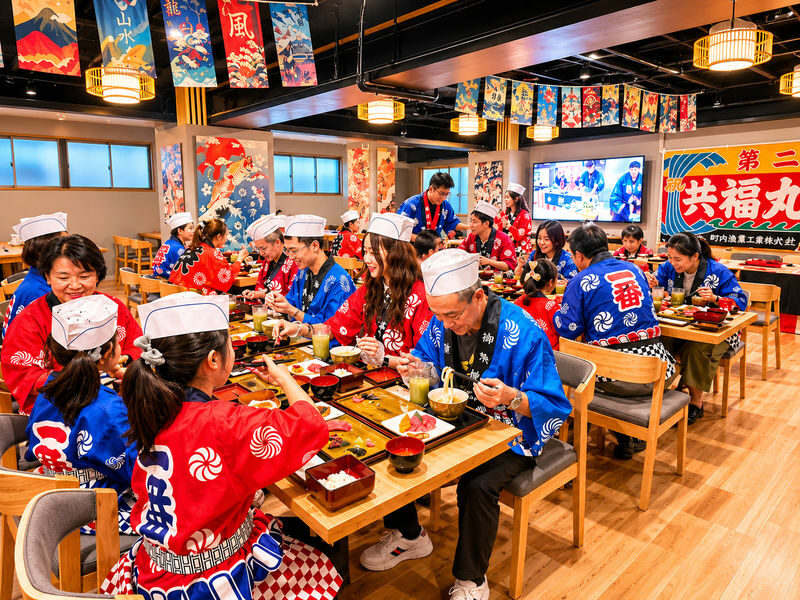
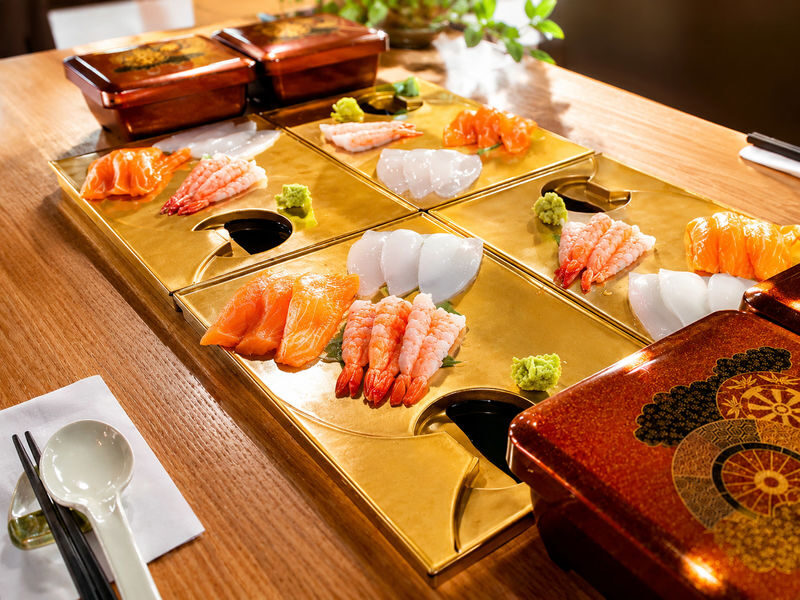
The class ends with a sushi set meal. That makes the experience more satisfying than a short craft lesson alone: you can eat what you have made and taste sushi prepared by the restaurant. The venue is described as a popular Japanese restaurant and tuna specialty shop, so the setting has a direct connection to the food rather than feeling like a stand-alone classroom.
You can also read our reviews of more tours and experiences in Osaka.



What the chef teaches, and why the details matter
The introductory explanation gives you context before you pick up the rice. You are meant to learn about ingredient selection and processing, plus the basic principles behind combining rice and toppings. The course description also calls attention to rice temperature and vinegar balance. Those points matter because rice is not just a base; its seasoning and texture shape the whole bite.
The practical session is meant to build from those basics. You learn how to form sushi and position the ingredients, then make your own pieces with the chef’s help. The guidance is described as one-on-one, though the group size is not specified. If close instruction is important to you, it is sensible to ask the operator about class size before booking.
Do not expect a long professional apprenticeship in 90 minutes. This is a short introduction, with time for an explanation, practice and a meal. That is enough to make the process more understandable and memorable, but it is not a substitute for extensive training. The best way to approach it is as a hands-on cultural activity that gives you a taste of technique, not a promise that you will leave with chef-level knife skills.
There is a useful practical caveat about language. English- and Chinese-speaking staff are listed, which should help many international visitors. Still, an instructor’s spoken English may not always be equally clear. One participant found the explanation hard to follow and the methods complicated, while other participants described patient, step-by-step help. If you are concerned, ask in advance what language the chef will use, and watch the demonstration closely. You can also ask for a slower explanation at the start.
The meal is part of the value
A sushi class can feel thin if it ends as soon as the last piece is shaped. Here, the meal is part of the plan. After the lesson, you can sit down to a carefully prepared sushi set and taste the restaurant’s work alongside your own. That second perspective is valuable: you get to notice the difference between learning the motions and seeing how an experienced kitchen handles the same kind of food.
The meal also helps justify the starting price. At $44.15, the value is not only in the class, but in the combination of instruction, ingredients, venue and a prepared meal. The exact contents of the set are not specified, so do not book expecting a particular fish, number of pieces or menu. The vegetarian package is the clearest option detail provided, and you should check what food is included in your chosen selection.
The food is repeatedly described as fresh, and the staff as attentive and generous with portions. Some families have also appreciated small souvenirs such as magnets or gifts for children. These touches are a pleasant extra, not something I would count on as a guaranteed part of every booking.
Getting to Uo-taisho in central Osaka
The address is Uo-taisho, 1F, Otemae Heights, 1-5-4 Otemae, Chuo-ku, Osaka, Osaka Prefecture, 〒540-0008. The directions supplied point to Tenmabashi Station, Exit 2, followed by a 150-meter walk north. Check the map and your booking details before setting out, since the meeting point is the shop itself.
The session is offered from 10:00 AM to 10:00 PM and lasts about 1.5 hours. That wide time window can make the class easier to fit around other Osaka plans, but the voucher is valid only for the date and time you book. The itinerary’s return information is not especially useful for planning onward transport: it says to return to your hotel or personal address by yourself, and notes a latest time of 10:00 PM. Treat this as a self-guided activity, not a tour with a ride back.
Outside food and drinks are not allowed. There is no age limit listed, and the experience has been described as suitable for families. If you are bringing children, remember that the session involves following instructions and handling food, so check with the provider if you have a specific concern.
Is the vegetarian option right for you?
The vegetarian vegetable-roll class is the clearest choice if you want a meat-free sushi-making activity. The details do not specify which vegetables are used, so ask the provider if you need to avoid a particular ingredient or have an allergy. Do not assume the vegetarian package includes the same fish-focused tasting described for the wider course.
If your priority is learning nigiri with fish, read the package name and contents carefully. The broader experience description discusses fresh fish and nigiri technique, while the priced package information identifies vegetable rolls. That mismatch is the main point to settle before booking. A quick confirmation can prevent the disappointment of expecting a fish-focused lesson and arriving for a vegetarian one.
For a first-time sushi maker, the class has a sensible balance: a short explanation, practical work and food at the end. For a sushi enthusiast, it offers a closer look at rice and shaping, but the short duration means the lesson is introductory. For families, the welcoming approach and no stated age limit are appealing, though the course is still a structured activity rather than free play.



How I would judge the price and booking
From $44.15 is a fair price if you want both a guided activity and a meal, especially if you value a hands-on lesson more than a quick restaurant stop. It is less compelling if you only want to eat sushi, since the class takes about 1.5 hours and the listed price applies to a specific vegetarian package. Compare the experience you want with the exact package before deciding.
The provider is JHT HOLIDAY TRAVEL. Confirmation is normally sent within minutes; if it does not arrive, contact customer support. Changes are allowed up to 24 hours before the activity in many cases, but there are exceptions, including bookings made with Klook Pass, some presale or freebie bookings, bookings without an issued voucher, and bookings using SG Culture Pass or Taiwan Culture Points. A full refund is available for cancellations made at least 24 hours before the activity date, in local time.
Should you book this Osaka sushi class?
Book it if you want to make sushi yourself, learn a few of the ideas behind rice and ingredient pairing, and enjoy a meal at the same venue. It is especially appealing for first-timers and families who want an activity that brings food and a little cultural context together.
Pause if you are choosing it mainly for a fish-focused nigiri lesson. The vegetarian package is the one tied to the starting price, so confirm the exact class before paying. If the package matches your expectations, this is a practical, low-commitment way to add a hands-on food experience to an Osaka visit.
Standard Sushi | Nigiri Sushi Making Course
“We had a fantastic time with the sushi-making class in Osaka! The instructor was incredibly patient and guided us step-by-step through making nigir…”
FAQ
How long does the sushi-making class take?
The course experience lasts about 1.5 hours.
What is the starting price?
The listed starting price is US$44.15 for the vegetarian vegetable-roll-making class.
What kinds of sushi can I learn to make?
The wider course information refers to nigiri, hand-rolled sushi and gunkan, while the priced package details specify a vegetarian vegetable-roll class. Check the package you select for its exact contents.
Where is the meeting point?
The meeting point is Uo-taisho, 1F, Otemae Heights, 1-5-4 Otemae, Chuo-ku, Osaka, 〒540-0008.
How do I get to Uo-taisho?
The supplied directions say to go to Tenmabashi Station, Exit 2, then walk 150 meters north.
Is there an age limit?
No age limit is listed for the activity.
Are English- or Chinese-speaking staff available?
English-speaking and Chinese-speaking staff are listed. The information does not guarantee that every instructor will speak both languages fluently.
Can I cancel or change my booking?
A full refund is available if you cancel at least 24 hours before the activity date, in local time. Changes are allowed until 24 hours before the activity in many cases, but restrictions apply to some booking types.