Tennoji Zoo offers a welcome change of pace from Osaka’s shops and busy streets: an 11-hectare animal park with around 170 species right in the city. I like its approachable size, which makes it possible to see the main areas without giving up a whole day, and I like that its ecological exhibits aim to show animals in settings modeled on their natural habitats.
The polar bears are a popular draw, and the zoo also has a nocturnal-animal area and indoor educational exhibits. At a starting price of $1.29, admission can be an easy addition to a Tennoji or Shinsekai outing. One consideration: hot weather, sleeping animals, renovation work, or closed exhibits can make the visit less rewarding than you expect.
- What to know before you go
- A small zoo with a useful place in your Osaka day
- Exploring the ecological exhibits
- Polar bears, giraffes, and the animals to look for
- How long to spend inside
- Combining the zoo with Tennoji or Shinsekai
- Is the low ticket price good value?
- Hours, eligibility, and a few practical details
- Should you book Tennoji Zoo?
- FAQ
- How long should I plan for Tennoji Zoo?
- What are the zoo’s opening hours?
- Which train stations are near the zoo?
- Do preschool children need a ticket?
- What is included with the donation ticket?
- Can I cancel the ticket after purchase?
- The Best Of Osaka!
- More Tickets in Osaka
- More Tours in Osaka
- More Tour Reviews in Osaka
What to know before you go
 1 / 8
 2 / 8
 3 / 8
 4 / 8
 5 / 8
 6 / 8
 7 / 8
 8 / 8
- A city-center animal stop: Tennoji Zoo sits between the Tennoji area and Shinsekai, so you can pair it with nearby sights.
- A compact visit: Plan for two to three hours, though a brisk visit can take less. The grounds cover about 11 hectares.
- Around 170 species: The zoo houses approximately 1,000 animals, including popular polar bears, along with giraffes, hippos, lions, wolves, and red pandas.
- Habitats are part of the appeal: Ecological exhibits are designed to reflect animals’ natural environments, though the quality and activity you see can vary by exhibit.
- Good for families on a budget: Preschool children enter free, and the low starting price keeps this outing accessible.
- Check conditions first: Hours, closures, and access to individual facilities can change. Heat may also leave some animals less active.

👉 See our pick of the The Top 15 Workshops & Classes In Osaka
A small zoo with a useful place in your Osaka day
Tennoji Zoo opened on January 1, 1915, and celebrated its centenary in 2015. Today it feels less like a full-day destination and more like a handy urban break: a modestly sized park where you can see a range of animals without traveling far from central Osaka.
That scale is a practical advantage. If you are visiting with children, a two- or three-hour outing is often easier to fit into the day than a sprawling zoo that demands a full itinerary. If you are traveling without kids, the zoo can still make a pleasant change from temples, department stores, and city streets, particularly when you combine it with Shinsekai or Tennoji Park.
The trade-off is variety of experience, not just the number of species. About 170 species sounds like plenty, but the grounds are relatively compact, and not every animal will be active or visible when you arrive. Treat this as an affordable city attraction with a worthwhile animal collection, not a destination on the scale of a major regional zoo.
You can also read our reviews of more tours and experiences in Osaka


Exploring the ecological exhibits
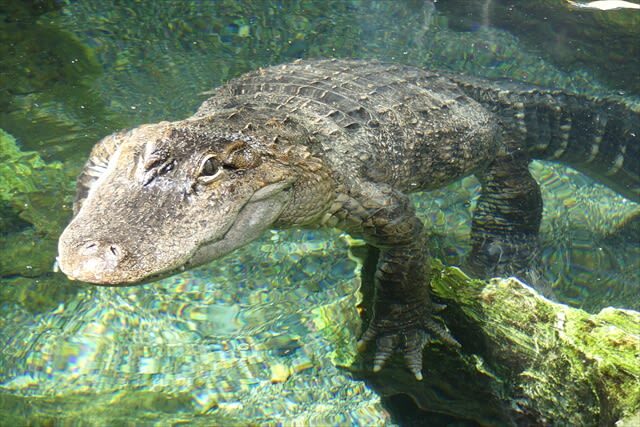
The zoo’s ecological exhibits aim to recreate animal habitats as faithfully as possible. That idea matters because a well-designed habitat can help you understand how an animal lives, rather than simply giving you a quick look through a barrier. It also gives the visit a stronger educational angle for children, who can connect an animal with its environment.
Expect to walk between different animal areas, with some indoor exhibits among the outdoor spaces. The nocturnal-animal house is a distinctive stop, and the zoo also has educational indoor displays. These can be especially useful on a hot day, when shade and a change of temperature make a welcome pause.
The concept does not mean every exhibit will feel equally natural or spacious. Some visitors have raised concerns about animal activity and enclosure conditions, while others find the grounds comfortable and well planned. It is fair to arrive with open eyes: notice how the animals are behaving, and remember that a habitat’s appearance and an animal’s activity can vary with weather, time of day, and renovations.
Polar bears, giraffes, and the animals to look for
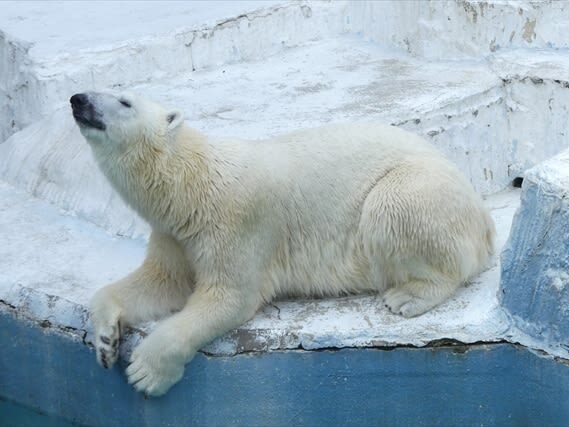
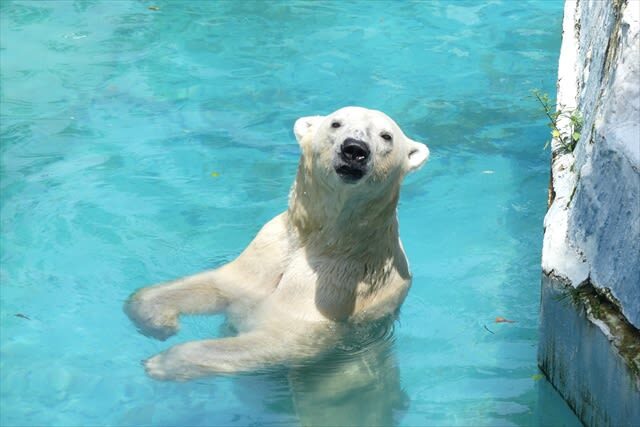
The polar bears are among the zoo’s best-known attractions. Their swimming and movement can be thrilling to watch when they are active, and families often make this area a priority. But bear exhibits may be affected by renovation or seasonal conditions, so check for current access before building your visit around them.
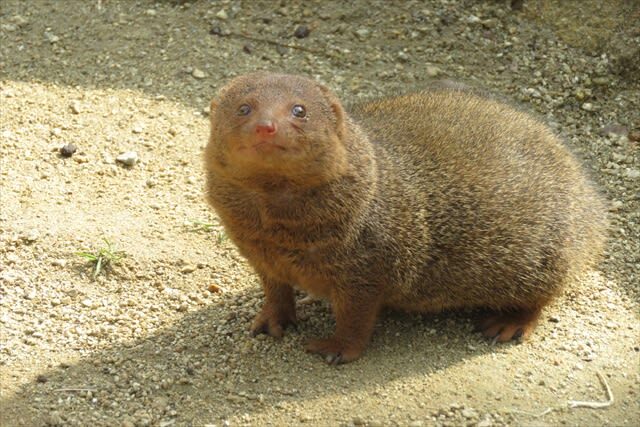
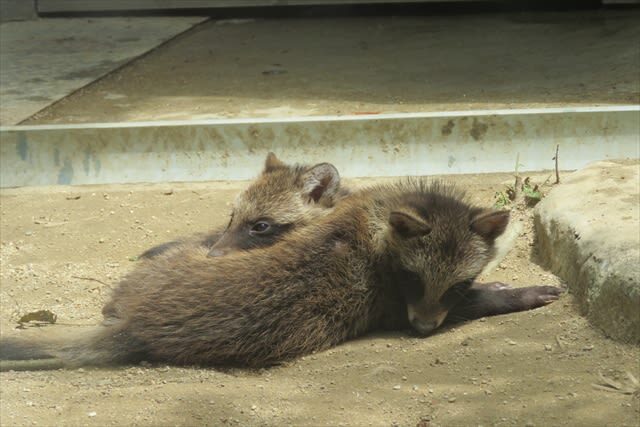
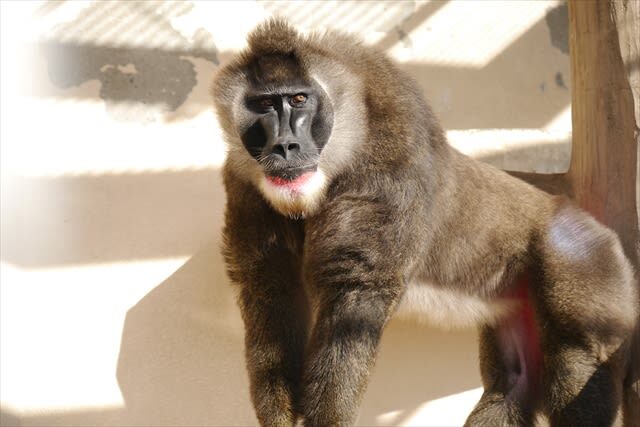
You can also look for animals such as hippos, giraffes, lions, wolves, red pandas, and monkeys. That mix gives the zoo a little of everything, from familiar large mammals to smaller or less commonly seen species. The limited footprint means you can move from one animal area to another without the day becoming a march.
Keep your expectations flexible. Animals may be resting, and hot, humid weather can make the whole visit feel slower. Some people find that only the monkeys are noticeably active on warm days; others enjoy the chance to see animals at close range even when they are quiet. If activity matters to you, plan for cooler parts of the day where possible, and allow time to wait at favorite exhibits rather than racing through.
How long to spend inside
A sensible plan is to set aside two to three hours, including pauses and time with children. A brisk route through the main areas may take around an hour and a half, but moving at that pace can leave little room to wait for an animal to appear or to stop at an indoor exhibit.
With young children, the zoo’s manageable size is a plus. You can make a short visit without exhausting the day, and there are vending machines for drinks and ice cream. Restrooms are available along the grounds. Strollers are practical for the paths, though how comfortable they feel will depend on your route and the crowd.
There is no need to treat the visit as a race to see every species. Pick a few areas that matter most to your group, then leave room for discoveries along the way. If the weather is hot, build in breaks and keep water handy. If an exhibit is closed, shift your attention to another part of the zoo rather than letting one unavailable attraction define the day.
Combining the zoo with Tennoji or Shinsekai
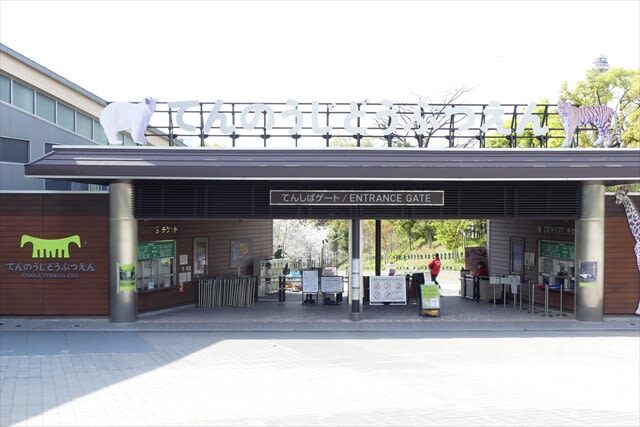
The location is one of Tennoji Zoo’s strongest practical points. You can enter from the Shinsekai side or the Tenshiba side, giving you a choice of approach depending on what else you want to see. Shinsekai Gate is about a five-to-ten-minute walk from Dobutsuen-mae Station Exit 1 or Ebisucho Station Exit 3. It is also around a ten-minute walk from Shin-Imamiya Station’s Tsutenkaku Exit.
For the Tenshiba Gate, allow five to ten minutes from Tennoji Station, either the subway Exit 5 or JR Central Exit. Osaka-Abenobashi Station is about a ten-minute walk. The two entrances make it easy to use the zoo as a link between areas rather than an isolated outing.
A natural plan is to visit the zoo, then continue toward Tsutenkaku Tower and Shinsekai for a meal. You can also pair it with Tennoji Park or the nearby art museum. That combination turns a short zoo visit into a half-day without adding a long transit ride. Do check the map and the gate you intend to use before setting off, especially if you are meeting companions.


Is the low ticket price good value?
The listed price starts at $1.29, though the exact amount can vary by package and the price shown when you book. At that entry cost, Tennoji Zoo can be a good-value outing if you want a central, low-commitment attraction. It is especially appealing for families, who can get a few hours of activity without the cost of a larger theme park.
Several ticket options are available: standard admission, admission with a gacha badge gift, and admission with a donation and thank-you card. The donation option includes a JPY200 contribution for animal welfare, with one thank-you card per ticket. Card designs may change, and donation receipts are not issued. Choose the standard ticket if you want the simplest low-cost entry; choose the donation option if supporting animal welfare is part of your reason for visiting.
The price is only one side of value. If you expect a full day of active animals and every exhibit open, you may come away disappointed. If you are nearby, enjoy seeing animals, and are happy with a compact visit, the cost is easier to justify. Advance mobile tickets can also save time at the entrance: present the voucher on your phone for redemption.
Hours, eligibility, and a few practical details
The usual opening hours are 9:30 a.m. to 5 p.m., with last admission at 4 p.m. On Saturdays, Sundays, and public holidays in May and September, the zoo is listed as open until 6 p.m., with last admission at 5 p.m. Hours and closures can change, so check the official website before you go. Some facilities or activities may close seasonally, and severe weather can affect operations.
Preschool children enter free. High school students and older pay the adult rate. Some other groups may qualify for free admission or discounts, including certain Osaka City students and residents aged 65 and over, and people with specified disability or survivor handbooks. You must show the original proof of eligibility at the entrance, except for accepted Mirairo ID app registrations. Without the required proof, the discount cannot be applied.
The mobile voucher is valid for 30 days from booking confirmation and expires at 11:59 p.m. on the final day. It cannot be combined with other coupons. The product is non-cancellable and non-refundable, so check your date and plans before you buy.
Should you book Tennoji Zoo?
I would book Tennoji Zoo if you are already exploring Tennoji or Shinsekai, have children in tow, or want an inexpensive activity that fits into a few spare hours. The central location, reasonable visit length, and broad animal mix make it easy to add to an Osaka day.
I would be more cautious if you are making a long trip solely for the zoo, expect every animal to be active, or are uncomfortable with the possibility of seeing exhibits that prompt concern about animal welfare. Check current closures and weather, and keep your expectations grounded: Tennoji Zoo is a compact urban zoo, not a full-day animal park. For the right visitor, that is exactly the point.
Tennoji Zoo Ticket in Osaka
“Two adults spent a full hour and a half exploring. Highly recommended!”
FAQ
How long should I plan for Tennoji Zoo?
Allow two to three hours for a relaxed visit. A faster walk through the main areas may take about an hour and a half.
What are the zoo’s opening hours?
The usual hours are 9:30 a.m. to 5 p.m., with last admission at 4 p.m. On Saturdays, Sundays, and public holidays in May and September, it is listed as open until 6 p.m., with last admission at 5 p.m. Check the official website for changes.
Which train stations are near the zoo?
For Shinsekai Gate, Dobutsuen-mae and Ebisucho subway stations are about a five-to-ten-minute walk away. Shin-Imamiya Station is about ten minutes away. For Tenshiba Gate, Tennoji Station is about five to ten minutes away, and Osaka-Abenobashi Station is about ten minutes away.
Do preschool children need a ticket?
Preschool children enter free. High school students and older are charged the same rate as adults.
What is included with the donation ticket?
The donation ticket includes zoo admission and a JPY200 donation for animal welfare. It also includes one thank-you card per ticket, with a design that may change.
Can I cancel the ticket after purchase?
No. The ticket cannot be cancelled or refunded after purchase. The voucher is valid for 30 days from booking confirmation and expires at 11:59 p.m. on its final day.