A loom, a shuttle, and a wall of yarn in 500 colors: this Osaka workshop gives you a simple way to turn an unhurried couple of hours into a handmade souvenir. You choose the colors and weave without a fixed pattern, so your scarf or table runner can be as orderly or as free-form as you like.
I like two things about this class. First, the weaving is designed for beginners, with clear steps and help available when you need it. Second, you leave with something you made, not just a photograph or a small shop purchase. The studio’s calm pace makes the activity feel like a welcome pause from sightseeing.
One point to plan for: the advertised price starts at $5.69, but materials are charged separately by weight. Also, the studio is tucked into a side street, and there are two SAORI locations that can appear in map searches. Check that your destination is SAORI Toyosaki Nagaya before setting off.
- Choose from about 500 yarn colors and make a design without a set pattern.
- Learn the loom in a few basic steps, with staff nearby to assist.
- Make a scarf, table runner, or smaller piece, depending on your time and choice.
- Allow two hours, or possibly longer if you want to make a longer piece.
- Pay the materials fee onsite, separate from the booking price.
- Take your finished work home the same day.
- Start with the yarn, not a pattern
- Get comfortable at the loom
- Decide what you want to make
- Budget for the yarn as well as the class
- Find the right SAORI studio
- Who will enjoy this workshop most
- Should you book the Umeda weaving experience?
- FAQ
- How long does the weaving experience last?
- What is included in the booking?
- How much do the materials cost?
- What can I make?
- Can I take my finished work home?
- Where is SAORI Toyosaki Nagaya?
- How do I get to the studio by train or metro?
- What is the minimum age to participate?
- What should I do with my electronic voucher?
- The Best Of Osaka!
- More Tours in Osaka
- More Tour Reviews in Osaka
Start with the yarn, not a pattern
 1 / 4
 2 / 4
 3 / 4
 4 / 4
This is a SAORI-style weaving session, built around making what appeals to you rather than copying a model. That freedom is part of the fun, but it need not feel daunting. You do not have to arrive with a design in mind or know how to use a loom.
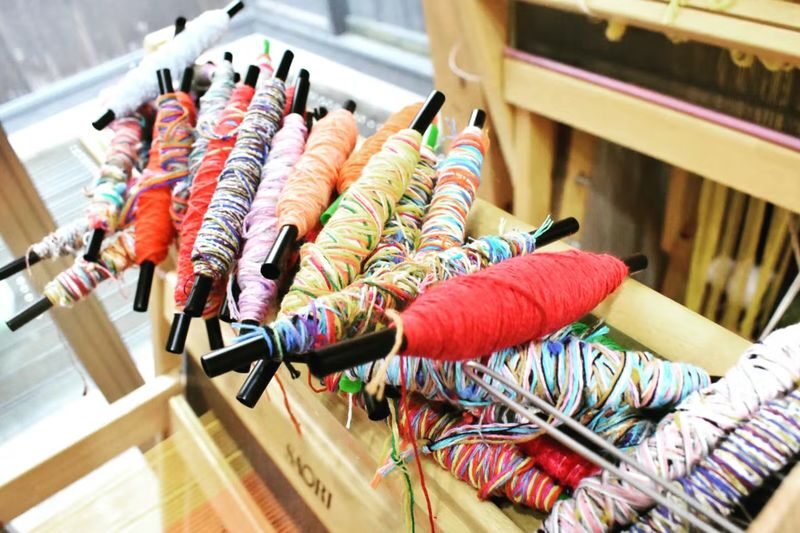
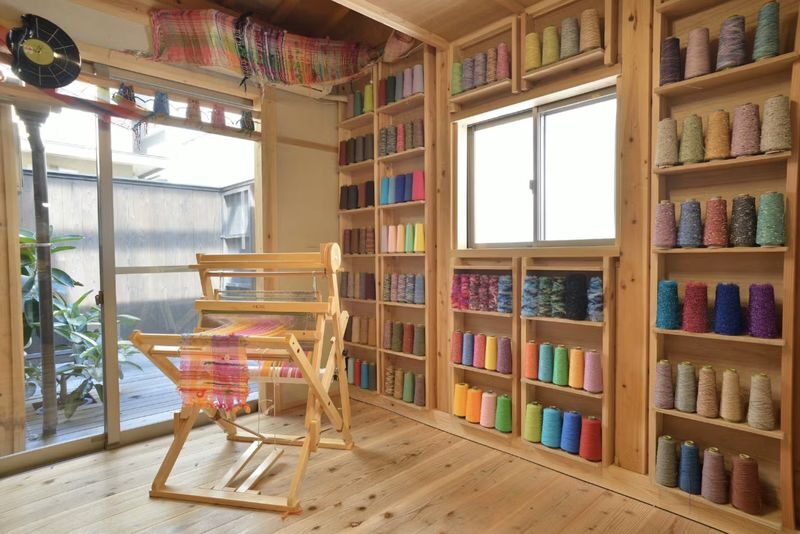
The studio offers about 500 yarn colors. You can combine shades, textures, and widths to suit your taste, then see how those choices look as the fabric grows. If you tend to overthink creative projects, keep it simple: pick a few colors you like and begin. The loom does the structural work while you make decisions one pass at a time.
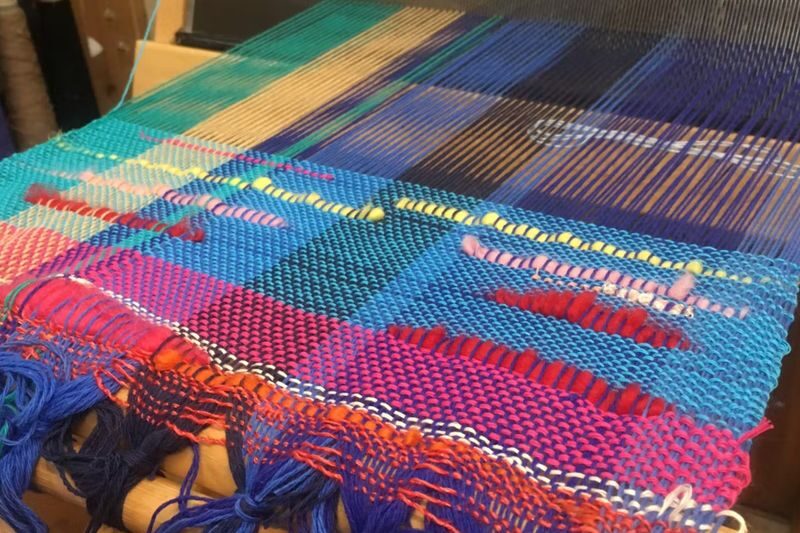
There is no single correct result to aim for. A slightly uneven edge or a change of color midway through can become part of the piece’s character. If you want a neat, uniform scarf, you can work toward one, but the point is not to produce factory-perfect cloth. It is to make something personal.

👉 See our pick of the The Top 15 Workshops & Classes In Osaka
Get comfortable at the loom
The session lasts 120 minutes. The instructor prepares the loom setup, then shows you how to use the shuttle and weave the weft through the warp. The process has only a few main steps, which makes it approachable even if you have never tried a textile craft.
Once the basics are clear, you can settle into a steady rhythm. Staff are on hand to explain the process, answer questions, and help if you get stuck. The guidance is there when you need it, but you are not expected to follow a rigid design or have someone directing every move.
That balance is a real strength. You get enough instruction to start with confidence, then time to focus on the colors and the repeated motion. Several people find the activity calming, and two hours can pass quickly once you get into it. If you are visiting with a child, the minimum age is four; children can take part with staff support.
The studio is described as small and cosy, so do not expect a large, open workshop. That close setting can feel personal and relaxed, though it may be less appealing if you prefer lots of space around your work. There is no stated group-size limit, so I would not assume the class will be private.
You can also read our reviews of more tours and experiences in Osaka.



Decide what you want to make
A scarf is the natural choice if you want something wearable and have enough time to weave a longer piece. A table runner or other shorter project is another option, and it may suit you if you want to keep the material cost down or feel unsure about committing to a long scarf.
The length you make affects both time and cost. Some people finish a scarf in around 90 minutes, while others need about two and a half hours. A longer runner can also take more time than the session’s two-hour headline suggests, so arrive ready to focus and ask the staff how your chosen project fits the available time.
There is no need to race. The point is to enjoy the process, not to hit a production target. If you want a longer piece, consider that before starting and allow extra time in your Osaka plans where possible. The advertised session is 120 minutes, but reports of longer projects taking about 2.5 hours are a useful reminder that weaving speed varies.
Your finished piece can go home with you the same day. That makes this a practical souvenir: it is light, useful, and tied to a specific afternoon in Osaka. The result may not look exactly like the one you imagined at the start, which is often the appeal of a craft made by hand.
Budget for the yarn as well as the class
The listed price starts at $5.69, but that is not the full cost of making a piece. The materials fee is paid onsite and is calculated by weight, at ¥11 per gram. The supplied cost guidance gives a deposit range of about ¥1,000 to ¥2,000, while actual totals depend on what you make and how much yarn you use.
For a rough sense of scale, one small table mat was reported to cost less than ¥1,000 in materials, while a scarf often came in around ¥1,200 to ¥1,500. A longer table runner was about ¥2,650 in one case. These are examples, not fixed prices, so ask the staff about the likely cost before you begin if you are keeping close track of your spending.
The fee is easier to judge when you consider what you are getting: two hours at the loom, guidance, a wide choice of yarn, and a handmade item to take home. It can be good value if you enjoy making things and want a souvenir with a personal story. If your main goal is a cheap scarf, buying one ready-made will be faster and may cost less.
Bring enough Japanese yen to cover the materials charge. The exact fee is determined onsite, so do not count on the starting booking price to include the finished piece.
Find the right SAORI studio
The workshop takes place at SAORI Toyosaki Nagaya, at 1-7-2 Toyosaki, Kita-ku, Osaka-shi, Osaka-fu 531-0072. From Hankyu Umeda Station’s Chayamachi Exit, the walk is about 10 minutes. The general access information describes it as a 13-minute walk from Umeda, so allow a little extra time rather than cutting it close.
Nakazakicho Station on the Osaka Metro Tanimachi Line is another option, about a seven-minute walk from Exit 2. The studio is in a side street, and the address can be easy to mix up with another SAORI location in Osaka. Search for SAORI Toyosaki Nagaya specifically and use the address, not just the SAORI name, to guide you.
There is no parking at the studio. If you are arriving by car, nearby coin parking is the suggested option; the address is about five minutes from the Hanshin Expressway Route 12 Moriguchi Line’s Ogimachi IC. Public transport is likely the simpler choice for most visitors.
Arrive on time. The voucher is valid only for its specified date and time, and late arrivals or no-shows are not refundable. When you get to the studio, show the electronic voucher on your phone or another internet-connected device. Let the staff operate it; activating it yourself can invalidate the ticket. It is sensible to open the voucher before you leave an area with reliable internet.
Who will enjoy this workshop most
This is a good choice if you want a slower, hands-on break from Osaka’s city sights. It suits people who like crafts, want to try a traditional textile technique, or would rather bring home something useful than another small souvenir. You do not need prior weaving experience, and the minimum age of four makes it a possible family activity.
It can also work well for a solo visit. The simple process gives you something absorbing to focus on, and you can ask for help as needed. Couples and families can make their own pieces side by side, choosing separate colors and designs. The finished objects are personal, even when everyone starts with the same basic instructions.
This may be less appealing if you dislike sitting still, want a fast activity, or need a fixed end time. Weaving takes patience, and a longer piece can run beyond the scheduled two hours. The studio’s size and quiet pace are part of its appeal, but they are not for everyone.



Should you book the Umeda weaving experience?
Book it if you are curious about making something with your hands and can spare a relaxed two hours, with some flexibility if your project takes longer. The beginner-friendly instruction, broad yarn choice, and same-day take-home piece make this a thoughtful change of pace from sightseeing.
Before you reserve, decide what you might want to make and set aside money for materials on top of the booking price. Then double-check the Toyosaki Nagaya address and plan your route from Umeda or Nakazakicho Station. If that sounds like a good use of an afternoon, this is an appealing way to bring home a souvenir that carries your own choices in every row.
Umeda Weaving Experience (Osaka)
“Excellent time spent making a scarf ! Highly recommend this experience.”
FAQ
How long does the weaving experience last?
The booked session is 120 minutes. Some projects, especially longer scarves, can take about two and a half hours, so allow extra time if you want to make a longer piece.
What is included in the booking?
The package includes the 120-minute weaving experience and tax. Materials are charged separately onsite.
How much do the materials cost?
The materials fee is based on weight at ¥11 per gram. The stated deposit range is about ¥1,000 to ¥2,000, but your final cost depends on the piece and the yarn used.
What can I make?
You can weave a scarf, table runner, or another smaller item. The material cost and time needed vary with the size of your project.
Can I take my finished work home?
Yes. You can take your artwork home on the same day.
Where is SAORI Toyosaki Nagaya?
The address is 1-7-2 Toyosaki, Kita-ku, Osaka-shi, Osaka-fu 531-0072. Make sure you are going to SAORI Toyosaki Nagaya, not another SAORI location.
How do I get to the studio by train or metro?
It is about a 10-minute walk from Hankyu Umeda Station’s Chayamachi Exit, or about a seven-minute walk from Nakazakicho Station, Exit 2.
What is the minimum age to participate?
Participants must be at least four years old and under 100 years old.
What should I do with my electronic voucher?
Open the voucher on a smartphone or another internet-connected device and show it to the staff when you arrive. The staff must operate the electronic voucher, so do not activate it yourself.