
The Seville Aquarium doesn’t look like much from the outside. A modern building tucked behind the Muelle de las Delicias, easy to walk past if you’re focused on the Cathedral or the Alcazar. But inside, it tells one of the best maritime stories in Europe — the entire layout follows Magellan’s 1519 circumnavigation route, which started right here on the Guadalquivir River.
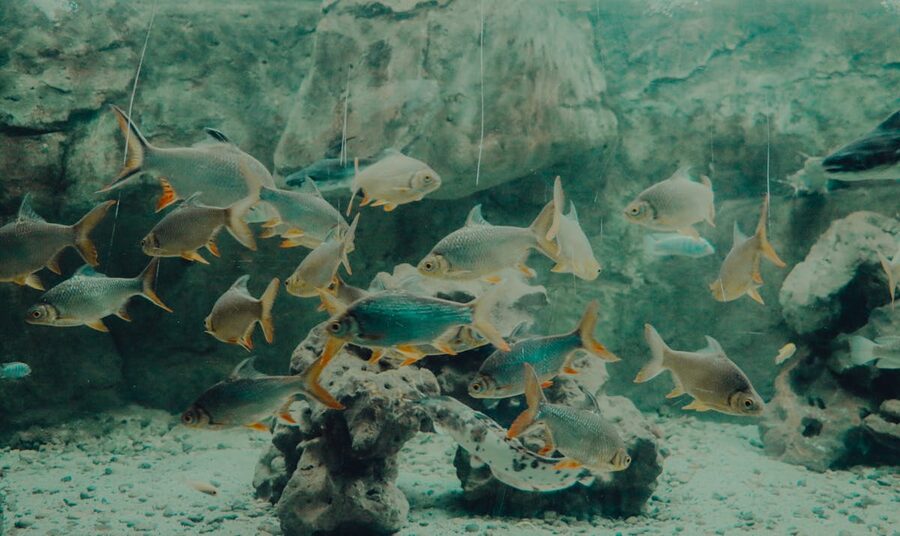
I spent almost two hours inside, which surprised me. The five themed zones pull you through geography — from the muddy Guadalquivir to the open Atlantic, down around South America, across the Pacific, and back through the Indo-Pacific. Each zone has different lighting, different sounds, different temperatures. It’s genuinely clever.

- In a Hurry? Best Seville Aquarium Tickets
- What the Seville Aquarium Actually Is
- How to Book Seville Aquarium Tickets
- The Best Seville Aquarium Tickets to Book
- 1. Seville Aquarium Skip-the-Line Admission —
- 2. Seville Aquarium Admission (Viator) —
- What You’ll See Inside — Zone by Zone
- The Guadalquivir Zone
- The Atlantic and Beyond
- The Jellyfish Room
- Magellan, Gold, and Why the Aquarium Is Here
- Ticket Prices and What’s Included
- When to Visit — Seasonal Guide
- Is It Worth It? Honest Take
- Getting There and Practical Tips
- Visiting with Kids
- Photography Tips
- What Else to Do on Your Seville Trip
In a Hurry? Best Seville Aquarium Tickets
Top pick: Seville Aquarium Skip-the-Line Admission — $20. The main ticket. Gets you into all five zones plus the shark tunnel. Skip the queue at the door. Check Availability
Alternative: Seville Aquarium Admission via Viator — $20. Same aquarium entry, different booking platform. Good if your preferred payment method works better on Viator. Check Availability
What the Seville Aquarium Actually Is
It’s smaller than Barcelona’s aquarium or the one in Valencia. Let’s be honest about that upfront. But it makes up for size with storytelling. The whole place is designed around Magellan’s expedition — the first voyage to circumnavigate the globe — which departed from Seville in September 1519.
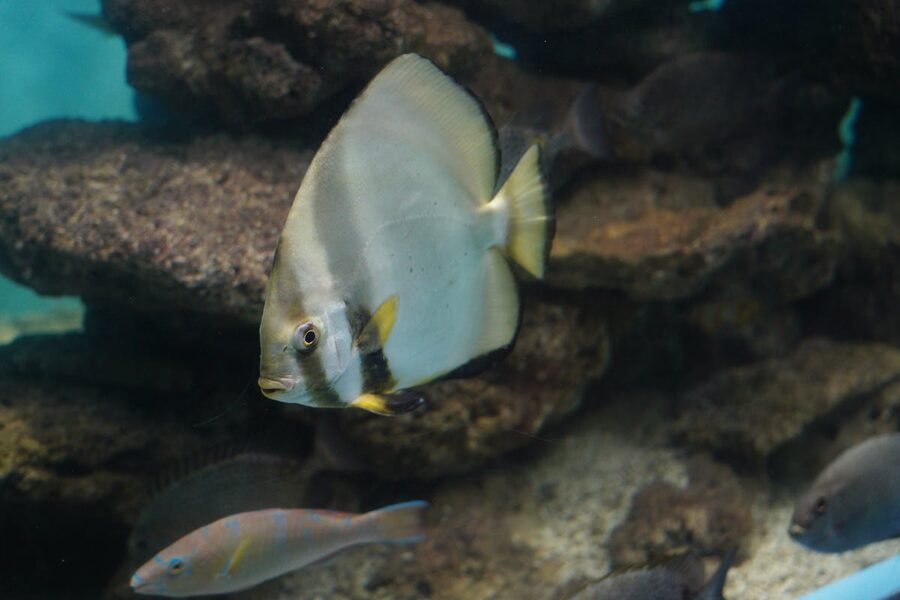
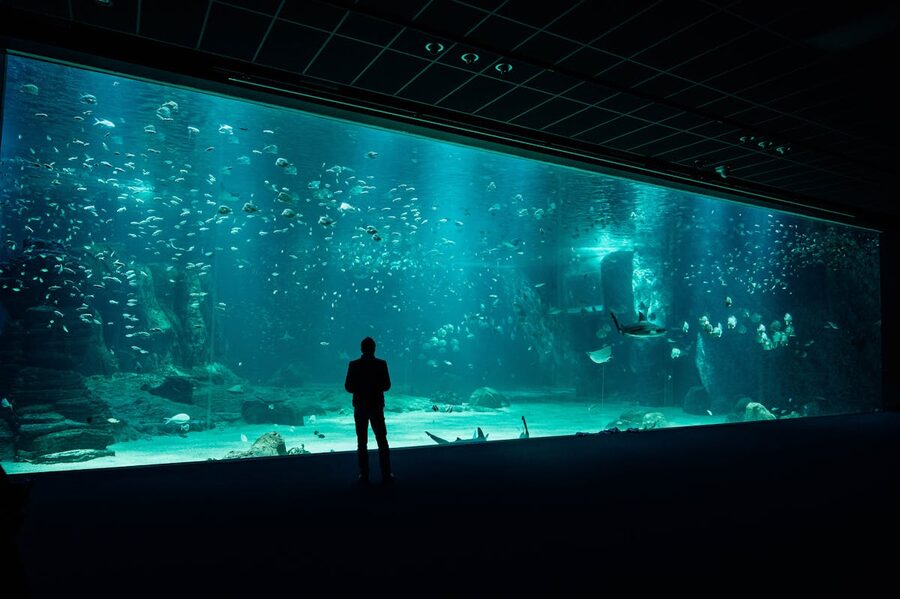
You walk through five zones that mirror the journey: the Guadalquivir River (freshwater species, river turtles, local fish), the Atlantic Ocean (sharks, rays, open-water species), the Amazon and tropical rivers, the Pacific, and the Indo-Pacific with its coral reef section. There are 35 tanks holding over 400 species. The shark tunnel is the highlight for most people — a walkthrough glass tube with sharks and rays circling overhead.
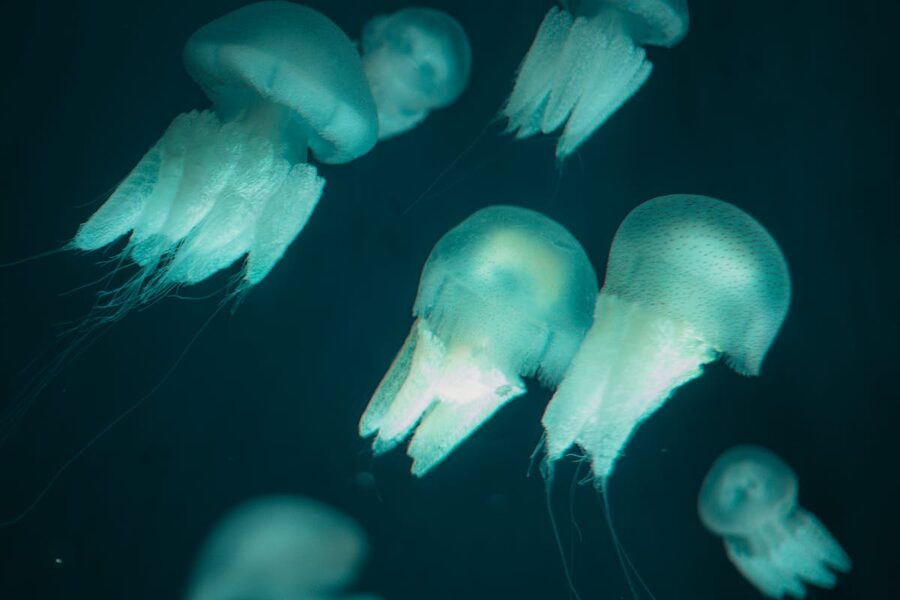
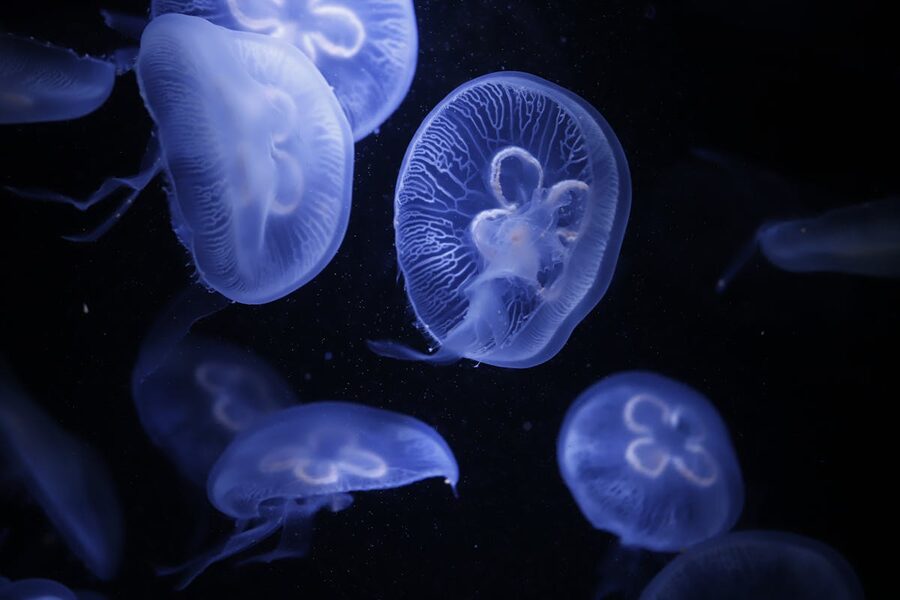
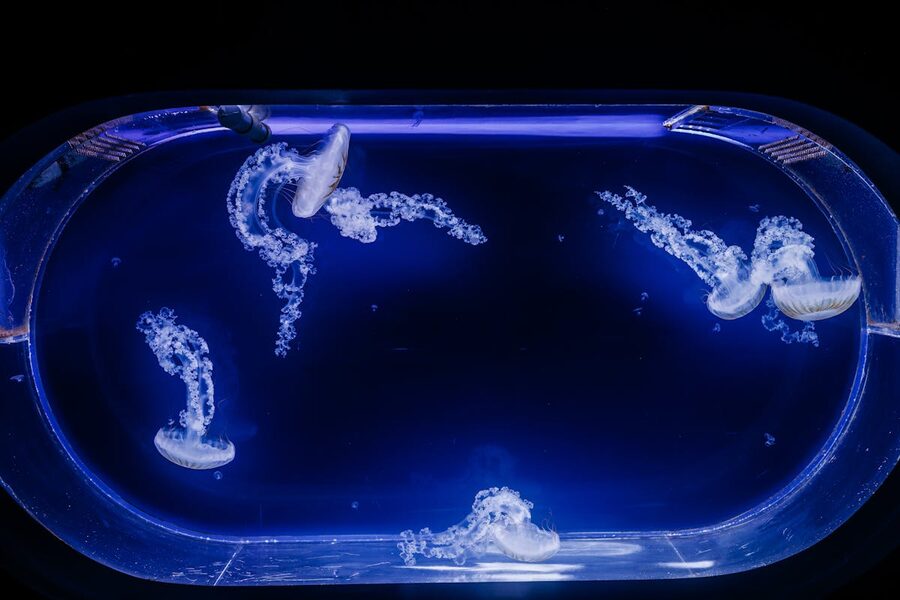
The jellyfish room is the other standout. Dark room, backlit tanks, dozens of moon jellyfish drifting around in slow motion. It’s hypnotic. I stood there longer than I planned, which is apparently what everyone does.
How to Book Seville Aquarium Tickets
Booking is straightforward. You buy a skip-the-line admission ticket online, show it on your phone at the entrance, and walk in. No guided tour, no time slot — you go at your own pace. The ticket costs around $20 per person, which is reasonable for 90 minutes to two hours of content.
You can buy tickets at the door, but queues build up on weekends and during school holidays. Booking online means you skip that line. The aquarium is open daily from 10am to 7pm (hours extend to 8pm in summer). Last entry is one hour before closing.
Tip: Go on a weekday morning. By early afternoon, school groups start arriving and the shark tunnel gets crowded. Before 11am on a Tuesday or Wednesday? You’ll practically have the place to yourself.
The Best Seville Aquarium Tickets to Book
There are really only two ticket options — both give you the same full access to all five zones, the shark tunnel, and the jellyfish room. The difference is the booking platform.
1. Seville Aquarium Skip-the-Line Admission — $20
This is the ticket most people book, and for good reason. You get full access to all 35 tanks across the five geographic zones, including the shark tunnel walkthrough. Our full review breaks down each zone in detail. The skip-the-line element is genuinely useful on weekends — I watched a queue of maybe 30 people at the door while walking straight past with the mobile ticket.
2. Seville Aquarium Admission (Viator) — $20
Identical ticket to the one above, just booked through Viator instead of GetYourGuide. Some people prefer Viator’s cancellation policy or have Viator credits to use. The aquarium experience is exactly the same either way. Check our detailed review here — it covers visitor tips and what to expect in each zone.
What You’ll See Inside — Zone by Zone
The layout is genuinely smart. You don’t just wander randomly from tank to tank — you follow Magellan’s route, which gives the whole visit a narrative arc that most aquariums completely lack. Each zone transitions into the next with different lighting, sounds, and even humidity levels. The designers clearly thought about this as a journey, not a collection.
The Guadalquivir Zone
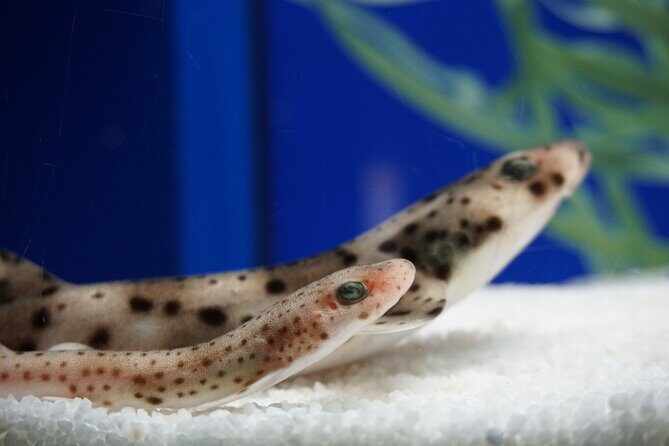
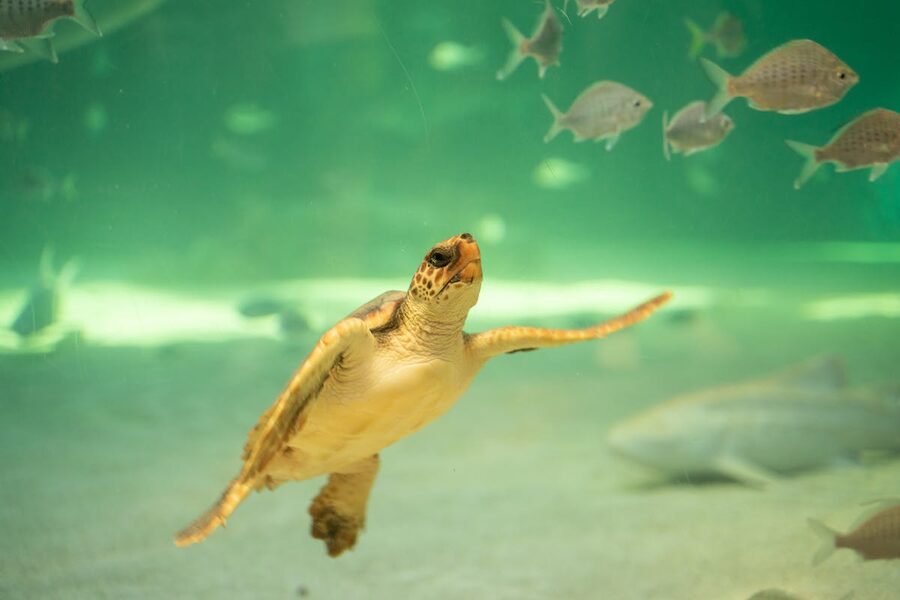
You start at the beginning — the river that runs through Seville. It’s the most understated section, with local freshwater species: river turtles, eels, Iberian fish that most visitors have never heard of. The lighting is warm, almost golden, mimicking the riverbed. Not flashy, but it sets the scene. You’re standing at the starting point of an expedition that changed the world.
The Guadalquivir sturgeon display is particularly interesting — these fish used to be common in the river and were fished for caviar. Now they’re endangered, and the aquarium runs a breeding program. There’s a panel explaining how Seville’s river was once so full of life that fishermen could make a living just from what swam past the city walls. It’s a small detail, but it connects you to the history in a way that a tank of tropical fish never could.
The Atlantic and Beyond
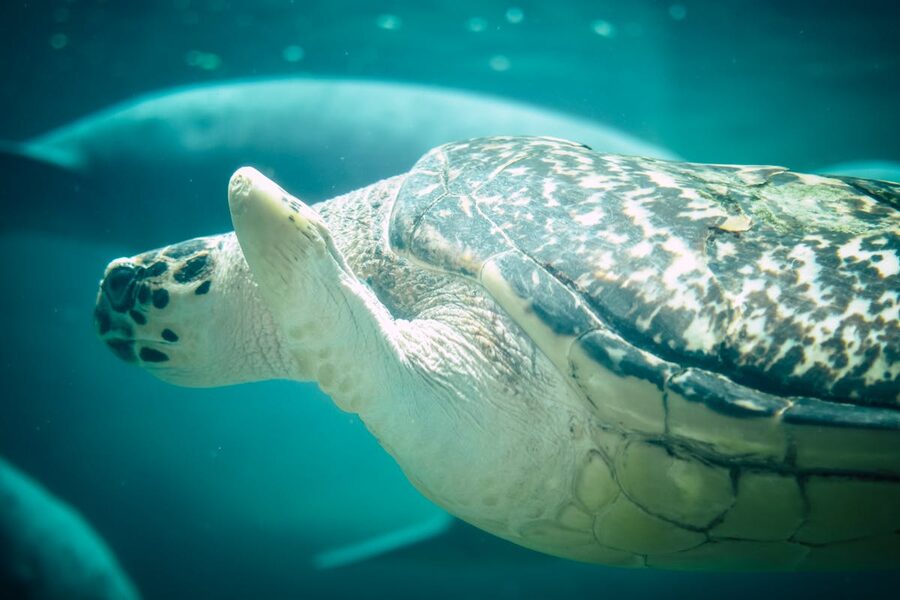
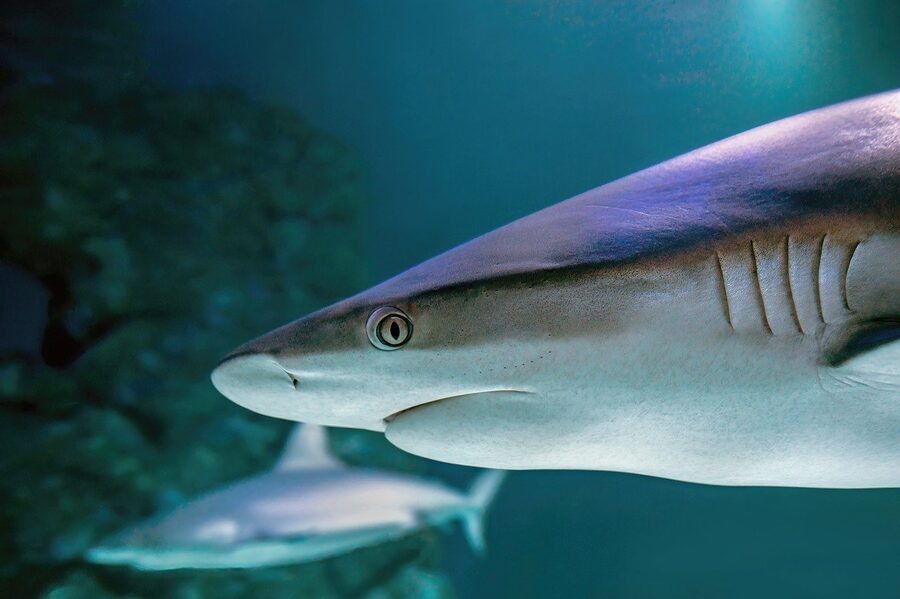
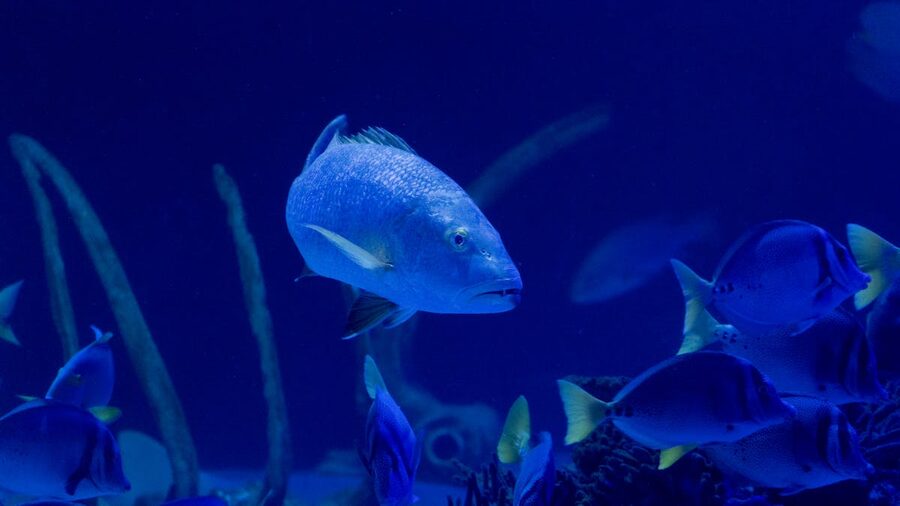
This is where it gets serious. The Atlantic zone has the big tanks — sharks, rays, large predatory fish cruising in open water. The shark tunnel runs through this section, and it’s the part that makes kids (and a fair number of adults) go silent with awe.
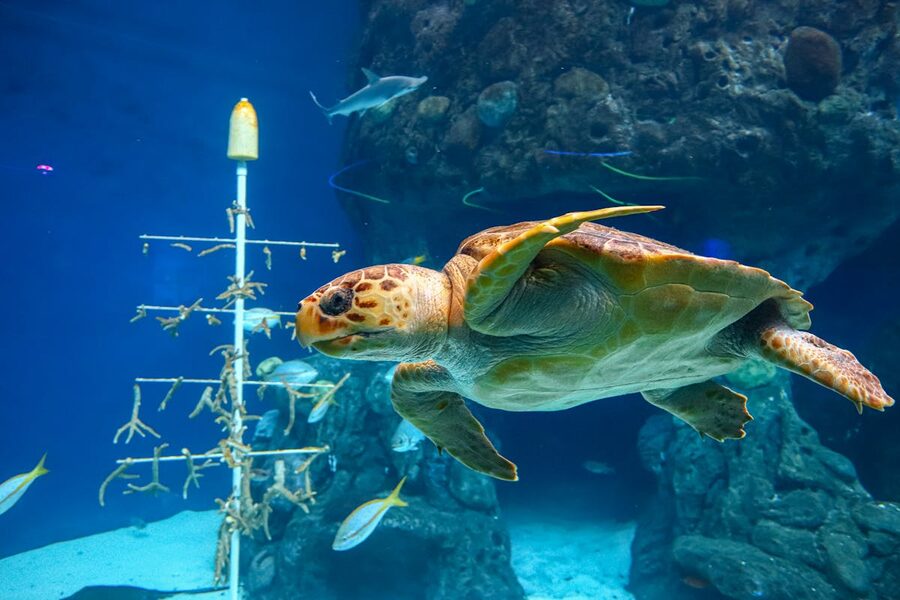
The Atlantic section also has a dedicated ray pool where you can watch southern stingrays glide just below the surface. They move like underwater birds — slow, graceful wingbeats through the water. There’s an observation deck above it, and on quieter days you can stand there for ten minutes without another visitor next to you. The Amazon section that follows is warmer, more humid, and features piranhas (smaller and less dramatic than movies suggest), electric eels, and armoured catfish. The Pacific zone rounds things out with seahorses, sea dragons, and an octopus that changes colour when it notices people watching.
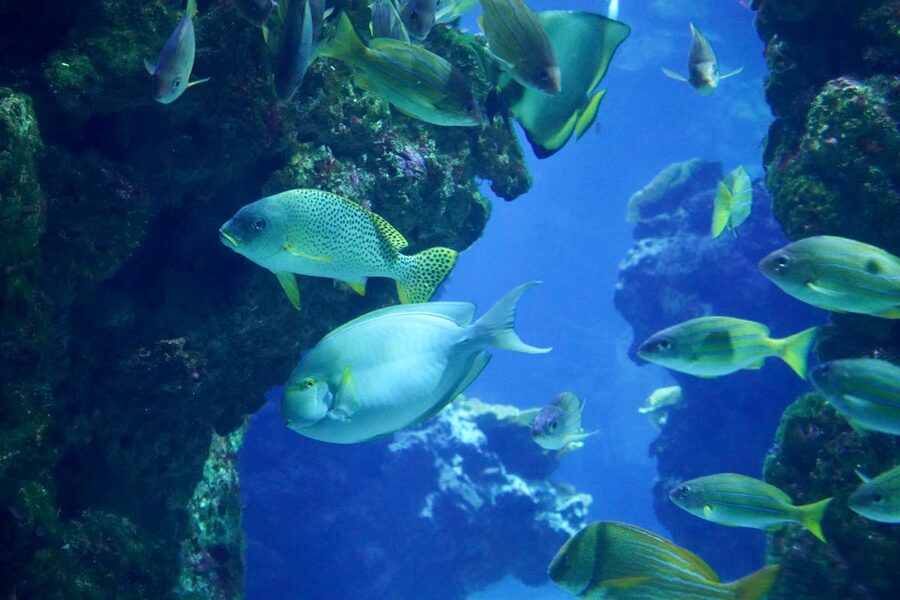
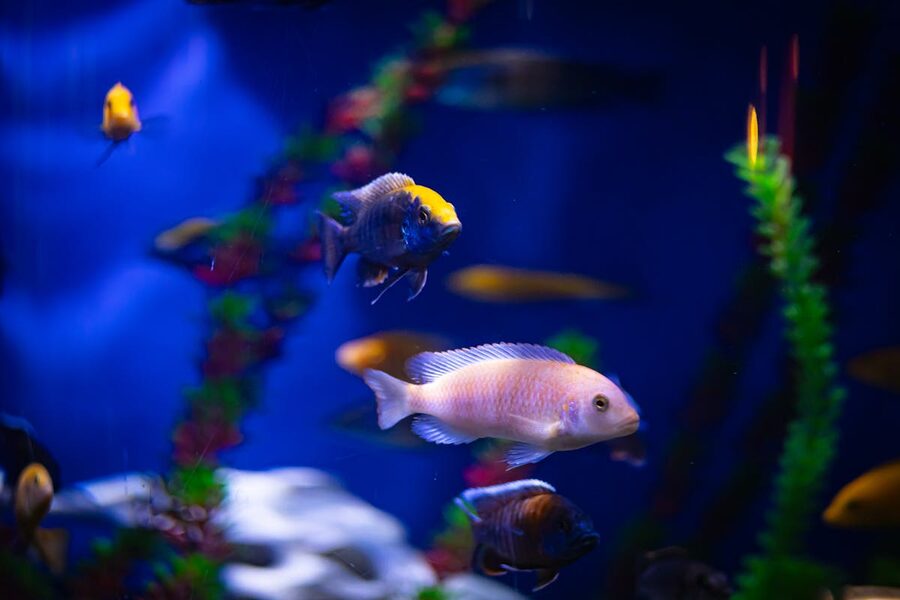
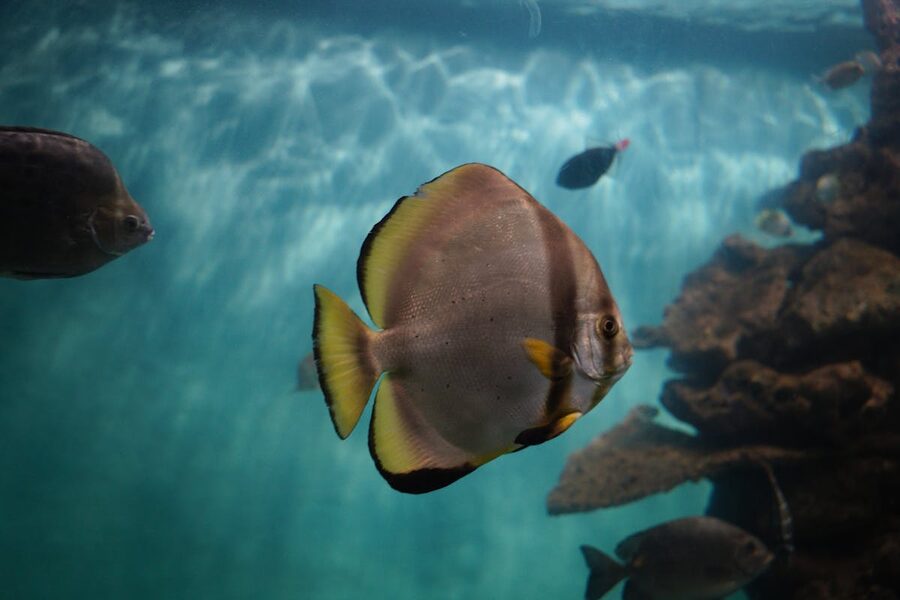
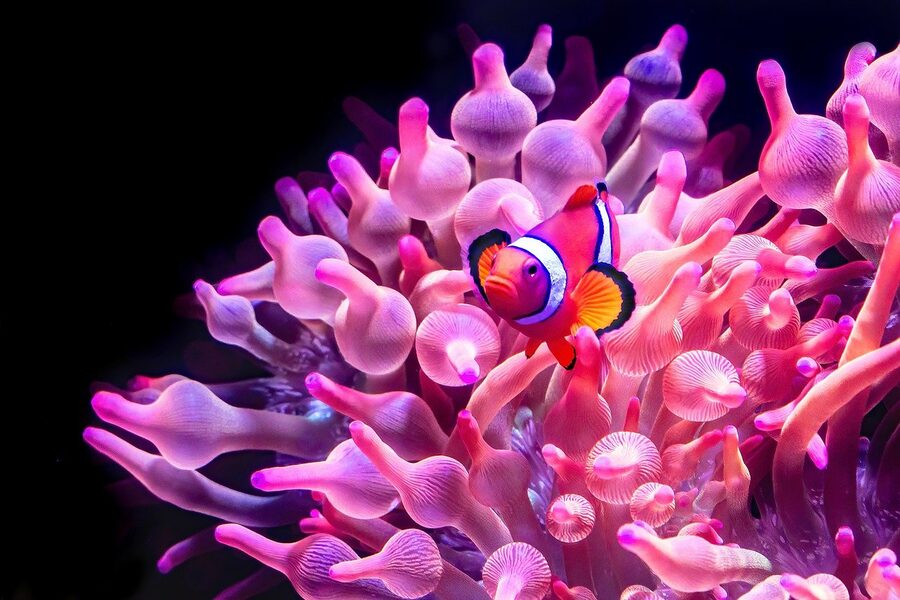
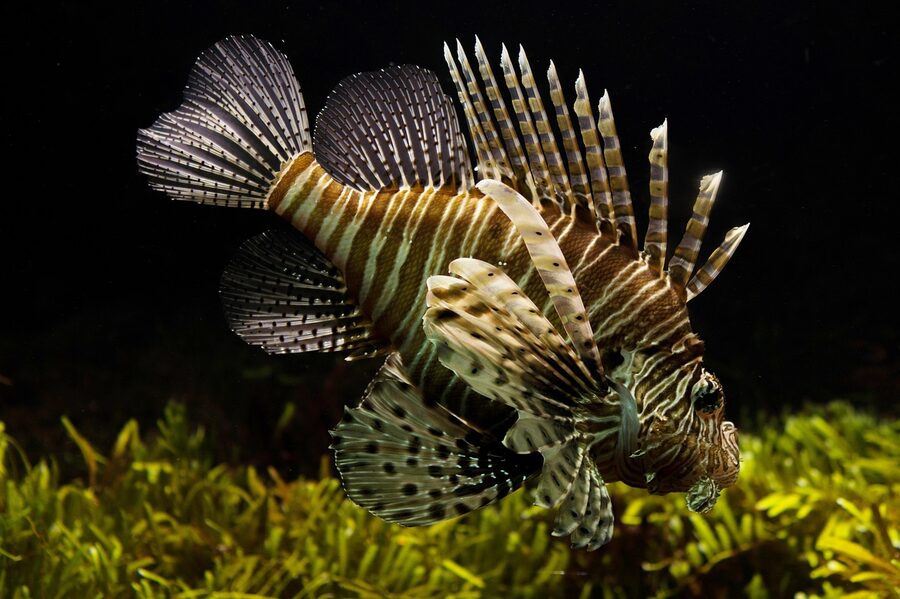
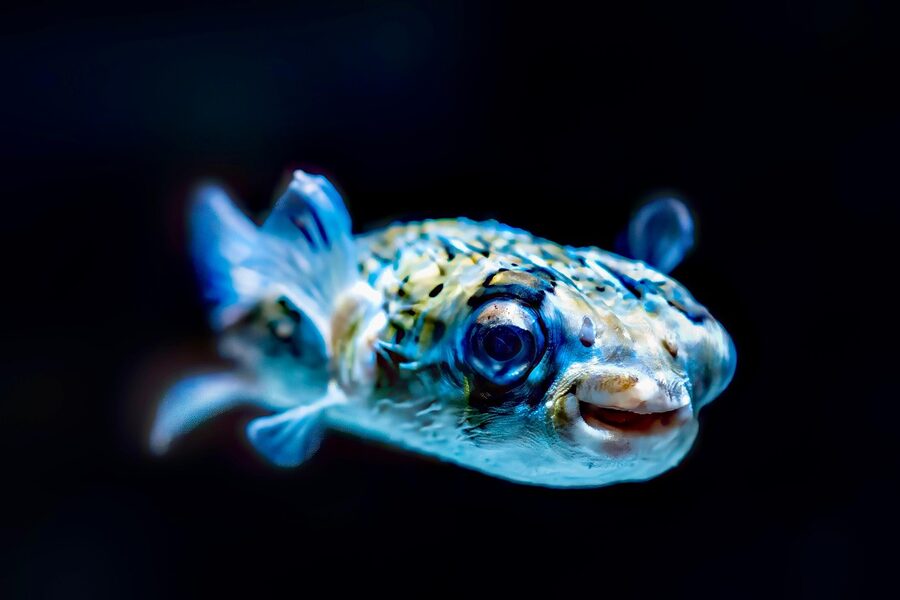
The tropical zones — Amazon, Pacific, Indo-Pacific — bring the colour. The Indo-Pacific reef tank is the most photogenic, with clownfish, lionfish, pufferfish, and tangs swimming through carefully arranged coral. This is where everyone takes their best photos.
The Jellyfish Room
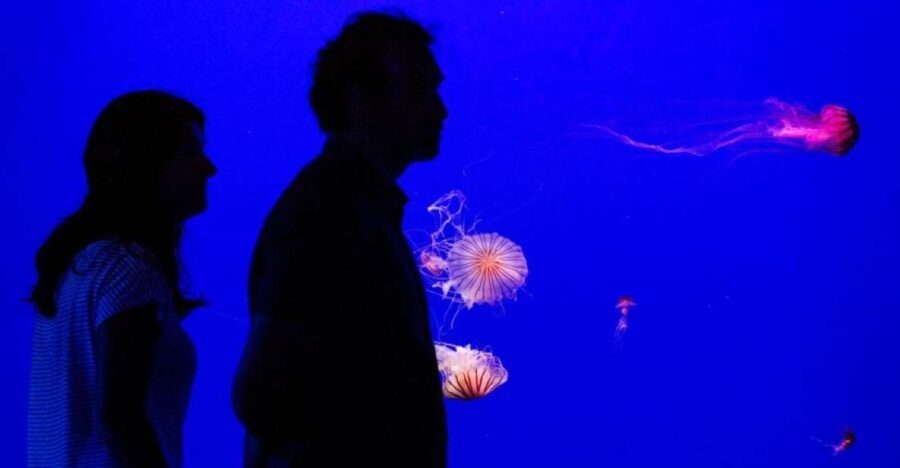
Tucked at the end of the visit, this is the part nobody expects to love. Moon jellyfish in dark, backlit cylindrical tanks. The room is almost completely dark except for the blue and purple glow of the tanks themselves. It’s meditative. People speak in whispers in here, and I’m not sure why — maybe the jellyfish demand it.
Magellan, Gold, and Why the Aquarium Is Here
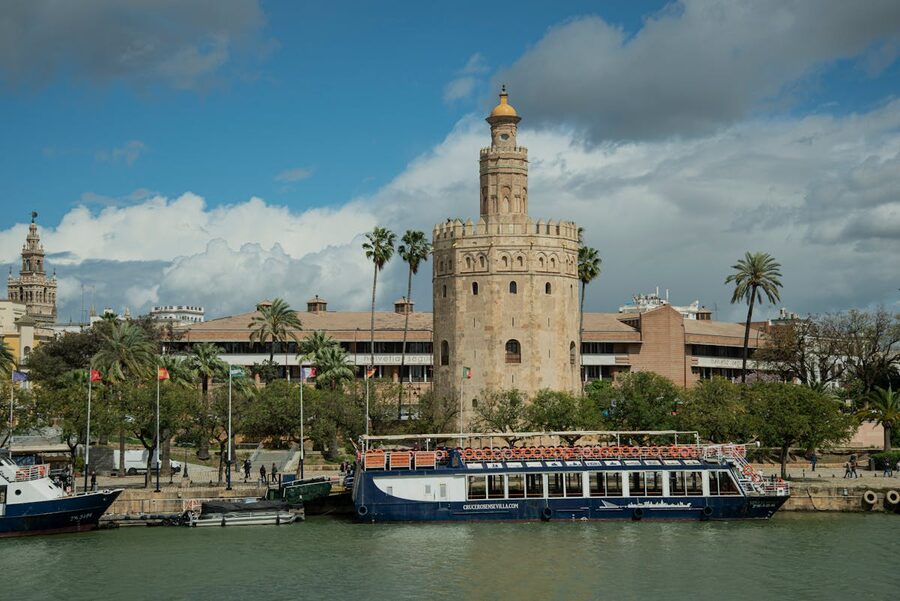
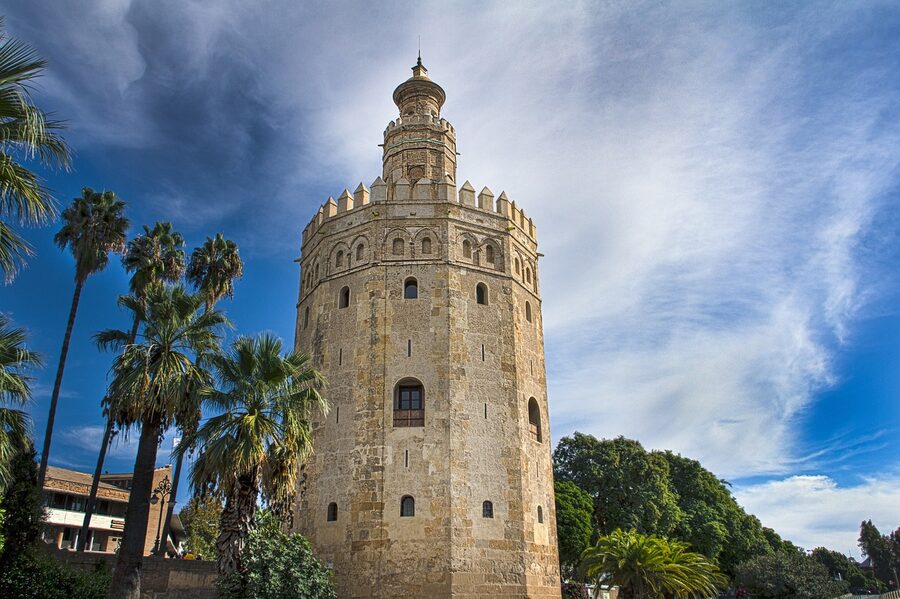
Seville’s relationship with the sea is deeper than most people realise. From the 16th to the 18th century, this was Spain’s main port for trade with the Americas. Every ship heading to or returning from the New World had to pass through Seville — the Casa de la Contratacion (House of Trade) controlled all commerce. The Torre del Oro, that iconic golden tower on the riverbank, was literally where gold from the Americas was stored and guarded.
Magellan’s expedition — five ships, about 270 men — sailed from the Guadalquivir in September 1519. Only one ship and 18 men made it back, three years later. The aquarium follows this route through its five zones, and the educational panels along the way tell the story of the voyage alongside the marine biology. It’s this dual narrative — ocean life and human exploration — that sets it apart from a generic aquarium.
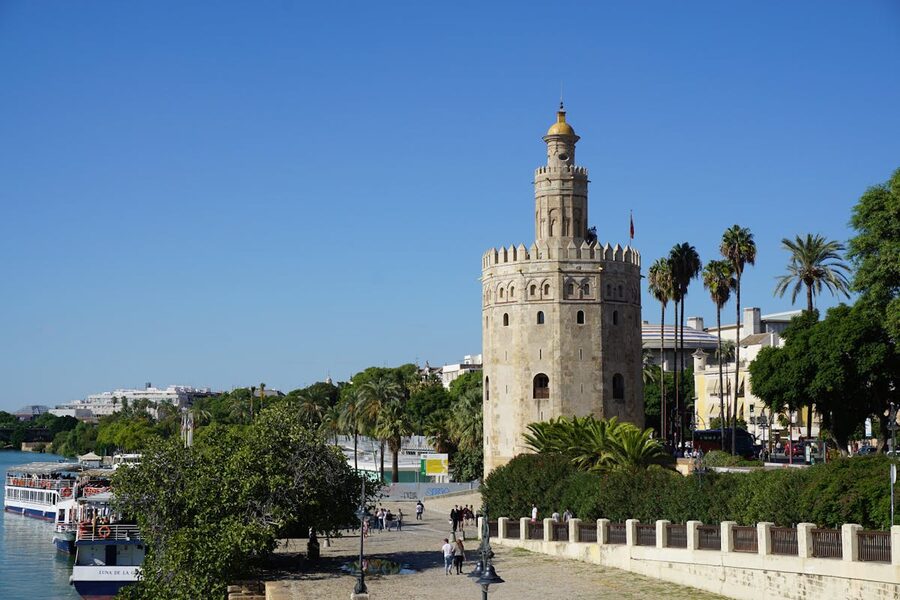
The connection isn’t just marketing. Seville genuinely was the gateway between Europe and the ocean. The aquarium sits on the riverbank because the river is the whole point. You’re standing where ships once departed into the unknown, looking at the creatures they encountered along the way.
Ticket Prices and What’s Included
Adult tickets are around $20 (about 18 euros depending on the exchange rate). Kids aged 4-14 get a reduced price of about 15 euros. Under-4s are free. There’s a family pack available at the door for two adults and two children that saves a few euros, but it’s not always available online.
Your ticket includes everything — all five zones, the shark tunnel, the jellyfish room, the touch pool (seasonal), and any temporary exhibitions running during your visit. There are no extra charges inside, no “premium areas” locked behind a higher tier. The only thing that costs extra is the cafe and the gift shop.
Free cancellation: Both the GetYourGuide and Viator tickets offer free cancellation up to 24 hours before. This matters because Seville weather can be unpredictable in spring and autumn — if the sun comes out and you’d rather spend the day at the Alcazar gardens instead, you can cancel and rebook for a rainy day.
When to Visit — Seasonal Guide
The aquarium is a year-round attraction, but when you go changes the experience significantly.
Summer (June-September): Peak season. The aquarium is packed, especially during school holidays (mid-June to mid-September in Spain). But this is also when you need it most — Seville regularly hits 40°C and above, and stepping into the air-conditioned aquarium feels like a rescue mission. Go first thing at 10am or after 4pm to avoid the worst crowds.
Spring (March-May) and Autumn (October-November): The sweet spot. Moderate weather outside means the aquarium isn’t overrun. During Semana Santa (Holy Week, usually late March or April) and the Feria de Abril (two weeks after Easter), the city fills up and everywhere gets busier — the aquarium included. But on regular spring weekdays? Almost empty.
Winter (December-February): Quietest period. Seville winters are mild (10-15°C during the day), so you don’t need the aquarium for heat relief. But the lack of crowds makes it the best time for photography and actually reading the exhibition panels without someone elbowing past you.
Is It Worth It? Honest Take
If you’re expecting something on the scale of the Valencia Oceanografic or Barcelona’s aquarium, dial it back. The Seville Aquarium is smaller and more focused. But for $20 and 90 minutes, it’s genuinely good value — especially with kids, or if you need a break from the heat (the air conditioning alone is worth the ticket price in July).
Where it genuinely impresses: the storytelling, the jellyfish room, and the shark tunnel. Where it falls short: some of the smaller tanks feel a bit plain compared to the headline exhibits, and the cafe is overpriced and mediocre. Bring your own water.
Don’t skip it if: You’re travelling with children, you’re interested in maritime history, or it’s over 38°C outside (frequent in Seville from June through September).
Skip it if: You’ve been to a major European aquarium recently and only have one day in Seville. Spend that day on the Cathedral and the Real Alcazar instead.
Getting There and Practical Tips
The aquarium is on Muelle de las Delicias, on the eastern bank of the Guadalquivir. It’s a 15-minute walk south from the Torre del Oro, or about 25 minutes from the Cathedral. You can also take the tram to the San Bernardo stop and walk 10 minutes west.
Opening hours: Daily 10am-7pm (extended to 8pm in summer). Last entry one hour before closing.
How long to allow: 90 minutes is comfortable. Two hours if you read every panel and spend real time in the jellyfish room.
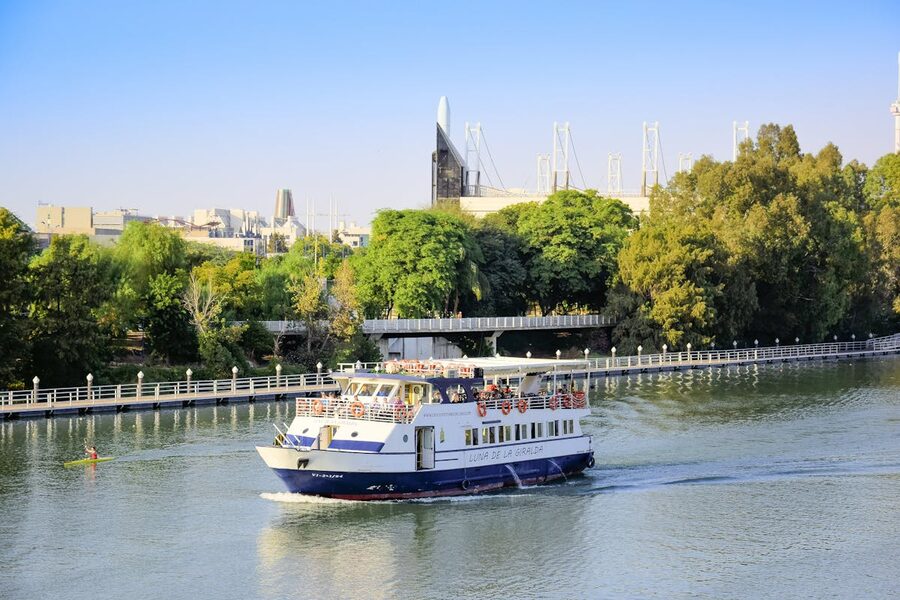
What to combine it with: The river promenade is lovely for a walk afterwards. From the aquarium, head north along the river to the Torre del Oro (10 minutes), then continue to the Triana Bridge and across to the Triana neighbourhood for tapas. Or combine it with a river cruise — the boats depart from just north of the aquarium.
Visiting with Kids
This is one of the best family attractions in Seville, honestly. The shark tunnel alone is worth the ticket price for kids under 10 — the look on their faces when a ray passes overhead is priceless. Pushchairs fit through all the corridors without issues. There are interactive touchscreens in several zones designed for younger visitors, and the touch pool (when open) lets kids gently handle starfish and sea cucumbers under staff supervision.
A few practical notes: there are clean bathrooms about halfway through, the gift shop at the exit has reasonably priced small toys (plus some overpriced plush sharks, obviously), and the cafe does basic sandwiches and drinks. Bring snacks if your kids are picky — the food options are limited.
Age guide: Under-3s will enjoy the colours and movement but won’t engage with the educational content. Ages 4-8 are the sweet spot — everything is magical. Ages 9-12 will genuinely learn things from the panels. Teenagers… it depends on the teenager.
Photography Tips
Photography is allowed everywhere, no flash. The jellyfish room gives the best photos — shoot through the curved glass with your phone on night mode for that glowing blue effect. Put your phone right against the glass to avoid reflections. The shark tunnel is tricky because you’re looking up through curved acrylic — use burst mode and accept that most shots won’t be sharp.
The best lighting is in the Indo-Pacific reef tank, where the colours pop without additional editing. For the Guadalquivir zone, the warm golden lighting creates atmospheric shots but your phone may struggle with white balance — switch to manual mode if you can.
What Else to Do on Your Seville Trip
The aquarium works best as a half-day activity combined with other things along the river. Start with the aquarium in the morning, walk north along the Guadalquivir to the Torre del Oro, then cross the Triana Bridge for lunch in the Triana neighbourhood. If you haven’t done a walking tour of Seville yet, book one for your first afternoon — it’ll give you context for everything else you see during your stay.
For the big-ticket attractions, the Seville Cathedral and the Real Alcazar are non-negotiable — both need skip-the-line tickets and ideally a full morning each. The flamenco shows are best in the evening, and the Triana district (across the river from the aquarium area) is the traditional flamenco heartland. A tapas tour is another evening winner — it takes the guesswork out of finding the right bars in a city that has hundreds of them.
If you’re staying longer, a Guadalquivir river cruise gives you a completely different perspective on the city from the water. And for a day outside Seville, the White Villages and Ronda day trip is spectacular — mountain scenery, cliffside towns, and a dramatic bridge over a gorge that’s one of the most photographed spots in Spain. You could also try the bullring tour if you’re curious about Seville’s controversial but historically significant bullfighting tradition, or head to Cordoba for the day — the Mezquita alone is worth the train ride.


We participate in affiliate programs. Booking through links on this page earns us a small commission at no extra cost to you. This helps fund our honest, in-depth travel guides.