
The mistake I see people make with Budapest’s hop-on hop-off buses is treating the ticket like a museum entry — buying it the morning they arrive, riding the full loop once, and ticking it off by lunch. That’s how you spend forty euros on a glorified airport-to-Heroes’-Square shuttle. The whole point is that a 24-hour pass spans two afternoons if you start it after 2pm, and a 48-hour pass becomes the cheapest taxi service in the city.
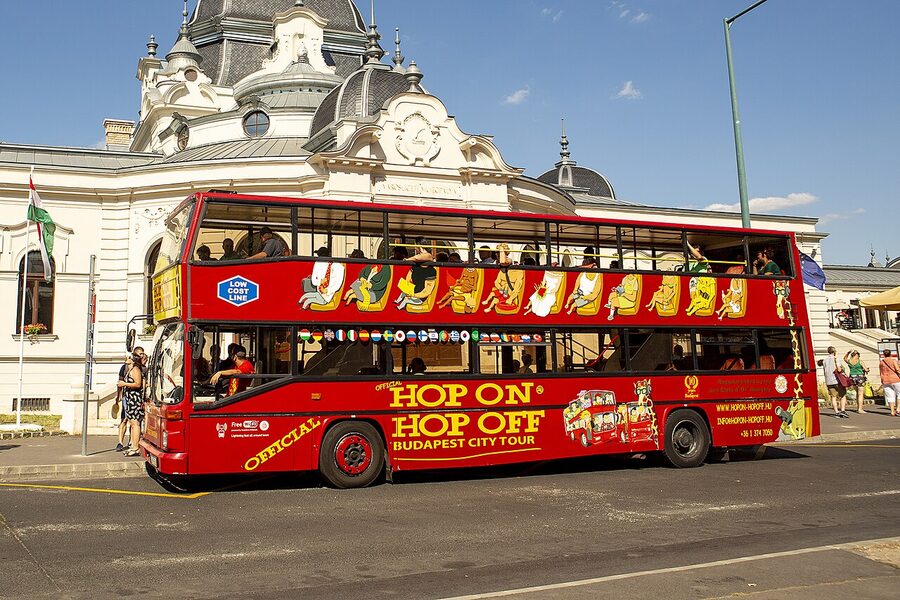

Budapest is also one of the cities where hop-on hop-off makes more sense than usual. The big sights split between two banks of the Danube, the metro doesn’t reach Castle Hill, and the river itself is a sight you want to be looking at — not under, in a tunnel. So below: how the tickets actually work, which operator to pick, and the small things that decide whether you get your money’s worth.

- In a Hurry? Three Picks That Cover It
- How the Tickets Actually Work
- Three Tickets Worth Buying
- 1. Big Bus Hop-On Hop-Off + Danube Cruise —
- 2. City Sightseeing Hop-On Hop-Off Bus + Extras —
- 3. Big Bus Budapest via Viator —
- What the Loop Actually Covers
- The Cruise That Comes With Most Tickets
- The Mistakes I See Repeated
- How It Compares to Other Budapest Tours
- The Honest Reality of Hop-On Hop-Off
- Comparing Budapest to Other European Hop-Ons
- A Note on the City Card
- Other Budapest Guides Worth a Look
In a Hurry? Three Picks That Cover It
Best overall: the Big Bus Budapest 48-hour ticket bundles the bus loop, a Danube cruise and a guided walking tour. Around $41 for two days. Check availability.
Most flexible: the City Sightseeing 1-, 2- or 3-day pass also bundles bus, cruise and walking tour, with the longest single-day window if you want one big circuit. About $41 per person. Check availability.
If you book through Viator: the Big Bus combo on Viator runs around $42 with the same bus + cruise + walking tour package. Pick whichever marketplace your travel insurance prefers. Check availability.
How the Tickets Actually Work
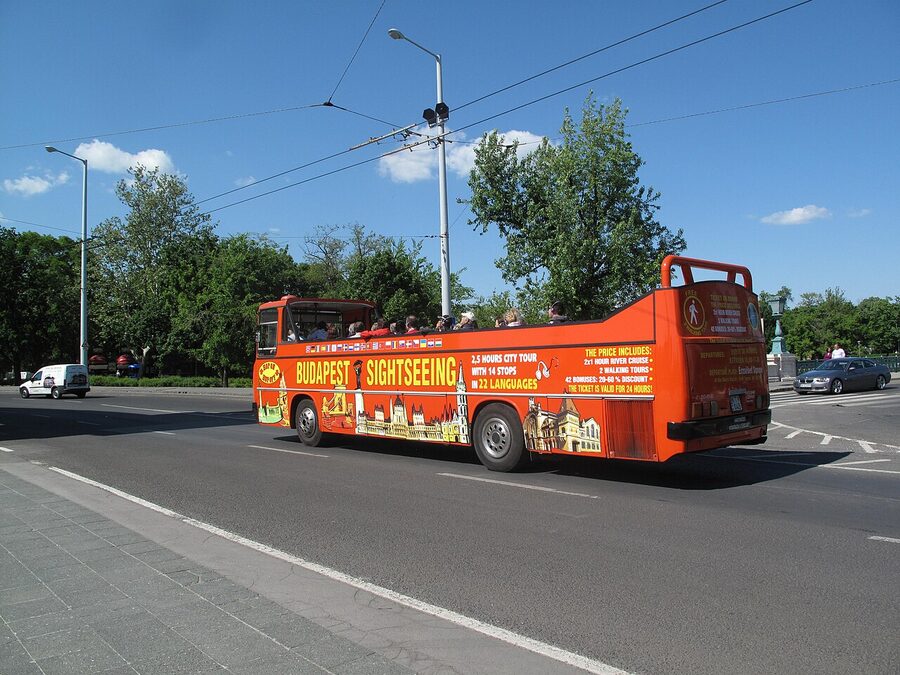
There are two operators that matter in Budapest: Big Bus and City Sightseeing. Both run open-top double-deckers on roughly the same loop — Pest side along the Danube, up to Heroes’ Square and the City Park, back through the centre, and across one of the bridges to the Buda side. Tickets are 24, 48 or 72 hours from the moment you first board. That timer is the part most people miss.
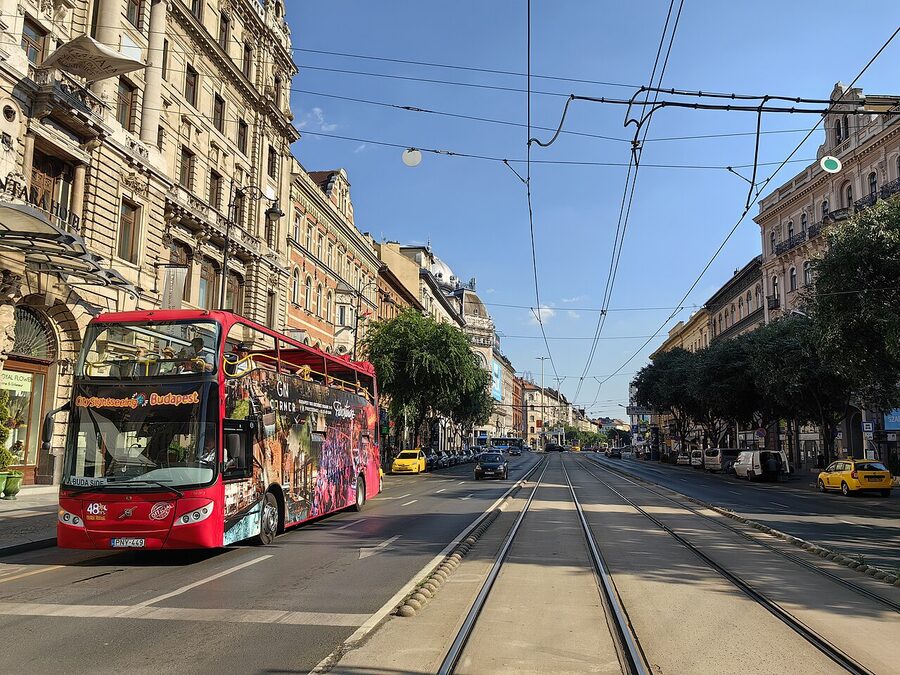
If you board at 4pm on a Tuesday, your 24-hour ticket runs until 4pm Wednesday — so it covers two full afternoons and the morning between. If you board at 9am Tuesday it’s effectively one day, because nothing sensible runs after 7pm anyway. Frame it as two half-days, not one full day, and the maths suddenly works.
You buy the pass online, get a QR code on email, then redeem it at the operator’s shop or directly with the driver. Big Bus has a redemption office at Bajcsy-Zsilinszky út 17 right next to Deák Ferenc tér — the most central metro intersection in the city. City Sightseeing lets you board with the QR straight off your phone. Either way, no paper voucher run-around like in Rome or Barcelona.

.jpg)
Audio commentary comes through earphones the driver hands out, in 16 languages — Hungarian, English, German, French, Italian, Spanish, Russian, Polish, Korean, Arabic, Hebrew and a handful more. Bring your own earphones if you can. The complimentary ones are clean but they don’t fit well over hair and they fall out the second you turn to look at something. A pair of cheap wired earphones with a 3.5mm jack is what you want. USB-C and Lightning don’t plug into the seat-back socket.
Three Tickets Worth Buying
I’ve ridden all three of these. Here’s what each one actually delivers and which one to take. The selection is small on purpose — there isn’t a fourth operator in Budapest that’s doing anything different, and I’d rather give you a real call than pad this out.
1. Big Bus Hop-On Hop-Off + Danube Cruise — $41

This is the one I’d default to. The 1-, 2- or 3-day pass includes a Danube cruise and a guided walking tour through the Pest centre, so you’re stacking three tours into one ticket. The audio guide in 16 languages is well-paced and the buses run roughly every 20-30 minutes. Our full review covers the route stops and the cruise dock location in detail.
2. City Sightseeing Hop-On Hop-Off Bus + Extras — $41
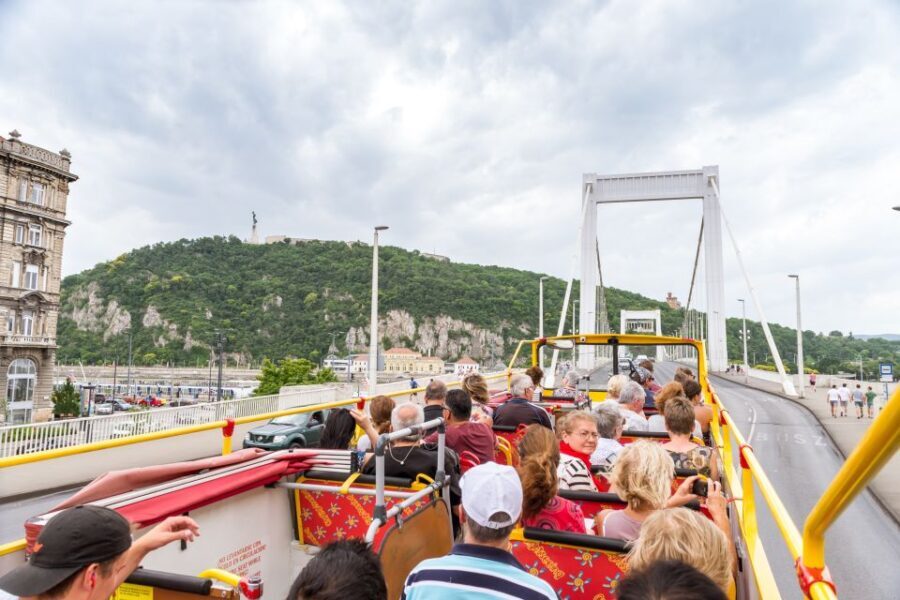
Same bundled approach — bus, boat, walking tour — at the same price as Big Bus but with a slightly longer service window in shoulder season. The QR boarding is genuinely paperless and you can hop on at the first stop nearest your hotel. Our review notes the few stops where the bus skips on heavy-traffic days.
3. Big Bus Budapest via Viator — $42
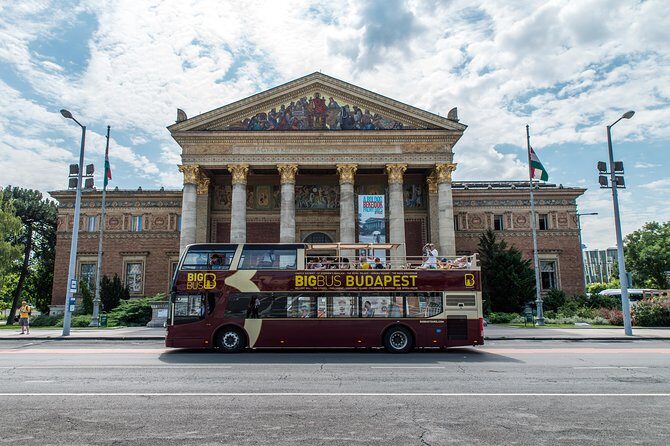
This is the same Big Bus product on Viator instead of GetYourGuide. The bus loop and Danube cruise are identical. Pick whichever marketplace you already use — neither saves money over the other. Our review walks through the redemption process step by step if you’ve never used Viator before.
What the Loop Actually Covers
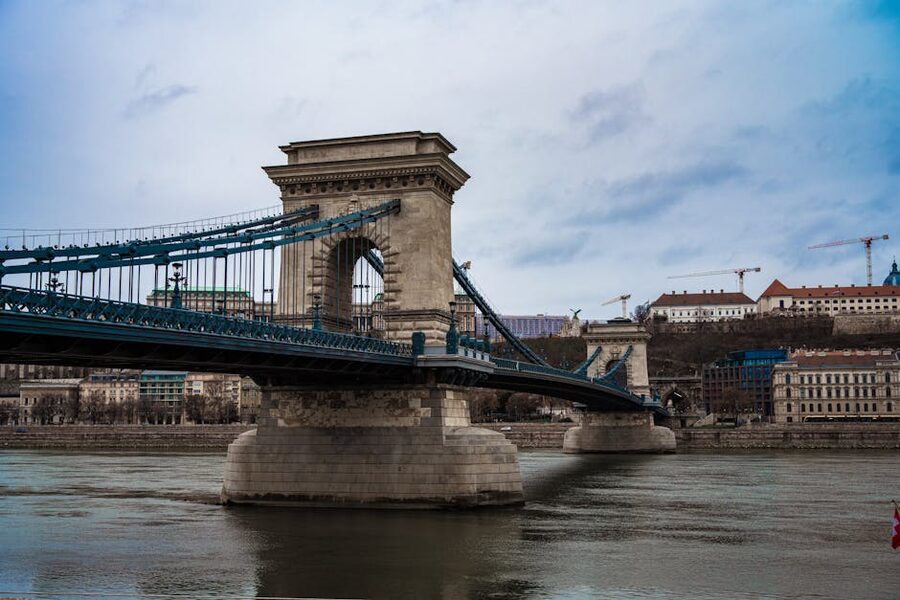
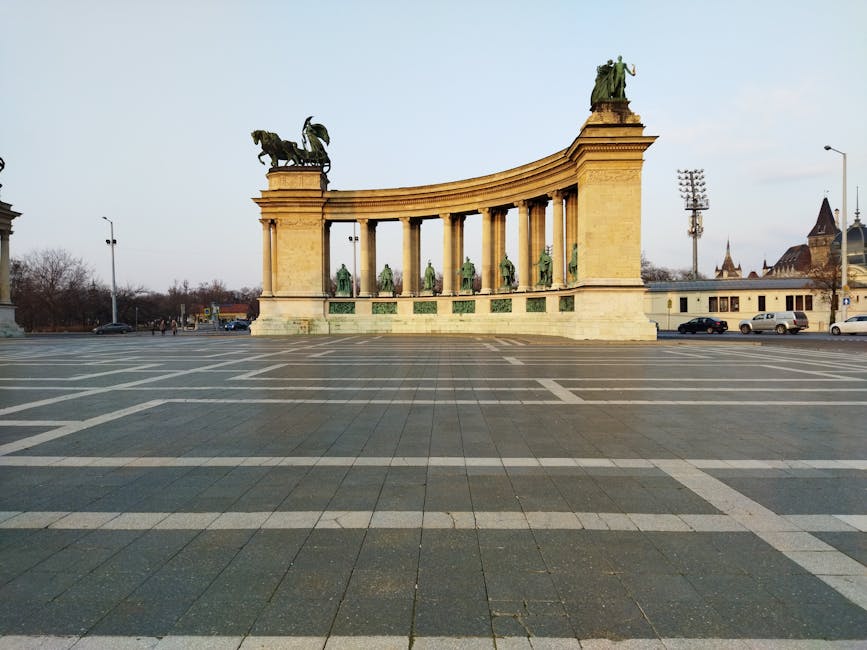
The route is a rough oval. Most operators run roughly the same 14 to 16 stops. Starting at Deák Ferenc tér in central Pest, you head north along the Danube past Parliament, swing inland to Heroes’ Square and the City Park (Széchenyi Baths is the obvious hop-off here — see our Széchenyi tickets guide), come back down through Andrássy Avenue, cross the Chain Bridge or Margaret Bridge to Buda, climb to Castle Hill, and loop back via the Citadel and Liberty Bridge.
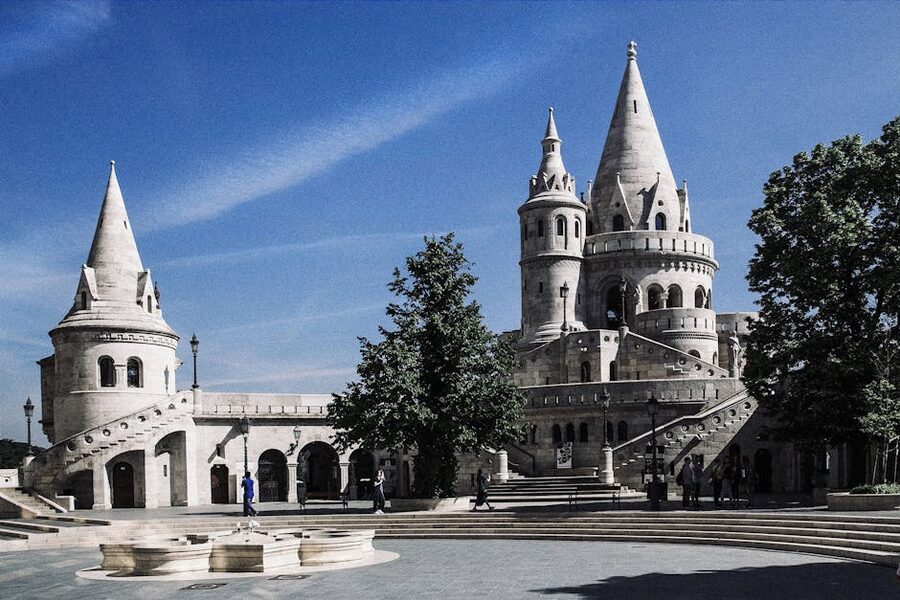
The single most useful hop-off is Castle Hill. The bus does the climb for you — saving you the funicular fare or the steep walk up from the river. Get off at the Buda Castle stop, walk five minutes north to Buda Castle and Matthias Church, do Fisherman’s Bastion at golden hour, then catch the next bus back down. Trying to do this on foot from the Pest side is the route I see exhausted families giving up on by 3pm.

The second-best hop-off is St Stephen’s Basilica. The stop sits two blocks from the church and the panorama tower. Pair this with our St Stephen’s tickets guide if you’re going up the dome — the queue at the door is faster than you’d think but the lift up the tower can stack to thirty minutes in the afternoon.
The Cruise That Comes With Most Tickets
Both Big Bus and City Sightseeing bundle a 60- to 75-minute Danube cruise into their multi-day tickets. This is genuinely worth doing — Budapest from the river is a different city from Budapest from a bus seat. Parliament hits differently when you’re floating past its base.
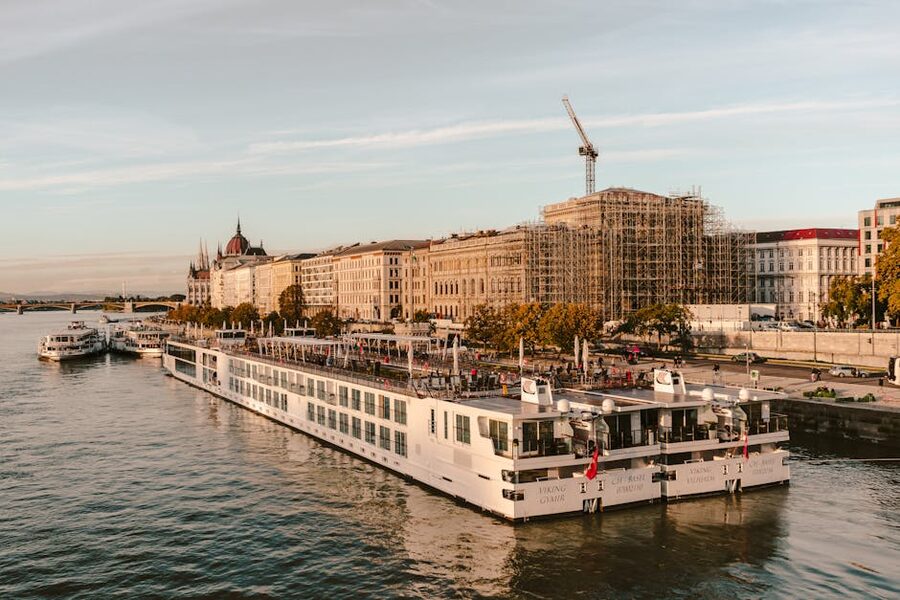
One thing the operators don’t make obvious: the bundled cruise is daytime only. If you want the proper night cruise with Parliament fully lit, that’s a separate ticket — see our Danube cruise guide for the standalone evening sailings. The daytime bundled cruise is fine for a first look. The night cruise is the one you’ll remember.

The Mistakes I See Repeated
Five things people get wrong with Budapest hop-on hop-off, in rough order of how badly each one wastes the ticket.
Buying it on day one. If you arrive in the afternoon, walk to dinner, sleep, and start the bus at 9am the next day, you’ve burned the easiest hop-off pattern: late-afternoon Castle Hill on day one. Save the activation for the morning of your first proper sightseeing day.
Riding the full loop without getting off. A full circuit takes roughly 100 minutes and you see everything from a moving deck. That’s a tour, not a hop-on hop-off. The whole point is the off. Plan three hop-offs minimum: Castle Hill, Heroes’ Square or Széchenyi, and Basilica or Parliament.

Skipping the walking tour. Both operators bundle a free guided walking tour with their multi-day tickets. It’s a 60- to 90-minute walk through the central Pest streets, often with a guide who actually knows the city. Most people don’t redeem it because they don’t realise it’s included. Check your QR confirmation email.
Treating it like the only way around. The Budapest metro is fast and cheap. A 24-hour public transport ticket is around €6 and runs every two minutes during rush. The bus is for the loop. Use the metro for everything else. Don’t wait 25 minutes for a hop-on bus when the M2 is right there.
Not bringing a layer. The top deck in May or October is freezing once you start moving. Even in July the wind on the open deck at speed kills the warmth. A hoodie or light jacket makes the difference between sitting up top all day and giving up after twenty minutes inside.
How It Compares to Other Budapest Tours
The bus is the cheapest way to see all the headline sights in one ticket. But it’s a wide net, not a deep dip. If you want the city up close, two other approaches I’d suggest pairing with it:

For the centre on foot, a guided walking tour shows you the alley-level Pest the bus drives past — courtyards, ruin bars, the Jewish Quarter. The bundled walking tour with your bus ticket covers some of this but a longer dedicated walk goes deeper. You can also pair the bus with a bike tour for the river paths the bus can’t reach. The Margaret Island ride alone is worth a half-day.

The Honest Reality of Hop-On Hop-Off
Some negatives, because every operator’s marketing pretends the buses are perfect. Frequencies are advertised as every 20 minutes — in practice it’s 25 to 35, and longer if traffic is bad on Andrássy. Audio commentary repeats every loop, so by the third hop-on it’s the same script. The Buda Castle climb is genuinely steep enough that the bus drags — if you’re prone to motion sickness, take the funicular up and pick the bus back up at Clark Ádám tér instead.
Also, in winter the open-top thing is a bluff. The buses run with the upper deck closed off. You’re sitting downstairs through fogged windows, which is a worse view than just walking. Hop-on hop-off in November to February isn’t worth the price unless it rains for three days straight. In summer it’s the opposite — open-deck Budapest at 8pm with the city lights coming on is one of the easier wins of any European city break.
Comparing Budapest to Other European Hop-Ons
If you’ve done hop-on hop-off in Lisbon or Porto, Budapest will feel familiar but flatter — the city is genuinely flat on the Pest side, so unlike Lisbon’s hill-route the bus isn’t doing work the metro can’t. What it’s doing is bridging the two banks. That’s where Budapest’s bus loop earns its keep, in a way that smaller cities don’t need.
The other thing that’s different here: the bundled cruise. Lisbon and Porto don’t offer a free river boat with the standard hop-on ticket. Budapest does. That single inclusion is what tips the value calculation in favour of the bus pass over the metro for first-time visitors.
A Note on the City Card
If you’re going to visit several paid attractions — the baths, Buda Castle, Parliament, the Basilica dome, and a museum or two — the Budapest Card might work out cheaper than buying everything separately, hop-on bus included on some tiers. The card includes one or two operators on certain tiers but not all of them. Read the fine print before assuming your bus is bundled. The card is a separate purchase from your bus ticket and the math only works out in favour if you actually use the included museum entries.

Other Budapest Guides Worth a Look
Once your bus ticket is sorted, the next decisions are which paid sights to actually go inside and how much spa time to plan. Our Parliament tour guide covers timed ticketing — that’s the one to book first because slots sell out a week ahead in summer. For the headline thermal bath, the Széchenyi Baths guide walks through the cabin-versus-locker question and the timed slots. The Buda Castle tickets guide sorts which parts of the complex need entry fees and which are free to walk through. And once you’ve ridden the bus, the Danube cruise guide covers the standalone night sailings that the bundled bus-and-cruise ticket doesn’t include — that’s the one cruise you should add separately.
If you’re stitching the bus into a longer plan, our bike tour guide covers the riverside and Margaret Island routes the bus skips entirely, and the Basilica tickets guide is what you’ll want when you hop off at the centre stop and decide to go up the dome on impulse.
This article contains affiliate links. If you book through them we earn a small commission at no extra cost to you, which helps keep this site running.