
Eighty-four percent of the world’s rough diamonds pass through Antwerp before they reach a finger anywhere on earth. That’s not a marketing line. The trade has been moving through this one square mile of Belgian streets since the 16th century, when a local cutter invented the polishing wheel that made the modern brilliant possible. Most visitors never see it on a walking tour, because the diamond district looks like nothing. The point of a guided walk here is the stuff you’d otherwise miss.
.jpg)

- In a Hurry? Top Antwerp Walking Tours
- Why Walk Antwerp Instead of Just Wander?
- The Three Walking Tours Worth Booking
- 1. Legends of Antwerp Private Walking Tour: from .62 per group
- 2. Antwerp: City Highlights Walking Tour: per person
- 3. Historical Walking Tour in Antwerp Old City: from .62 per person
- What You’ll Actually See on the Route
- Antwerpen-Centraal (the Railway Cathedral)
- De Keyserlei and the Diamond District
- Meir, Rubenshuis, and the Chocolate Shops
- Hendrik Conscienceplein and Carolus Borromeus
- Cathedral of Our Lady
- Grote Markt, the Brabo Fountain, and the Hand Story
- Het Steen and the Riverside
- Free Walking Tours vs Paid Walking Tours
- Booking and Practical Stuff
- How to book
- What to bring
- When to do the walk
- Beyond the Old Town
- Antwerp’s Walking Tour Scene Compared
- A Short History to Set the Walk Up
- FAQs People Always Ask Before Booking
- Cluster Picks: Other Belgium Tours Worth Stacking
In a Hurry? Top Antwerp Walking Tours
Best value: Legends of Antwerp Private Walking Tour, around $3.62 per group of up to six. A small-group price for a private tour, and the most-booked walk in the city.
Best for first-timers: Antwerp: City Highlights Walking Tour, $22 per person. A two-hour highlights loop that covers the cathedral, Grote Markt, Het Steen and the diamond district story without rushing.
Best low-cost option: Historical Walking Tour in Antwerp Old City, around $3.62 per person. Two hours through the old city with a 5.0 rating from people who’d already done a free walking tour and wanted depth.
Why Walk Antwerp Instead of Just Wander?
Antwerp gets short-changed by visitors. People do Brussels for politics, Bruges for the canals, Ghent for the moodier medieval thing, and skip Antwerp because it sounds like the practical port city it also is. That’s the mistake.
The old town is compact, walkable in two hours, and stuffed with stories that don’t show up on signs. The diamond fact above is one. The giant whose hand got thrown into the river, the chocolate shaped like that severed hand, the cathedral that broke a 350-year height record, the medieval fortress with a hangman statue out front, the railway station that’s actually a cathedral. None of these read off a building plaque. You need a person.
I’m not against doing a city alone. For Antwerp specifically, a 2-hour guided walk pays for itself in stories you wouldn’t get from any guidebook. After the tour ends you’ve got the rest of the day to wander on your own, but now you know what you’re looking at.
The Three Walking Tours Worth Booking
I went through the most-booked Antwerp walking tours and pulled the three that consistently come back with strong feedback. These are different in price and style, so pick by what you actually want, not just by the cheapest.
1. Legends of Antwerp Private Walking Tour: from $3.62 per group
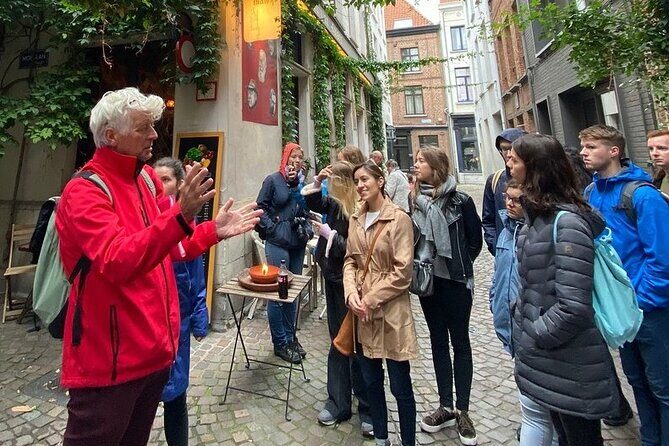
This is the one I’d book first. It’s structured as a private group tour up to six people, so the price you see is split across the whole party. Show up with friends and it gets very cheap fast. Guides like Luc and Beren weave the Brabo legend, Rubens, the diamond trade and the cathedral history together in a way that doesn’t feel like a checklist. Our Legends of Antwerp review covers what to expect on the route.
2. Antwerp: City Highlights Walking Tour: $22 per person
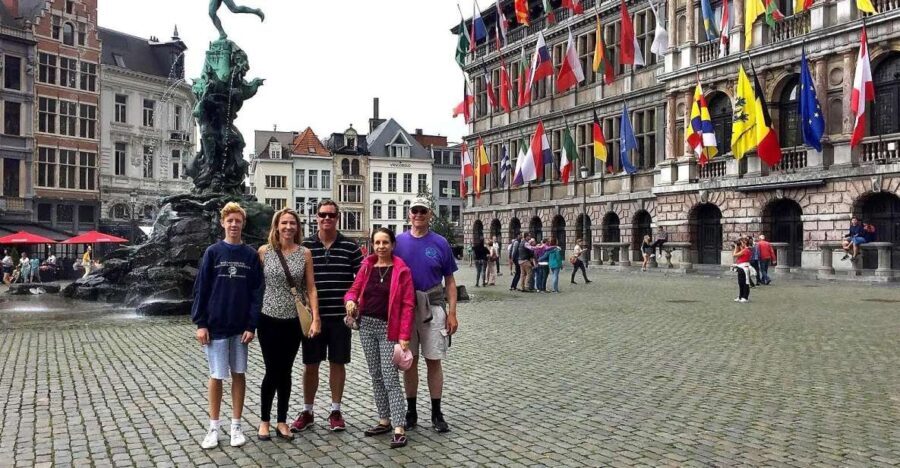
This is a per-person price, which puts it at a different tier from the private options. But it’s the right pick if you’re solo or a couple who’d rather meet other travellers than have a private guide to yourselves. The route covers UNESCO old town, the cathedral, the Brabo fountain, and tucked-away courtyards. Guides like Mark are friendly and good at keeping the group together. The full City Highlights review has the meeting point details.
3. Historical Walking Tour in Antwerp Old City: from $3.62 per person
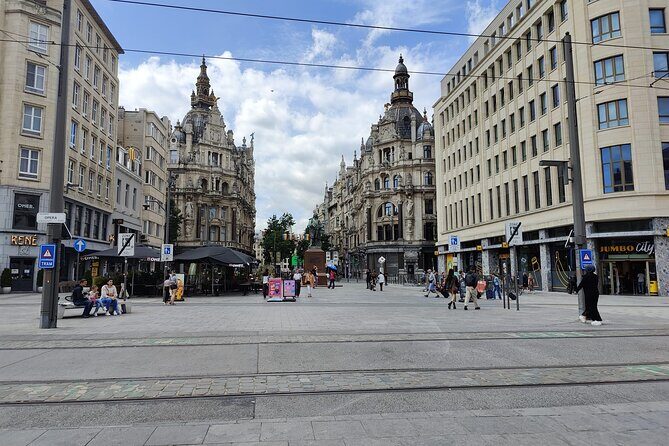
Slightly different angle to the other two. This one drills harder on the medieval old city, the guildhalls, the cobblestone street life, and the printers’ quarter. People who’ve already done a free walking tour and want one with more depth tend to rate this one as 5.0 across the board. Guide Britt and others get repeat name-checks. Our Historical Old City review goes into the route details.
What You’ll Actually See on the Route
Almost every Antwerp walking tour follows a version of the same loop, because the old town is so concentrated. The order varies, the stops largely don’t. Here’s what to expect, with the bits that guides will tell you that you wouldn’t read off a signpost.
Antwerpen-Centraal (the Railway Cathedral)
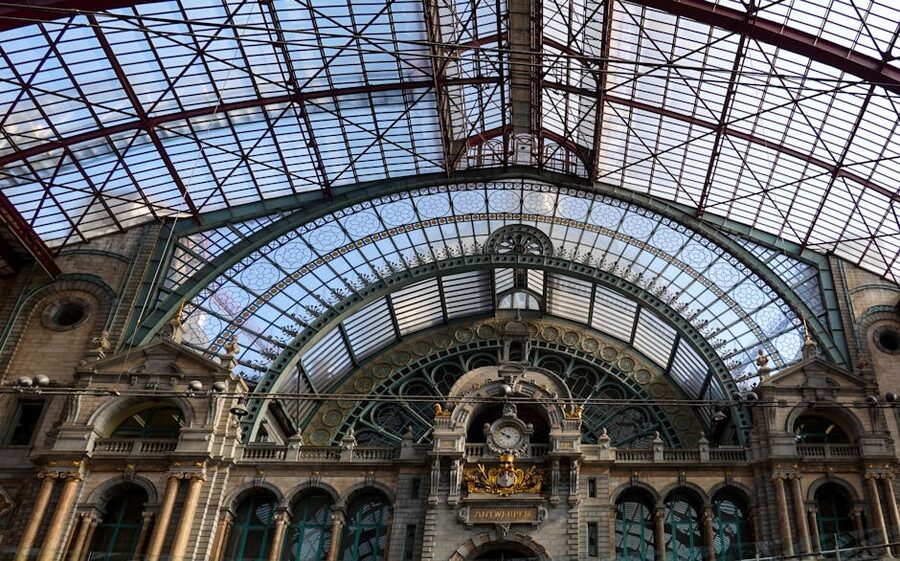
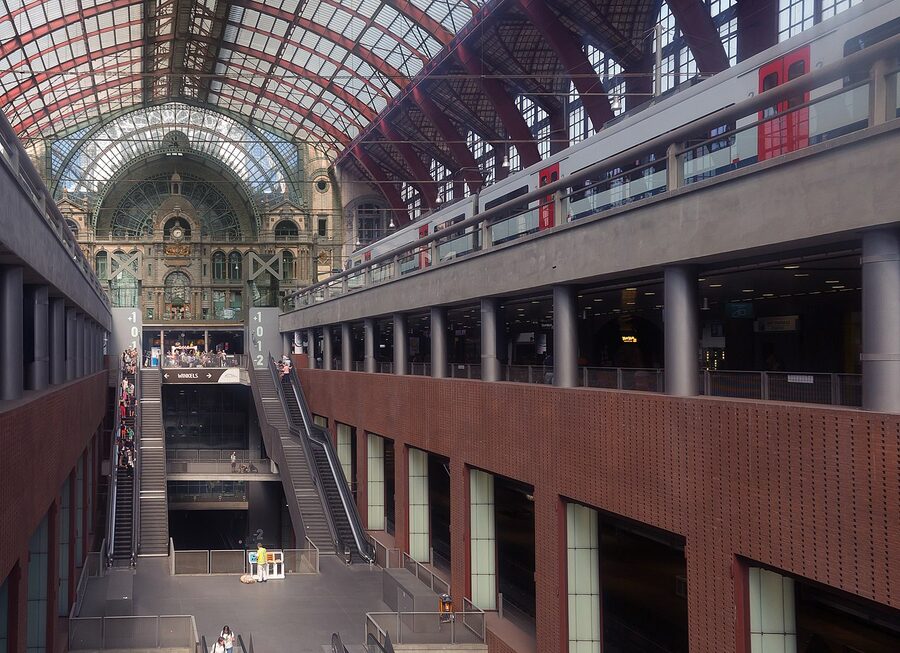
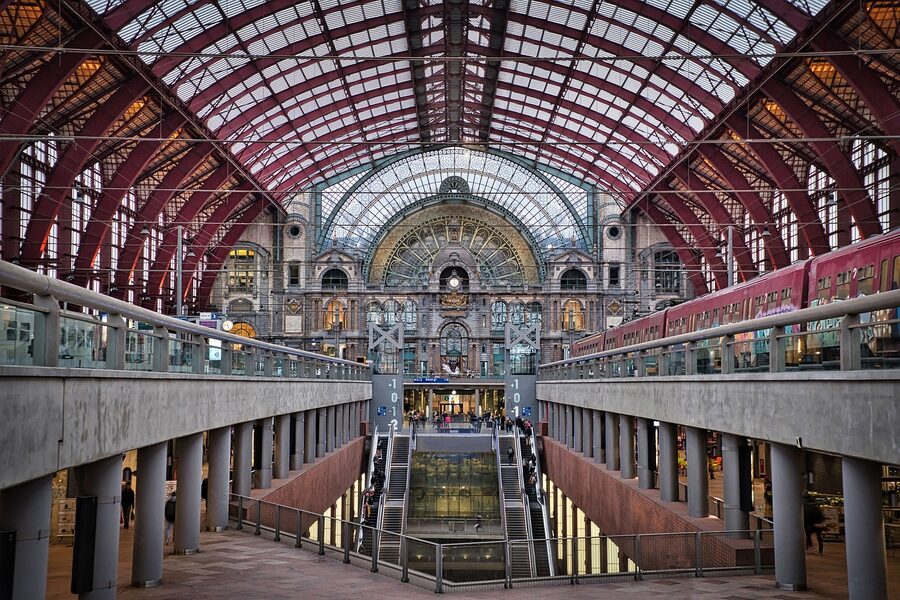
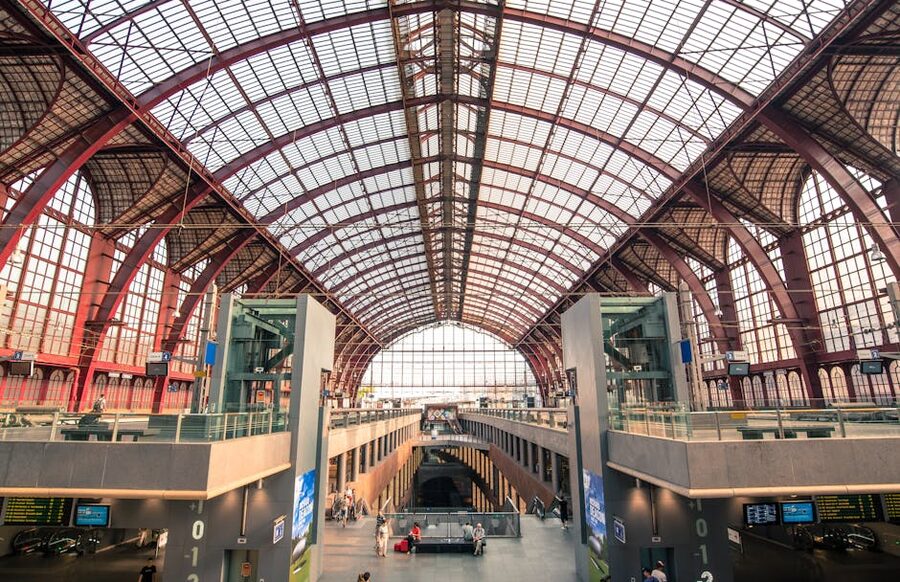
The station opened in 1905 after King Leopold II decided the existing wooden structure was beneath Belgium’s dignity. The result is a 75-metre stone dome, an iron-and-glass shed train hall, and the kind of arrival that makes you forgive a 90-minute Eurostar from London. Locals call it Spoorwegkathedraal, the Railway Cathedral, and it makes the list of “world’s most beautiful train stations” on every travel publication that bothers ranking train stations.
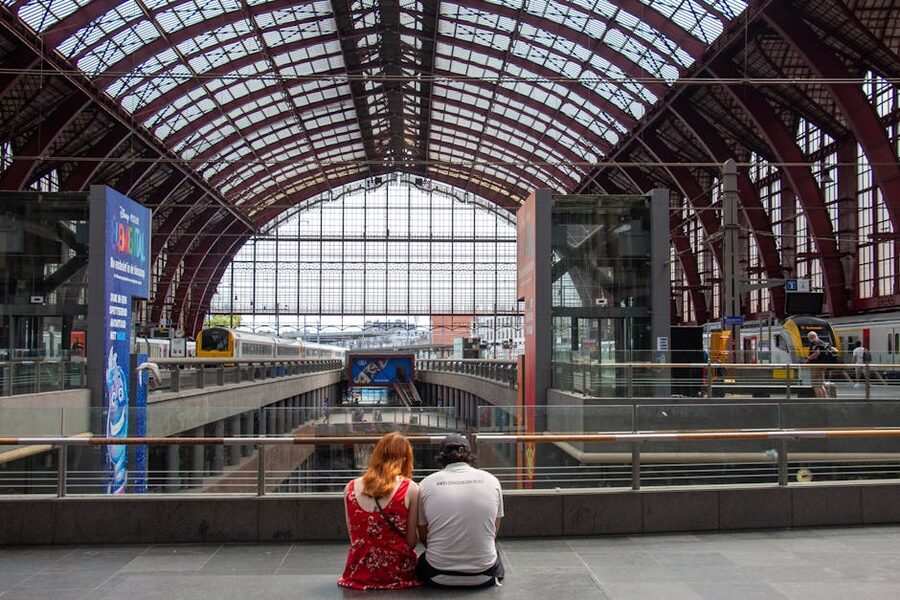
If your tour starts here, the guide will explain that the platform layout is now four levels deep, all built between 1998 and 2007 to convert the dead-end station into a through-line for high-speed trains. The old Belle Epoque hall on top stayed, and that’s the one you photograph.
De Keyserlei and the Diamond District
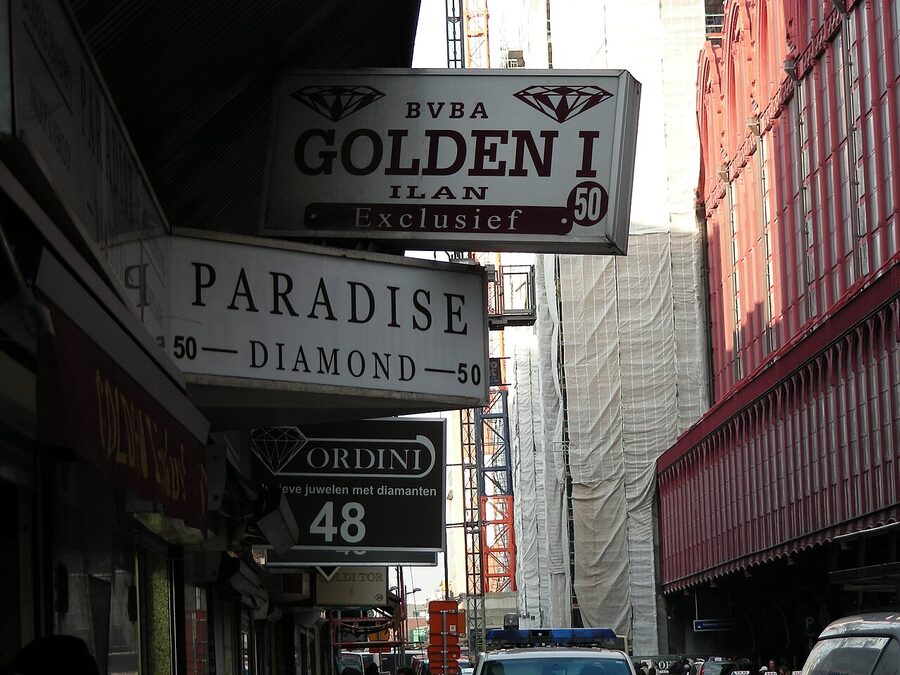

Walk out of the station’s main exit and you’re on De Keyserlei. Turn left after fifty metres and you’re in what’s officially called the Diamond Quarter. It’s a square mile, give or take, with about 1,500 traders moving 30 to 40 billion dollars of stones a year. Most tours don’t stop in the actual shops. They stand outside, the guide tells the story, and you walk on.
The story is the part you remember. In 1456 a Bruges-born cutter called Lodewyk van Bercken invented the scaif, a horizontal polishing wheel charged with diamond dust, which made it possible to cut symmetrical multi-faceted brilliants for the first time. Antwerp, then Europe’s commercial centre, became the place where the new technique was used. Five centuries later, the city still handles 84% of all rough diamonds and around half of all polished diamonds traded globally. Everything you see in jewellery windows in Paris, Tokyo, or New York probably came through this small stretch of Belgian streets first.
Meir, Rubenshuis, and the Chocolate Shops
From De Keyserlei the tour usually picks up the Meir, Antwerp’s main shopping street. Tour guides love this stretch because it gives them three things to talk about within five minutes. First is the Rubenshuis, where Peter Paul Rubens lived and ran a workshop from 1610 to 1640. Second is Chocolatier Del Rey, with the famous “best hot chocolate in the world” sign and the glass bulb of cocoa they plunk into hot milk in front of you. Third is The Chocolate Line, the Dominique Persoone shop that sells flavours like wasabi-marzipan and deep-fried-onion praline.
If you’ve ever been on a chocolate tour in Belgium, you’ll have heard most of this. If you haven’t, ask the guide for the chocolate-and-severed-hand story before you leave the Meir, because it sets up the Brabo fountain ahead. The hand-shaped chocolates here aren’t a marketing gimmick. They’re a 500-year-old reference to the city’s founding myth, sold in every chocolatier in Antwerp.
Hendrik Conscienceplein and Carolus Borromeus
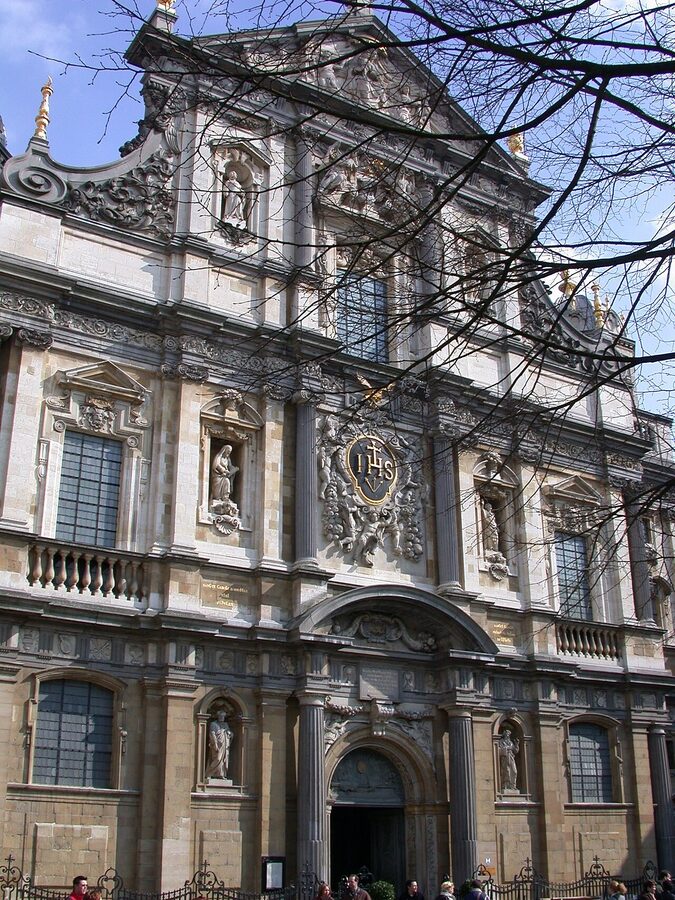

This is the bit walking tours do best. Hendrik Conscienceplein is a small square tucked behind the main shopping streets, and most independent travellers wander past it without realising it’s there. The Saint Carolus Borromeus Church on the south side dates from 1620, was built by Jesuits, and once held 39 ceiling paintings by Rubens. Lightning struck the church in 1718 and burned the roof off, taking the Rubens cycle with it. The church survived, the paintings didn’t.
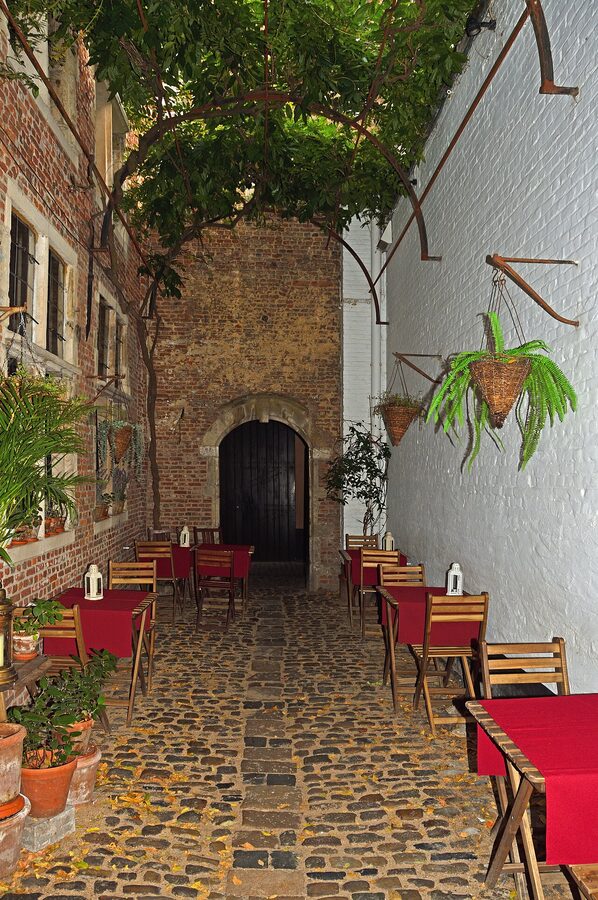
What’s left is still worth ten minutes inside if it happens to be open (the opening hours are erratic, Monday afternoons and Saturday mornings tend to work). Free entry. The Heritage Library next door has a reading room called the Nottebohm that’s open for special exhibitions only. If you can talk yourself in, do it. It looks like a movie set.

Cathedral of Our Lady
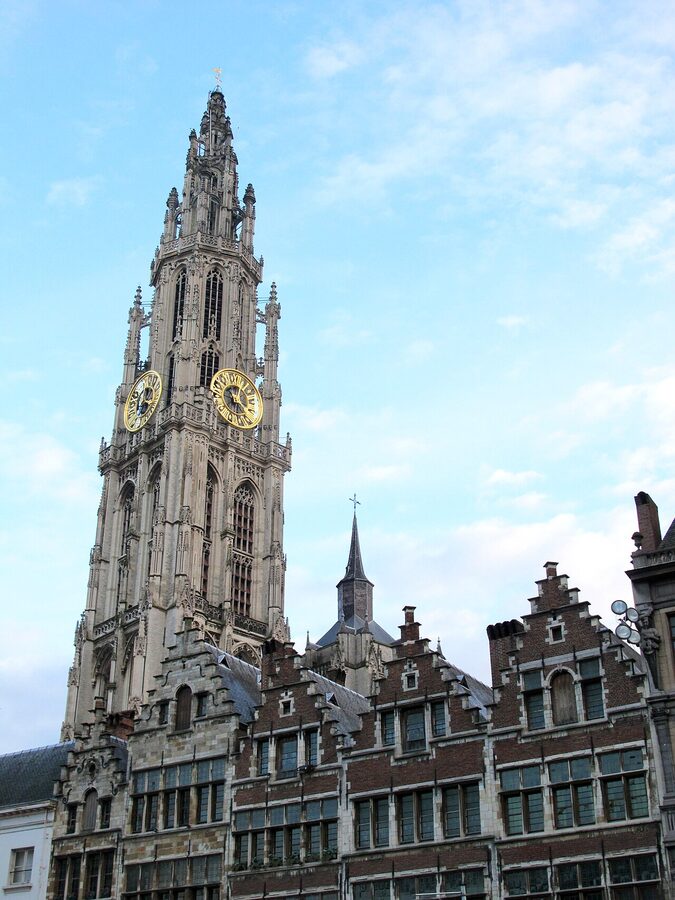

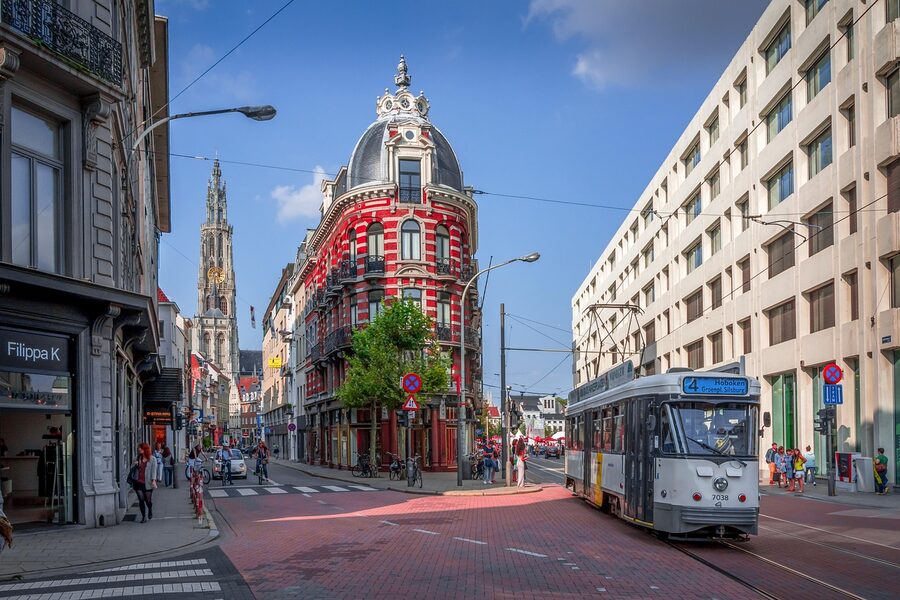
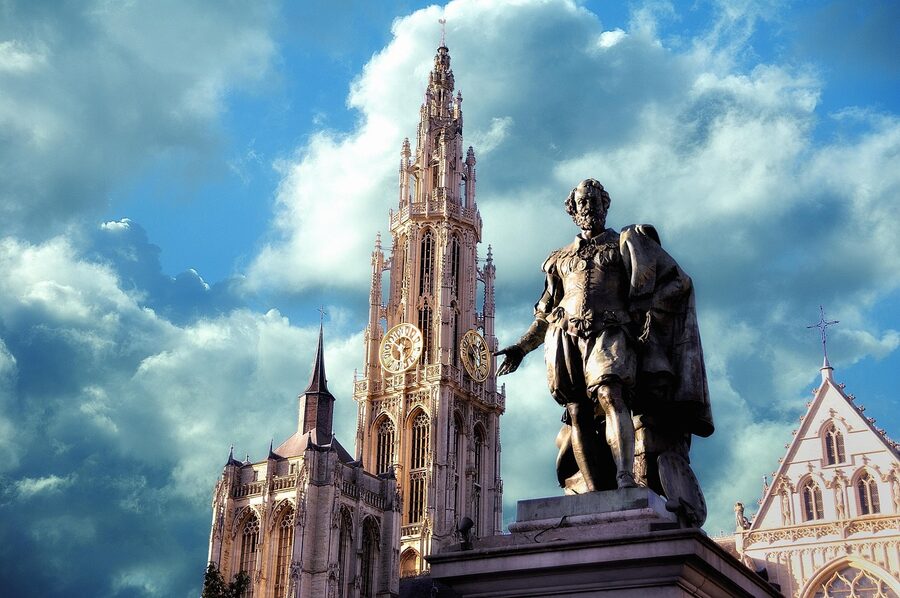
Construction started in 1352 and stopped in 1521, by which point the north spire had reached 123 metres and the south spire was unfinished (and still is). For 350 years this was the tallest building anywhere in the Low Countries, beaten only by Cologne in 1880. Inside, four Rubens altarpieces still hang in their original positions: The Elevation of the Cross, The Descent from the Cross, The Assumption, and The Resurrection. The Rubens-painted-here angle is the one guides lean on hardest, because it’s true. He lived three streets away.
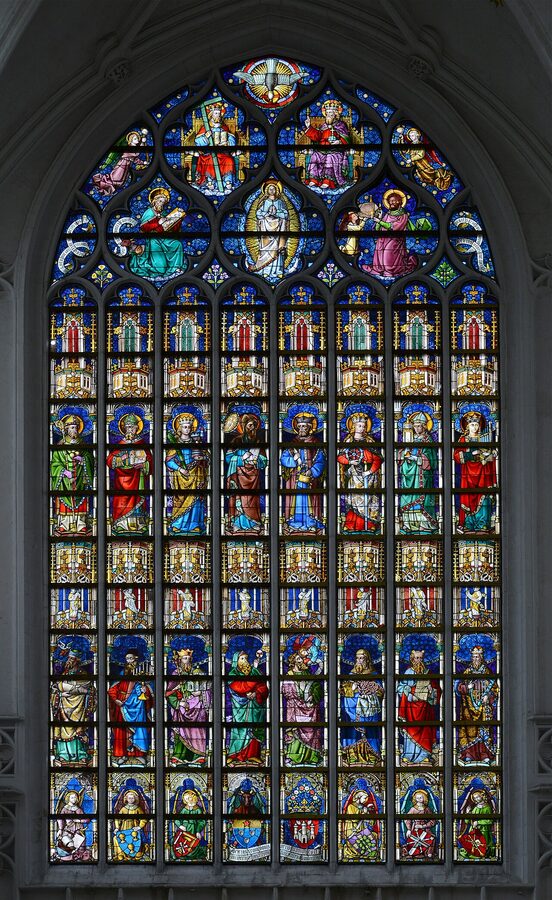

Almost no walking tour includes the cathedral interior. The standard approach is: stand outside, hear the spire story, see the Rubens statue out front, hear the four-altarpieces story, then keep walking. If you want to actually go in, do it after the tour finishes. Entry is around 12 euros, audio guide is included, and you’ll need 45 minutes to do it justice. Closed during services.
Grote Markt, the Brabo Fountain, and the Hand Story
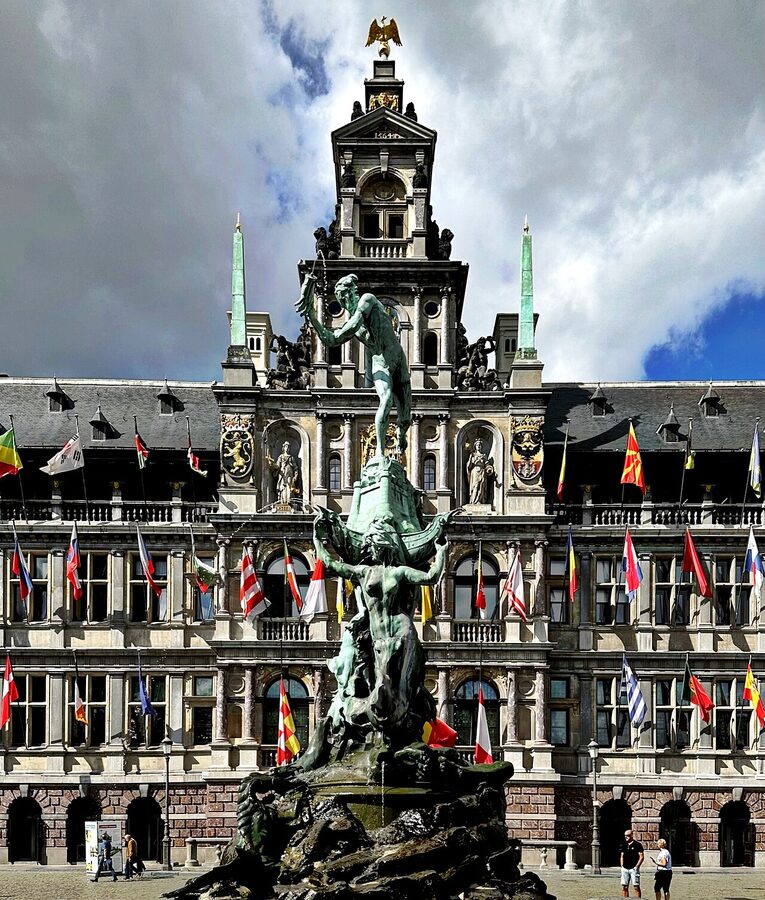

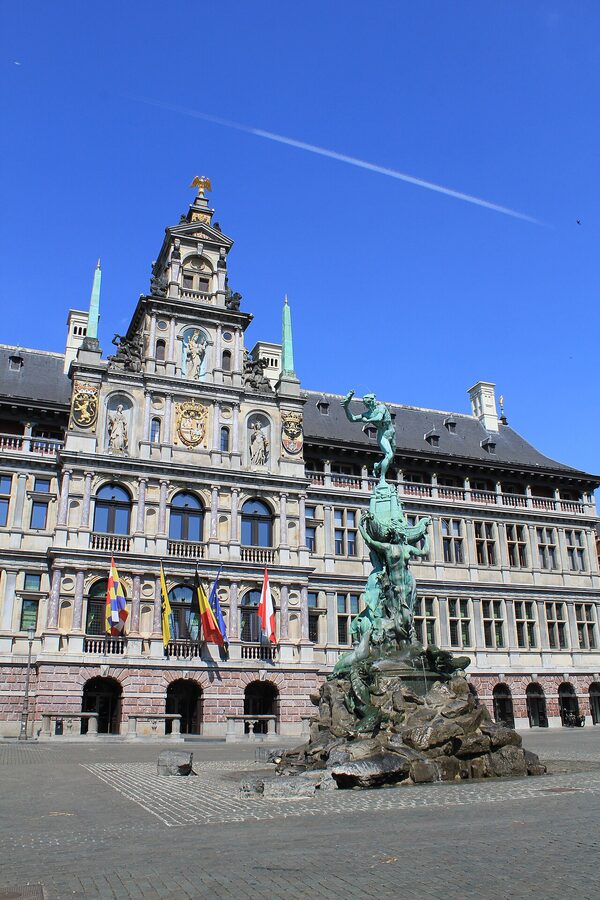
Now the Brabo story. According to local legend, a giant called Druon Antigoon controlled the Scheldt River and demanded a toll from every boat that wanted to pass. If you couldn’t pay, he chopped off your hand and threw it in the river. The Roman soldier Silvius Brabo eventually killed the giant, cut off the giant’s hand, and threw it into the Scheldt. Hand werpen means “hand throwing” in Dutch, and that’s where the name Antwerp supposedly comes from. The fountain, which Jef Lambeaux sculpted in 1887, freezes the moment Brabo flings the giant’s hand mid-air.
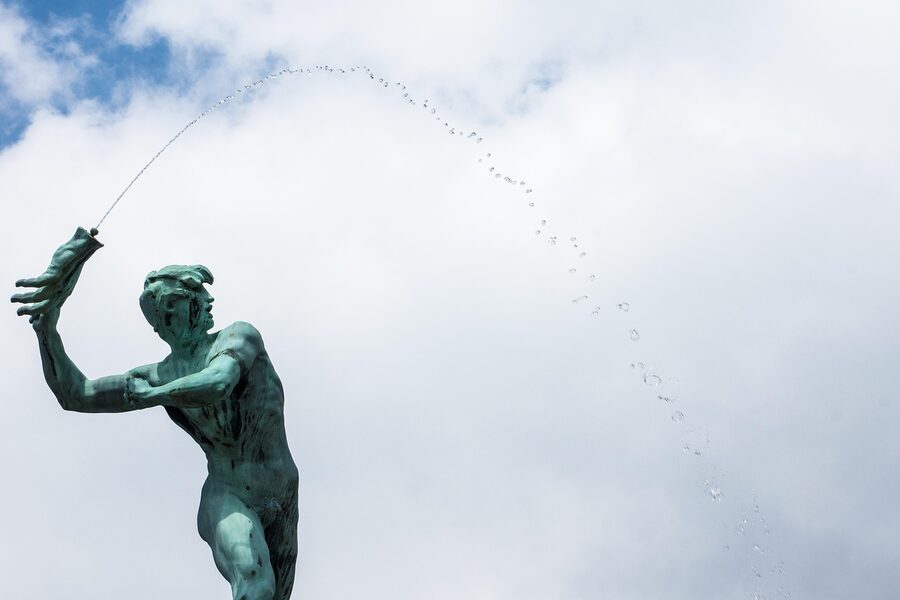
The etymology is probably a folk explanation, real linguists think the name comes from Aanwerp, meaning a riverbank built up by silt deposits. But the giant story is what’s told, and it’s the reason every chocolate shop in the city sells hand-shaped chocolates. You can buy a six-pack of chocolate fingers for about 12 euros. They taste exactly like normal Belgian chocolate. The shape is the souvenir.
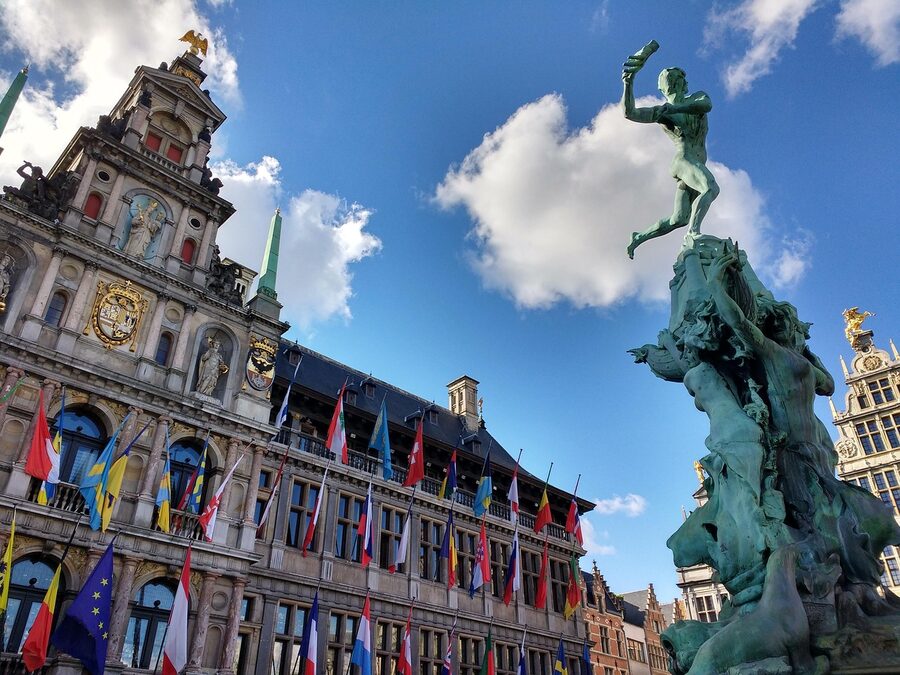
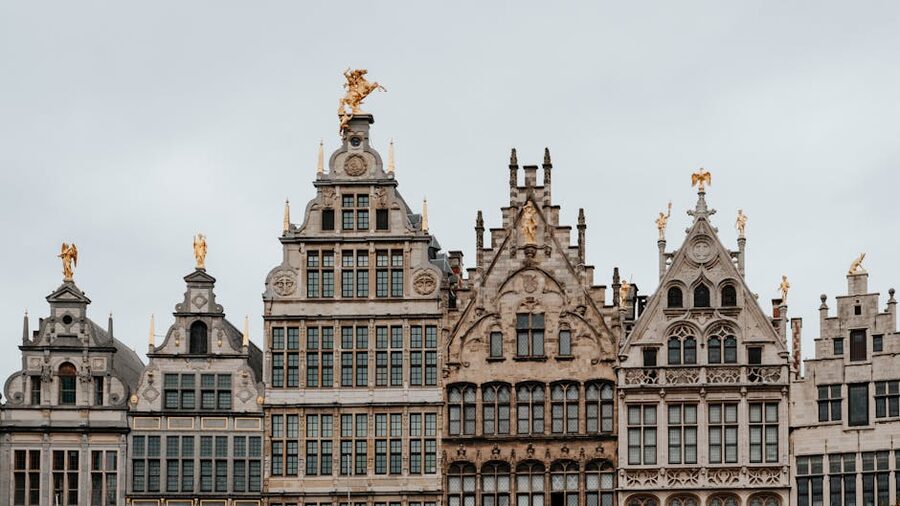
The square itself is ringed with 16th-century guildhalls (sailors, painters, butchers, fishmongers) squeezed into stepped-gable rows like dominos. The City Hall on the north side is from 1565 and was the largest non-religious building in northern Europe when it was finished. Look for the gilded coats of arms above each guildhall door. Walking tours that know what they’re doing point these out individually.
Het Steen and the Riverside
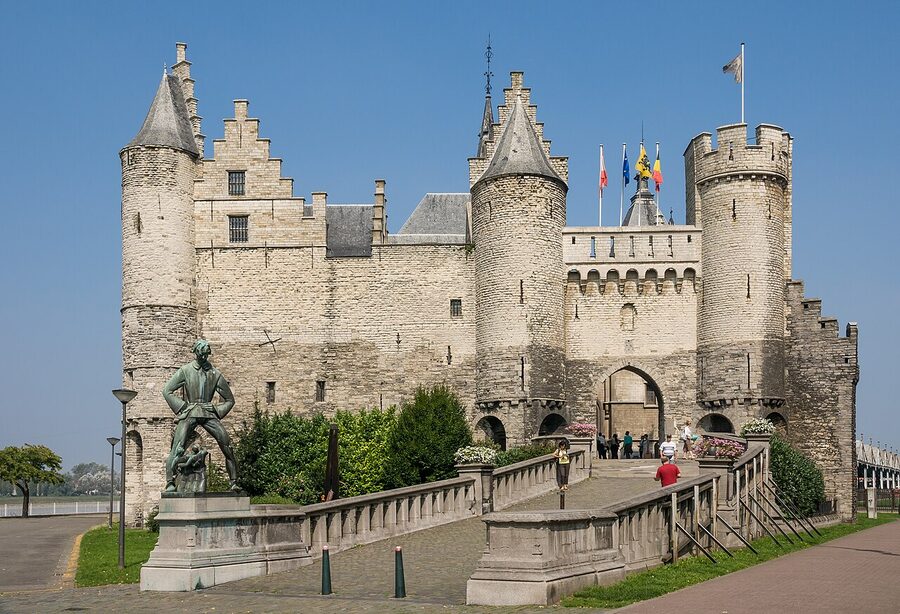

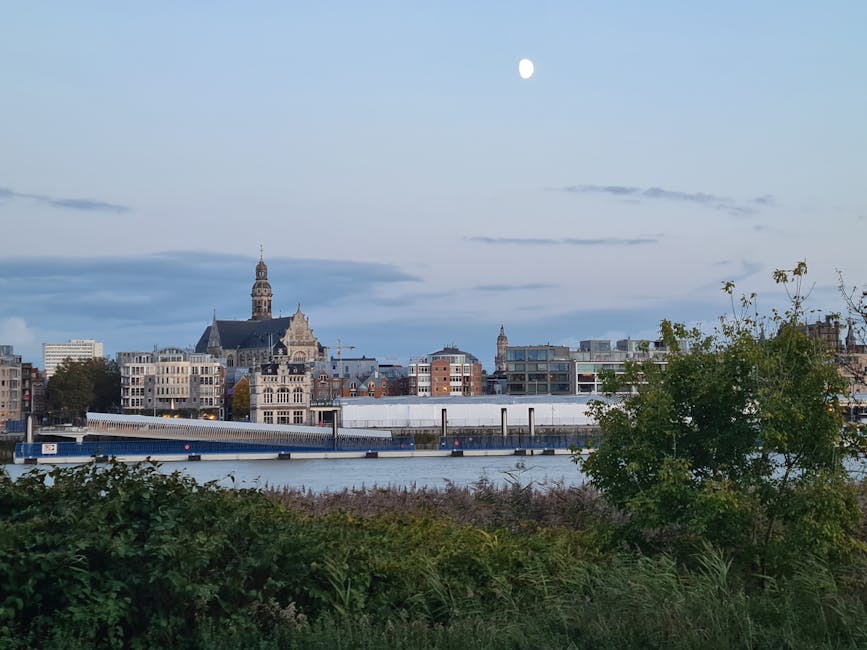
From Grote Markt it’s a 200-metre walk to the river and Het Steen, the medieval fortress that’s the oldest building in Antwerp. Parts of it date to about 1200, when it was a riverside customs post and prison. The name just means “the Stone” in Dutch, because in 1200 a stone building was unusual enough to deserve its own name. It was rebuilt in 1520 and most of what you see now is from then, but a section of the original 13th-century gate is still embedded in the structure.
Walking tours stop here for the photo and the story about Lange Wapper, the giant trickster statue that stands out front. He’s said to have stalked drunks coming home from the pubs, growing bigger or smaller to scare them sober. The fortress now houses an Antwerp visitor centre and a small archaeology museum. Free to walk through, paid for the museum exhibition.
Free Walking Tours vs Paid Walking Tours
Antwerp has a reasonable free walking tour scene, mainly through Free Walking Tour Antwerp and a couple of independent operators that meet at the Grote Markt twice daily. They’re tip-based, technically free, expected to tip 10-15 euros per person. So they’re not actually free.
The actual comparison is this. Free tours run two hours, 25 to 40 people, and a guide who’s been doing the same script daily for six months. Paid private tours like Legends of Antwerp run two hours, 1 to 6 people in your group, and a guide who can answer specific questions about Rubens or the diamond cutters. The paid private tours are cheaper for groups of 4+ once you account for tipping a free walk. Solos and couples save money on free, but get the standardised script.
If it’s your first day in Antwerp and you’ll never come back, take the paid private. If you’ve already wandered the old town for a day and just want orientation, free walks are fine. The paid Old City historical walks at $3.62 per person are the middle ground: small groups, dedicated history focus, no tip pressure.
Booking and Practical Stuff
How to book
GetYourGuide and Viator both list every Antwerp walking tour worth booking. The pricing model is the catch you have to read for. Tours like Legends of Antwerp price as a private group up to six people, so the $3.62 figure you see is split across the whole group, not per person. If you book solo it’s the full price. With four people it’s about a dollar each. Book on Viator if you want flexible cancellation and English-language confirmation, GetYourGuide if you want app-based vouchers and the option to message the guide directly before the tour.
Confirm the meeting point twice. Tours that say “Antwerp” sometimes mean the cathedral steps, sometimes Grote Markt, sometimes a specific corner of the Centraal Station. The booking confirmation will name the exact spot. Show up ten minutes early and look for the guide with a yellow umbrella, a clipboard, or whatever they specify.
What to bring
Cobblestones in the old town are uneven. Wear shoes that work for two hours of walking. Antwerp gets weather all year: rain in autumn and winter, sun in summer that comes and goes within the same hour, so a packable rain layer is more useful than an umbrella. Cash is rarely needed since most tour guides accept tips by card or digital app, but 10 to 20 euros in small notes is sensible if you’re doing a free walk.
When to do the walk
10am tours catch the old town before the day-trip groups from Brussels arrive (which is around 11:30). Late afternoon tours from 4pm onwards are the second-best window because the light on the cathedral and the guildhalls is at its best. Avoid the midday Saturday slot from May to September. The Grote Markt fills with tour groups, school trips, and a market that runs once a month. Tour pace slows considerably.
Antwerp’s main festival weekends (the September Open Monumentendag, the August Sinksenfoor) bring serious crowds. Worth checking the Visit Antwerp calendar before you book.
Beyond the Old Town
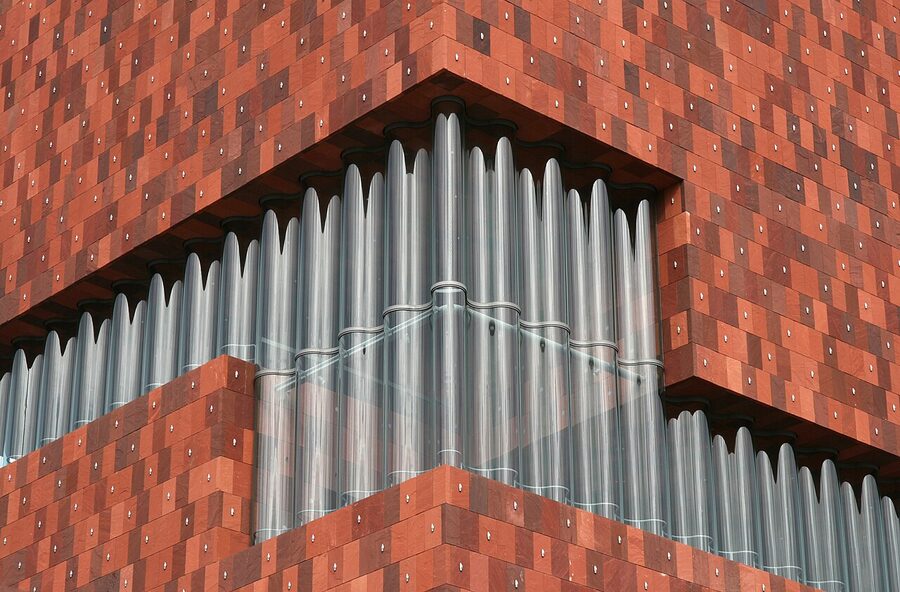

The standard old-town walking tours don’t reach the MAS, the Plantin-Moretus, or the Sint-Annatunnel. These three are worth doing on your own afterwards, and a guided 3-hour or longer tour will sometimes cover them.
The MAS, which stands for Museum aan de Stroom, sits in the docklands ten minutes’ walk north of the centre. Ten levels, a Belgian-shipping and global-trade theme, and a rooftop panoramic deck that’s free if you just want the view. The museum itself is around 12 euros. Worth doing the rooftop even if you skip the exhibits. It’s one of the few free skyline views in any major European city.
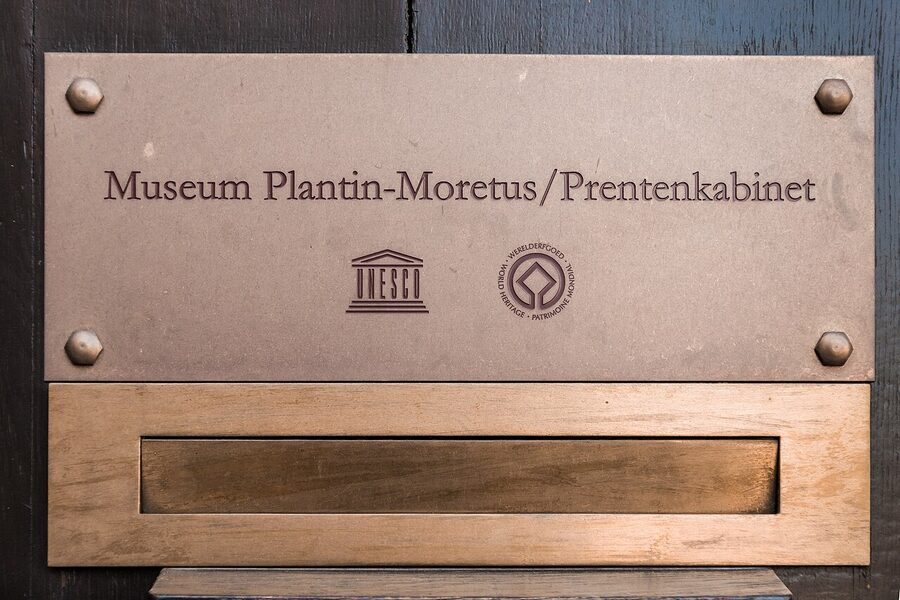

Plantin-Moretus is the world’s only printing-press museum on the UNESCO list. The Plantin family ran a printing house here from the 1570s, cranked out the first multilingual Bible in 1572, and kept the business going for nine generations. The two original 16th-century presses are still in the courtyard. About 12 euros entry, allow 90 minutes.
.jpg)
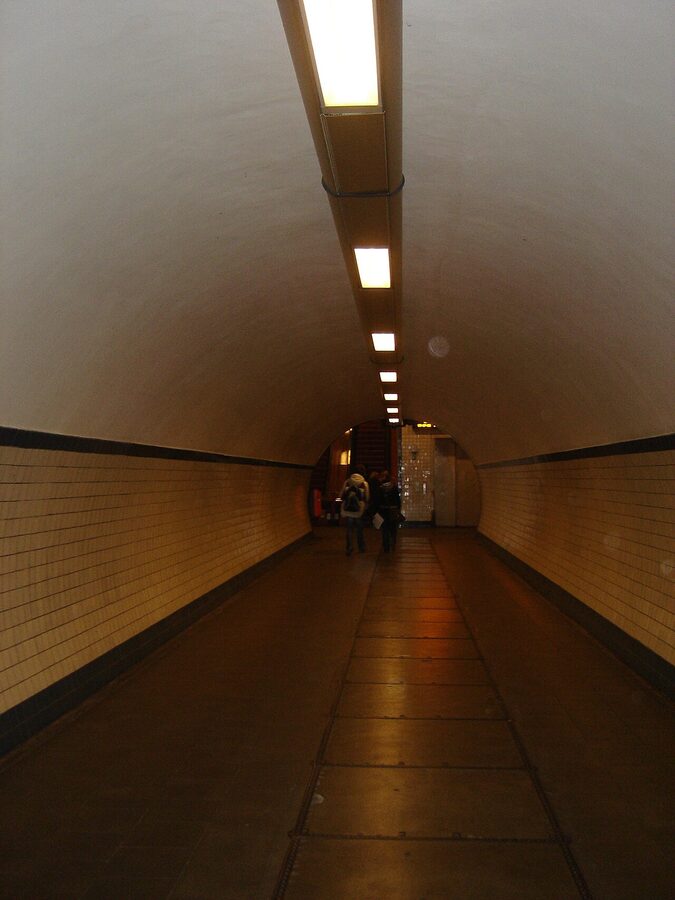
The Sint-Annatunnel is the oddest one. A 572-metre pedestrian and bike tunnel under the Scheldt River, built in 1933 because Antwerp’s mayor wanted to connect the left and right banks without building a bridge. The 1930s wooden escalators on each end were restored in 2016 and still work. Free, 24/7, takes about ten minutes to walk through. The acoustics are weirdly resonant. A handful of buskers occasionally play in there for the echo.
,_Cogels-Osylei_17_11079.jpg)
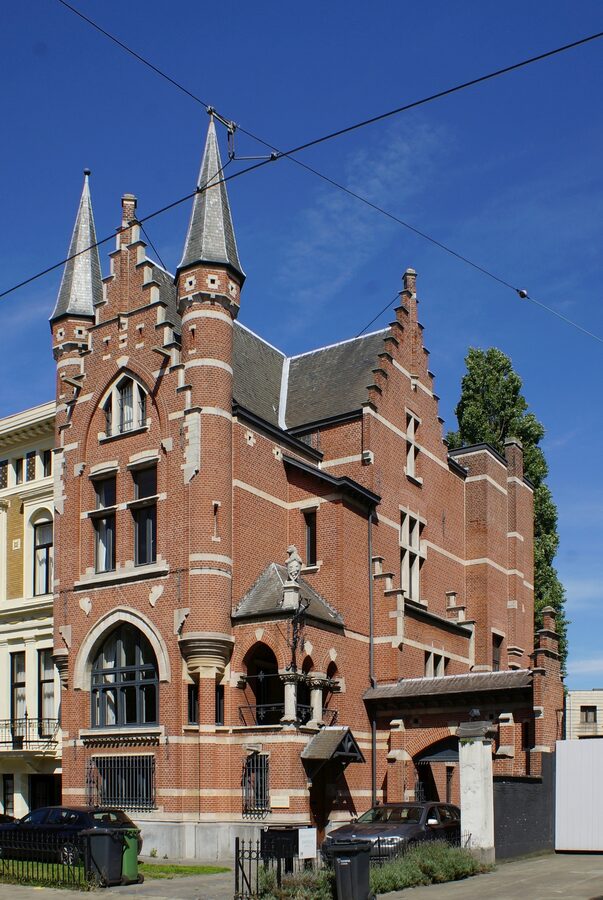
Cogels-Osylei is the Art Nouveau and eclectic-style street in Berchem, two tram stops from Centraal. Late-19th and early-20th century houses competing facade-by-facade for the most ostentatious sculpting. There’s no museum, no entry fee. You just walk down the street. Good for an hour after the old-town tour finishes if you’ve got time before dinner.
Antwerp’s Walking Tour Scene Compared
I’ve done walking tours in most of the obvious European cities, and Antwerp’s is genuinely good for a few specific reasons. First, the old town is small enough that two hours actually covers it. In Rome or Paris a two-hour walk is a fragment. Here it’s the whole compact core. Second, the stories are weird in a way that holds attention. The giant’s hand, the Rubens cycle that burned, the diamond polishing wheel, the 1933 wooden tunnel escalators. There’s a hook every five minutes. Third, the guides tend to be Antwerpenaars, born locally, and they argue with you about Bruges versus Antwerp the way Romans argue about Naples versus Rome.
The closest comparison in this region is the Brussels walking tour, which covers the Grand Place, Manneken Pis and the comic murals in about the same time. Brussels has more set-piece monuments. Antwerp has more intimate stories. If you’re picking one, do Antwerp for the depth of the old town and Brussels for the cosmopolitan thing.
A Short History to Set the Walk Up
Antwerp was a mid-sized port until about 1500. Then the silting of the Bruges harbour funnelled all the trans-European trade through the Scheldt instead, and within a generation Antwerp became the largest commercial city in northern Europe. By 1560 it had 100,000 inhabitants, more than London. The Brabo legend, the diamond trade, the Plantin printing press, Rubens’ workshop, the cathedral spire: all of it dates from this 50-year boom or its immediate aftermath.
Then in 1585 the Spanish sacked Antwerp, the Scheldt was blockaded by the Dutch for 200 years, and the city’s economic centre of gravity moved to Amsterdam. Antwerp didn’t recover commercially until Belgian independence in 1830 reopened the river. The 19th-century rebuild (Centraal Station, Cogels-Osylei, the new docklands) comes from the second wave. The old town remained largely intact through both waves, which is why the medieval guildhalls and the 1352 cathedral and the 1200 Het Steen all still stand. Walking tours that explain this 16th-century-then-19th-century rhythm tend to be the ones that stick.
FAQs People Always Ask Before Booking
How long is a typical walking tour? Two hours is standard. Three to four hours covers the docklands or the Diamond Quarter at depth. Half-day tours combining the old town with Plantin-Moretus or the MAS run five hours.
Are tours kid-friendly? The Brabo story is hand-chopping themed, which most kids find brilliant. The diamond stuff and Rubens history less so. Private tours adapt better than free tours for families.
Can I do this in winter? Yes, except the rain is steady from October to March. Antwerp doesn’t shut down. Tour guides do the same routes in coats. The Christmas market on Grote Markt and Groenplaats from late November through early January adds a layer that summer tours miss.
How much should I budget overall? Tour itself: $3.62 to $25 depending on which one. Cathedral entry afterwards: 12 euros. Coffee and a chocolate stop: 8 euros. Allow about 40 to 60 euros for a half-day with the tour included.
Are walking tours wheelchair accessible? The old town has cobblestones almost everywhere, which makes wheelchair access difficult. Some operators offer modified routes that stay on smoother streets, so message the operator before booking. Antwerpen-Centraal and the MAS are both fully accessible. Het Steen is partially accessible (ground level only).
Cluster Picks: Other Belgium Tours Worth Stacking
Most travellers doing Antwerp do it as a day trip from Brussels or as a one-night stop on the Brussels-Bruges-Ghent loop. If you’ve got two or three days, the additions worth booking are: the Brussels walking tour for the Grand Place and the EU quarter, a Bruges boat and walking tour for the canals and the Belfry (very different feel from Antwerp’s grittier old town), and a Brussels pub crawl if Belgian beer is the angle. The Bruges day trip from Brussels guide and Ghent day trip from Brussels guide cover the logistics if Antwerp is one of several stops on a multi-city Belgian week.
If you’re in Bruges separately and want the chocolate-and-beer angle there too, the Bruges beer and chocolate tour is a half-day on its own and pairs well with the boat-and-walking combination.
Belgian sweet tooth fans should also note the Brussels chocolate tour and Choco-Story Brussels, both of which hit different angles than the Antwerp chocolate stops on a walking tour. For sightseeing logistics across the capital, the Brussels hop-on hop-off bus and Atomium tickets guides are useful add-ons for the Brussels day.
Walking tours in this part of Europe tend to follow a similar rhythm. Old town loop, cathedral story, central square legend, two hours, lunch suggestion at the end. If Antwerp’s the model you like, the closest comparable experiences are the Brussels walking tour, Lisbon walking tour, Porto walking tour, Budapest walking tour, Krakow Old Town walking tour, Warsaw Old Town walking tour, and Gdansk Old Town walking tour. Same format, very different cities.
Affiliate disclosure: We earn a small commission when you book through the links above, at no additional cost to you. The recommendations are based on tours we’ve reviewed and tracked over time, not on commission rates.