
The amphibious bus you climb onto at Lilla Bommen is built on a Volvo chassis, and that detail matters. Volvo was founded a kilometre upstream from where you splash in, and the splashdown happens on the north bank of the Göta älv, on water that used to be the Lindholmen shipyard. So a Gothenburg-built bus drives off a Gothenburg slipway into a river that built half the city’s industrial story. Even the local guides forget to mention it.
The tour takes about 75 minutes from boarding to dry land. Half is a city loop through Avenyn, Götaplatsen, Haga and past Skansen Kronan. Half is a slow harbour stretch with the bus floating like a slightly nervous dolphin. It’s the closest thing Gothenburg has to a signature one-trick attraction, and yes, the splashdown is genuinely fun. This guide covers how to book it, when to go, where the best seats are, and how it stacks up against the city’s other sightseeing options.
Best for canal lovers: Paddan Canal Sightseeing Cruise, $30. Lower bridges, longer historical stretch, no bus on dry land.
Best for a full city overview: Hop-On Hop-Off Bus 24h Ticket, $38. Eight stops, all day, lets you actually get off and explore Haga or Liseberg.


- How the booking actually works
- Where to meet, where to sit
- The splashdown moment, demystified
- The on-water portion, which is longer than you think
- The three Gothenburg sightseeing tours that actually compete
- 1. Land & Water Amphibious Bus Sightseeing Tour: about
- 2. Paddan Canal Sightseeing Cruise:
- 3. City Sightseeing Hop-On Hop-Off Bus 24h:
- Why a Volvo chassis matters here (a short Gothenburg history aside)
- What you’ll pass on the land portion
- When to go
- Practical bits people forget to ask about
- Pairing it with other Gothenburg things
- One more thing: where to stay if you’re optimising for the bus
- Other Gothenburg tickets and tours
How the booking actually works
You book online and pick a date and a time slot. Tickets are issued as a QR code on your phone. There’s no physical kiosk at the boarding point, no walk-up window most of the year, just the bus parked at Stora Teatern with a queue forming about 20 minutes before departure. From late April through September it runs several times a day. Outside of that, departures thin out and weather can cancel them, so check the schedule before you commit.
I’d book at least a day ahead in summer. Two days ahead if you’re set on a specific time. The operator runs one custom-built bus, so capacity is small and Saturday afternoons in July sell out routinely. Off-season you can usually walk up, but the schedule shrinks to a handful of weekend departures.

Cancellation: the operator gives a full refund if you cancel up to 24 hours before. Inside that window you eat the ticket. Weather cancellations on their end refund automatically, which has happened to friends of mine in late October when the wind picked up.
Where to meet, where to sit
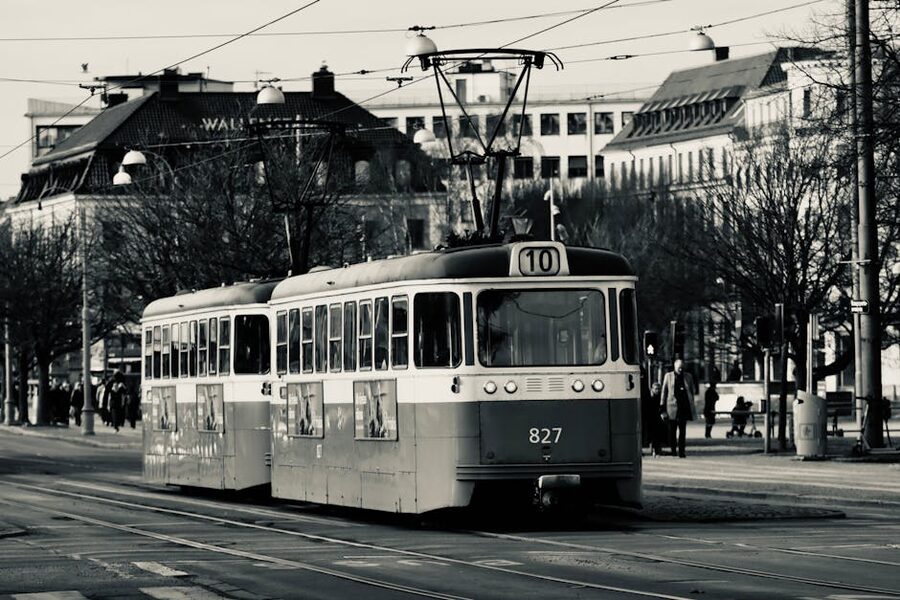
Boarding is at Stora Teatern, the salmon-pink theatre at the bottom of Avenyn beside Kungsparken. From the central station it’s a 15-minute walk or 4 stops on tram 3 to Kungsportsplatsen, then a 3-minute walk south. If you’ve got a Göteborg City Card, the tram is free; otherwise tickets are about 36 SEK on the Västtrafik app.
The bus is two-deck-ish: one open upper level with the wind in your face, and a partly enclosed lower section with bigger windows. There’s no allocated seating. People queue early to get the front-right upstairs spot, which has the best forward view for the splashdown sequence. The rear-left also works because you get the wave kicking up behind you. Avoid the middle. Middle seats see neither the city well nor the water well.
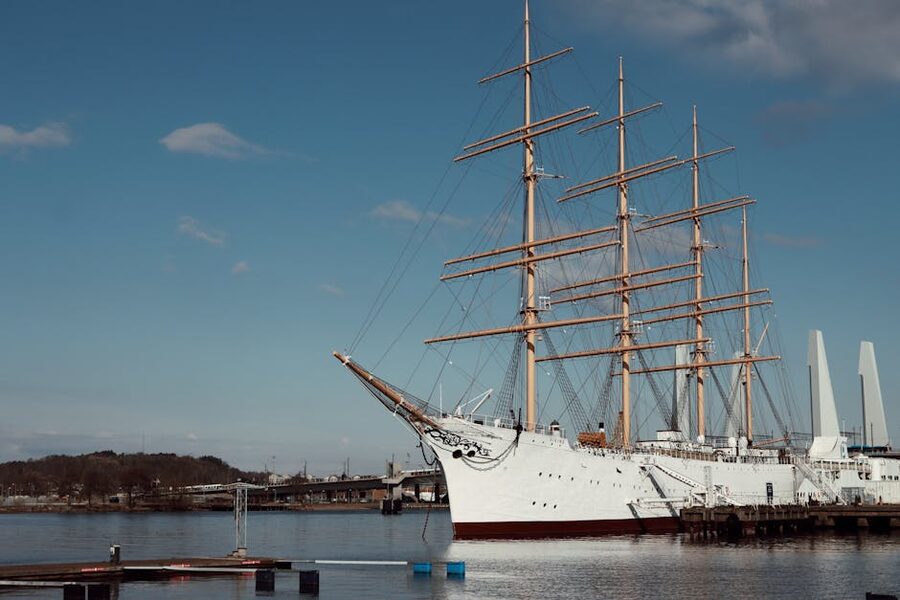
The splashdown moment, demystified
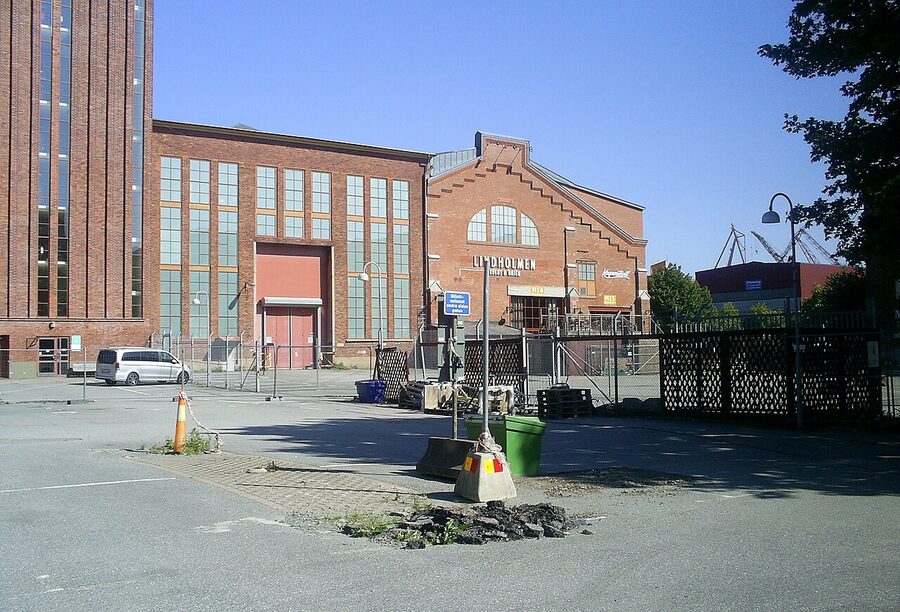
The bit everyone books for happens at the Lindholmen slipway on the north bank of the river, about 25 minutes into the tour. The bus drives down a paved ramp at maybe 10 km/h, hits the water, and tilts forward as the front wheels submerge. There’s a proper splash, water comes up over the windscreen for a couple of seconds, and then the bus settles into floating mode. The propellers underneath kick in, the wheels stop turning, and you’re a boat.
It’s louder than you expect. Not the splash itself, the engine note. The bus uses its diesel engine for both road and water, and switching to marine propulsion makes it grumble. After about 30 seconds you stop noticing.

The on-water portion, which is longer than you think
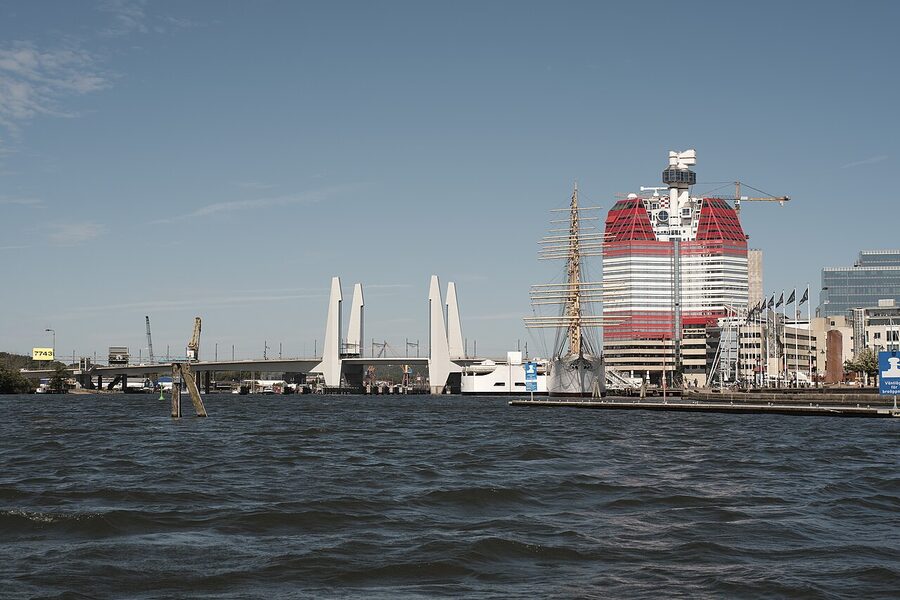
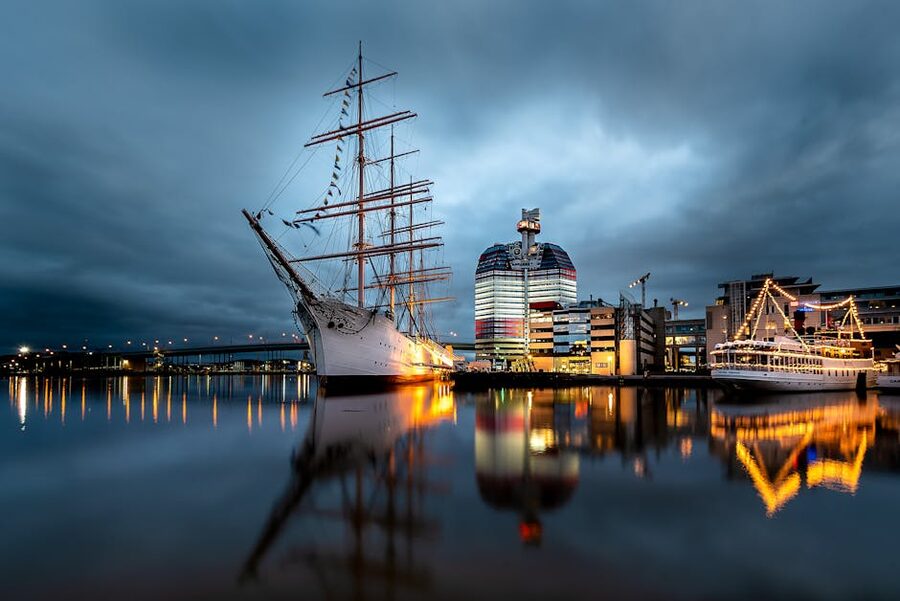
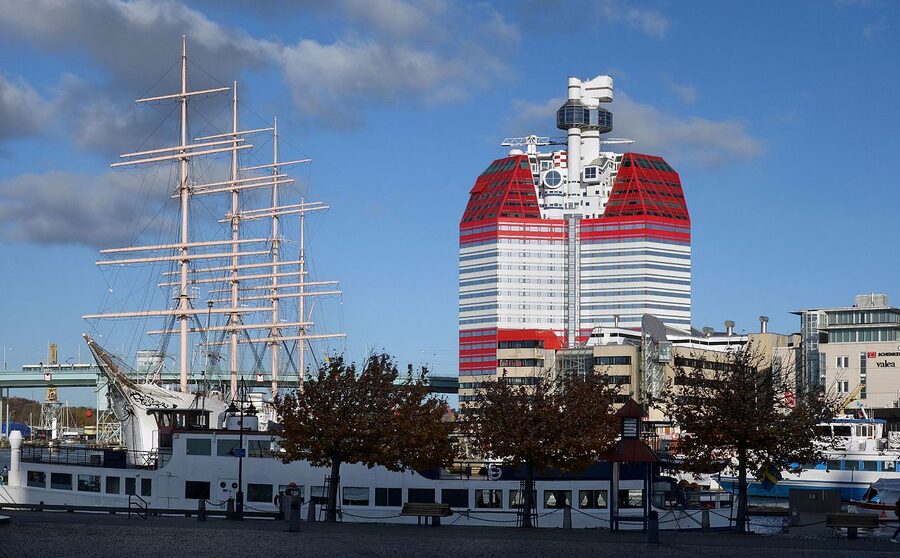
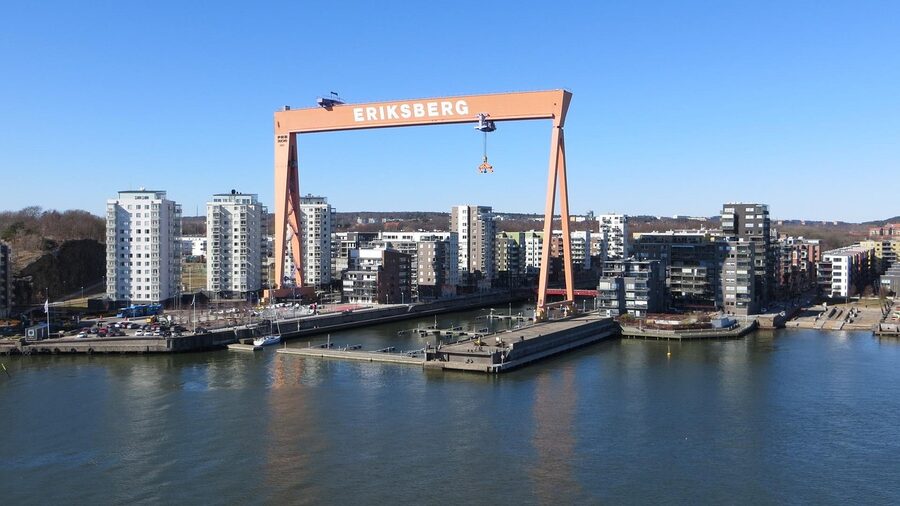
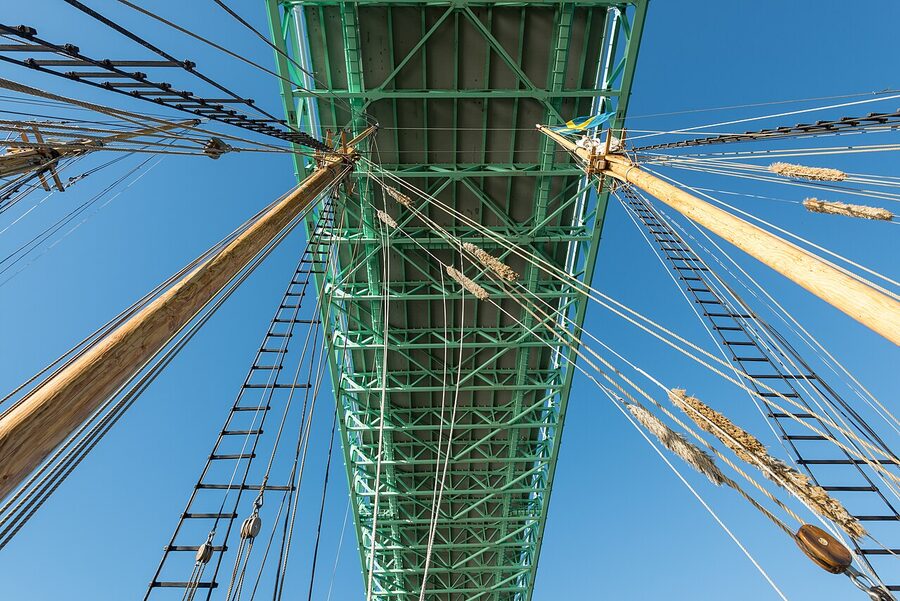
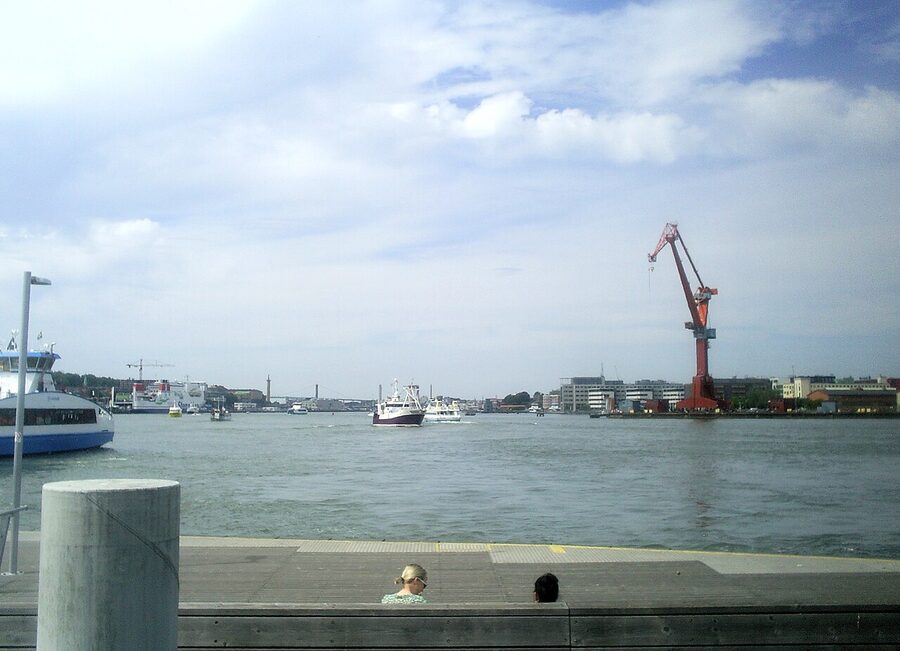
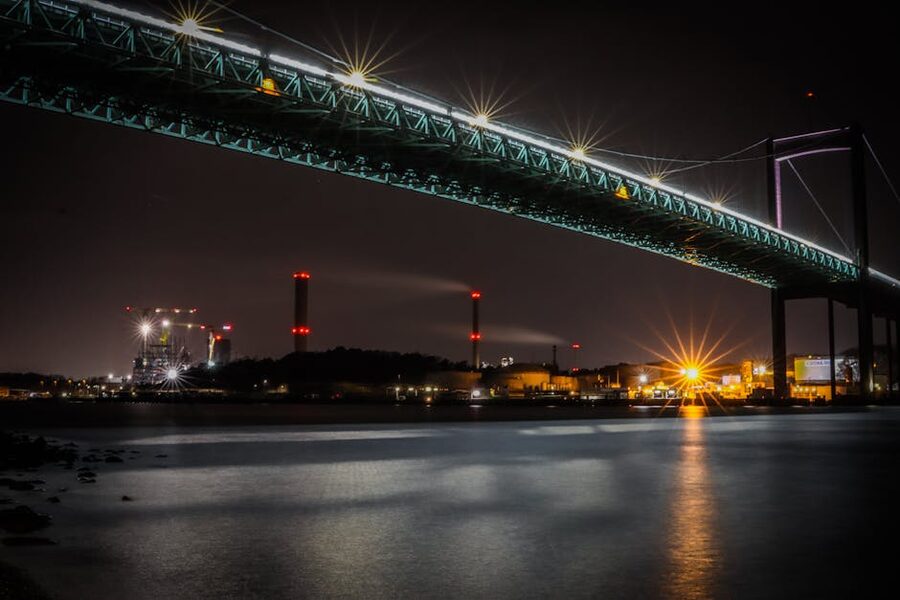
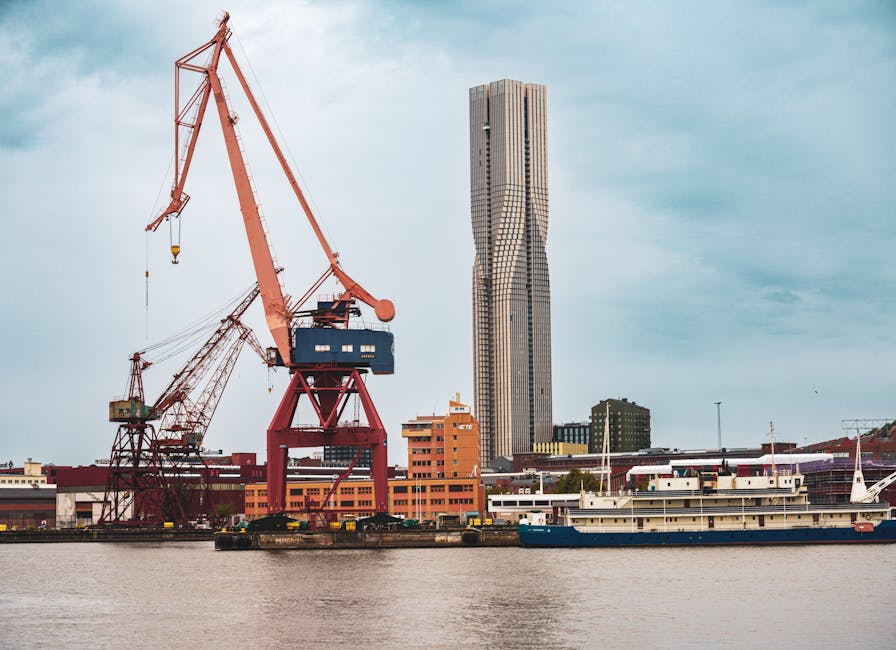
You’re on the river for around 30 minutes, more than I expected the first time. The route hugs the north bank past Lindholmen, drifts under the Götaälvbron rail bridge, and continues toward the Älvsborg suspension bridge before turning. On the way back you pass the Eriksberg crane, the old Götaverken docks, and the new Karlatornet skyscraper poking up where Lundbystrand used to be.
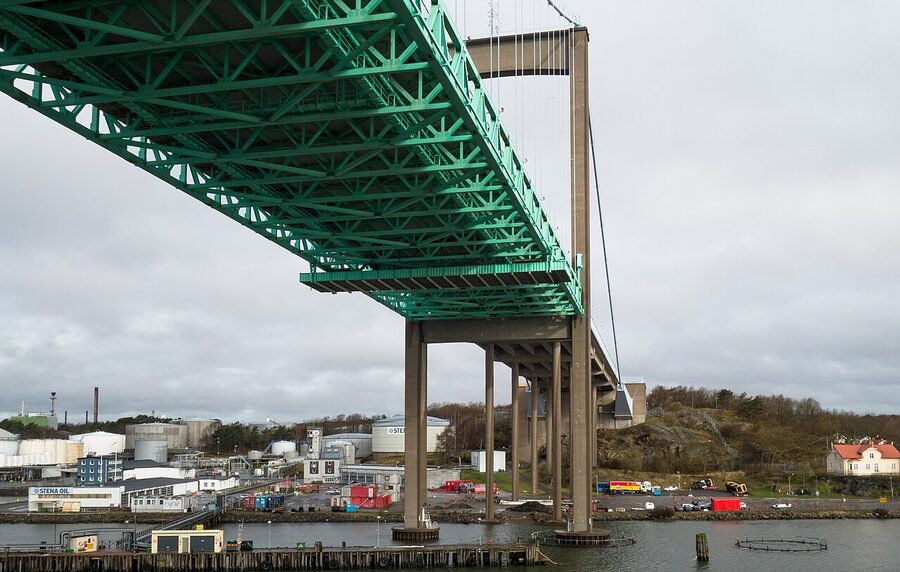

The guide narration is live, in English and Swedish, sometimes with German added on summer Saturdays. It’s better than the audio tracks you get on hop-on-hop-off buses because the guides riff. They tell you about the Sailor’s Wife statue, the half-submerged Klippan rocks the city was named after, the time a tram ran into the river in 1992. It’s the kind of running commentary you can tune in and out of without losing the thread.

The three Gothenburg sightseeing tours that actually compete
The amphibious bus is the obvious headline, but it’s not the only way to see the city in 90 minutes or less. Here are the three I’d genuinely consider, and how they break down.
1. Land & Water Amphibious Bus Sightseeing Tour: about $40
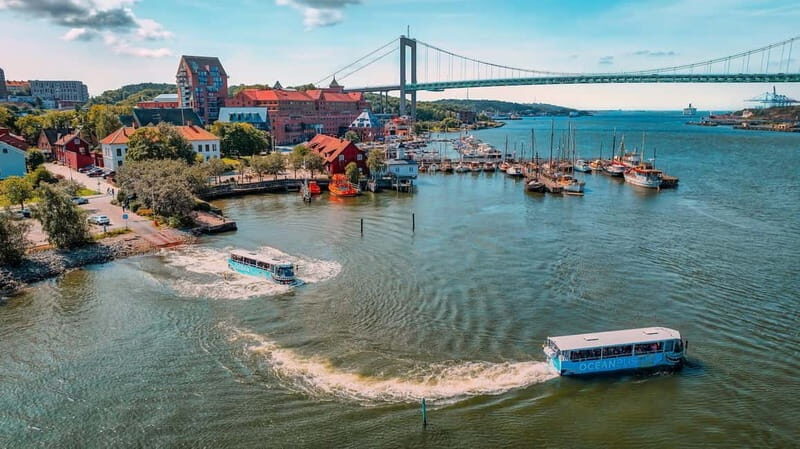
The headline pick, and frankly the only one in this category in Gothenburg. Our review of the Land & Water tour goes deeper on the route and the seating, but the short version is: do it once, sit upstairs, accept that you’ll get wet on the splashdown. Booking a day ahead is the difference between getting on and not.
Check Availability
Read our full review
2. Paddan Canal Sightseeing Cruise: $30

If the splashdown gimmick doesn’t sell you, this is the better water tour. Our Paddan cruise review covers the route through the 17th-century moat canal and out into the harbour. 50 minutes, ten dollars cheaper, more time on the water, less time on a bus. Skip if you have mobility issues, the boats are step-down and crouch-under.
Check Availability
Read our full review
3. City Sightseeing Hop-On Hop-Off Bus 24h: $38
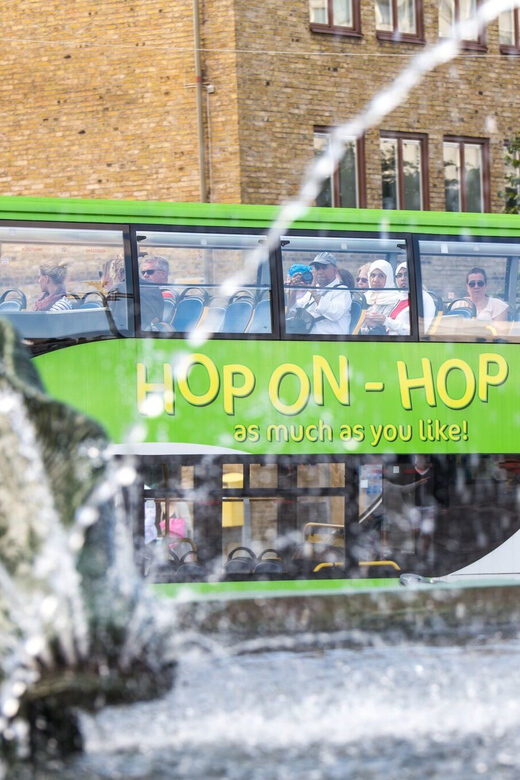
This is the best pick if you’ve got a full day and want flexibility, not novelty. Our hop-on hop-off review goes into the limits, the schedule only runs 10:30am to 4pm and the audio commentary is in seven languages so it can feel a bit thin. But you can pair it with the amphibious bus on a single day and get full city coverage for under $80.
Check Availability
Read our full review
Why a Volvo chassis matters here (a short Gothenburg history aside)
Volvo was founded in 1927 in a workshop on Hisingen, the big island that forms the north bank of the Göta älv. The first car off the line, the ÖV4, was nicknamed Jakob and is still in the Volvo Museum in Arendal. By the 1960s the company employed tens of thousands of people in Gothenburg, mostly across the river from where the amphibious bus splashes in. Hisingen is also where Lindholmen, Götaverken and Eriksberg, the three big shipyards, sat in a line along the north bank.
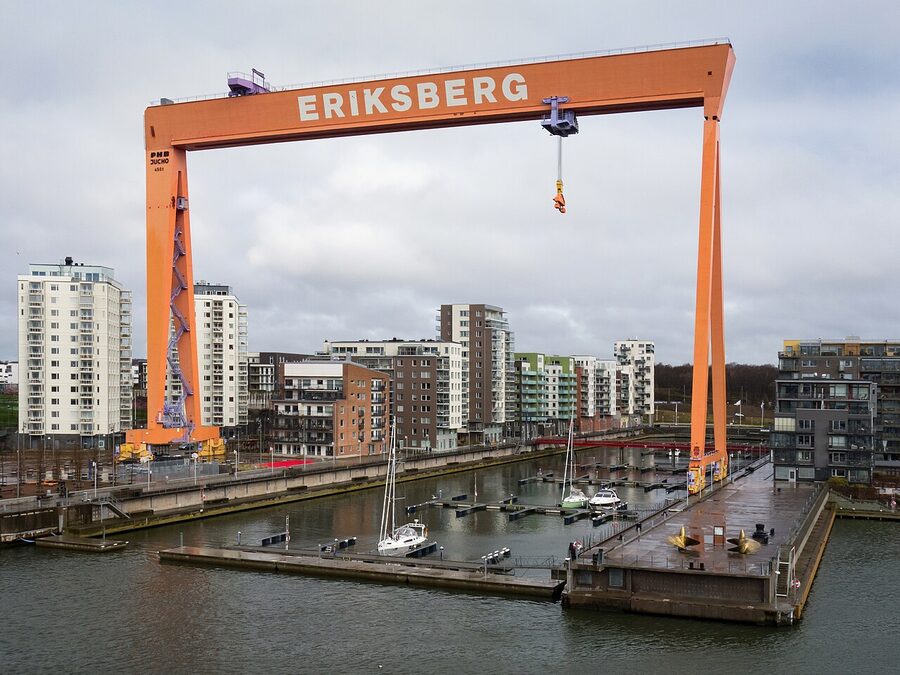

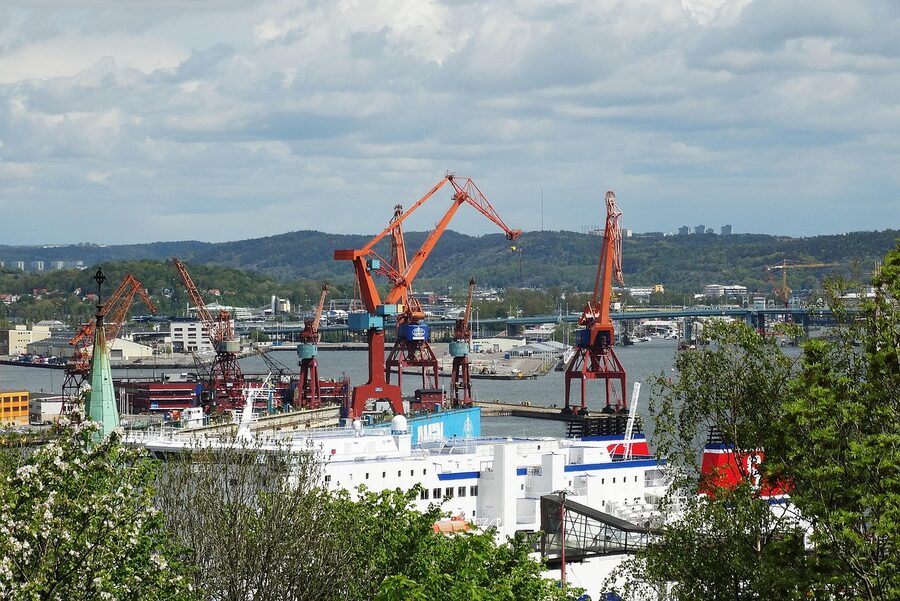
So when you take an amphibious bus tour in Gothenburg, the bus is built locally (Volvo’s commercial vehicle arm still operates here), the splashdown is on a former shipyard slipway, and the river you cruise on used to launch the ships that made this city wealthy. Stockholm has its own amphibious bus, but it operates in a sheltered downtown harbour. Gothenburg’s runs in a wide, working river, which is why the on-water portion feels so different.

What you’ll pass on the land portion
The city loop part of the tour is sometimes treated as filler by reviewers, which is unfair. It hits more of central Gothenburg in 35 minutes than most walking tours cover in two hours. Here are the actual landmarks the guide will point out.
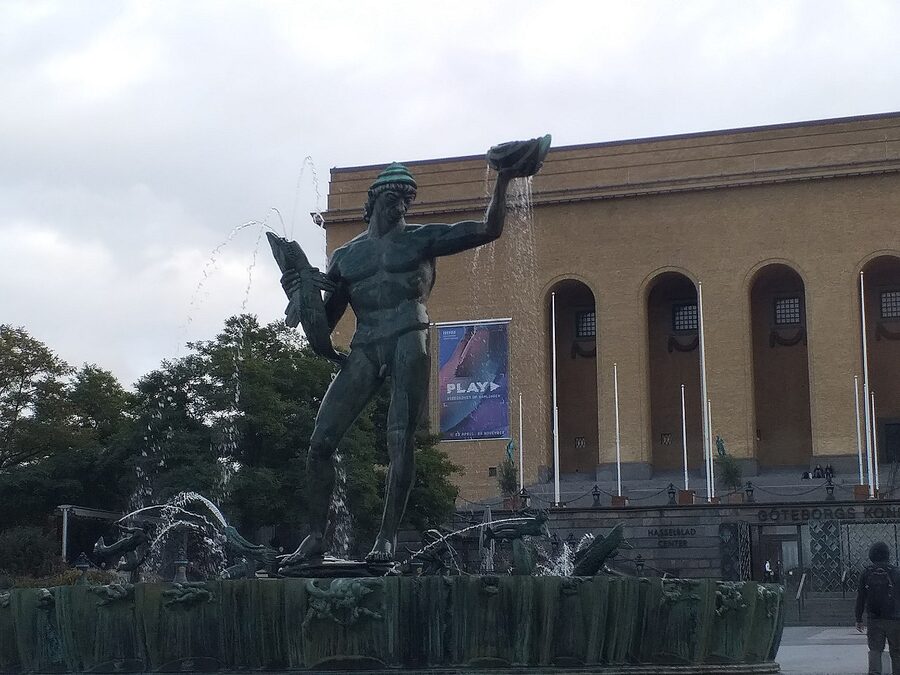

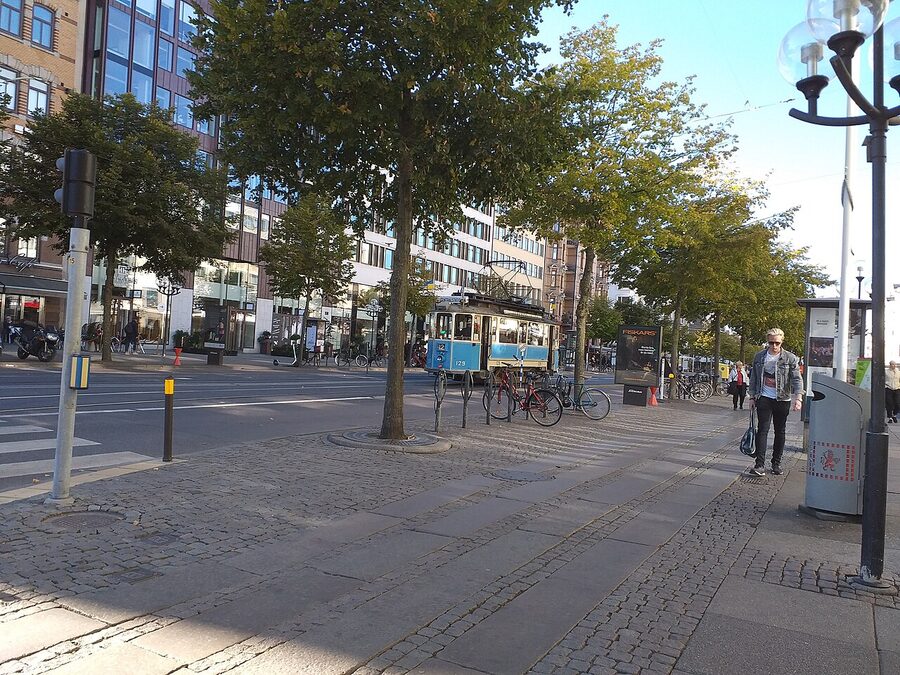
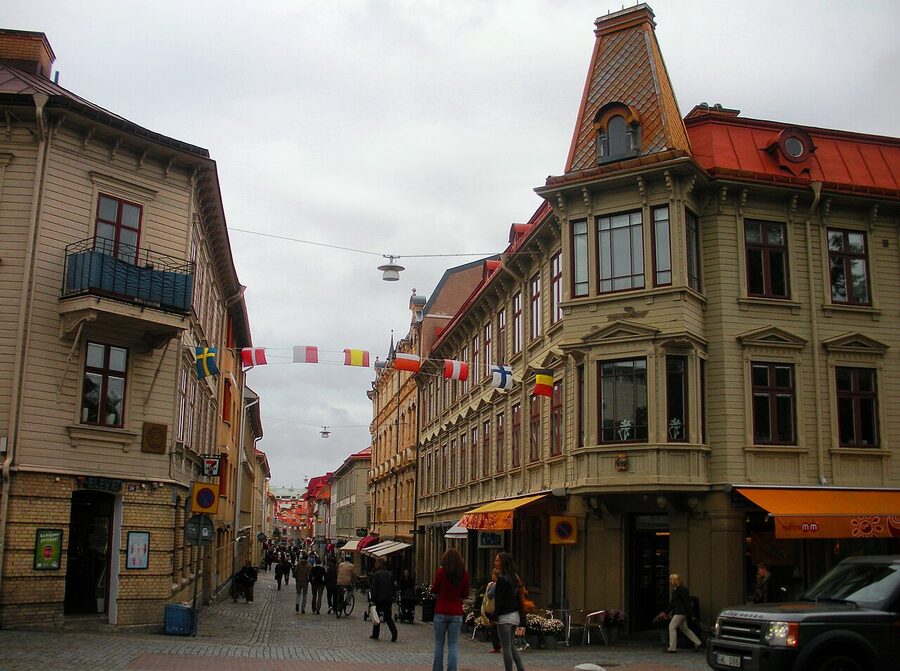
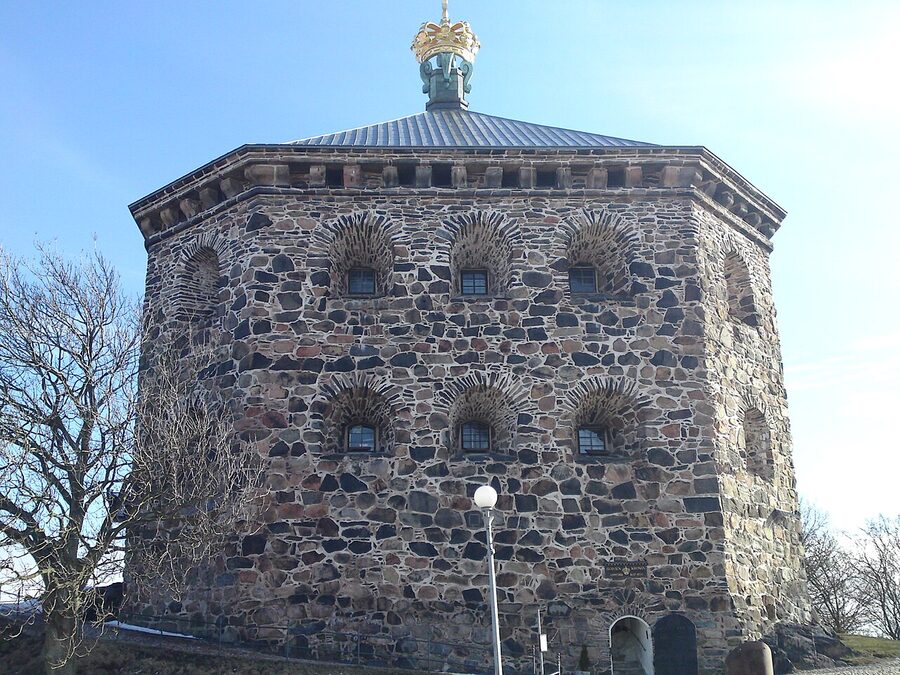
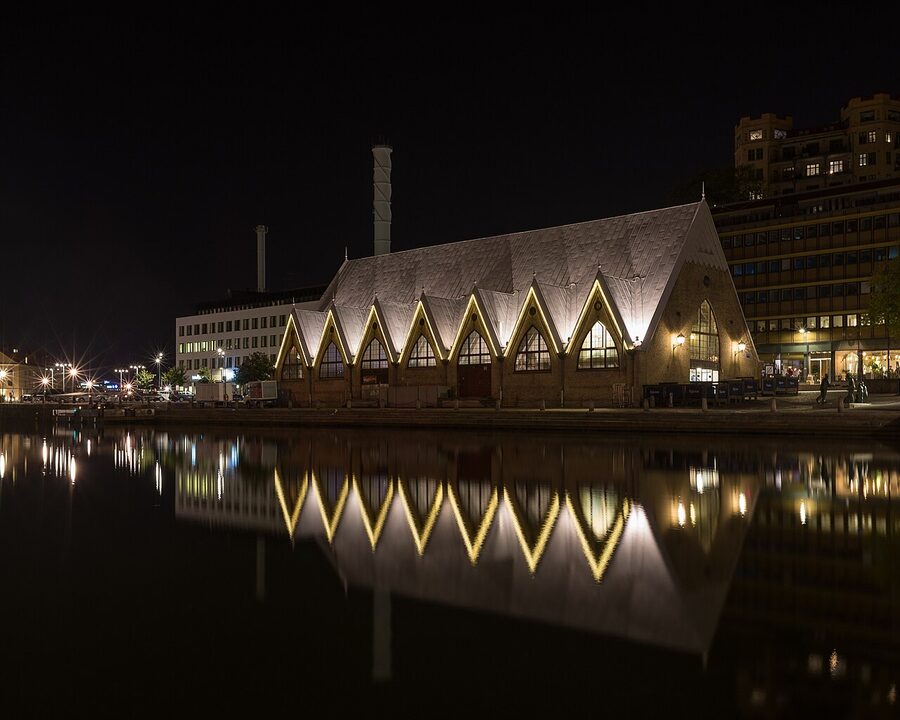
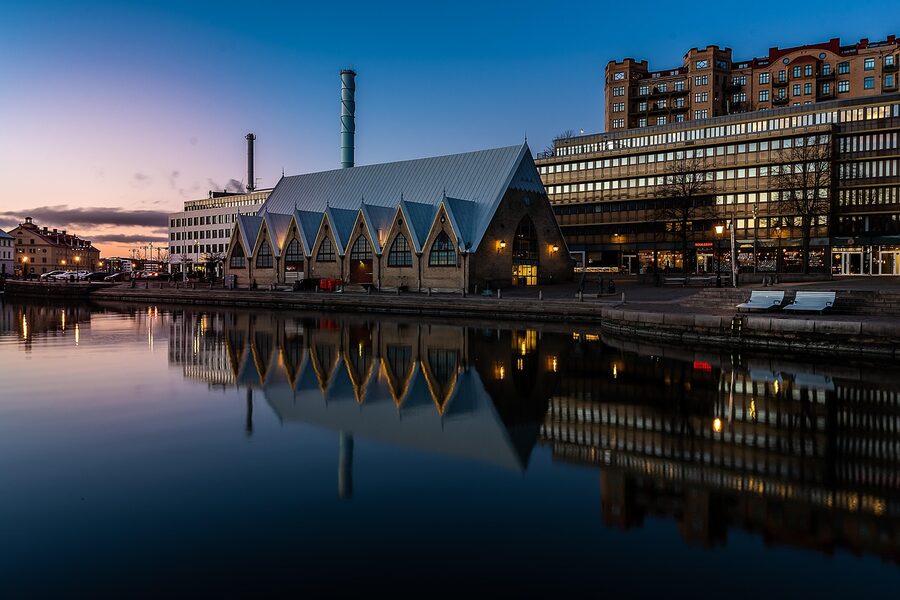
From Stora Teatern the route runs up Avenyn to Götaplatsen, swings past the art museum and the Poseidon statue, then loops back through Vasastan and Haga. You’ll pass the cobblestoned end of Haga Nygata, see Skansen Kronan up on its hill, then thread north toward the harbour via Järntorget and Feskekörka.



When to go
April through early October is the obvious window. The bus runs year-round in theory, but the November-March schedule shrinks to weekend-only departures and weather cancels things. If you only have a winter weekend, book the earliest available slot to give yourself a backup if the morning departure goes off.
The sweet spot is May to mid-September. June and July evenings are the best of all because Gothenburg’s near-midnight-sun light makes the harbour look unreal. The 7pm departure in midsummer is the best one.
Avoid: the shoulder days where it’s still cold but tourist season has started. Late April and early October can be deceptively chilly out on the river. Bring a windproof jacket regardless of the forecast.
Practical bits people forget to ask about
Toilets: there aren’t any on the bus. Use one at the Stora Teatern public restroom or at a café on Avenyn before you board. The 75-minute window with no exit is real.
Kids: the operator says ages 4 and up. Realistically, kids under 6 will love the splashdown and find the historical commentary boring. Bring snacks. The water portion is calmer than a ferry crossing, so seasickness is a non-issue.
Wheelchair access: limited. The bus has steep stairs and the upper level has no lift. Contact the operator before booking if you need step-free access; their accessibility info isn’t on the GetYourGuide listing.
Rain: it runs in light rain. The upper deck has a retractable cover that they pull over if needed. The harbour stretch in light rain is atmospheric in a Bergman-film kind of way.
Photography: the bow of the bus is the splashdown moment. The stern is the wake shot. Both are good. Middle is dead. If you only get one shot, get the wave hitting the windscreen as you splash in.
Pairing it with other Gothenburg things
The amphibious bus is short enough that you can do it as the morning hook of a busy day. A natural pairing is to follow it with a wander through Haga, lunch at Feskekörka, and an afternoon at the Universeum science centre or up at Liseberg amusement park. If you want a guide for the Haga part, our companion guide covers how to book a walking tour of Haga in Gothenburg, which fills the gaps the bus doesn’t.
For a longer water day, pair the bus with a half-day trip out to the Southern Archipelago. We’ve broken down the routes in our Gothenburg archipelago cruise guide. Different geology entirely, bare-granite islands rather than the inner harbour. If you want to compare, Stockholm has its own amphibious bus that operates in calmer water; we covered the booking specifics in how to book the Stockholm amphibious bus.
One more thing: where to stay if you’re optimising for the bus
The boarding point at Stora Teatern is in the Vasastan/Avenyn district. If you’re already booked there, you can roll out of bed and walk over. Hotels around Avenyn (Hotel Royal, Avalon, Eggers if you can get it) are all 5-10 minutes on foot. Staying in Hisingen across the river is cheaper but adds 25 minutes via tram or the new Hisingsbron bridge.
Other Gothenburg tickets and tours
If the amphibious bus is the start of your Gothenburg day rather than the whole of it, a few of the other guides in this batch will help you fill the rest. The archipelago cruise guide is the natural pairing for a longer water day. Universeum tickets covers the science centre behind Liseberg, a solid afternoon if you’ve got kids who liked the splash. And the walking tour of Haga is what to book if the bus made you want to actually get out and explore the cobblestones rather than glide past them.
If you’re comparing across Sweden’s two big sightseeing cities, our Stockholm guides cover the same kinds of attractions in the capital, including the Stockholm amphibious bus, the Stockholm archipelago, and the classic Stockholm boat tour. Same idea, different city, very different water.
Disclosure: some links above are affiliate links. If you book through them, we may earn a commission at no extra cost to you. We only recommend tours we’ve researched and would book ourselves.