
The driver doesn’t slow down when we reach the slipway. He speeds up. The yellow bus tilts forward, the windscreen fills with sky, then water, and there’s a half-second of weightlessness before the hull slaps the surface and the harbour spray hits the windows. Behind me a kid actually screams. The Swedish family in front laughs. We’re floating now, in the middle of Djurgårdsbrunnsviken, and the wheels above the waterline are still spinning.
I have done a lot of city tours. The amphibious bus is the only one where I’ve ever heard a passenger swear out loud, in delight, on the descent. If you’re in Stockholm with anyone under fifteen, or with anyone who likes a sightseeing trip with a bit of theatre, this is the one to book.
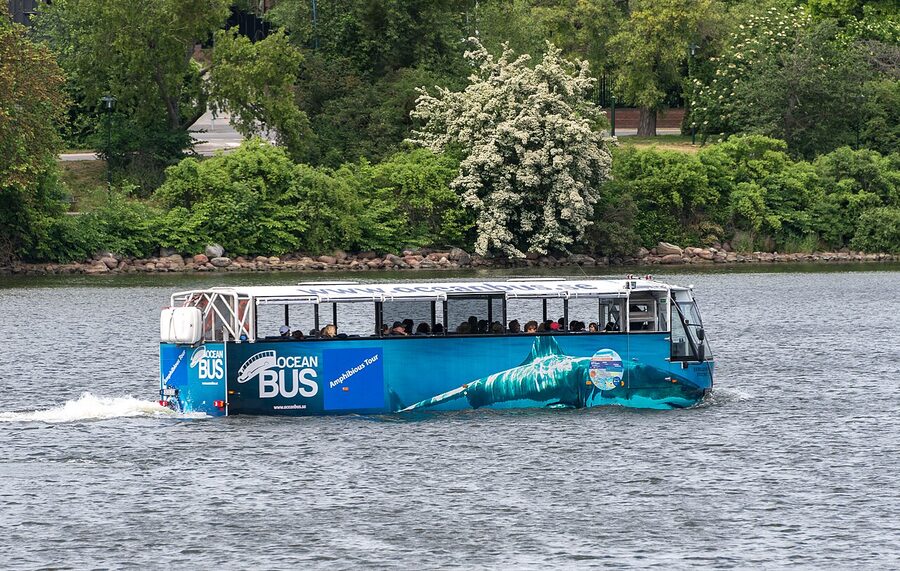

This guide covers how the tour works, where it goes, what it costs, and how it compares to a regular Stockholm boat tour or a hop-on bus. There’s only one operator running this in Stockholm right now, so booking is easier than for most things. The decisions you actually have to make are about timing, season, and whether you can get a window seat for the splashdown.
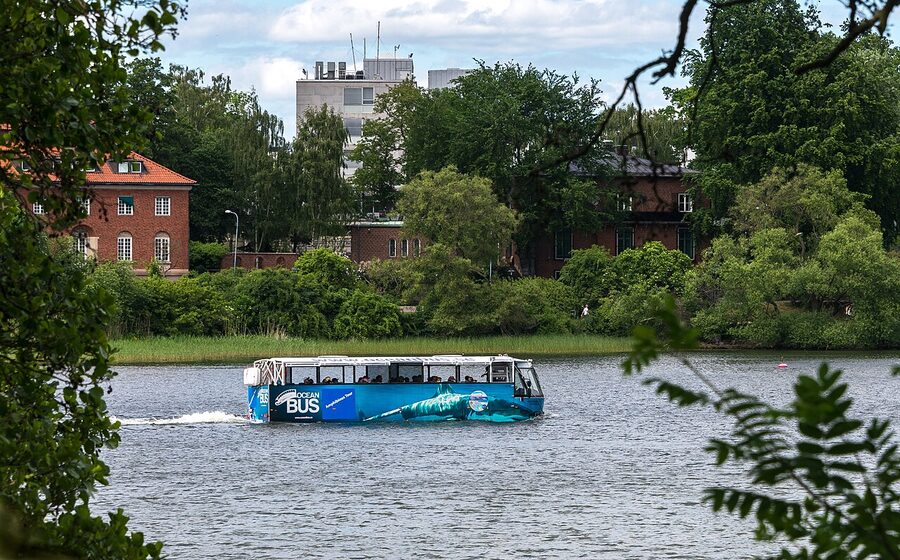


The only one running: Stockholm Land and Water Tour by Amphibious Bus, around 75 minutes, roughly 380-450 SEK adult, March to November.
- What Actually Happens on the Tour
- How to Book and What It Costs
- The Tour to Book
- 1. Stockholm: Land and Water Tour by Amphibious Bus, around 380-450 SEK
- Where the Bus Actually Goes (the Route)
- Best Time to Go
- Tips That Actually Help
- Is the Amphibious Bus Worth It Compared to a Normal Boat Tour?
- How It Fits Into a Day
- Travelling With Kids
- Accessibility
- A Quick Note on Cost
- What People Get Wrong About This Tour
- Where to Go Next in Stockholm
- Compare With Stockholm’s Other Active Experiences
- Quick Summary, If You’re Booking Right Now
What Actually Happens on the Tour
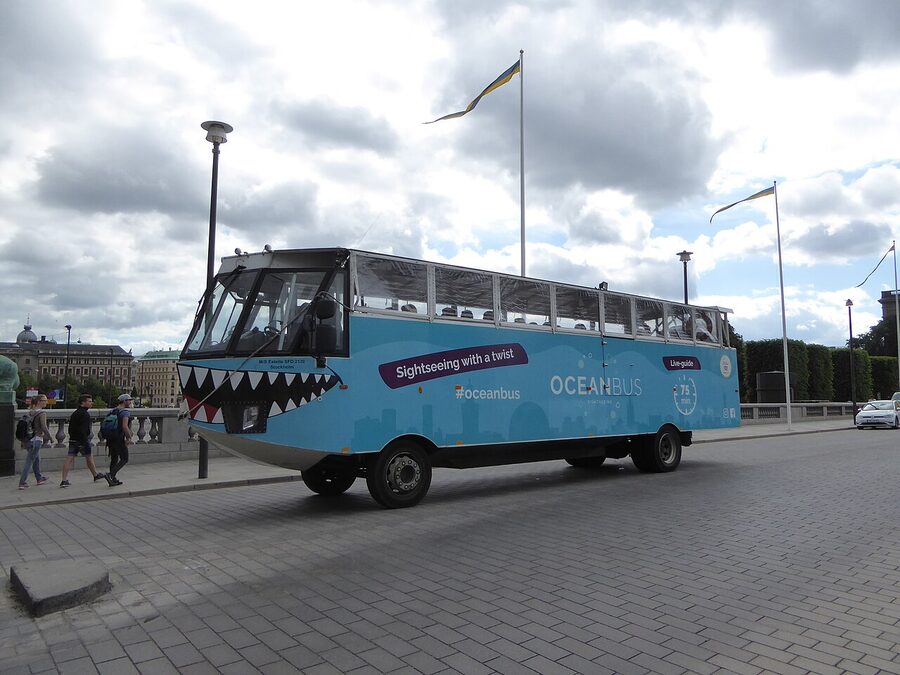
The tour starts on dry land at Strömgatan, right opposite the Royal Opera, in central Norrmalm. You board a bus that looks like a bus, except for the suspiciously high ride height and a hull where the underside should be. There’s a driver up front and a guide on the microphone, and the windows are big enough that nobody’s stuck without a view.

For the first half (about 35 minutes) you do a short city loop on the road. The route covers the Royal Palace, Stureplan, Norrmalm, the bridge over Norrström, and the edge of Östermalm. The guide keeps it moving, switching between Swedish, English, and a third language depending on the booking, with the kind of dad jokes that work on a sightseeing bus and absolutely nowhere else.
Then you turn off the road, drive down a slipway by Djurgården, and the bus enters the water. That moment is the whole reason this product exists. People film it, kids shout, the family across the aisle reaches for someone else’s hand. It happens fast.
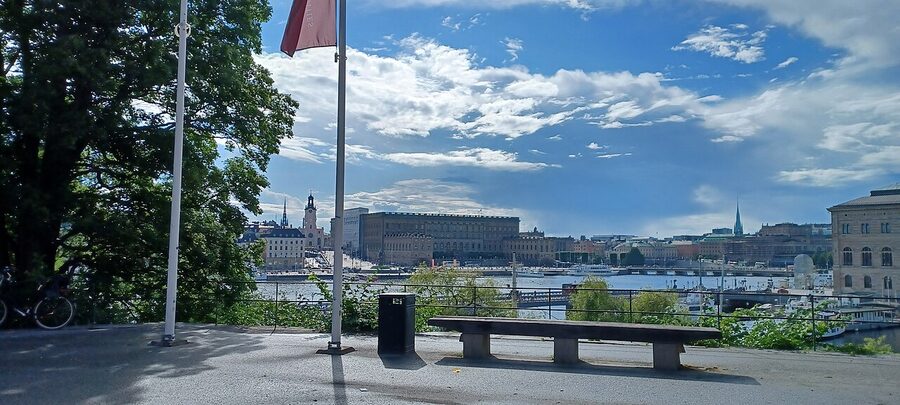

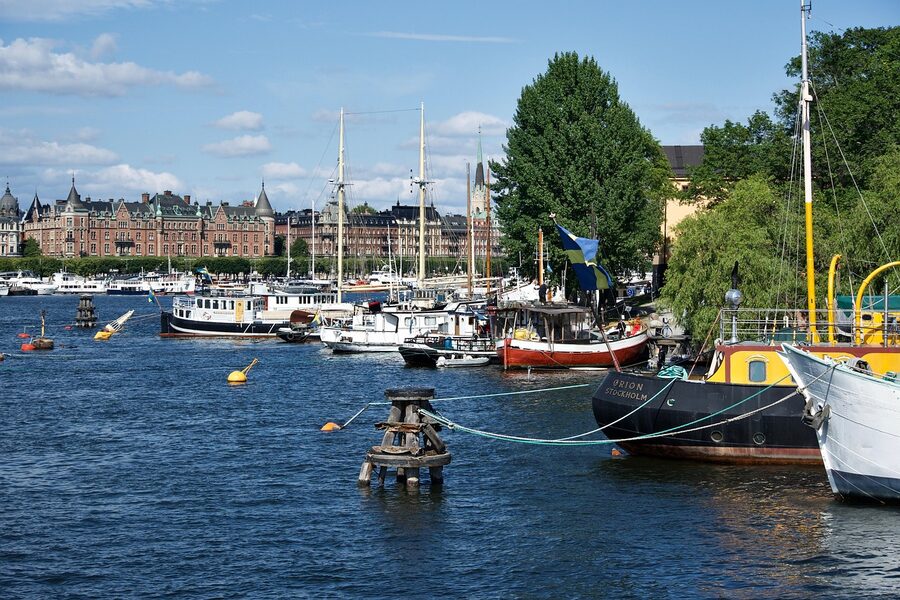
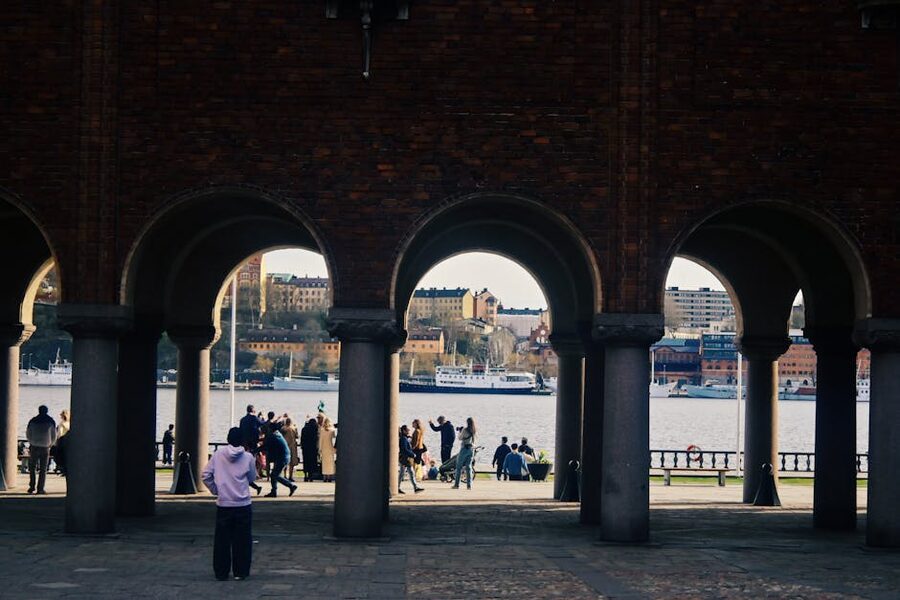
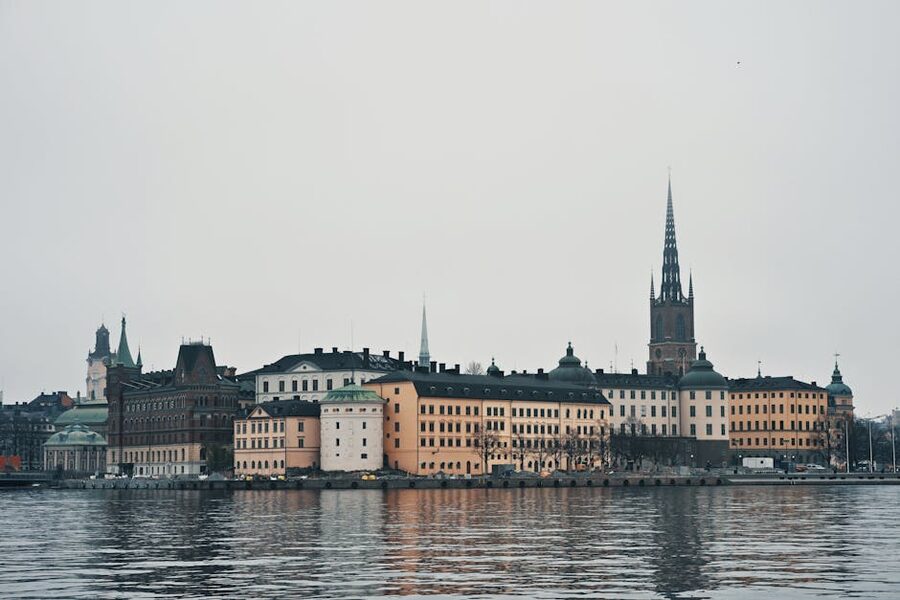
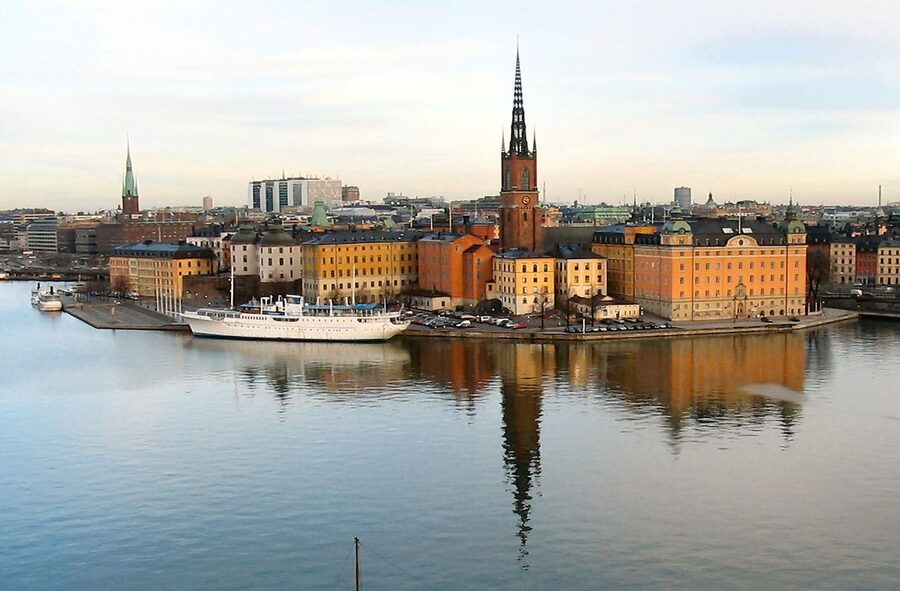
The water section then swings around Djurgården, the green island that holds Skansen, the Vasa Museum and the ABBA Museum. You float past Skeppsholmen, get the Gamla Stan skyline from the harbour side, and circle back. The whole thing wraps up where it started, around 75 minutes after you got on.
How to Book and What It Costs
Stockholm has one operator running this. Don’t waste time comparing twenty options the way you might for a boat tour or a hop-on bus. Book the slot you want and turn up.
Adult ticket prices sit at around 380-450 SEK depending on season, with kids on a discount and family-of-four bundles. That’s roughly the same as a 24-hour hop-on bus pass and noticeably more than a single one-hour boat cruise, but you’re getting both at once and the splashdown novelty is the bit you actually pay for.
The tour runs from late March through November, and not at all in winter. The slipway gets dicey in ice, and the harbour is no fun at minus eight. If you’re in Stockholm in December or January, this isn’t the activity. Pick a ghost walk through Gamla Stan instead, or one of the indoor museum tickets that hold up in any weather.
Departures are usually four or five times a day in summer, fewer in shoulder season. Tickets do sell out in July and August, especially for the late-afternoon slot when the light is good for photos. Two days ahead is fine for May or September. For July, go a week ahead if you can.
The Tour to Book
1. Stockholm: Land and Water Tour by Amphibious Bus, around 380-450 SEK
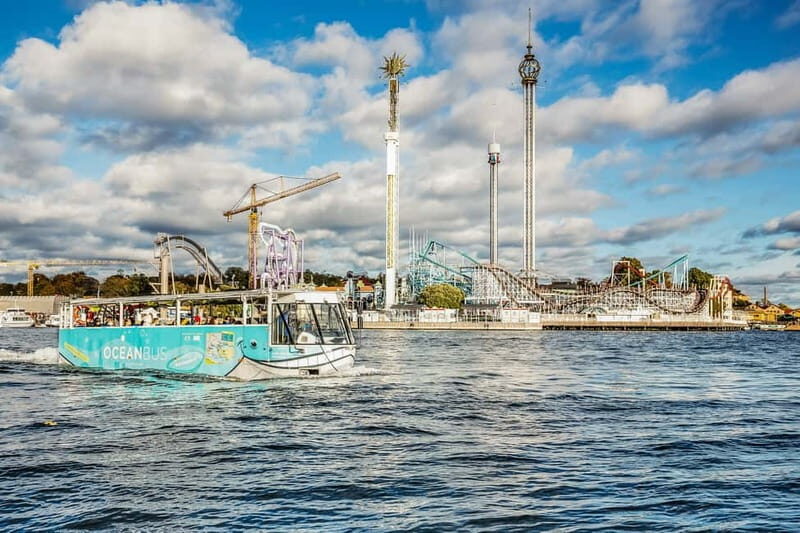
This is the only product of its kind running in Stockholm and you’re not really shopping around, you’re just deciding when to go. Our full review covers what the guides are like and which seats give you the best photos. About 75 minutes, picks up next to the Royal Opera, runs March to November. Bring a light layer, it’s breezier on the water than you expect.
One tour card, one operator. Honest answer beats fake choice. If you want a more conventional sightseeing experience, see the comparison further down.
Where the Bus Actually Goes (the Route)
The land section is short on purpose. The water section is the headline. Here’s the rough order of what you’ll see, though the operator does adjust the loop slightly depending on traffic and on which slipway is being used that week.
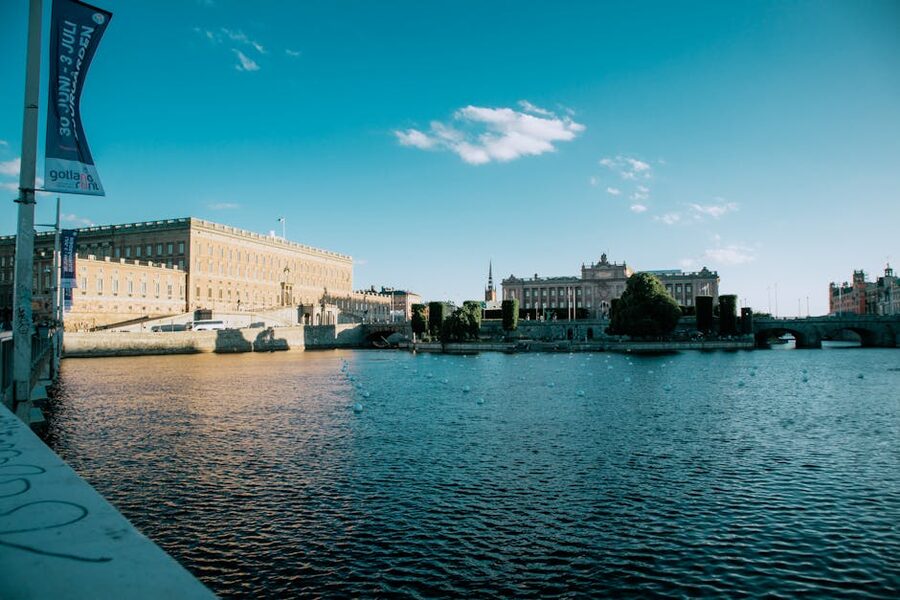
Land leg, around 35 minutes: board near the Royal Opera, drive past the Royal Palace, swing through Norrmalm, cross over Norrbro, brush the edge of Östermalm and Stureplan, then head out toward Djurgården for the slipway. The pace is brisk because the second half is the whole point. Don’t expect to dwell on any one street.

Splashdown: the slipway descent takes maybe 30 seconds end to end. The hull bites the water with a real lurch and there’s a brief sloshing as the wheels stop and the propeller spins up. This is the moment everyone has phones out for.
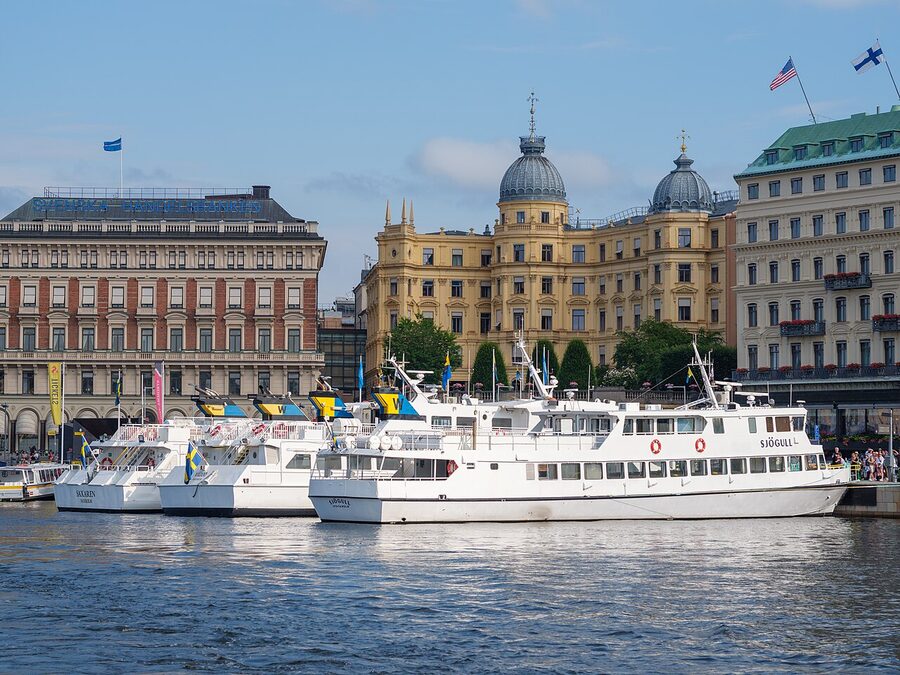
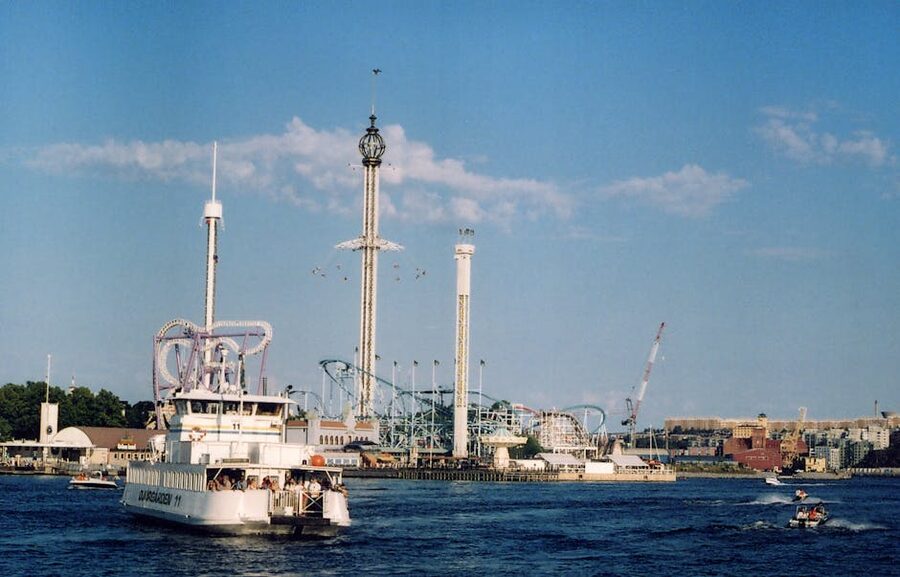
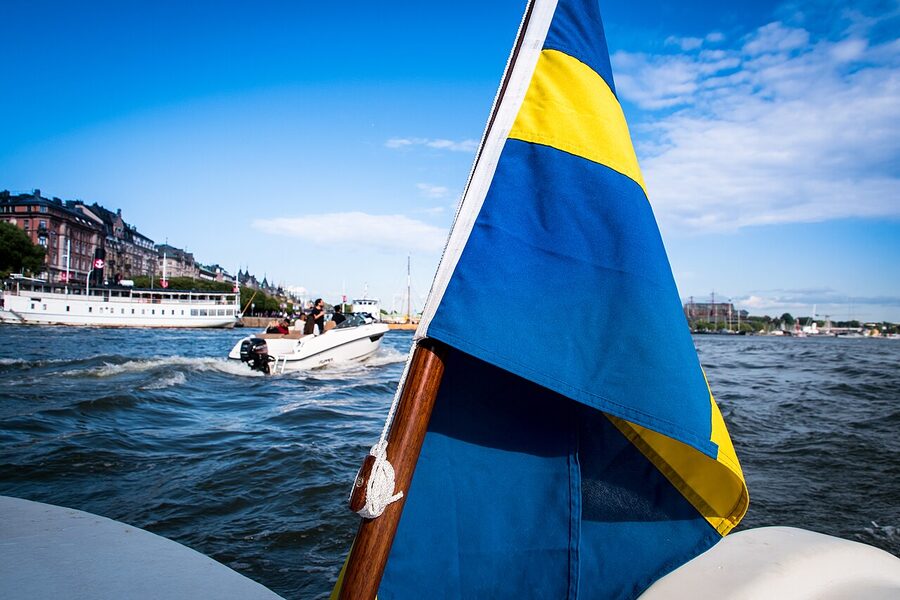
Water leg, around 35 minutes: floating around Djurgårdsbrunnsviken, then out into the main harbour. You skirt the Djurgården shoreline (you’ll see the Gröna Lund big wheel, the Vasa Museum’s distinctive masts, the Nordiska Museum), pass Skeppsholmen, get a long view of Gamla Stan from the water, and loop back.
_-_Flickr_-_Maria_Eklind.jpg)
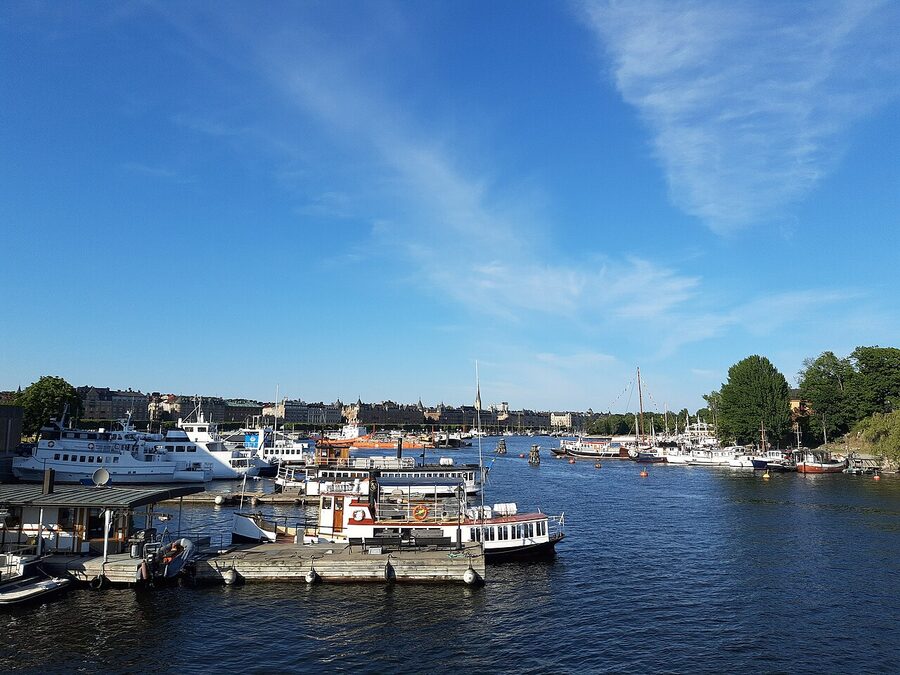

Re-emerge: the bus drives back up the slipway, this time without ceremony. The dramatic moment only goes one way. You’re on the road again, you reach the drop-off, and that’s the tour done.
Best Time to Go
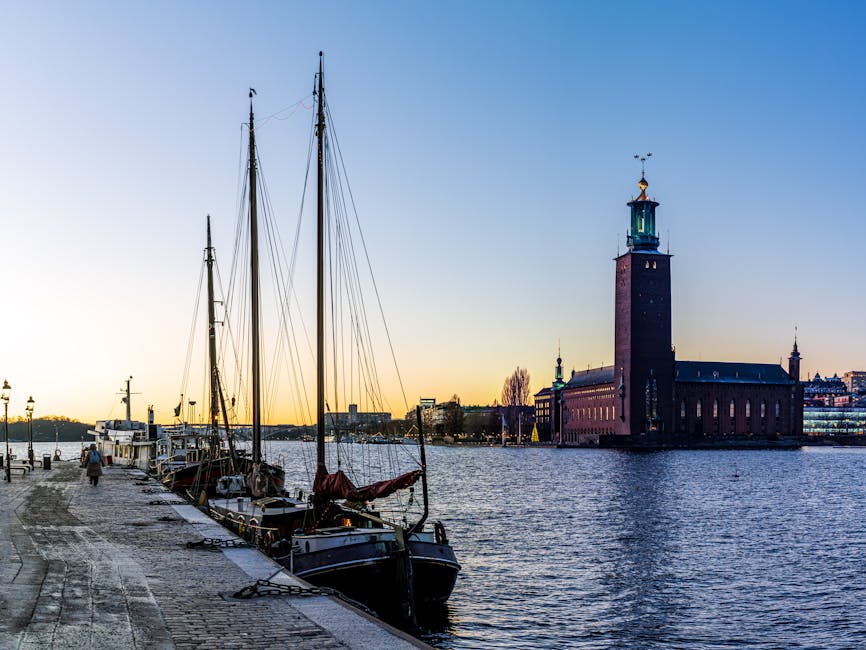
If you can pick your slot, late afternoon between 4pm and 6pm is the sweet spot. The light hits Gamla Stan from the right angle and the tour groups have mostly cleared. Morning slots are cooler and quieter, but you don’t get the same colour off the water.
For families, the 11am or noon slot is solid because kids haven’t been dragged around all day yet and the splashdown reaction is louder when they’re alert. We sat in front of a four-year-old who genuinely thought the bus was breaking. He recovered well.
Months that work best:
- May to early June: long days, mild water, fewest crowds. The trees are out on Djurgården and the harbour is calm.
- Late June to August: warmer, more departures, but you do need to book a few days ahead.
- September: underrated. The light is honestly the best of the year and the tour runs at full schedule until late in the month.
- October: reduced schedule, expect cooler water, layer up.
- November: the tail end. Some seasons it stops mid-November, some seasons end of November. Check before you book.
Skip it if there’s heavy rain forecast. The water leg gets choppy and you spend the second half wiping the windows. Light drizzle is fine, the bus is fully enclosed and you stay dry the whole time.
Tips That Actually Help
Most of these I learned the second time I did the tour, when I’d stopped trying to film everything and started paying attention.
Pick a window seat. Both sides see the splashdown and both sides see the water leg, but the views are different. Right side gets more of the Djurgården shoreline, left side gets more of Gamla Stan. If you’re filming the splashdown, sit forward right, not back, the angle matters.
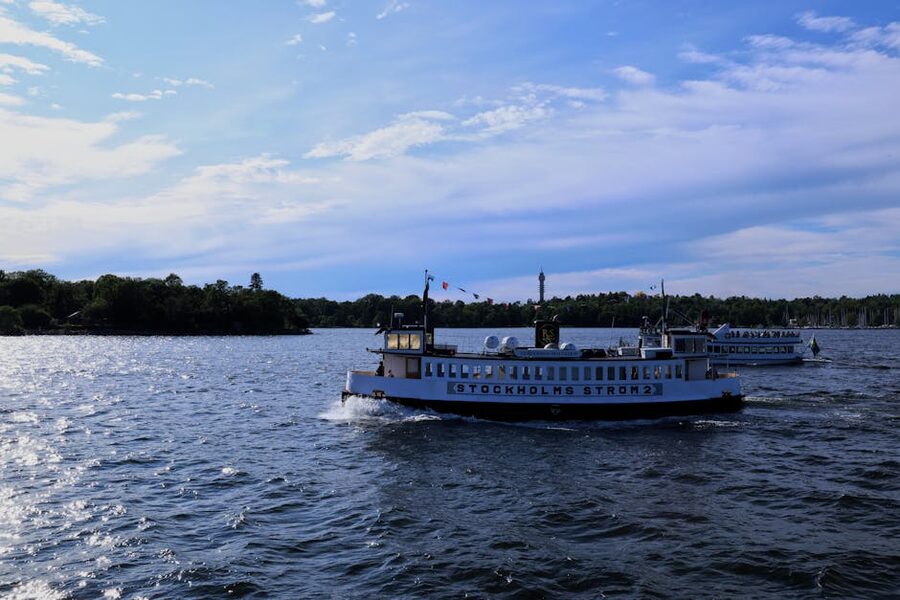
Don’t sit at the back. The back of the bus is louder, has more engine vibration on the water, and the rear windows angle awkwardly. Forward third gives you the best of both legs.
Bring a thin layer. Even on warm days the air comes through the slightly open windows once you’re floating, and the harbour breeze is real. A light jumper is fine, you don’t need a coat.
Phone, not big camera. The splashdown is over in three seconds. By the time you’ve fumbled with a real camera, you’ve missed it. Phone in burst mode, held up against the window, gets you a usable shot every time.
Eat first. There’s no toilet on board and no break in the route. Coffee an hour before is fine, a beer with lunch and you’ll regret it in the third quarter.

Arrive ten minutes early. Boarding is at the kerb and they don’t hold the slot. Stockholm traffic can be unpredictable, especially on a Thursday afternoon. Don’t try to cut it fine.
Mention birthdays and kids’ first amphibious anything. The crew tend to make a thing of it. Worth a try.
Is the Amphibious Bus Worth It Compared to a Normal Boat Tour?
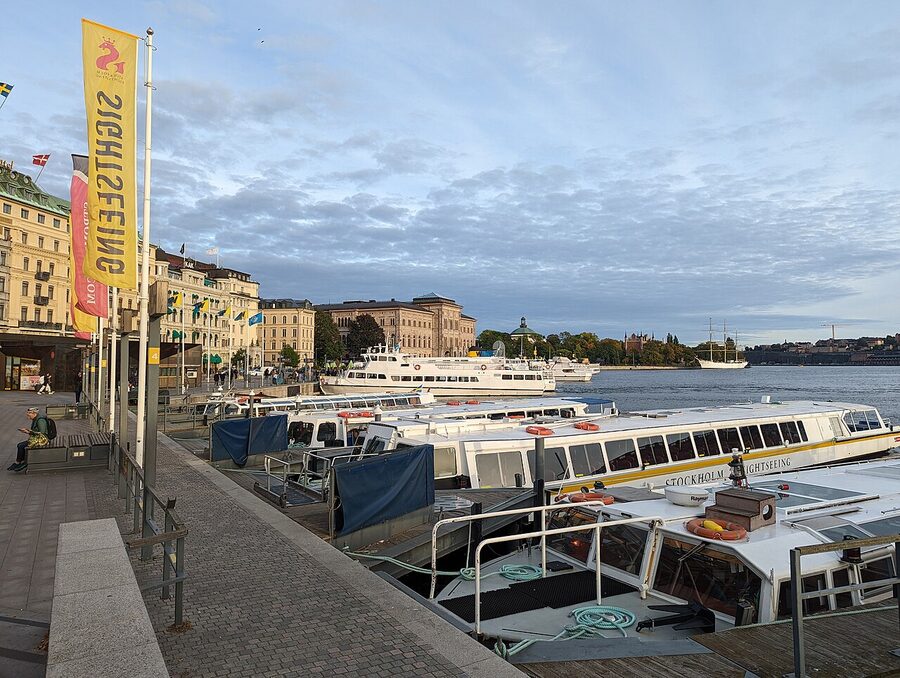
Here’s where I have to be honest. As a sightseeing experience pure and simple, a regular Stockholm boat tour gives you more harbour for less money. The classic Stockholm boat tour around Royal Bridges covers more of the same waters, with better seats, for fifteen minutes longer.

And as a city overview, a hop-on hop-off bus covers more ground, lets you get off at Skansen or the Vasa, and runs for a longer window of the day. If your goal is to see Stockholm efficiently, those are better tools.
So why book the amphibious bus? Because it does the one thing those don’t, which is give you the moment of transition. The lurch. The kid screaming. The half-second of weightlessness. That’s worth the premium if you’re travelling with anyone who’d remember it for years, and it’s also worth it on a third or fourth trip when you’ve already done the standard sightseeing and want something with a story attached.
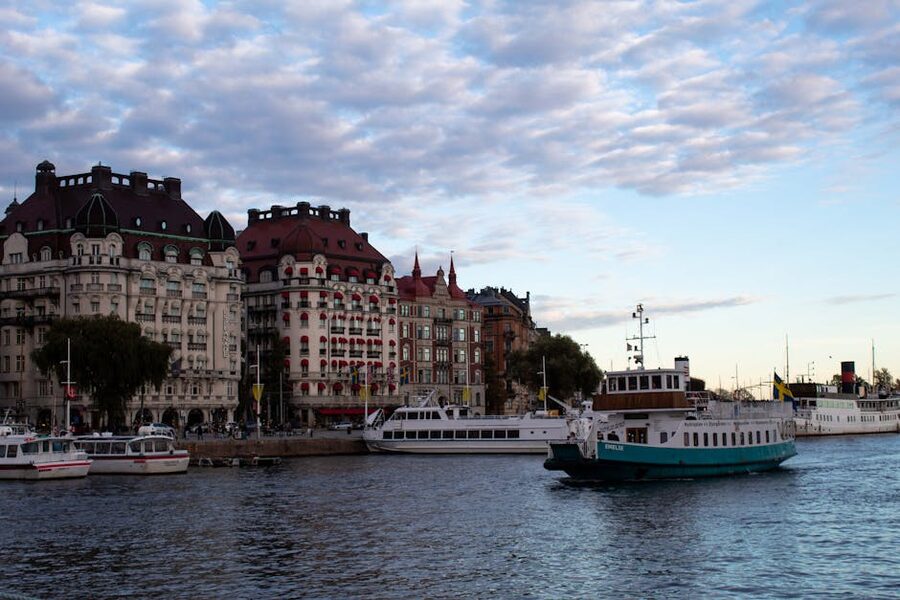
One specific case where it really earns its keep: rainy days when you can’t bear the thought of another museum. The bus is fully enclosed, the windows seal, and the entertainment value is immune to weather as long as the harbour itself isn’t choppy.
How It Fits Into a Day
The amphibious bus is 75 minutes, plus maybe 20 minutes of margin around it. That leaves a lot of day to plan around. Two patterns work well.
Morning departure plus Djurgården: do the 11am bus, get off in central Stockholm at 12.30, walk over to Djurgården (or take the tram from Sergels Torg) and spend the afternoon at the Vasa Museum followed by Skansen open-air museum. The bus has already given you the harbour-side view of these from the water, so you arrive at the Vasa knowing exactly where it sits in the geography.
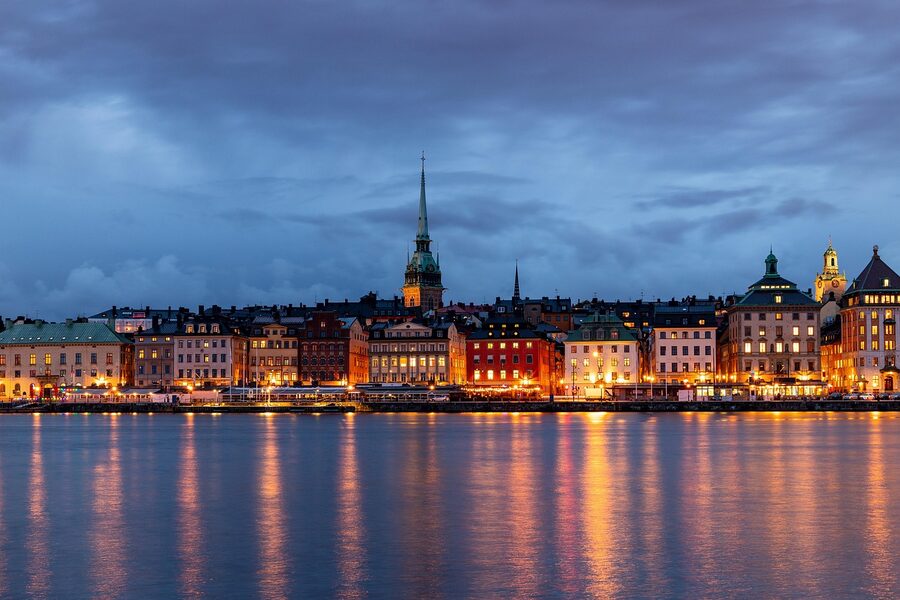
Late-afternoon departure plus Gamla Stan dinner: book the 4pm or 5pm slot, end the tour around 5.30pm with the harbour at its best, then walk straight into Gamla Stan for dinner. A walking tour of the Old Town earlier in the day primes you for what you’ll see from the water, and means you’re not doing both city perspectives back to back.
If you’re seeing Stockholm in two or three days, this works best on day two or three, after you’ve already orientated yourself by foot and have the city’s geography sketched in your head. Doing the bus on arrival is fine, but you get more out of it once you know which island is which.
Travelling With Kids
This is one of the few Stockholm tours that works equally well for adults and for children. Most boat tours are too sedate for under-eights, and most walking tours are too wordy. The amphibious bus gives kids a single moment to remember and 70 minutes of stuff happening around it. Even the most distractable five-year-old usually keeps it together for that.
Some practical points if you’re travelling with younger ones:
- Strollers fold and go up front. The aisle isn’t wide.
- Kids 2 and under usually sit on a parent’s lap.
- Booster seats aren’t provided, so very small kids might struggle to see out the windows when the bus is on the road.
- The splashdown does scare some toddlers, briefly. They mostly recover laughing.
- There’s no on-board toilet. Plan accordingly.
If you’re rolling through Stockholm with a family, pair this with the ABBA Museum on Djurgården, which works for almost any age, or with Skansen, where kids can see Nordic farm animals and lose half a day in the playgrounds.
Accessibility
The bus is wheelchair accessible up to a point, and the operator does try, but the seating layout is fixed and the slipway descent involves a hard-edged tilt that isn’t ideal for everyone. If accessibility is your main concern, contact them directly before booking. The classic Stockholm boat tour is the easier alternative.

A Quick Note on Cost
If you’re doing a lot of attractions in Stockholm, the Stockholm Pass sometimes covers the amphibious bus tour as one of its inclusions. The maths usually only works if you’re stacking three or four big-ticket activities into a single day. For just the bus, you’re better off buying the ticket direct.
The pass is more useful if you’re already planning to do the Vasa, Skansen, ABBA Museum and a hop-on bus, with the amphibious bus as a fifth bonus. In that case the pass starts paying for itself.
What People Get Wrong About This Tour
A few things worth saying out loud, because they trip up first-time bookers.
It is not a duck tour, despite the name. The “duck tour” name comes from old US military DUKW vehicles. The Stockholm version uses purpose-built modern amphibious buses, not a converted military vehicle. The ride is smoother, the cabin is fully enclosed, and the noise level is much lower than the wartime original.

You don’t get out at any of the landmarks. Some people book this expecting a hop-on hop-off setup. It isn’t. You get on at the start, you get off at the end. The route is one continuous loop. Use the regular hop-on bus or the boat tours if you want to actually disembark anywhere.
The “stunning vistas” claim is a bit oversold. Some of the marketing copy makes the harbour views sound like the main event. They’re nice, but most central Stockholm waterfronts give you similar harbour scenery. The novelty of the vehicle is what you’re paying for. Manage expectations on that front and you’ll come out happy.
It is not actually that thrilling. The splashdown is a lurch, not a drop. Anyone old enough to ride a kid’s roller coaster will be fine. There’s no genuine adrenaline-tour content here, this is a sightseeing tour with a fun moment.
Where to Go Next in Stockholm
If the amphibious bus has whetted the appetite, the obvious sequels are the rest of the central Stockholm experiences. The classic boat tour around Royal Bridges covers the harbour you’ve just glimpsed in more depth, with a guide who has more time per landmark. The hop-on hop-off bus works as the practical city overview if you didn’t quite get your bearings on the amphibious loop.

For a totally different angle, a day trip out into the Stockholm archipelago is the natural next step if you’ve enjoyed the harbour and want the full thing, hours rather than minutes on the water. And if you want to know the city before you see it, a walking tour of Stockholm sets you up for everything else.
If you’re in town with a family, pair the amphibious bus with the Vasa Museum, the Skansen open-air museum, and the ABBA Museum. All three sit on Djurgården, which the amphibious bus floats past, so the geography clicks once you’ve seen them from the water.
Compare With Stockholm’s Other Active Experiences
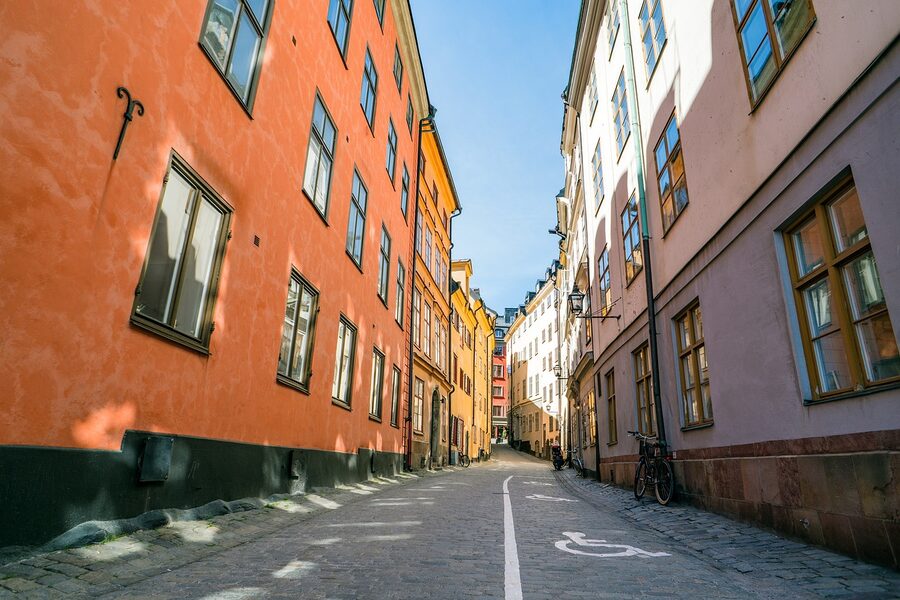
One other reason to book the amphibious bus rather than a more passive sightseeing option: it’s part of a small set of Stockholm tours that have a proper “moment” at the centre of them. A bike tour of Stockholm gives you the same kind of active discovery on land, covering Djurgården, Långholmen and parts of Södermalm that you don’t see from a bus. A food tour through Östermalm and Gamla Stan works well in the evening, after a daytime amphibious bus tour, and gives you the city through what people eat. And the Gamla Stan ghost walk covers some of the same Old Town streets you’ll have seen from the water, but with stories that wouldn’t make it onto a daytime tour.
If you’re mapping out a Stockholm trip, a sensible blend is one harbour experience (amphibious bus or boat tour), one ground-level experience (walking tour or bike tour), and one museum-heavy half-day on Djurgården. That covers the city’s three main angles without doubling up.
Quick Summary, If You’re Booking Right Now
You want the Stockholm Land and Water Tour by Amphibious Bus. It’s run by one operator. It’s around 380-450 SEK depending on season. It runs March to November. It’s 75 minutes door to door. It picks up by the Royal Opera in central Norrmalm. The splashdown into Djurgårdsbrunnsviken is the moment everyone remembers.
Window seat, forward third, light jumper, phone ready. Late afternoon if you can get it, late spring or early autumn if you have flexibility. Don’t bother in winter, it doesn’t run. Don’t expect to get out anywhere, it’s a single loop. Don’t expect adrenaline, it’s a sightseeing tour. Do expect to laugh out loud at the slipway, even if you don’t think you will.
And if it’s a rainy Stockholm day and you’re trying to find something that doesn’t involve another museum, this is the one. The bus stays dry, the harbour view holds up, and you get an hour and a quarter of something genuinely strange to talk about over dinner.
Affiliate disclosure: this post contains affiliate links. If you book through them we earn a small commission at no extra cost to you. We only recommend tours we have personally vetted.