Amanohashidate, Ine, and Miyama make an unusually varied day out: a sea-crossed sandbar, a fishing village with boathouses built over the water, and a mountain settlement of thatched homes. You get a taste of northern Kyoto far beyond the city’s temples, without having to plan a complicated route yourself.
I like the mix of distinctive scenery and local life, and the boat ride adds a playful change of pace to the day. The trade-off is distance: from Osaka or Kyoto, much of this 10.5-hour outing is spent on the bus, so expect brief visits rather than a slow exploration.
- The short version
- Three sides of northern Kyoto in one day
- Amanohashidate: sandbar, shrine, and chairlift
- The sightseeing boat and its lively escort
- Ine: a fishing village built at the water’s edge
- Miyama: a quiet change from coast to countryside
- How the bus day works
- What the price covers, and what it does not
- Who will get the most from this trip
- Should you book it?
- FAQ
- How long is the tour?
- Where does the tour depart from?
- Are the cable car and boat tickets included?
- Is lunch included?
- How much time is spent at each stop?
- What languages does the guide speak?
- Is the tour suitable for wheelchair users or strollers?
- Can I bring luggage?
- What happens if I arrive late?
- The Best Of Kyoto!
- More 1-Day Tours in Kyoto
- More Tours in Kyoto
- More Tour Reviews in Kyoto
The short version
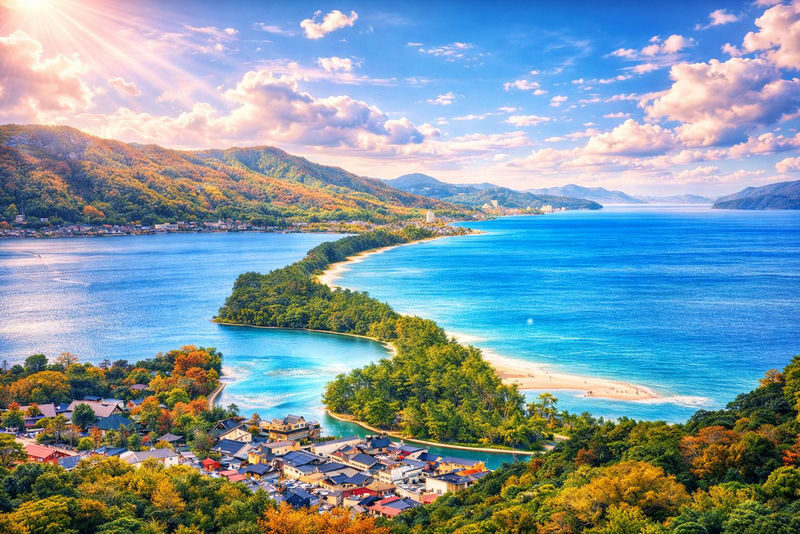
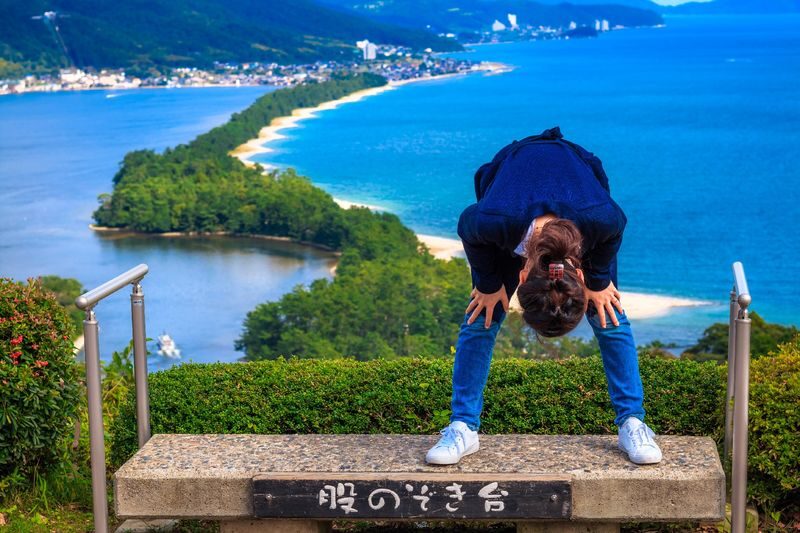
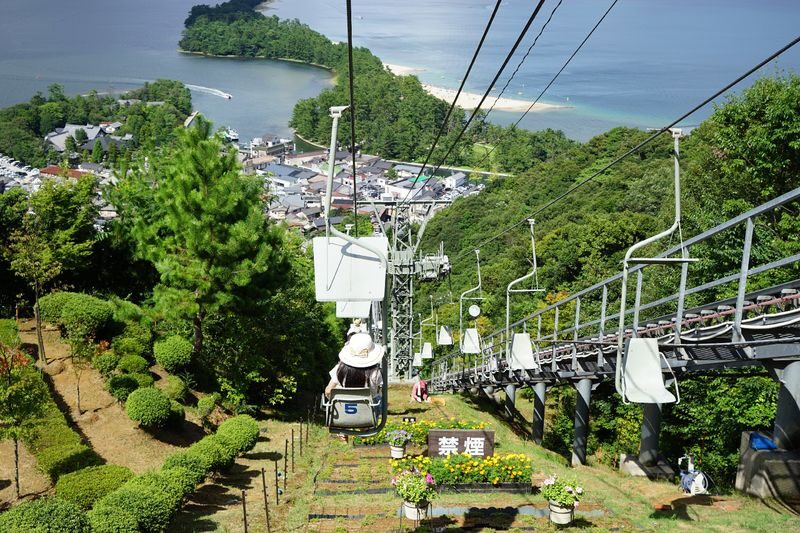
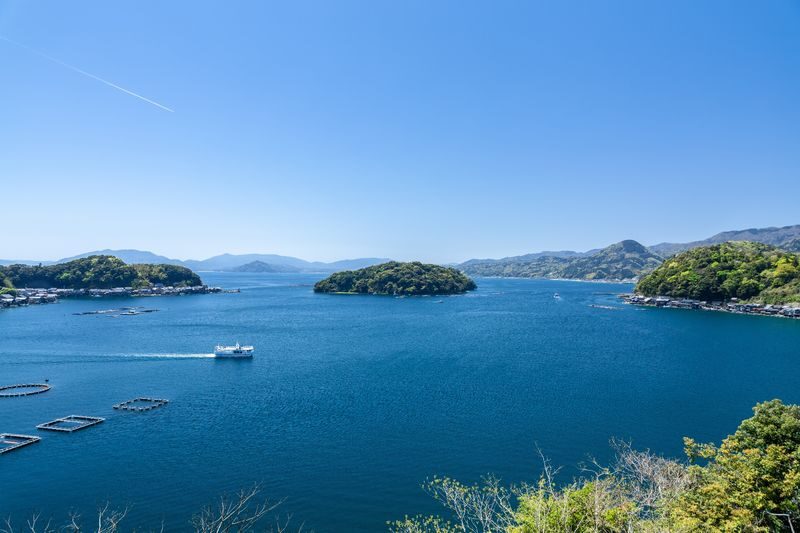
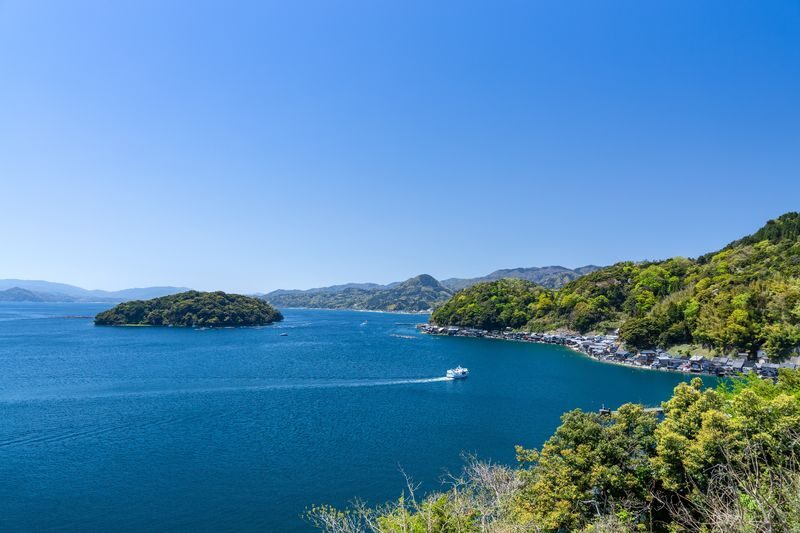
- Amanohashidate from above: Ride a chairlift to Kasamatsu Park and try the traditional upside-down viewing pose for the sandbar.
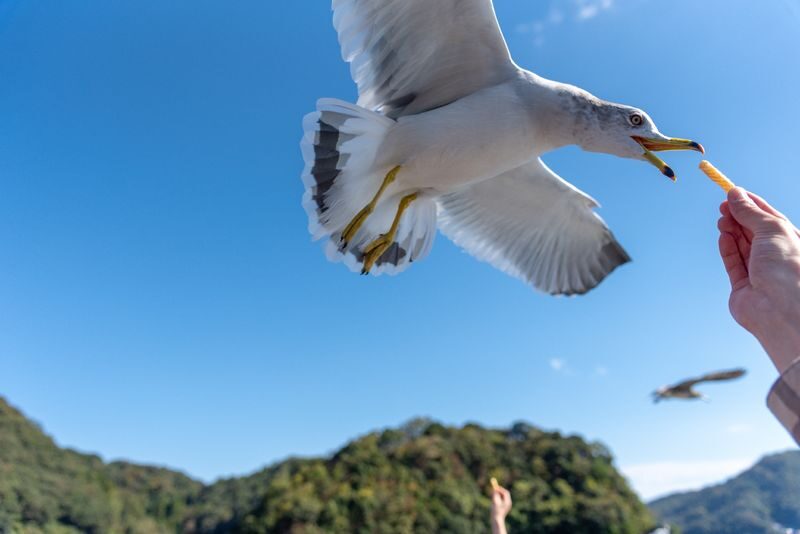
- A boat among the gulls: The sightseeing cruise gives you a different view of the coast, with seabirds often flying close to the boat.
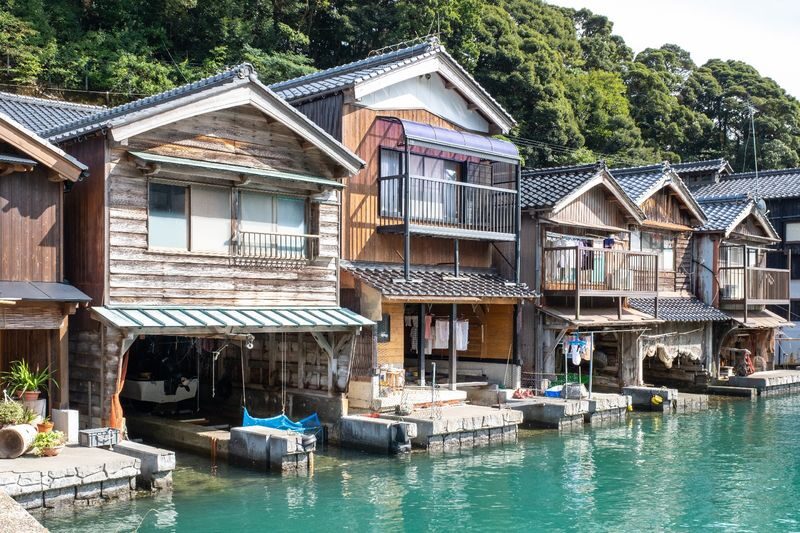
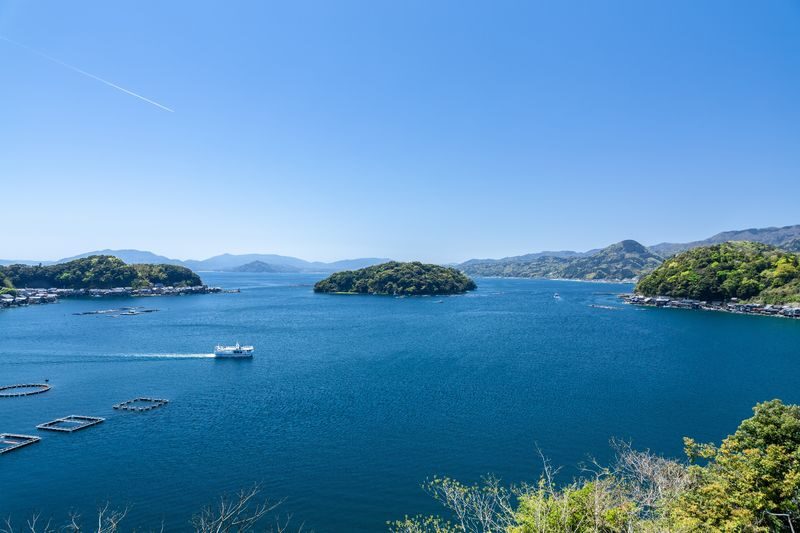
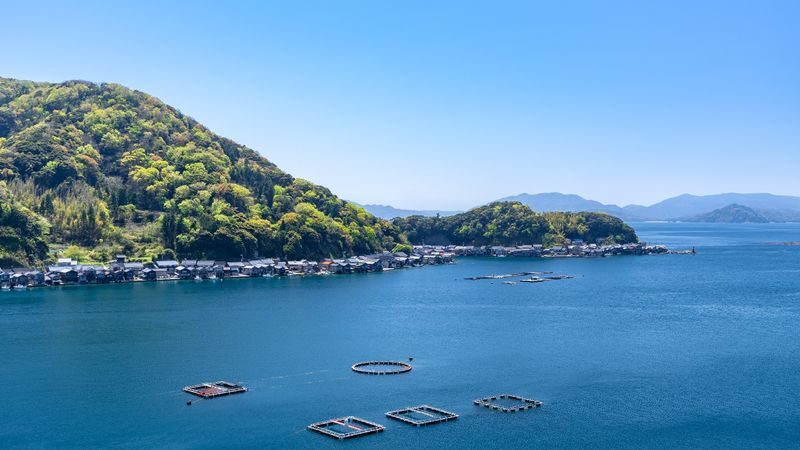
- Ine’s waterside homes: See the distinctive Funaya boathouses, where homes meet the water along Ine Bay.
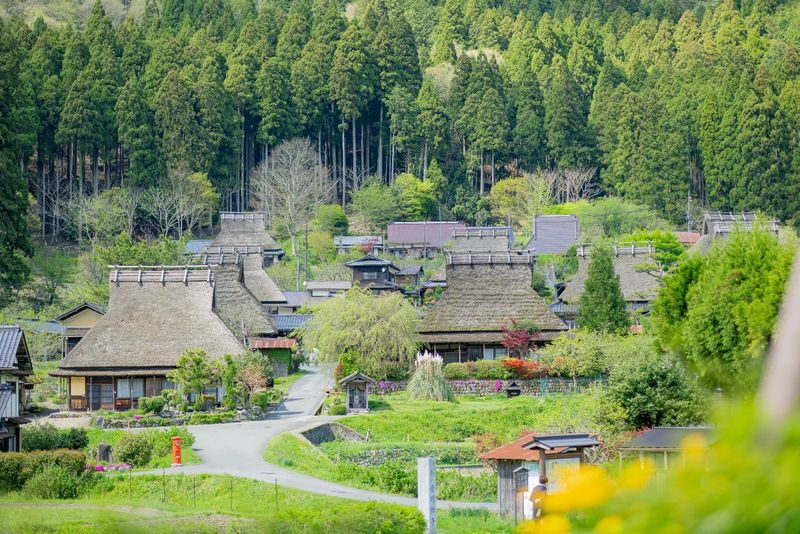
- Miyama’s thatched roofs: Walk through Kayabuki no Sato, a small mountain village with dozens of traditional thatched homes.
- A full day, not a leisurely one: Transfers, tolls, parking, and fuel are included, but meals and some attraction tickets are not.
👉 See our pick of the We Rank Kyoto’s 15 Top Workshops & Classes
Three sides of northern Kyoto in one day
This tour is designed for seeing three far-flung places in a single outing. Amanohashidate brings the headline view, Ine offers a working coastal setting, and Miyama shifts the mood from sea to mountain village. Each stop feels different, which helps the day avoid becoming a string of similar photo breaks.
The convenience is real. Reaching all three places independently takes route planning and coordination, while this trip handles the transfers and gives you a guide for directions and timing. Guides work in English or Chinese, though the exact guide and language mix depend on the departure. Names on recent trips have included Oscar, Sarah, Xixi, Amy, Zoya, Laura, and Jun.
That convenience comes with a clear compromise. You’ll have limited time at each place, and the long drives can make the day tiring. Think of this as an introduction to the region, not a chance to linger over lunch, walk every path, or explore every village lane.
You can also read our reviews of more tours and experiences in Kyoto

Amanohashidate: sandbar, shrine, and chairlift
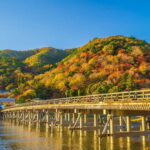
Amanohashidate is one of Japan’s Three Scenic Views, and the tour gives you several ways to see it. From the ground, the long sandbar and beach offer a calm walk beside the water. From above, the view changes into a broad sweep of sea and land, with the sandbar forming a striking line across the bay.
The chairlift up to Kasamatsu Park is a memorable part of the visit. It is a single-seat lift, so you ride in the open rather than inside a cabin. The ride is leisurely, but it may not suit anyone uneasy with heights. At the top, try matanozoki, the traditional upside-down viewing pose: bend forward and look between your legs, and the sandbar can appear to rise toward the sky like a flying dragon.
The schedule allows about two hours for the main Amanohashidate visit, followed by a 20-minute boat ride. That first stretch also covers Chion-ji Temple, the rotating bridge, and time near the beach, so you’ll need to choose what matters most rather than expect a long visit at every feature.
Chion-ji is dedicated to Monju Bosatsu, the bodhisattva associated with wisdom. Its fan-shaped fortune slips make a distinctive keepsake, and the temple offers a quieter pause between the viewpoints and waterfront. If you want to look around properly, keep an eye on the meeting time; the schedule is a group outing, not an open-ended temple visit.
The rotating bridge is another unusual detail. It turns to let boats pass, making it more than a scenic crossing. The beach walk is a chance to slow down for a few minutes, but the overall pace still asks you to keep moving.
One practical detail can change your visit: the included itinerary names both Amanohashidate Viewland and the Kasamatsu Park viewpoint in its descriptions. Package options also differ. Check your selected departure and ticket details before booking so you know which cable car or lift is planned and whether its ticket is included.
The sightseeing boat and its lively escort
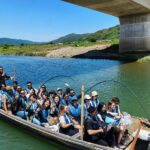
The short cruise offers a fresh angle on Amanohashidate’s coast and sandbar. Seagulls often follow the boat and come close to visitors, giving the ride a light, lively feel after the temple and viewpoint. Some people also enjoy feeding the birds, though follow any instructions from the crew or guide.
At roughly 20 minutes, this is a brief outing, not an extended cruise. Its value is the change in perspective and the chance to be on the water, not the length of the ride. Boat arrangements can vary, so treat the advertised cruise as the plan rather than a guarantee of one exact vessel or route.
Ine: a fishing village built at the water’s edge
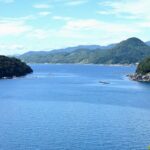
Ine is the most unusual stop for anyone curious about how people live beside the sea. Its Funaya are traditional boathouses, with boat storage at water level and living space above. The row of buildings along the bay gives the village a strong sense of place, shaped by the needs of a fishing community rather than built as a showpiece.
You’ll have about 45 minutes here, enough for a walk and photographs but not a deep look at the whole settlement. The clear water and mountain-framed bay are a big part of the appeal. Respect that this is a lived-in place: keep to public areas, avoid entering private property, and take care around the water.
The walk is exposed to the sun, so a hat and sunscreen are sensible on bright days. If Ine is the place you most want to explore, be realistic about the time available. The tour’s advantage is reaching it without arranging transport yourself; the cost is that you won’t have hours to wander.
Miyama: a quiet change from coast to countryside
Kayabuki no Sato, in Miyama, is the day’s change of scene. The village preserves dozens of traditional thatched-roof houses, some described as more than 200 years old. Streams and the rural setting give the visit a gentler pace than the coastal stops, and the roofs make the village visually distinct even if you have already seen historic districts in Kyoto.
You have around 45 minutes here. That is enough for a short walk and a look around, but not an in-depth visit to every building. The Miyama Folk Museum is not included, and admission costs extra if you choose to visit it. Some departures may leave you with time to stop for a snack; Miyama milk ice cream is a popular choice, though meals and drinks are at your own expense.
The village is a genuine settlement, not simply an outdoor display. Walk respectfully, keep noise down, and do not treat private homes as photo props. The best way to appreciate the stop is to notice the contrast between the sturdy roofs, mountain surroundings, and quiet village lanes.
How the bus day works
The tour departs at 7:30 a.m. and is scheduled to return around 6 p.m., though the Osaka drop-off can be as late as 7:30 p.m. when traffic is heavy. The package options include departures from Osaka or Kyoto, with some routes going directly to Ine rather than making a detour through the other city. Confirm your exact starting point and route when choosing.
Expect several hours in transit, particularly from Osaka. The drive is what makes the three-stop itinerary possible, but it is also the main reason the tour feels tiring. Bring water, a snack, and something to keep you comfortable on the bus. There is no meal included, and the early start can mean nearby restaurants are not open when you first arrive.
Timing at the stops matters. Guides give return times, and a delayed group can squeeze the time available at later stops. Be ready to meet promptly, even if you are in the middle of a scenic walk. A guide who shares clear directions and tips can make a real difference on a day with several moving parts; names vary by departure, so do not book on the assumption that a particular guide will lead your trip.
What the price covers, and what it does not
The starting price is $51.19, a low entry point for a full-day trip that includes round-trip transport, tolls, parking, fuel, and an English- or Chinese-speaking guide. Its strongest value is practical: these destinations are spread across northern Kyoto, and a bus takes the route-planning burden off your hands.
Budget extra for the attractions. The cable car or chairlift is listed at 1,000 yen and the sightseeing boat at 800 yen, unless you select a package that specifically includes those tickets. The tour guide can help buy tickets on site; the information advises against buying them online in advance because package details can differ. Meals, drinks, personal purchases, and Miyama Folk Museum admission are also extra.
The lowest advertised price is not necessarily the final cost for the day. Compare the package options carefully, especially the versions that include the lift and boat tickets. Even with those additions, the tour can be a good-value way to see three distant places, provided you value broad coverage more than long visits at each stop.
Who will get the most from this trip
I’d choose this tour if you’re based in Osaka or Kyoto, want to see northern Kyoto without arranging several connections, and are content with a quick look at each destination. It works well for a first visit to the region, for people who enjoy varied scenery, and for anyone who would rather follow a clear schedule than manage a long day of transport independently.
It is less suitable if you have limited mobility, are pregnant, or have a medical condition such as high blood pressure or epilepsy; the activity is not recommended for these groups. The tour is not wheelchair- or stroller-accessible, and child seats are not available. Children and infants must be included in the passenger count. You may bring up to two standard-sized pieces of luggage, but large bags are best avoided on a day with frequent stops.
Arrive 15 minutes before departure. Bring valid identification, comfortable walking shoes, weather-appropriate clothing, and rain gear if the forecast calls for it. Sunscreen and a hat help on exposed stretches. The return time can shift with traffic, so avoid scheduling a tight connection or evening commitment.
Should you book it?
Book this if you want an efficient sampler of Amanohashidate, Ine, and Miyama, and accept that the bus ride is part of the bargain. The views, boat trip, and contrasts between coast and mountain village make the day rewarding, while the guide and transfers simplify a tricky route.
Skip it if your priority is a slow visit, a long meal, or time to explore Ine or Miyama in depth. If one place matters most, consider spending a night nearby or planning a separate visit. For everyone else, this is a practical way to see a very different side of Kyoto in a single, full day.
Day Trip to Amanohashidate & Ine no Funaya & Miyama Thatched Village in the Sea of Kyoto (Departure from Osaka or Kyoto)
“Friendly tour guide, beautiful location, clear direction and guide. Would definitely recommend”
FAQ
How long is the tour?
The day is scheduled for about 10.5 hours, departing at 7:30 a.m. and returning around 6 p.m. The Osaka return may be delayed until 7:30 p.m. because of traffic.
Where does the tour depart from?
Departure options are available from Osaka or Kyoto. The meeting point depends on the package you choose, so check the details for your selected option.
Are the cable car and boat tickets included?
Not in every package. They are listed at 1,000 yen for the cable car and 800 yen for the sightseeing boat, but some package options include both. Check your selection before booking.
Is lunch included?
No. Meals and drinks are not included, so bring a snack or plan to buy food during the day.
How much time is spent at each stop?
The schedule allows about two hours for the main Amanohashidate visit, 20 minutes for the sightseeing boat, and about 45 minutes each at Ine and Miyama. Traffic or weather may change the schedule.
What languages does the guide speak?
The tour includes an English- or Chinese-speaking guide. The guide and language arrangement can vary by departure.
Is the tour suitable for wheelchair users or strollers?
No. The activity is not wheelchair- or stroller-accessible, and it is not recommended for people with impaired mobility.
Can I bring luggage?
The stated allowance is two pieces of standard-sized luggage. Child seats are not available.
What happens if I arrive late?
You should arrive at the meeting point 15 minutes before departure. Late arrivals and no-shows are not eligible for a refund.