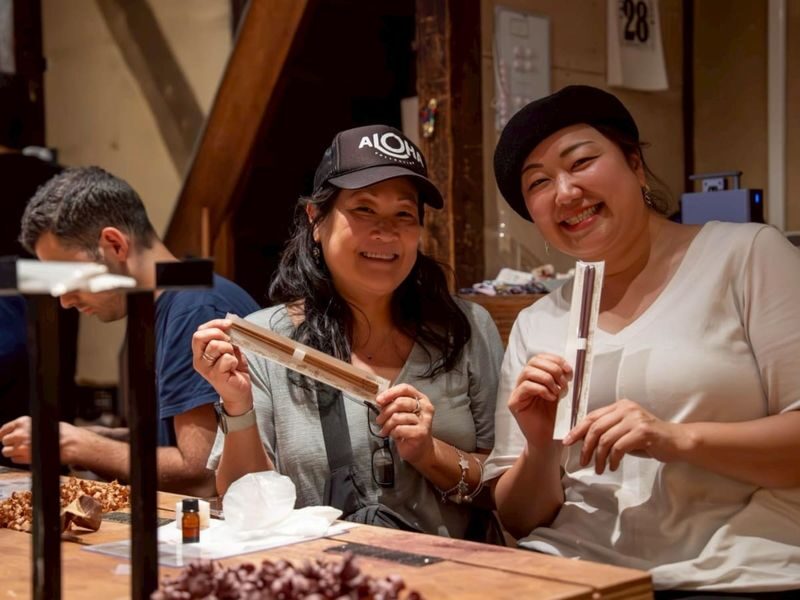
A pair of chopsticks is an everyday tool, but making one yourself turns it into a souvenir you can use long after Kyoto. At HASHI LAB, you work wood with a traditional kanna plane inside a building more than 100 years old, then sand, oil, and wrap your finished pair.
I like two things in particular: you can choose from about 12 types of wood, and the activity puts a simple craft in your hands rather than leaving you to shop for another keepsake. English-speaking staff guide the steps, and the finished chopsticks come with you.
One point to plan for: the advertised price starts at $44.25, but some wood choices or personalization options may cost extra. The workshop itself is about 45 minutes, though some sessions can run closer to an hour, so leave a little breathing room before your next plan.
- What makes this chopstick workshop worth considering
- Start by choosing the wood at HASHI LAB
- Shave the wood with a traditional kanna
- Sand, oil, and wrap your finished pair
- A small craft with a useful Kyoto keepsake
- Who will enjoy the 45-minute session
- Is .25 good value?
- Plan your visit near Kyoto Station
- Should you book this chopstick-making workshop?
- FAQ
- How long does the chopstick-making experience take?
- Where is HASHI LAB?
- What do I do during the workshop?
- How many types of wood can I choose from?
- Is the activity suitable for children?
- Is English-speaking help available?
- Are engraving and wrapping included?
- The Best Of Kyoto!
- More Tours in Kyoto
- More Tour Reviews in Kyoto
What makes this chopstick workshop worth considering
 1 / 9
 2 / 9
 3 / 9
 4 / 9
 5 / 9
 6 / 9
 7 / 9
 8 / 9
 9 / 9
- Try a kanna plane: Shave the wood yourself, then smooth it with sandpaper and finish it with oil.
- Choose your wood: About 12 types are available, with different colors and qualities such as hardness.
- Make a useful souvenir: You leave with the pair you shaped, wrapped and ready to take home.
- Work in a century-old building: The setting adds a sense of place to a hands-on activity near Kyoto Station.
- Get help in English: Staff explain the process and assist as you work.
- Bring the family: Children and adults can take part, but each child must be included in the booking headcount.

👉 See our pick of the We Rank Kyoto’s 15 Top Workshops & Classes
Start by choosing the wood at HASHI LAB
HASHI LAB is at 509-2 Minamicho, Shimogyo Ward, about a five-minute walk from Kyoto Station. That makes it a practical stop before or after time around the station, rather than a long excursion across Kyoto. Still, give yourself time to find the address and arrive five minutes before your booked start.
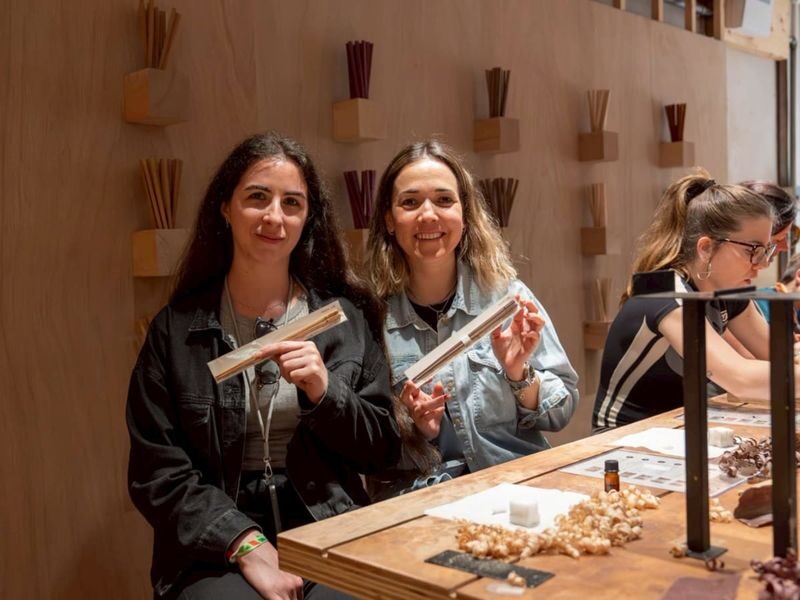
The workshop begins with a short explanation of the available woods. You can compare roughly 12 options and choose based on their color and characteristics. Hardness is one factor: one participant chose Shimakokutan, a very hard, dark wood, while another was drawn to a purple-toned option. The material affects the look and feel of your finished chopsticks, so take a moment to decide rather than choosing in a rush.
The exact range may vary, and the supplied information does not spell out every wood or whether every choice is included in the base price. The package is advertised as having no extra fees, and it includes a choice from the 12 available wood types. At the same time, some add-ons or upgrades may cost more. If you have a particular material or engraving in mind, ask what is included before you begin.
You can also read our reviews of more tours and experiences in Kyoto.



Shave the wood with a traditional kanna
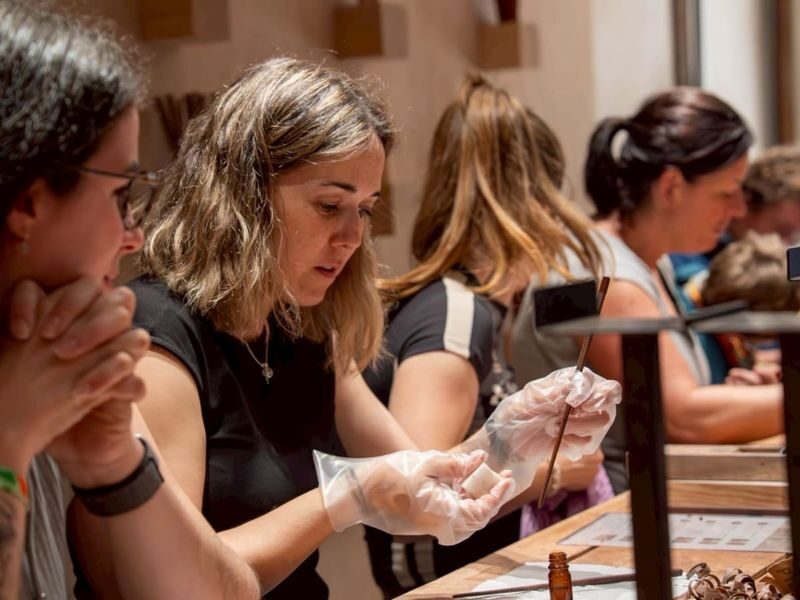
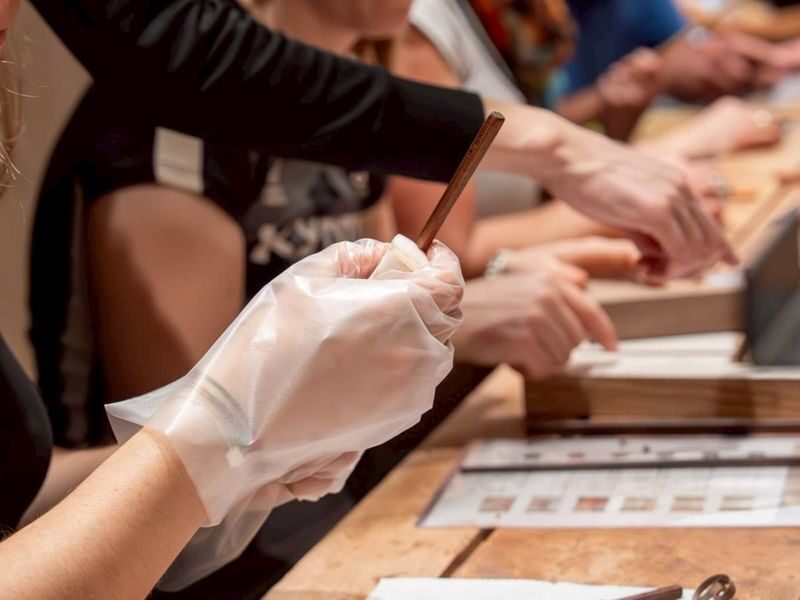
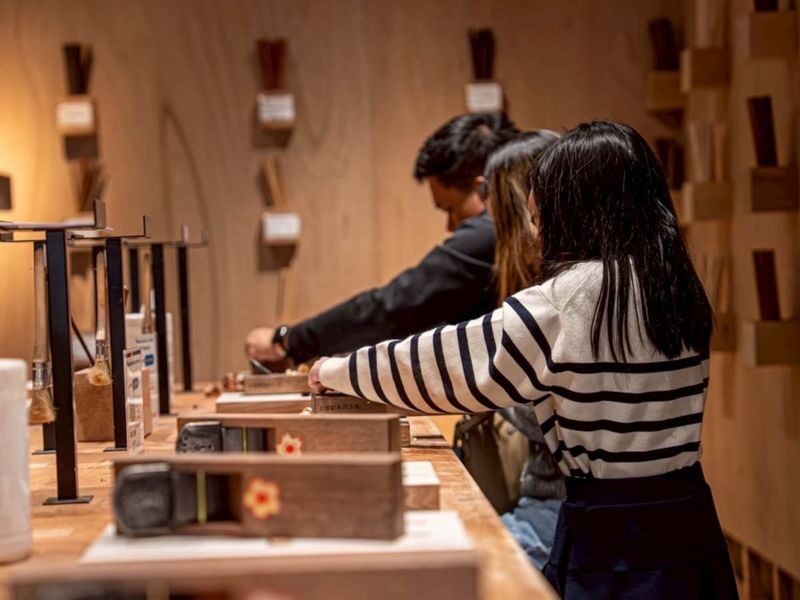
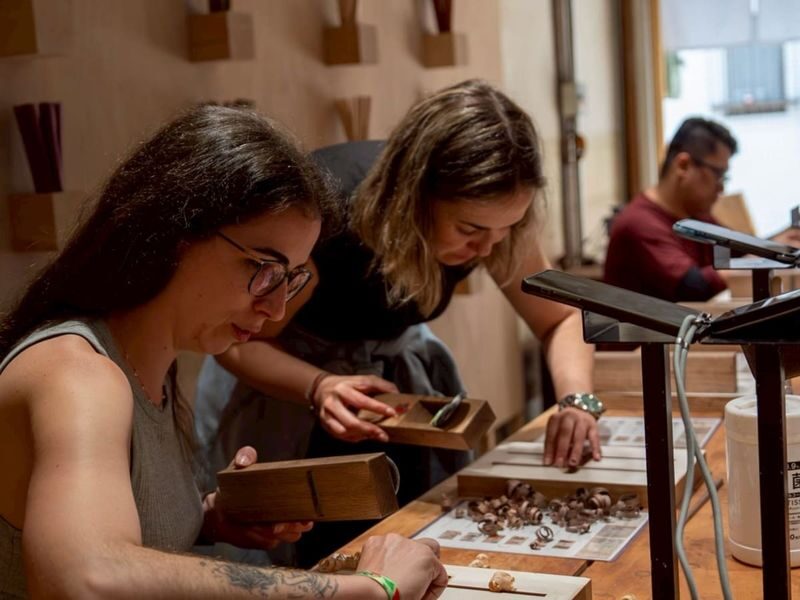
Once you have chosen your wood, the hands-on part starts. You use a kanna, a traditional Japanese woodworking plane, to shave the material into shape. This is the distinctive part of the workshop: you are not simply decorating a ready-made pair, but learning how a basic hand tool can gradually shape a useful object.
The first strokes may feel unfamiliar. One maker found that it took a few minutes to get used to shaving the wood, but the task became easier with practice. Staff are there to guide you and help if you get stuck, so you do not need woodworking experience to join. Take your time, follow their instructions, and expect the work to feel more like a small craft lesson than a polished factory process.
You can also make choices about the shape as you work. The available information does not specify a set range of designs, but a participant was able to create a shape to suit their preference. The result is a little personal variation, not a promise of professional-level precision. That is part of the appeal: your pair carries the marks of your own decisions and effort.
Sand, oil, and wrap your finished pair
After planing, you smooth the chopsticks with sandpaper. This step refines the surface and gives you a chance to feel the form taking shape in your hands. Then you finish the wood with oil, which brings out its natural color and warmth.
The process is simple enough for a family activity, yet it has several stages that make the final object feel earned. You choose the wood, shape it, smooth it, and finish it. At the end, you wrap the chopsticks for the journey home. The package includes the finished pair and wrapping, so you are not left with a half-made project or an extra shopping stop.
Personalized engraving is included among the listed services, but details about the exact method and any limits are not provided. Since some participants describe add-ons such as stamping or different materials as costly, confirm the price of any optional personalization before agreeing to it. The base workshop is the main value; extras are worth considering only if they matter to you.
A small craft with a useful Kyoto keepsake
Many Kyoto souvenirs are attractive but end up on a shelf. Chopsticks have a better chance of making it into daily use. Each time you pick them up, you have a reminder of a specific afternoon in the city, and the wood itself keeps the memory tangible without taking up much space in your luggage.
There is also a quiet cultural connection here. Chopsticks are part of daily life in Japan, and shaping a pair helps you pay attention to an object you might otherwise use without a thought. The workshop does not claim to be a long lesson in Japanese craft history, and the 45-minute format is brisk. Its value is practical: you make something familiar while learning how a traditional plane and a few finishing steps can transform a piece of wood.
The setting contributes, too. HASHI LAB operates in a wooden building more than a century old. The workshop’s wood-on-wood surroundings suit the activity, though the provided details do not describe the building’s architecture or original use. Think of it as a fitting place to make a wooden keepsake, not as a separate historic-site tour.
Who will enjoy the 45-minute session
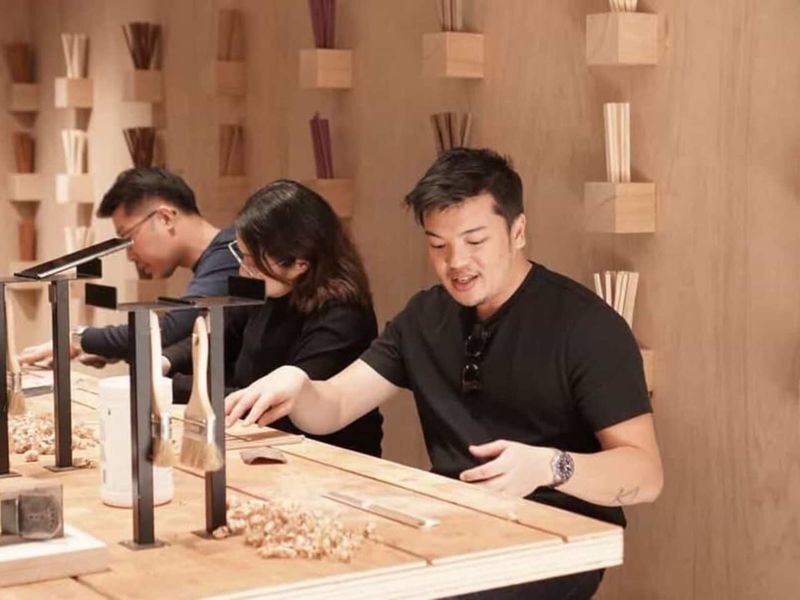
This is a strong choice for couples, friends, and families who want a shared activity that does not take up half a day. You can make your own pair side by side, compare wood choices, and leave with separate keepsakes from the same session. For families, children must be counted in the booking, and the activity is described as suitable for both children and adults.
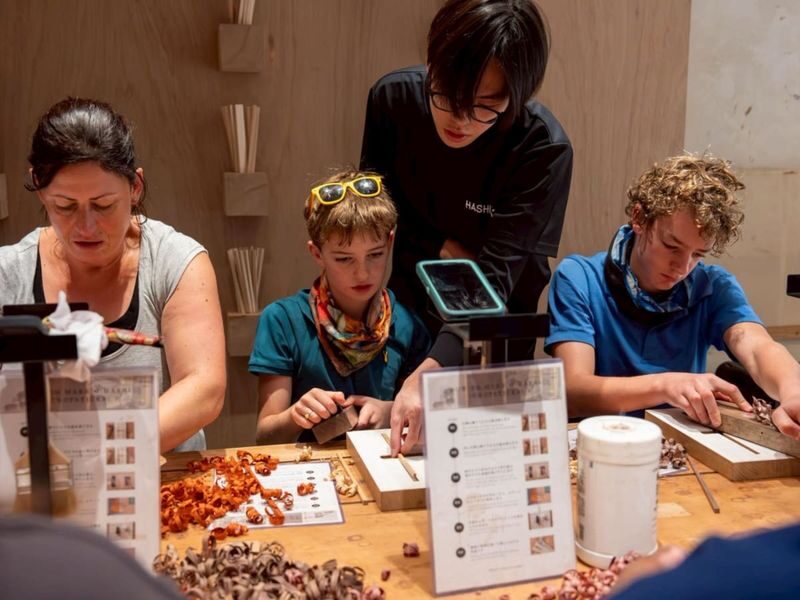
The experience seems especially well suited to children who like making things with their hands. Families with children aged eight and eleven found the activity engaging, and boys aged eleven and thirteen enjoyed showing off their woodworking skills. That does not guarantee every child will love the task, but it suggests the process can hold the attention of school-age kids. For younger children, consider their comfort with a hands-on activity involving a plane and follow staff guidance closely.
You do not need to arrive with craft skills. Staff explain the process, and English-speaking assistance is included. The individual staff members Mikki and Konoka have been singled out for their helpful guidance, though you should not assume they will lead every session. The personal feel can be a plus, but group sizes are not specified, so do not book expecting a private class.



Is $44.25 good value?
At a starting price of $44.25, the workshop costs more than buying a basic pair of chopsticks in a shop. The comparison, though, is not quite fair. The fee covers a guided, hands-on activity, a choice of wood, the tools and finishing steps, wrapping, and the pair you make. If you value a shared activity and a souvenir with a story behind it, the price is easier to justify.
The package says no extra fees and lists the available wood choices and personalized engraving as included. Yet some participants have found that add-ons, such as particular materials or stamping, can increase the bill. The safest approach is to treat the advertised package as the core experience and ask staff to confirm any upgrade price before choosing it. That keeps the workshop’s value clear and avoids an unexpected spend.
The 45-minute duration also helps with value if your Kyoto schedule is full. You can fit it around sightseeing without committing a whole morning or afternoon. Allow closer to 60 minutes if you prefer not to rush, since some sessions have taken longer than the stated duration.
Plan your visit near Kyoto Station
The address is 509-2 Minamicho, Shimogyo Ward, Kyoto, and the workshop is described as a five-minute walk from Kyoto Station. The meeting point is the workshop itself. There is no guide to meet you elsewhere, so make your own way there and arrive five minutes before your chosen start time.
Available start times run hourly from 10:00 to 20:00, subject to what is offered for your booking. The listed end times are 45 minutes after each start, but the actual options depend on the departure time you select. Book the time that fits your day and be punctual: late arrivals and no-shows are not refundable. Walk-ins are welcome, but reservations are available and are the safer choice if you need a particular time.
The activity ends at HASHI LAB, so you can continue your day from the same location. You may take videos during the experience, which is useful if you want to remember the steps or share the process. Other personal expenses are not included.
Cancellation terms allow a full refund if you cancel at least 24 hours before the activity date, using destination local time. Your voucher is valid only for the date and time specified. Confirmation is normally sent within minutes; if it does not arrive, contact customer support.
Should you book this chopstick-making workshop?
Book HASHI LAB if you want a short, hands-on Kyoto activity and a souvenir you can actually use. The best parts are the chance to work with a kanna plane, choose a wood that appeals to you, and leave with a pair you shaped yourself. It also fits couples and families looking for something more participatory than another shop visit.
Skip it if you are mainly looking for a long cultural lecture, a full woodworking course, or a bargain pair of chopsticks. This is a compact workshop, not an advanced craft class, and optional upgrades can change the price. If the base package suits you and you arrive on time, it offers a practical, personal way to bring a small piece of your Kyoto visit home.
Make Your Own Custom Chopsticks in 100yo Kyoto Building(No Extra Fee
“The chopsticks making class was so fun! Right at the start we went to the wall to pick out the type of wood that we wanted to use, each having diff…”
FAQ
How long does the chopstick-making experience take?
The stated duration is 45 minutes. Some sessions may take about 45 to 60 minutes, so leave a little extra time if you have plans immediately afterward.
Where is HASHI LAB?
HASHI LAB is at 509-2 Minamicho, Shimogyo Ward, Kyoto City. It is described as a five-minute walk from Kyoto Station.
What do I do during the workshop?
You choose a wood, shape it with a kanna plane, smooth it with sandpaper, finish it with oil, and wrap your chopsticks to take home.
How many types of wood can I choose from?
You can choose from about 12 available wood types. The woods have different colors and characteristics, including differences in hardness.
Is the activity suitable for children?
The workshop is described as suitable for children and adults. Infants and children must be included in the passenger headcount.
Is English-speaking help available?
Yes. English-speaking staff are included to explain the process and guide you through the activity.
Are engraving and wrapping included?
Wrapping and packaging are included, and personalized engraving is listed as an included service. Some other materials or add-ons may cost extra, so confirm their price before choosing them.