Sencha tea is prepared with leaves steeped in hot water, not whisked into a bowl like matcha. At Romanza, you first watch a tea master perform the measured gestures of the ceremony, then try the process yourself with prized gyokuro. It’s a fine way to see how much care can go into a single cup.
I like two things in particular: you get to taste gyokuro, a prized Japanese green tea, and you don’t stop at watching. The hands-on lesson lets you handle traditional utensils and make your own tea, then pair it with a seasonal sweet.
One consideration: the advertised duration is one hour, but the departure and return times allow 90 minutes. Plan around the longer window, and arrive five minutes early. At $76.30, this is a focused cultural lesson, not a quick tea tasting.
- The experience at a glance
- Why this ceremony is more than a cup of tea
- First, watch the tea master’s careful preparation
- Taste gyokuro, then take your own turn
- Finish with wagashi in a quiet tearoom
- What the price buys you
- Getting to Romanza in Higashiyama
- Is this the right Kyoto tea experience for you?
- FAQ
- How long does the Sencha tea experience take?
- Where does the experience take place?
- How do I get to Romanza?
- What departure times are available?
- What tea will I taste and prepare?
- Is the session conducted in English?
- Are sweets included?
- Can dietary requirements be accommodated?
- Is the experience wheelchair-accessible, and can I bring a stroller?
- The Best Of Kyoto!
- More Tours in Kyoto
- More Tour Reviews in Kyoto
The experience at a glance
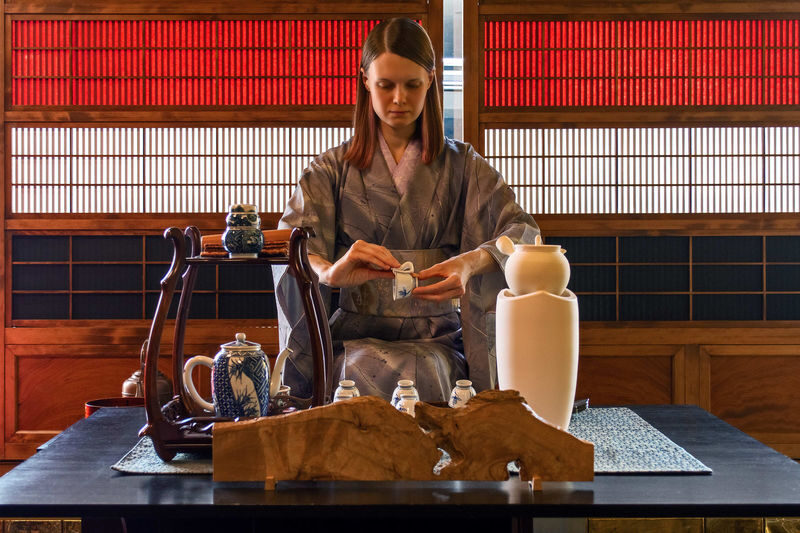
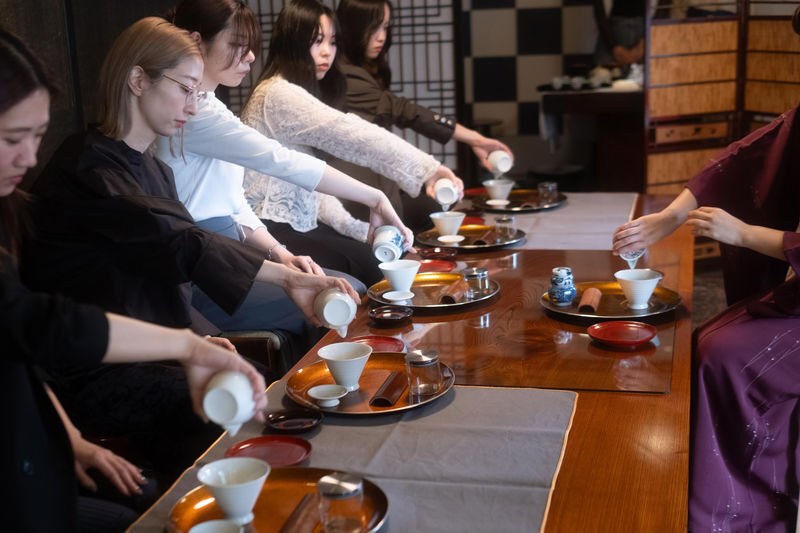
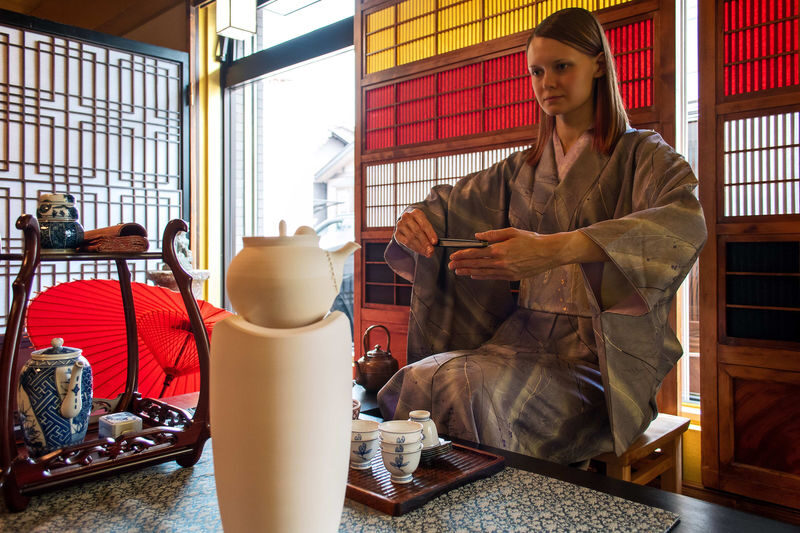
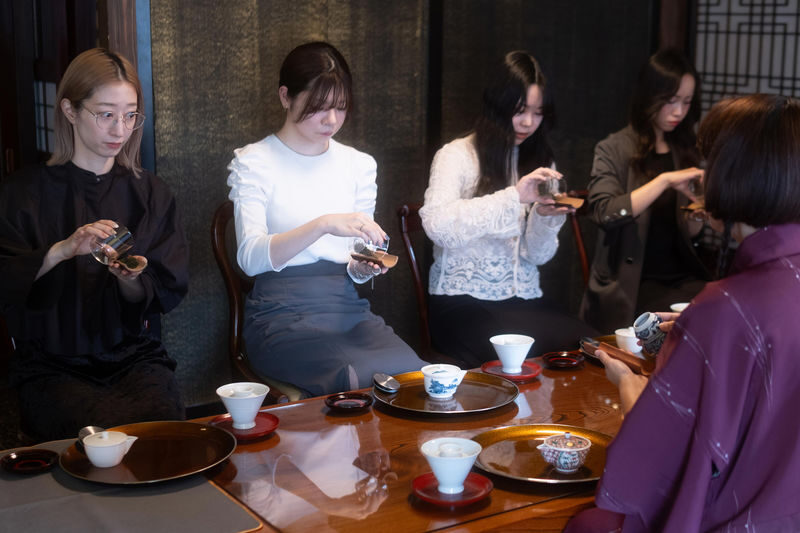
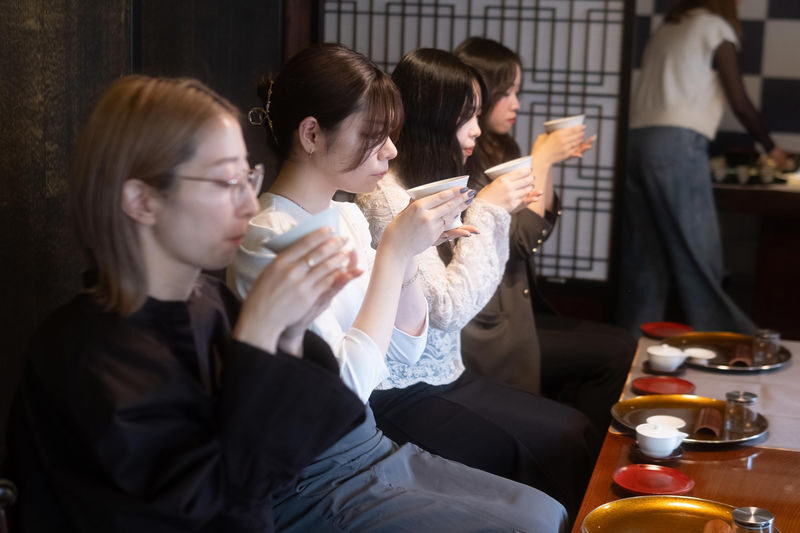
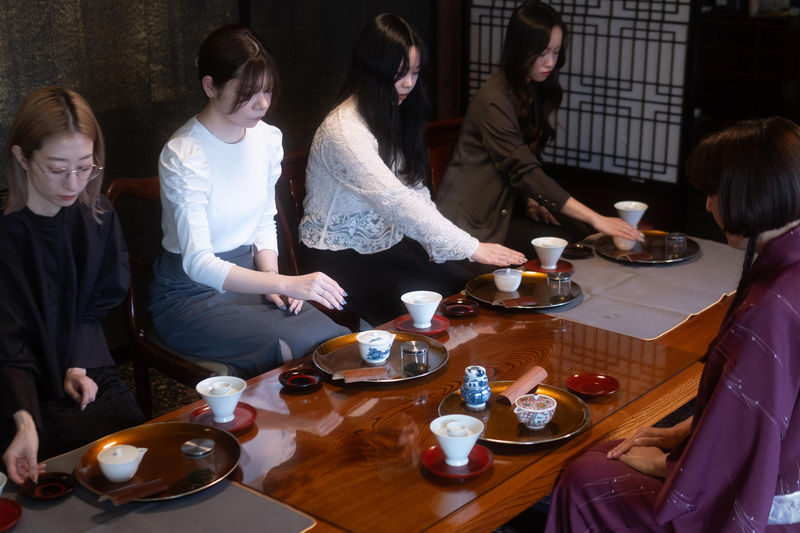
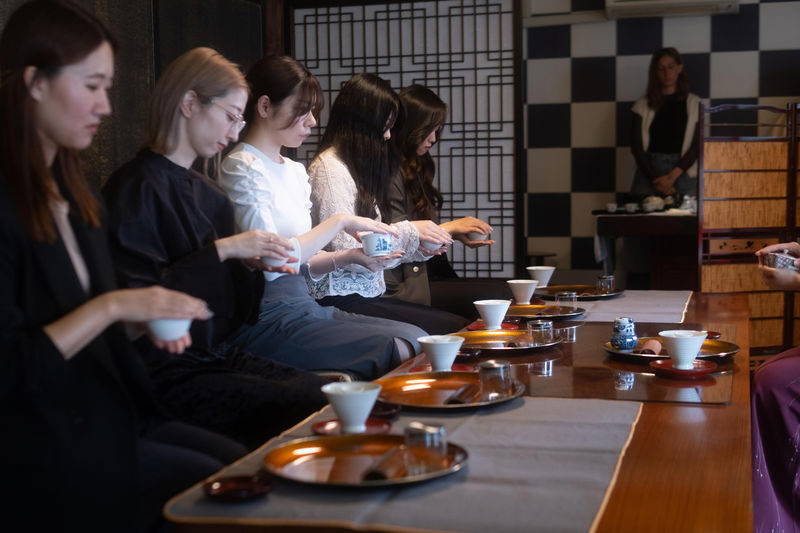
- Sencha, not matcha: Learn the graceful preparation of loose-leaf green tea, with a focus on the ceremony’s careful sequence.
- Gyokuro in the cup: Taste a premium Japanese green tea, then prepare your own serving.
- A demonstration before your turn: Watch the tea master’s formal preparation before practising the basic steps yourself.
- Irene and Ute have led the session: Their teaching has been described as warm and engaging, while making clear that the ceremony takes real practice.
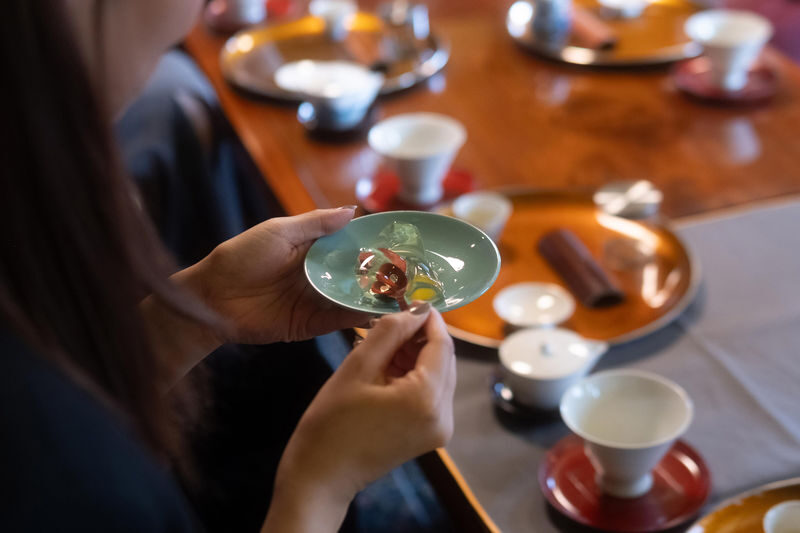
- Tea with wagashi: A seasonal Japanese confection rounds out the tasting.
- A compact Kyoto stop: The experience takes place at Romanza in Higashiyama, a short walk from Kiyomizu-Gojo Station.
👉 See our pick of the We Rank Kyoto’s 15 Top Workshops & Classes
Why this ceremony is more than a cup of tea
A tea ceremony can be hard to understand from the outside. The utensils, gestures, and order of preparation all carry meaning, but watching without context can leave you unsure what to notice. This session gives you a chance to slow down and observe first, then learn by doing.
Sencha offers a different introduction to Japanese tea than the matcha ceremony many visitors already know. Here, the focus is on loose-leaf tea brewed in water. You’ll see the tea master handle the tools and prepare the drink with care, then taste the result in the quiet of the tearoom.
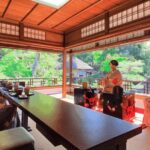
The setting matters. Romanza is a traditional tea space in Higashiyama, and the session is designed around a calm, attentive atmosphere. You’re not simply ordering a drink at a café. You’re being shown a formal way of preparing and serving tea, with a host there to explain the details and answer questions.
You can also read our reviews of more tours and experiences in Kyoto.

First, watch the tea master’s careful preparation
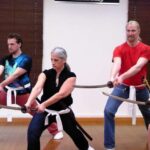
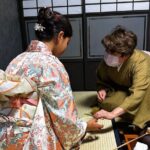
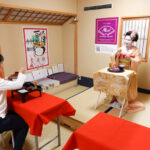
The session opens with a demonstration of o-temae, the traditional preparation of tea. Rather than rushing straight into a lesson, you can watch the tea master’s gestures and notice how each action fits into the whole sequence.
That first part is useful even if you’ve never studied Japanese tea. The ceremony can look effortless when performed by an expert, but the movements are precise. A participant who attended with Irene and Ute found that practising later made the complexity much clearer. The hosts kept the lesson enjoyable without pretending the craft was easy.
Expect the demonstration to be quiet and deliberate, not a show built around spectacle. The value is in seeing the small choices: how the utensils are handled, how the tea is prepared, and how the host creates a composed setting for serving it. If you’re used to quick tastings, the slower pace may be the main adjustment.
Taste gyokuro, then take your own turn
After observing, you move into the hands-on part. You’ll learn basic steps, handle authentic Japanese tea utensils, and practise before preparing a cup of gyokuro yourself. This sequence makes the ceremony easier to follow: you see it done, hear the explanation, then test the movements with guidance.
Gyokuro is the featured tea, described as a prized Japanese green tea. The opportunity to taste it is a useful part of the session, not just a bonus. You can connect the preparation to what is in your cup, and notice how the finished tea differs from a familiar everyday brew.
Don’t expect to master the ceremony in one sitting. The lesson covers fundamentals, and the point is to appreciate the care involved rather than leave as a trained tea practitioner. That is part of the appeal. It turns a short tasting into a practical introduction to a craft, and gives you a better sense of why the tea master’s movements matter.
The English-speaking guidance is especially helpful here. The tea master is described as fluent in English, and the session is offered in English and Japanese. That gives you room to ask about what you are seeing instead of relying only on gestures or a printed explanation.
Finish with wagashi in a quiet tearoom
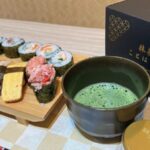
The final pairing is your handcrafted tea with one serving of wagashi, a traditional Japanese sweet. Seasonal sweets give the tasting a connection to the time of year, while making a pleasant finish to the lesson.
The sweet is included, but the experience is not a full meal. If you’re planning a day around Higashiyama, think of this as a cultural pause between sightseeing stops rather than a lunch substitute. The session’s gentle pace also makes it a good contrast to a busy day of walking around Kyoto.
The overall mood is personal and conversational. Cultural insights and time to speak with the host are included, so the experience is not limited to a fixed sequence of movements. If you’re curious about tea, hospitality, or the meaning behind ceremony, use that time to ask questions.
What the price buys you
The session starts at $76.30 per person. That is a substantial price for an hour of activity, but the scheduled visit spans up to 90 minutes and includes several elements: a guided ceremony, instruction from a professional tea master, use of authentic utensils, premium gyokuro, and wagashi.
I’d judge the value by how much you want to learn, not by the number of cups served. If you only want to sample green tea, a café will cost less and take less time. If you want an instructor to explain the ceremony and let you practise it, the added cost buys access to a specific cultural skill in a dedicated setting.
The experience is best suited to curious first-timers, tea drinkers, and anyone who wants a cultural activity that doesn’t require a full day. It may also suit couples or small family groups looking for a calm break. There is no age limit, though infants and children must be included in the passenger headcount.

Getting to Romanza in Higashiyama
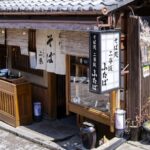
Romanza is at 2-69 Honmachi, Higashiyama Ward, on the ground floor of Higashiyama Gojo Park Homes. The closest station described for the walk is Kiyomizu-Gojo. From Exit 2, head east, take the third street on the right, then look for the large apartment building. The venue is about 100 metres along that street, on the right.
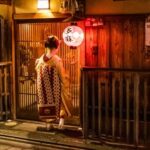
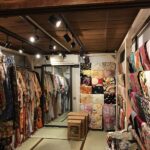
The entrance has golden frames and wooden lattice doors behind the windows. The meeting point is inside the golden tearoom. Give yourself a little time to find it, especially if you’re unfamiliar with the neighbourhood. The instructions say to arrive five minutes before your selected start time; late arrivals and no-shows are not refundable.
You can choose from 10:30, 13:30, or 16:00 departures. The corresponding return times are listed as 12:00, 15:00, and 17:30, though available options can depend on your chosen departure and the itinerary. Since the headline duration is one hour while the schedule allows 90 minutes, leave room for the longer span when planning a train, meal, or another booking.
Transport and hotel pickup are not included. You make your own way to Romanza, and personal expenses and gratuities are also outside the price. The venue is described as stroller- and wheelchair-accessible. Vegetarian and vegan dietary requirements can be accommodated, and pets are prohibited.
Is this the right Kyoto tea experience for you?
Choose this session if you want more than a matcha photo opportunity. It introduces the Sencha ceremony through demonstration, conversation, tasting, and practice. The strongest reason to book is that you get to prepare gyokuro yourself, with a tea master guiding you through the utensils and basic steps.
It’s also a good fit if you value instruction in English and want an activity with a clear start and finish. Irene and Ute have been named as hosts, and the teaching has been praised for combining a welcoming approach with a frank sense of how intricate the craft is. That balance is reassuring: you can enjoy the lesson without being told the skill is simple.
Skip it if you’re in a hurry, looking for a full meal, or mainly want the lowest-cost way to drink tea. And be careful with scheduling: reserve the time you select, arrive early, and allow up to 90 minutes. If you can give the ceremony that unhurried space, the price buys a thoughtful, hands-on introduction to a distinctive Kyoto tea tradition.
Discover and Learn the Art of the Sencha Tea Ceremony in Kyoto
FAQ
How long does the Sencha tea experience take?
The summary gives a duration of one hour, while the schedule allows 90 minutes between departure and return. Plan for up to 90 minutes.
Where does the experience take place?
It takes place at Romanza, 2-69 Honmachi, Higashiyama Ward, Kyoto, on the ground floor of Higashiyama Gojo Park Homes.
How do I get to Romanza?
Kiyomizu-Gojo Station is about a three-minute walk away. Use Exit 2, walk east, take the third street on the right, and look for the venue on the ground floor of the large apartment building.
What departure times are available?
The listed departure times are 10:30, 13:30, and 16:00. Return times and availability depend on the departure you choose.
What tea will I taste and prepare?
The session includes a tasting of gyokuro, a premium Japanese green tea, and a chance to prepare your own cup.
Is the session conducted in English?
The experience is offered in English and Japanese. It includes an English- and Japanese-speaking guide, and the tea master is described as fluent in English.
Are sweets included?
Yes. One serving of traditional Japanese wagashi is included.
Can dietary requirements be accommodated?
Vegetarian and vegan diets can be accommodated. Other dietary requirements are not specified.
Is the experience wheelchair-accessible, and can I bring a stroller?
The activity is described as wheelchair- and stroller-accessible. Pets are prohibited.