A Japanese knife workshop offers a change of pace from Kyoto’s temples: instead of only looking at a craft, you take part in finishing a blade yourself. In this one-hour class, an instructor guides you through sharpening and polishing a pre-forged knife, then fitting its handle.
I like two things in particular: you learn practical sharpening and care techniques, and you leave with a knife you helped finish, rather than a souvenir chosen from a shop shelf. The instructors named in participant accounts include Rick, Marble, Ash, Patrick, and Layla, with praise for clear explanations and patient guidance.
The main consideration is the price of extras. The starting rate is $66.35, but the included knife may be a smaller, basic option, while different blades, handles, or engraving can cost more. Confirm what your chosen package includes before you book.
- A one-hour lesson with a knife to take home
- Sharpening, polishing, and fitting the handle
- Choosing a blade without surprises
- The craft lesson is as useful as the souvenir
- Finding the workshop in Gion
- What the price gets you
- Who will enjoy the workshop most
- Should you book this Kyoto knife workshop?
- Key points
- FAQ
- How long is the knife workshop?
- Where does the activity take place?
- Is the workshop suitable for beginners?
- What will I do during the class?
- Is a knife included in the starting price?
- Can I cancel for a refund?
- The Best Of Kyoto!
- More Workshops & Classes in Kyoto
- More Tours in Kyoto
- More Tour Reviews in Kyoto
A one-hour lesson with a knife to take home
 1 / 8
 2 / 8
 3 / 8
 4 / 8
 5 / 8
 6 / 8
 7 / 8
 8 / 8
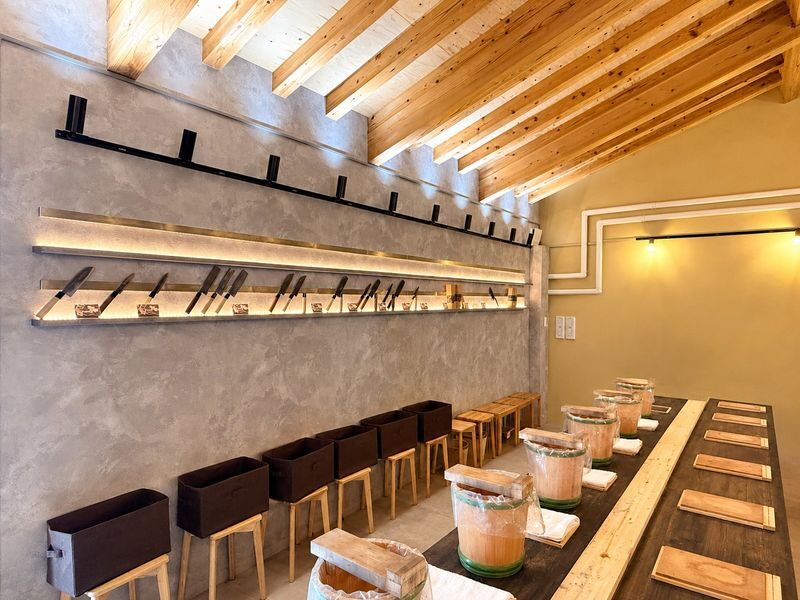
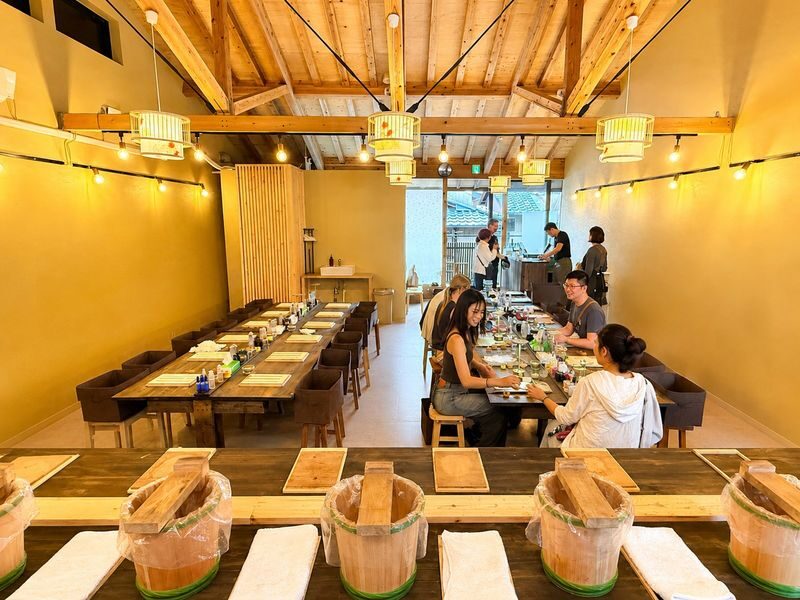
This is a hands-on craft session in Kyoto’s Higashiyama Ward, at Zen, a workshop space also associated with chopstick and kintsugi activities. The class is designed for beginners, and English-speaking staff guide you step by step. You do not need prior knife-making or sharpening experience.
It is worth being clear about what making a knife means here. The blade is already forged. You work on finishing it, which can include sharpening and polishing, then putting on the handle. That makes this a practical introduction to knife care and finishing, not a visit to a blacksmith’s forge where you turn raw steel into a blade.
The distinction matters when you are deciding what kind of craft experience you want. If you hope to learn how a Japanese knife is sharpened and leave with a usable keepsake, the format makes sense. If your main aim is to watch or take part in forging, this workshop may not be the right fit.

👉 See our pick of the We Rank Kyoto’s 15 Top Workshops & Classes
Sharpening, polishing, and fitting the handle
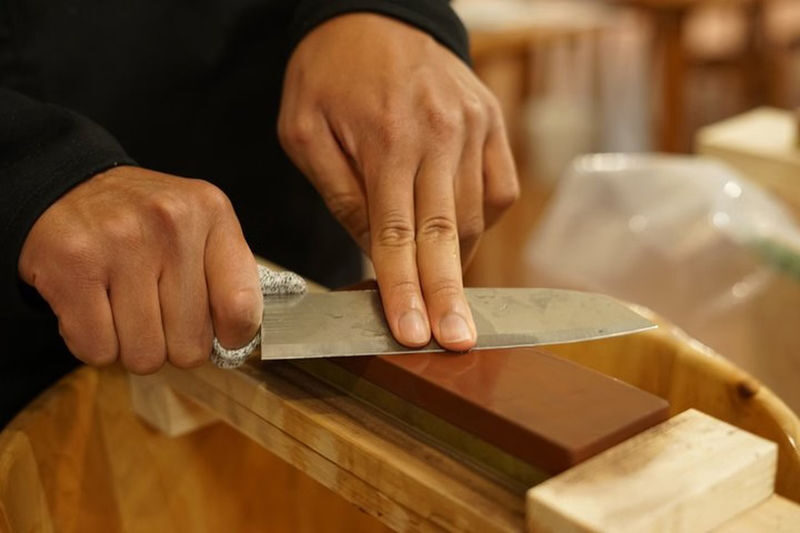
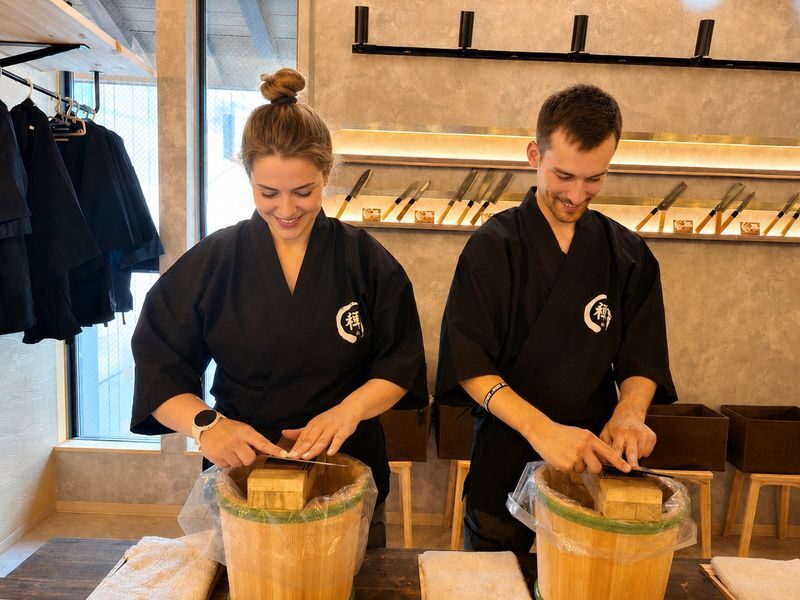
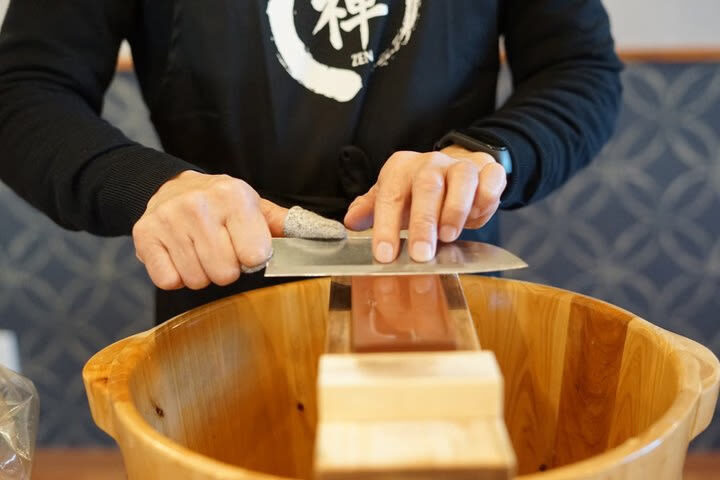
The hour is spent at the workshop, rather than moving between several sights. After meeting the instructor, you choose a knife option and receive guidance on the finishing work. You then sharpen and refine the blade, with help available as you go, before fitting the handle.
The process is hands-on but structured. Instructors explain each step and check the blade as you work. Several participants have singled out Rick for detailed guidance, and Marble, Ash, Layla, and Patrick for patient, friendly instruction. Names and instructors can vary, but the repeated praise for clear demonstrations is reassuring if you are new to sharpening.
Some accounts describe the work as calm and meditative. That fits the nature of the task: sharpening calls for attention and steady movement, not speed. You can ask questions and learn how to care for the knife after the class, including how to sharpen and store it.
Do not expect an hour of uninterrupted history or a long technical course. The cultural background is part of the experience, but the main event is working on the knife. The short format is useful if you have a full Kyoto schedule, though it also means the class can only offer an introduction to a complex craft.
You can also read our reviews of more tours and experiences in Kyoto



Choosing a blade without surprises
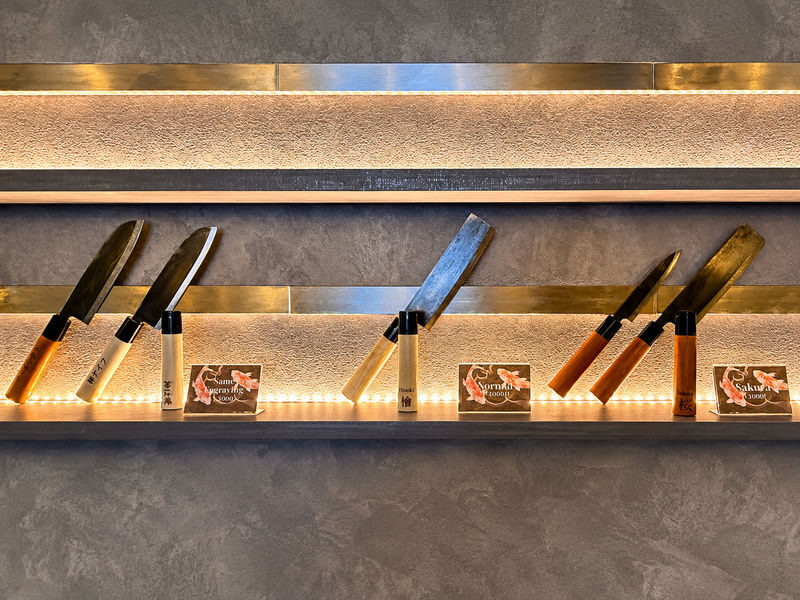
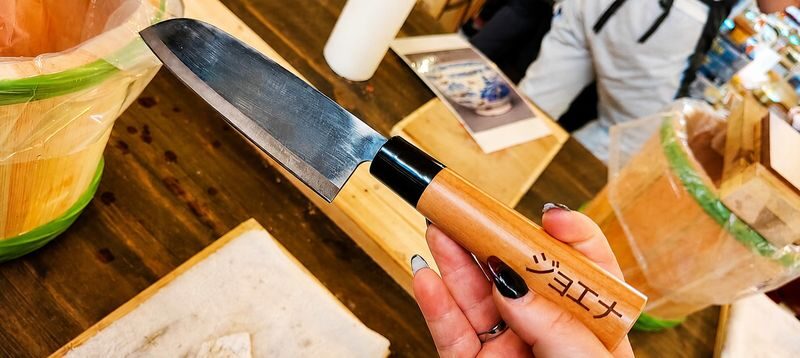
The knife choice is one of the most important parts of the visit, and it is where the price can change. The advertised starting price covers the package’s basic option. One participant described that included knife as a small fish-filleting knife, while others noted that different blades and handles were available for an additional charge. Engraving may also cost extra.
That does not make the base package poor value, but it does mean you should not assume the pictured knife is included. A participant specifically noted that the knife shown in an image was not the one in the package. Before selecting an upgrade, ask what the base price covers and what each option costs. The available information does not give set upgrade prices, so it is wise to decide your budget before arriving.
If you cook often, a larger or more suitable blade may be worth the added cost. If the knife is mainly a travel memento, the basic option may be enough. Either way, you have a say in the object you take home, and the class teaches you more than how to choose a good-looking souvenir.
Handle choices and engraving can make the knife feel more personal, but they are not included in every price. Ask about both before settling on your selection. That small bit of planning helps avoid the awkward moment of discovering that your preferred version costs extra.
The craft lesson is as useful as the souvenir
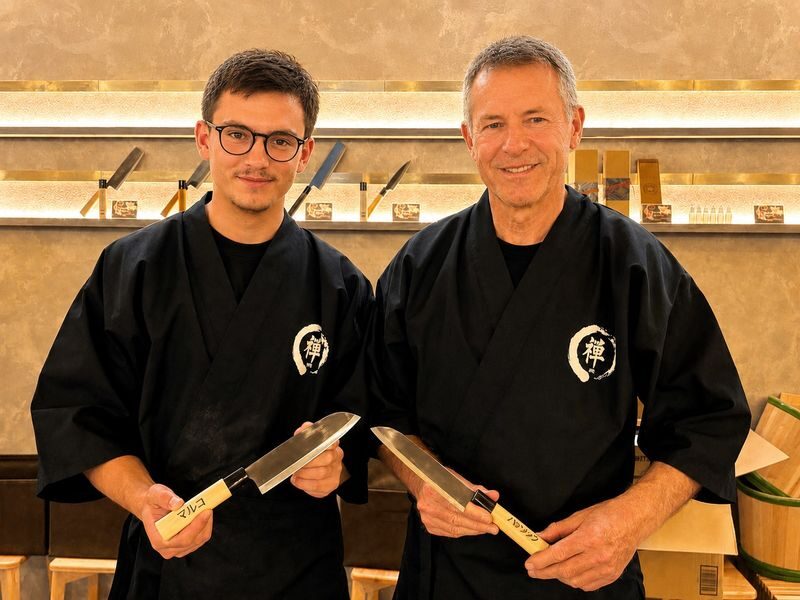
A knife is a more practical keepsake than many small objects that end up tucked away at home. You leave with something you helped finish, and the instruction on sharpening and maintenance gives it a life beyond the trip. That is the workshop’s strongest value: the object and the skill come together.
The class also offers a close look at the care involved in Japanese knife work. You learn through the blade itself, rather than only hearing about the country’s long tradition of craftsmanship. The instructor can explain the methods and cultural context while you work, and the hands-on element makes those details easier to remember.
There is a limit to how much you can learn in an hour. You will not become an expert sharpener, and the class does not cover the entire process of making a knife from raw material. Still, you should leave with a better sense of how a blade is finished and maintained, plus a knife that makes the lesson tangible.
Finding the workshop in Gion
The address is 71 Tamamizucho, Higashiyama Ward, Kyoto, near Yasaka Koji South. The venue is listed as Zen, which also offers chopstick and kintsugi workshops. It is a meet-up activity, not a transport service, so plan your own route to the location.
The entrance may take a little looking. One visitor’s directions point to a staircase in an alley, with a chopstick sign above it. Arrive five minutes before your selected time, and allow a little extra time to find the entrance, particularly if you are unfamiliar with the lanes around Gion.
The available session times range from 09:00 to 18:00, though not every return time is available for every start time. Choose your slot carefully and arrive on time: late arrivals and no-shows are not eligible for refunds or changes. The voucher is valid only for the date and time selected, and you can present it on your phone.
What the price gets you
At $66.35, the starting price is reasonable for a guided, one-hour workshop that includes English-speaking staff and a finished knife to take away. The value improves if you want to learn a useful skill, not just buy a souvenir. You are paying for instruction, time at the workbench, and a personal keepsake.
The price is less straightforward if you have a particular knife in mind. Blade and handle upgrades, as well as engraving, may add to the total, and personal expenses are not included. Treat the advertised rate as the entry point, not a guarantee that every knife option costs the same.
I would compare the price with what you want from the hour. If you would happily take the basic knife and enjoy the process, the value is clear. If you expect a large chef’s knife, custom handle, or engraving, ask about the extra charges before you commit.



Who will enjoy the workshop most
This class is a good match for cooks, craft-minded visitors, and anyone who wants to do more than look at Kyoto’s sights. It can also work well for families: an instructor named Ash was praised for taking extra care with a young child. The activity has no stated age limit, although the actual work involves handling a knife and calls for care.
Beginners should feel comfortable. Instruction is step by step, and you can ask for help with sharpening and choosing a blade. The experience is also a useful rainy-day option, since it takes place indoors and lasts about an hour.
You may want to skip it if you are looking for a traditional smithy visit or a long, technical course. It is a finishing workshop, not a full knife-forging demonstration. And while most accounts describe warm, attentive teaching, instructor style can vary; one participant reported an unpleasant, rushed interaction. If the quality of personal guidance is central to your decision, keep that possibility in mind.
Should you book this Kyoto knife workshop?
Book it if you want a compact, hands-on activity that connects a practical skill with a personal souvenir. The best parts are the chance to sharpen and finish your own blade, the clear beginner-friendly instruction, and the care advice you can use after the trip.
Before booking, check which knife is included and whether your preferred blade, handle, or engraving costs extra. Give yourself time to find the staircase entrance, arrive five minutes early, and choose a session that fits your day. With those details settled, this is a worthwhile change of pace from Kyoto’s temples and a keepsake you can actually put to work.
Key points
- The blade is pre-forged: You focus on sharpening, polishing, and fitting the handle, rather than forging steel from scratch.
- The session lasts one hour: It is a compact activity that can fit between other Kyoto plans.
- Beginners receive step-by-step help: English-speaking staff guide the work and explain knife care.
- The basic knife may be a small option: Different blades, handles, and engraving can cost extra.
- The Gion entrance can be easy to miss: Look for the chopstick sign above a staircase in an alley, and arrive five minutes early.
Kyoto Traditional Knife Crafting Workshop
“★★★★★ Absolutely amazing experience and one of the highlights of our time in Kyoto! Marble was our instructor and he was fantastic – friendly, pati…”
FAQ
How long is the knife workshop?
The guided workshop lasts one hour.
Where does the activity take place?
It takes place at Zen, at Yasaka Koji South, 71 Tamamizucho, Higashiyama Ward, Kyoto, 605-0851, Japan.
Is the workshop suitable for beginners?
Yes. The activity is described as beginner-friendly, with step-by-step instruction from English-speaking staff.
What will I do during the class?
You will work on finishing a pre-forged knife, including sharpening and polishing the blade and fitting its handle.
Is a knife included in the starting price?
The package includes a knife, but the basic option may be smaller than the knife pictured or the one you have in mind. Other blades, handles, and engraving may cost extra.
Can I cancel for a refund?
You can receive a full refund if you cancel at least 24 hours before the activity date, based on local time. Late arrivals and no-shows are not eligible for refunds or changes.