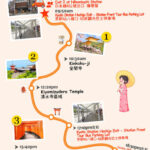
Kyoto’s great challenge is fitting its famous sights into one day without spending half the day puzzling over trains and buses. This coach tour connects Kinkaku-ji, Arashiyama, Sanjusangen-do and Kiyomizu-dera, with departures from Osaka or Kyoto and about nine and a half hours on the road and at the sights.
I like two things in particular: the generous three hours and ten minutes in Arashiyama, and the chance to see the Thousand-Armed Kannon at Sanjusangen-do, a memorable stop that can get overlooked on a first visit. The coach also takes the sting out of getting between far-flung parts of Kyoto.
The trade-off is a packed schedule, not a slow-paced cultural stroll. Kiyomizu-dera admission is extra, the streets around it involve uphill walking, and traffic or crowds can affect timing. Some Arashiyama sights may be skipped if conditions or capacity require it.
- The day in brief
- Kyoto’s far-flung sights, joined by coach
- Kinkaku-ji: a short visit to Kyoto’s golden icon
- Arashiyama: the day’s breathing room
- Sanjusangen-do: 1,001 figures in one long hall
- Kiyomizu-dera and the old lanes
- Lunch upgrades and what the price buys
- Crowds, walking and other useful realities
- Who should book this Kyoto day trip?
- FAQ
- How long is the tour?
- Can I depart from Osaka or Kyoto?
- Which admissions are included?
- Is lunch included?
- How much time is allowed at each main stop?
- Does the tour include Gion and Yasaka Shrine?
- What languages does the guide speak?
- What happens if the minimum group size is not reached?
- The Best Of Kyoto!
- More Historical Tours in Kyoto
- More Tours in Kyoto
- More Tour Reviews in Kyoto
The day in brief
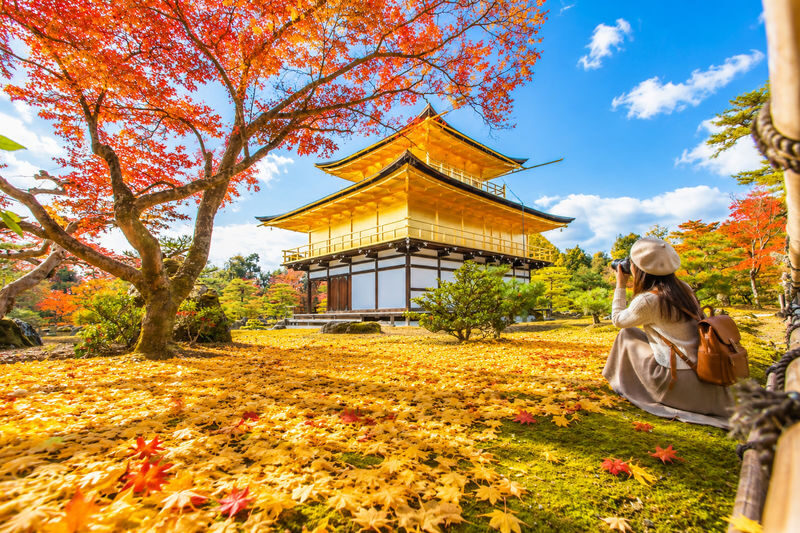
- Kinkaku-ji gets a focused 40-minute visit: Admission is included, and the main draw is the gold-leaf pavilion reflected in Kyoko-chi Pond.
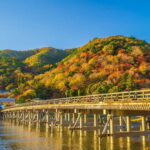
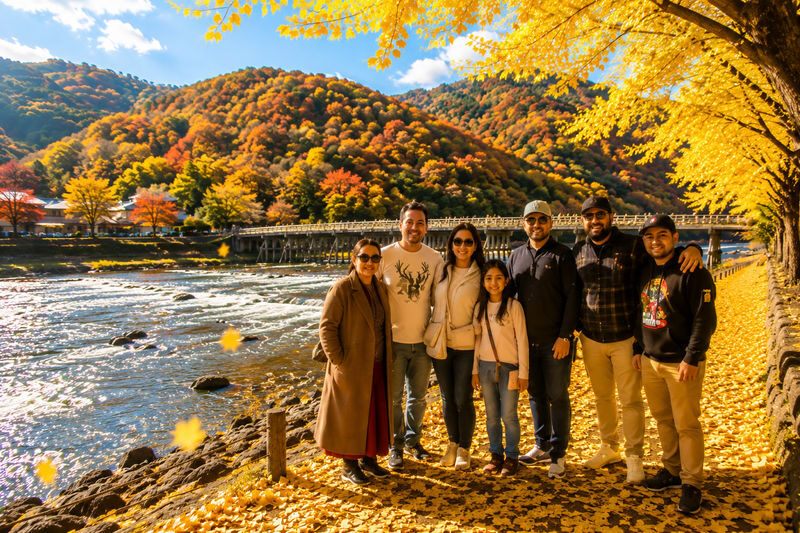
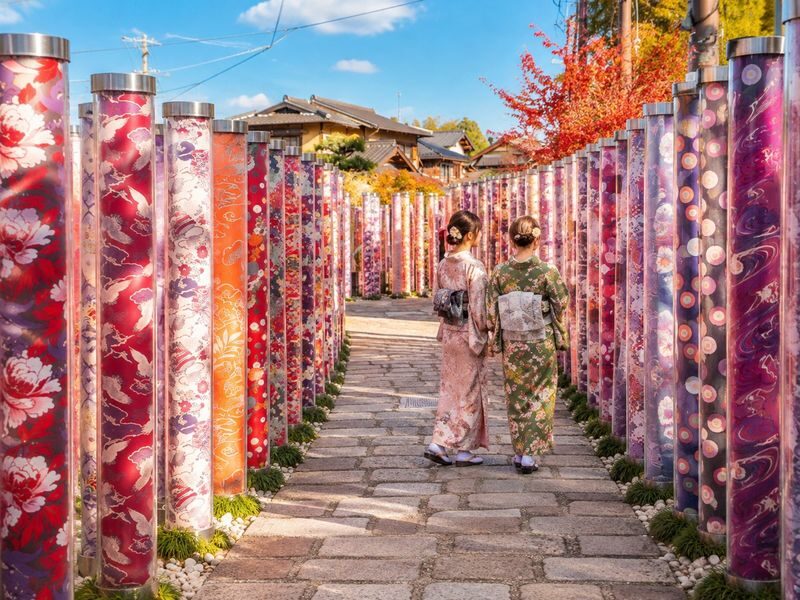
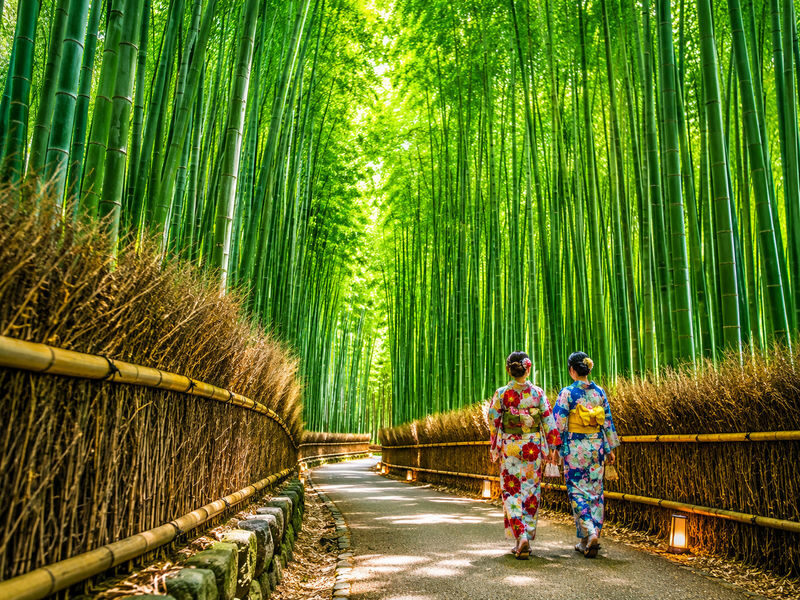
- Arashiyama is the longest stop: You have 3 hours and 10 minutes to see the bamboo grove, Togetsukyo Bridge and, if time allows, other sights such as the Kimono Forest.
- Sanjusangen-do offers a change of pace: Its long wooden hall holds 1,001 statues of the Thousand-Armed Kannon. Admission is included.
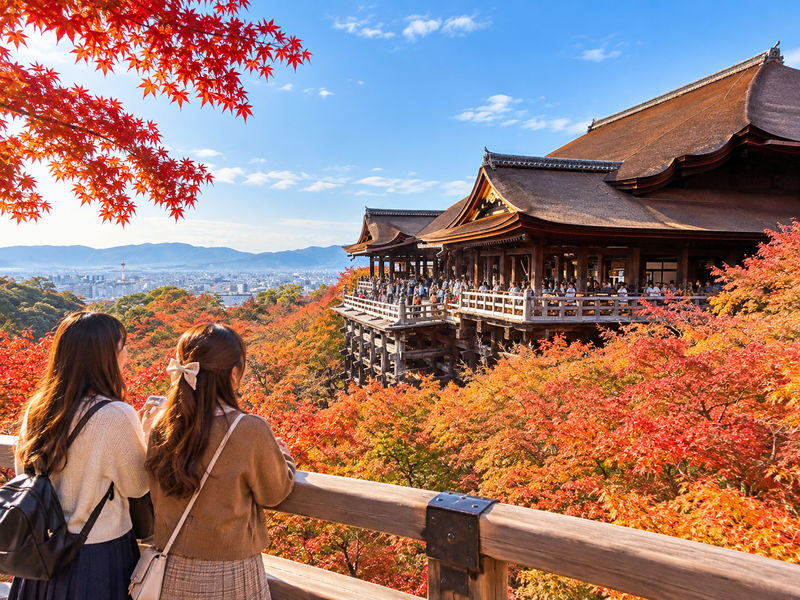
- Kiyomizu-dera and its historic lanes come last: The 1-hour-40-minute stop includes time for the temple and the Sannenzaka and Ninenzaka area, but the temple ticket is not included.
- Lunch depends on your package: Options include pork shabu-shabu, several Kobe beef meals, or no meal. The lowest advertised price, from $44.89, is for the no-meal option.
👉 See our pick of the We Rank Kyoto’s 15 Top Workshops & Classes
Kyoto’s far-flung sights, joined by coach
This tour makes a practical case for seeing Kyoto by road. Kinkaku-ji lies northwest of central Kyoto, Arashiyama is farther west, and Sanjusangen-do and Kiyomizu-dera are on the eastern side of the city. Joining those stops independently in a single day means handling several transfers and keeping a close eye on the clock.
Here, the driver and guide manage the connections while you concentrate on the places. Round-trip transfers, tolls and parking are included, and the group size ranges from 10 to 49. Past tours have also run with smaller groups, including one of 11, but you should plan for a group outing rather than a private tour.
The listed schedule starts at either 8:00 or 9:10, depending on the chosen departure, with the coach leaving ten minutes later. Return times are listed as 17:40 to Kyoto or 18:50 to Osaka. Confirm your exact meeting point and return location when choosing a departure: the two starting cities have separate pickup arrangements.
Guides named on past outings include Gary, Liu and Mike. The experience depends partly on the guide assigned to your date. The tour provides a Chinese- and English-speaking guide, but language arrangements may vary by group. If English commentary matters to you, confirm that detail with the operator before departure. One past guest described relying on a phone translator when the guide mainly spoke Chinese, while other trips featured clear explanations in more than one language.
You can also read our reviews of more historical tours in Kyoto


Kinkaku-ji: a short visit to Kyoto’s golden icon
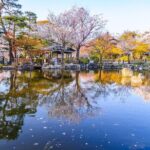
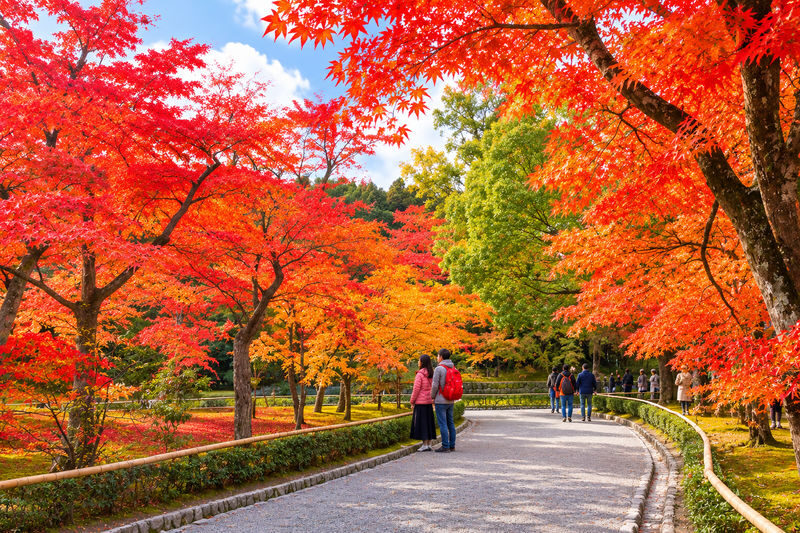
Kinkaku-ji, also called Rokuon-ji, is the classic Kyoto postcard: a three-story pavilion with gold-leaf-covered upper floors, set beside Kyoko-chi Pond. The scene is designed to be viewed from the garden path, where the building and its reflection make the main impression. The temple was built in the 14th century as a villa for Ashikaga Yoshimitsu, and its grounds reflect the careful relationship between architecture and garden that makes this site so admired.
You have 40 minutes here, and admission is included. That is enough for the standard visit, but not for a leisurely stop at every viewpoint. Take your photographs, pause to look closely at the pond and pavilion, and keep moving with the group. The setting changes with the seasons, with snow particularly striking when conditions allow, but the site is popular throughout the year and can feel crowded.
This is a scenic introduction to Kyoto, rather than a deep exploration of temple life. If the Golden Pavilion is high on your list, the short visit is still worthwhile. Just don’t expect the quiet, empty scene that photographs sometimes suggest.
Arashiyama: the day’s breathing room
Arashiyama gets the most time, with 3 hours and 10 minutes set aside for independent exploration. That is a useful allowance in a district where the sights are spread around, and it gives you more room to set your own pace than the shorter temple visits.
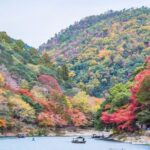
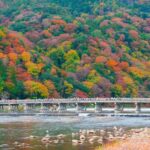
Start with Togetsukyo Bridge, which crosses the Katsura River and frames the surrounding hills. Its appeal shifts with the seasons: spring blossoms and autumn leaves are especially popular, while the river and mountain backdrop give the bridge a strong sense of place at any time of year.
The bamboo grove is another draw, but it is worth keeping expectations grounded. It is a well-known public path, not a remote forest, so you may share it with plenty of people. Go for the towering bamboo and the change in atmosphere, and don’t count on having the path to yourself. The itinerary warns that some Arashiyama attractions may be dropped because of capacity or weather. The exact stops are therefore less certain than the main area visit.
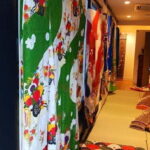
The Kimono Forest, an installation of patterned fabric displayed in upright columns, is also listed among the attractions associated with the tour. Tenryu-ji is another possible stop, but its ticket is not included. The schedule does not give a separate timed visit for either one, so treat them as possibilities rather than promises. Ask the guide how best to use your free time once you arrive.
The main practical question is lunch. You can select a pork shabu-shabu meal, a Kobe beef shabu-shabu or sukiyaki option, a Kobe beef sukiyaki donburi, or no meal. Menus may change with the season and available ingredients. If you choose a meal package, check precisely which dish is included and how much extra it costs before booking. Past diners often praised the meal, though one person found the pork hot pot confusing because the broth did not seem to boil as expected. If you prefer control over your food and timing, the no-meal option leaves you free to choose your own lunch, but you will need to manage the time yourself.
Sanjusangen-do: 1,001 figures in one long hall
Sanjusangen-do is a striking change of scene after Arashiyama. Its main hall stretches about 120 meters, and inside are 1,001 statues of the Thousand-Armed Kannon. The name refers to the 33 intervals between the hall’s columns. The building and its rows of figures have a solemn effect that is hard to capture in a photograph.
The stop is scheduled for 40 minutes, with admission included. That makes this an efficient visit: you can see the central collection, take in the scale of the hall and appreciate why the site is considered a national treasure, without needing to sort out separate tickets. A past guest found it unexpectedly impressive, which makes sense. It is less instantly recognizable than Kinkaku-ji, but may prove the day’s most memorable interior.
The temple also hosts the Toshiya archery competition each January, a long-running New Year tradition. The event is not part of this tour, but it gives the hall another layer of significance beyond its statues and architecture.
Kiyomizu-dera and the old lanes
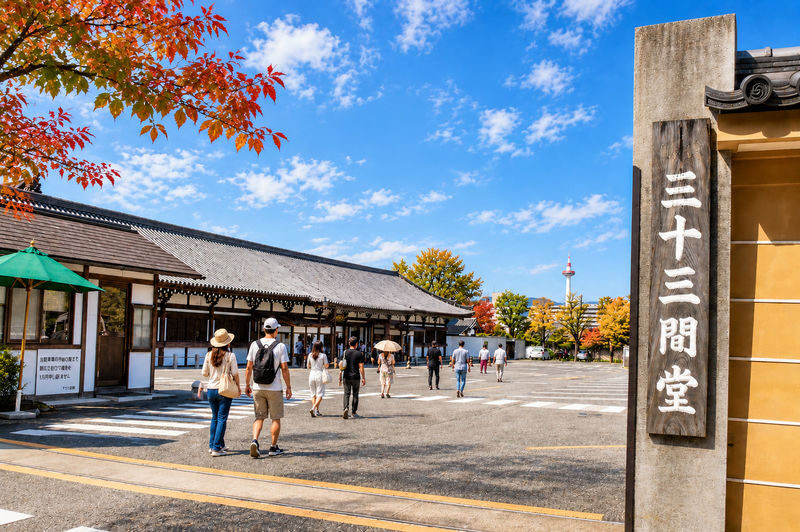
Kiyomizu-dera is the final major stop, with 1 hour and 40 minutes for the temple and surrounding area. The temple’s wooden stage projects from the hillside and gives broad views over Kyoto. Founded in 778, it is one of Japan’s older Buddhist temples and a World Heritage site. In spring and autumn, blossoms or fall colors add to the view, although those seasons also tend to draw crowds.
The temple admission ticket is not included, so account for that extra cost. The approach also involves walking uphill. One past visitor found the climb inconvenient for an older family member, a useful reminder that this is not a door-to-door drop at the temple entrance. Wear shoes you can walk in and save some energy for the approach.
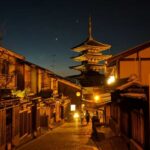
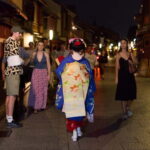
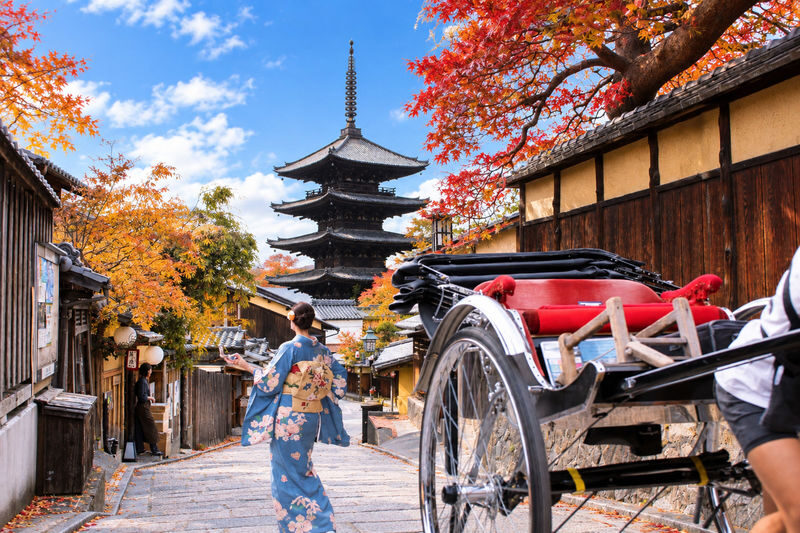
Sannenzaka and Ninenzaka, the traditional lanes below the temple, are part of the appeal. Their old townhouses, shops and tea stops make a good counterpoint to the temple’s broad views. You might want to leave time for a matcha snack, but keep an eye on the meeting time. Yasaka Shrine, Gion and Hanamikoji Street appear among the tour’s wider attraction descriptions, but the timed schedule does not give them their own stops. Don’t assume you will have time to visit them independently.
Lunch upgrades and what the price buys
At $44.89 to start, the no-meal package is a low-cost way to connect several major sights, especially if you are staying in Osaka and would otherwise need to arrange transport to Kyoto and between its districts. The price includes Kinkaku-ji and Sanjusangen-do admission, the guide, round-trip transport, tolls, parking and tax. It does not include meals, drinks, personal purchases or the Kiyomizu-dera and Tenryu-ji tickets.
The optional Kobe beef meals raise the cost, but can turn lunch into a planned part of the day rather than another decision to make on the clock. Packages list Kuroge Wagyu Kobe beef in shabu-shabu, sukiyaki or sukiyaki donburi forms. The tour information describes A5 Kobe beef as a premium grade, but check the exact meal package details before paying extra. A meal name alone does not tell you the portion size or every detail of the menu.
The overall value rests on convenience and coverage, not on spending hours at each place. The guide can help with context and coordination, while the coach saves you from piecing together a long route on public transport. The cost is less compelling if you want only one or two sights, or if you prefer to linger without a fixed return time.
Crowds, walking and other useful realities
This is a busy day with four headline stops and a group schedule. Kinkaku-ji and Sanjusangen-do each get 40 minutes, while Arashiyama and Kiyomizu-dera receive longer blocks. Traffic, weather and capacity can alter the order or timing, and some sights may be skipped. Think of the route as a strong outline, not a guarantee of a precise minute-by-minute visit.
You will walk at each stop, and Kiyomizu-dera’s hillside approach is the most notable physical consideration. The coach reduces the amount of time spent navigating transit, but it does not make the temple grounds or historic lanes flat. If mobility is a concern, ask the operator about the route and drop-off arrangements before booking.
Crowds are part of the deal at Kyoto’s best-known places. Several past trips were praised for staying organized and on time, and guides were often described as attentive and helpful. There was also a complaint about a driver dropping the group farther from an attraction than expected. That sounds like an exception, but it underlines the importance of listening carefully to the guide’s instructions and allowing time to regroup.
Children aged zero to three travel free if they do not need their own seat. The tour may be rescheduled or refunded if the minimum group of 10 is not reached. Cancellation is free with at least 48 hours’ notice, and the voucher is valid only for the date selected.
Who should book this Kyoto day trip?
I’d choose this tour if you have one day for Kyoto, are staying in Osaka or Kyoto, and want transport and the main logistics handled for you. It works especially well for first-time visitors who value seeing a range of places over spending half a day at one temple. The combination of a famous garden, a river-and-bamboo district, a monumental Buddhist hall and Kyoto’s old lanes gives you a useful first look at the city.
Choose another approach if you want a slow day, have mobility needs that make the Kiyomizu climb difficult, or are keen to visit Gion, Yasaka Shrine or Tenryu-ji at length. Check the meal package and guide language before paying, and remember that Kiyomizu-dera admission costs extra. If those points fit your plans, the tour offers a sensible way to cover a lot of Kyoto without turning the day into a transit puzzle.
Osaka/Kyoto Departure: Kinkaku-ji Temple & Arashiyama Bamboo Grove Togetsukyo Bridge & Sanjusangendo Temple & Kiyomizu-dera Temple Sannenzaka Ninenzaka World Heritage Ancient Capital Kyoto One-Day Tour (Can be upgraded to exclusive A5 top-grade Kobe beef)
“Tour guide Mr. Bi was wonderful, the itinerary was fantastic, and the lunch was delicious too. The weather was great as well, and we will recommend…”
FAQ
How long is the tour?
The tour lasts about 9.5 hours. Listed schedules run from a morning departure to a return at 17:40 in Kyoto or 18:50 in Osaka, depending on the departure and route.
Can I depart from Osaka or Kyoto?
Yes. Departures are offered from Osaka and Kyoto. The meeting time and place depend on the option you select.
Which admissions are included?
Admission to Kinkaku-ji and Sanjusangen-do is included. Kiyomizu-dera and Tenryu-ji tickets are not included.
Is lunch included?
Only if you select a meal package. Options include pork shabu-shabu, Kobe beef shabu-shabu, Kobe beef sukiyaki, Kobe beef sukiyaki donburi, or a package without meals.
How much time is allowed at each main stop?
The schedule gives 40 minutes at Kinkaku-ji, 3 hours and 10 minutes in Arashiyama, 40 minutes at Sanjusangen-do, and 1 hour and 40 minutes at Kiyomizu-dera and its surrounding area.
Does the tour include Gion and Yasaka Shrine?
They are listed among the attractions associated with the activity, but the timed itinerary does not give them a separate stop. Confirm with the operator if visiting either is essential to your plans.
What languages does the guide speak?
The activity includes a Chinese- and English-speaking guide. The language used during a particular departure may vary, so confirm your needs with the operator in advance.
What happens if the minimum group size is not reached?
The tour requires at least 10 participants. If that minimum is not met, the activity may be rescheduled, or you may receive a refund.