Kyoto’s famous red gates, old lanes, sake cellars, and temples are all possible on this private day trip from Kobe. Your host takes you by taxi to Sannomiya, then by train to Kyoto, where the day is shaped around your interests rather than a fixed list of stops.
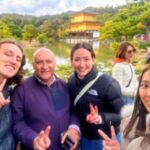
I like the custom itinerary, which lets you put a shrine, food, or a traditional tea experience first. I also like having a local host manage the train journey and help you make choices once you arrive. One outing led by Taiga included cultural lessons for children and family photos, a good example of what a thoughtful guide can add.
The trade-off is time: Kyoto is a long way from Kobe, and eight hours includes the trip in both directions. The day also involves substantial walking and stairs, and guide quality can vary. Confirm extra transport costs and the planned pace before you set off.
At a glance
- Train journey from Kobe: A taxi takes you from Kobe Port to Sannomiya station, then you ride a regular train to Kyoto and back.
- A private, flexible day: The group can include one to eight people, and your host can tailor the plan to your interests.
- Choose your Kyoto: Possible priorities include Fushimi Inari, Gion, Nishiki Market, the Imperial Palace, Fushimi’s sake district, and Arashiyama.
- Expect to walk: This is a walking tour, not a private-car tour. Local taxis or public transport may be used between sights.
- Check the full cost: Admission, meals, drinks, personal expenses, and gratuities are not included. Ask about local transport and guide fares.
- Guide makes the difference: Taiga’s family-friendly explanations and photo help were a highlight on one tour, but another group found communication and pacing difficult with a different guide.
- From Kobe Port to Kyoto by train
- Build the day around one or two priorities
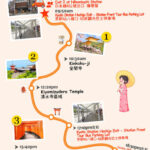
- Fushimi Inari and the appeal of a focused shrine visit
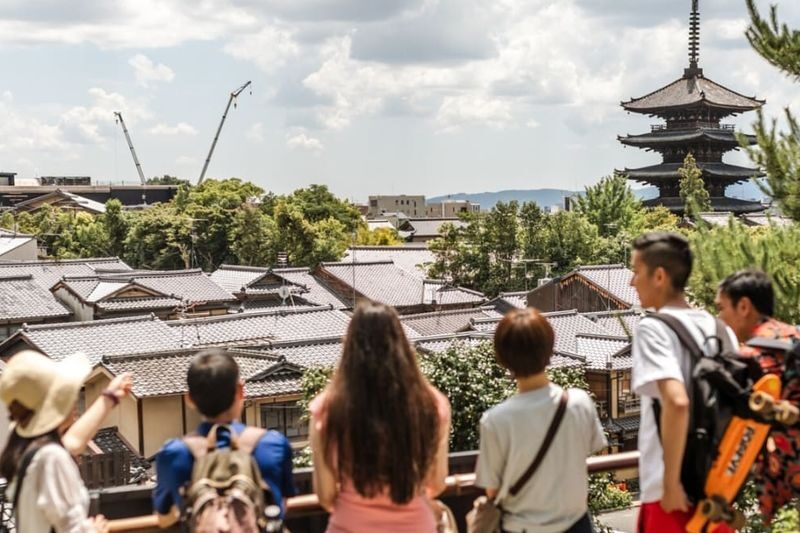
- Gion, Nishiki Market, and the choices in central Kyoto
- Sake in Fushimi or a tea ceremony
- Arashiyama, or more time in the city
- What the price covers, and what it does not
- Who should book this Kyoto day trip
- FAQ
- How long is the tour?
- Where does the tour start?
- How do we get from Kobe Port to Kyoto?
- Is a private vehicle included in Kyoto?
- What places can I visit in Kyoto?
- Are admission fees and meals included?
- How many people can join?
- Is the tour suitable for someone with limited mobility?
- Can I cancel for a refund?
- The Best Of Kyoto!
- More Boat Tours & Cruises in Kyoto
- More Tours in Kyoto
- More Tour Reviews in Kyoto
From Kobe Port to Kyoto by train
 1 / 5
 2 / 5
 3 / 5
 4 / 5
 5 / 5
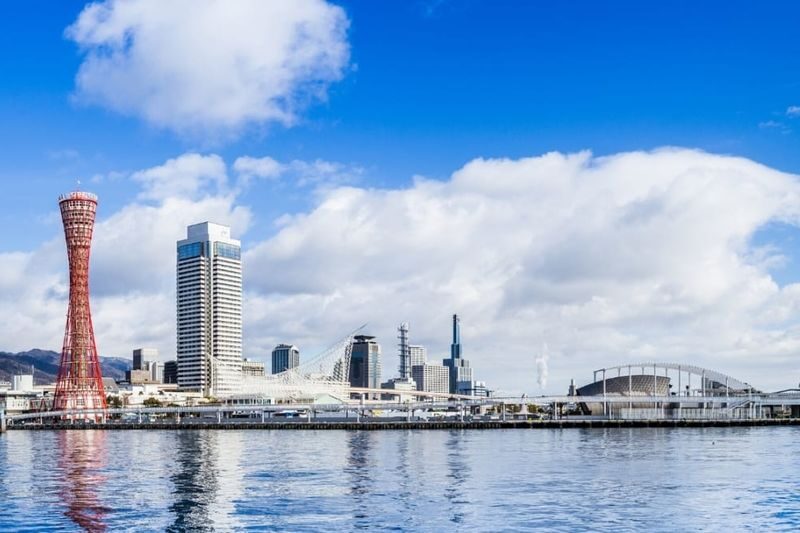
This is a useful option if your ship calls at Kobe and you want a full day in Kyoto without planning the rail connection yourself. The host meets you at the arrival lobby or another agreed central Kobe location, and a taxi takes you to Sannomiya station. From there, you travel to Kyoto by regular train with your host.
That arrangement removes some of the guesswork of getting from the port to the rail network, especially if you are unfamiliar with local stations. It does not mean you have a private vehicle for the day. Once in Kyoto, this is principally a walking experience, with public transport or local taxis possible between sites.
The eight-hour duration includes the trip to Kyoto and back, so your time among the temples, markets, and old districts is less than eight hours. The exact balance depends on your departure time, route, and how long you spend at each stop. Pick from the offered Kobe departure times of 08:00, 09:00, 10:00, 11:00, or 12:00, but do not assume every option gives the same amount of sightseeing time.
Train arrangements deserve a clear conversation before departure. Regular train transport to and from Kyoto is included, but the details of any upgrades or local travel between Kyoto stops are not. One group paid extra for bullet train tickets and was disappointed that first-class seats were available in only one direction. Another was surprised to pay the guide’s subway fare. Ask your host what is covered, whether you are planning a faster train, and how local transport costs will be handled.
👉 See our pick of the We Rank Kyoto’s 15 Top Workshops & Classes
Build the day around one or two priorities
After booking, you receive a questionnaire about your interests, preferences, and must-see places. Your host then contacts you to shape the plan. This is more than a small convenience: with several possible sights and a round-trip train ride, a clear priority list helps keep the day from turning into a rushed checklist.
You could focus on shrine and temple visits, traditional food, sake, or older Kyoto districts. Fushimi Inari Taisha is a natural choice if you want to see the famous tunnel of flame-colored gates. The shrine is a major draw, but visiting it does not automatically leave time for every other district on the menu.
Other possible stops include Kyoto Imperial Palace, Gion, Nishiki Market, the Fushimi sake district, and Arashiyama Bamboo Grove. A tea ceremony or a visit to a hidden temple may also suit the day, depending on your interests and the route. These are options, not a guarantee that every stop will fit. Tell your host your top choices before the tour, then agree on what to leave out.
I would choose two main goals and treat anything else as a bonus. For example, pair Fushimi Inari with a food stop, or concentrate on central Kyoto and Gion rather than trying to reach Arashiyama as well. Your host can advise on what is workable, but the long journey from Kobe makes a compact plan more satisfying than a race across town.
You can also read our reviews of more boat tours in Kyoto

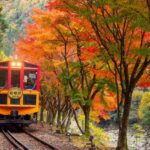
Fushimi Inari and the appeal of a focused shrine visit
Fushimi Inari Taisha is one of the day’s most compelling possibilities. Its well-known passage of red-orange gates makes a strong impression, and the shrine offers a chance to ask your host about Japanese religious customs as you walk. The experience can be more meaningful when you have time to pause, ask questions, and notice details instead of treating the site as a quick photo stop.
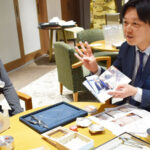
That point matters on a walking tour. One family described its guide, Taiga, using a shrine visit to explain Zen and the value of flexibility in body and mind. His cultural explanations gave the children a way into the experience beyond looking at the buildings. A guide who reads the group well can turn a stop into a conversation, not just a route between landmarks.
The other side of that equation is pace. A different group found its guide walked quickly and did not always check whether everyone was keeping up. If you have children, older relatives, or anyone who needs a slower rhythm, say so before the day begins. Ask how much walking the proposed route involves and agree that the host will pause for the group.
Gion, Nishiki Market, and the choices in central Kyoto
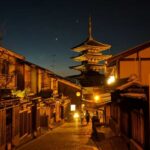
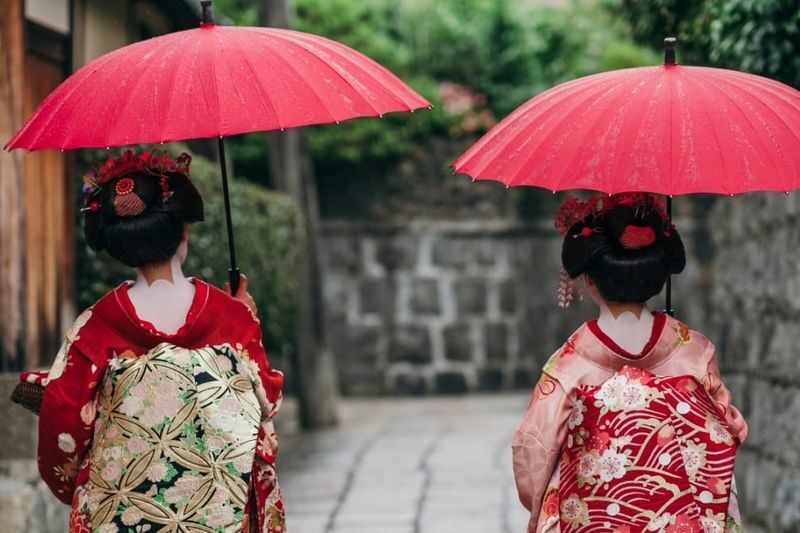
If you want a feel for Kyoto’s older streets, Gion is one possible focus. The district is associated with geisha culture, and the tour description includes the chance of seeing a geisha along its cobbled streets. Treat that as a possibility, not a promised encounter. The district is worth approaching with respect and without expecting people to perform for visitors.
Nishiki Market offers a different kind of stop. You might taste wagashi, traditional Japanese sweets, and explore food stalls with your host’s guidance. But market time can disappear quickly if the itinerary is too ambitious. One group felt rushed and did not have enough time to look around the market, so tell your host if browsing and tasting matter more to you than adding another landmark.
The Imperial Palace is another possible stop for those drawn to Kyoto’s architectural and political past. The day can also include a hidden temple suggested by your host. Since admission fees are not included, ask in advance which proposed sites charge an entry fee and whether the cost fits your plans.
Sake in Fushimi or a tea ceremony
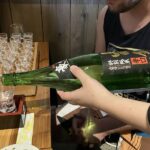
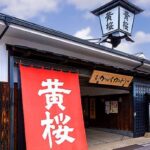
Food and drink can give the day a more personal shape. In Fushimi, you could visit the sake-brewing district and sample sake at a historic brewery. The tour information does not promise a particular brewery or tasting, so confirm the plan with your host rather than assuming it is part of the standard route. Drinks are an extra cost.
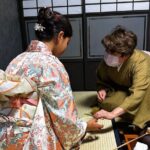
A traditional tea ceremony is another possible cultural experience. It may be a better fit if you want a structured introduction to a custom rather than a day of moving from sight to sight. Again, confirm whether the ceremony can be included in the eight-hour schedule and whether it has a separate fee.
If food is your main interest, say so in the questionnaire and be specific. Nishiki Market, wagashi, sushi, and sake are distinct experiences, and the time available may not allow all of them. One family had a meal at a revolving sushi restaurant during its outing, but that does not mean a particular restaurant is included or guaranteed. Meals and beverages are at your own expense.
Arashiyama, or more time in the city
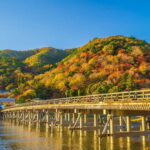
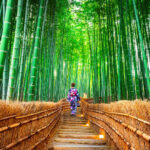
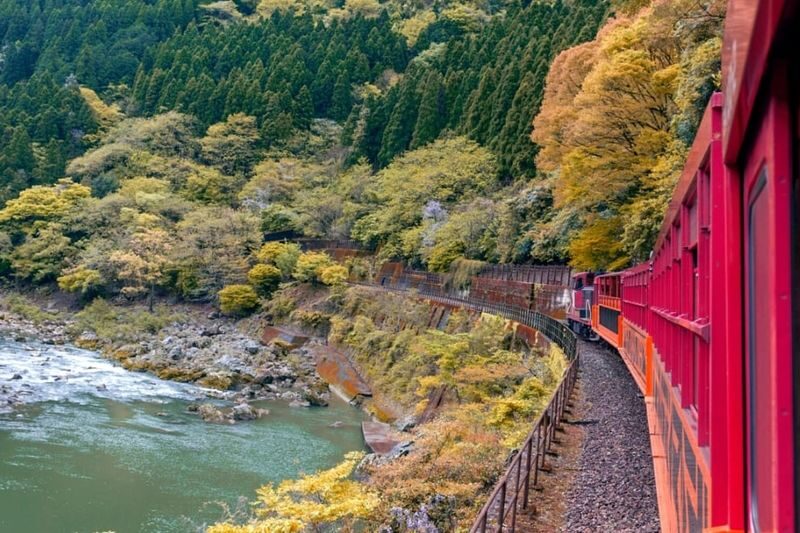
Arashiyama Bamboo Grove is on the list of possible choices, but reaching it means shaping the day around that area rather than assuming it can be added casually to a central Kyoto route. The grove may suit you if the bamboo setting is a top priority. If you would rather explore Gion, the market, and nearby cultural stops, staying in central Kyoto may give you a less hurried day.
This is where a private host has real value. You can discuss the trade-offs with someone who knows the city and can help match your interests to the time available. Still, flexibility cannot stretch the day. Your host may recommend public transport or local taxis between sites, and those costs are not clearly included in the base price.
You can also read our reviews of more private tours in Kyoto
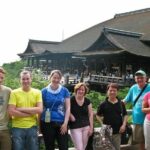


What the price covers, and what it does not
The eight-hour package starts at US$215.05. The exact booking total may depend on the option and group, so check the price shown for your date and party before paying. For a group of up to eight, a private guide can be good value if you want a shared, customized day and help with the Kobe-to-Kyoto connection. For a solo visitor or a couple who prefer a set route, the cost may feel less attractive than joining a group tour.
The package includes an English-speaking guide, taxi transport from Kobe Port to Sannomiya and back, and regular train transport to Kyoto and back. It does not include attraction admission, meals, drinks, personal expenses, or tips. Local travel between Kyoto sites may involve public transit or taxis, and the exact costs can be discussed with the host after the reservation is finalized.
Guide quality is a central part of the value. Taiga was described as speaking clear English, teaching Japanese culture in a way that engaged children, and helping the family take photos throughout the day. Another group had a harder time understanding its guide, found that he did not share much historical context, and felt rushed. A third group praised its guide’s explanations and ability to follow the requested route. Those contrasting experiences make it sensible to confirm your interests, walking pace, and expectations for historical commentary directly with your host.
Who should book this Kyoto day trip
I would consider this tour if you have one day in port, want Kyoto rather than Kobe, and value having a local host organize the rail journey and help tailor the day. It is particularly suitable for families or small groups with shared interests. One outing accommodated a party of eight, and the group enjoyed having its guide teach the children and take family photos.
It is less suited to anyone who needs a relaxed, low-walking day or expects a private car to carry them between every sight. The tour involves considerable walking and stairs, even though the activity is described as stroller- and wheelchair-accessible. If mobility is a concern, discuss the exact route and transport plan with the host before booking.
The operator has a 93 percent good review rate across 445 reviews, but that broad figure does not guarantee the particular guide or pace you will get. A short message before the day can help: name your must-sees, ask about English ability and historical explanations, state your preferred walking speed, and request a written outline of included transport.
Private Shore Excursion to Kyoto from Kobe Cruise Port
“Taiga was our tour guide. He took all 8 of us through the trains and recommended the bullet train from Kobe port to Kyoto. He was wonderful, knowle…”
FAQ
How long is the tour?
The experience lasts eight hours, including the journey between Kobe and Kyoto.
Where does the tour start?
The host meets you in the arrival lobby, with hotel pickup or another central Kobe meeting point also available by arrangement.
How do we get from Kobe Port to Kyoto?
A taxi takes you from Kobe Port to Sannomiya station. You then travel by regular train to Kyoto with your host.
Is a private vehicle included in Kyoto?
No. The tour is a walking experience, not a private-car tour. Public transport or local taxis may be used between sites.
What places can I visit in Kyoto?
Possible stops include Fushimi Inari Taisha, Kyoto Imperial Palace, Gion, Nishiki Market, the Fushimi sake district, and Arashiyama Bamboo Grove. The route is customized, so confirm your priorities with the host.
Are admission fees and meals included?
No. Attraction admission, meals, beverages, personal expenses, and tips are not included.
How many people can join?
The tour accepts groups of one to eight participants and has no age limit.
Is the tour suitable for someone with limited mobility?
It is described as stroller- and wheelchair-accessible, but it involves considerable walking and stairs. Ask the host about your planned route and mobility needs before booking.
Can I cancel for a refund?
A full refund is available if you cancel at least 24 hours before the activity date, based on local time. Late arrivals and no-shows are not eligible for refunds or amendments.