Kyoto home cooking can be a welcome change from restaurant meals: you get to handle the ingredients, follow a local instructor’s guidance, and share a meal rather than simply order one. This class is planned for a group of no more than six, with English-speaking support and a two-hour session in an instructor’s home.
I like the small-group format, which should leave room to ask questions instead of watching from the back of a crowded room. I also like the practical home-cooking idea: the aim is straightforward food you can make without turning dinner into an all-day project.
There is a serious reason to be cautious. The dishes are described inconsistently, and one customer reported that the organizer cancelled shortly before the date and did not provide a refund. That is a single report, not proof of a pattern, but it deserves attention before you pay.
- At a glance: what the class offers
- A home kitchen near Shijo-Karasuma
- What you may cook, and what to confirm
- Two hours from meeting point to return
- Small group, more room to participate
- Is .75 good value?
- The cancellation report changes the calculation
- Who should consider this class?
- Should you book it?
- FAQ
- Where is the meeting point?
- What time does the class start and finish?
- Which dishes will I cook?
- How many people can join?
- Is the class suitable for children?
- What is included in the price?
- What is the cancellation policy?
- The Best Of Kyoto!
- More Cooking Classes in Kyoto
- More Tours in Kyoto
- More Tour Reviews in Kyoto
At a glance: what the class offers
 1 / 6
 2 / 6
 3 / 6
 4 / 6
 5 / 6
 6 / 6
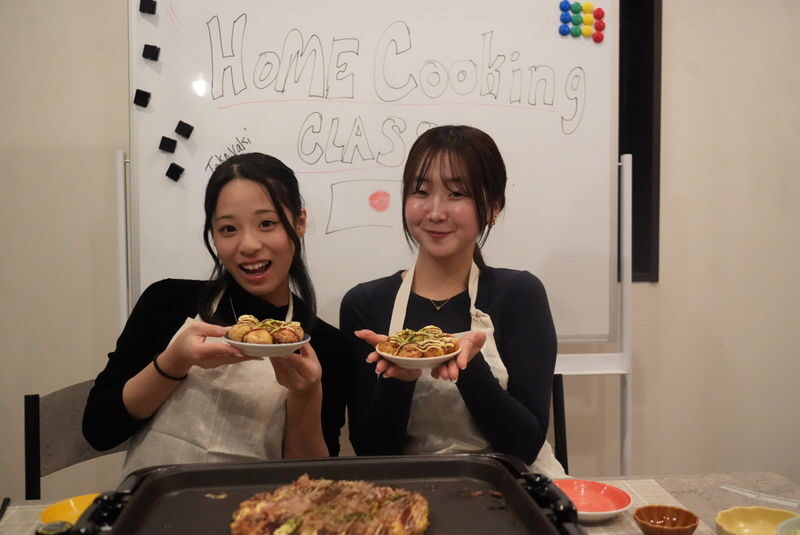
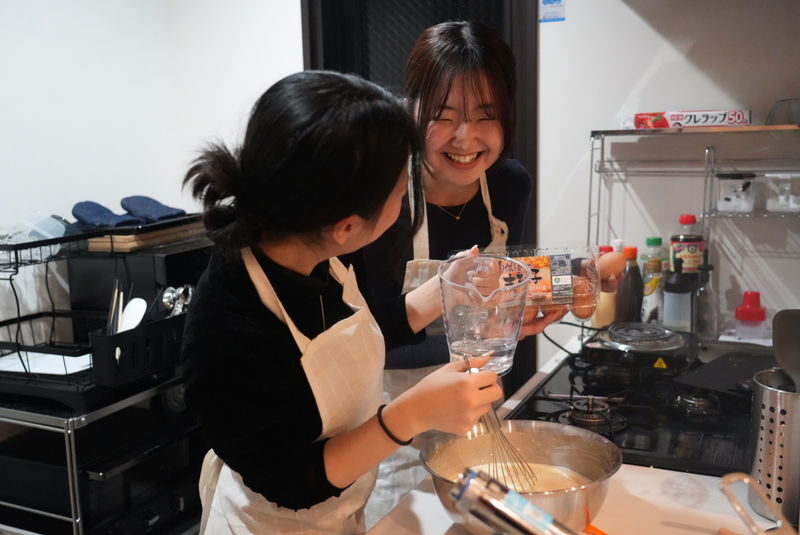
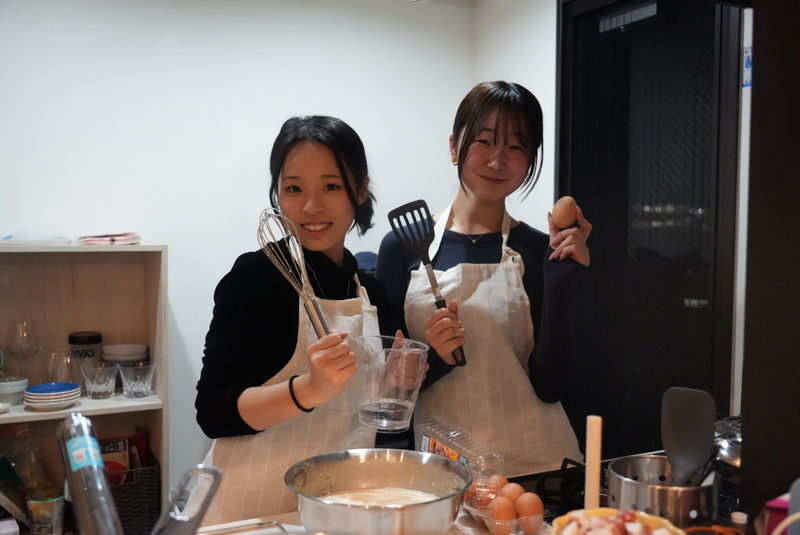
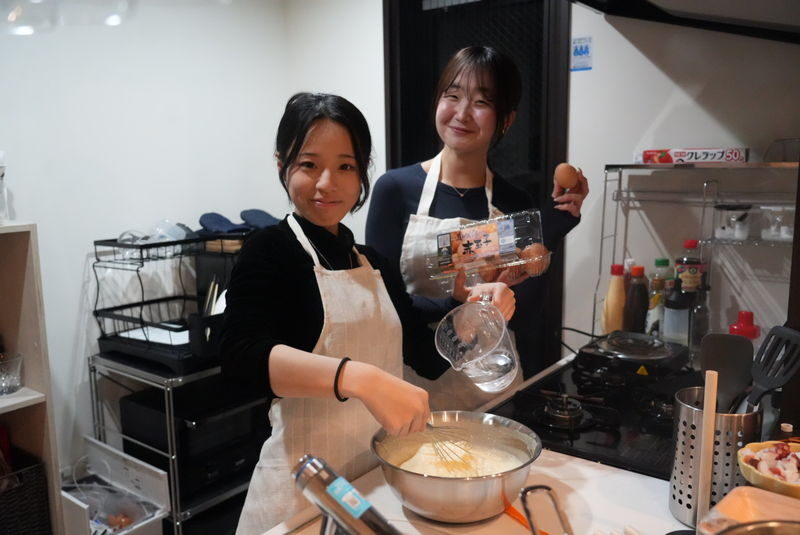
- A home kitchen, not a restaurant kitchen: You meet in central Kyoto and go with the host to a private home. The exact house address is kept private.
- A small group: The maximum is six participants, a useful size for seeing demonstrations and getting individual help.
- A short evening activity: The stated schedule runs from 4:30 to 6:30 pm, with about two hours for the cooking experience.
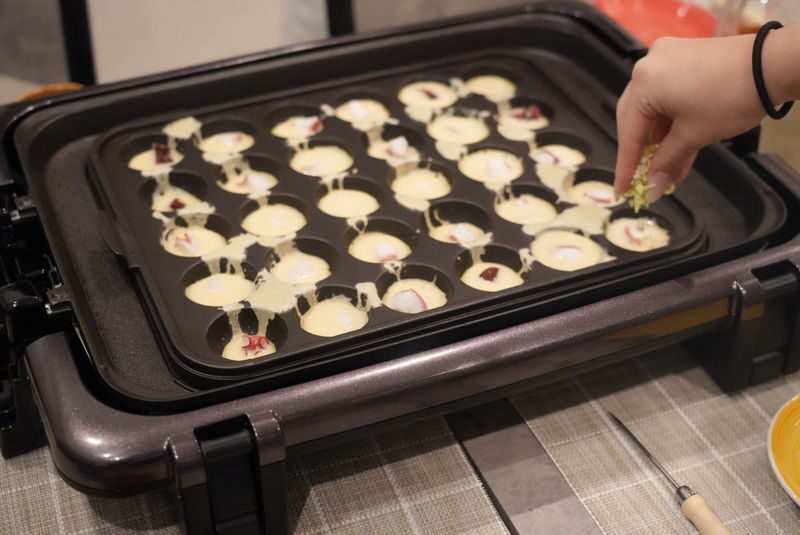
- A menu that needs confirmation: The experience name mentions okonomiyaki, while the overview describes takoyaki, gyoza, and ramen.
- English-speaking instruction: English-speaking staff are included, and the class is presented as guided by local instructors.
- A notable booking concern: One available rating is 1 out of 5, attached to a report of cancellation and refund problems. Check that the class is running and understand the refund process before committing.
👉 See our pick of the We Rank Kyoto’s 15 Top Workshops & Classes
A home kitchen near Shijo-Karasuma
The meeting point is outside Starbucks at the Karasuma Kyoto Hotel, in the Shijo-Karasuma area of central Kyoto. This is a practical place to meet because the location is specified clearly, while the actual cooking address is withheld for privacy. The host is supposed to wait with a GuideMe Japan sign.
That setup gives you a simple starting point, but it also means you should not expect to walk directly into a public cooking studio. You meet the host first and travel to the instructor’s home. The provided details do not say how far away the house is or how you get there, so ask the operator if that affects your plans.
Arrive five minutes early. The stated departure is 4:30 pm, and late arrivals or no-shows are not refundable. If you are coming from another Kyoto activity, leave a little room in your schedule rather than trying to cut the connection close.
You can also read our reviews of more cooking classes in Kyoto


What you may cook, and what to confirm
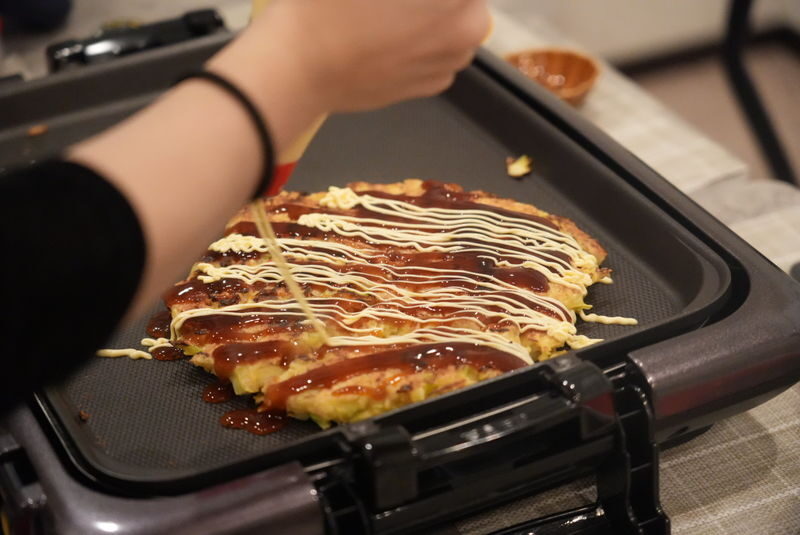
The title refers to okonomiyaki and Japanese cuisines, but the overview names takoyaki, gyoza, and ramen. Those are distinct dishes, and the difference matters if you are choosing the class for a particular recipe. The available information does not explain whether the menu varies by date, whether all four dishes are included, or whether one set of descriptions is outdated.
Before booking, ask the provider to confirm the exact dishes for your date. If you have your heart set on making okonomiyaki, do not assume it is part of the session simply because it appears in the experience name. The same goes for takoyaki, gyoza, and ramen: they are named in the overview, but the detailed cooking steps and final menu are not specified.
The class is framed as everyday home cooking rather than restaurant-style cooking or elaborate preparation. That is an appealing idea for a short session. Instead of spending the evening on complex techniques, you should expect instruction focused on accessible dishes and a meal at the end. The precise recipes and how much of the cooking you will do yourself are not described, so it is worth asking if you want a more hands-on or technique-heavy lesson.
Two hours from meeting point to return
The schedule begins at 4:30 pm outside Starbucks at the Karasuma Kyoto Hotel. From there, you go to the instructor’s home for the cooking session, which is listed as two hours. The planned return to the Starbucks meeting point is 6:30 pm.
The timing makes this an easy fit before a later evening plan, but keep the schedule flexible. The stated schedule may change with traffic or weather, and the activity overview elsewhere describes the class as lasting two to two and a half hours. That leaves some uncertainty about the full door-to-door commitment. If you have dinner reservations or a train to catch, confirm the likely end time rather than relying on the two-hour estimate.
The meeting point is central, but the actual class takes place at a private home. That can make the experience feel more personal than a class in a commercial kitchen. It also means the address is not shared in advance, so meeting the host on time is important.
Small group, more room to participate
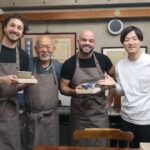
A maximum of six participants is one of the strongest practical features. In a larger class, you may spend much of your time watching someone else cook. With six or fewer, there is a better chance to see the instructor’s demonstrations, ask questions, and get help as you work.
The English-speaking support should make instructions and conversation easier for visitors who do not speak Japanese. The provided information does not name the instructors, so there is no specific teacher to request. It does say that local instructors guide the class and that the setting is intended to be relaxed and friendly.
A home-based class also offers a different kind of cultural contact from a restaurant meal. You are in a household setting, sharing food and conversation, rather than focusing only on service and menu choices. Still, the details do not describe the home, the number of instructors, or how the class is arranged. Treat the personal setting as part of the concept, not a promise of a particular style of hospitality.
Is $86.75 good value?
The starting price is US$86.75 for the cooking class. For a two-hour activity, that is not a bargain in the strict sense. The value depends on what you want from the evening: a small-group lesson in a private home, English-speaking guidance, and a meal can be worth more to you than a quick restaurant dinner, especially if you enjoy learning by doing.
The price is harder to assess because the menu is unclear and the included items are not fully consistent. The package information lists lunch, admission to attractions, English-speaking staff, and drinks or alcohol at selected bars. A home cooking class scheduled from late afternoon to early evening does not make the references to attractions or selected bars easy to interpret. Do not assume that drinks or alcohol are part of the class, or that the word lunch accurately describes the meal. Ask exactly what the price covers.
Personal expenses and tips are not included. No other specific extra charges are provided. If the operator confirms the dishes, meal, and inclusions in writing, you can judge the price against the experience you will actually receive. Without those answers, the price is difficult to compare fairly with other cooking classes.
You can also read our reviews of more tours and experiences in Kyoto


The cancellation report changes the calculation
The available feedback is sharply negative: the experience has one rating, 1 out of 5. The customer says the organizer cancelled two days before the activity, that no refund had arrived, and that messages went unanswered. The reported payment was US$273, more than the stated starting price, so it may have covered multiple people or a different total. The available information does not explain the difference.
One report is not enough to establish how often cancellations happen, and it should not be treated as a complete record of the provider’s performance. The provider is GuideMe Japan Corporation, which is listed with 330 total reviews and a 92 percent good review rate. Those broader figures are more reassuring, but they do not erase the specific concern attached to this activity.
For a booking with a fixed date, the practical lesson is simple: confirm directly that the class is operating, keep the confirmation and cancellation terms, and use a payment method that gives you a clear record. The stated policy offers a full refund if you cancel at least 24 hours before the activity date, in destination local time. That is different from what happens if the organizer cancels, so ask how an organizer cancellation is handled before buying.
Who should consider this class?
This class may suit you if you want a short, guided food activity in central Kyoto and value a small group more than a polished restaurant setting. It is also a reasonable option for families, since participants must be at least four years old. The data does not specify child pricing or whether every dish is suitable for children, so check those details if you are booking for a family.
You may prefer another option if you need a confirmed menu, a highly structured cooking lesson, or firm assurance about the operator’s cancellation handling. The difference between the title and the overview is especially important if one dish is the main reason you are booking. A class advertised around one recipe but delivering another can make an otherwise pleasant evening poor value.
If you are comparing cooking activities in Kyoto, look closely at the exact menu, class length, group size, and what is included. Similar experiences may focus on ramen and gyoza with professional chefs, or on a different food or craft activity. Those alternatives are not necessarily better, but they may give you clearer information about the experience you want.
Should you book it?
I would consider this class only after getting written confirmation of the menu, the full time commitment, what the price includes, and what happens if the organizer cancels. Its strongest points are the small group and home-cooking format. Its weaknesses are the conflicting dish descriptions and a serious report of cancellation and refund trouble.
If the provider answers clearly and confirms your date, the class could be a personable way to spend an early evening cooking in Kyoto. If you cannot get those answers, choose an activity with a better-defined menu and clearer cancellation arrangements. At US$86.75 per person, clarity is part of the value.
Kyoto Home Cooking Class: Okonomiyaki & Japanese Cuisines
FAQ
Where is the meeting point?
Meet outside Starbucks at the Karasuma Kyoto Hotel in central Kyoto. The host is expected to wait with a GuideMe Japan sign.
What time does the class start and finish?
The stated schedule is 4:30 to 6:30 pm, including the trip from the meeting point to the instructor’s home and the return. The cooking session is described as two hours, though another duration description gives two to two and a half hours.
Which dishes will I cook?
The experience name mentions okonomiyaki, while the overview lists takoyaki, gyoza, and ramen. Confirm the exact menu for your date before booking.
How many people can join?
The maximum group size is six participants.
Is the class suitable for children?
Participants must be at least four years old. No further information about child pricing or menu suitability is provided.
What is included in the price?
The package information lists English-speaking staff, lunch, admission to attractions, and drinks or alcohol at selected bars. Because some of these items are unclear for a home cooking class, confirm what is actually included before paying.
What is the cancellation policy?
You can receive a full refund if you cancel at least 24 hours before the activity date, using destination local time. The provided information does not state how organizer cancellations are handled.