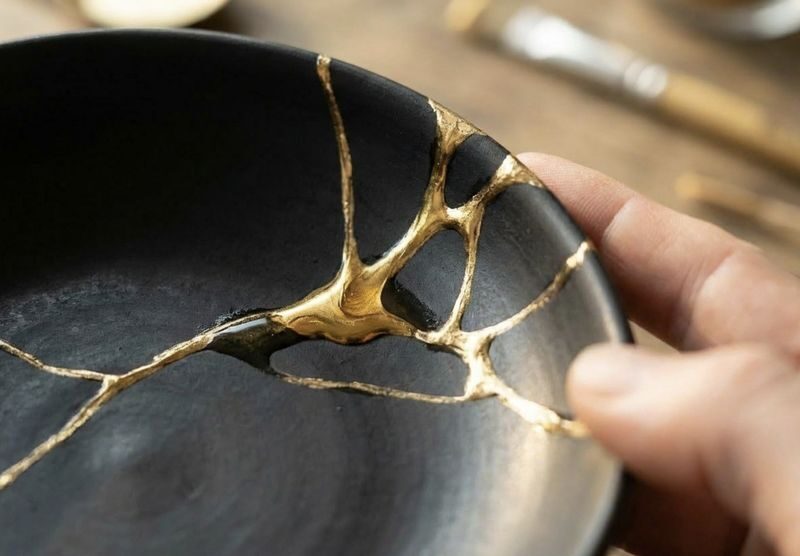
Kintsugi turns a break into part of a pot’s story, tracing its cracks with gold instead of trying to hide them. At this Kyoto workshop, you’ll work on a plate or bowl and leave with a handmade piece that carries the idea of making broken things beautiful.
I like two things in particular: patient, English-speaking instruction makes the craft accessible even if you have never done anything similar, and the finished work gives you a personal souvenir rather than another shop-bought trinket. The setting also makes this an easy creative pause near Gion and Kawaramachi.
One thing to plan for: the session is listed as one hour, but some participants find it takes closer to 90 minutes or even two hours. Choose a time when you can stay a little longer, especially if you like to work carefully.
- At a glance
- Making a break part of the design
- What happens during the hour
- Choosing a plate or bowl
- Helpful instructors, even for first-timers
- A personal souvenir, not a factory-made one
- Finding the workshop near Gion
- Is the price good value?
- Who will enjoy this workshop
- Booking and cancellation basics
- Should you book it?
- FAQ
- How long does the kintsugi workshop take?
- Where is the meeting point?
- Are pottery pieces included in the price?
- Is the workshop taught in English?
- Can children take part?
- Can I cancel and get a refund?
- The Best Of Kyoto!
- More Workshops & Classes in Kyoto
- More Tours in Kyoto
- More Tour Reviews in Kyoto
At a glance
 1 / 7
 2 / 7
 3 / 7
 4 / 7
 5 / 7
 6 / 7
 7 / 7
- A hands-on kintsugi session: Repair a plate or bowl using lacquer and gold powder.
- English-speaking guidance: Instructors including Luna, Jennifer, Ethan, Yuri and Ricardo help you through the steps.
- A take-home keepsake: You can bring your completed piece home.
- Free and paid pottery choices: Some pieces are included; larger or special options cost extra.
- A central Kyoto activity: The workshop is near Gion and Kawaramachi, at Nippo Kyoto No. 2 Building.
- Allow extra time: Though scheduled for one hour, the activity may take 1.5 to 2 hours.

👉 See our pick of the We Rank Kyoto’s 15 Top Workshops & Classes
Making a break part of the design
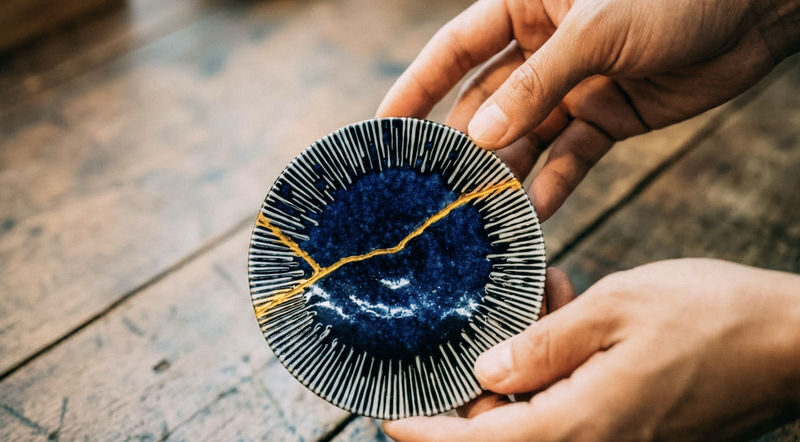
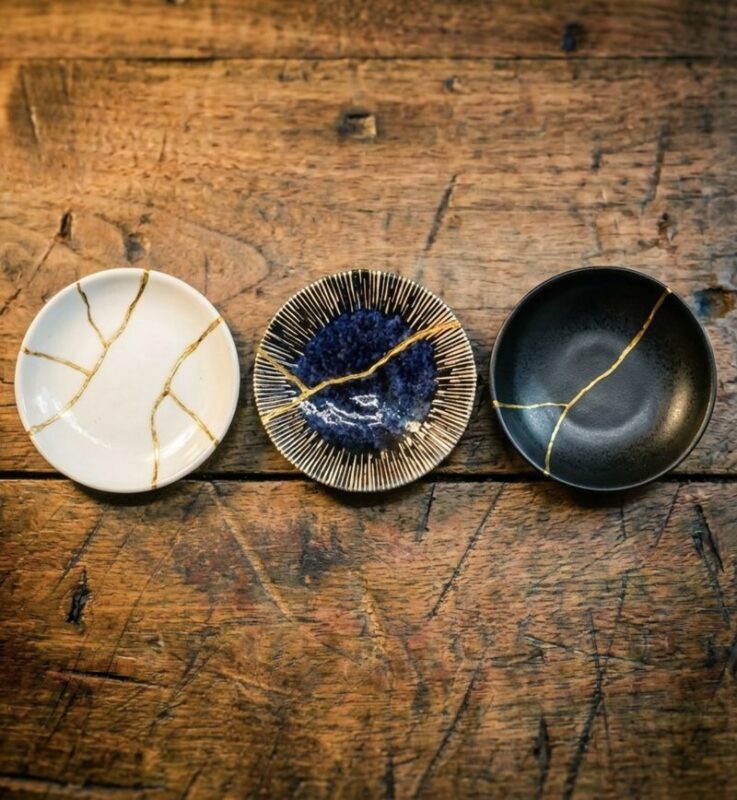
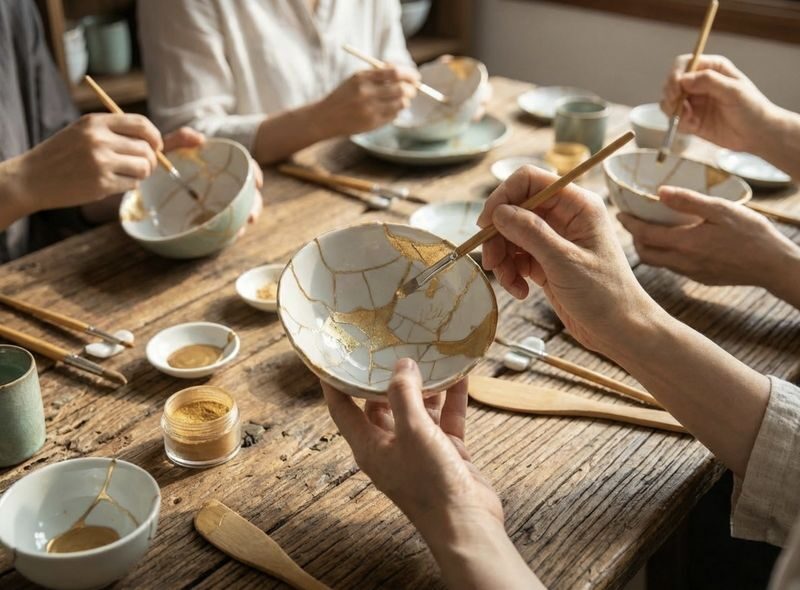
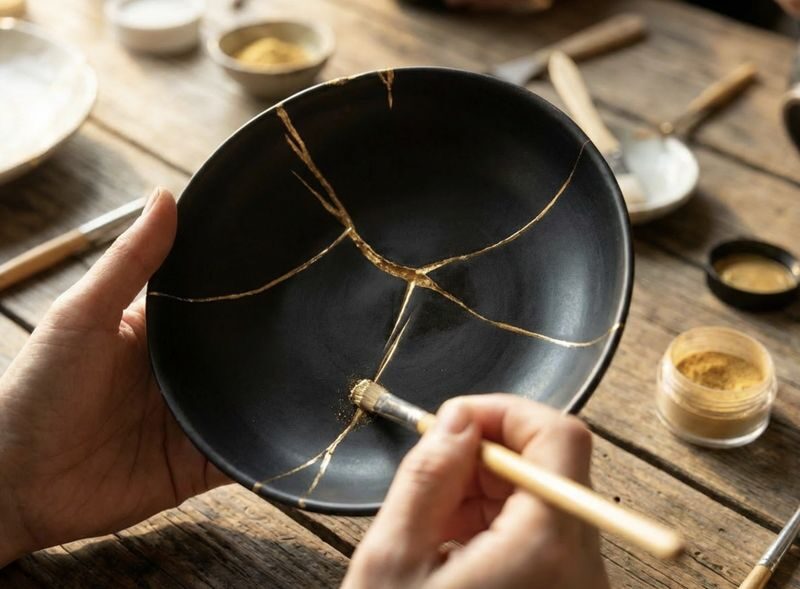
Kintsugi is the Japanese art of repairing pottery so that the joins remain visible. Rather than treating a crack as damage to disguise, the craft makes the repair part of the object’s appearance. In this workshop, you’ll use lacquer and gold powder to bring new detail to a plate or bowl.
That idea gives the session more meaning than a standard craft class. You are not simply decorating a blank object. You are working with a break and making a visible feature of it. The result can be a useful reminder of Kyoto, but the process also gives you a small, tangible way to encounter a Japanese aesthetic.
The workshop describes the practice as traditional, but the supplied details do not explain the materials’ curing time or whether the finished pieces are suitable for food use. If you hope to use your plate or bowl every day, ask the instructor about care and use before you begin. It is safest to think of the piece first as a handmade keepsake.
You can also read our reviews of more tours and experiences in Kyoto

What happens during the hour
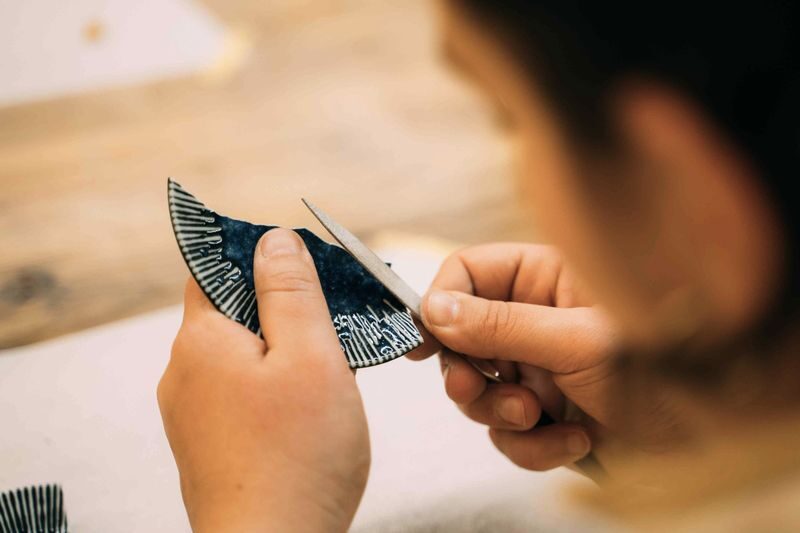
The activity begins at the workshop meeting point, then moves into a guided session lasting about an hour on the schedule. You’ll choose pottery from the available options and work on it with help from the instructors. The class introduces the concept of kintsugi while guiding you through the repair process.
The pace is practical and personal. Instructors help with each step, check your progress and offer advice on the details of your design. You do not need to arrive with prior craft experience. The work can be more demanding than it first appears, but the guidance is intended to make the process manageable.
Treat the one-hour duration as a guide, not a firm promise that you’ll be back on the street exactly 60 minutes later. Some participants have found that they needed 90 minutes to two hours. If you have a timed dinner reservation, train connection or another booking, leave breathing room after the class.
This is a sit-down activity, so it makes a useful change of pace during a day spent walking around Kyoto. It can also work well in wet weather, when a quiet indoor project is more appealing than another hour under an umbrella.
Choosing a plate or bowl
Some pottery choices are included in the price, while larger or special pieces cost extra. The range and added cost depend on the item. One participant described upgrades starting at about ¥2,000 and going up to ¥10,000, so ask for the price before choosing if you want to keep spending predictable.
There is a good reason to consider an upgrade: the piece you choose becomes the finished keepsake, and larger plates or special designs may suit you better than a basic option. But the included pottery can be enough if you mainly want to try the technique. You do not need to pay more to take part in the central experience.
Take a moment to compare the options rather than choosing quickly. Think about how much you want to spend, what size you would enjoy taking home, and whether you prefer a simple project or a more distinctive object. Your instructor can help you understand the choices available on the day.
Helpful instructors, even for first-timers
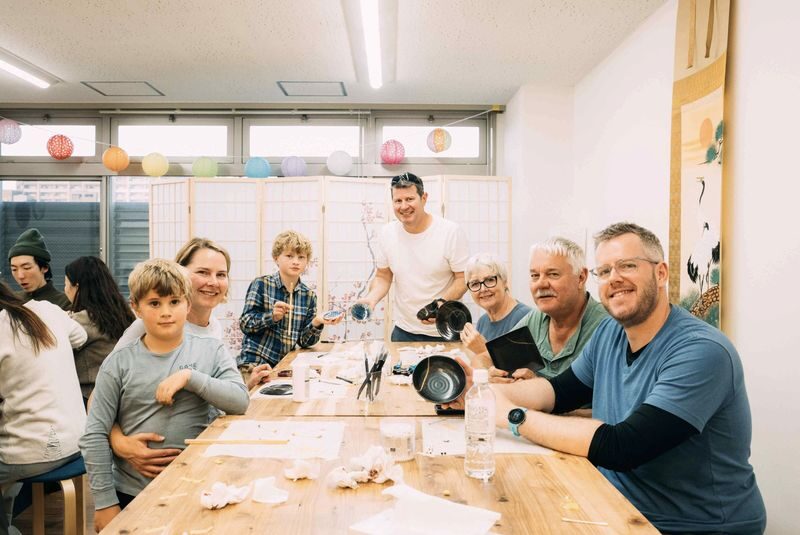
The most consistently praised feature of this class is the staff’s patient, attentive help. Instructors named by participants include Luna, Jennifer, Ethan, Yuri, Ricardo, Noa, Lucas, Tomah and Jeff. Names may vary by session, but the important point is that the class is supported by English-speaking staff who can explain the work and help you along.
The instruction seems suited to different levels of confidence. Some people arrive keen to make something; others are unsure what they are doing until the process begins. You can ask for help as you go, and the instructors are described as checking on progress without rushing the work.
That can matter in a craft where small details affect the look of the finished piece. If you are particular about the pattern, speak up and ask for advice. If you would rather work at your own pace, you do not need to be an expert to get something out of the session. Solo participants are welcome, too.
A personal souvenir, not a factory-made one
You can take your completed work home, which gives the workshop a clear payoff beyond the hour itself. A handmade plate or bowl is a more personal reminder of Kyoto than a mass-produced souvenir, and the visible repair gives the object a story you can explain later.
The finished result will depend on the pottery you choose and how you approach the work. This is a guided craft session, not a promise that every piece will look identical or flawless. That is part of the appeal: the aim is to make a piece of your own, with its repair visible.
If you are making a gift, the idea behind kintsugi can make the object especially thoughtful. Still, leave enough time to work carefully and ask the staff about taking the piece home and looking after it. The activity says you can bring your finished work with you, but it does not specify any special packing or care instructions.



Finding the workshop near Gion
The meeting point is Room 302 on the third floor of Building No. 2, Nippo Kyoto No. 2 Building, Senshojicho, Shimogyo Ward, Kyoto, postal code 600-8076. Look for the En Chopsticks & Craft Workshop sign. Although the activity is promoted as near Gion and Kawaramachi, use the full address when finding the building.
This is a meet-up activity, not a tour with transport. You make your own way to the workshop and return to the same building after the session. The available start times run hourly from 10:00 to 18:00, though the options shown to you may depend on the duration and the time you select.
Arrive five minutes before your booked start time. Late arrivals and no-shows are not refundable, so do not cut it close if you are unfamiliar with the area. Your mobile voucher is the ticket to present.
Is the price good value?
The starting price is $19.75, which is a reasonable entry point for a guided, hands-on activity that includes admission and English-speaking staff. You are paying for the instruction and the chance to make something yourself, not just for a short demonstration. The piece you take home adds to the value.
Your final cost can rise if you select a larger or special plate or bowl. That does not make the upgrade a bad choice, but it is worth deciding what you value more: keeping the price low or leaving with a particular design or size. Ask about any charge before you commit.
For a one-hour activity, the base price is easiest to justify if you enjoy creative work or want a cultural experience that is active rather than purely observational. If you are mainly looking for a detailed history lesson, this may not be the right fit. The session introduces kintsugi while focusing on making, so expect the craft itself to take most of your attention.
Who will enjoy this workshop
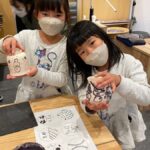
This is a good fit for couples, friends, families and solo visitors who want to try something with their hands. The activity has no age limit, and families have taken children as young as five. Children aged 13 and older pay the adult rate. Parents should consider whether younger children will enjoy a careful, step-by-step craft session.
It also works well as a break between Kyoto’s temples, lanes and shops. You can fit it into a day around Gion and Kawaramachi, but do not pack the schedule too tightly. The potential for a longer session makes it better as a planned stop than as a quick filler between fixed appointments.
Book it if you are curious about Japanese craft, like making things, or want a souvenir with a story behind it. Skip it if you dislike detailed handwork or have no flexibility around the listed one-hour duration. The best reason to go is not to produce a perfect pot. It is to spend time with the idea that a repair can become part of an object’s character.
Booking and cancellation basics
Choose your start time when booking and attend at that time. The voucher is valid only on the selected date and time, and you can book as late as the day before. Changes are allowed until 24 hours before the activity starts, subject to the stated exceptions. A full refund is available if you cancel at least 24 hours before the activity date.
If extreme weather or another unforeseen event leads the operator to cancel, you can choose to reschedule or request a full refund. The session is valid only for the date selected, so check your plans before booking.
Should you book it?
Book this Kyoto kintsugi workshop if you want a calm, hands-on activity and like the idea of taking home a piece you repaired yourself. The patient English-speaking instructors and choice of included or paid pottery make it approachable for beginners, while the visible gold repair gives the finished object a clear connection to the craft.
Go in with a little time to spare and a budget in mind for optional upgrades. If you can manage those two details, this is a worthwhile way to add a creative hour to a Kyoto visit, with the understanding that the hour may stretch longer.
Experience the art of Kintsugi in Kyoto Gion Workshop
“had a great time at the workshop. Ricardo was a great teacher!”
FAQ
How long does the kintsugi workshop take?
The scheduled duration is one hour. Allow extra time, as the session may take 1.5 to 2 hours.
Where is the meeting point?
Meet at Room 302 on the third floor of Nippo Kyoto No. 2 Building, Senshojicho, Shimogyo Ward, Kyoto, postal code 600-8076. Look for the En Chopsticks & Craft Workshop sign.
Are pottery pieces included in the price?
Some plate options are included. Larger or special pieces may cost extra, so check the price before choosing.
Is the workshop taught in English?
English-speaking staff are included, and the instructors guide participants through the process in English.
Can children take part?
There is no age limit. Children aged 13 and older are charged the same rate as adults.
Can I cancel and get a refund?
You can receive a full refund if you cancel at least 24 hours before the activity date. If the operator cancels because of extreme weather or another unforeseen event, you can reschedule or request a full refund.