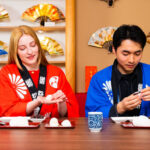
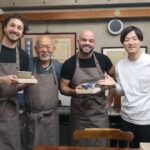
A short tea ceremony can be a welcome pause between Kyoto’s temples, shops, and riverside walks. Here, you learn a little etiquette, whisk your own matcha, and taste it with a Kyoto sweet, all in about 30 minutes and with English guidance.
I like two things in particular: the session makes the basic steps accessible to first-timers, and it uses Uji matcha and Kiyomizu-yaki tea bowls rather than treating the ritual as a photo prop. You can also take pictures and videos, so you need not choose between paying attention and keeping a memory.
The trade-off is the short format. This is an introduction, not a long, formal tea gathering, and the fixed schedule means arriving late could cost you the session. If you want a slower, more detailed study of tea culture, look for a longer ceremony.
- A quick look at what you’ll get
- A 30-minute pause in Arashiyama
- Learning the gestures before you whisk
- Uji matcha, Kiyomizu-yaki, and a Kyoto sweet
- What happens during the session
- Adding a kimono rental
- Is the price worth it?
- Who should book this ceremony?
- Should you book it?
- FAQ
- How long is the tea ceremony?
- Is the experience guided in English?
- Do I get to make my own matcha?
- What tea and sweets are included?
- Is kimono rental included in the basic price?
- Where is the meeting point?
- Can I take photos during the ceremony?
- The Best Of Kyoto!
- More Tours in Kyoto
- More Tour Reviews in Kyoto
A quick look at what you’ll get
 1 / 9
 2 / 9
 3 / 9
 4 / 9
 5 / 9
 6 / 9
 7 / 9
 8 / 9
 9 / 9
- A 30-minute introduction: Learn basic tea etiquette and make matcha without setting aside half a day.
- English instruction: An English-speaking staff member explains the steps and welcomes questions.
- Local tea and pottery: The session pairs Uji matcha with a Kiyomizu-yaki bowl and a Kyoto sweet.
- A hands-on turn: You get to whisk your own matcha, not just watch someone prepare it.
- Photos are welcome: You can take pictures and videos during the experience.
- Kimono option nearby: Add a rental package at the shop, with options that differ in indoor or outdoor use and hairstyling.
👉 See our pick of the We Rank Kyoto’s 15 Top Workshops & Classes
A 30-minute pause in Arashiyama
The ceremony takes place at Kyoto Kimono Rental Aiwafuku Arashiyama Togetukyou Shop, at Shinary Arashiyama 2F, 31-7 Tsukurimichicho, Sagatenryuji, Ukyo-ku. The meeting point is in the Togetsukyo Bridge area of Arashiyama, a convenient spot if your Kyoto day already includes the district.
One location detail deserves care: Kiyomizu-yaki is the name of the pottery used in the ceremony, while the meeting address is in Arashiyama. Use the full address and named shop when planning your route. Kyoto’s districts are not next door to one another, and the activity runs on a fixed schedule.
At around half an hour, this is a tidy cultural stop rather than a major time commitment. You can fit it into a day of sightseeing without giving up a morning or afternoon. That compact length also sets expectations: you’ll get an approachable taste of the ceremony, not an extended lesson in every custom and historical detail.
The short format can be a real advantage if you are travelling with a packed schedule or want to try several kinds of Kyoto experiences. It also means you should treat the start time as firm. Plan your route before setting out, and allow enough time to find the shop rather than aiming to arrive at the last minute.
You can also read our reviews of more tours and experiences in Kyoto.


Learning the gestures before you whisk
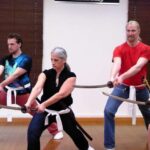
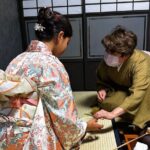
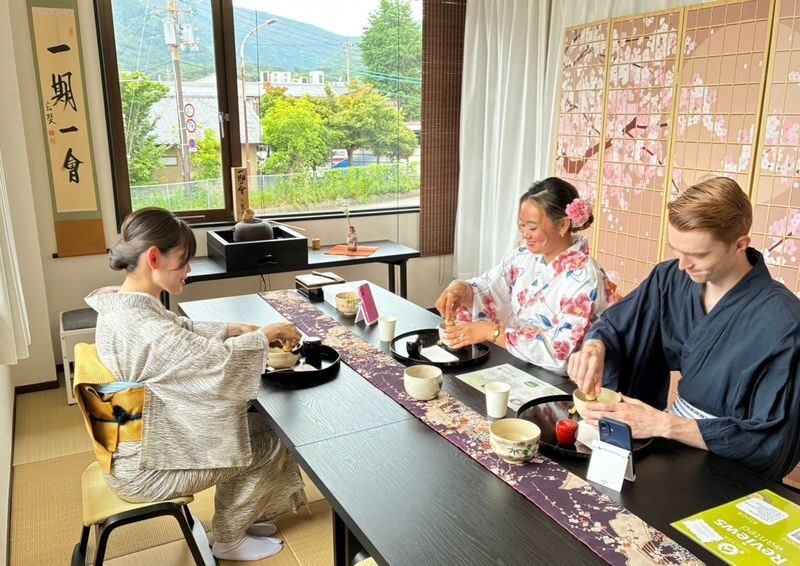
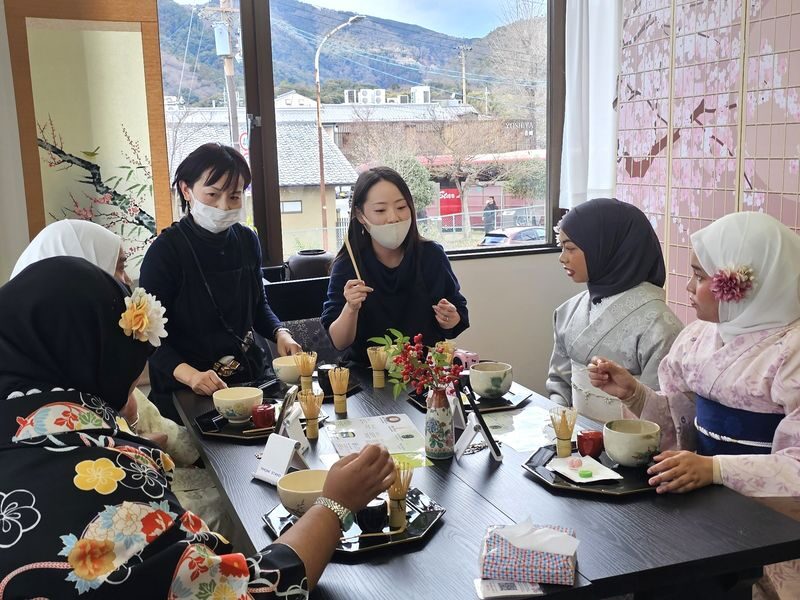
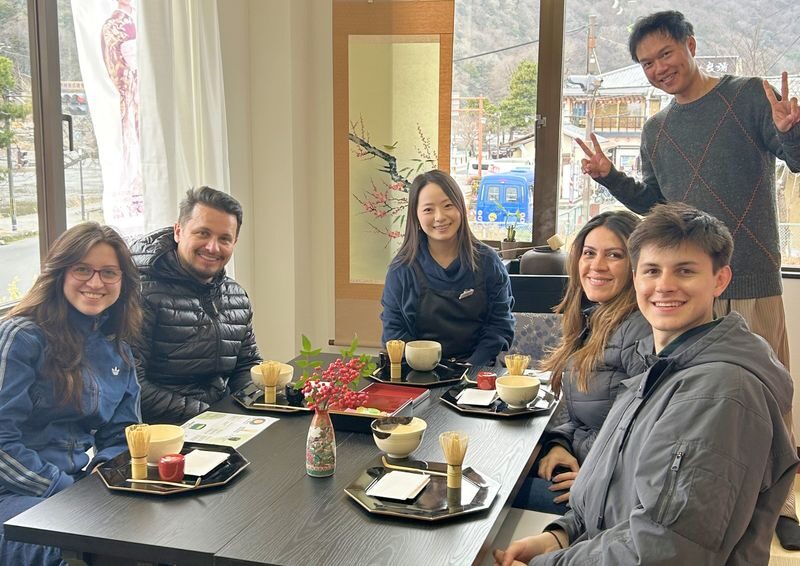
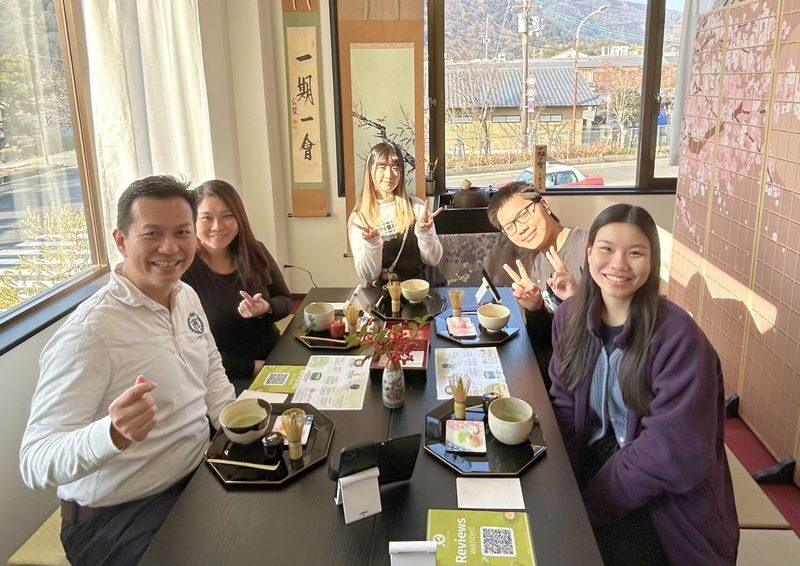
An English-speaking staff member guides you through basic etiquette and the steps involved in preparing matcha. That guidance is useful if you have never attended a tea ceremony: you can focus on what to do instead of trying to infer each movement from the people around you.
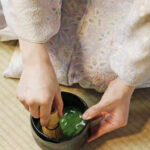
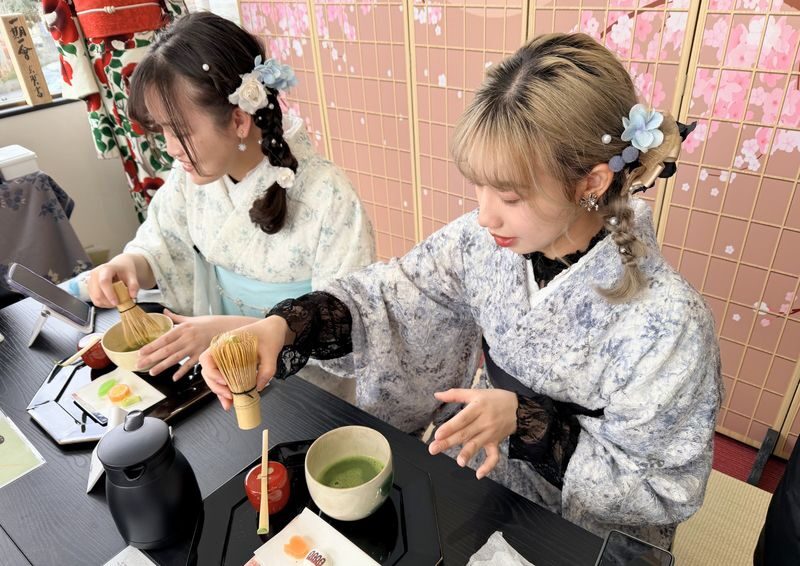
You also get to whisk your own tea. The hands-on part gives the session its practical value. You leave with a small skill you can recognize later, and a better sense of how the preparation differs from simply ordering a cup of matcha in a café.
The phrase Otemae Itadakimasu is presented as a little magic word of etiquette in tea culture. It is a memorable detail in a short session, and a reminder that the ceremony is about conduct as well as the drink. The guide explains the basics, so you do not need to arrive knowing the rules.
The instructor is described as clear and friendly, with room to ask questions. That makes this a good fit for curious beginners, couples, families, or anyone who wants a low-pressure introduction. The tone is meant to be casual and welcoming, rather than a test of perfect manners.
If you enjoy learning by doing, the sequence should suit you: listen to the explanation, follow the demonstrated steps, then try whisking the matcha yourself. You are not expected to arrive with experience. The point is to understand the basics and take part, not to master a formal practice in half an hour.
Uji matcha, Kiyomizu-yaki, and a Kyoto sweet
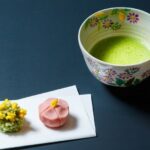
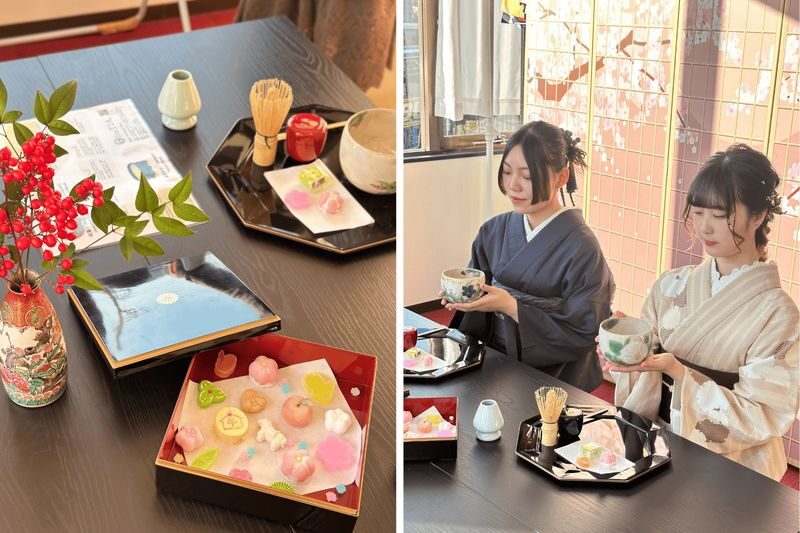
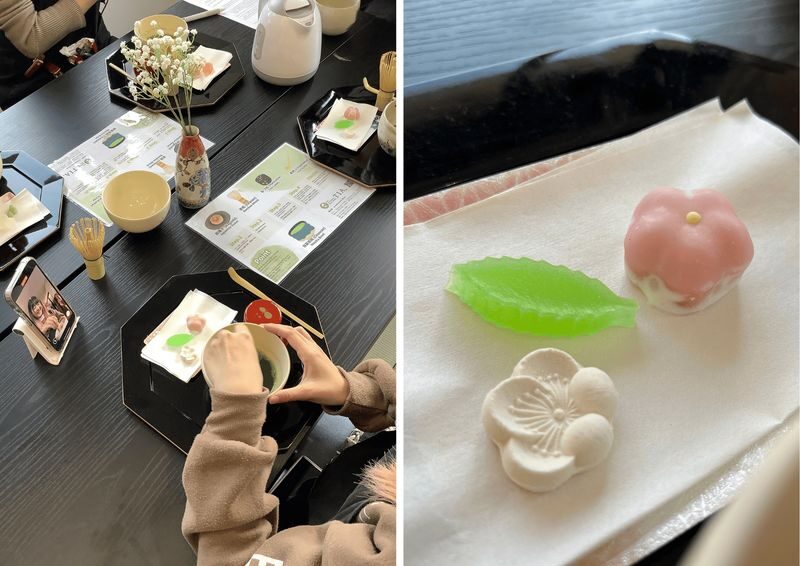
The ingredients and serving pieces give the session a local character. You taste Uji matcha, a tea associated with Kyoto, from a Kiyomizu-yaki bowl, then pair it with a Japanese sweet served on site. The sweet is included, so you do not need to plan a separate snack stop during the class.
A tea bowl is not just a container in this setting. It is part of the ritual of preparing and receiving tea. Using Kiyomizu-yaki gives you a tangible connection to Kyoto craft, even in a short lesson. You are not only learning how to whisk; you are seeing how the bowl and the tea are brought together in the ceremony.
The matcha itself may taste more concentrated and distinctive than the sweetened matcha drinks many visitors know. The activity does not promise a particular flavor profile, so go in ready to taste the tea as served. If you usually prefer sweeter drinks, the accompanying Kyoto sweet offers a contrasting bite.
The pairing also gives you a simple way to notice how tea and sweets work together. Rather than ordering a drink and moving on, you pause to taste both as part of the same activity. It is a small detail, but it helps make the session feel connected to a tea custom instead of a quick matcha-making demonstration.
What happens during the session
The session is compact, and its basic sequence is clear. You meet at the Aiwafuku shop, join the English-guided introduction, learn basic etiquette, and follow the instructor’s guidance as you whisk matcha. You then enjoy the tea with a Japanese sweet.
The precise order and duration of each step are not specified, so expect a practical overview rather than a minute-by-minute demonstration. The essential appeal is participation: you learn enough to understand the gestures and make a bowl yourself, with an instructor available to explain what you are doing.
Photos and videos are welcome during the experience. That is helpful if you want a record of the ceremony or are visiting with family. Still, the session is brief, so I’d keep the camera ready but not let documenting every step crowd out the chance to watch the preparation closely.
One detail worth planning around is punctuality. The ceremony follows a fixed schedule, and late arrivals may need to reschedule or might not be accommodated. Check the meeting location in advance and allow extra time to reach the shop, especially if you are combining the session with other stops in Kyoto.
Outside food and drinks are not allowed. You do not need to bring a snack for the tea pairing, since the Japanese sweet is part of the experience. Anyone who appears intoxicated may be refused service, and no refund is given in that case.
Adding a kimono rental
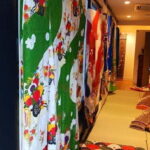
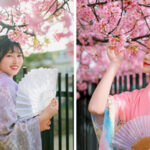
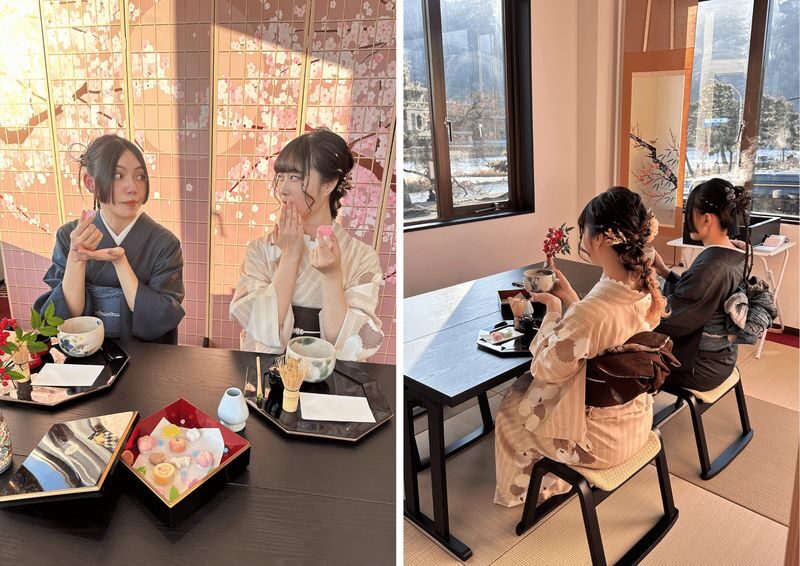
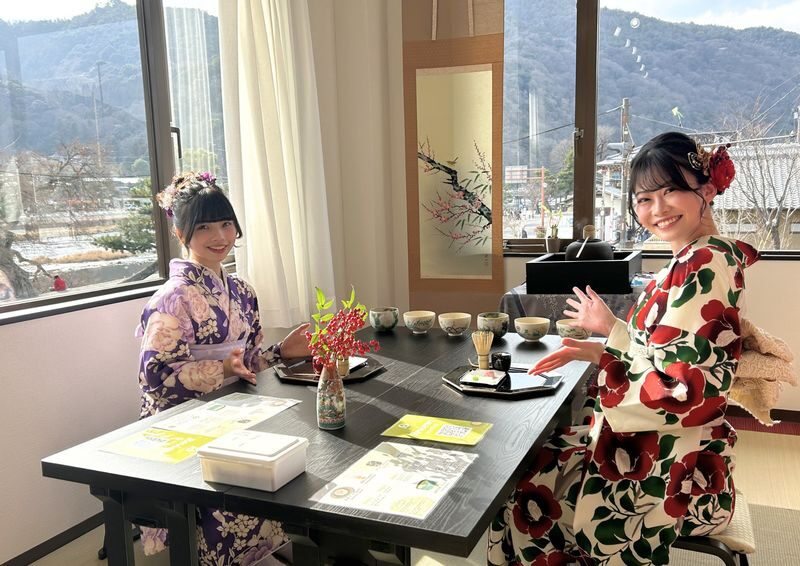
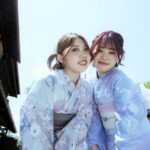
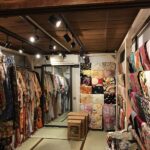
You can book the tea ceremony on its own, or combine it with kimono rental through the shop. That pairing makes practical sense: you can put together a Kyoto-style outing without arranging two separate providers, and the kimono option can make the ceremony feel more like a special occasion.
There are two listed rental packages. The lower-priced option is for indoor use and does not include hairstyling. The higher-priced option allows an outdoor stroll and includes women’s hairstyling. These details matter more than the package names: choose based on whether you want to wear the kimono beyond the ceremony and whether hairstyling is important to you.
The tea ceremony is the same basic attraction whichever package you select. Do not assume kimono rental is included in the base price; it is not. The indoor package starts at US$33.65, while the outdoor-stroll option starts at US$50.45. Both cost more than the ceremony-only option, so compare the added clothing and styling against how much of your day you plan to spend in kimono.
The available information does not specify how long the rental lasts or what clothing items are included, beyond the stated hairstyling difference. Check the package details before booking if you need to know those specifics. And if you choose the outdoor option, remember that the activity itself is still a short tea session, not a guided sightseeing walk.

Is the price worth it?
The tea ceremony starts at US$22.09. For that price, you get an English-guided activity, a hands-on matcha-making session, a Kiyomizu-yaki bowl setting, Uji matcha, and a Japanese sweet. That is a reasonable way to try a traditional practice without paying for a lengthy private lesson.
The value is especially good if you are new to tea ceremony and want someone to explain the basics in English. A short lesson lowers the commitment, and the chance to whisk your own tea makes it more than a passive demonstration. It is also easy to fit into a day in Arashiyama.
The price will feel less compelling if you expect a long, highly formal ceremony or an in-depth study of tea history. The session is deliberately compact and casual. Think of it as a useful introduction with a local taste, not a substitute for a full cultural workshop.
If you already plan to rent a kimono, the combined packages may be convenient. If not, the ceremony-only ticket keeps the cost down. I would pay extra for the outdoor package only if wearing the kimono for a stroll is part of the plan, and choose the indoor package if the ceremony itself is the main event.
Who should book this ceremony?
This works best for first-timers, visitors short on time, and anyone who wants to do more than look at Kyoto’s cultural traditions from the outside. The instructor-led format makes it approachable, while the matcha preparation gives you something active to do. It is also a sensible option for visitors who want an English explanation without committing to a long class.
Families can consider it, but infants and children must be included in the passenger headcount. The supplied information does not give an age limit or describe child-specific instruction, so check the booking details if you are planning for young children.
You may prefer another activity if your priority is a long, quiet ceremony with extensive discussion. This one is built around a friendly, concise introduction, and photos and videos are permitted. That makes it lively and accessible, but perhaps less suited to someone seeking a more formal atmosphere.
A few practical points help the visit go smoothly. Arrive on time, verify the shop’s Arashiyama address, and do not bring outside food or drinks. The voucher is valid only for its specified date and time. Booking changes are generally allowed until 24 hours before the activity, subject to the stated exceptions.
Should you book it?
Book this if you want a short, English-guided introduction to matcha-making in Arashiyama, with a Kyoto sweet and real participation rather than a demonstration alone. The base option offers the clearest value, while the kimono packages suit you if getting dressed up is part of the occasion.
Skip it if you are looking for a long or highly formal tea ceremony. For everyone else, it is a practical way to make time for a small cultural experience between bigger Kyoto sights, provided you arrive promptly and use the Arashiyama meeting address.
Kyoto Tea Ceremony & Matcha Making / TIA Arashiyama Shop
“the best experience from when u step into the building to them helping u pick your kimono, doing your hair, getting dressed and doing the tea cerem…”
FAQ
How long is the tea ceremony?
The session takes about 30 minutes.
Is the experience guided in English?
Yes. An English-speaking staff member guides the session and explains basic etiquette and matcha preparation.
Do I get to make my own matcha?
Yes. The session includes guidance on how to whisk your own matcha.
What tea and sweets are included?
The experience uses Uji matcha and includes a Japanese sweet enjoyed on site.
Is kimono rental included in the basic price?
No. Kimono rental is a separate package option, with indoor and outdoor-stroll choices.
Where is the meeting point?
Meet at Kyoto Kimono Rental Aiwafuku Arashiyama Togetukyou Shop, at Shinary Arashiyama 2F, 31-7 Tsukurimichicho, Sagatenryuji, Ukyo-ku, Kyoto.
Can I take photos during the ceremony?
Yes. Photos and videos are welcome during the experience.