The best part of this Kyoto workshop is the double act: you make something personal, then eat a bowl of ramen you helped prepare. Chef Shin and hosts including Sherry guide the cooking, with a chance to practise the yugiri technique for draining noodles.
I like the contrast between the hands-on kitchen work and the quieter ceramic painting, and I like that you can choose a bowl or spoon workshop, or a separate broth-making class with engraved chopsticks. One thing to weigh up: the cooking is guided assembly, not a full recipe made from raw ingredients, and fired ceramics need to be collected the next day.
- Key points before you book
- Painting first, ramen after
- What you actually do in the kitchen
- The broth and chopsticks option is a different class
- A meal with a little more meaning
- How the timing and location fit a Kyoto day
- Is .49 good value?
- Who should book this workshop?
- FAQ
- How long does the workshop last?
- Where do the classes meet?
- Can I take my painted bowl or spoon home the same day?
- Is ceramic firing included?
- What ramen broth options are available?
- Can dietary requirements be accommodated?
- What ages can take part?
- Is transport included?
- The Best Of Kyoto!
- More Cooking Classes in Kyoto
- More Tours in Kyoto
- More Tour Reviews in Kyoto
Key points before you book
- Choose your workshop carefully: Bowl painting and spoon painting take place near Kiyomizu-Gojo; the broth and chopsticks option is at a different Gionmachi Minamigawa location.
- Plan on about 1.5 hours: The session combines a creative activity with guided ramen preparation and a meal.
- Expect some components to be ready: You cook noodles, prepare toppings and assemble the bowl, while much of the broth and other ramen ingredients are prepared in advance.
- Ceramics need a return visit: Take your painted item home the same day as decoration, or have it kiln-fired at no extra charge and collect it the next day.
- The ramen is a major part of the appeal: Options include Musoshin’s creamy chicken, vegetable and pork broth, or Gion kurosoba, a black sesame-flavored broth.
- Tell the team about dietary needs early: Vegetarian, vegan and pescetarian diets can be accommodated, but check the details of your chosen broth and toppings in advance.

👉 See our pick of the We Rank Kyoto’s 15 Top Workshops & Classes
Painting first, ramen after
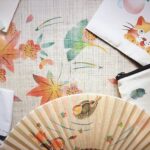
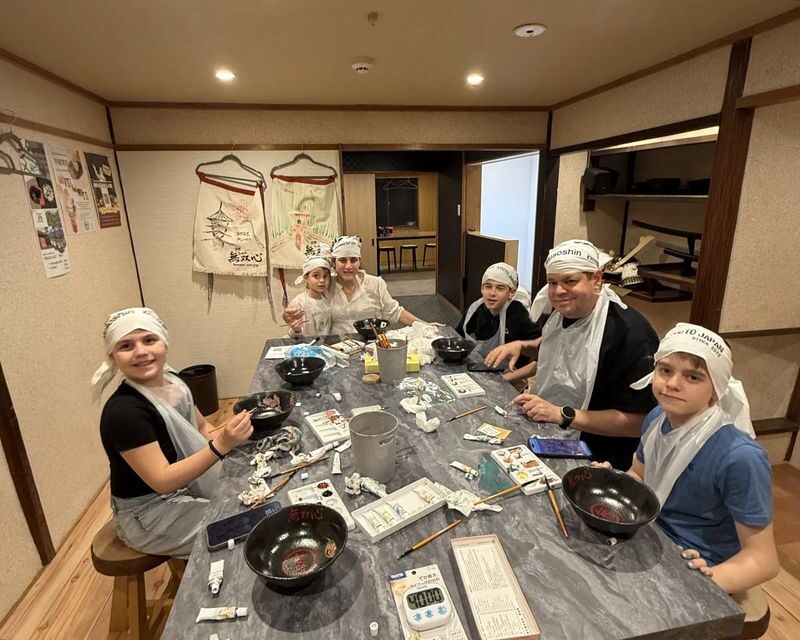
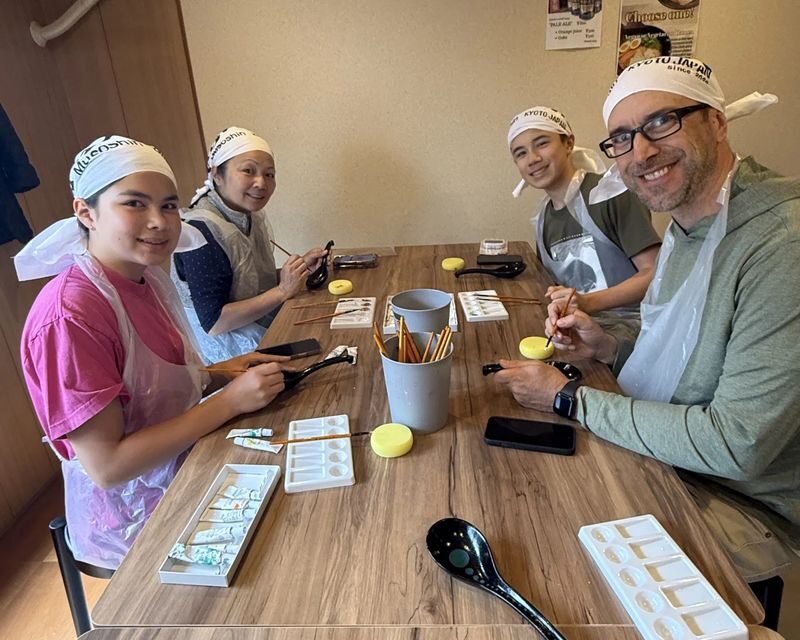
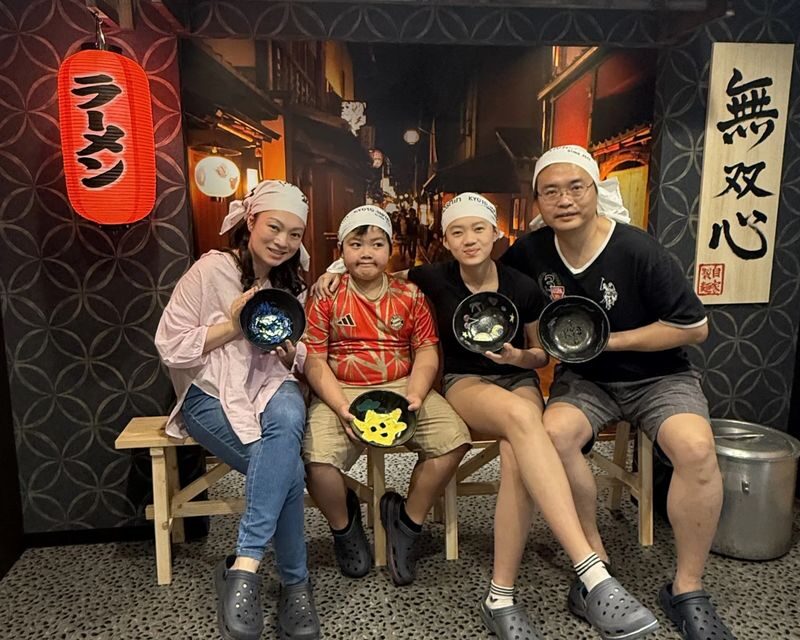
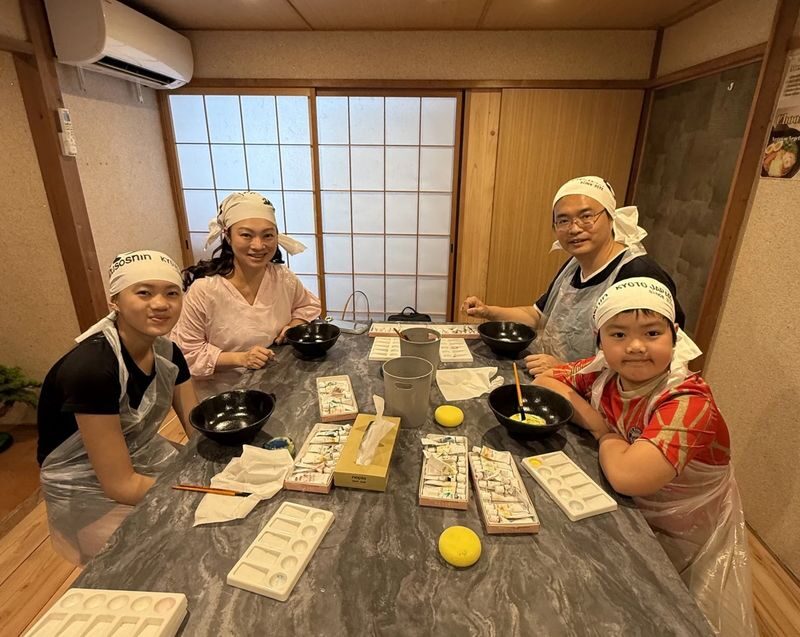
The bowl and spoon workshops start with a creative session. You’ll paint a ceramic ramen bowl or renge spoon using colored paints, with roughly 45 minutes set aside for the design. Some participants use Japanese motifs or add their name in Japanese with help from the team. If you want a bolder result, one participant’s practical tip is to use enough paint for the pattern to show clearly.
This is a relaxed way to make a Kyoto souvenir that has a story attached to it. It also gives children and adults a task to share before moving into the kitchen. The setting has been described as clean and newly fitted, with traditional-looking woodwork, though the main attraction is your own design rather than a formal lesson in Japanese ceramics.
Set your expectations for the painting guidance. The activity gives you materials and time to work, but it may not include detailed, step-by-step instruction in design. One visitor also found that some bowls already had company marks or symbols, leaving the rest of the surface to decorate. If you want a completely blank canvas or close help with painting, ask about the exact item before booking.
Once your design is finished, it is dried and handed over for kiln firing if you choose that option. You can take it away the same day as a decorative piece, but it will not yet be ready for use with food. Firing is included, with collection the next day. Delivery to a hotel in Japan may be arranged; overseas shipping is not available.
You can also read our reviews of more cooking classes in Kyoto


What you actually do in the kitchen
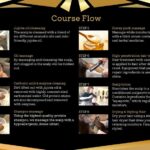
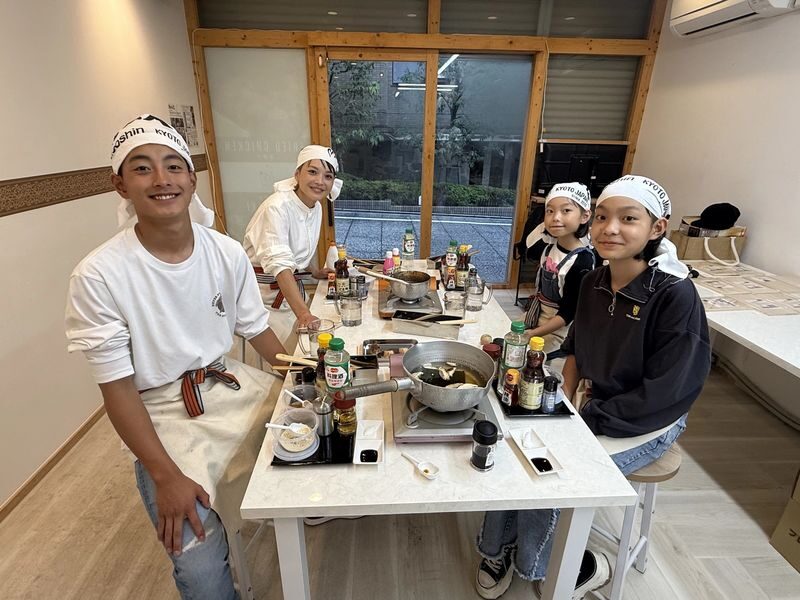
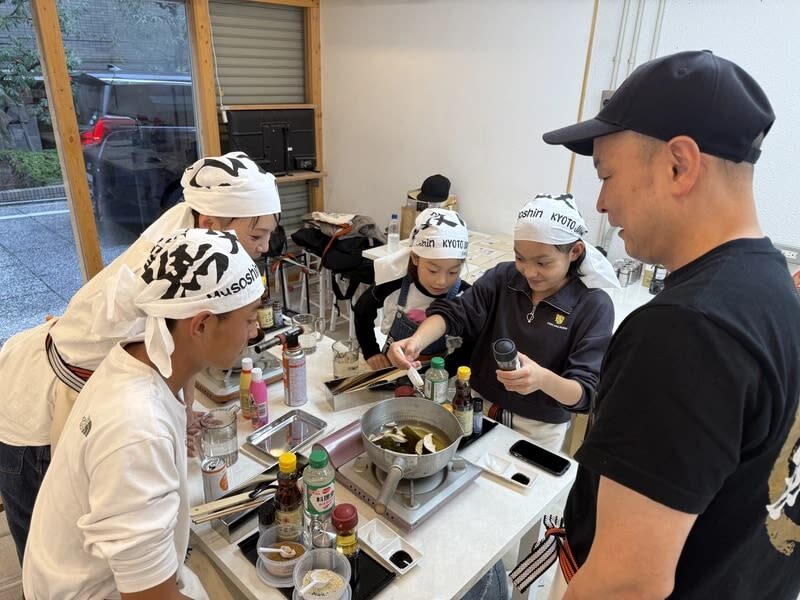
After painting, the group moves to the kitchen to prepare and assemble ramen. This is a practical introduction to the final stages of making a bowl, not a long course in producing every ingredient from scratch. The broth, noodles and other core elements take considerable preparation, and the team has much of that work done before you arrive.
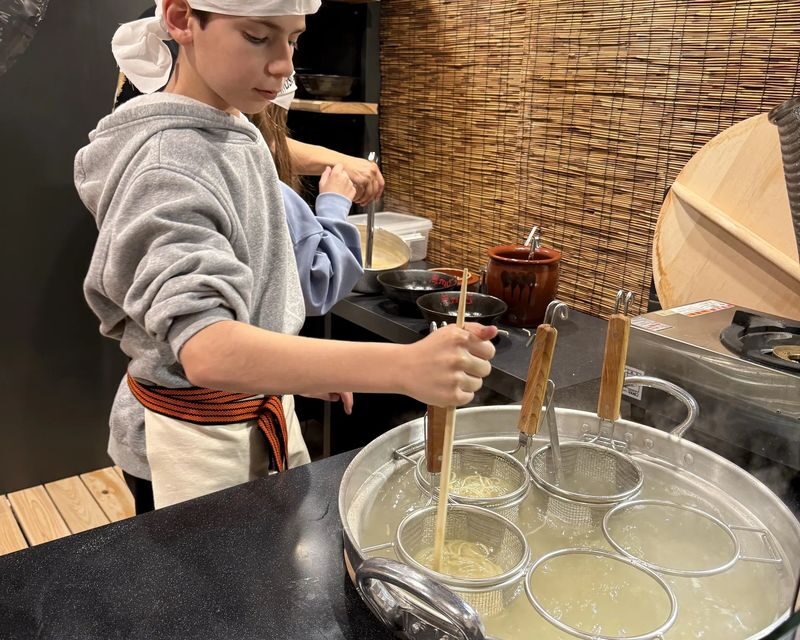
You can expect to handle several of the finishing steps yourself. Depending on the session, that can include separating noodles, boiling them, heating or torching pork, preparing toppings such as egg and green onion, and bringing the bowl together with broth. The staff explain the process as you go and help keep the cooking safe.
The yugiri technique is a memorable detail: it is the quick motion used to drain cooked noodles before they go into the broth. Getting the water out properly matters because excess cooking water can dilute the soup. The kitchen work is simple enough for beginners, but there is more to it than pouring hot water over instant noodles.
The session offers a useful view of how timing and assembly shape the finished bowl. You learn how the noodles, soup and toppings come together, and you get to eat the result while it is hot. If you are hoping to learn a complete broth recipe or make noodles from flour, this may not be the right class. The workshop explains the craft and lets you handle the finishing steps, while the long-prepared components remain the chef’s work.
The broth and chopsticks option is a different class
The third package is not simply another version of the bowl-painting session. The 1.5-hour broth class takes place in Gionmachi Minamigawa and focuses on building broth and making custom-engraved wooden chopsticks. It is the better fit if flavor and the foundations of ramen interest you more than painting a ceramic keepsake.
The listed broth choices are Musoshin Ramen, described as a creamy chicken, vegetable and pork broth, and Gion kurosoba, a rich black sesame-flavored broth. The information does not give a detailed step-by-step schedule for this package, so check the voucher and package description for what you will make and taste during your specific session.
That location difference matters. The bowl and spoon classes meet near Kiyomizu-Gojo, while the broth class is at Gionmachi Minamigawa. These are not interchangeable meeting points. Confirm the address for the package you selected before setting out.
A meal with a little more meaning
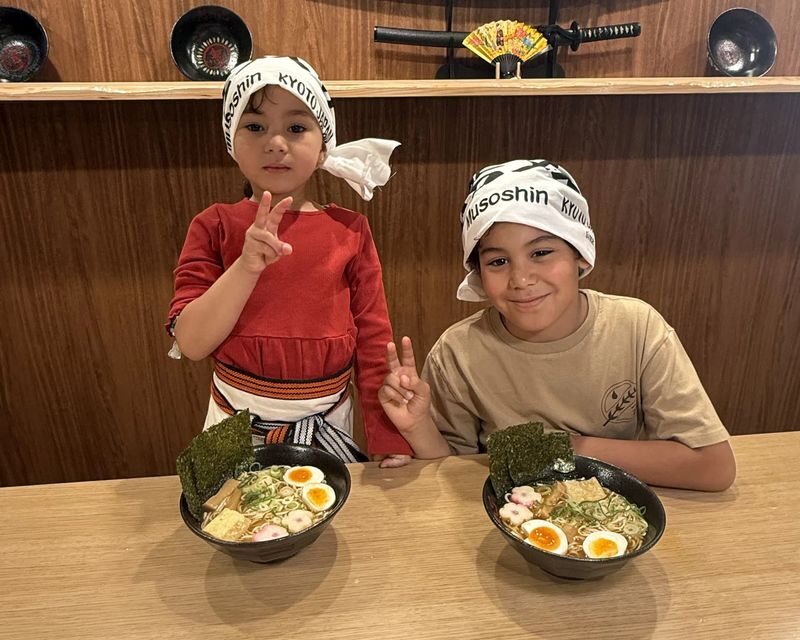
The ramen is not just a reward for finishing the class. It is the point where the painting and cooking parts meet: you make or decorate something, take part in preparing your meal, then sit down to eat. Musoshin is a Michelin-recommended ramen brand, and the team brings professional restaurant experience to the demonstration.
The listed broth has a creamy profile, while Gion kurosoba brings black sesame flavor. The exact ingredients and toppings can vary with the package, so ask if you have a specific food concern. The included broth options mention chicken, vegetable and pork; if you avoid a particular ingredient, do not assume it can be removed or replaced without checking first.
The meal has earned particular praise for its flavor, and the cooking is often described as easy to follow. That makes the workshop a good choice for a ramen fan who wants more than a restaurant meal but does not need an advanced kitchen course. You get a closer look at preparation, a chance to handle the final steps and a hot bowl to enjoy at the end.
How the timing and location fit a Kyoto day
At 1.5 hours, this is a manageable activity to fit between other plans. The Kiyomizu-Gojo venue is about a five-minute walk from Kiyomizu-Gojo Station, at 440-5 Nishigomoncho, Higashiyama Ward. Still, use the address and map link in your voucher, since the meeting point varies by package and the detailed venue information is supplied there.
The setting is in Kyoto’s historic Gion area, but the activity itself is indoors and focused on painting and cooking. It can work well as a change of pace from temples and sightseeing, especially on a cold or rainy day. Do not leave the painted bowl pickup to chance if your schedule is tight: kiln firing takes until the next day, and you may need to return or arrange delivery within Japan.
Transport is not included, and neither are alcohol or soft drinks. The mobile voucher is accepted, and it is valid only on the date and time specified. Arrive at the venue shown for your selected option rather than relying on the general Kiyomizu-Gojo meeting-point label.
You can also read our reviews of more tours and experiences in Kyoto
Is $82.49 good value?
At a starting price of $82.49, this is more than a quick cooking demonstration. You get a guided activity, a ramen meal, an English-speaking host, and either a ceramic item you paint or, for the separate broth package, engraved chopsticks. The value is strongest if you want an activity that combines food with a personal souvenir, or if you are travelling with family and want something everyone can do together.
The price is harder to justify if you mainly want a detailed, from-scratch cooking lesson. Much of the ramen preparation happens before the class, and the hands-on cooking centers on finishing and assembling the bowl. Likewise, ceramic firing is free, but you still need to allow time to collect the finished piece the next day or arrange delivery in Japan.
The experience is especially appealing for families, ramen enthusiasts and anyone looking for a creative indoor activity. Children aged six and older pay the adult rate; children aged three to five must be accompanied by a paying adult. Infants and children must be included in the passenger headcount. The class asks everyone to take care around cooking equipment to avoid burns or other accidents.
Who should book this workshop?
Book the bowl or spoon option if you like the idea of making a useful-looking keepsake and want to learn how ramen is assembled by a professional team. The bowl is the more substantial souvenir; the spoon is a smaller choice if you prefer a quicker, simpler object to decorate. Remember that either ceramic needs a return visit if you want it kiln-fired for meal use.
Choose the broth and chopsticks class if broth-making is your priority and you would rather take home a personalized wooden utensil than a painted ceramic. Since it runs at a separate address, confirm that you have booked the right package and check the voucher for where to meet.
I would hesitate if you want to cook every element from scratch, need a blank ceramic surface guaranteed, or cannot return for a fired item and do not want delivery arranged. For most people seeking a friendly, compact Kyoto activity with good food and a hands-on souvenir, the mix works well. The clearest reason to book is that you do more than watch: you paint, cook, learn the noodle-draining technique and sit down to eat your own bowl.
Ramen Cooking, Bowl Painting & Broth Making Workshop in Kyoto
“Such a fun experience! The chef was super knowledgeable and friendly and I loved both paining my own ramen bowl and learning how to make ramen! Plu…”
FAQ
How long does the workshop last?
The listed bowl painting, spoon painting and broth-making options each last 1.5 hours.
Where do the classes meet?
The bowl and spoon painting classes are near Kiyomizu-Gojo. The broth and engraved chopsticks class is at Gionmachi Minamigawa. Check your voucher for the correct venue and address.
Can I take my painted bowl or spoon home the same day?
You can take the ceramic home the same day as a decorative item. If you want it kiln-fired for use with meals, it will be ready for pickup the next day.
Is ceramic firing included?
Yes. Kiln firing is available at no additional charge. Shipping overseas is not available, though delivery to a hotel in Japan can be arranged.
What ramen broth options are available?
The listed choices are Musoshin Ramen, a creamy chicken, vegetable and pork broth, or Gion kurosoba, a rich black sesame-flavored broth.
Can dietary requirements be accommodated?
Vegetarian, vegan and pescetarian diets can be accommodated. Tell the provider about your dietary needs in advance, and confirm the ingredients of your chosen broth and toppings.
What ages can take part?
Children aged six and older are charged the adult rate. Children aged three to five must be accompanied by a paying adult, and all infants and children must be included in the passenger headcount.
Is transport included?
No. Transport is not included. The Kiyomizu-Gojo venue is about a five-minute walk from Kiyomizu-Gojo Station; check your voucher for the venue of your selected package.