Kiyomizu-dera’s hillside temple lanes, Fushimi Inari’s long red corridors and Nara’s deer make an appealing trio, and this bus trip lets you connect all three without piecing together trains and transfers. It is a brisk sampler, not a slow study of Kyoto and Nara.
I like the range of the day: old Kyoto streets, a major shrine and Nara’s deer park all fit into one route. I also like that a guide can add useful context and practical help. Guides named Shine and Oh Seok-bong receive particularly warm praise for clear explanations, local tips and keeping the group on schedule.
The trade-off is time. You get roughly two hours around Kiyomizu-dera, 70 minutes at Fushimi Inari and 90 minutes in Nara, with traffic and walks from bus drop-offs eating into those windows. Most important: the bus returns to Osaka, not Kyoto.
- Kiyomizu-dera and its old-town lanes: A two-hour self-guided stop covers the temple area and nearby streets, including Sannenzaka and Ninenzaka.
- Gion and Yasaka Shrine: These are part of the advertised Kyoto sights, but the timed itinerary gives no separate stop duration for them.
- Fushimi Inari’s torii walk: You have 70 minutes to see the shrine and its famous rows of gates, not to hike the full mountain route.
- Nara Park and Todai-ji: Ninety minutes is enough for a focused visit, but temple entry and time with the deer compete for the same window.
- A guide can shape the day: Guide options vary by package, and the group may include people using other languages.
- Budget for extras: The starting price is $44.89, but temple admission, food and drinks are additional.
- One day, three very different stops
- Kiyomizu-dera: temple time and old Kyoto lanes
- Fushimi Inari: a short taste of the torii path
- Nara Park and Todai-ji: deer, grounds and a Great Buddha
- Lunch, guide support and the shared-bus rhythm
- Is the .89 starting price good value?
- Practical details that can save your day
- Who should book this Kyoto and Nara day trip?
- FAQ
- Does the tour return to Kyoto?
- Where can I join the tour?
- How long is the tour?
- How much time is provided at each main stop?
- Are temple admission fees included?
- Is lunch included?
- What languages are available?
- Can children join?
- What happens if traffic delays the return?
- The Best Of Kyoto!
- More 1-Day Tours in Kyoto
- More Tours in Kyoto
- More Tour Reviews in Kyoto
One day, three very different stops
 1 / 8
 2 / 8
 3 / 8
 4 / 8
 5 / 8
 6 / 8
 7 / 8
 8 / 8
This route joins places that are rewarding for different reasons. Kiyomizu-dera and its surrounding lanes give you traditional Kyoto architecture and a temple visit; Fushimi Inari offers a shrine setting and its striking torii passage; Nara adds open parkland, deer and the Great Buddha at Todai-ji.
The bus is the main practical advantage. Moving among these sights by public transport means managing separate routes and connections, while a shared vehicle takes you between the stops. That convenience matters most if you have little time in Kansai, are travelling with family, or simply want to avoid spending much of the day navigating.
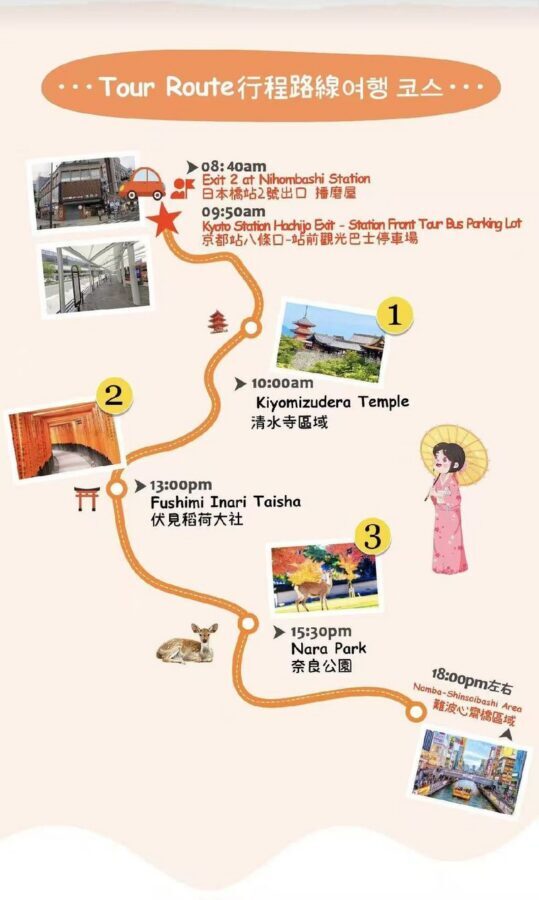
The schedule still asks a lot of you. The stated day runs from an 08:40 Osaka departure to a return window of 17:45 to 18:15, and the advertised duration is nine hours. A Kyoto departure is listed at 09:50, but the return is still to Osaka. Treat this as a long, active day, not a relaxed sightseeing stroll.

👉 See our pick of the We Rank Kyoto’s 15 Top Workshops & Classes
Kiyomizu-dera: temple time and old Kyoto lanes
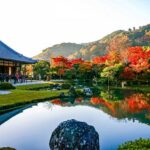
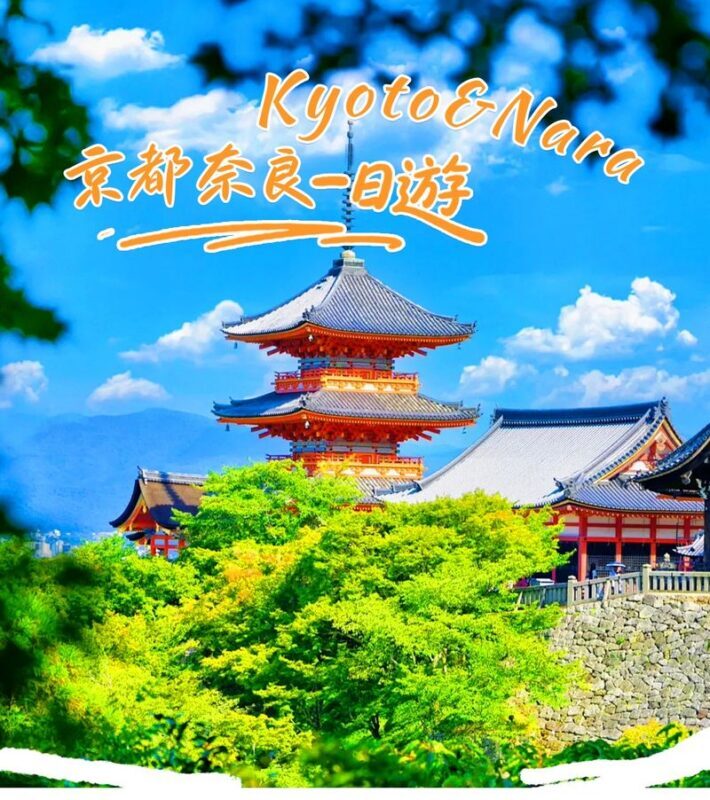
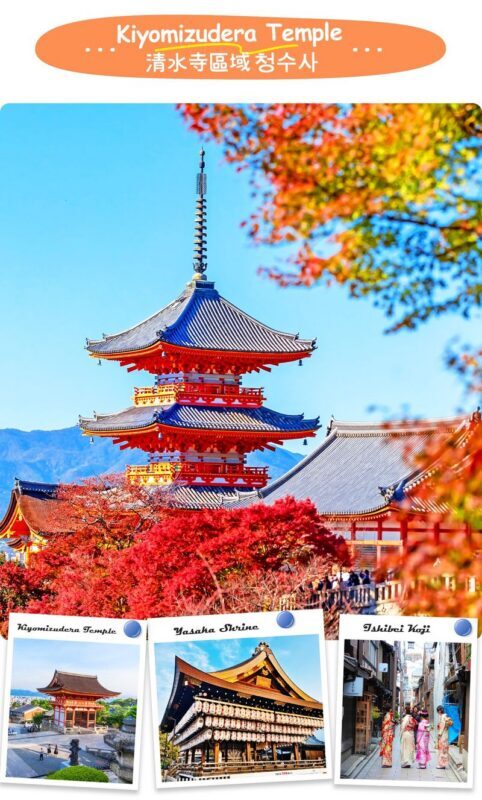
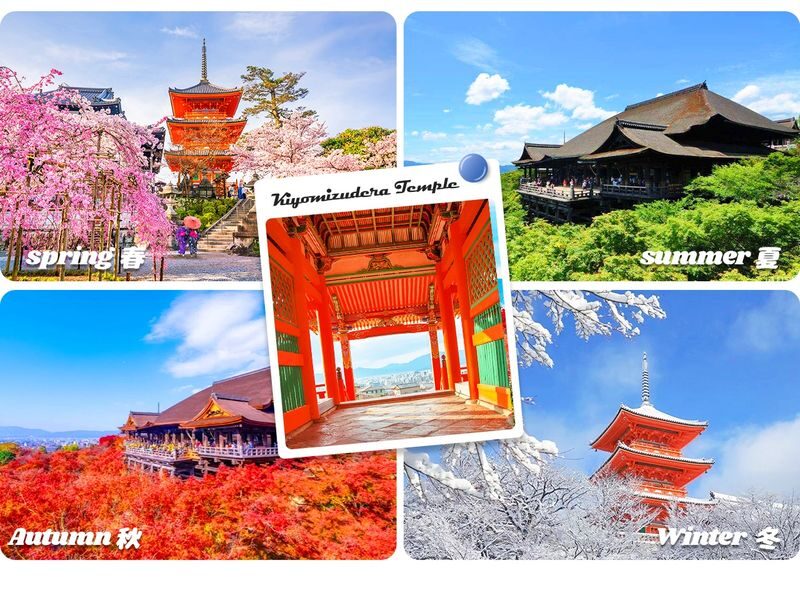
The first major stop is the Kiyomizu-dera area, with about two hours of self-guided time. The temple, founded in 778, is a landmark of Kyoto and a World Heritage site. Admission is extra: 500 yen for adults and 200 yen for elementary and junior high school students.
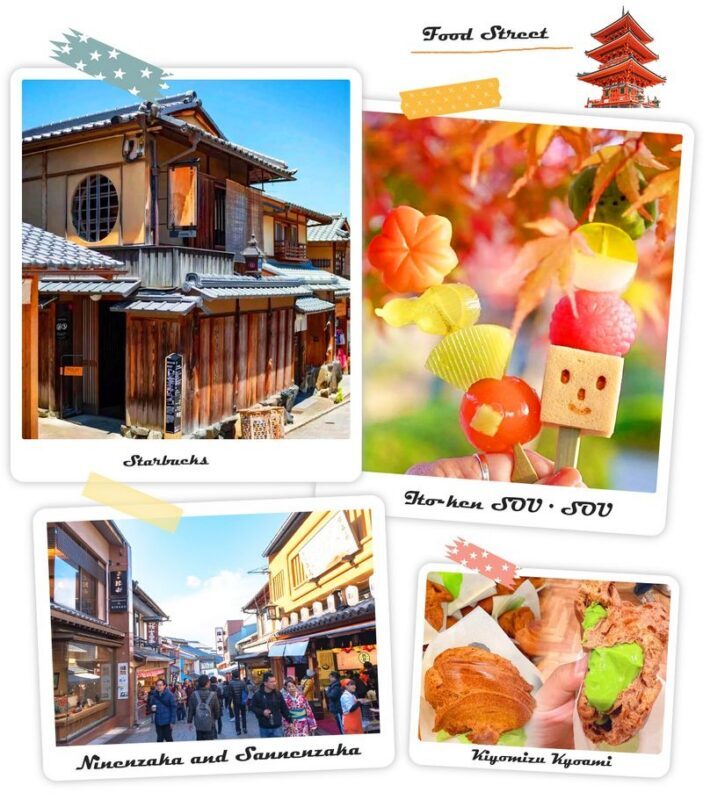
The surrounding area is part of the appeal. Sannenzaka and Ninenzaka are old streets lined with traditional buildings and shops, while Ishibei-koji is noted for its quieter, historic character. The itinerary also names Gion Hanamikoji and Yasaka Shrine among the sights, but gives no separate time slot for either. Ask your guide how the day’s route handles them, and do not assume you can linger at every spot.
Two hours sounds generous until you account for the walk from the bus drop-off, the temple visit, crowds and browsing the lanes. One English-speaking customer noted that the walk from the coach to the main points took a meaningful share of the stop. I would choose one or two priorities before setting off: the temple itself, a particular old lane, or a quick look at the shrine area.
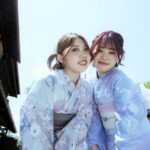
If you want to wear a kimono or stop for photos, this is the most natural part of the day to do it. Just keep an eye on the meeting time. The tour runs as a group, and late arrivals are not eligible for a refund.
You can also read our reviews of more tours and experiences in Kyoto
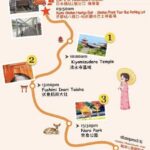

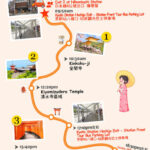
Fushimi Inari: a short taste of the torii path
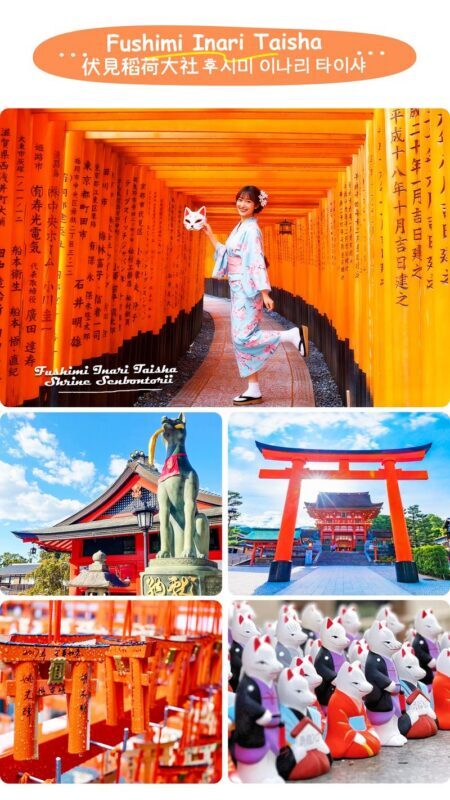
At about 13:00, the bus heads to Fushimi Inari-taisha for 70 minutes of self-guided sightseeing. The shrine is known for its rows of vermilion torii gates, which form a corridor through the wooded grounds. It is one of Kyoto’s most recognizable sights, and the gates make a memorable contrast to the wooden streets around Kiyomizu.
The time limit makes this a sampler. You can walk through part of the torii route, take photos and look around the shrine precinct, but this is not a full mountain hike. The fox-shaped ema, wooden plaques for writing wishes, offer a small hands-on detail and a light souvenir option.
Fushimi Inari can be busy, and the narrow passages may slow your progress. Keep your plan simple: walk as far as you comfortably can, pause for photos where it is not blocking others, then return with enough time to reach the coach. The guide’s instructions about where and when to meet are worth saving before you leave the bus.
Nara Park and Todai-ji: deer, grounds and a Great Buddha
The Nara portion begins at about 15:30 and allows 90 minutes. Nara Park is known for its free-roaming deer, which approach people and are a clear highlight for many families. The deer are not a decorative backdrop; they are curious animals, so follow the guide’s instructions and stay aware of your belongings.
Todai-ji gives the stop its historical weight. The temple’s Great Buddha Hall houses the Great Buddha, and the tour information also names the Central Gate. Entry to the Great Buddha Hall costs 800 yen for adults and 400 yen for children. A combined ticket for the hall and museum costs 1,200 yen for adults and 600 yen for children.
Ninety minutes is a tight allowance if you want both time with the deer and an unhurried temple visit. Decide in advance whether the Great Buddha or the park is your priority, and check the return meeting time before walking away from the group. One customer wished for more time in Nara Park; another found the day tiring because there was so much to see. Both reactions make sense.
Lunch, guide support and the shared-bus rhythm
Lunch is scheduled around noon for 30 minutes. The guide may recommend restaurants, but the choice and cost are yours, and meal arrangements can shift. A few people have appreciated having a restaurant recommendation or reservation help, but do not count on every package offering the same level of assistance. If you prefer a particular meal or need a longer break, this compressed stop may feel rushed.
Guide language depends on the package you book. The options include Chinese, English and Japanese-speaking guides, while the shared vehicle may also carry people speaking other languages. Guides Shine and Oh Seok-bong are names associated with strong praise for clear explanations, cultural notes and useful food recommendations. These are individual guide assignments, not a guarantee of who will lead your departure.
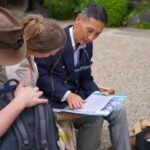
The guide’s role is especially useful between stops. The bus ride can become more than transfer time when the guide shares historical background, gives directions and explains where to meet. At each attraction, however, the sightseeing is self-guided. You should expect instructions and context, not a guide walking beside you through every temple or shrine.
The group size can range from one to 48, and the vehicle type depends on the number of people booked. Seat requests are not guaranteed. Some poor experiences have involved unclear communication or disputes about seating, so read your confirmation carefully and contact the operator if the meeting details are not clear.
Is the $44.89 starting price good value?
At $44.89, the starting price can be good value if you want transport between three major stops and do not want to plan the connections yourself. The value is less about saving on admission, since temple tickets and meals are extra, and more about fitting a wide circuit into one day with a guide and driver handling the transfers.
Add the listed admission fees to your budget: 500 yen for Kiyomizu-dera, 800 yen for Todai-ji’s Great Buddha Hall, or 1,200 yen for the hall and museum combination. The itinerary also lists 200 yen and 400 yen child rates for the respective sites. Food, drinks and personal purchases are separate.
The price is most persuasive for a first visit or a short stay, especially if your alternative is arranging transport across Osaka, Kyoto and Nara. If you already know Kyoto well, want to hike further at Fushimi Inari, or prefer a long lunch and slow temple visits, a self-planned day or a narrower tour may suit you better.


Practical details that can save your day
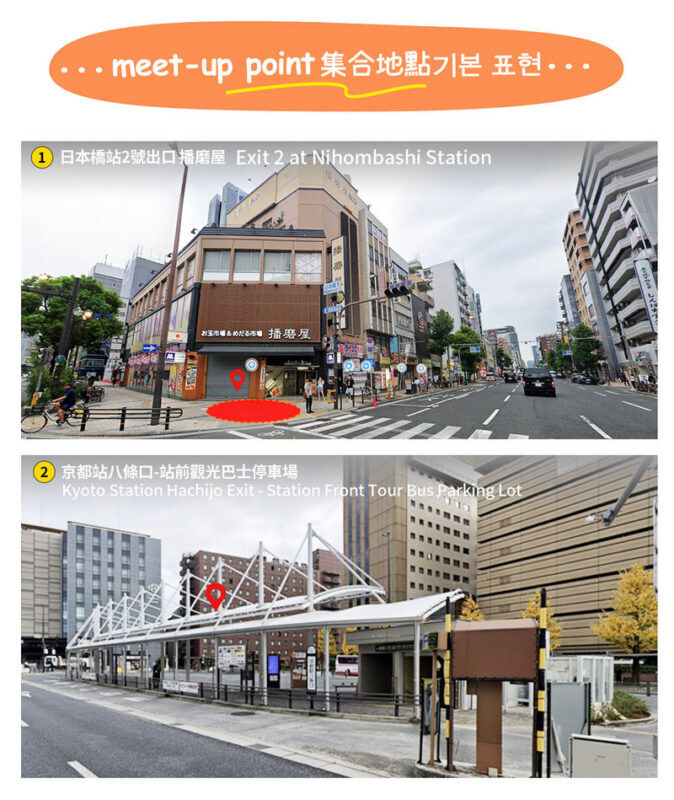
Osaka departures meet at Nipponbashi Exit 2 at 08:40. The Kyoto meeting point is the Kyoto Station Hachijo Exit bus loading area at 09:50. Arrive 10 minutes early, and do not change meeting points at the last moment. The guide and vehicle details are sent by email between 20:00 and 21:00 the night before; check your spam folder and use the latest message if more than one arrives.
The return is to Osaka Kintetsu Nippombashi, estimated between 17:45 and 18:15. There is no Kyoto drop-off on the return leg, so this trip is a poor fit if you need to end your day in Kyoto. Traffic or weather can push the arrival later. Avoid scheduling a timed activity immediately afterward.
Each person may bring one piece of luggage, but you need to note it when booking. Children aged three and older pay the adult rate; children aged zero to two may join free if they do not need a separate seat. People over 70 and pregnant participants need to arrange a liability waiver in advance. Pets are not allowed.
Who should book this Kyoto and Nara day trip?
Book it if you are based in Osaka, short on time, and keen to see Kyoto’s best-known sights alongside Nara’s deer and Todai-ji. It is especially practical for families and people travelling with parents, since the bus reduces the burden of planning several separate transfers. A good guide can add cultural context and help you use each stop well.
Skip it if your priority is a slow Kyoto day, a full hike at Fushimi Inari, or a longer visit to Nara. The schedule is a highlights circuit, and the return to Osaka is a firm practical constraint. If you accept those limits and keep your expectations focused, this is a convenient way to cover a lot of Kansai in one day.
Kyoto Nara Day Trip | Kiyomizu-dera Temple + Fushimi Inari-taisha Shrine + Nara Park (Departing from Osaka/Kyoto)
“You explained the descriptions and important notes about the tourist spots in such an easy-to-understand way that we made wonderful memories with t…”
FAQ
Does the tour return to Kyoto?
No. The return trip goes to Osaka Kintetsu Nippombashi and does not pass through Kyoto.
Where can I join the tour?
The listed meeting points are Nipponbashi Exit 2 in Osaka at 08:40 and Kyoto Station’s Hachijo Exit bus loading area at 09:50. Confirm your exact meeting details in the email sent the night before.
How long is the tour?
The advertised duration is nine hours. The schedule runs from a morning departure to an estimated Osaka return between 17:45 and 18:15, though traffic and weather can affect timing.
How much time is provided at each main stop?
The schedule gives about two hours around Kiyomizu-dera, 70 minutes at Fushimi Inari-taisha and 90 minutes in Nara.
Are temple admission fees included?
No. Kiyomizu-dera admission is listed at 500 yen for adults and 200 yen for elementary and junior high school students. Todai-ji’s Great Buddha Hall is 800 yen for adults and 400 yen for children.
Is lunch included?
No. Meals and drinks are not included. Lunch is scheduled for about 30 minutes, and the guide may recommend restaurants.
What languages are available?
Package options include Chinese, English and Japanese-speaking guides. As this is a shared tour, people speaking other languages may be on the same vehicle.
Can children join?
Yes. Children aged three and older are charged the adult rate. Children aged zero to two may join free if they do not occupy a separate seat.
What happens if traffic delays the return?
The stated arrival time is an estimate and may change with traffic or weather. Avoid arranging another activity after the tour, since the operator does not cover costs caused by delays.