Kinkaku-ji’s gold-covered hall, the steep old lanes around Kiyomizu-dera and Uji’s matcha shops make an appealing Kyoto day, especially if you are based in Osaka and want transport taken care of. I like that the route pairs three major temple sights with time for local food, and I like the guide’s mix of brief explanations and independent exploring.
The trade-off is the pace. You get about 40 minutes at Kinkaku-ji, two and a half hours around Kiyomizu-dera and its lanes, and 90 minutes in Uji. That is enough for a first look, but not enough to linger everywhere.
- The essentials at a glance
- A practical way to connect Kyoto and Uji
- Kinkaku-ji: a quick look at the Golden Pavilion
- Kiyomizu-dera and the old streets below it
- Uji: river views and matcha on the menu
- What the guide adds, and what remains your job
- Is the price good value?
- The pace, comfort and practical limits
- Who should book this Kyoto day trip?
- FAQ
- How long is the tour?
- Which temples are included?
- Is transport included?
- Are meals and drinks included?
- Does the tour include an English-speaking guide?
- Is the tour suitable for wheelchairs or strollers?
- The Best Of Kyoto!
- More Food & Drink Experiences in Kyoto
- More Tours in Kyoto
- More Tour Reviews in Kyoto
The essentials at a glance
- Three major temple stops: See Kinkaku-ji, Kiyomizu-dera and Byodo-in in one day, with admission paid separately.
- A taste of Uji: Use your free time near the Uji River and Byodo-in Omotesando to try matcha sweets or drinks.
- Independent visits: Your guide helps with context and directions, but you explore each site on your own.
- Transport from Osaka or Kyoto: Round-trip transfers, tolls, parking and fuel are included.
- Guide support matters: Guides named in tour feedback include Jun, Amanda, Tina, Theodore and Santos. Names depend on the departure date.
- A brisk schedule: The tour fits a lot into 8.5 hours, so plan for a sampler rather than a slow temple day.
👉 See our pick of the We Rank Kyoto’s 15 Top Workshops & Classes
A practical way to connect Kyoto and Uji
This tour is built for coverage. Instead of arranging connections between Kyoto’s northern Kinkaku-ji, the eastern Higashiyama area and Uji farther south, you ride between stops and spend your time on the sights. That is a real advantage if you have limited time, are starting in Osaka, or would rather not puzzle through transit between multiple destinations.
The tour lasts about 8.5 hours, with departures listed at 8:00 and 9:00. Check your chosen departure and meeting point carefully, since the tour starts in Osaka or Kyoto. You are asked to arrive 15 minutes early, and the guide’s contact details are sent by email around 18:00 the day before. Check your spam folder too, and look out for a LINE group link if you use LINE.
The included transport is more than a convenience. Kyoto’s sights are spread out, and traffic or parking rules can affect the day. A guide, driver and arranged transfers take those logistics off your plate, while a group chat can help with pickup instructions and updates. The return is expected around 16:30 to 17:30 at Kyoto Station or 17:30 to 18:30 at Osaka’s Kintetsu Nipponbashi Station, depending on the route. Traffic and weather can change the schedule.
You can also read our reviews of more food & drink experiences in Kyoto


Kinkaku-ji: a quick look at the Golden Pavilion
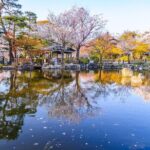
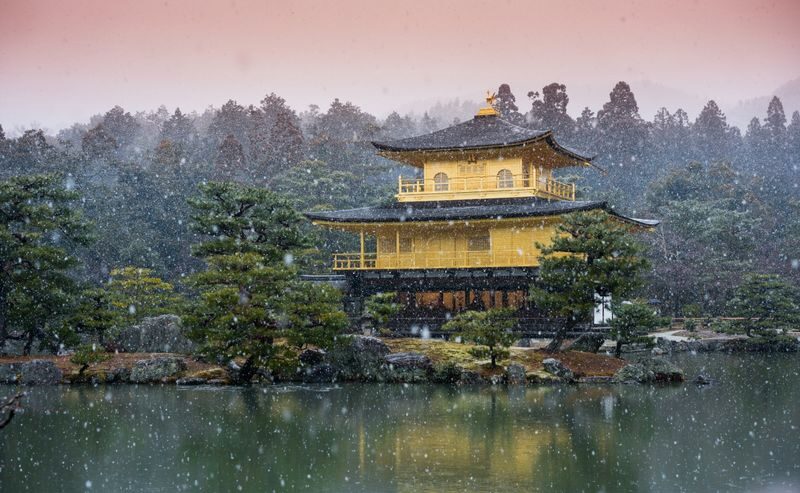
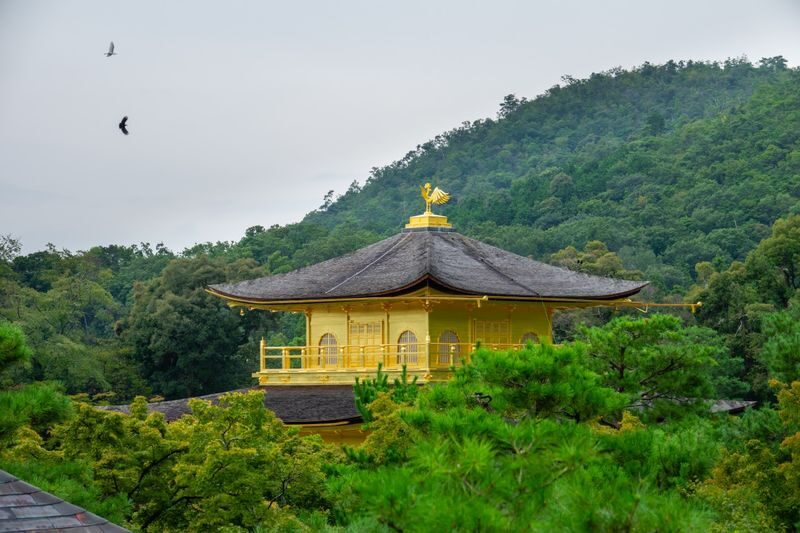
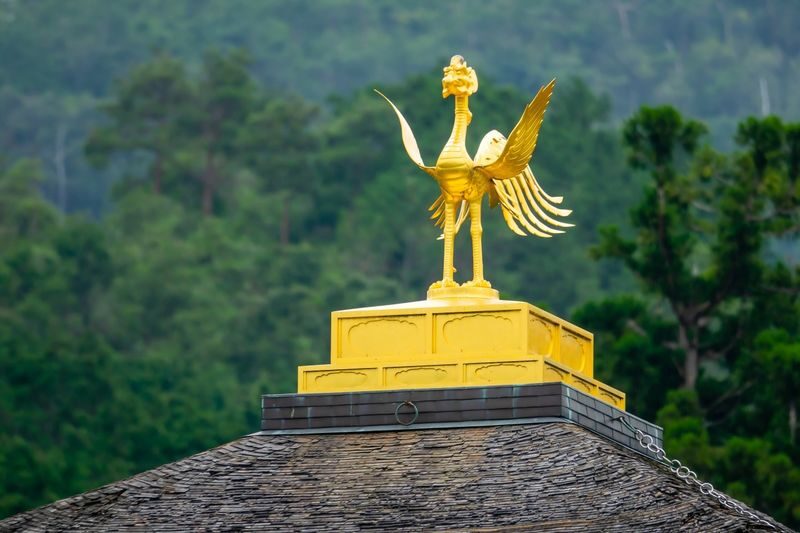
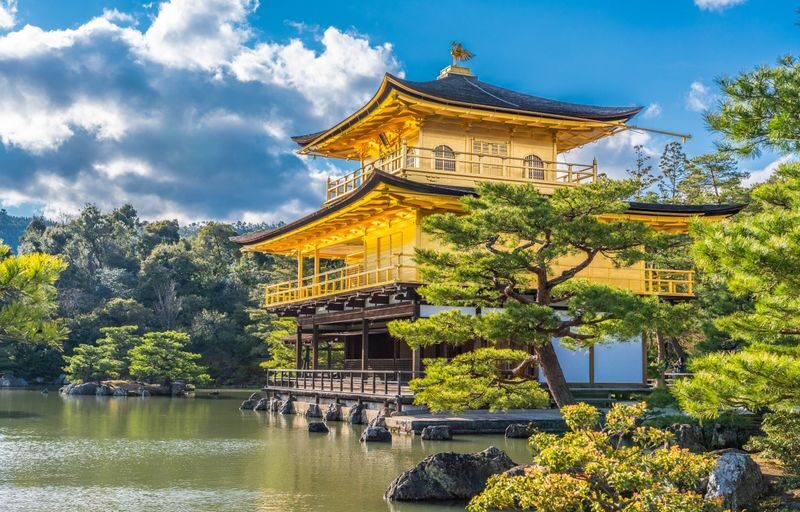
Kinkaku-ji, also known as Rokuon-ji, is the photogenic opener. Its Shariden, or Reliquary Hall, is covered in gold leaf and reflected in a pond. The temple became a UNESCO World Heritage Site in 1994, and the gleaming pavilion is one of Kyoto’s most recognisable sights.
You have about 40 minutes to explore independently. That is enough to follow the set route through the grounds and take in the pavilion from the viewing points, but not to spend a long time studying every detail. The temple is popular, so a short visit can feel even shorter if you arrive amid a crowd or want to stop often for photos.
I would treat this as a focused visit: enjoy the view, take your pictures, and keep an eye on the time. Admission is not included, so set aside extra money for the entrance fee. If Kinkaku-ji is your main reason for coming to Kyoto, a separate visit gives you more freedom to linger.
Kiyomizu-dera and the old streets below it
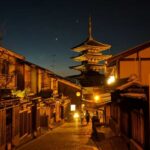
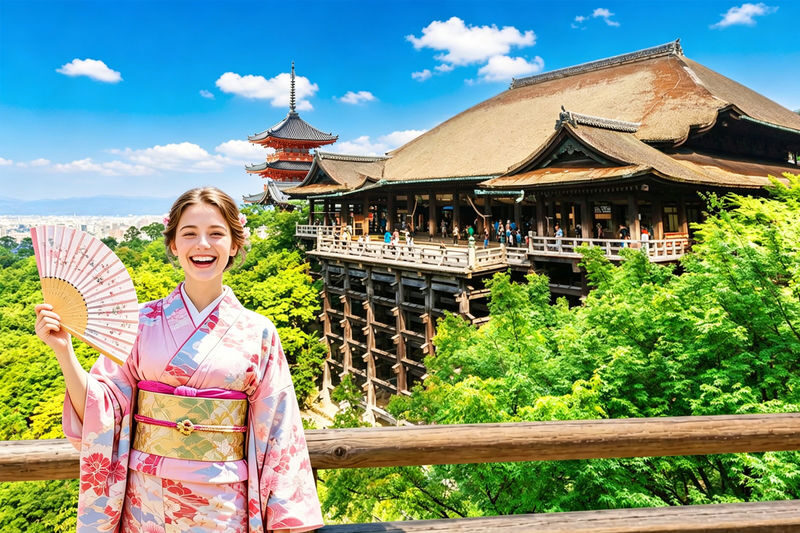
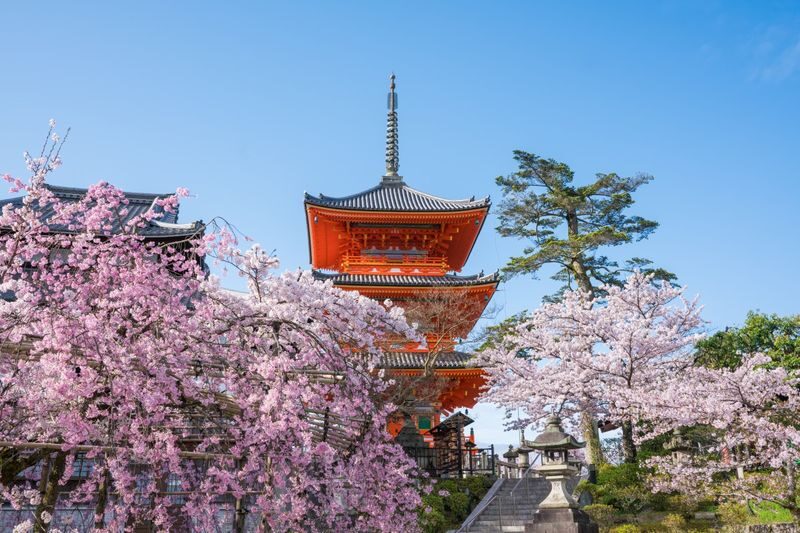
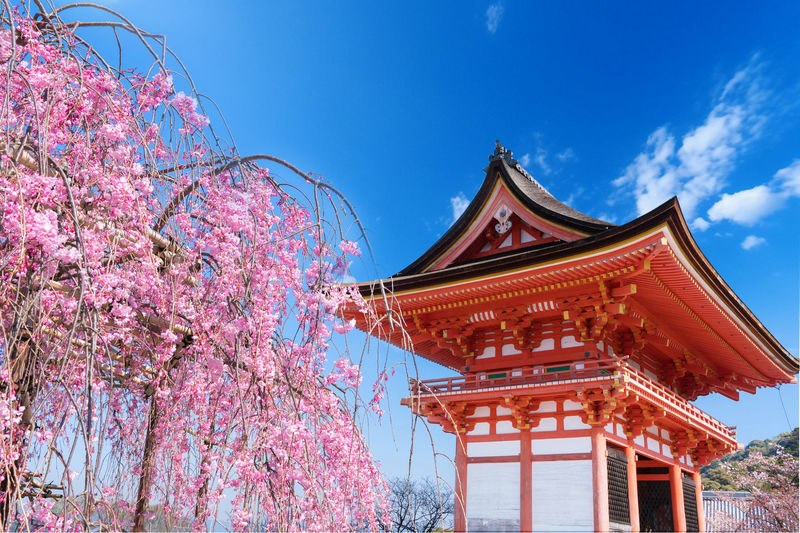
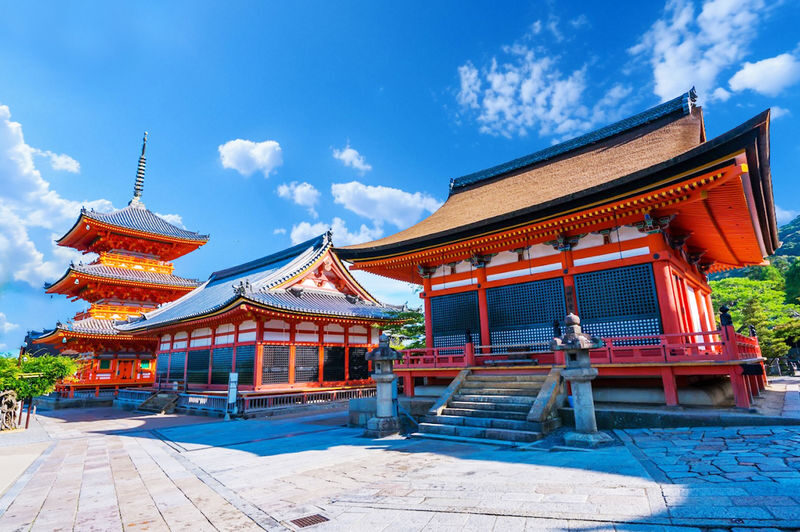
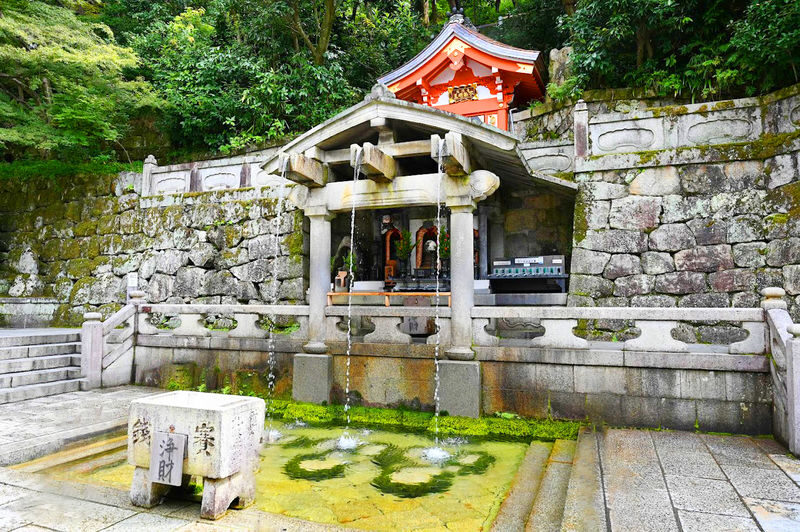
The longest stop is Kiyomizu-dera, with about two and a half hours to visit the temple and nearby streets. Founded in 778, the temple is a UNESCO World Heritage Site and famed for its broad wooden stage, which projects from the hillside above Kyoto. From there, you can look across the city and surrounding slopes. Cherry blossoms and autumn leaves draw seasonal crowds, but the temple has appeal in any season.
The time is shared with the approach streets of Ninenzaka and Sannenzaka. These sloping lanes are lined with shops, food counters and places selling crafts and souvenirs. You might pause for matcha ice cream, browse a shop, or find coffee at % Arabica. That mix of temple, street life and snacks is a strength of the stop: you get more than a quick look inside a religious site.
It is also where the schedule can pinch. The temple grounds and the lanes deserve time, and the walk includes slopes and steps. Some people would happily spend a full day in this part of Kyoto. If you want to visit every shop, take a long meal or explore at an unhurried pace, you may need to choose what matters most.
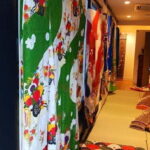
Yasaka Koshindo is another photo stop associated with the tour. Its colourful balls make a striking backdrop, and the site has a religious purpose as well as visual appeal. The activity information also refers to a Monkey Shrine, but no separate visit time is specified. Treat the stop as a possible part of your time in the area rather than a guaranteed, extended visit. One traveller found there was not enough time to get inside the shrine, so keep your expectations flexible.
Uji: river views and matcha on the menu
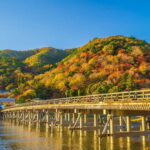
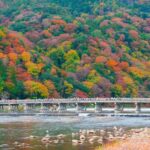
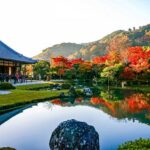
Uji changes the mood. The town is known for matcha, and the tour gives you about 90 minutes to see Byodo-in, enjoy the area around the Uji River and sample something from the matcha shops. After Kyoto’s temple crowds and sloping lanes, the riverside offers a calmer interlude.
Byodo-in is a UNESCO World Heritage Site and a fine example of Heian-period garden design. Its Phoenix Hall is the building pictured on the back of Japan’s 10-yen coin. You can see its distinctive form up close, but remember that the temple’s admission is extra. With only 90 minutes for Uji, temple entry, a river stroll and a food stop all compete for time.
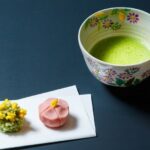
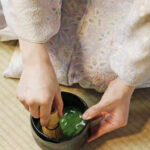
Byodo-in Omotesando is the natural place to browse for matcha sweets and drinks, from ice cream and cake to lattes. This is not a formal tasting, and meals and drinks are not included. Think of it as free time to pick what appeals to you, not a guided food tour. If you love matcha, Uji is likely to be a highlight. If you do not, the river and temple still give you a reason to enjoy the stop.
What the guide adds, and what remains your job
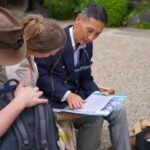
The guide provides English or Chinese commentary, depending on the package you book. The visits themselves are self-guided, so you decide how to use your time at each stop. That balance suits people who want helpful context and clear directions without following a guide through every room or shop.
A number of guides named in feedback include Jun, Amanda, Tina, Theodore and Santos. Their reported strengths include explaining the sites, sharing practical directions, suggesting photo spots and keeping the group informed. Some have also helped with photos, sent map links or shared updates in a group chat. These are useful examples of the support you might receive, not a promise that a particular guide will lead your departure.
The self-guided format has a flip side: you need to listen carefully to meeting instructions and return to the vehicle on time. Parking around popular Kyoto sights can be strict, and a late return can affect everyone’s schedule. Keep your guide’s contact details handy and use the group communication channel if one is provided.
You can also read our reviews of more tours and experiences in Kyoto


Is the price good value?
The advertised starting price is $46.85, though the amount may vary by date and package. For that fare, you get round-trip transport, an English- or Chinese-speaking guide, and toll, parking and fuel costs. The value is strongest if you are visiting from Osaka or prefer the ease of a bus between far-flung stops.
The price does not cover entry to Kinkaku-ji, Kiyomizu-dera or Byodo-in. Meals, drinks and personal purchases are also extra. Add those costs before deciding, especially if you plan to enter all three temples and buy lunch or matcha treats.
You are paying for a full day’s transport and a route that would take planning to reproduce on your own. You are not paying for a private guide or a slow, in-depth visit at each site. If you want to see several famous places in one day, the package can be a good deal. If you value unhurried time more than convenience, a self-planned day in one area may suit you better.
The pace, comfort and practical limits
The main physical challenge is walking around temple grounds and through sloped, sometimes crowded streets. The tour is not recommended for people with impaired mobility, pregnant people or anyone with certain medical conditions, including high blood pressure or epilepsy. It is not wheelchair- or stroller-accessible, and child seats are not available. Infants and children still count toward the passenger headcount.
The vehicle allows two standard-sized pieces of luggage. Even if you are travelling with bags, consider whether carrying them through busy temple approaches and shops will be comfortable. Weather can also affect how much you enjoy the outdoor parts of the day. Bring suitable clothing and shoes, and remember that the schedule may change because of traffic or weather.
Who should book this Kyoto day trip?
I would consider this tour if you are short on time, staying in Osaka, or want to connect Kinkaku-ji, Kiyomizu-dera and Uji without organising the transfers yourself. It is also a sensible choice if you are happy to explore independently once the guide has explained the plan. Matcha fans get a worthwhile stop in Uji, while first-time visitors get a broad introduction to Kyoto’s temple sights.
I would skip it if you want a leisurely day at Kiyomizu-dera, an extensive food crawl or a detailed guided tour inside each temple. The schedule is a sampler, and the free time goes quickly. For the best experience, arrive early, choose your priorities before each stop and leave some slack for crowds.
Kyoto & Uji World Heritage One-Day Tour: Kinkaku-ji Temple & Kiyomizu-dera Temple & Byodo-in Temple & Uji Matcha Food Street (Departing from Osaka or Kyoto)
“Tour guide is really nice. Explained everything clearly and made sure that we have sufficient time for each location. Definitely will recommend Effy!”
FAQ
How long is the tour?
The tour lasts about 8.5 hours. Departure options are listed at 8:00 and 9:00, with return times varying by departure location.
Which temples are included?
The route includes Kinkaku-ji, Kiyomizu-dera and Byodo-in. Temple admission is not included in the price.
Is transport included?
Yes. Round-trip transfers from the meeting point are included, along with tolls, parking fees and fuel.
Are meals and drinks included?
No. Meals, beverages and personal expenses are extra. You have time to buy food and matcha treats around Kiyomizu-dera and in Uji.
Does the tour include an English-speaking guide?
Yes, an English-speaking guide is available as a package option. A Chinese-speaking guide is also offered. Check that you choose the language you want when booking.
Is the tour suitable for wheelchairs or strollers?
No. The activity is not wheelchair- or stroller-accessible, and it is not recommended for people with impaired physical mobility. Child seats are not available.