Lake Biwa is Japan’s largest lake, and the appeal here is the change of pace: leave the city behind for water views, a lakeside shrine, temples, and La Collina’s unusual architecture. I like that a bus tour links places that can be awkward to reach in one day by public transport, and I like that guides such as Effy, Yuki, Richard, and Carina have been praised for clear directions and thoughtful help.
The main caution is that the route and included sights may vary. Some departures include a mountain cable car or Biwako Terrace, where extra fees may apply; others have been described with stops at Sanzen-in and Ukimido. Weather can also hide the lake views, so check the day’s route and what’s included before booking.
- At a glance
- A country day out from Osaka
- Lake Biwa: big water, changing views
- Shirahige Shrine: the torii across the water
- Sanzen-in and Ukimido: quiet temple stops, if included
- La Collina: architecture, cakes, and a gentler finish
- What the guides add
- The real cost: extras and weather
- Who will enjoy this day trip?
- FAQ
- Where does the tour depart from?
- What is the starting price?
- Which places are included?
- Is Ukimido guaranteed to be included?
- Is the cable car included in the price?
- Can bad weather affect the views?
- Should I bring a jacket?
- Are the guides multilingual?
- Can I cancel for a full refund?
- What happens if the operator cancels?
- The Best Of Kyoto!
- More 1-Day Tours in Kyoto
- More Tours in Kyoto
- More Tour Reviews in Kyoto
At a glance
 1 / 9
 2 / 9
 3 / 9
 4 / 9
 5 / 9
 6 / 9
 7 / 9
 8 / 9
 9 / 9
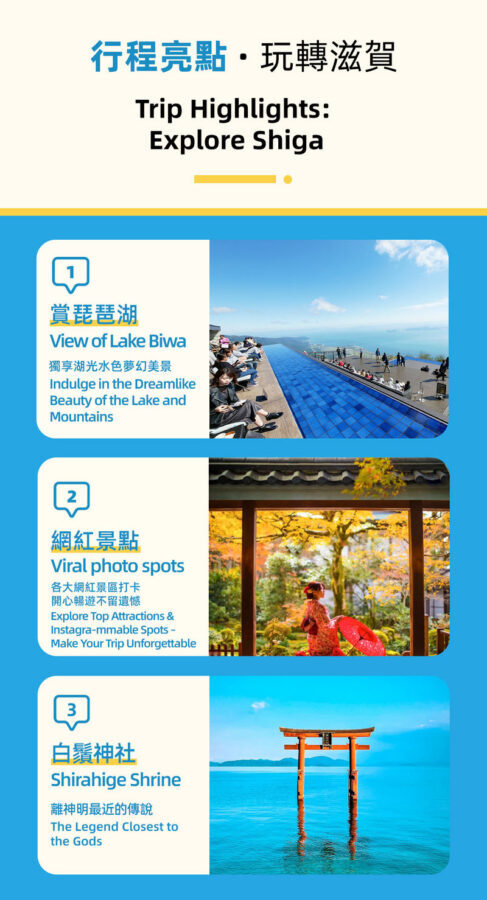
- Lake Biwa is the scenic centerpiece: The lake and surrounding high ground give the day its strongest nature break from Osaka.
- Shirahige Shrine is a lakeside photo stop: The torii in the water is striking, but some accounts describe viewing it from an observation area rather than walking close to it.
- The exact route needs checking: The tour is presented with several possible stops, and the actual schedule appears to vary.
- A mountain lift may cost extra: Some versions include access to a gondola or Biwako Terrace area, but the ride is not necessarily covered in the starting price.
- La Collina adds an architectural and food stop: Its distinctive buildings and baked treats offer a change from shrines and lake scenery.
- Guides can make the day easier: Effy, Yuki, Richard, and Carina are among the guides praised for keeping people informed, helping with photos, and sharing practical tips.

👉 See our pick of the We Rank Kyoto’s 15 Top Workshops & Classes
A country day out from Osaka
This is a full-day bus outing from Osaka or Kyoto into Shiga, a region where the lake, mountain views, and smaller temple and shrine stops offer a different mood from the city. The headline price starts at $51.79, which can look like a bargain for a day with several destinations and transport handled for you. But treat that as a starting point, not necessarily the full cost of the day.
The main value is convenience. You avoid piecing together separate train, bus, and local transport legs to reach places that are not always easy to connect. Several people describe the coach as clean and comfortable, and the trip as well organized. That matters on a day with multiple stops: clear instructions and a steady schedule leave more time for the places themselves.
There is a trade-off. The destinations are spread out, so you will spend a meaningful part of the day on the road. Traffic has delayed returns, and one person reported arriving two hours later than expected. If you have evening plans in Osaka, leave a generous buffer rather than scheduling a tight dinner reservation or onward connection.
You can also read our reviews of more tours and experiences in Kyoto
Lake Biwa: big water, changing views
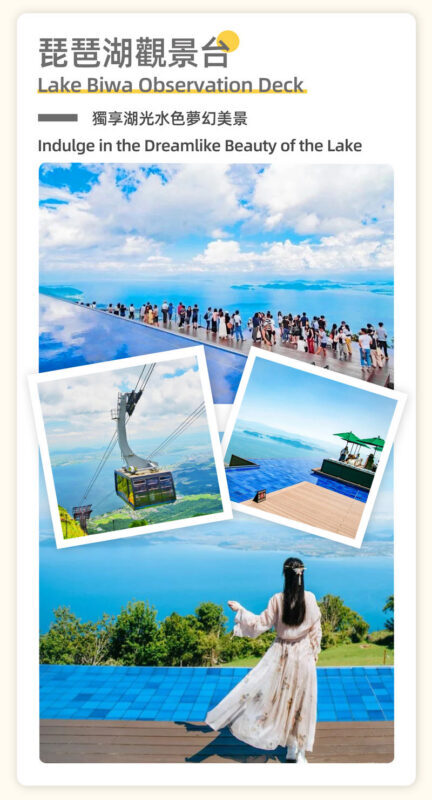
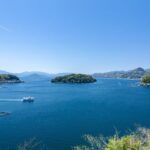
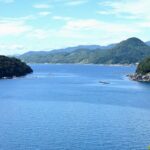
Lake Biwa is the natural anchor of the trip. It is large enough that the view changes with your vantage point: from the shore, you get a sense of its scale; from higher ground, you can take in more of the lake and surrounding countryside. On clear days, people have singled out the views from the highest observation area as a highlight.
Weather is the big variable. Fog, rain, and cloud have all obscured the lake, and a mountain visit can feel cold and windy even when conditions at the base are warm. Pack a light jacket, especially if the route includes Biwako Terrace or another high-elevation stop. One useful tip from the trip accounts: the mountain can be noticeably colder than the lower stops.
Some departures include a gondola or cable car to a viewpoint. This can add a memorable panorama, but check the price carefully. The extra fare is not always included in the tour’s initial cost, and one account describes a long wait at the base for people who did not pay to ride up. A cable car malfunction has also affected one visit, so keep your expectations flexible and ask what happens if the lift is not operating.
Shirahige Shrine: the torii across the water
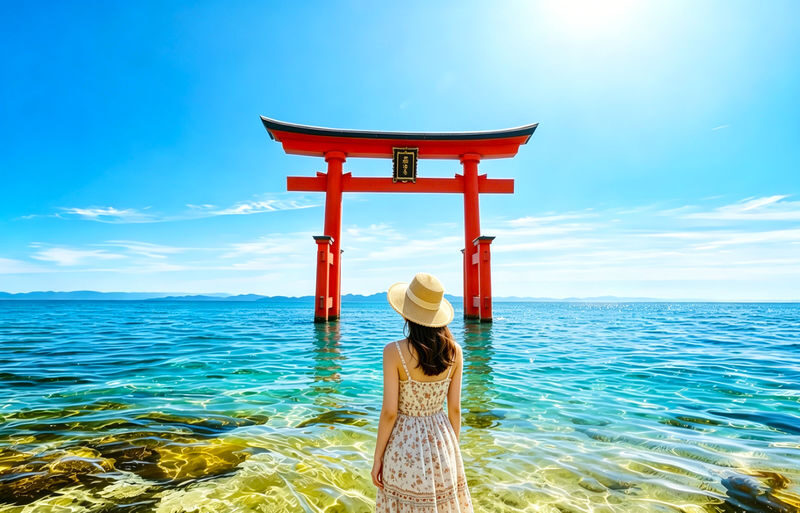
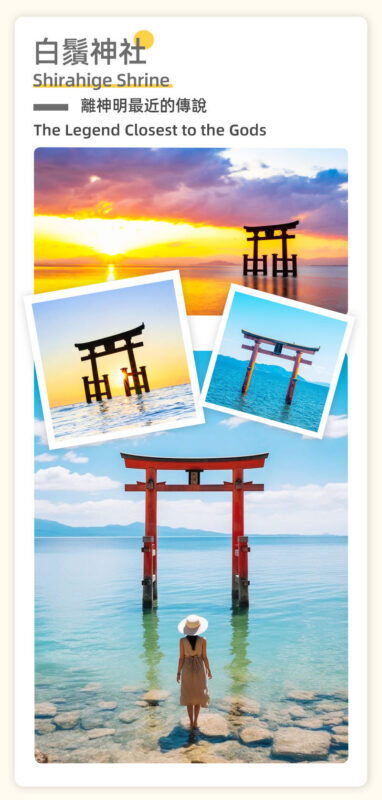
Shirahige Shrine is known for its torii standing in Lake Biwa. It makes a fine photograph and a brief pause for a different kind of scenery: sacred architecture set against open water rather than a busy city street.
Set your expectations about how close you can get. One account found the promotional view misleading because the group was not allowed to cross the road to approach the torii, and another described taking photos from an observation area with limited time. This is best treated as a look-and-photograph stop, not a long shrine visit or a chance to wander freely around the lakeshore.
The short stop can still be worthwhile, especially if you have not seen the torii before. If getting close to the water or spending time at the shrine is important to you, ask about the exact viewing arrangements before booking.
Sanzen-in and Ukimido: quiet temple stops, if included
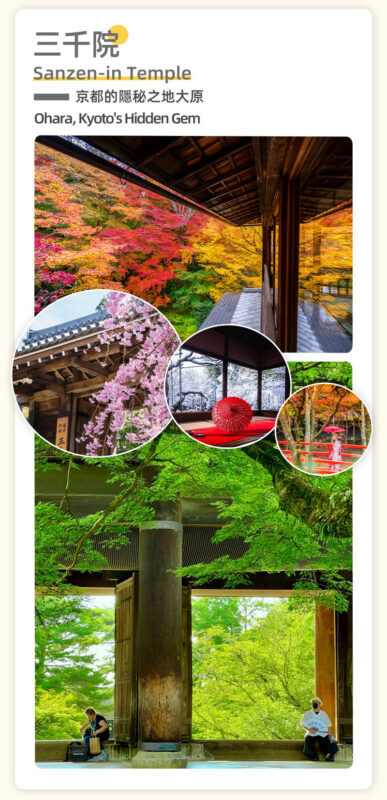
The tour information names Sanzen-in Temple and Mangetsu-dera Temple Ukimido among the possible sights. They offer a quieter counterpoint to the lake and the busier photo stops. Sanzen-in is a temple visit; Ukimido is associated with a pavilion on the water, making it another place where setting is central to the experience.
Here, the key word is if. The route appears to differ across departures, and some people expected to visit Ukimido but did not. Others describe itinerary changes without a clear explanation. That does not mean the temples are never included, but it does mean you should confirm the stops for your selected date rather than assume every name in the tour description appears on every trip.
If a particular temple is the reason you are considering this outing, ask directly whether it is scheduled for that departure. A broad countryside itinerary is easier to enjoy when you know which stops are firm and which may change.
La Collina: architecture, cakes, and a gentler finish
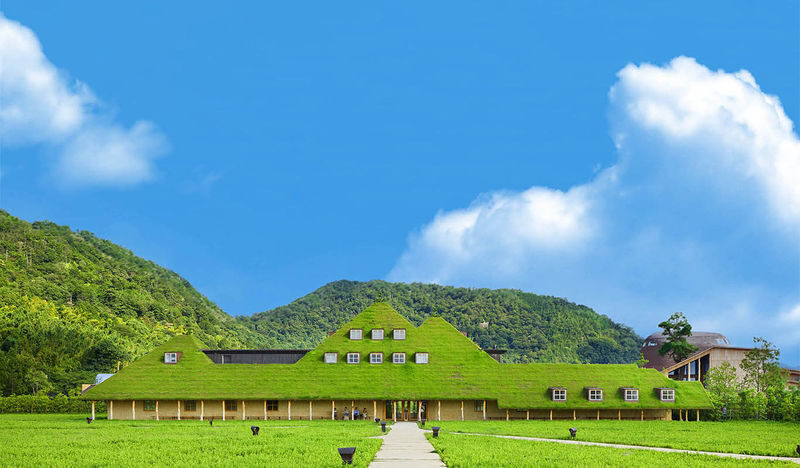
La Collina is a distinctive stop, with architecture that gives you something different to look at after lake and temple visits. It also offers food and drink, including castella cakes, which have been called a trip highlight. You can browse, take photos, and use the stop as a relaxed break before the return journey.
Time here may be limited. One account described an hour at Omihachiman as a little rushed, while another praised La Collina as a pleasant final stop. The details suggest that the schedule can differ, so check whether your departure visits La Collina, Omihachiman, or both.
This is not a traditional shrine or temple experience, and it is not meant to be. Its value is variety: a change of pace, an unusual setting, and a chance to try local sweets. If you prefer a trip focused entirely on historic sites, this stop may feel less essential. If you like mixing scenery with food and design, it helps round out the day.
What the guides add
A good guide can make a tightly scheduled day feel simple rather than hurried. Effy is often praised for being friendly, organized, and clear about timing; Yuki for explaining the places and giving useful directions; Richard for being attentive and safety-minded; and Carina for checking in, sharing practical advice, and communicating in several languages. Other named guides include Levi, Lina, and Nana Lin.
That personal touch matters because the route can involve several stops and changes. Guides have helped with photos, given food suggestions, and kept groups updated. But the quality of explanation may depend on the guide and the languages used on that departure. One person felt that most of the commentary was in Chinese, with only brief English explanations. If English commentary is important to you, confirm the language arrangements before you pay.
The real cost: extras and weather
At from $51.79, the tour can be good value if you want transport arranged and several countryside stops in one day. It is less compelling if you expect every optional ride to be included. The cable car or shuttle may bring extra costs, and those add-ons can change the total substantially.
The same is true of weather. A cloudy day does not necessarily make the trip pointless: the shrines, temples, and La Collina may still be enjoyable. But if your main reason for booking is a high viewpoint over Lake Biwa, fog or rain can erase the payoff. The operator may cancel for extreme weather, with the option to reschedule or request a full refund, but ordinary poor visibility has not always led to a cancellation.
Before booking, compare the starting price with the likely cost of any rides you want. Check the precise route, too. The package name refers to four scenic spots, but the described stops and accounts do not always line up. A little checking can prevent a cheap-looking day from becoming an expensive one.
Who will enjoy this day trip?
I would consider this tour if you are staying in Osaka or Kyoto, want a countryside day without arranging several transport connections, and are happy to trade a slower, deeper visit for seeing several places in one outing. It can work well for solo visitors, couples, and families who value a guide and a set schedule.
It is less suited to you if you want to spend a long time at one temple, need a guaranteed English-heavy commentary, or dislike spending hours on a coach. It is also not the right choice if you are booking solely for a clear lake panorama and cannot be flexible about weather.
Book only after confirming the route and optional fees for your date. The tour’s strongest points are the convenience, scenery, and the chance of a thoughtful guide; its weak spots are route uncertainty, add-on costs, and weather dependence. If those trade-offs suit you, it can be a practical way to see a less urban side of the region.
Osaka’s 4 Major Attractions: Lake Biwa & La Collina Day Trip
“Thank you to our guide Effy! I enjoyed the tour today and it was nice to connect with nature. The tour made transport easy for me to visit areas th…”
FAQ
Where does the tour depart from?
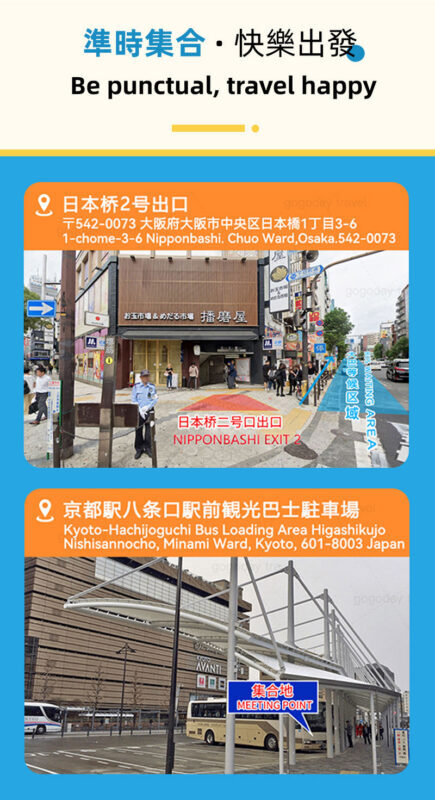
The activity is described as a day tour departing from Osaka or Kyoto. Check the meeting details for your selected departure when booking.
What is the starting price?
The listed price starts at $51.79. Extra costs may apply for rides such as a cable car or shuttle.
Which places are included?
The tour information names Lake Biwa, Shirahige Shrine, Sanzen-in Temple, and Mangetsu-dera Temple Ukimido. Other route descriptions and trip accounts also refer to La Collina and Biwako Valley. Confirm the stops for your date.
Is Ukimido guaranteed to be included?
No. Some people expected to visit Ukimido but did not. Confirm whether it is on the route for your selected departure.
Is the cable car included in the price?
The information provided does not say that it is included. Some accounts describe paying extra for the ride, so check the fare and inclusions before booking.
Can bad weather affect the views?
Yes. Fog, rain, and cloud have obscured Lake Biwa views, and the mountain can be colder and windier than the base.
Should I bring a jacket?
A light jacket is a sensible choice if your route includes the mountain or Biwako Terrace. Conditions higher up can be much colder than at the base.
Are the guides multilingual?
Some guides have been described as communicating in multiple languages, including Mandarin, English, and Japanese. The language balance may vary, so confirm what is offered on your departure if it matters to you.
Can I cancel for a full refund?
You can receive a full refund if you cancel at least 24 hours before the activity date, using destination local time. Different limits apply after you have used a ticket or taken part in an activity.
What happens if the operator cancels?
For unforeseen events or extreme weather, the operator may cancel. You can then request a reschedule or a full refund.