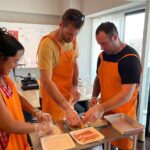
Matcha making here is hands-on: you learn a little about Japanese tea culture, then whisk your own bowl and taste it with a sweet. The class takes place near Dotonbori and Shinsaibashi, so it fits neatly into a day spent exploring central Osaka.
I like two things in particular: the easy, guided introduction makes the ritual accessible even if you’ve never tried matcha, and the pairing of tea with Japanese sweets gives you a simple way to notice how the flavors work together. Instructors such as Lala, Fuko, and Momo have been praised for clear explanations and a warm teaching style, though your instructor may differ.
One thing to plan carefully: the meeting point is on the third floor of a building, and a street address alone may not make the entrance obvious. Confirm the directions before you set out, and allow time to find the correct floor.
- What to know before you book
- A tea lesson between Dotonbori and Shinsaibashi
- From matcha quiz to your first bowl
- Whisking matcha with traditional tools
- Sweets make the tasting more complete
- The teaching style is part of the value
- Is .85 good value?
- Getting the most from your visit
- Who should book this class?
- FAQ
- Where does the matcha class meet?
- Is the class taught in English?
- What is included in the package?
- Do I need experience to join?
- What age can participate?
- How much does the class cost?
- Is hotel pickup included?
- When will I receive booking confirmation?
- Can I cancel for a refund?
- The Best Of Osaka!
- More Workshops & Classes in Osaka
- More Tours in Osaka
- More Tour Reviews in Osaka
What to know before you book
 1 / 9
 2 / 9
 3 / 9
 4 / 9
 5 / 9
 6 / 9
 7 / 9
 8 / 9
 9 / 9
- You whisk your own matcha: The class includes hands-on preparation with traditional tools, rather than just a demonstration.
- Tea and sweets come together: Your package includes matcha making and Japanese sweets, so you can try the tea as it is traditionally served in the session.
- There’s more than a recipe: Expect a lighthearted quiz and a short introduction to matcha history and tea culture.
- English help is included: Local staff guide the class in English, and no previous experience is needed.
- The venue is central: Find it at 3F, Galleria Acca Building, 1-16-20 Higashi-Shinsaibashi, Chuo-ku, near Dotonbori and Shinsaibashi.
- It works for solo visitors and groups: Children aged four and older can join, but they pay the same rate as adults.
👉 See our pick of the The Top 15 Workshops & Classes In Osaka
A tea lesson between Dotonbori and Shinsaibashi
Osaka is famous for food that announces itself loudly. This class offers a quieter counterpoint: a chance to slow down, handle the tools, and learn why a bowl of matcha is more than green tea stirred into hot water.
The location is useful if you’re already exploring the city center. The class meets in Higashi-Shinsaibashi, close to the Dotonbori and Shinsaibashi areas, so you can pair it with a meal, shopping, or a walk through the neighborhood. Hotel pickup and drop-off are not included, so plan to reach the venue on your own.
The address is specific: 3F, Galleria Acca Building, 1-16-20 Higashi-Shinsaibashi, Chuo-ku. The class is on the third floor, not simply at street level. Check the map and any directions sent with your booking before leaving, and don’t wait until the start time to begin looking for the entrance.
You can also read our reviews of more tours and experiences in Osaka



From matcha quiz to your first bowl
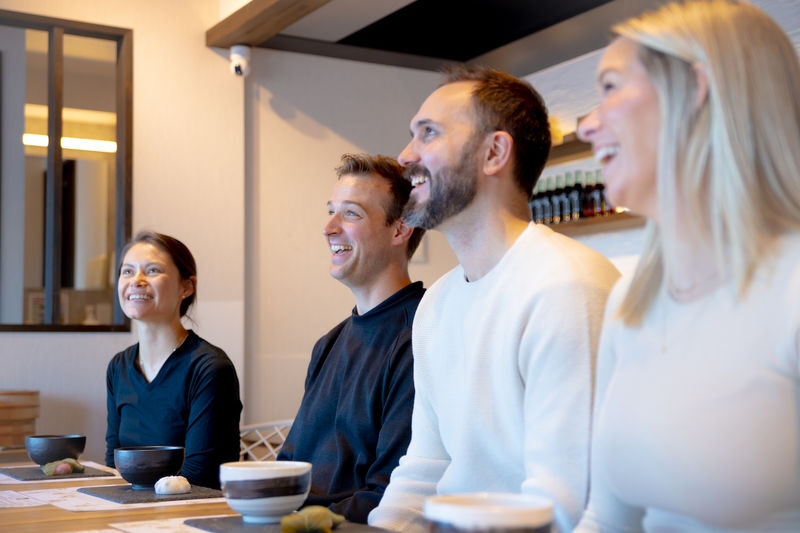
The class begins with an introduction to matcha and its place in Japanese tea culture. A lighthearted quiz helps make the history interactive rather than turning the first part into a lecture. You’ll get context for what you’re about to make, including how matcha differs by type and how tea preparation connects to ceremony and etiquette.
The level is designed for beginners. You don’t need to know the names of the tools or how to whisk a bowl before you arrive. English-speaking staff guide the process, and class leaders have been described as patient and careful about making sure everyone can follow the demonstration.
Some instructors have also introduced sensory comparisons, including noticing differences between matcha grades through smell, touch, and taste. The exact lesson can vary, so treat this as a possible extra rather than a guaranteed part of every session. Still, it points to the class’s best feature: you’re not only shown a set of steps, you get help understanding what you’re tasting.
Whisking matcha with traditional tools
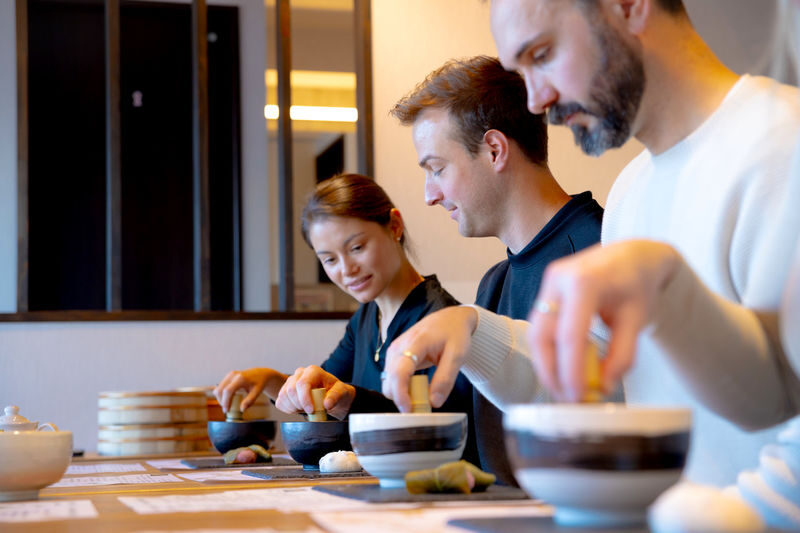
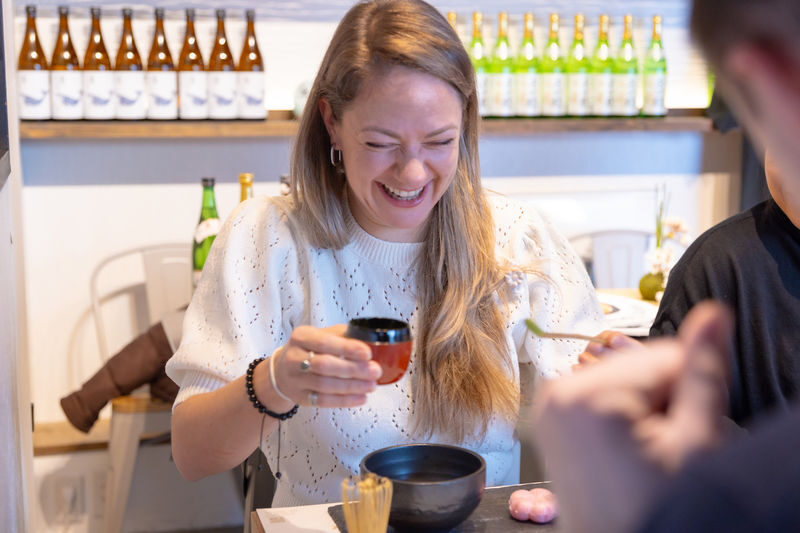
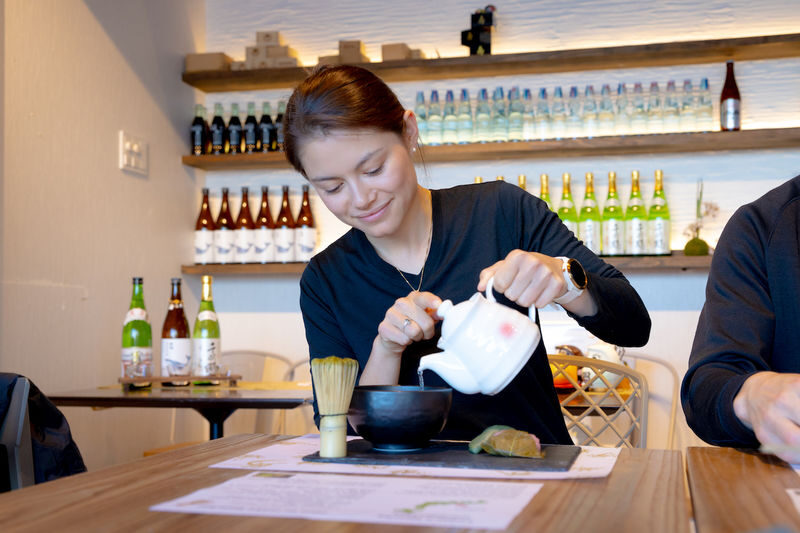
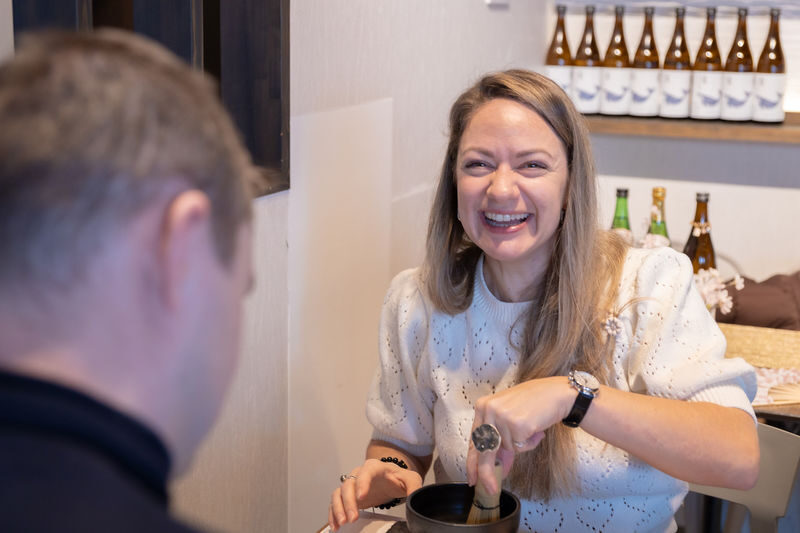
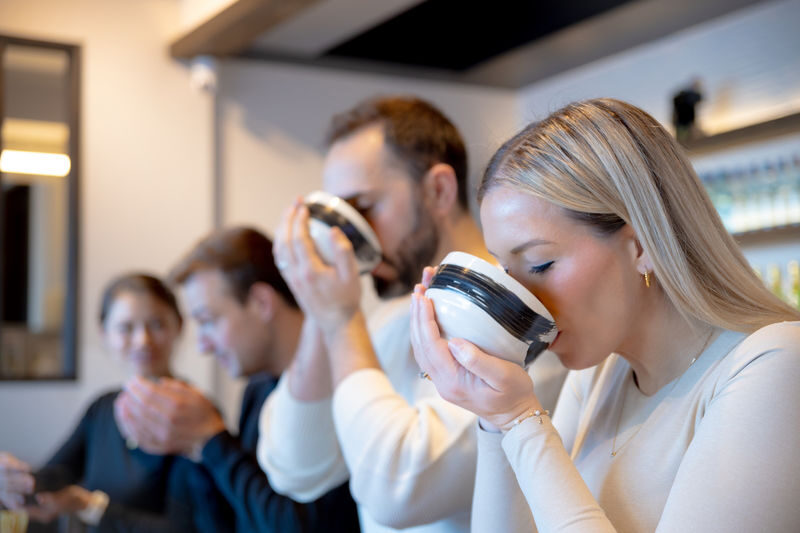
After the introduction, you get to prepare the tea yourself with traditional tools. This is the practical heart of the class. You can watch the instructor’s technique, try it in your own bowl, and learn how the whisking changes the drink’s texture.
Matcha is served in a chawan, a tea bowl, rather than an ordinary cup. That detail may sound small, but it shifts the experience from a quick caffeine stop to a deliberate preparation. You’re making a bowl of tea, not mixing a sweet drink on the run.
The result is traditionally prepared matcha, served without sugar or milk. If your usual matcha is a latte, the taste may surprise you: expect a more direct tea flavor, often described as fresh, smooth, and slightly bitter. The class can be useful even if you’ve tried matcha before, especially if you’ve only had it sweetened or mixed with milk.
A few participants have also been introduced to different matcha varieties and had a chance to compare them. That isn’t listed as a guaranteed feature, but it helps explain why the lesson may appeal to someone who already likes tea as much as to a first-time taster.
Sweets make the tasting more complete
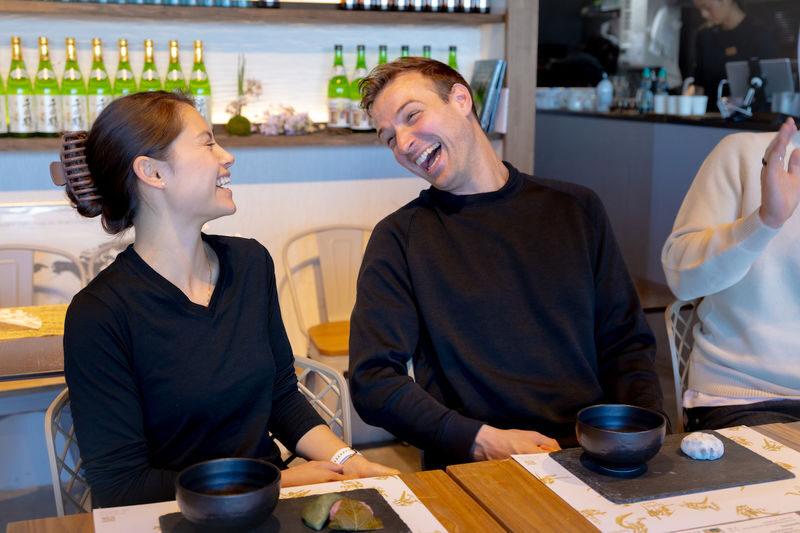
Once your tea is ready, you drink it with Japanese sweets, which are included in the package. The sweet is not just a snack on the side. Its flavor gives you a contrast with matcha’s natural bitterness and helps make the tasting feel like a small tea break rather than a cooking demonstration.
This pairing is also a practical introduction to the balance of a traditional tea setting. You can focus on the tea by itself, then taste it alongside the sweet and notice how the combination changes the experience. If you’re unsure whether you like matcha, this is a gentler way to try it than ordering a strong bowl without any context.
The included food is limited to the matcha and Japanese sweets described in the package. Don’t book expecting a full meal or a broader cooking class. If you’re hungry, plan lunch or dinner separately around your visit.
The teaching style is part of the value
The staff are a major part of what makes this class approachable. Instructors named in class feedback include Lala, Ayu, Momo, Fuko, Fujiko, Mayo, Hinata, and Sho. Their teaching has been described as friendly, clear, patient, and encouraging. Your instructor is not guaranteed to be any particular person, but the class is set up for English-speaking instruction.
That matters when a cultural activity involves unfamiliar tools and etiquette. A good instructor can turn a small detail, such as how to hold the bowl or whisk, into something you can remember and try again at home. The lesson is intended to be relaxed, not a test of whether you can perform a formal tea ceremony perfectly.
The group format can vary. Solo participants and groups are welcome, and some sessions have been small enough to feel personal. Don’t assume you’ll have a private class, though. If a quieter or more tailored session matters to you, ask about group size before booking rather than counting on it.


Is $20.85 good value?
The starting price is $20.85 for matcha making with Japanese sweets. For that, you get an English-speaking instructor, ingredients, a short cultural introduction, the chance to make your own tea, and a tasting with sweets. I’d consider it good value if you want a hands-on cultural activity and would otherwise pay for a tea and dessert while exploring the area.
It is less compelling if you’re looking for a long workshop, a full meal, hotel transport, or a formal tea ceremony. The class listing does not specify a duration, and the only package described here is matcha making with Japanese sweets. Compare it with the separate traditional tea ceremony experience in Osaka if your main interest is observing a more formal ceremony.
Children aged four and older are eligible, but they pay the adult rate. That makes the class a possible family activity, particularly for children who enjoy tasting and making things, but it is worth weighing the per-person cost for a larger family. The class is also suitable for a solo visit, so you don’t need to assemble a group to take part.
Getting the most from your visit
Arrive with enough time to find the third-floor venue. Use the complete address rather than searching only for the business name, and check the map carefully. A location in a central district is convenient, but being near major shopping and food areas does not guarantee that the entrance will be obvious from the street.
If you have never enjoyed matcha, arrive curious rather than expecting a sweet latte. The class serves traditionally prepared tea, and the straightforward taste is part of the point. You can ask questions about varieties, preparation, or how to make matcha at home; some instructors have shared practical tips beyond the basic steps.
Book with the schedule in mind. The voucher is valid only for the date and time specified, and confirmation should arrive within minutes. If it does not, contact customer support. You can receive a full refund if you cancel at least 24 hours before the activity date, using Osaka local time.
Who should book this class?
I’d choose this for a first visit to Osaka when you want an activity that is cultural without being stiff. It offers a manageable introduction to matcha, a simple skill you can practice later, and a sweet tasting in a central neighborhood. It also suits matcha fans who want to understand the drink beyond café-style lattes.
Families can consider it for children aged four and up, though the same adult price applies to them. Solo visitors are welcome, and English-speaking guidance means you don’t need prior knowledge to keep up.
Skip it if you want a long, formal tea ceremony, a substantial meal, or a class with a guaranteed private group. For a short, participatory pause amid Osaka’s food and shopping districts, though, it makes a thoughtful change of pace. I’d book it if learning to whisk a bowl and understanding what you’re drinking sound more appealing than simply ordering another matcha latte.
Matcha Making Class in Osaka
“We went to the Matcha class! This was our first time tasting Matcha Lala taught our group and was extremely informative we learned a bit of history…”
FAQ
Where does the matcha class meet?
It meets at Matcha Making Osaka, 3F, Galleria Acca Building, 1-16-20 Higashi-Shinsaibashi, Chuo-ku, Osaka. Check the map and directions before you go.
Is the class taught in English?
Yes. English-speaking local staff guide the activity.
What is included in the package?
The package includes matcha making, ingredients, English-speaking staff, and Japanese sweets.
Do I need experience to join?
No. The class is open to beginners, and staff guide you through the preparation.
What age can participate?
Participants must be at least four years old. Children aged four and older pay the same rate as adults.
How much does the class cost?
The price starts at $20.85. The package described is matcha making with Japanese sweets.
Is hotel pickup included?
No. Hotel pickup and drop-off are not included.
When will I receive booking confirmation?
Confirmation should arrive within minutes. If you do not receive it, contact customer support.
Can I cancel for a refund?
Yes. You can receive a full refund if you cancel at least 24 hours before the activity date, using local time at the destination.