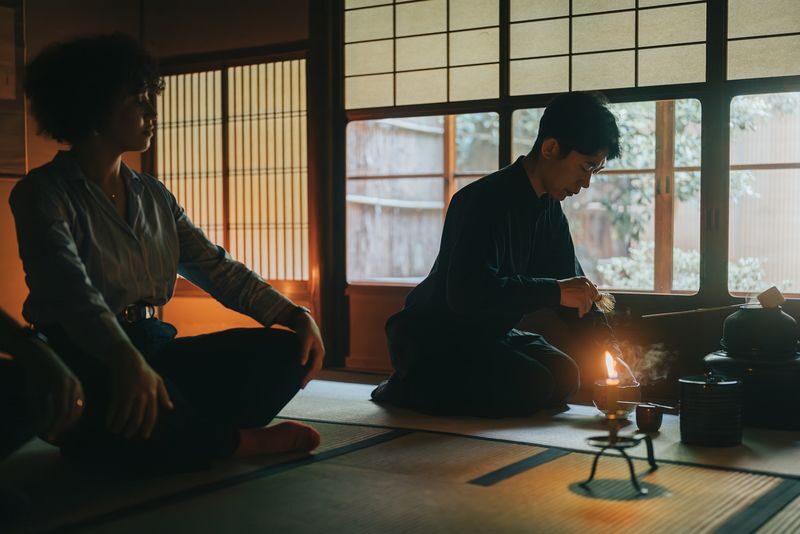
In a century-old Kyoto townhouse, the lights go out and the tea ceremony begins by candlelight. The shift from bright rooms to a dim tearoom makes small details feel central: the sound of water, the aroma of matcha and the bowl resting in your hands.
I like two things here: the three-room progression gives the ceremony a sense of arrival, and the small group limit of seven keeps the setting intimate. The host prepares matcha grown in Uji, using seasonal bowls that may be more than 200 years old, and explains what you are seeing in English.
One thing to know before booking: this is mainly a watch-and-taste experience, not a hands-on class. You may also sit on the floor, and the candlelight can make it hard to see every movement from some seats.
- What Makes This Ceremony Special
- From a Bright Front Room to Candlelight
- The Candlelit Ceremony Is About Attention
- Uji Matcha, Seasonal Bowls and Small Details
- English Explanations and a Personal Host
- Is .55 Good Value?
- Who Will Enjoy the 45-Minute Format?
- A Few Useful Planning Details
- Should You Book This Tea Ceremony?
- FAQ
- How long does the tea ceremony last?
- How many participants can join?
- Do I make the matcha myself?
- Where does the experience take place?
- What is included in the price?
- What is the minimum age?
- Is the venue wheelchair and stroller accessible?
- What is the cancellation policy?
- The Best Of Kyoto!
- More Tours in Kyoto
- More Tour Reviews in Kyoto
What Makes This Ceremony Special
 1 / 9
 2 / 9
 3 / 9
 4 / 9
 5 / 9
 6 / 9
 7 / 9
 8 / 9
 9 / 9
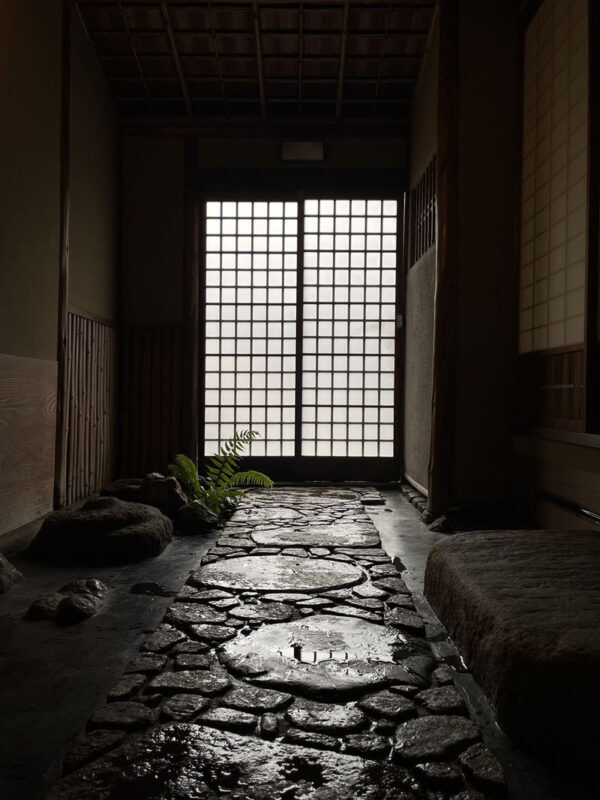
- A townhouse with a past: The roughly 100-year-old home was kept for much of its life by a Kyoto textile merchant.
- Three rooms, changing light: You move from the brighter front of the house into a tearoom lit by candles.
- Seven participants at most: A small group helps keep the ceremony close and quiet, though your view depends partly on where you sit.
- Seasonal, historic bowls: The host explains the utensils, including bowls that can be more than 200 years old.
- Uji matcha and a trained host: The tea comes from Uji and is blended to a tea school grand master’s preference. The host has trained in a historic school of tea.
- A short, unhurried format: Allow about 45 minutes, with no etiquette test and no requirement to know anything about tea beforehand.

👉 See our pick of the We Rank Kyoto’s 15 Top Workshops & Classes
From a Bright Front Room to Candlelight
The experience begins at Oboro, in Kamigyo Ward, about an eight-minute walk from Imadegawa Station. The address is 237 Nakaogawacho, Kamigyo Ward, Kyoto, postal code 602-0053. Transport is not included, so plan your own route and arrive on time: entry is not allowed if you are more than 10 minutes late.
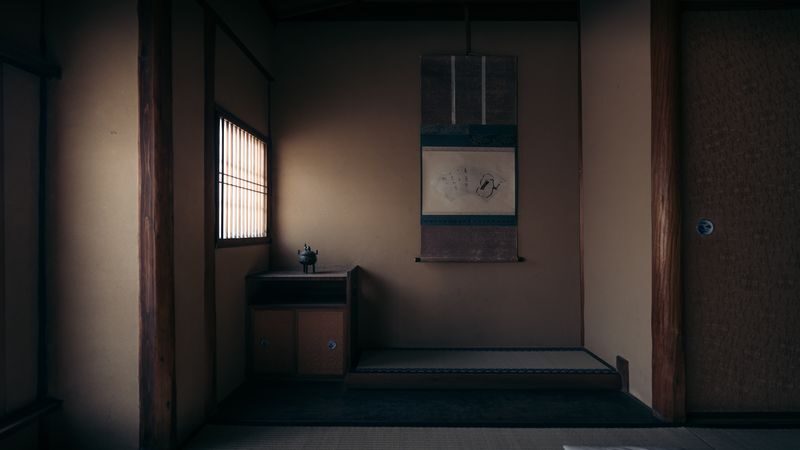
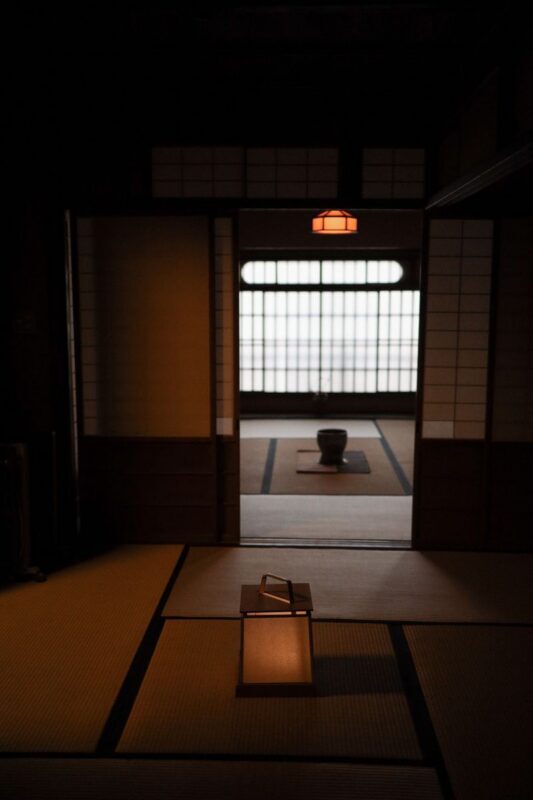
You move through three rooms, leaving the brighter front area for the tearoom. This change is more than a scenic flourish. It narrows your attention, away from the usual sightseeing checklist and toward the sounds, scents and objects involved in preparing tea.
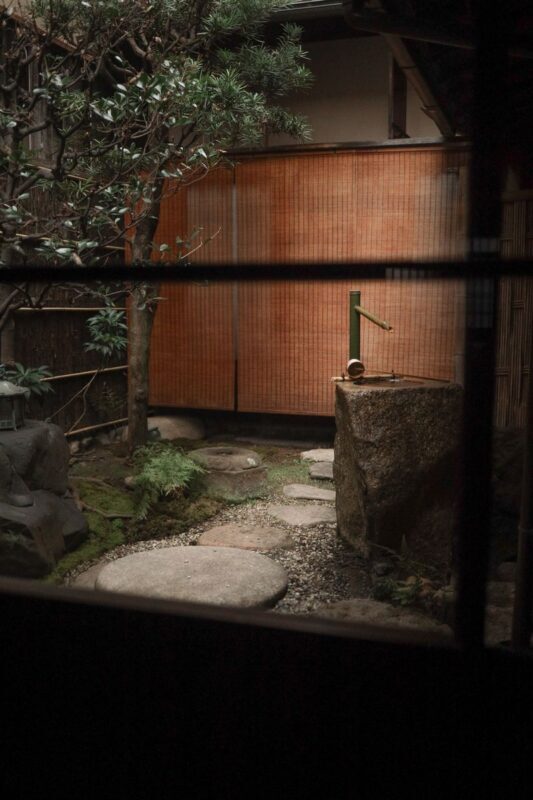
The house was kept for much of its life by a textile merchant, and sitting in its rooms gives the ceremony a domestic setting rather than the feel of a modern demonstration space. The building itself is part of the experience, though the subdued lighting means you will not get a bright, detailed look at every corner.
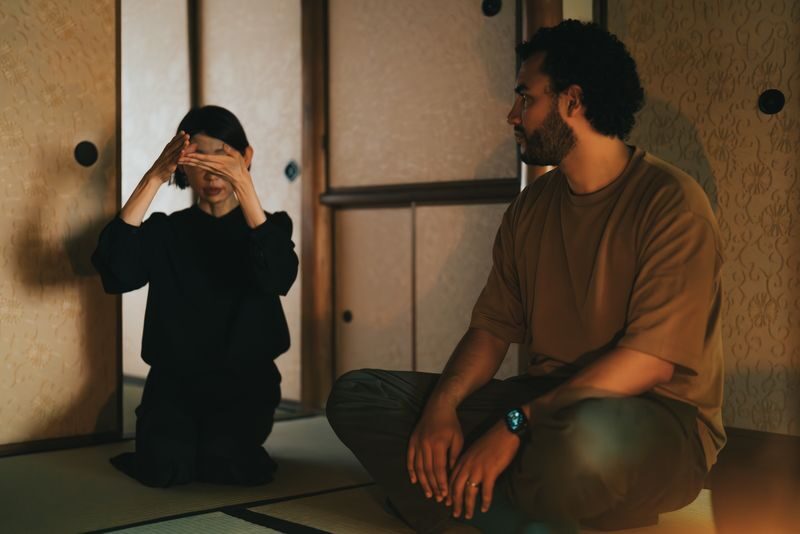
The group is limited to seven participants. That is a useful cap for a ritual where the view matters, but it does not guarantee a perfect seat. One visitor found that the host’s position blocked their view, so if you have a choice of where to sit, consider your sightline before the ceremony starts.
You can also read our reviews of more tours and experiences in Kyoto.



The Candlelit Ceremony Is About Attention
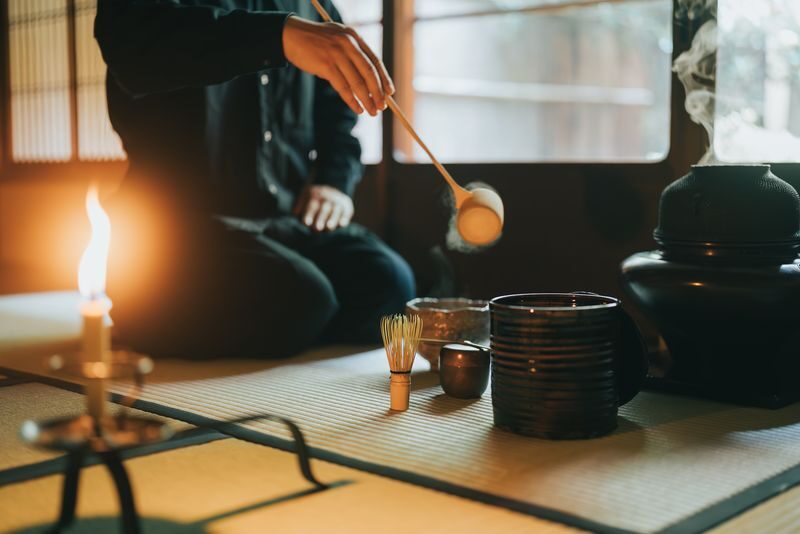
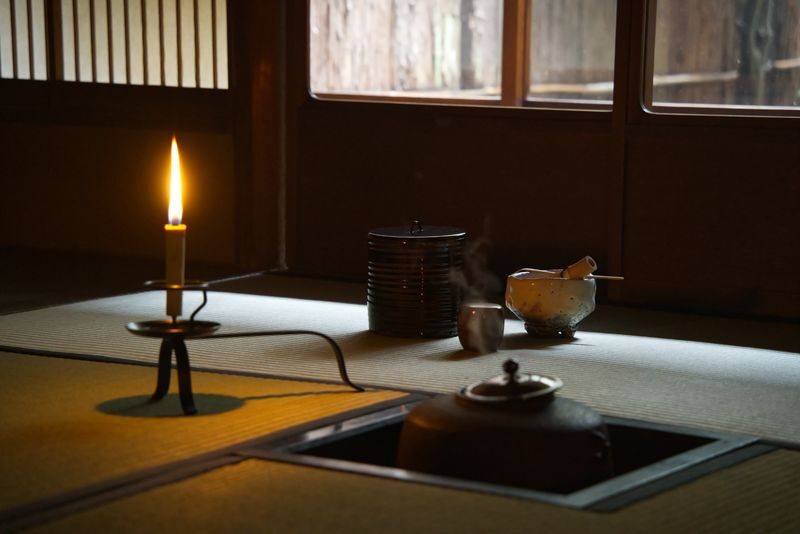
The central idea is simple: with the lights off, you may notice more. The water’s sound, the smell of the tea and the weight and warmth of the bowl take on more importance when there is less to look at.
That atmosphere is a major part of the appeal. People often describe leaving calmer than they arrived, and some find the experience a welcome pause between Kyoto’s temples, streets and packed sightseeing days. If you want a structured meditation, though, adjust your expectations. The ceremony has a mindful focus, but it is not described as a guided meditation with someone leading breathing or attention exercises.
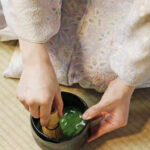
Your host prepares the tea while explaining the tradition and the objects used. The ceremony is performed for you; you are not promised a chance to whisk your own matcha. This distinction matters. If you want to learn by doing, a hands-on tea class may suit you better. If you would rather observe the movements closely, hear the context and taste the result, this format makes sense.
The darkness also brings a practical trade-off. Some movements may be difficult to see, especially if the host is facing away from your seat. Candlelight is central to the mood, not a lighting effect you can opt out of, so people who want a clear view of each step should weigh that before booking.
Uji Matcha, Seasonal Bowls and Small Details
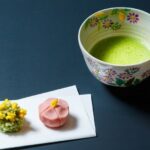
The matcha is grown in Uji, a place closely associated with Japanese green tea. It is blended to a tea school grand master’s preference, then prepared by a host trained in a historic school of tea. Those details give the cup a context beyond simply trying a local drink.
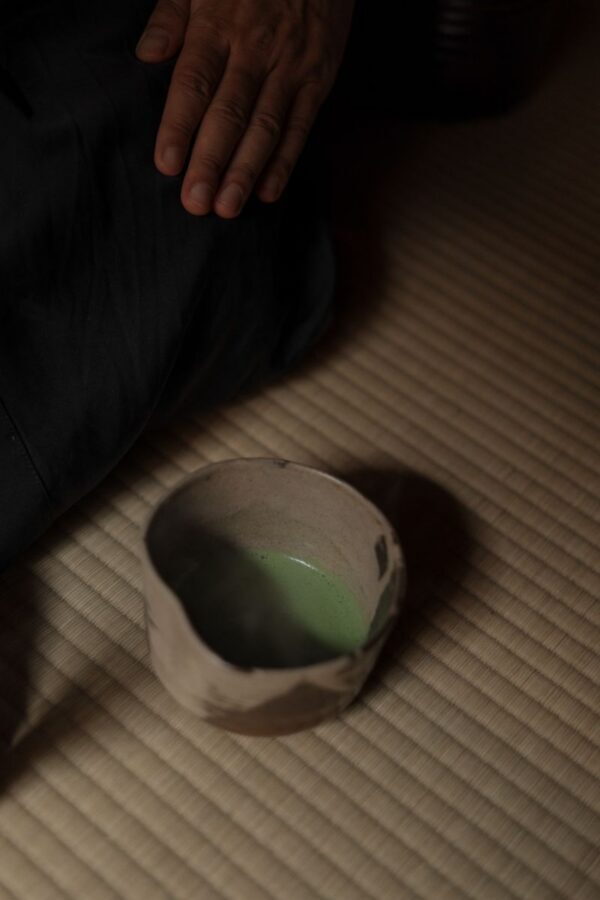
The bowls are selected for the season, and some are more than two centuries old. The host explains what you are holding, connecting the vessel to the ritual and to the time of year. If you enjoy design, ceramics or craft, this part may be as rewarding as the tea itself.
Expect a serving of matcha and a small sweet, rather than a full tea tasting or meal. One account mentions an amber candy, while another describes the sweet as a tiny block. The included food and beverage are part of the ceremony, but the information does not promise a large serving or several kinds of tea.
The experience is short, around 45 minutes, and some people describe it as closer to 50 minutes. That is enough time for a focused introduction, but not a long workshop. You watch, listen, drink and have the chance to ask questions. If you arrive expecting to prepare several bowls or spend hours studying tea, the format will feel brief.
English Explanations and a Personal Host
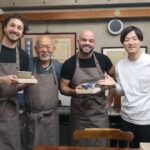
An English-speaking guide is included, and the host explains the ceremony, its utensils and aspects of Japanese tea culture. Visitors have described hosts named Yoko-san, Ryoko-san and Naoki, but you should not count on a particular person leading your session.
The tone can shape the experience. A warm host who welcomes questions can make the ceremony feel accessible even if you know little about tea. The small group also makes it easier to hear explanations and ask about the bowl, matcha or customs.
The English presentation may not feel equally clear to everyone. If you have detailed questions, ask them as they arise rather than waiting until the end. The ceremony has a set rhythm, and it is easier to follow when you stay engaged with the host’s explanations.
This is not a performance designed to keep every moment lively. There are periods of watching and quiet, and the experience depends partly on whether you enjoy that slower pace. If you need constant activity, the ceremony may feel static. If you are curious about the meaning behind formal gestures, the stillness gives you time to notice them.
Is $50.55 Good Value?
At a starting price of $50.55, this is not the cheapest way to drink matcha in Kyoto. You are paying for more than the cup: the historic townhouse, the small group, the host’s tea training, the seasonal utensils and the candlelit setting all contribute to the cost.
Value depends on what you want from the hour. If you are after a quiet cultural experience in a distinctive old home, the price can feel fair. If your main goal is to learn how to whisk matcha yourself, or to sample a range of teas and sweets, you may come away feeling that the activity is too short for the cost.
The experience has earned a strong overall rating of 4.6 out of 5 from 72 ratings, with an 89 percent good review rate reported for the provider. The most consistent strengths are the atmosphere, the townhouse and the hosts’ welcoming explanations. The recurring reservations are also clear: some people expected a hands-on lesson, some wanted more food or time, and the dim room can limit visibility.
I would compare it with a practical question: are you paying for instruction, or for a calm, carefully staged introduction to tea culture? This is much closer to the second. Its value is in the setting and attention, not in the quantity of tea or the number of activities.


Who Will Enjoy the 45-Minute Format?
This works well if you want a compact introduction to Japanese tea ceremony without needing prior knowledge. Tea lovers, people interested in ceramics and traditional crafts, and anyone wanting a quieter counterpoint to a busy Kyoto itinerary are likely to get the most from it.
It can also suit a couple marking a special occasion or a family with older children. Children must be at least six years old, and anyone aged 12 or older pays the adult rate. The group setting is small, but the ceremony is still a quiet, seated activity rather than a children’s workshop.
Think carefully if sitting on the floor is uncomfortable for you. The information says participants may sit on the floor or in a chair, but the experience is not recommended for people with back problems. It is also not recommended for pregnant people or those with heart conditions.
The venue is not wheelchair accessible or stroller accessible, and pets are not allowed. Infant seats are unavailable. These are important limits for an old townhouse, so check that the format works for everyone in your party before reserving.
A Few Useful Planning Details
The meeting point is Oboro: Mindful Tea Ceremony, roughly eight minutes on foot from Imadegawa Station. Transport, personal expenses and tips are not included. Your mobile voucher is accepted, and it is valid only for the date and time you booked.
Arrive early enough to find the address and settle in. The late-entry rule is strict: if you are more than 10 minutes late, you cannot join the session. Cancellations made at least 24 hours before the activity date, using local destination time, receive a full refund.
Should You Book This Tea Ceremony?
Book it if you want a small, atmospheric introduction to tea culture in a traditional Kyoto home, and you are happy to observe rather than prepare the tea yourself. The candlelit room, old bowls and English explanations give the 45-minute visit a distinctive shape.
Skip it if you want a practical matcha-making lesson, bright views of every movement, a substantial tasting or a long session. For the right expectations, this is a thoughtful pause in Kyoto: more about slowing down and noticing than ticking off another attraction.
Kyoto: Candlelit Tea Ceremony in a 100-Year-Old Townhouse
“This was a very unique and enjoyable experience. Our group was only 4 people and the intimate setting was enlightening. The instructor was very inf…”
FAQ
How long does the tea ceremony last?
The experience lasts about 45 minutes. Some sessions may run closer to 50 minutes.
How many participants can join?
The group is limited to seven participants.
Do I make the matcha myself?
No hands-on preparation is specified. The host prepares the tea, and you watch, learn and taste it.
Where does the experience take place?
It takes place at Oboro: Mindful Tea Ceremony, at 237 Nakaogawacho, Kamigyo Ward, Kyoto. It is about an eight-minute walk from Imadegawa Station.
What is included in the price?
An English-speaking guide, tea, and food and beverage are included. Transport, other personal expenses and tips are not included.
What is the minimum age?
Participants must be at least six years old. Children aged 12 and older pay the adult rate.
Is the venue wheelchair and stroller accessible?
No. The experience is not wheelchair accessible or stroller accessible, and infant seats are unavailable.
What is the cancellation policy?
You receive a full refund if you cancel at least 24 hours before the activity date, using destination local time.