A tea ceremony is more than a bowl of matcha. At Kissako An, you’re guided through the gestures, tools and etiquette that give the ritual its shape, with explanations in English. I especially like the chance to learn why the tea room and its objects matter, and the simple pleasure of matcha served with a Japanese sweet.
The main trade-off is the location: Kissako An is outside Nara’s central sightseeing area, and the address can be tricky to find in the surrounding residential streets. Plan your route before setting out, and leave a little extra time rather than trusting a taxi to know the way.
- What to Know Before You Book
- A Tea Room Away From Nara’s Main Sights
- The Welcome and the Tea Room
- Learning the Ritual, One Gesture at a Time
- Making and Tasting Usucha
- What the Price Includes
- Who Will Enjoy This Experience
- Getting There Without a Last-Minute Scramble
- Should You Book the Kissako An Tea Ceremony?
- FAQ
- Where is the tea ceremony held?
- How do I get to Kissako An by train?
- Is the tea ceremony explained in English?
- Is the activity suitable for beginners?
- What does the Usucha plan include?
- What should I bring?
- What is the minimum age to participate?
- Is Kissako An open every day?
- Can I get a refund if I cancel?
- The Best Of Nara!
- More Tours in Nara
- More Tour Reviews in Nara
What to Know Before You Book
- A lesson in the ceremony, not just a cup of tea: Your tea master explains the steps, including purification and etiquette.
- English explanations are available: Beginners can follow along and ask questions about the process and tea tools.
- The details are personal: Each bowl may have its own story or meaning, adding context to the ritual.
- Matcha and a Japanese sweet are included: The experience fee covers the tea, sweet and materials.
- Find the quiet setting beyond the main sights: The tea room is about a seven-minute walk from Heijo Station, not near Nara Park.
- Bring socks and arrive on time: Participants must be at least six years old, and the voucher must be available on an internet-connected device.
👉 See our pick of the 9 Of The Best Workshops & Classes In Nara
A Tea Room Away From Nara’s Main Sights
Kissako An is at 349-5 Sanryo-cho in Nara, in a residential area beyond the usual Nara Park circuit. That distance changes the feel of the activity: instead of folding a tea ceremony into a busy stretch of sightseeing, you get a quieter outing with a specific destination.
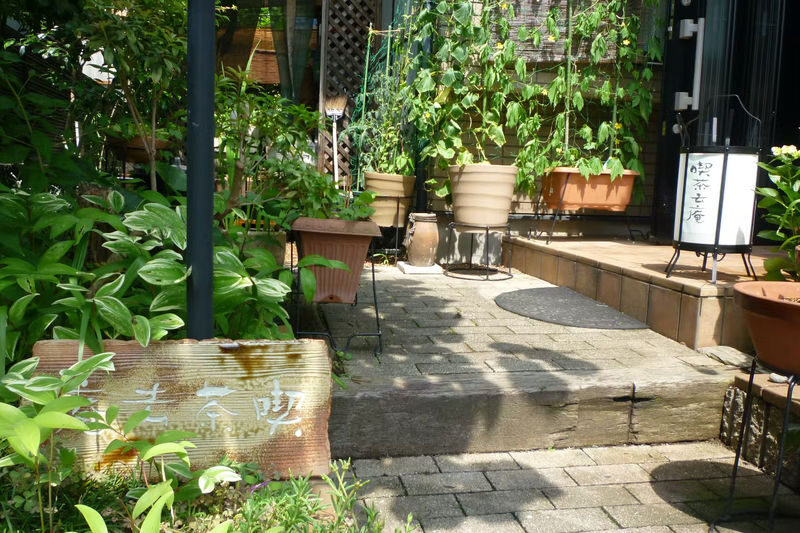
The nearest stated rail access is Heijo Station on the Kintetsu Kyoto Line, about seven minutes away on foot. The walk through neighbourhood streets can be pleasant, but the entrance may not be obvious. One person had trouble finding the place because it sits among homes without clear signage, so check the map carefully and allow time to orient yourself.
From Nara Park, the journey takes more planning. Visitors have described taking a taxi for roughly 20 minutes or travelling by train for about 40 minutes, though the exact time will depend on your route and conditions. Taxi drivers may be unfamiliar with the address, so having the location saved on your phone is a sensible precaution.
If you are driving, the stated route is about 10 minutes from the Horai interchange on the Daini Hanna Expressway. The experience is closed on Wednesdays, so check the day before building it into your plans.
You can also read our reviews of more tours and experiences in Nara.
The Welcome and the Tea Room
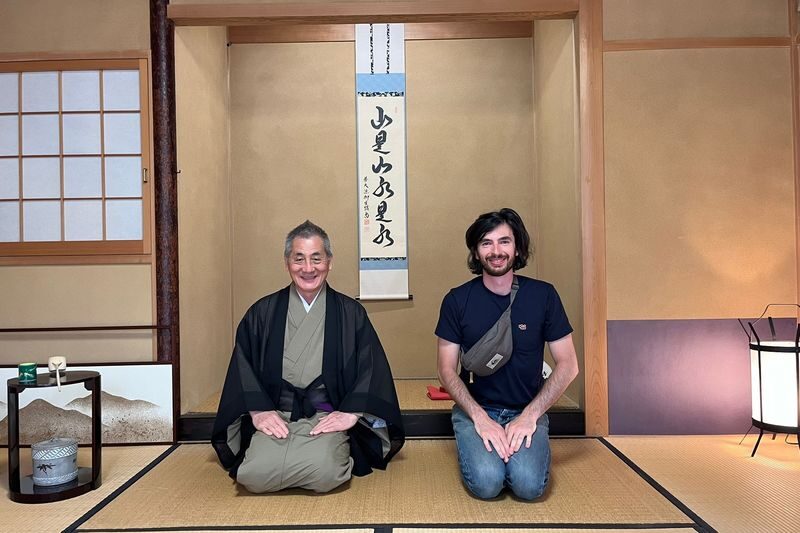
The experience begins as your host welcomes you into the tea room and introduces the setting. This is not a large, staged attraction: you are there to learn in a traditional space, with the tea master’s explanations shaping the session.
A host identified in accounts as Mr. Hirano is praised for patient, detailed English explanations. Haroni Kissako-An is also named as a tea ceremony master. Since the exact host may vary, treat those names as helpful context rather than a guarantee of who will lead your booking.
You do not need prior experience. The point is to understand what is happening, not to arrive already knowing the rules. The explanations cover the ceremony’s objects and actions, and the host guides participants through the steps with care.
Learning the Ritual, One Gesture at a Time
The most rewarding part is the attention given to the small movements. You learn about cleansing and the etiquette of entering the tea room, including the side-door entry described in the experience. These details make the ceremony feel less like a demonstration and more like a sequence with meaning.
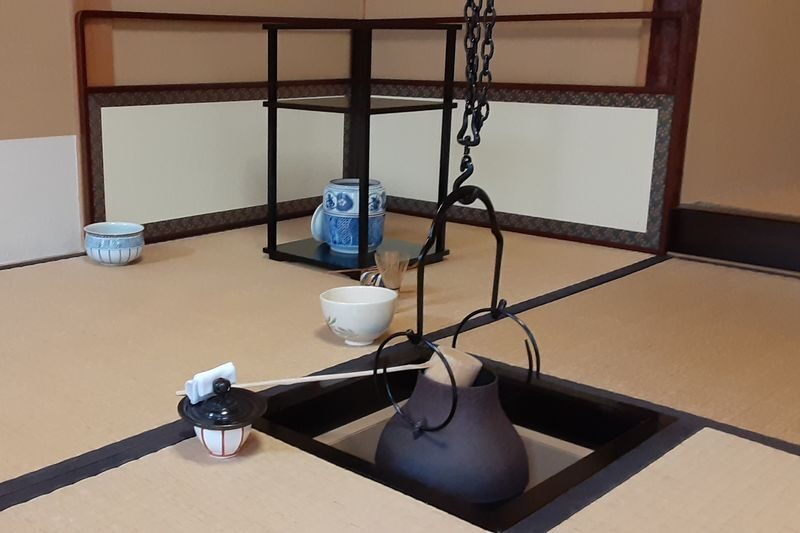
Your host also explains the tea tools and the way they are handled. The ritual’s careful pace gives you time to notice the preparation rather than treating it as a quick drink. If you are curious, this is a good moment to ask why a particular movement matters or what a piece of equipment is for.
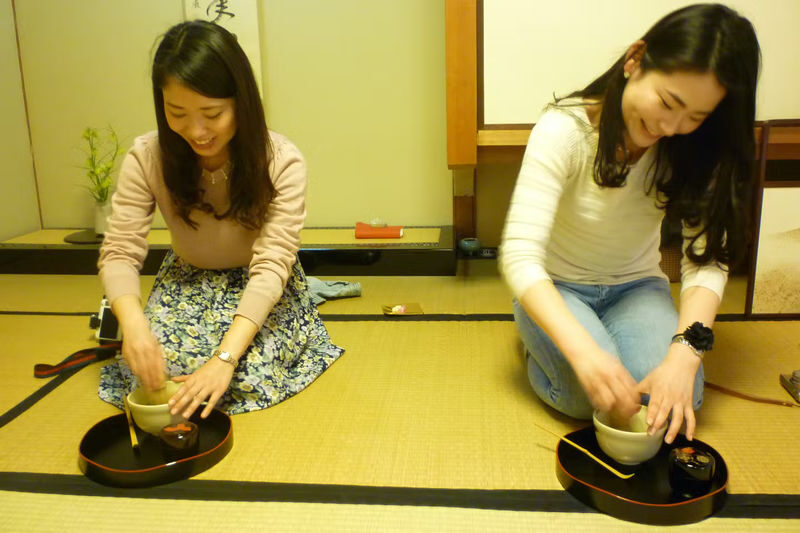
The bowls receive special attention. Individual bowls may be selected for participants, and their background or meaning can be explained. That small detail adds a personal note to the ceremony: the bowl is not simply a container, but part of the experience your host is sharing with you.
The host demonstrates the steps and helps you follow them. Some participants describe being corrected so they could perform the movements properly, but the teaching is also warm and light-hearted. Expect guidance, not a test. If you are nervous about getting the etiquette wrong, remember that beginners are welcome and the explanations are there to help.
Making and Tasting Usucha
The package is the Usucha tea ceremony plan. Usucha is commonly translated as thin tea, and here the focus is on preparing and appreciating matcha as part of the ceremony. The host’s whisking is one of the memorable moments: you can watch the technique closely and see how the drink is prepared.
The activity description invites you to make your own tea, while accounts of the session emphasize the tea master demonstrating the process and guiding participants through it. You should expect to learn the method and take part in the steps, but the exact amount of hands-on preparation is not specified.
Matcha is served with a Japanese sweet, both included in the price. The sweet is more than a snack alongside the tea; it gives you another taste to connect with the ceremony. The tea and sweets are a simple pairing, but they make the lesson tangible: you are not only hearing about the ritual, you are tasting what it is built around.
The pace is designed for explanation rather than speed. No session length is provided, so avoid squeezing the booking between two tightly timed activities. Give yourself enough room for the trip there, the ceremony and the return journey.
What the Price Includes
The price starts at US$25.29 for the Usucha plan. That covers the experience fee, professional guide, English-speaking staff, refreshments, tea, Japanese sweet, materials, rental items, facility use and tax. You will not need to pay separately for the main parts of the session.
For that price, the value is not in the quantity of tea. It is in the guided introduction: you get a host’s explanations, a traditional tea-room setting, a chance to learn the etiquette and tools, and the tea and sweet that complete the session. If you want a deeper cultural experience than simply ordering matcha at a café, that combination makes the fee reasonable.
The price does not cover personal expenses, and transport to the venue is not listed as included. Factor in the journey from central Nara when deciding whether the activity fits your day. For some people, the trip out is a welcome change from the sightseeing centre; for others, the extra travel may outweigh the appeal of a single tea session.
Who Will Enjoy This Experience
This is a good fit if you are interested in Japanese customs and want a calm, guided activity rather than another round of monument-hopping. It also suits first-timers: the host explains the process in English, and no prior knowledge is needed.
Families can consider it too, provided participants are at least six years old. The experience has been enjoyed by parents and children, and the teaching style is described as patient. Still, children who are uncomfortable sitting quietly or following a sequence of steps may find a tea ceremony less appealing than a hands-on craft activity.
The session works particularly well for people who enjoy asking questions and noticing details. If you want to understand why the tea tools are handled in a certain way or what is behind the choice of a bowl, the explanations are a central part of the visit. If your priority is a quick cup of matcha close to Nara Park, this is not the most convenient option.
Spring and autumn are highlighted as especially good seasons to visit, though sessions are offered throughout the year. The ceremony itself is the main draw, so you do not need to plan around a particular seasonal event.
Getting There Without a Last-Minute Scramble
Set the address in your map before leaving: Kissako An, 349-5 Sanryo-cho, Nara-shi, Nara Prefecture 631-0803. Heijo Station is the closest stated rail stop, about seven minutes on foot. Because the venue is in a residential area and signage may be limited, do not leave navigation until you are on the final street.
If you take a taxi from Nara Park, make sure the driver has the full address or map location. A taxi can be convenient, but local drivers may not recognize the venue. The walk from Heijo Station is also an option, and the neighbourhood route can be part of the change of pace.
Arrive on time. The voucher is valid only for the date and time you booked, and late arrivals or no-shows are not eligible for amendments or refunds. For cancellations, a full refund is available when you cancel at least two days before the selected date; cancellations one day before or on the day receive no refund. Rescheduling and amendments depend on availability.
You must show the voucher on a phone or other internet-connected device. Open it in the Klook app or website before you arrive, and make sure you can access it without relying on Wi-Fi at the venue. Wear socks, as they are specifically listed among the things to bring.
Should You Book the Kissako An Tea Ceremony?
Book it if you want a thoughtful introduction to matcha and Japanese tea etiquette, and you are willing to travel beyond Nara’s central sights. The strongest reasons to go are the English explanations, the personal attention to tools and bowls, and the chance to learn the ceremony rather than simply watch it.
Skip it if you have very little time in Nara or want an activity right beside Nara Park. The location takes advance planning, and the session’s duration is not specified. For a slower day, though, the trip to Kissako An can provide a welcome pause from the city’s major attractions.
Tea Ceremony Experience (Nara)
“Mr Hirano was an excellent tea master and provided a very memorable experience for my whole family. He explained all the aspects of the ceremony fr…”
FAQ
Where is the tea ceremony held?
It is held at Kissako An, 349-5 Sanryo-cho, Nara-shi, Nara Prefecture 631-0803, Japan.
How do I get to Kissako An by train?
The venue is about a seven-minute walk from Heijo Station on the Kintetsu Kyoto Line.
Is the tea ceremony explained in English?
Yes. English-speaking staff are included, and the tea master explains the ceremony in English.
Is the activity suitable for beginners?
Yes. Beginners are welcome, and the host explains the ceremony and guides participants through its steps.
What does the Usucha plan include?
It includes the tea ceremony experience, guide, English-speaking staff, matcha, a Japanese sweet, refreshments, materials, rental items, facility use and tax.
What should I bring?
Bring socks, and have your voucher ready on a smartphone or another internet-connected device.
What is the minimum age to participate?
Participants must be at least six years old.
Is Kissako An open every day?
No. It is closed on Wednesdays.
Can I get a refund if I cancel?
A full refund is available for cancellations made at least two days before the selected activity date. Cancellations made one day before or on the day of the activity receive no refund.