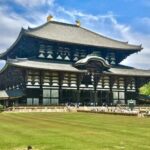
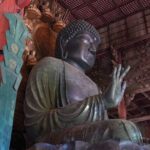
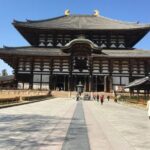
Todaiji’s Great Buddha, Kasuga Taisha’s lantern-lined shrine grounds, and a hilltop view over Nara all fit into one half-day tour. The bus handles the distances between stops, while an English-speaking guide gives you a running account of the city’s Buddhist and Shinto landmarks.
I like two things in particular: you get admission, deer crackers, and a deer fortune in the price, and the bus reaches Mount Wakakusa, a quieter place to feed deer and take in the view. Past guides have included Masako, Yasuko, Kazu, and Yosuya, though your guide may differ.
The main trade-off is the brisk schedule. You have set times at each stop, and traffic or weather can change the order or shorten visits. Bring water, wear shoes you can walk in, and leave room in your train plans after the tour.
- The details worth knowing
- A half-day plan for Nara’s biggest sights
- Todaiji: a giant Buddha and a landmark gate
- Kasuga Taisha: shrine rituals and a deer fortune
- Mount Wakakusa: deer, crackers, and a broad view
- What the bus and included extras are worth
- Timing, meeting points, and practical plans
- Who will get the most from this tour?
- Should you book it?
- FAQ
- How long is the tour?
- Where does the tour depart from?
- What sights are included?
- Is admission included in the price?
- Is the tour guided in English?
- Are deer crackers included?
- What is the Nara-Yamatoji 2-Day Pass?
- Can children under six join for free?
- What happens if I arrive late?
- The Best Of Nara!
- More Guided Tours in Nara
- More Tours in Nara
- More Tour Reviews in Nara
The details worth knowing
 1 / 7
 2 / 7
 3 / 7
 4 / 7
 5 / 7
 6 / 7
 7 / 7
- Todaiji is more than a quick photo stop: allow about 70 minutes for a guided visit to the temple area, including its celebrated Great Buddha Hall and Nandaimon.
- Kasuga Taisha comes with a small cultural extra: you can visit the main shrine and draw an English-language deer fortune.
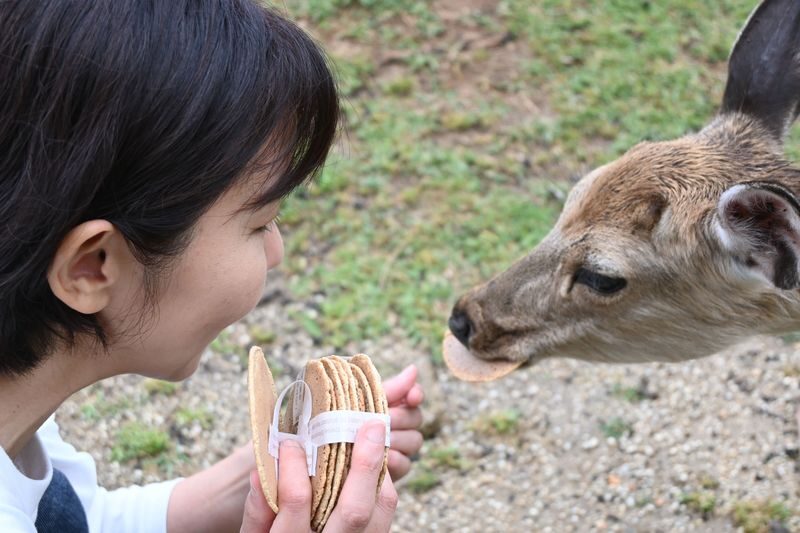
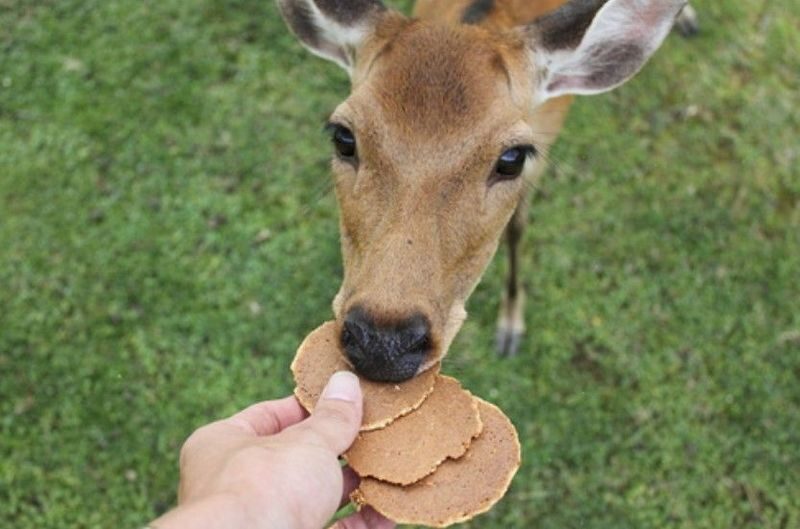
- Mount Wakakusa offers a different deer encounter: the 40-minute stop pairs a panoramic view with deer crackers, away from some of the busier park spots.
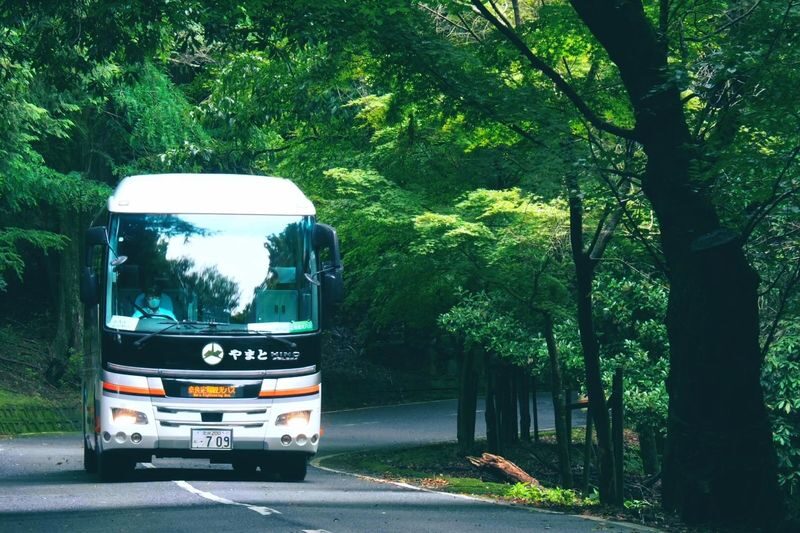
- The bus saves energy between far-apart sights: Nara Park is expansive, and the bus reduces the amount of walking needed to cover these three stops.
- The listed price starts at $63.09: admissions, transport, guide, deer fortune, crackers, and a two-day local bus pass are included.
- The afternoon runs to a timetable: it leaves at 12:30 and is scheduled to return from 16:20, with drop-offs at several Nara locations.

👉 See our pick of the 9 Of The Best Workshops & Classes In Nara
A half-day plan for Nara’s biggest sights
This is a guided sightseeing bus tour of about four hours, starting at 12:30 and ending with drop-offs from 16:20 onward. It focuses on three major stops: Todaiji Temple, Kasuga Taisha Shrine, and Mount Wakakusa. You get an English-speaking guide and round-trip transport between the sights.
That format is useful if you have one day in Nara, want context for the religious sites, or prefer not to work out local bus connections on your own. Nara Park covers a wide area, and the tour’s bus makes it easier to reach the hill as well as the temples without turning the afternoon into a long walk between stops.
It is not a free-roaming visit. You’ll have a set amount of time at each site, and the guide keeps the group moving so the schedule can fit all three stops. If you like to linger over every building or take a long lunch, you may prefer to explore independently.
You can also read our reviews of more guided tours in Nara
Todaiji: a giant Buddha and a landmark gate
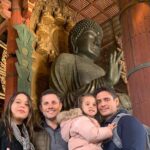
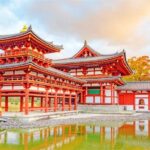
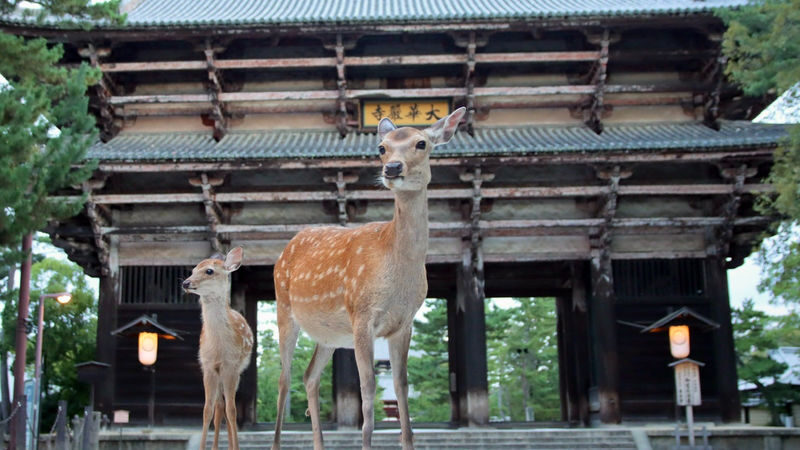
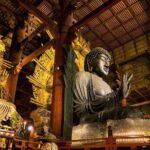
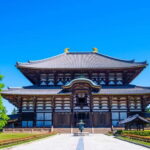
The first stop is Todaiji, with about 70 minutes for a guided visit. The temple is one of Nara’s major World Heritage Sites, and its Great Buddha Hall houses the enormous bronze Buddha that draws many people to the city. Nandaimon, the Great South Gate, is another defining feature of the temple grounds.
A guide helps put the architecture and religious setting into context rather than leaving you to guess what you’re looking at. Past guides have included Masako, Yasuko, Kazu, and Yosuya. The guide on your date may be someone else, but the tour is designed to provide English commentary and time for questions.
The time allowance is enough to see the principal sights, hear an explanation, and take photos, but it is not an open-ended temple visit. One traveler found the temple portion rushed and had trouble reconnecting with the guide after the explanation. Stay aware of the meeting time and agree on where to regroup before you wander off.
Admission and viewing fees are included, which makes the tour price easier to compare with arranging the visit yourself. If you like to study every detail at your own pace, an independent visit may suit you better. If you value a guided introduction and want the transport handled, this stop earns its place in the schedule.
Kasuga Taisha: shrine rituals and a deer fortune
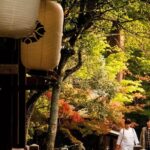
The next stop is Kasuga Taisha, another World Heritage Site, with about an hour for a guided visit. You’ll go to the main shrine and can draw an English-language deer fortune. The fortune is a small, specific touch that connects the shrine visit with Nara’s deer, rather than giving you only the standard sightseeing routine.
Kasuga Taisha offers a useful contrast with Todaiji. Todaiji is a major Buddhist temple; Kasuga Taisha is a Shinto shrine. The guide’s explanations can help you notice how different religious traditions shape the places you are seeing, and past guides have shared detailed information about both Buddhism and Shinto.
The hour gives you time to look around, listen, and take photos, though special events or site conditions can affect access. Buildings or statues may also be under repair or temporarily unavailable. The route and timing can change, so treat the posted sequence as a plan rather than a guarantee.
Mount Wakakusa: deer, crackers, and a broad view
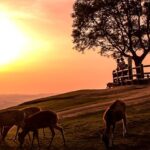
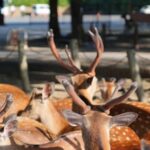
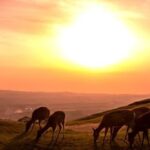
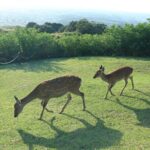
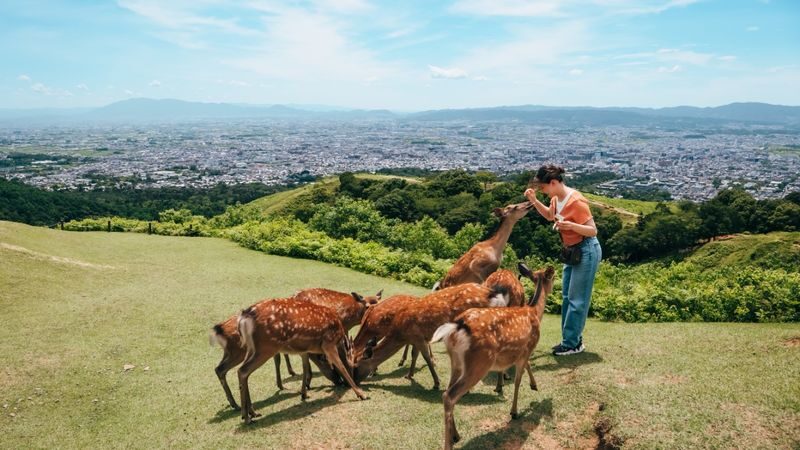
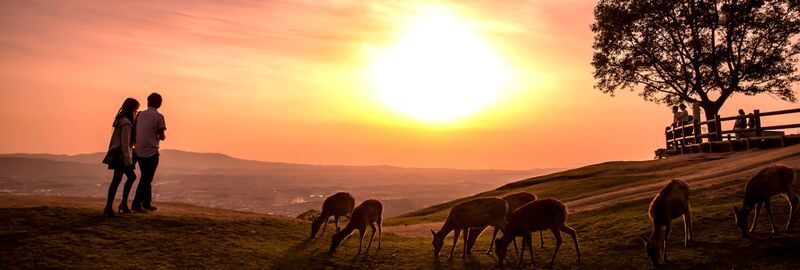
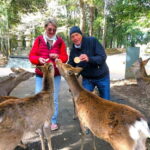
The final major stop is Mount Wakakusa, with about 40 minutes for the hilltop area. You’ll get a panoramic view over Nara and have the chance to feed deer with crackers included in the tour price. The bus makes this stop especially practical: reaching the hill without it may mean a taxi or a roughly one-hour hike, depending on your route.
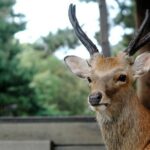
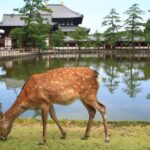
This is a different kind of deer encounter from the familiar park paths. The hill can feel quieter, and feeding deer there gives you time to watch them up close without centering the whole visit on the busiest areas. The crackers are supplied, so you don’t need to buy them separately.
The view depends on the weather. Fog or poor visibility can make the summit less rewarding, and the tour may change its schedule because of road or weather conditions. The stop is still part of the experience, but if the day is hazy, you may get more from the deer encounter than from the panorama.
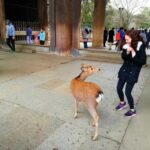
Follow the guide’s directions when feeding the deer. These are wild animals, not props, and they can be pushy around food. A past guide gave particular warnings about male deer during mating season. Keep your crackers under control, watch the animals around you, and don’t let children rush toward them.
What the bus and included extras are worth
The tour costs from $63.09. That price includes round-trip transport, bus fare, an English-speaking guide, attraction admissions, temple viewing fees, an English deer fortune, deer crackers, and tax. It also includes a Nara-Yamatoji 2-Day Pass for unlimited local bus rides within the designated area on the day you use it and the following day, plus an original handkerchief.
For an independent visit, you would need to arrange transport between the sights and pay applicable entry fees yourself. The bus reduces that planning, and the pass may be useful if you are staying in the area or have more Nara sightseeing planned for the next day. Check the designated area and your plans before treating the pass as a major saving.
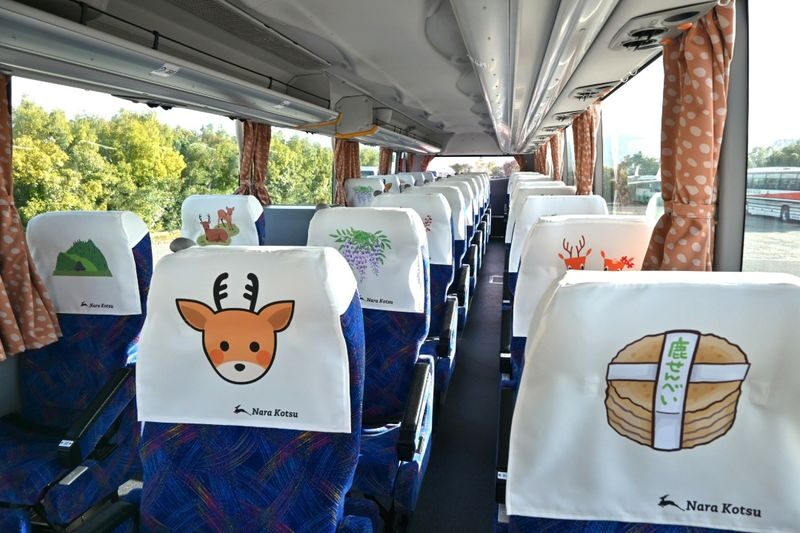
The bus is described as spacious, with separate seats, though the vehicle can vary. That comfort matters on a hot or humid day, especially after walking around temple grounds. The tour does not include meals or drinks, so bring water and any snacks you need.
The value depends on what you want from a day in Nara. If you would otherwise pay for entry, use local transport, and seek out an English guide, the bundled price makes sense. If you are happy to walk, use public transport, and explore at your own pace, you may find independent sightseeing more flexible and less costly.

Timing, meeting points, and practical plans
The main departure listed is 12:30 from JR Nara Station, East Exit, bus stop 4, at 1 Sanjohonmachi. A second package departs from the Kintetsu Nara Station regular sightseeing bus stop. The price shown is the same for both options, but check your chosen departure point and time before travel.
Arrive at least 10 minutes early and have your mobile voucher ready to show staff. There is no need to check in at an information desk. Late arrivals and no-shows are not refundable, so allow time to find the correct stop, especially if you are new to Nara.
The tour is scheduled to return from 16:20. Drop-off options include Kofukuji Temple, Kintetsu Nara Station at 16:25, JR Nara Station at 16:30, and Nara Convention Center at 16:40. You can also choose to leave at Kofukuji rather than staying on the bus.
Traffic can be heavy during busy seasons, and the order or length of stops may change. Don’t plan a tight connection after the tour. If you need to change your boarding point on the day before or the day of departure, the instructions say to go directly to the new stop at least 10 minutes early, show your voucher, and tell staff.
Children aged 0 to 5 can ride free if they do not need their own seat. The tour involves walking at temple and shrine sites, so consider whether the pace and distance suit everyone in your group. The bus cuts down on walking between locations, but it does not remove walking at the sights.
Who will get the most from this tour?
This tour suits first-time visitors who want to see Nara’s main landmarks in one afternoon without arranging each transfer. It is also a practical choice for families, especially if children are excited by the deer. The bus, included admissions, and planned route make the day easier to manage than piecing together the same stops independently.
You’ll likely appreciate it most if you want a guide to explain the religious sites and keep the day organized. The strongest elements are the combination of temple visits, the hilltop stop, and the included deer fortune and crackers. Several guides have been described as warm and clear in English, but the experience depends in part on who leads your departure.
Think twice if you want long, unhurried visits or have limited mobility. One poor experience described a rushed pace and difficulty asking follow-up questions, while most of the available ratings are very positive. It is sensible to be ready to walk, keep an eye on the group, and make questions count while the guide is nearby.
Should you book it?
Book this tour if you want a guided overview of Todaiji, Kasuga Taisha, and Mount Wakakusa, with transport and key entry costs bundled together. The hilltop deer stop is the detail that gives the route extra appeal, and the two-day bus pass adds value if you’ll use local buses afterward.
Skip it if you prefer to set your own pace, spend longer inside temples, or avoid a timetable. For most first-time visitors with one afternoon in Nara, the tour offers a convenient, well-rounded introduction, as long as you arrive early, bring water, and leave breathing room after the scheduled return.
English Guided Sightseeing Bus “Perfect Nara Park Tour”
“Perfect Nara Park Tour 🦌🌿 I came across this tour on Instagram and decided to book it through Klook, and I'm really glad I did! The whole experienc…”
FAQ
How long is the tour?
It departs at 12:30 and is scheduled to return from 16:20, making it about four hours, including the stops and bus transfers.
Where does the tour depart from?
The listed options are JR Nara Station, East Exit, bus stop 4, and the regular sightseeing bus stop at Kintetsu Nara Station. Check the departure point on your booking.
What sights are included?
The tour visits Todaiji Temple, Kasuga Taisha Shrine, and Mount Wakakusa. Todaiji and Kasuga Taisha are World Heritage Sites.
Is admission included in the price?
Yes. Attraction admissions and temple entrance and viewing fees are included, along with bus fare and round-trip transport.
Is the tour guided in English?
Yes. An English-speaking guide accompanies the tour.
Are deer crackers included?
Yes. Each participant receives deer crackers and has an opportunity to feed deer at Mount Wakakusa.
What is the Nara-Yamatoji 2-Day Pass?
It provides unlimited rides on local buses within its designated area on the day of use and the following day. The package also includes an original handkerchief.
Can children under six join for free?
Children aged 0 to 5 can travel free if they do not occupy a separate seat.
What happens if I arrive late?
You should arrive at least 10 minutes before departure. Late arrivals and no-shows are not refundable.