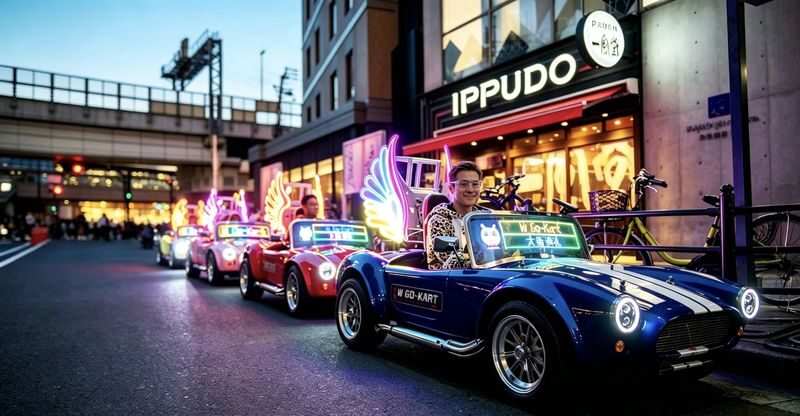
Osaka looks different from the driver’s seat of a small electric kart. This guided ride threads through well-known districts, from the Glico sign in Dotonbori to Tsutenkaku, with neon lights and street-level views for company. Costumes add a playful touch, though the main attraction is seeing the city from a moving, open-air seat.
I like two things in particular: the electric karts, which are quieter and produce no exhaust fumes, and the route through several distinct Osaka neighborhoods. The guides provide safety support, and you can rent a 360 camera to capture the ride. The trade-off is that this is a driving activity, not a leisurely walking tour, and you’ll need the correct original driving documents in hand before you arrive.
- At a glance
- Osaka from a kart, not a sidewalk
- From Shinmachi toward the neon
- Shinsaibashi, Dotonbori and the Glico sign
- Namba and Tsutenkaku on the same ride
- Kuromon Ichiba and America-mura
- Photos, speakers and optional extras
- Choosing morning, afternoon or night
- Documents, age and weather checks
- Should you book this Osaka go-kart ride?
- FAQ
- What documents do I need to bring?
- How old do I need to be?
- What sights are on the route?
- Are photos or camera equipment included?
- What are the prices for the different plans?
- Can someone come along without driving?
- The Best Of Osaka!
- More Tours in Osaka
- More Tour Reviews in Osaka
At a glance
 1 / 10
 2 / 10
 3 / 10
 4 / 10
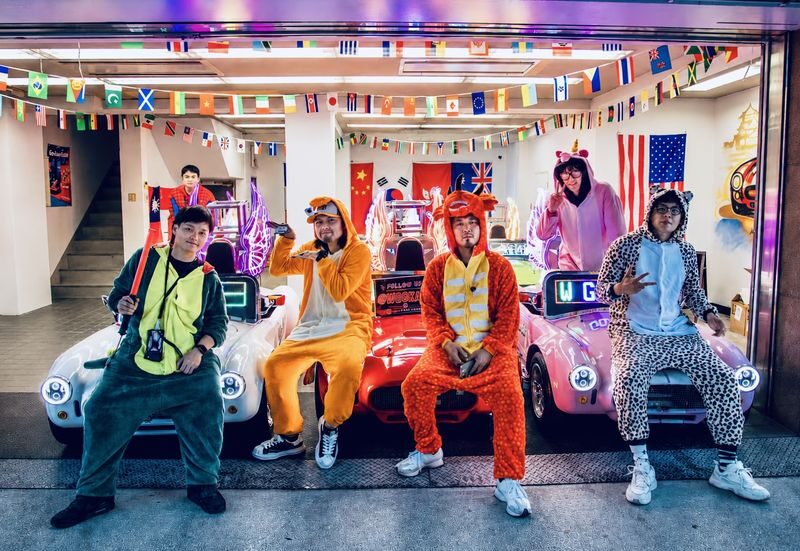 5 / 10
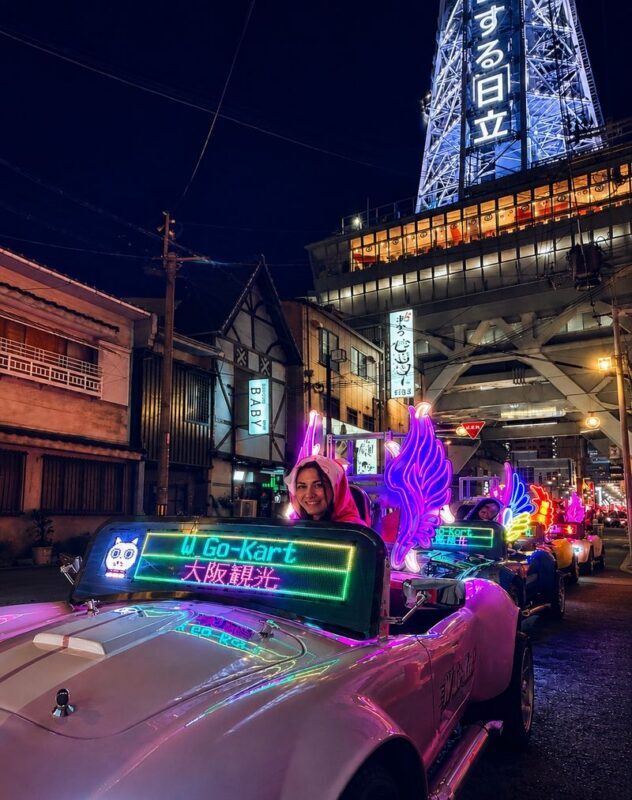 6 / 10
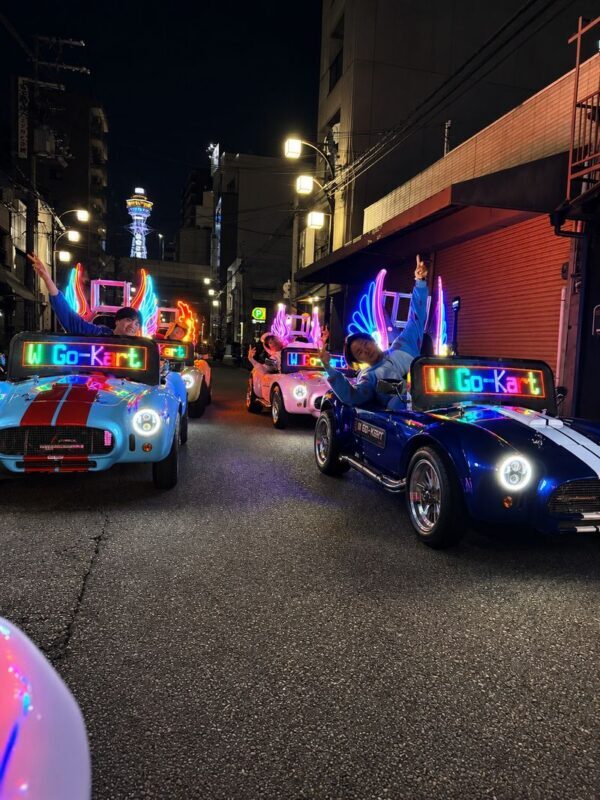 7 / 10
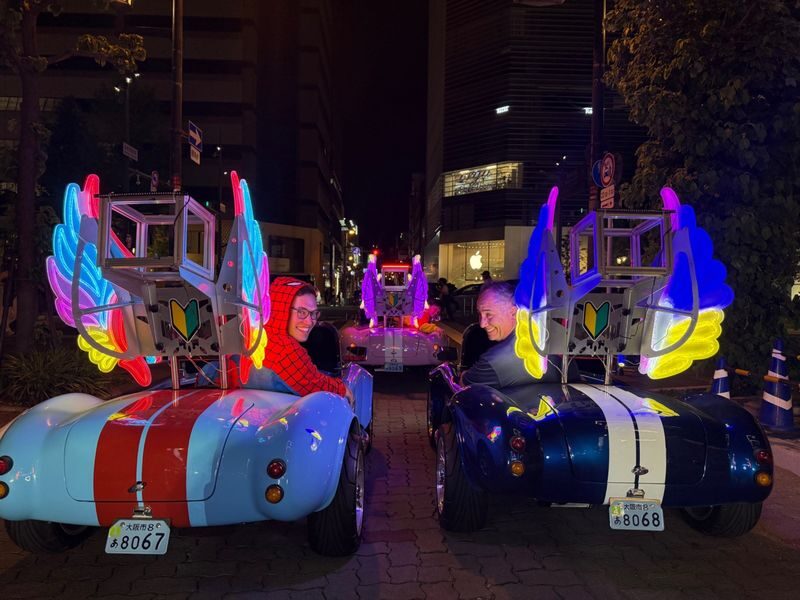 8 / 10
 9 / 10
 10 / 10
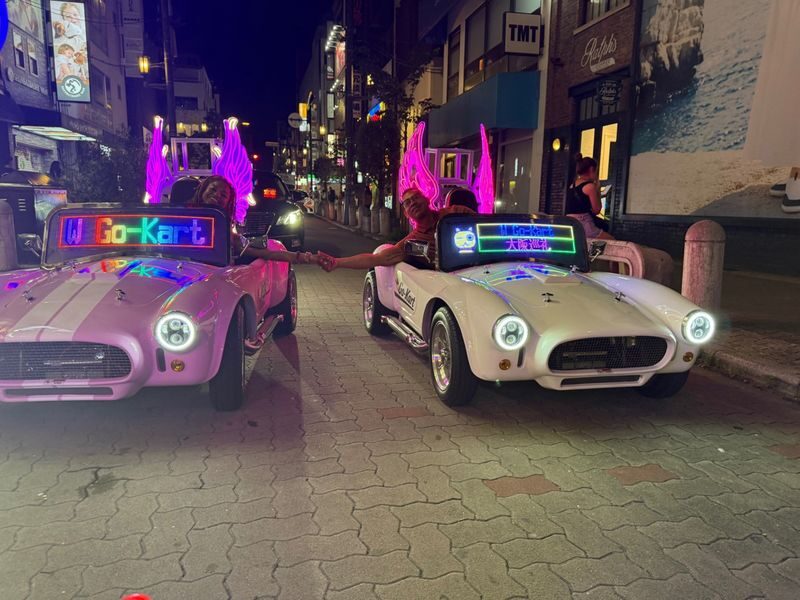
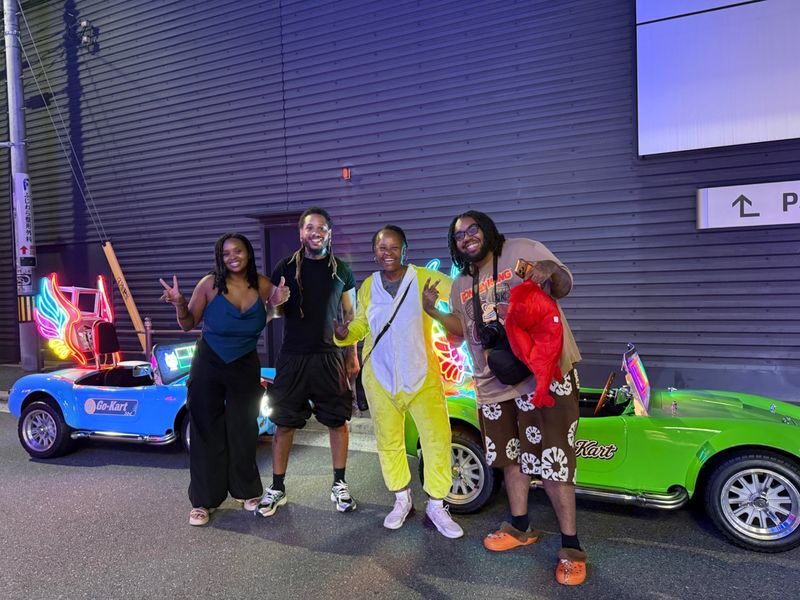
- Electric karts offer a quieter ride, with LED lights that can make photos more striking.
- The route takes in six Osaka sights and districts, including Dotonbori, Namba and Tsutenkaku.
- A guide leads the way, with English, Chinese and Japanese-speaking guide support listed.
- Costumes are available to wear, and you can add a speaker or 360 camera rental for an extra fee.
- You must be 18 or older and bring your passport, home license and a valid IDP or eligible official Japanese translation.
- Plans range from US$50.45 to US$88.29, depending on whether you choose a morning, afternoon or night ride.
👉 See our pick of the The Top 15 Workshops & Classes In Osaka
Osaka from a kart, not a sidewalk
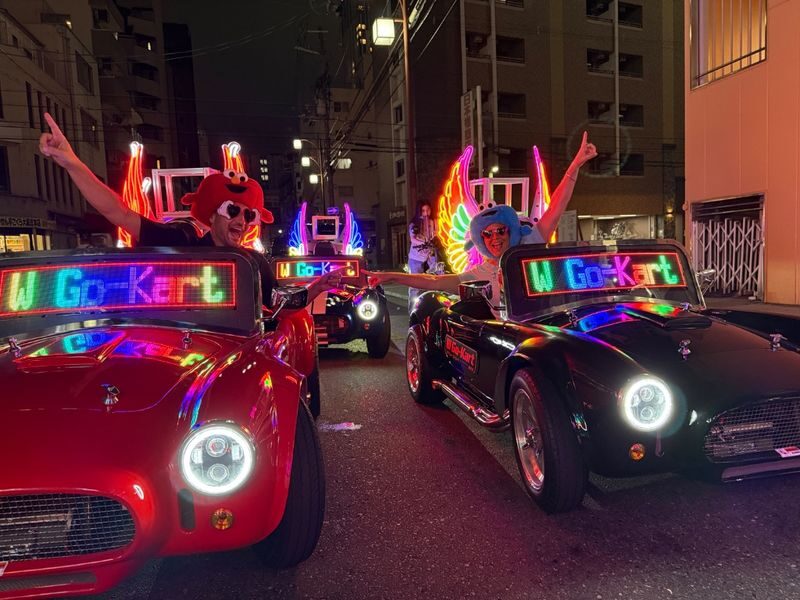
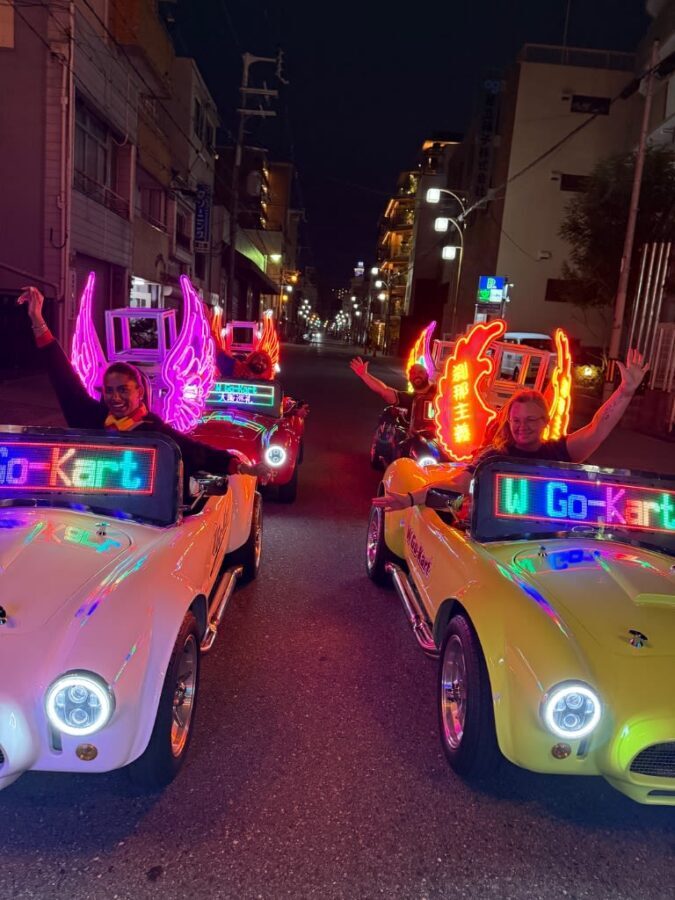
This outing swaps the usual view from a pavement or tour bus for a low seat close to the road. You follow a professional guide through city streets, passing familiar sights while keeping your attention on driving and the route ahead. It is sightseeing with a bit of motorized theater: your costume, the LED-lit karts and the reactions from people on the street all become part of the scene.
The karts are electric, a practical plus in busy urban traffic. One driver described them as quiet, with plenty of power, while another noted the LEDs and the lack of exhaust fumes. That quieter ride can make the experience feel less noisy than you might expect, though you should still plan for the ordinary sounds and conditions of city streets.
You are not choosing this tour for in-depth commentary at every landmark. The experience is about moving through Osaka with a guide, getting a quick look at several areas and taking photos along the way. If you want long stops, museum visits or a detailed history lesson, a walking tour will suit you better.
You can also read our reviews of more tours and experiences in Osaka.


From Shinmachi toward the neon
The meeting point is W Go-Kart Osaka at 3-chome-5-2 Shinmachi, Nishi Ward. The timing is confirmed after booking, so check your voucher rather than assuming a particular departure hour. Arrive on time: late arrivals and no-shows are not refunded, and a delay of 15 minutes or more also rules out a refund.
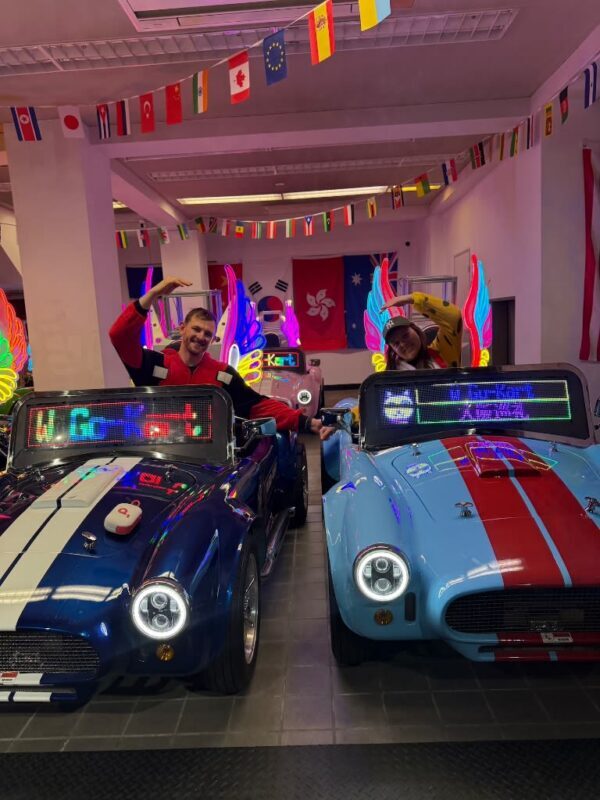
Before setting off, expect a safety briefing. One participant described a safety video upstairs, followed by choosing a costume and going downstairs to the karts. That gives you a sense of the sequence, but allow the staff to direct you through the actual check-in and preparation on the day.
Costumes are part of the fun, and they make the ride more photogenic. Keep comfort and visibility in mind when choosing one: you still need to drive attentively, follow the guide and keep your focus on the road. If you are travelling with someone who would rather not drive, there is a comfortable lounge area where non-drivers can wait.
The guide is central to the experience. The listed service includes professional guidance and staff who speak English, Chinese and Japanese. Maddy and Evan have led rides, and one family described their tour as both professional and safe. Since the guide sets the pace and leads the group through traffic, this support matters more than any costume or camera add-on.
Shinsaibashi, Dotonbori and the Glico sign
Shinsaibashi is one of the first named areas on the route. From a kart, you get a moving impression of the district rather than time to browse its shops. That is useful if you want to see a central Osaka neighborhood as part of a wider circuit, but not if shopping is your main reason for visiting.
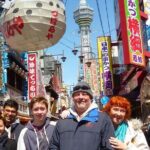
Next comes the Glico sign in Dotonbori, one of Osaka’s best-known photo backdrops. The tour offers opportunities to take pictures and video during the ride, but this is not a promise of a long stop or a posed photo session at each sight. Keep your phone secured and follow the guide’s instructions about when it is safe to take it out.
The streets here are known for their bright signs and nighttime activity, making the night plan especially appealing if you want the city’s lights in your photos. The morning plan costs less and can be a sensible choice if you prefer daylight. Traffic and weather may affect the schedule, so the route and the timing at each area can change.
Namba and Tsutenkaku on the same ride
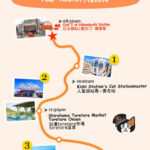
The itinerary continues through Namba, then toward Tsutenkaku. These names give the route a good spread across central Osaka, though the tour is still a drive through the areas, not a visit inside each landmark. Think of it as a sampler: you see how the districts connect and can mark places to return to on foot later.
Tsutenkaku adds a different visual note from the bright signs around Dotonbori. It is a landmark you can spot as you travel through the city, but the provided route does not include admission or a tower visit. If going up the tower is on your wish list, plan that separately.
From Namba onward, remember that road conditions shape the experience. This is not a closed course, and the guide may adjust the schedule for traffic or weather. One rider went ahead in rain and found the drive challenging but memorable. That is a useful reminder: wet conditions can make the ride less comfortable and require extra care, so consider your own confidence before setting out in poor weather.
Kuromon Ichiba and America-mura
Kuromon Ichiba Market is another named point on the route. It is a well-known food market district, but this package does not list a food tasting or a market stop. Enjoy the glimpse from the road, then return later if you want time to browse stalls or eat.
America-mura, often shortened to Amemura, brings the route back to a different side of Osaka’s street culture. As with the other districts, the value is seeing several areas in one guided circuit. The trade-off is that you pass through rather than explore on foot, and the exact time spent in each place is not specified.
The route ends back at W Go-Kart Osaka. The return time is confirmed after booking, and the schedule can change. Since the tour includes multiple areas, avoid making a tight reservation immediately afterward.
Photos, speakers and optional extras
A phone mount is included for one phone, which is a useful basic amenity if you want to record the ride hands-free. There are also paid add-ons: a speaker rental costs ¥500 per person, a 360 camera with video editing costs ¥2,200 per person, and personal insurance costs ¥800 per person. Check the booking details carefully to see which extras suit you and what is included in your selected plan.
The 360 camera may be worthwhile if you want a more complete record of the ride than a few quick phone clips. One rider who rented it was looking forward to the finished video, while another recommended adding Bluetooth speakers for atmosphere. Those are optional touches, not necessities. I’d start with the included phone mount and spend extra only if you know you’ll use the footage or sound.
Photos are part of the appeal, but this is still a driving tour. You should not try to film constantly or handle a device while moving. Follow the guide’s instructions and use safe opportunities to take pictures.
Choosing morning, afternoon or night
The listed 2026 plans start at US$50.45 for morning, US$69.39 for afternoon and US$88.29 for night. Prices are starting rates, so check your date and package before booking. The night plan costs more, but it is the natural pick if you want Osaka’s signs and LEDs after dark. The morning rate is the lowest-cost way to try the activity, while afternoon sits between the two.
To judge value, consider what you are paying for: a guided route through several districts, the electric kart, costume options, safety support and a novel way to see the city. You are not paying for meals, attraction admissions or a long stop at each sight. The price makes most sense if the driving itself is a key part of the fun for you.
The experience is best for adults who are comfortable driving in city traffic and want an active, photo-friendly outing. It can also work well for a family or group of friends, provided every driver meets the age and document rules. If someone in your group does not want to drive, the waiting lounge offers a place to sit, though they will miss the route itself.
Documents, age and weather checks
You must be at least 18. Bring the original passport, your valid home-country driving license and either a valid International Driving Permit issued under the 1949 Geneva Convention or an eligible official Japanese translation. Photocopies and digital copies are not accepted. Staff photograph the documents for verification, and you cannot take part without the required originals; no refund is provided in that case.
Sort out the IDP or translation before you travel. One US participant noted that an IDP can be obtained through AAA before leaving home, but requirements depend on your country and license. Do not rely on that specific example if you are from elsewhere; confirm which documents apply to you.
Participants who appear intoxicated can be refused service without a refund. Pets are allowed, but that does not remove the driving and document requirements. The operator can cancel for extreme weather or unforeseen events, in which case you can request a reschedule or full refund. Changes to your booking are allowed until 24 hours before the activity, subject to the stated exclusions and availability.
Should you book this Osaka go-kart ride?
Book it if you want a lively, unusual way to cover several Osaka districts and you have the required driving documents. The electric karts, costume choice, guide-led route and chance to photograph the city give this outing a character that a standard sightseeing loop lacks. Maddy and Evan have been praised for their guiding, and the safety briefing and professional support are reassuring details for a road-based activity.
Skip it if you want a slow, walkable introduction to Osaka, dislike driving in traffic or are missing any original paperwork. For the best match, choose morning for the lowest listed price, afternoon for a middle option, or night for the city lights. Whichever plan you choose, treat it as a guided drive with glimpses of landmarks, not a series of extended sightseeing stops.
Osaka: Go-Kart Experience | Drive Through Osaka’s Famous Streets
“Highly recommended! The car is fully electric, so there are no exhaust fumes, and it has plenty of power. I definitely recommend upgrading, and be…”
FAQ
What documents do I need to bring?
Bring your original passport, valid home-country driving license, and a valid 1949 Geneva Convention IDP or an eligible official Japanese translation. Digital copies and photocopies are not accepted.
How old do I need to be?
You must be at least 18 years old to participate. Participants aged 18 or older are charged the adult rate.
What sights are on the route?
The listed route includes Shinsaibashi, the Dotonbori Glico sign, Namba, Tsutenkaku, Kuromon Ichiba Market and America-mura. Traffic and weather can change the schedule.
Are photos or camera equipment included?
A free phone mount for one phone is included. A 360 camera with video editing is available for ¥2,200 per person, and a speaker rental costs ¥500 per person.
What are the prices for the different plans?
The 2026 morning plan starts at US$50.45, the afternoon plan at US$69.39 and the night plan at US$88.29. Check the booking details for the price on your chosen date.
Can someone come along without driving?
Yes. A comfortable lounge area is available for non-drivers to wait. The driving activity itself is for participants aged 18 and older who bring the required documents.