A private car can turn a packed Kansai day into a more manageable one: you set the stops, travel directly between them, and avoid juggling train changes with tired children or a group carrying bags. I especially like the freedom to choose how long to stay at each attraction, and the convenience of hotel pickup and drop-off.
The main trade-off is that a car does not make Kyoto or Nara less busy. Traffic, parking, and long walks at some sights can still eat into your day, and your usable charter time is eight to ten hours, depending on where you start and finish. Plan a focused route rather than trying to collect every famous name.
- At a glance
- A private car changes how you plan Kansai
- How much time do you really have?
- Fushimi Inari: a short visit or a longer climb
- Kiyomizu-dera: temple time, with a schedule in mind
- Nara Park: time for more than a photograph
- Vehicle choice, group size, and luggage
- What the driver does, and what to arrange yourself
- Price and value: when the car makes sense
- Make your route workable before departure
- Who should book this Kansai charter?
- FAQ
- How long does the charter last?
- Where can the driver pick me up?
- Can I choose my own attractions?
- Are the attractions included in the price?
- What languages can the driver speak?
- Are child seats available?
- How many passengers can each vehicle carry?
- Can I bring luggage?
- Can I change my booking?
- The Best Of Osaka!
- More 1-Day Tours in Osaka
- More Tours in Osaka
- More Tour Reviews in Osaka
At a glance
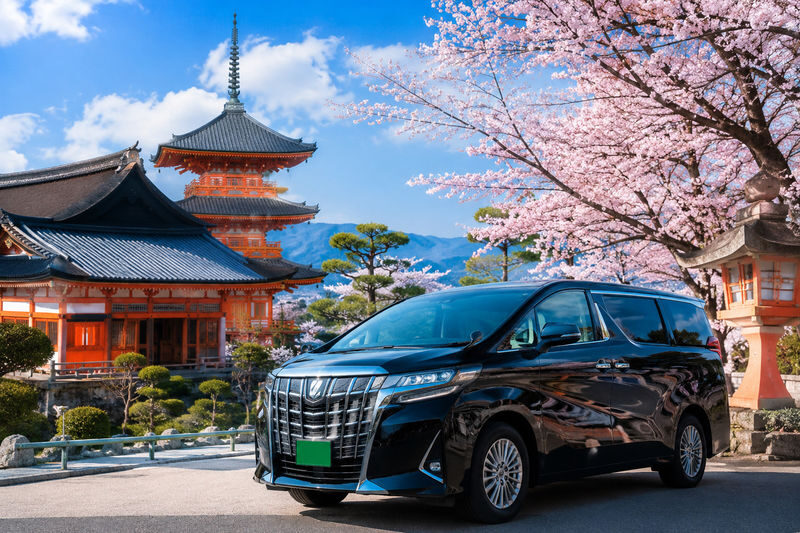 1 / 10
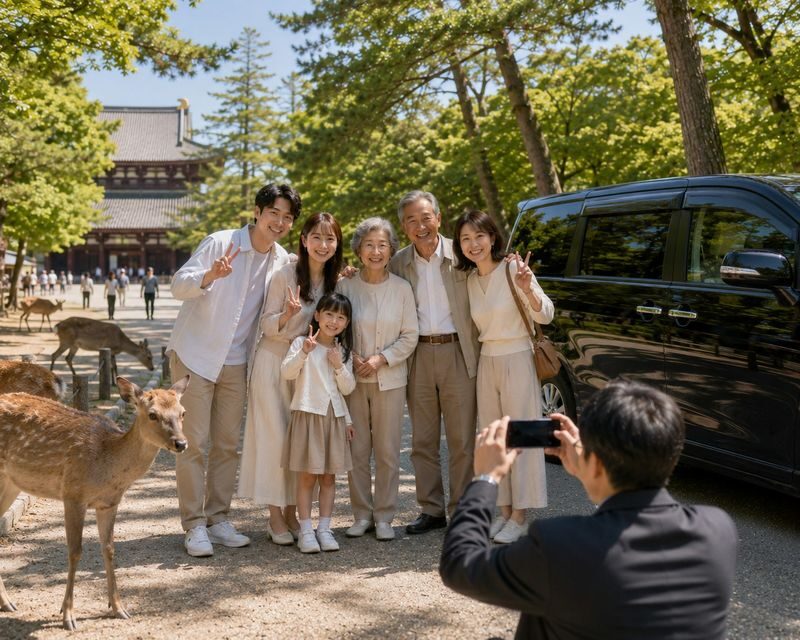 2 / 10
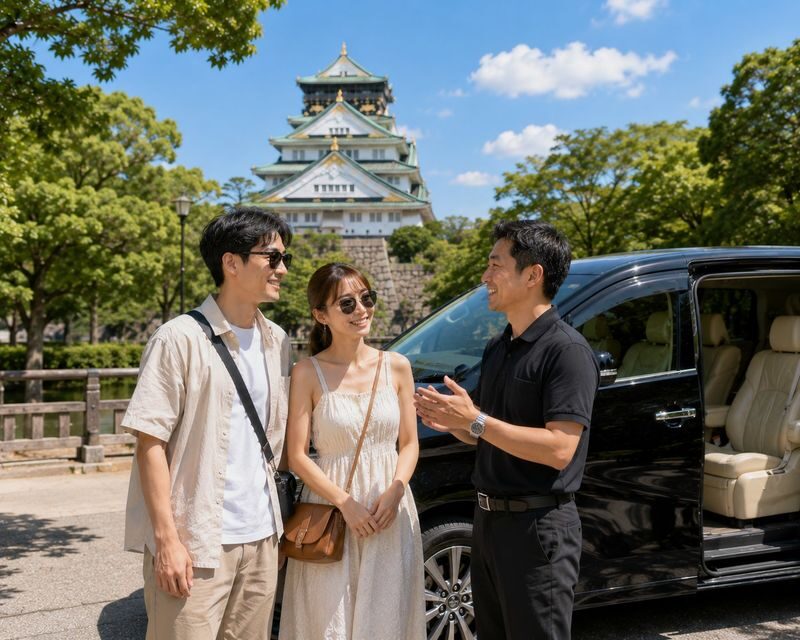 3 / 10
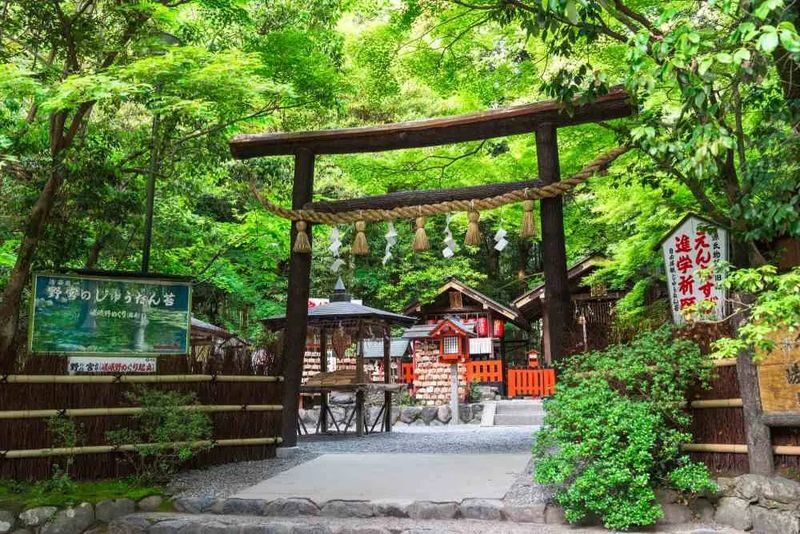 4 / 10
 5 / 10
 6 / 10
 7 / 10
 8 / 10
 9 / 10
 10 / 10
- Your route is yours to shape: Choose the destinations and time at each stop, within the service’s 300-kilometer distance limit.
- The sample combines three major sights: Fushimi Inari Taisha, Kiyomizu-dera Temple, and Nara Park, with suggested visits of one, one, and two hours.
- Your hours depend on the pickup and return locations: You get ten hours if both are in Osaka City, nine if only one is, and eight if both are outside Osaka.
- Several vehicle sizes are offered: Alpha is recommended for two to five people, Sea Lion for six to eight, and Coaster for nine to fifteen. Confirm capacity and luggage space for your selected vehicle.
- A driver can help with the practicalities: Drivers are described as able to communicate in Chinese, English, or Japanese, but the language is assigned at random unless you request one.
- The displayed starting price needs context: From $10.15 is not enough information to estimate the cost of a full-day charter. Check the total price for your date, vehicle, and group before booking.
👉 See our pick of the The Top 15 Workshops & Classes In Osaka
A private car changes how you plan Kansai
Kyoto, Nara, and Osaka sit close enough to invite ambitious day plans, but public transport still takes time and attention. A private charter trades train connections and station walks for direct rides between your chosen stops. That can make a real difference if you are traveling with young children, older relatives, or a group that wants to move at its own pace.
The service is not a guided sightseeing tour with a fixed script. You choose the sights, and visits are self-guided. The driver handles the road and can offer some recommendations or simple commentary, but you should plan to explore temples, shrines, and parks on your own.
I see the strongest value in the flexibility. You can ask to spend longer at a favorite place, shorten a stop that is not holding your interest, or build a route around your group’s priorities. That freedom is useful, but it also puts some responsibility on you: share a realistic plan in advance and agree on timing with the operator.
You can also read our reviews of more tours and experiences in Osaka


How much time do you really have?
The service runs for up to ten hours when both pickup and return are within Osaka City. If one end of the trip is outside Osaka City, such as in Kyoto, Nara, or Kobe, the allotted time is nine hours. If both ends are outside Osaka City, it is eight hours.
The shorter windows account for the vehicle’s travel to and from its Osaka dispatch center. This matters when you are planning a cross-city route. A pickup in Kyoto and a return in Nara, for instance, does not come with the same tour time as an Osaka-to-Osaka booking.
An 8:00 to 9:00 a.m. start is recommended, and leaving earlier is suggested when road conditions may be a concern. The published pickup options include 8:00 a.m., with the exact time confirmed after booking. Allow for traffic and be prepared to adjust the order of stops if needed.
Fushimi Inari: a short visit or a longer climb
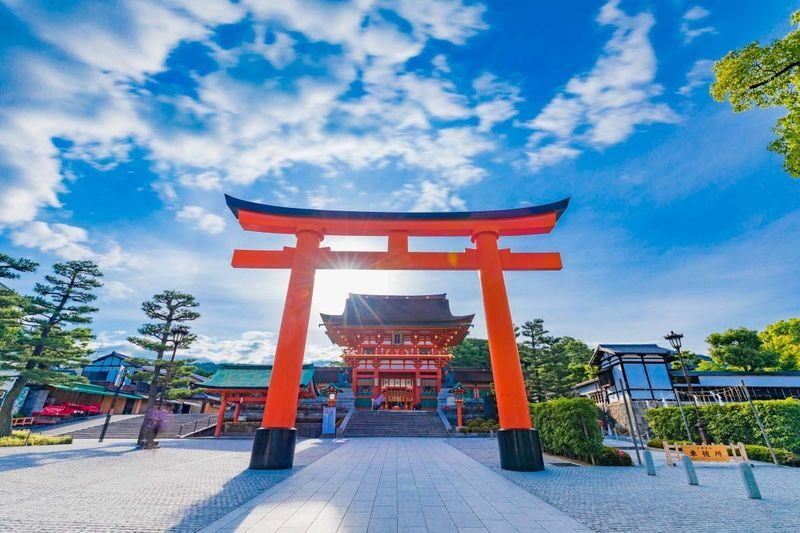
Fushimi Inari Taisha is famous for its rows of red torii gates climbing Mount Inari. The sample plan allows one hour, which is enough for a look around the lower shrine area and a taste of the path. It is not enough for a relaxed trek far up the mountain and back.
That makes this a useful first stop if your group wants a memorable shrine visit without committing half the morning. If walking is a priority, ask to allow more time and trim another stop. The car takes you between attractions, but it cannot remove the walking required once you arrive.
Kiyomizu-dera: temple time, with a schedule in mind
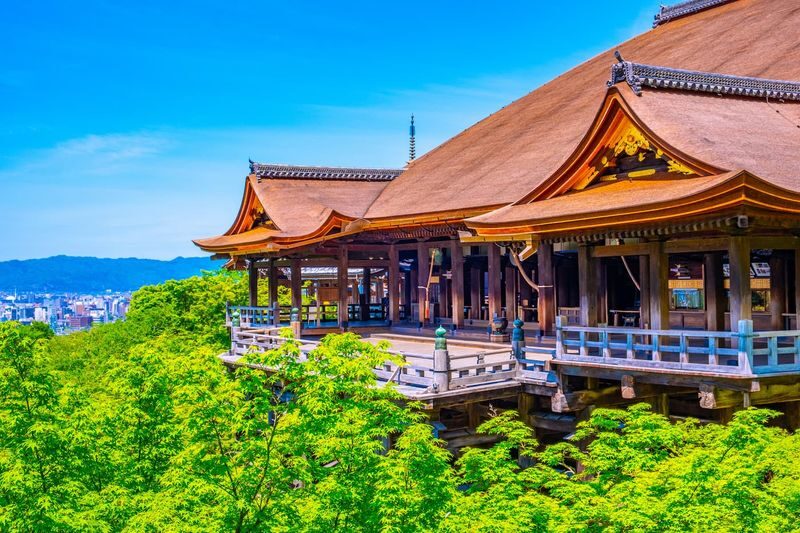
Kiyomizu-dera is another major Kyoto sight, and the sample gives it one hour. That is a compact visit. It gives you time to see the temple grounds, but your pace, crowds, and any extra wandering will affect how much you cover.
Be clear about what matters most to you before setting off. If you want a quick look at both Kyoto stops before heading to Nara, the sample timing may suit you. If you prefer to linger, choose fewer destinations rather than treating every stop as a box to tick.
Parking and the final approach can also affect the rhythm of a visit. Some attractions may not have parking right beside the entrance, and the walk from the vehicle can take time. Ask the driver about the drop-off and pickup arrangement at each stop, then leave a little breathing room in your schedule.
Nara Park: time for more than a photograph
The suggested two hours at Nara Park gives you the longest stop of the sample route. It allows a more relaxed visit than the one-hour Kyoto stops, with time to see the park and its deer without immediately hurrying back to the vehicle.
Nara is a sensible place to give your group extra time, especially if children want to pause and watch the deer. Keep your plans flexible: a self-guided park visit can take longer than expected, and your return drive still needs to fit within the charter window.
The three-stop sample is ambitious but possible as a broad introduction, not a promise of an unhurried day at every site. You can also replace stops or focus on one area. The service permits a custom route within 300 kilometers, so build around the places you care about most.


Vehicle choice, group size, and luggage
The vehicle options are presented by group size: Alpha for two to five people, Sea Lion for six to eight, and Coaster for nine to fifteen. Larger vehicles can be helpful for a family group, friends traveling together, or a party with older relatives who would rather avoid multiple transfers.
There is a capacity detail worth confirming before you pay. The package suggestions list a Coaster for nine to fifteen people, while the general vehicle information gives a capacity of eight passengers excluding the driver. Ask the operator to confirm the exact vehicle and legal passenger capacity for your booking, particularly for a larger group.
Tell the operator how many bags you will bring. Larger bags count as two pieces, and luggage can change which vehicle is practical even if your passenger count appears to fit. For a day trip that starts and ends at the same place, you can note that you have no luggage.
One child seat is included. It is available for children aged zero to six or under 100 centimeters; extra seats cost more. Count children who need a seat as passengers when booking.
What the driver does, and what to arrange yourself
The driver provides transportation and practical assistance, not a guaranteed English-language guided tour. Drivers can communicate in Chinese, Japanese, or English, but language assignment is random unless you contact customer service to request a preferred language. If clear communication is important to your group, make that request early and get confirmation.
The strongest use of the driver is often logistical. You can be picked up at a hotel or another designated address in Osaka, Kyoto, Nara, or Kobe, then dropped off at a hotel or personal address. A driver may also suggest route changes or photo stops, but you should not assume that every driver will provide detailed commentary.
This is a self-guided experience at the attractions. Admission tickets, meals, drinks, and personal expenses are not included, so budget for those separately. Share your preferred stops and contact details promptly after booking. The operator accepts contact details such as WhatsApp, WeChat, or email; if you use LINE, you are asked to send a QR code for your personal LINE ID and include your order number.
Price and value: when the car makes sense
The advertised starting price is $10.15, but that figure alone does not tell you what a full-day charter will cost. The actual price depends on the package and booking details, so check the total for your group and date before treating the service as a budget option.
For one person or a couple visiting a small number of sights, trains may cost less and give you more independence. For a family or group, the arithmetic can look different: one shared vehicle replaces separate fares and saves the time spent navigating transfers. The value is not simply the ride. It is the ability to keep your group together and spend your limited day where you choose.
Comfort and reduced travel friction are the other benefits. Families with children can avoid repeated boarding and luggage handling, while older relatives may appreciate direct transfers. The car does not eliminate walking at the sights, and it cannot guarantee quick access when traffic or parking is difficult. Think of it as a way to simplify the links between places, not a shortcut through every crowd.
Make your route workable before departure
The best plan is usually a short list of priorities, not a marathon. Send the operator your preferred attractions and time expectations, then ask whether the sequence fits the allotted hours and distance limit. A stop that looks brief on a map may need more time once you allow for driving, parking, and walking.
Build in room to change course. Traffic and weather can alter the schedule, and the day may go more smoothly if you agree in advance which stop can be shortened or dropped. Keep your contact method active, and confirm the pickup time and address with the operator.
Check vehicle size, luggage capacity, child-seat needs, language preference, and the total price before travel. Booking changes are allowed up to 48 hours before the activity starts, subject to the stated exceptions. The voucher is valid only for the date and time shown.
Who should book this Kansai charter?
I would consider this service if you have a family, a group, mobility needs, or a list of sights that would be awkward to connect by public transport in one day. It also suits visitors who value a door-to-door ride and the freedom to adjust their stops more than the lowest possible transport cost.
I would think twice if you are traveling solo on a tight budget, want a fully guided tour, or prefer to spend a long time at each temple. The sample route covers three major stops, but it gives you limited time at the two Kyoto sites. For a calmer day, cut a destination or choose one city.
Book once you have confirmed the total cost, service hours, vehicle capacity, and pickup plan. If those details match your group’s needs, the charter can make a complicated Kansai day feel much easier to manage.
Departing from Osaka/Kyoto: Kyoto/Nara/Osaka Enjoy a flexible and customized chartered car day trip in Kansai
“The itinerary can be discussed with the driver in advance and is very flexible. Along the way, the driver provides just the right amount of comment…”
FAQ
How long does the charter last?
The service allows ten hours when both pickup and return are in Osaka City, nine hours when one end is in Osaka City and the other is outside it, and eight hours when both ends are outside Osaka City.
Where can the driver pick me up?
Pickup can be arranged at a designated location in Osaka City, Kyoto City, Nara City, or Kobe City, including a hotel or guesthouse. Enter your hotel name and address when booking.
Can I choose my own attractions?
Yes. You can choose destinations and how long to spend at them, subject to the 300-kilometer total distance limit and the time available.
Are the attractions included in the price?
No. Attraction admission, meals, drinks, and other personal expenses are not included.
What languages can the driver speak?
The available service languages are Chinese, Japanese, and English. The language is assigned at random unless you contact customer service to request a preference.
Are child seats available?
Yes. One child seat is included for a child aged zero to six or under 100 centimeters. Additional seats are available for a surcharge, and children needing seats must be included in the passenger count.
How many passengers can each vehicle carry?
The package guidance recommends Alpha for two to five people, Sea Lion for six to eight, and Coaster for nine to fifteen. However, the general vehicle information states a maximum of eight passengers excluding the driver, so confirm the capacity of your specific vehicle with the operator.
Can I bring luggage?
Yes, but you should state the number of bags when booking. Larger bags count as two pieces, and the amount of luggage may affect the suitable vehicle.
Can I change my booking?
Changes are allowed until 48 hours before the activity starts, subject to stated exceptions. The voucher is valid only on the specified date and time.