Osaka’s history is easier to picture when you can look down on a model of its old streets, then out at the castle that still shapes the city’s skyline. I like the museum’s clear journey from ancient remains to early Showa-era townscapes, and I like that the upper floors offer striking views of Osaka Castle. At a starting price of $3.79, it can make a worthwhile addition to a castle visit.
One consideration: some exhibit explanations are available only in Japanese or English, and photography is restricted in parts of the museum. If you want detailed context in another language, check whether audio support is available and bring a translation app. The permanent exhibition is the ticketed experience; special exhibitions cost extra.
- Follow Osaka’s story across several floors, from ancient archaeology to the city of the early Showa period.
- Look toward Osaka Castle from the upper floors, with a notable panoramic photo spot on the 10th floor.
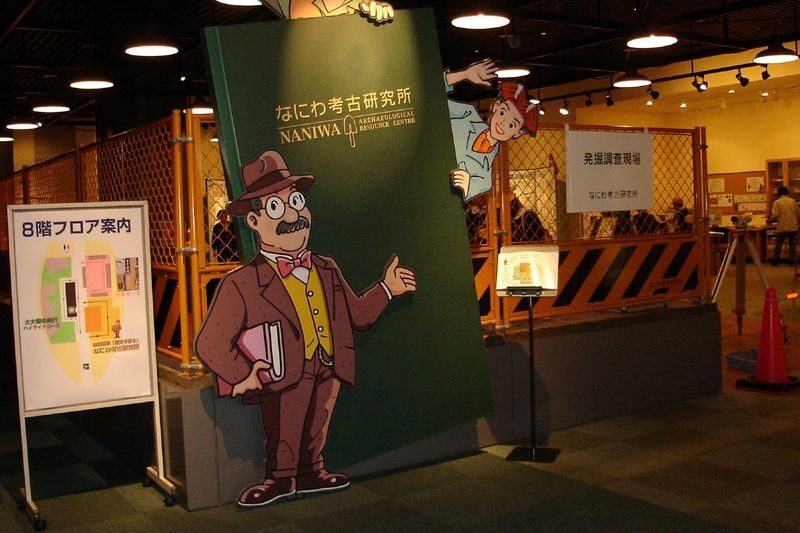
- Allow time for the 8th-floor archaeology area, where hands-on activities can give children a more active way to engage.
- Expect a calm, indoor visit with benches and clean facilities, useful on a hot or rainy day.
- Use the QR voucher for direct entry, but compare the online price with the museum’s counter price before buying.
- Check language support and admission rules before you go: some displays have limited translations, and the ticket covers permanent exhibits only.
- Osaka’s past, told above the city
- Start upstairs, then work your way down
- Ancient remains and an archaeology floor
- Town models and the early Showa period
- The castle view is more than a photo stop
- Language, photography, and the pace of a visit
- What the ticket covers, and what it costs
- Opening hours and getting there
- Is the Osaka Museum of History worth booking?
- FAQ
- What does the admission ticket include?
- What are the museum’s opening hours?
- Which days is the museum closed?
- Where is the Osaka Museum of History?
- How do I use the ticket voucher?
- Can I cancel the ticket after buying it?
- Who can enter for free?
- The Best Of Osaka!
- More Tickets in Osaka
- More Tours in Osaka
- More Tour Reviews in Osaka
Osaka’s past, told above the city
 1 / 5
 2 / 5
 3 / 5
 4 / 5
 5 / 5
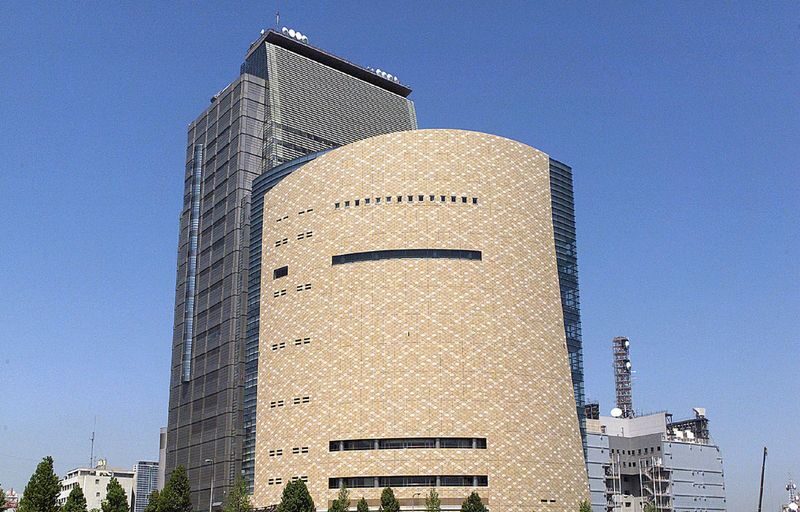
The Osaka Museum of History sits close to Osaka Castle, making it a natural stop before or after exploring the castle grounds. Its main appeal is the way it gives the city a longer timeline than a castle visit alone can provide. Instead of focusing on one landmark, it follows Osaka through changing eras, from ancient archaeological remains to the townscapes of the early Showa period.
The building’s multi-floor layout helps make that timeline tangible. You move through displays, reconstructions, and models, with the city outside providing a useful point of comparison. Osaka is not only a place to see; it is a place to understand as a city shaped by many centuries of change.
The museum is a good fit if you enjoy history but do not want a full-day commitment. You can take your time, pause on a bench, and give the exhibits the attention they deserve. If you are mainly looking for lively entertainment or a large collection of objects with extensive explanations in your language, you may find parts of the visit quieter or less accessible.

👉 See our pick of the The Top 15 Workshops & Classes In Osaka
Start upstairs, then work your way down
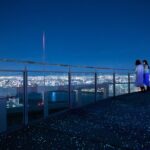
A practical way to explore is to begin on an upper floor and work downward. The museum’s displays cover several floors, and the 10th floor is a highlight for its view toward Osaka Castle. The vantage point can help you orient yourself before looking at the models and exhibits inside. On a clear day, it also offers a useful photo opportunity, though photography is not allowed everywhere in the building.
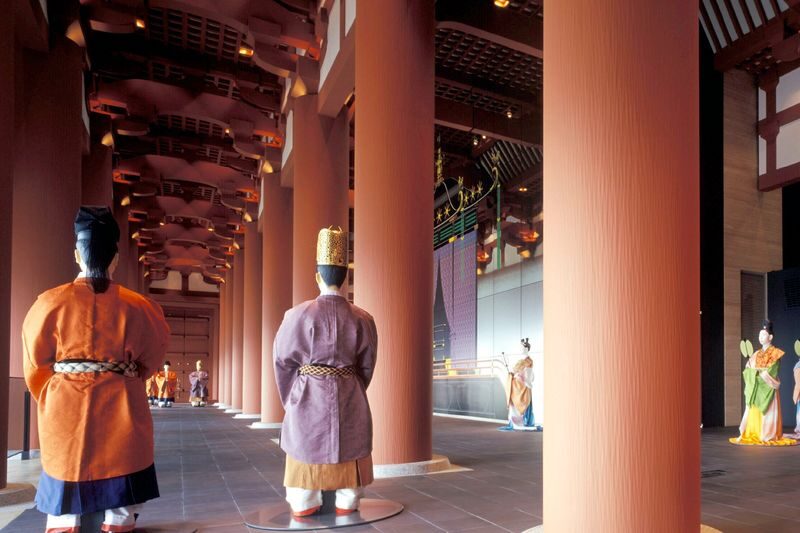
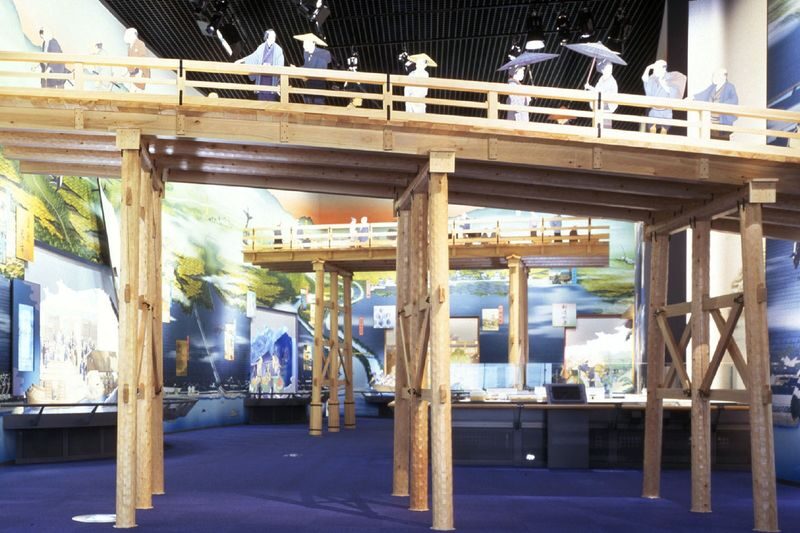
The upper-floor displays introduce Osaka’s earlier history and help set up the story that follows. You will encounter reconstructions and detailed models that show how the city looked in different periods. These displays are particularly helpful if dates and dynasties blur together: a model of a street or settlement gives you something concrete to study.
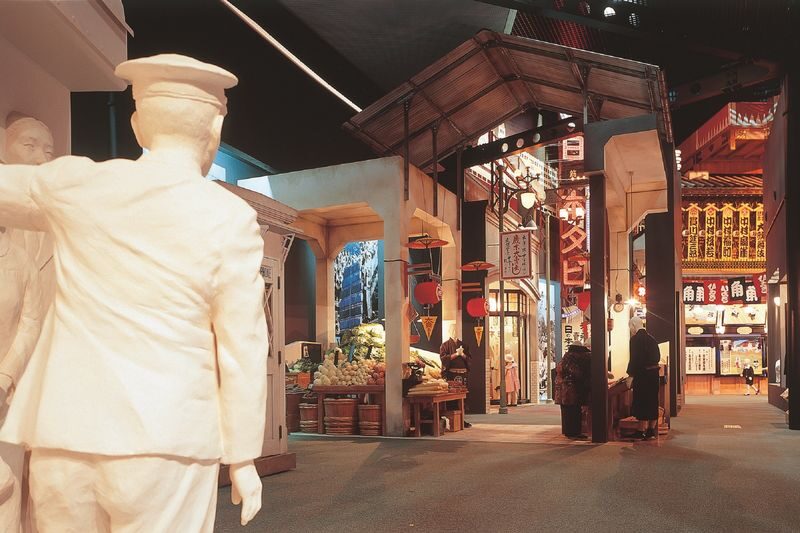
As you descend, the exhibition moves through Osaka’s development toward more recent times. The early Showa-era townscapes give you a sense of how the city’s everyday streets changed, not just how its rulers or major buildings changed. The models are a strong reason to visit, especially if you learn best by seeing a place reconstructed rather than reading a string of dates.
There is no fixed guided itinerary included with the admission ticket. You explore the permanent exhibition at your own pace, choosing how long to spend with each floor. That freedom works well for mixed-interest groups: one person can linger over history, while another takes a breather or heads toward the viewpoint.
You can also read our reviews of more tours and experiences in Osaka

Ancient remains and an archaeology floor
The museum’s ancient-history displays connect Osaka’s present-day streets to much older settlements and archaeological finds. The timeline is described as beginning with ancient remains and continuing into later periods, though visitors should not expect equal coverage of every era. One account of the exhibits notes that the focus becomes more substantial from the Asuka period onward, with less material about earlier times.
The 8th-floor archaeology area is worth seeking out, particularly if you are visiting with children. It includes interactive activities and archaeological-themed games, giving younger visitors something to do beyond reading display panels. Adults may also appreciate the chance to see how excavation work fits into the study of the city’s past.
That interactive element makes the museum more than a sequence of glass cases, but it is still a history museum with a largely indoor, exhibit-based format. If hands-on activities are the main reason for your visit, keep expectations measured: the archaeology zone is one part of a broader exhibition, not a dedicated play space.
You can also use this floor as a natural pause in the route. The museum has benches, and the comfortable indoor setting can be welcome after walking around Osaka Castle Park. In summer, it offers a cool break from the heat; on a wet day, it gives you a sheltered way to keep sightseeing.
Town models and the early Showa period
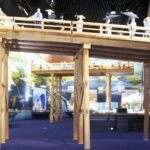
One of the museum’s most satisfying sections is the move from ancient remains into more familiar city life. Detailed models recreate older urban scenes and help show how Osaka developed as a place where people lived and worked. Instead of treating history as a list of famous names, these displays make you look at streets, buildings, and the shape of daily life.
The early Showa-period townscapes are especially useful for visitors trying to connect the historic city with modern Osaka. You see a city in transition, with outside influences and changing styles becoming part of the story. The recreated streets can make the shift between eras easier to follow than a collection of objects alone.
There is plenty to look at, but the pace is up to you. Some visitors make a focused visit of about an hour; others run short on time and wish they had arrived earlier. I would avoid arriving close to closing if you want to read the displays and explore the full route. The museum closes at 5 p.m., with last admission 30 minutes before closing.
The castle view is more than a photo stop
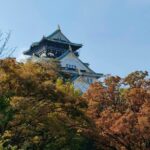
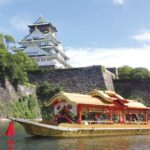
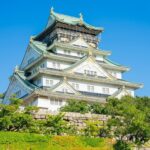
The view toward Osaka Castle is one of the museum’s practical pleasures. It gives you a different perspective from the one you get at ground level, and it can help tie the museum’s historical story to the city’s most recognizable landmark. If you are planning both attractions, the museum works well as a companion visit rather than a substitute for the castle itself.
The castle and museum are close enough to make a paired outing easy. You might visit the castle first, then come to the museum to put the surrounding area into context. Or start at the museum, when you are fresh enough to take in the displays, and finish outdoors at the castle. The order depends on the weather and your energy.
There is a useful advantage to visiting the museum after the castle tower: the indoor rooms offer a quieter change of pace. If it is hot, rainy, or simply crowded outside, the museum can be a comfortable place to pause while still keeping the day focused on Osaka’s history.
Language, photography, and the pace of a visit
Language support is an important point to consider. Many exhibit explanations are in Japanese, while some information is also provided in English. Coverage is not consistent across every display, and visitors who want detailed context in another language may need to rely on a translation app. Some Korean explanations are available, and audio translation has been reported at around 400 yen per person; check current availability and languages before relying on it.
This does not make the museum difficult to enjoy, but it can affect how much you take away from individual objects. The visual displays and models communicate a lot on their own. If you want a deeper account of the history, plan to use audio support if available or read up on the periods beforehand.
Photography is also limited in some areas. The 10th-floor view is a good place to take a picture of Osaka Castle, but do not assume you can photograph every exhibit. Follow the signs and staff guidance, and treat the museum first as a place to look closely rather than as a photo backdrop.
The atmosphere is generally quiet, with room to move at your own pace. Benches are available for resting, and the museum is clean and well maintained. That makes it a sensible choice for families, older visitors, and anyone who wants a less strenuous indoor activity between longer walks.
You can also read our reviews of more historical tours in Osaka


What the ticket covers, and what it costs
The ticket is for admission to the permanent exhibition. Special exhibitions are charged separately, so check the museum’s current exhibition details if a temporary show is the main draw. The online offer starts at $3.79, while one reported comparison put the museum counter price at 600 yen and the online price at 630 yen. Prices and exchange rates can change, so compare the current total before purchasing.
At this price, the museum can be good value if you plan to spend time with the displays and combine it with Osaka Castle. The value is less clear if you have only a short gap in your schedule, prefer outdoor sights, or mainly want a quick photo of the castle. The building is substantial enough to reward an unhurried visit, but there is no need to buy ahead simply to avoid a long queue: entry can be quiet, and buying on site may be cheaper.
The Klook voucher is confirmed instantly and can be shown for direct entry by QR code. That is convenient if you like having tickets ready on your phone, or if you decide to visit on the day. But the ticket cannot be canceled or refunded after purchase, so check your schedule and whether you qualify for free admission before paying.
Admission is free for junior high school students and younger, people with a disability certificate and one caregiver, and Osaka City residents aged 65 and over. Proof may be required. High school and university students should bring identification for the relevant ticket type. The online service does not offer group discounts for parties of 20 or more, and visitors with discount coupons should buy at the museum reception desk.
Opening hours and getting there
The museum is at 4 Chome-1-32 Otemae, Chuo Ward, Osaka, near Osaka Castle. It is described as easily accessible, and subway access is convenient. Check your route before setting out, as the address is the clearest reference for finding the entrance.
Opening hours are 9:30 a.m. to 5 p.m., with last admission 30 minutes before closing. The museum is closed on Tuesdays, or the following day when a public holiday falls on Tuesday, and from December 28 through January 4 for the New Year holiday period. Opening status can change, so check the museum’s website on the day of your visit.
A weekday or a quiet time can make it easier to take your time, though the museum is not dependent on a particular season. It is a useful indoor option in hot weather and on rainy days, with the added benefit of the castle view. If you are visiting both attractions, leave enough room in your schedule to avoid rushing through the exhibition.
Is the Osaka Museum of History worth booking?
I would add this museum to a day at Osaka Castle if you want more than a look at the castle tower and grounds. Its best features are the sweep from ancient remains to early Showa streets, the detailed models, the archaeology activities, and the upper-floor views. The QR entry is handy, but the modest ticket price and often-quiet entrance mean advance purchase is not essential for everyone.
Book if you enjoy city history, want a comfortable indoor stop, or are visiting with children who may like the archaeology area. Think twice if you have very little time, need full translations for every display, or qualify for free admission. Before paying, check the current counter price and exhibition schedule. If the timing and price suit you, the museum gives you a useful way to see Osaka as more than the city around its famous castle.
Osaka Museum of History Admission Ticket
“You can feel the history of Osaka here. It's quite large and pairs well with a visit to Osaka Castle.”
FAQ
What does the admission ticket include?
It includes admission to the permanent exhibition at the Osaka Museum of History. Special exhibitions require a separate ticket.
What are the museum’s opening hours?
The museum is open from 9:30 a.m. to 5 p.m. Last admission is 30 minutes before closing.
Which days is the museum closed?
It is closed on Tuesdays, or the following day if a public holiday falls on a Tuesday. It also closes for the New Year holiday from December 28 to January 4.
Where is the Osaka Museum of History?
It is at 4 Chome-1-32 Otemae, Chuo Ward, Osaka, 540-0008, near Osaka Castle.
How do I use the ticket voucher?
Show the voucher at the venue for direct entry. The QR code can be scanned at the entrance.
Can I cancel the ticket after buying it?
No. Cancellations and refunds are not available after the purchase is completed.
Who can enter for free?
Admission is free for junior high school students and younger, people with a disability certificate and one caregiver, and Osaka City residents aged 65 and over. Proof may be required.