Osaka is a big city to tackle on foot, and its subway can feel like a maze on your first day. The Wonder Loop gives you a different first look: an open-top ride above street level, linking 14 stops from Osaka Castle to Dotonbori and Shinsekai.
I like two things here: you can hop off where your curiosity takes you, and the live English-speaking host can make the ride feel more personal than a recorded tour. Guides including Mali, Kayo, Nikki and Kazue have been singled out for friendly, useful commentary, though your guide will depend on the day.
The catch is the wait. Buses can be infrequent and traffic can stretch the journey, so this is better for a relaxed city overview than for racing between sights. If you have just one day, plan your stops carefully and keep the subway as a backup.
- Fourteen stops cover several sides of Osaka, including Osaka Castle, Dotonbori, Tsutenkaku, Shitennoji Temple and Kuromon Market.
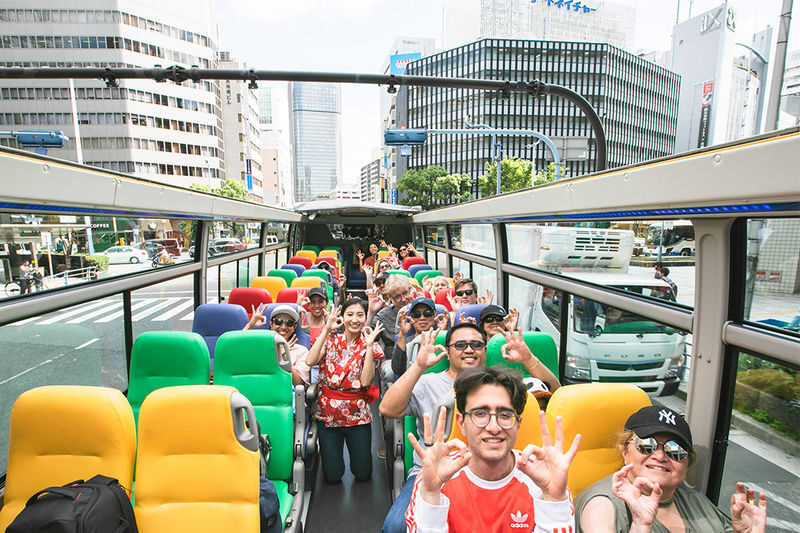
- An open-top deck gives you street-level views, with an enclosed, air-conditioned interior available on the bus.
- A live English-speaking host adds local context, though the amount and clarity of commentary can vary.
- A one-day pass starts at $27.79, with a two-day option and a separate bundle that adds Osaka Metro, city buses and a Dotonbori cruise.
- The main trade-off is frequency: allow time for traffic and long waits before you count on the next bus.
- What the Wonder Loop is good for
- Following the 14-stop route
- Open air, city views and live commentary
- Timing: the part to plan around
- What the ticket includes, and what it costs
- Redemption and practical details
- Who will get the most from this bus?
- Should you book the Osaka Wonder Loop?
- FAQ
- Where does the Osaka Wonder Loop stop?
- What are the bus operating hours?
- How do I exchange my voucher for a ticket?
- How long is the voucher valid?
- Are children allowed on the bus for free?
- Are there ticket options beyond the bus pass?
- Is the bus suitable for wheelchair users?
- The Best Of Osaka!
- More Tours in Osaka
- More Tour Reviews in Osaka
What the Wonder Loop is good for
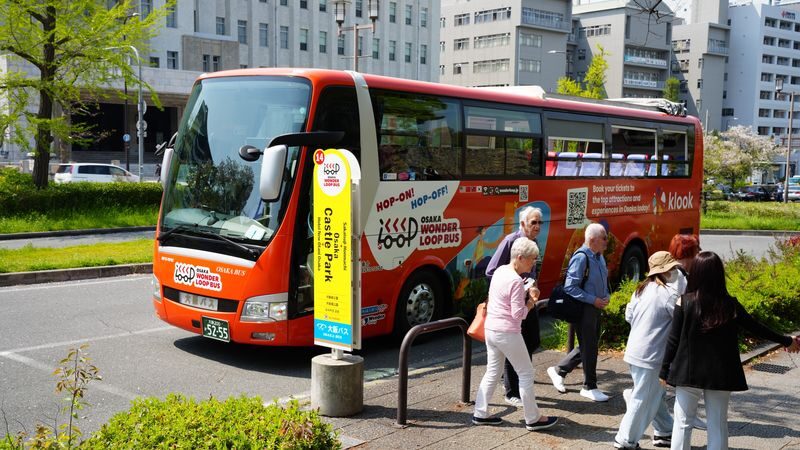
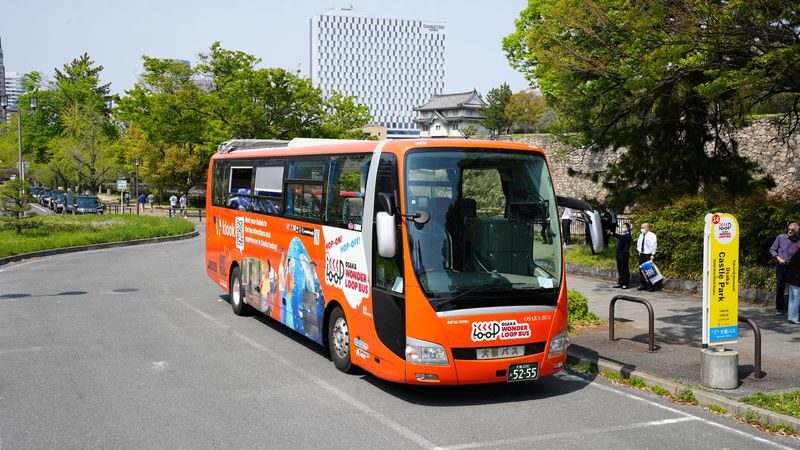
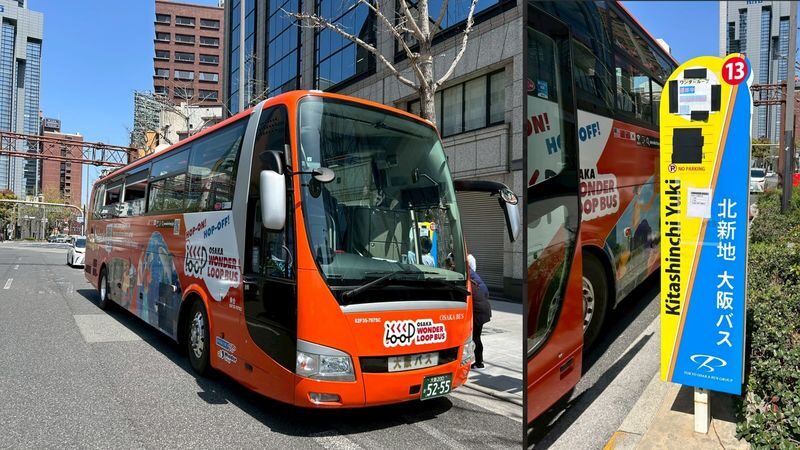
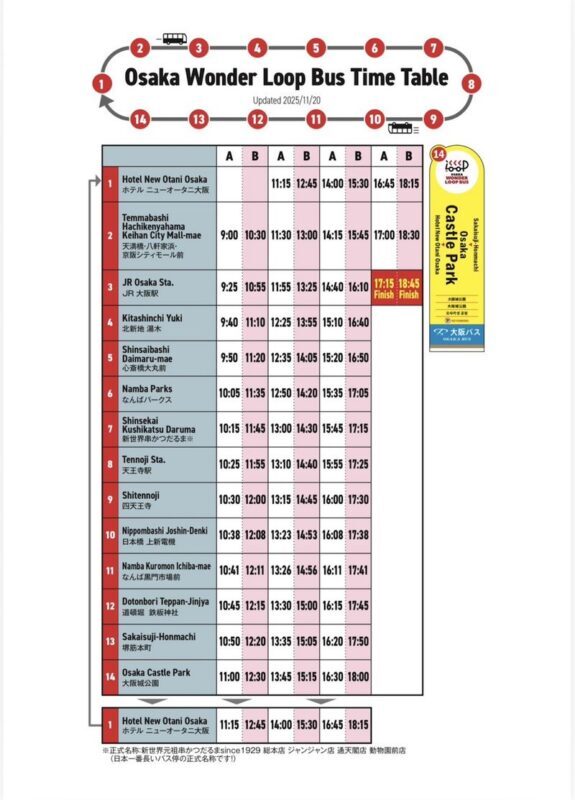

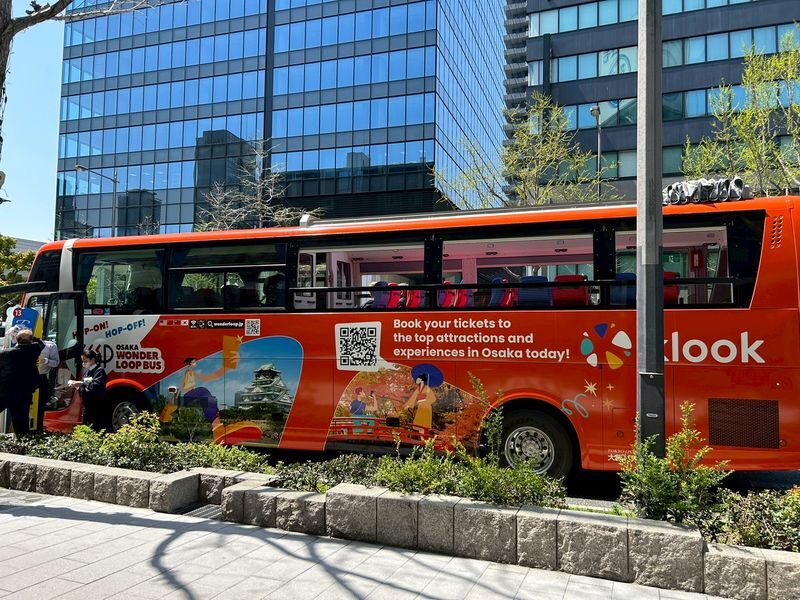
Think of this as a moving introduction to Osaka, not a rapid transport service. The bus links central districts and well-known sights, giving you a broad view of the city without having to navigate every subway transfer on your first outing.
The advertised experience lasts about four to eight hours, but your day can be shorter or longer depending on how often you get off. Stay aboard for an overview, or treat the pass as a flexible sightseeing day and choose a few stops to explore properly.
The distinction matters. The bus can help you understand where Osaka’s major areas sit in relation to one another, but it is not necessarily the fastest way to get from one attraction to the next. Traffic, the single route and gaps between departures can make a short journey take longer than expected.

👉 See our pick of the The Top 15 Workshops & Classes In Osaka
Following the 14-stop route
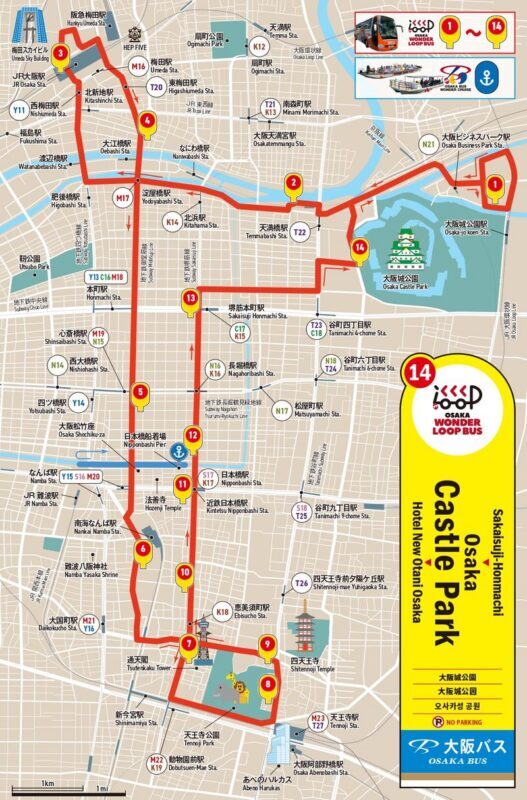
The listed stops form a broad loop through central Osaka. They connect major landmarks with shopping districts, food areas and transport hubs, so you can choose your day around what interests you rather than follow a fixed walking tour.
Hotel New Otani Osaka is one of the route’s starting points, while Tenmabashi and Hachikenya-hama Keihan City Mall give you another place to join. The hotel and mall stops can suit you if you are staying nearby, but check the route map before setting off so you know which boarding point is most convenient.
JR Osaka Station is a practical stop for anyone arriving by rail or staying around Umeda. From there, the route continues to Kitashinchi Yukimura, then Shinsaibashi Daimaru-mae, taking you toward central shopping and dining areas.
At Namba Parks, you are close to one of the city’s main southern districts. Shinsekai Kushikatsu Daruma and Tsutenkaku bring you to the Shinsekai area, a useful contrast with the modern commercial zones farther north. If you want to explore rather than just photograph the landmarks from the bus, get off and give yourself time.
The route also calls at Tennoji Station and Shitennoji Temple. These stops connect a major transport hub with one of Osaka’s best-known temple sites. As with any stop, the pass gets you there; it does not replace the time needed to walk around and see the place.
Nippombashi Joshin Denki and Namba Kuromon Market take you through the Namba area. Kuromon is a food-market stop, so it may be a good place to pause for a snack, but food and drinks are not included in the ticket.
The route then reaches Dotonbori Teppan Shrine, a stop for one of Osaka’s best-known entertainment and dining districts. You can also choose a package that adds a Wonder Cruise on the Dotonbori canal. That can be a lively change of pace from the bus, but check how to use the cruise ticket when you exchange your voucher.
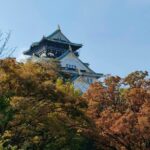
Sakaisuji Hommachi and Osaka Castle Park round out the listed stops. Osaka Castle is one of the headline sights on the route, and the park stop gives you a chance to get off and explore the grounds rather than rely on a passing view from the bus.
The route is most useful when you pick a few priorities in advance. Trying to visit all 14 stops in one day can turn the bus into a waiting-room tour, especially if the next departure is delayed.
You can also read our reviews of more tours and experiences in Osaka.


Open air, city views and live commentary
The open top is the experience’s clearest advantage. You see Osaka from the street rather than from below ground, and the higher vantage point can make it easier to take in the buildings and districts as you pass through them.
Weather makes a real difference. On a clear day, the open deck is the place to sit for unobstructed views and photos. If it rains or the day is uncomfortable, you can sit inside; the bus has been described as clean and air-conditioned. You may still have to choose between a better view and shelter.
The live English-speaking host is another plus when the commentary works well. Hosts have shared local information, pointed out sights and offered practical suggestions, with names including Mali, Kayo, Nikki, Kazue, Jasmine, Jun and Ray associated with particularly warm or engaging outings. Host assignments change, so treat those names as examples, not a promise.
Commentary is not equally strong on every ride. Some passengers have found it clear, detailed and entertaining; others felt there was too little explanation or struggled to understand the English. If you want a deep historical account at every stop, this may not meet that expectation. Think of the guide as a helpful introduction, then explore further on foot.
Timing: the part to plan around
The published operating hours are 9:00 a.m. to 6:45 p.m. daily, though hours can change. That broad window does not guarantee a bus will arrive soon after you get off, nor that a late boarding lets you complete the whole route.
Waits between buses have been a recurring frustration. Some riders describe a gap of about 90 minutes, and traffic can cause further delays. That can be a welcome pause if you want time at a major sight, but a nuisance if you only planned a quick look or need to reach a timed activity.
Before leaving a stop, check the timetable and ask the host about the next departure and the last practical boarding time. One rider who boarded late in the afternoon was told the bus would end its trip before completing the loop. Don’t assume that the stated operating hours mean every late departure runs the full circuit.
A useful approach is to ride a longer stretch first, then get off for one or two stops you genuinely want to explore. If you need to cover ground quickly, use the subway instead of waiting for the next loop bus. The bus is a sightseeing option, not a substitute for every urban journey.
What the ticket includes, and what it costs
The standard one-day pass includes unlimited stops along the route and an English-speaking guide. A two-day bus pass is also available. The listed starting price is $27.79, but the exact cost depends on the package you select.
A bus-only ticket can be good value if you expect to ride several times and want the open-air views and commentary as part of the day. It is less compelling if you plan to stay aboard briefly or use only one short stretch. In that case, ordinary public transport may be cheaper and more direct.
The combined Osaka City Pass options add Osaka Metro and city bus access, plus a Wonder Cruise boarding ticket. They come in one-day and two-day versions. This can broaden your options, but check the precise terms for each included pass before relying on it. A buyer reported having to pay separately when the included transit tickets were not accepted as expected.
Food, drinks and personal expenses are not included. For the cruise bundle, confirm the boarding procedure when you exchange your voucher, as the bus pass and cruise may have separate use instructions.
Redemption and practical details
You can book with instant confirmation, then show your mobile voucher to the host when boarding. Exchange it for a physical ticket at any bus stop on the route; there is no single designated exchange office. The ticket becomes non-transferable after redemption.
The voucher is valid for 90 days from confirmation, but the bus ticket is available within 24 hours of exchanging it. That gives you some room to book ahead without fixing your sightseeing day immediately. Unredeemed vouchers can be cancelled for a refund before expiry, but redeemed or expired tickets are not refundable.
Children aged five and under ride free if they do not need a separate seat. Child seats are not available. Anyone using a wheelchair or mobility equipment must be accompanied.
Who will get the most from this bus?
I’d consider the Wonder Loop if this is your first visit, you want a broad sense of Osaka, or you enjoy seeing a city from above ground. It can also suit families and short-stay visitors who prefer a guided overview to planning every transfer themselves.
It is a particularly sensible choice when the weather is good and you have time to let the route unfold. The host’s local tips may help you decide which districts deserve a longer visit, and the flexible stops let you shape the day around your interests.
I would think twice if you have a packed schedule, dislike waiting, or want a detailed account of every landmark. A subway pass is usually the more practical tool when speed matters. The bus is worth its price when you value the open-air ride, route coverage and live host as part of the experience, not just transportation.
Should you book the Osaka Wonder Loop?
Book it for a relaxed first look at Osaka, especially if you can choose a sunny day and have time to stop at a few places. The open-top views, flexible boarding and personal English commentary make it more than a point-to-point ride.
Skip it if you need dependable, fast connections throughout the day. If you do book, start early, check the latest timetable, and plan your key stops around the bus gaps. That small bit of planning can turn a slow loop into a useful orientation to the city.
Osaka Wonder Loop Open-Top Hop-on Hop-off Sightseeing Bus
“everything was perfect, well explained 😄”
FAQ
Where does the Osaka Wonder Loop stop?
The route has 14 stops, including Osaka Castle Park, Dotonbori Teppan Shrine, Tsutenkaku, Shitennoji Temple, Namba Kuromon Market and JR Osaka Station.
What are the bus operating hours?
The listed operating hours are Monday through Sunday, 9:00 a.m. to 6:45 p.m. Hours and holidays may change, so check the latest details before you ride.
How do I exchange my voucher for a ticket?
Show your mobile voucher when boarding at any bus stop on the route. There is no designated exchange location, and you will receive a physical ticket.
How long is the voucher valid?
The voucher is valid for 90 days from the booking confirmation date and time. After you exchange it, the loop bus ticket is available within 24 hours.
Are children allowed on the bus for free?
Children aged zero to five can ride free if they do not occupy a separate seat. Child seats are not available.
Are there ticket options beyond the bus pass?
Yes. Options include a two-day bus pass and one-day or two-day city bundles that include the loop bus, Osaka Metro, city bus and a Wonder Cruise boarding ticket.
Is the bus suitable for wheelchair users?
Participants using wheelchairs or mobility equipment must be accompanied. The supplied information does not specify other accessibility details, so check with the operator before booking.