Osaka rewards a little local guidance: Dotonbori’s glowing signs and food stalls are easy to find, but the city’s smaller shrines, side streets, and everyday corners are easier to overlook. This private walk gives you a host who can shape the route around what you actually want to see.
I like two things in particular: you can set your priorities before the tour, and your host can offer practical help for the rest of your stay, including tips on food and getting around. Past guides such as Kanna and Maria have also helped families adapt the pace and route to suit children.
The main consideration is time. Two hours is an orientation, not a full tour of Osaka, and transport, meals, and attraction admission cost extra. If Osaka Castle is a must, tell your host in advance and discuss how it fits with your other priorities.
- At a glance
- Start with the Osaka you want to see
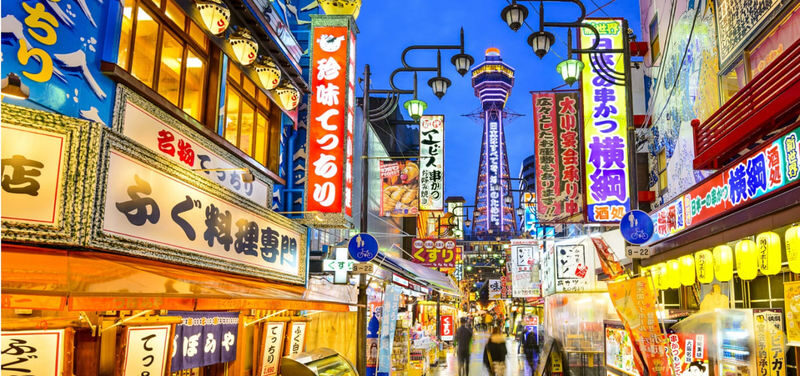
- Dotonbori brings the city into focus
- Osaka Castle needs a place in the plan
- Small stops can be the best part
- The guide can shape the experience
- Two hours or a longer walk?
- Walking, transport, and meeting details
- What the price includes, and what it does not
- Who should book this Osaka walking tour?
- FAQ
- How long is the Osaka private tour?
- What is the starting price?
- Can I customize the route?
- Is transportation included?
- Where does the tour meet?
- Is the tour suitable for children or wheelchair users?
- The Best Of Osaka!
- More City Tours in Osaka
- More Tours in Osaka
- More Tour Reviews in Osaka
At a glance
 1 / 5
 2 / 5
 3 / 5
 4 / 5
 5 / 5
- A route shaped around you: A short questionnaire lets you flag interests such as history, food, culture, or lesser-known places.
- Dotonbori is the meeting-point anchor: The standard return point is Starbucks Coffee at Tsutaya Ebisubashi, in the heart of the district.
- A walking tour, not a car tour: Public transport or local taxis may help connect stops, with fares paid separately.
- A useful first-day choice: Guides have helped visitors get their bearings and navigate the metro for the rest of a trip.
- A flexible range of lengths: Tours run from two to eight hours, with the longer options better suited to covering more ground.
- Private for your party: The group size is one to eight, with no age limit.

👉 See our pick of the The Top 15 Workshops & Classes In Osaka
Start with the Osaka you want to see
This is a private, customizable walking experience rather than a fixed march through a set list of monuments. After booking, you’ll receive a short questionnaire about your interests and must-sees. Your host then contacts you to plan a route around them, whether you’re drawn to history, food, cultural stops, or a mix.
That planning matters in a city as varied as Osaka. One person may want a first look at Dotonbori’s bright signs and lively streets; another may prefer historical sites, temples, or everyday neighborhoods. With a private guide, you can make those preferences clear instead of following a group’s one-size-fits-all schedule.
The route is not specified stop by stop, so don’t assume every advertised highlight will fit into two hours. Dotonbori and Osaka Castle are both named as examples of the city’s attractions, but your actual stops depend on your chosen duration, interests, and how you travel between them. Tell your host what matters most before you meet.
You can also read our reviews of more city tours in Osaka

Dotonbori brings the city into focus
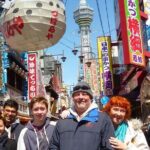
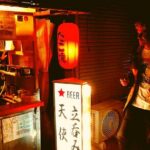
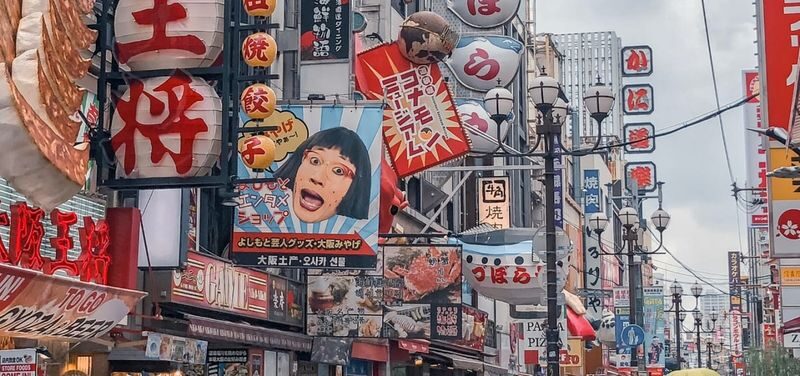
The standard return point is Starbucks Coffee at Tsutaya Ebisubashi, at 1 Chome-8-19 Dotonbori. The area is a handy starting point for getting a feel for Osaka’s well-known food-and-neon district, and it gives the tour a clear central anchor.
Expect the host to help you look beyond the obvious photo stops. The route may include streets, food, landmarks, and other places that suit your interests. Past two-hour tours have taken in Dotonbori alongside shrines and temples, while some have included Den Den Town. Those examples show the kind of variety a host may fit in, not a guaranteed list of stops.
Food is part of the point of exploring Osaka, but keep your expectations practical. The experience description encourages eating and drinking along the way, yet meals and beverages are not included in the price. You can ask your host for suggestions, then decide whether to pause for a snack or save your appetite for later.
Osaka Castle needs a place in the plan
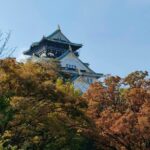
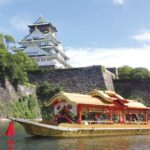
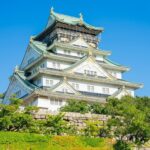
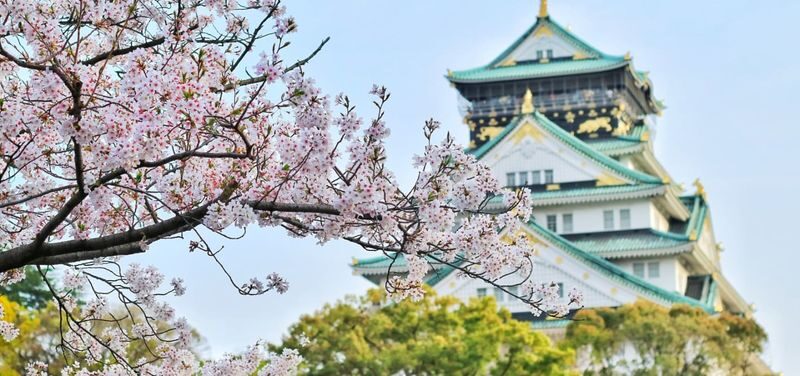
Osaka Castle is the historical counterpoint to the city’s busy commercial streets. It is named as one of the headline sights, and a guide can add context that turns a visit from a quick look into a more useful stop. One family, for example, appreciated a guide’s explanations about the castle while adapting the tour to what their children wanted to see.
But the castle is not a guaranteed stop on every two-hour route. The tour is on foot, and any use of public transport or a local taxi adds time and cost. If the castle is high on your list, say so in the questionnaire and ask your host how much of the visit can realistically fit alongside other requests.
Admission to attractions is not included. If you want to enter a site, allow for the ticket cost and the time needed to visit it, rather than expecting the walk to cover every landmark in detail.
Small stops can be the best part
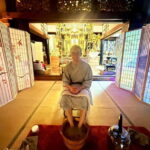
The tour’s promise is not simply to check off famous sights. A host can help you notice the quieter details between them, and past routes have included shrines, temples, local streets, and stops chosen for particular interests. These are the moments where a private guide can make a short walk feel more personal.
The flexibility is especially useful if you have a specific request. One group asked to visit a table tennis shop; another family wanted the route adjusted for children. That does not mean every request can be accommodated, but it does show why the pre-tour conversation is worth taking seriously. Give your host a short, clear list rather than hoping your favorite subject comes up by chance.
You can also ask for tips for the days ahead. Guides have helped with metro navigation, an especially useful skill when you are still learning how Osaka’s transport system works. Think of the walk as both sightseeing and a chance to ask the practical questions that are harder to answer from a map.
The guide can shape the experience
A private tour’s value rests heavily on the person leading it. Past guides have included Maria, Kanna, Mayu, Karim, Nozomi, and Taku. Their names are useful context, but they are examples of previous hosts, not a promise that you will be assigned a particular guide.
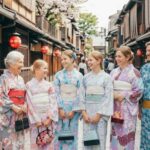
The most praised qualities have been friendliness, clear English, flexibility, and the ability to explain local history and culture. Some guides have also helped families keep children engaged, taken photos for the group, or made time to explain metro routes. If one of those things matters to you, mention it when you share your preferences.
Your own questions can make the walk more rewarding. Ask about the significance of a shrine, how to get to your next stop, or where to try a snack. The guide is there to personalize the route, so don’t treat the planned walk as a script that cannot bend.
You can also read our reviews of more private tours in Osaka


Two hours or a longer walk?
The two-hour option starts at US$52.15. It is the least expensive way to get an introduction, especially if you have limited time or want help choosing what to explore on your own. Its trade-off is simple: you need to keep your wish list focused.
Longer options are available: three hours from US$155.15, four hours from US$194.89, six hours from US$276.79, and eight hours from US$358.75. The price rises sharply from two to three hours, so compare the total cost with the extra time before you book. The longer walks give your host more room to connect different areas, make room for specific interests, and avoid rushing from one stop to the next.
Those prices are listed as starting rates, and the information does not specify whether they are per person or for the whole party. Confirm the final price and any transport costs when booking. For a family or small group, the ability to share one private guide may make the format more appealing than paying separately for individual activities, but calculate the actual booking total first.
Walking, transport, and meeting details
The experience is a walking tour, and a private vehicle is not included. Your host may suggest public transport or a local taxi to move between places; the transport fare is extra, and exact costs can be discussed once your reservation is finalized. If you want to minimize walking or cover more ground, bring that up while planning the route.
The usual meeting and return point is the Starbucks at Tsutaya Ebisubashi, though a central hotel, apartment, or other central location may be arranged. Hotel pickup and drop-off are available, and the operator reconfirms the pickup time. You’ll receive a photo of your host before the experience, which should make the meeting easier.
Departure slots are offered from 8:00 a.m. through 7:00 p.m., subject to the options available for your booking. The return time depends on your departure and tour length. The schedule may change with traffic or weather, so leave some slack if you have another timed activity immediately afterward.
The activity is listed as stroller- and wheelchair-accessible, and there is no age limit. Still, because it is a walking experience and the route is personalized, tell the operator about mobility needs or a stroller when arranging the meeting and stops.
What the price includes, and what it does not
The base experience includes an English-speaking guide and a private, personalized walk for your selected duration. It does not include admission tickets, transport fares, food, drinks, personal purchases, or gratuities. Those extras can add up, especially if your route uses taxis or includes paid attractions.
For a two-hour visit, the best value comes from using the guide for orientation and local advice, not expecting an all-day sightseeing haul at the lowest price. Decide in advance whether you want a fast overview or a slower visit to a few places. Then choose the duration that fits that plan.
The provider is City Unscripted Asia. Confirmation is normally sent within minutes, and the voucher is presented on your phone. Changes are allowed until 24 hours before the activity in eligible bookings; some booking types cannot be changed. In extreme weather or unforeseen circumstances, the operator may cancel and offer a reschedule or full refund.
Who should book this Osaka walking tour?
I’d consider this tour if you’re new to Osaka, want a local introduction, or have a short list of interests that a standard sightseeing route may not cover. It suits families and small private groups particularly well, since the host can adjust the route and pace rather than steering everyone toward the same stops.
It is less suitable if you want a guaranteed, fully specified route, a private car, or admission to several attractions included in one price. The two-hour version also won’t give you time to see every major district. For those goals, choose a longer duration and confirm the intended stops and transport plan with your host.
Book the two-hour walk for a first orientation and practical local advice. Choose three hours or more if you want room for several areas, a slower pace, or a priority such as Osaka Castle. Before paying, send your must-sees, ask what can fit, and confirm the total cost once transport and entry fees are factored in.
Osaka Private & Personalized City Highlights and Hidden Gems Tour
“We had a great time in Osaka , our guide was Maria and she was really nice, well English spoken . We really enjoyed”
FAQ
How long is the Osaka private tour?
The shortest option is a two-hour walking tour. Three-, four-, six-, and eight-hour options are also available.
What is the starting price?
The two-hour walking tour starts at US$52.15. Longer options have higher starting prices, and transport, admission, meals, and drinks are not included.
Can I customize the route?
Yes. After booking, you’ll receive a questionnaire about your interests and must-sees, and your host will contact you to plan a personalized route.
Is transportation included?
No. This is a walking tour, and a private vehicle is not included. Your host may suggest public transport or a local taxi, with fares paid separately.
Where does the tour meet?
The standard return point is Starbucks Coffee at Tsutaya Ebisubashi in Dotonbori. A central hotel, apartment, or other central location may be arranged, and hotel pickup and drop-off are available.
Is the tour suitable for children or wheelchair users?
There is no age limit, and the activity is listed as stroller- and wheelchair-accessible. Tell the operator about your needs when arranging the route.