A short tea lesson can offer a welcome pause from Osaka’s busy sightseeing days. At AN Japanese Culture Experience, you see how matcha is prepared, learn a little about tea ceremony customs, and whisk your own cup using traditional tools. It is an accessible first step into a practice that can otherwise seem formal and hard to approach.
I like two things here: you take part instead of just watching, and the low starting price makes this an easy cultural activity to fit into a tight schedule. The demonstration gives you a close look at the tools and the process, while the chance to make and taste matcha turns the lesson into more than a talk.
One thing to keep in mind: this is a brief class in a functional indoor space, not a long ceremony in a historic tea house. The instructor’s English can vary, so if you want detailed explanations, be ready to follow demonstrations closely.
At a glance
- Make your own matcha: Watch the preparation, then try whisking the tea yourself.
- See matcha being ground: A short demonstration introduces how tea leaves become powder.
- Plan for a compact visit: The scheduled activity is about 20 minutes, followed by a 10-minute break.
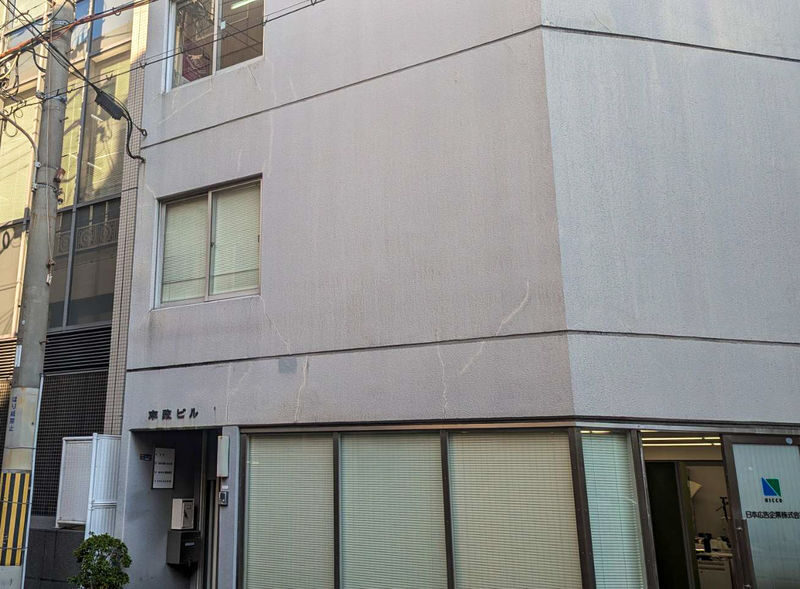
- Meet in Nishi-ku: The class is at Suemasa Building 3F, 1-12-18 Edobori.
- Choose a sweets add-on: A separate package combines the tea experience with nerikiri making.
- Expect a practical setting: The focus is learning by demonstration, rather than formal dress or elaborate ceremony.
👉 See our pick of the The Top 15 Workshops & Classes In Osaka
- At a glance
- Matcha making, with room to join in
- From tea explanation to your own bowl
- A classroom setting, not a tea-house ceremony
- Language and learning by watching
- How long to allow, and which time to choose
- Is the sweets-making package worth adding?
- What the price buys you
- Booking details to check before you go
- Should you book this Osaka tea experience?
- FAQ
- How long does the tea ceremony experience take?
- Where does the activity take place?
- What is included in the basic package?
- Can I choose my session time?
- Is there an age limit?
- Is nerikiri sweet-making included?
- The Best Of Osaka!
- More Tours in Osaka
- More Tour Reviews in Osaka
Matcha making, with room to join in
 1 / 5
 2 / 5
 3 / 5
 4 / 5
 5 / 5
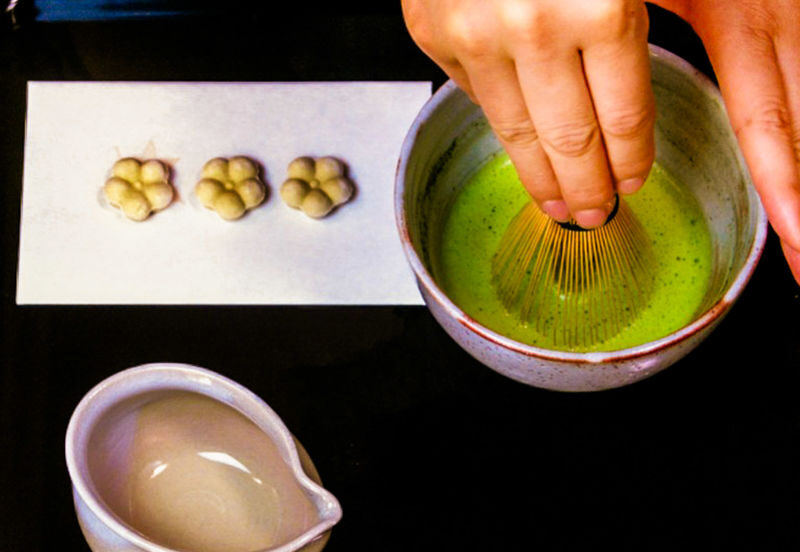
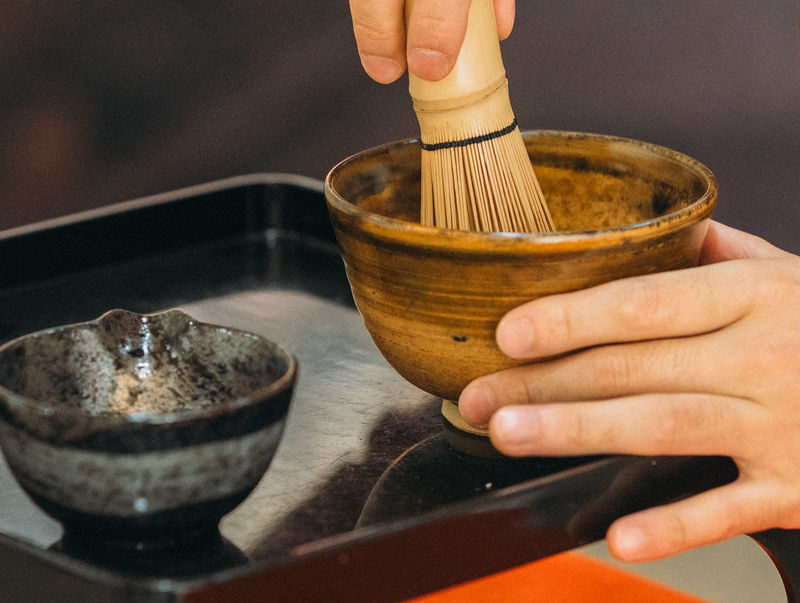
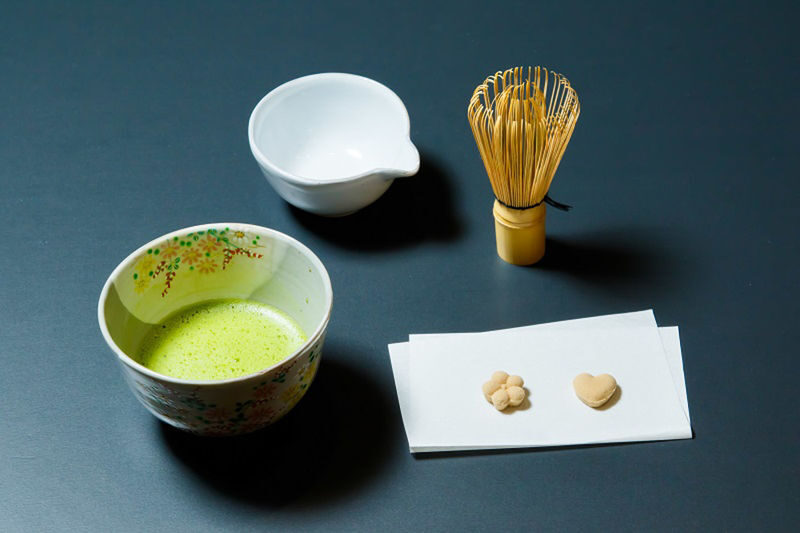
The heart of this experience is simple: learn the basic steps, then make a cup of matcha yourself. The instructor first explains tea and shows how matcha is ground. After that comes the tea-ceremony portion, where you follow the preparation and get to try the process with the equipment provided.
That hands-on element matters. Tea ceremony is not only about drinking tea; the preparation, tools, and careful actions are part of the practice. In a short class, you will not study every rule or tradition, but you can leave with a clearer sense of how a bowl of matcha comes together.
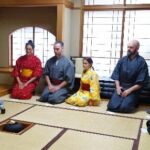
Expect a guided introduction rather than a full formal ceremony. The experience takes place in a classroom-like room with desks and tea sets, not in a traditional tea house. You do not need to dress in traditional clothing, and the emphasis is on watching, learning, and trying the steps.
You can also read our reviews of more tours and experiences in Osaka.


From tea explanation to your own bowl
The session begins with an explanation of tea. The amount of detail may depend on the instructor and the language used that day, but the class is designed to make the process approachable. You can watch first, then use what you have seen to follow along.
Next comes a matcha-grinding demonstration. Seeing the powder-making step helps connect the tea in your bowl to the leaves and tools behind it. The class information does not promise that each participant gets to grind the tea, so treat this as a demonstration rather than a guaranteed hands-on activity. One useful question to ask at the start is whether you will be able to try any of the equipment yourself.
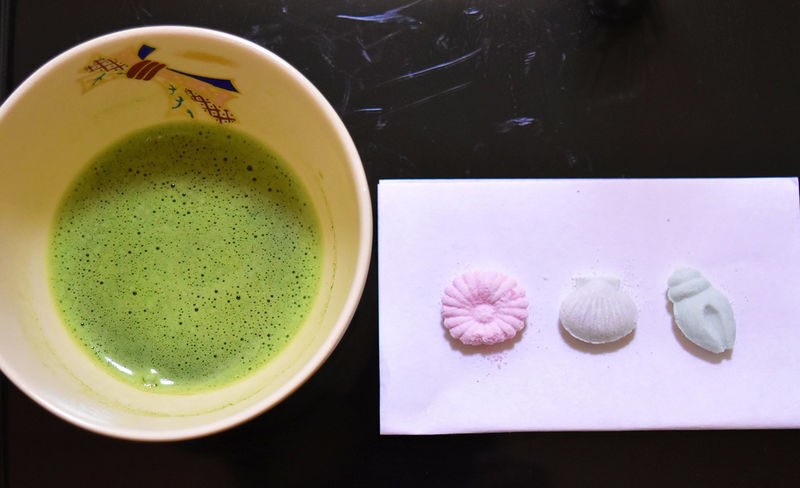
The tea-ceremony experience follows. Your instructor demonstrates how to prepare matcha, and you get to make your own. The class is short, but that is part of its appeal: you can get a practical taste of tea culture without committing half a day. Matcha can taste bitter, especially if you are used to sweetened drinks, so take a moment to notice its flavor rather than expecting a sweet cup.
The final part is photo time, followed by a brief break. The schedule lists about 20 minutes for the main experience and 10 minutes for the break. Some sessions may feel even shorter in practice, so keep your expectations in line with a quick introduction, not an extended lesson.
A classroom setting, not a tea-house ceremony
The setting is worth understanding before you book. The activity takes place at AN Japanese Culture Experience, on the third floor of Suemasa Building in Osaka’s Nishi-ku. The room is described as clean and functional, with desks and tea sets. The experience is designed for learning and participation, rather than for recreating a formal tea room.
That distinction is not a fault, but it shapes what you get. You will spend less time absorbing a traditional setting and more time seeing how matcha is prepared. If the room, attire, and ceremonial atmosphere matter most to you, this may not be the right choice. If your goal is to understand the basic steps and try them for yourself, the practical format makes sense.
The building address is 1-12-18 Edobori, Nishi-ku, Osaka, listed as Suemasa Building 3F. The location has been described as easy to find and close to a metro station, though it is still wise to check the map and allow time to reach the third floor. Your meeting point is the activity venue, not a hotel pickup.
Language and learning by watching
Language is the main variable. The instructor may explain in Japanese and English, but the level of spoken English can differ from one session to another. Some participants have found the instructions easy to follow; others have had to rely on gestures and demonstrations. That makes the activity workable for many visitors, though less suited to someone who wants a detailed lecture in English.
My practical advice is to watch closely, especially during the demonstration. The steps are visual, and participants have been able to follow along even when they did not understand every spoken explanation. If you want to learn more about tea history or etiquette, ask concise questions when there is a pause, and do not count on being able to use a translation app throughout the class.
The instructor’s manner has been a major part of the experience. Classes have been described as friendly, patient, and lively, with humor helping the lesson feel relaxed. The exact instructor is not guaranteed by the activity details, so I would not book expecting a particular teacher. The format does, however, give the instructor a chance to demonstrate each stage directly.
How long to allow, and which time to choose
The listed activity has a 20-minute main session and a 10-minute break. In practice, plan for around half an hour at the venue, while leaving a little extra time for finding the room and getting settled. If your schedule is packed, this is easier to fit between other Osaka plans than a long cultural workshop.
Available departure times are 09:05, 11:35, 14:05, 16:35, and 19:05. The corresponding return times are listed as 09:35, 12:05, 14:35, 17:05, and 19:35. Which return options are available can depend on the departure time and itinerary duration, so confirm the time shown for your booking and arrive for that selected session.
The activity is suitable for all ages, with no age limit stated. Its short format can work well for families, and the simple visual steps make it easier for children to follow than a lecture-heavy cultural tour. Still, the tea itself is unsweetened and can taste bitter, so younger participants may enjoy the making process more than the drink.
Is the sweets-making package worth adding?
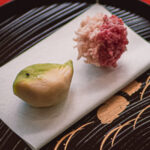
There is a second package that pairs the tea ceremony with nerikiri, a traditional Japanese sweet. It is a separate option, not part of the basic tea experience. If you have more time and want a fuller hands-on activity, the combination gives you two different ways to take part in Japanese food culture: shaping a sweet and preparing matcha.
The sweets-making portion has been especially appealing to families and people who enjoy making things. It adds more time and a creative task, while the tea session stays focused on matcha and ceremony basics. If you only want a quick introduction to tea, the basic package is enough. If you want a longer class and something to eat with the tea, the combined package may offer better value for your afternoon.
Do check the package name carefully when booking. The two options are related, but the basic tea experience does not include nerikiri making. Personal expenses beyond the activity are not included.
What the price buys you
At a starting price of about $8.05, this is an inexpensive way to add a short cultural activity to an Osaka itinerary. You are paying for guided instruction, a matcha-grinding demonstration, access to the tea equipment, and the chance to prepare and taste matcha. At that price, the value lies in participation and a bit of context, not in a long or lavish ceremony.
The short duration is both a strength and a limit. You can fit the class into a day of sightseeing without giving up much time, and the cost is modest enough for a low-pressure trial. But if you want a deeper study of tea, time to compare different matcha grades, or a more formal tea-room setting, this session may feel too brief.
A 4.8 out of 5 rating across 123 reviews points to a consistently well-liked activity, and the provider has a 91 percent good-review rate across 169 reviews. The most often praised elements are the friendly instructor, clear demonstrations, and value for the price. The recurring cautions are the short length and uneven English explanations. Taken together, that is a fair picture: a good-value introduction, with depth dependent on your expectations.
Booking details to check before you go
The activity is a meet-up experience at 庵an 大阪, AN OSAKA Japanese Culture Experience, at Suemasa Building 3F, 1-12-18 Edobori, Nishi-ku, Osaka. The voucher is valid only for the date and time selected. Confirmation is usually sent within minutes; if it does not arrive, contact customer support.
Bookings can be changed up to 24 hours before the activity starts, subject to the stated exceptions for certain pass, presale, freebie, and voucher situations. A full refund is available if you cancel at least 24 hours before the activity date, using local destination time. If extreme weather or another unforeseen event forces the operator to cancel, you can request a reschedule or full refund.
Should you book this Osaka tea experience?
Book it if you want a short, affordable, hands-on introduction to matcha and tea ceremony basics. It is especially useful as a calm break between Osaka’s bigger sights, and it suits solo visitors, families, and first-time matcha makers who are happy to learn by watching as well as listening.
Skip it if you are seeking a long, formal ceremony in a traditional tea house, or if detailed English instruction is essential to your enjoyment. For a little more time and a sweet to accompany your tea, choose the nerikiri package instead. Either way, go in expecting a compact class, and you will know exactly what the experience is meant to offer.
Traditional Tea Ceremony Experience in Osaka
“Matcha Tea Ceremony & Japanese Wagashi (Confectionery) Making (+ Eating) It was extremely fun! However, for those who don't speak Japanese, the tea…”
FAQ
How long does the tea ceremony experience take?
The main activity is scheduled for about 20 minutes, followed by a 10-minute break. Allow extra time to find the venue and get settled.
Where does the activity take place?
It takes place at 庵an 大阪, AN OSAKA Japanese Culture Experience, Suemasa Building 3F, 1-12-18 Edobori, Nishi-ku, Osaka.
What is included in the basic package?
The basic package includes the traditional tea ceremony experience. Other personal expenses are not included.
Can I choose my session time?
Yes. Listed departure times are 09:05, 11:35, 14:05, 16:35, and 19:05. Return options depend on the selected departure time and itinerary duration.
Is there an age limit?
No. The activity information states that there is no age limit.
Is nerikiri sweet-making included?
No. Nerikiri making is offered in a separate package that combines Japanese sweets-making with the tea ceremony.