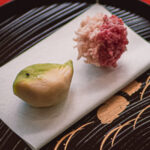
Nerikiri is edible sculpture: soft bean paste shaped into flowers and seasonal designs, then served as a sweet. In this Osaka workshop, you make two pieces yourself, using prepared white and red bean paste and following an instructor’s demonstration.
I like two things about this class: you get to shape two different sweets, and the ingredients come from long-established Kyoto shops, giving the craft a real connection to Japanese confectionery. The step-by-step format also makes it approachable if you have never worked with wagashi.
One thing to weigh: this is a short shaping class, not a full sweets-making lesson from raw ingredients. The advertised schedule allows 55 minutes for the activity, but the pace can feel brisk, especially if you arrive late or want extra time for photos and tasting.
- Five things to know before you book
- Shaping seasonal sweets, one step at a time
- What the timing really means
- A friendly teacher makes a difference
- What you learn, and what you do not
- Is it good value at .80?
- Finding the venue and planning your visit
- Should you book this nerikiri workshop?
- FAQ
- How many sweets will I make?
- Are the sweets made from scratch?
- Is a tea ceremony included?
- How long does the workshop last?
- What start times can I choose?
- Where is the meeting point?
- Is there an age limit?
- Is English instruction available?
- Can I change or cancel my booking?
- Is the venue accessible without stairs?
- The Best Of Osaka!
- More Dessert Tours in Osaka
- More Tours in Osaka
- More Tour Reviews in Osaka
Five things to know before you book
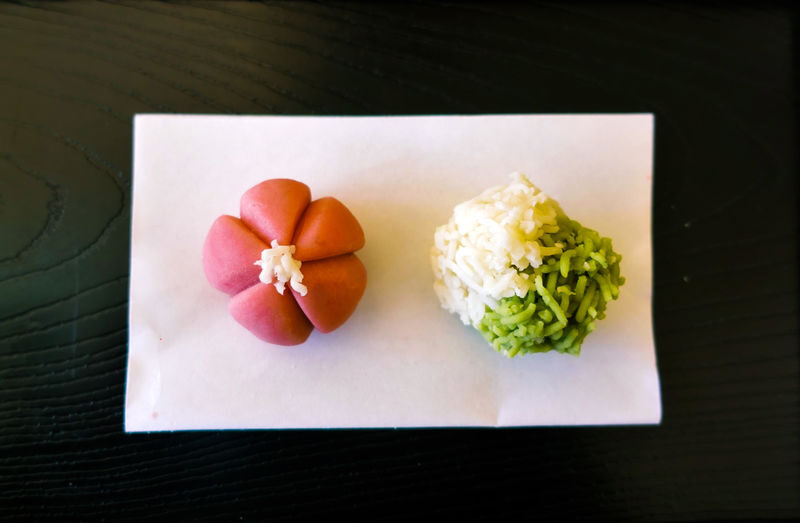
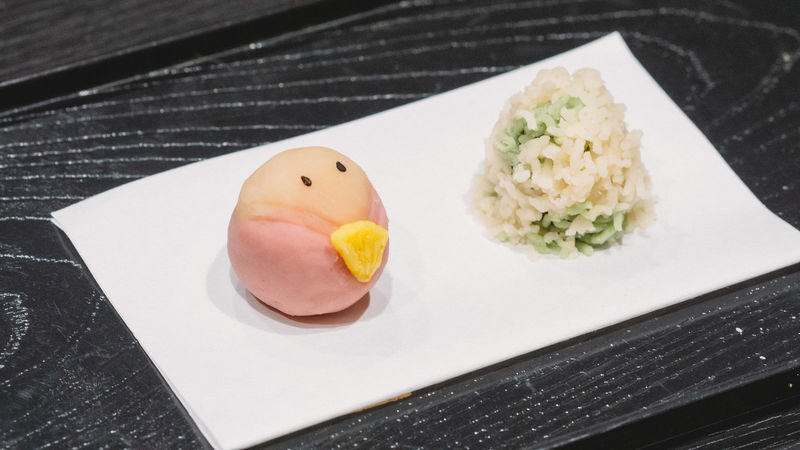
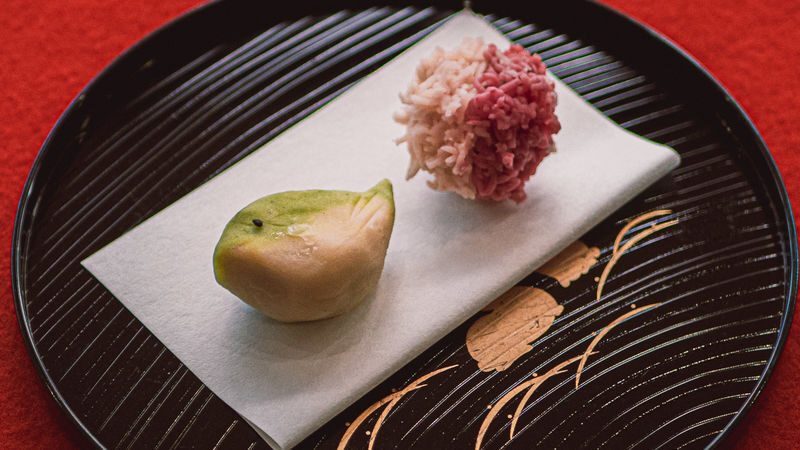
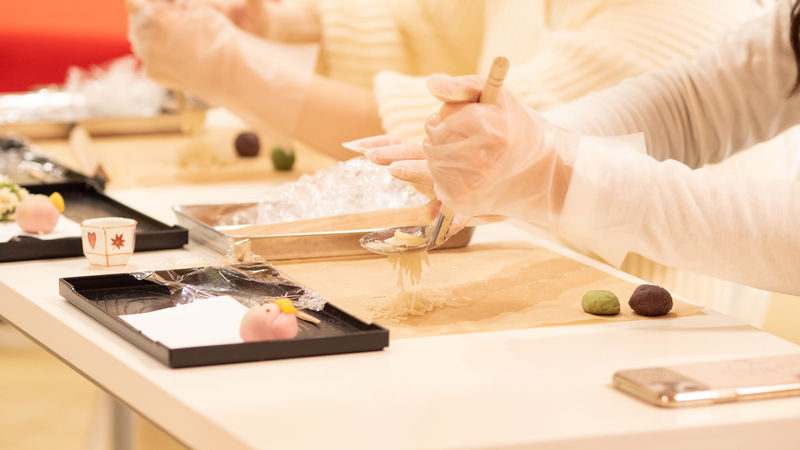
- You make two nerikiri: one flower-shaped sweet and one kinton design.
- The bean paste is prepared for you: the focus is on shaping, detail, and presentation, not making the paste or learning a recipe from scratch.
- The class is short: the main workshop is scheduled for 55 minutes, followed by a 10-minute break.
- English support varies: instructors often explain the steps in English, but the level of detail can differ.
- The venue is in Suemasa Building: the address is on the third floor, and the stairs may be steep.
👉 See our pick of the The Top 15 Workshops & Classes In Osaka
Shaping seasonal sweets, one step at a time
The workshop takes place at AN OSAKA Japanese Culture Experience, at Suemasa Building 3F, 1-12-18 Edobori in Osaka’s Nishi-ku. You meet at the venue rather than being picked up for a city tour. The experience is focused on the sweets and the craft, not sightseeing between stops.
After a brief introduction to traditional Japanese sweets, the instructor demonstrates the basic handling and shaping. You then make a flower-shaped nerikiri, followed by a kinton nerikiri. The instructor shows the techniques and helps you work the prepared paste into your own designs.
That hands-on element is the point. Nerikiri is made to be admired as well as eaten, and shaping it makes you notice how much care goes into a small confection. The finished sweets can look more delicate than you expect, so don’t worry if your first attempt is a little lopsided. Getting a feel for the material is part of the fun.
The ingredients include white and red bean paste produced by long-established shops in Kyoto. That detail gives the class a useful link to the wider tradition of wagashi, the broad family of Japanese sweets. But the paste is already made. If you want a class that teaches you to cook and prepare every ingredient at home, this is not that.
Instead, think of it as a short craft lesson with an edible result. You practise shaping, learn what the instructor can explain about the sweets, and finish with two creations that are yours to eat. Several people find the process trickier than expected, but the demonstration and individual guidance make it manageable for beginners.
You can also read our reviews of more tours and experiences in Osaka


What the timing really means
The listed workshop runs for 55 minutes, with a 10-minute break at the venue afterward. The full schedule pairs a departure time with a return time 65 minutes later. Available starts are 08:00, 10:30, 13:00, 15:30, and 18:00, with the corresponding return times listed as 09:05, 11:35, 14:05, 16:35, and 19:05. Check the options shown for your booking, since they can vary by selected start time.
Arrive on time. The class is brief, and the instructor’s demonstration and your own shaping time both need a place in that window. Someone arriving 20 minutes late may miss a large part of the activity, and the class may not pause to make up the lost time.
There is a practical wrinkle: the timetable describes a 55-minute workshop, while some participants have found the making portion shorter in practice. The exact pace may depend on the group and how promptly everyone gets started. If you want time to take careful photos, ask questions, and enjoy your sweets at leisure, don’t expect an unhurried afternoon.
The 10-minute break is part of the schedule, but it is not a long tasting session. Some people eat their sweets at the venue, while others have needed to take them away when the class runs tight. If tasting on site matters to you, allow for the possibility that the time may be limited.
A friendly teacher makes a difference
Instruction is a major part of the experience, and the class works best when the teacher demonstrates clearly and checks in as you go. Instructors have been praised for patience, humour, and explaining steps in simple English. Daisuke has been singled out by name for an enjoyable class, though you should not assume he will teach your session. The instructor can vary.
English ability also varies. Many participants have found the explanations easy to follow, and some instructors teach in both Japanese and English. Others have relied more on a demonstration and hands-on help at the table. The process is visual, which helps, but if you need a detailed English explanation of the cultural background or recipe, this may not meet that expectation.
The class has a practical, classroom-like feel rather than the quiet formality of a tea ceremony. That is not necessarily a drawback: you are there to handle the paste and make something. Still, go in expecting a relaxed workshop, not an elaborate cultural performance.
The description’s general highlights refer to tea ceremony rituals and Zen ideas, but the package detailed here is the sweets-making workshop. A tea ceremony is not included in the listed nerikiri activity. If you want to take part in one as well, check whether a separate session is available and book it explicitly.
What you learn, and what you do not
The workshop is a good introduction to the look and feel of nerikiri. You get to work with the paste, learn a couple of shaping methods, and see how presentation turns a small sweet into something decorative. The instructor also introduces traditional sweets, though the amount of explanation can vary.
It is not a recipe class in the home-cooking sense. The paste is prepared in advance, and the workshop does not provide a recipe for making the white or red bean paste. If your main goal is to learn the full process so you can reproduce it from scratch, you may come away wanting more.
For a first encounter with wagashi, though, the distinction is useful rather than disappointing. Making the paste would take more time and shift the focus away from the hands-on shaping. Here, you get to concentrate on the part that makes nerikiri visually distinctive, then taste what you have made.
The sweetness and flavour may not suit every palate. Some people find the sweets tasty; others find the flavour subtler than the bright appearance suggests. That is a matter of taste, and it is part of the experience of trying a confectionery tradition that may differ from the desserts you know.
Is it good value at $11.80?
At a starting price of $11.80, this is an inexpensive way to add a hands-on activity to an Osaka day. You make two sweets, receive instruction, and leave with a small edible souvenir. The value is strongest if you enjoy trying crafts and want a compact cultural activity rather than a long cooking course.
The short duration is also a benefit if your schedule is full. You can fit the class between other plans without setting aside half a day. But the same brevity limits how much you can learn, and the low starting price should not lead you to expect a full lesson in confectionery techniques or a detailed history of wagashi.
The activity suits solo participants, couples, and families. There is no age limit, and children can take part, though the experience depends on being able to follow the demonstration and handle the shaping. If you are booking with children, bear in mind that the class can feel like a lesson in a classroom, not a play space.
The room has sometimes felt crowded or noisy, which can affect how easily you see and hear the demonstration. If you can choose a seat, sitting near the front may help you follow the instructor. The building is on the third floor, and the stairs have been described as steep, so the venue may not work for someone who cannot manage stairs.
You can also read our reviews of more tours and experiences in Osaka



Finding the venue and planning your visit
The meeting address is Suemasa Building 3F, 1-12-18 Edobori, Nishi-ku, Osaka. The Japanese address is 末政ビル, and the venue is also identified as 庵an 大阪. The location has been easy for some people to find, while others have struggled to spot it. Check the map and building details before you set out, rather than relying on a last-minute search.
This is a meet-up activity, with no transport between sights. Your chosen start time matters: the listed options are 08:00, 10:30, 13:00, 15:30, and 18:00. Book the time that suits your day and make a plan to arrive promptly.
Bookings are valid only for the selected date and, where applicable, time. You can change a booking up to 24 hours before it starts, subject to the stated exceptions. Cancelling at least 24 hours before the activity date brings a full refund; if extreme weather or another unforeseen event leads the operator to cancel, you can reschedule or request a refund.
Should you book this nerikiri workshop?
Book it if you want a short, reasonably priced activity where you can make something with your hands and taste the result. It is especially appealing for families, first-time visitors curious about wagashi, and anyone looking for a change of pace from Osaka’s bigger attractions.
Skip it if you want a thorough cooking course, an extended cultural lecture, or guaranteed time to sit and savour the sweets. And if you are interested in the tea ceremony mentioned in the general experience highlights, confirm and book that separately. For a focused introduction to shaping two traditional sweets, this is a pleasant, practical hour, as long as you arrive on time and keep your expectations in proportion.
Traditional Japanese Sweets Making Workshop in Osaka
“Fun, different activity to do on a rainy day in Osaka”
FAQ
How many sweets will I make?
You will make two seasonal nerikiri sweets: a flower-shaped design and a kinton design.
Are the sweets made from scratch?
No. The white and red bean paste is prepared in advance. The class focuses on shaping and presentation.
Is a tea ceremony included?
The package described here is the sweets-making workshop. A tea ceremony is not included in its listed activities.
How long does the workshop last?
The main workshop is scheduled for 55 minutes, followed by a 10-minute break. The full schedule pairs departure and return times 65 minutes apart.
What start times can I choose?
The listed start times are 08:00, 10:30, 13:00, 15:30, and 18:00. Available options may depend on the booking.
Where is the meeting point?
The workshop is at AN OSAKA Japanese Culture Experience, Suemasa Building 3F, 1-12-18 Edobori, Nishi-ku, Osaka.
Is there an age limit?
No. The activity information states that there is no age limit.
Is English instruction available?
English support is not guaranteed at a particular level. Instructors have used English, Japanese, or demonstrations and individual guidance to explain the steps.
Can I change or cancel my booking?
Changes are allowed up to 24 hours before the activity, with some stated exceptions. You can receive a full refund if you cancel at least 24 hours before the activity date, based on local time.
Is the venue accessible without stairs?
The venue is on the third floor, and the stairs have been described as steep. The supplied information does not specify an elevator or step-free access.