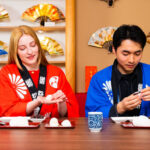
The heart of this Kyoto experience is not a staged performance but a lesson in the careful gestures behind preparing matcha. At a tea room near Kinkaku-ji, instructor Rie, a Kyoto native and second-degree Urasenke instructor, demonstrates the ceremony, explains its traditions, and gives you a chance to make tea yourself.
I like two things in particular: you taste organic Uji matcha, a local specialty, and the short class fits neatly around a visit to Kinkaku-ji. The optional kimono adds a visual touch without requiring you to wear one around Kyoto for the rest of the day.
One consideration: 45 minutes is a brief introduction, not a leisurely course. The teaching can feel formal, and some participants have found the explanations quiet or the pace brisk, so listen closely and arrive on time.
- A one-minute walk from the Kinkakuji-michi bus stop: The location makes it easy to pair the class with nearby Kinkaku-ji.
- A lesson led by Rie: She founded her tea ceremony business in 2015 and teaches in the Urasenke tradition.
- Matcha, making, and a sweet: You taste tea prepared by your host, then try preparing it yourself.
- Four ways to book: Choose a standard or private class, with or without the kimono option.
- A compact 45-minute format: Convenient for a busy Kyoto day, but too short for an in-depth study.
- A formal setting: Respectful attention helps you follow the steps and enjoy the ceremony.
- A tea lesson near Kinkaku-ji
- What happens during the 45-minute class
- The taste of Uji matcha
- Making your own tea
- Should you add the kimono?
- Private classes and choosing a package
- Is the price worth it?
- Planning your visit
- Who will enjoy this tea ceremony
- Should you book it?
- FAQ
- How long does the tea ceremony experience last?
- Where does the class meet?
- What is included in the experience?
- Is wearing a kimono required?
- What is the minimum age to participate?
- Can I cancel for a refund?
- The Best Of Kyoto!
- More Tours in Kyoto
- More Tour Reviews in Kyoto
A tea lesson near Kinkaku-ji
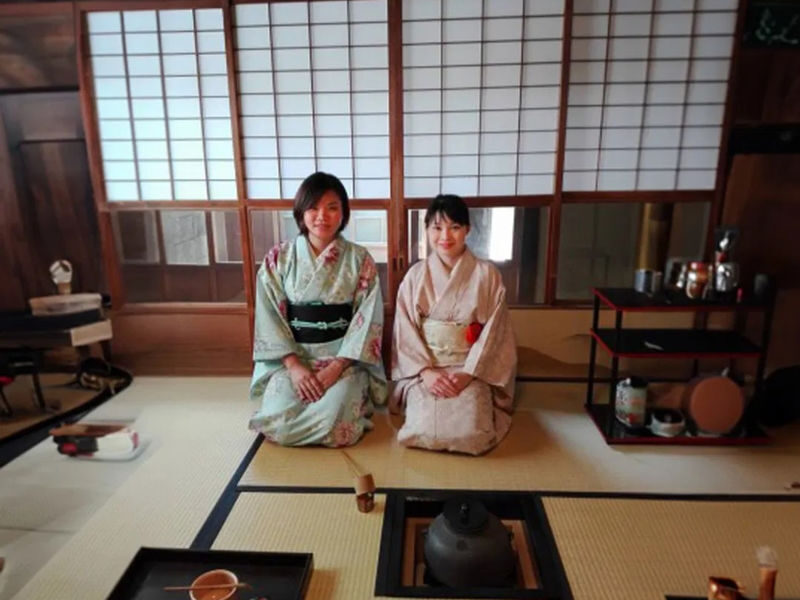
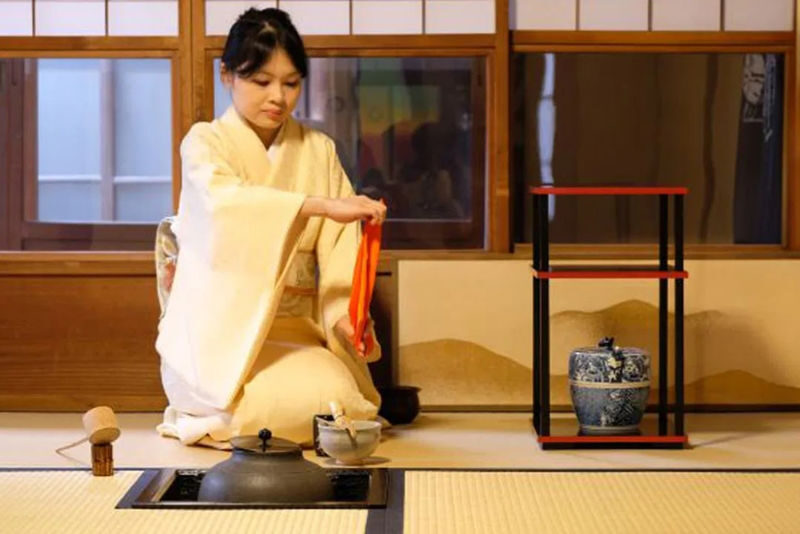
This experience takes place at 37 Kinugasanishi Goshonouchicho in Kyoto’s Kita Ward. The address is about a one-minute walk from the Kinkakuji-michi city bus stop, making the class a practical add-on to a visit to the Golden Pavilion, one of Kyoto’s most recognizable sights.
That location is a real advantage. You do not need to cross town for a separate cultural activity, and you can plan the ceremony around a temple visit. Just remember that transport is not included, so you will need to make your own way there.
The class is rooted in the Japanese way of tea, a tradition connected with Zen Buddhism. It gives you a focused look at the meanings carried by the preparation of matcha, rather than treating tea as just a drink to sample. The emphasis is on attention, etiquette, and the sequence of actions.
Rie is a Kyoto native and a second-degree instructor in the Urasenke School of tea ceremony. She began her own tea ceremony business in 2015 to share the practice with visitors. That background matters: you are learning from a trained instructor, not simply watching a quick demonstration built around a photo opportunity.
👉 See our pick of the We Rank Kyoto’s 15 Top Workshops & Classes
What happens during the 45-minute class
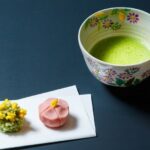
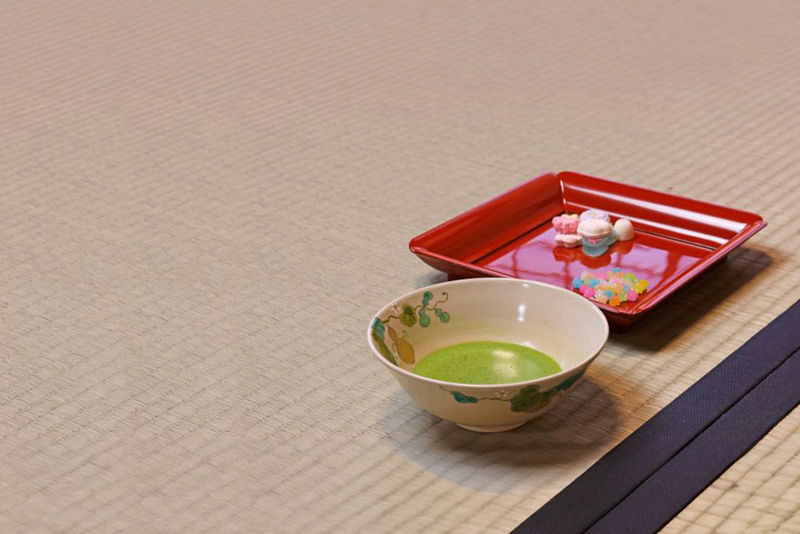
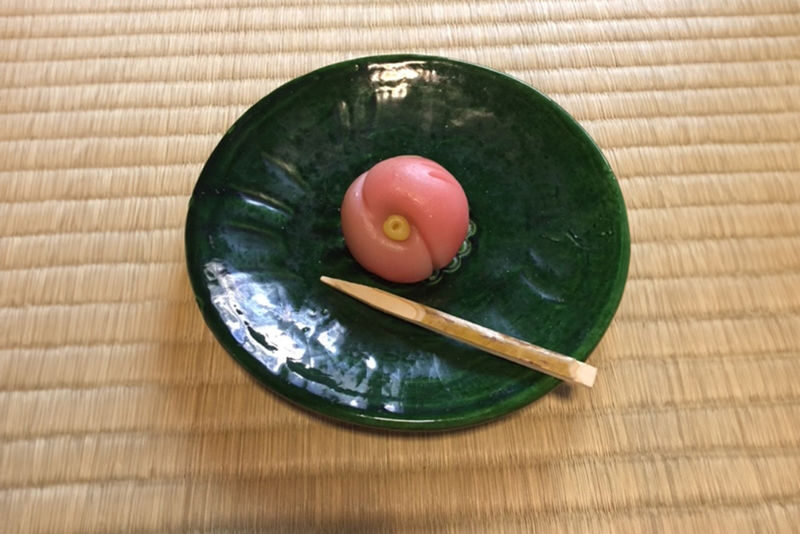
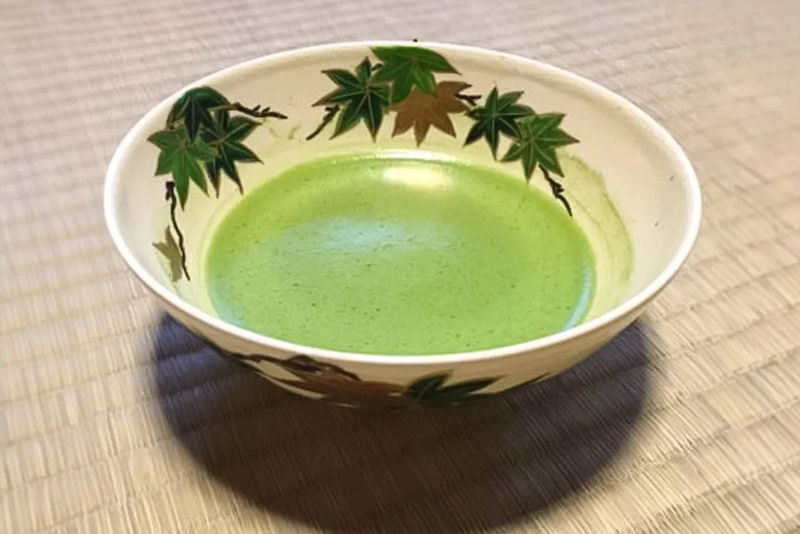
The experience combines demonstration, tasting, and hands-on practice. Rie prepares matcha for you first, giving you a chance to taste organic Uji tea before making your own. A traditional Japanese sweet is served with the tea.
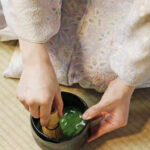
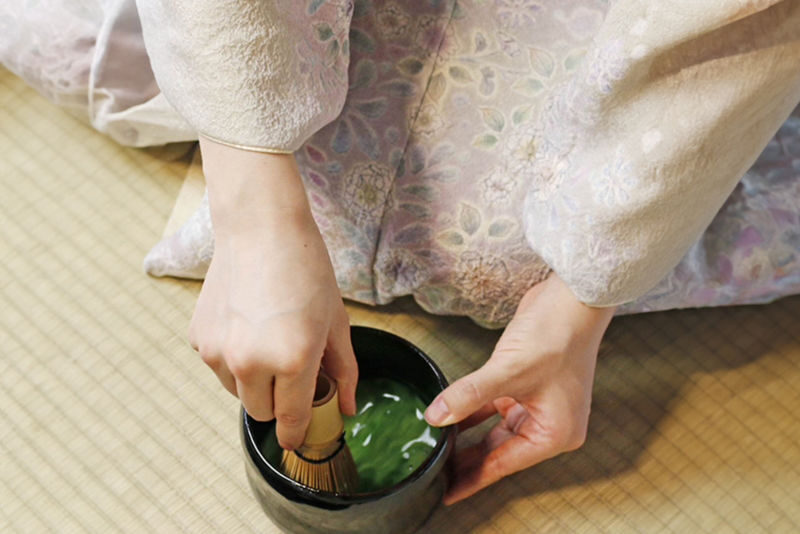
From there, the class turns to the process of preparing matcha. You learn by watching and then trying it yourself, with the instructor explaining the cultural background and the meaning of the ceremony’s careful movements. The exact sequence is part of the lesson, so be ready to observe as well as participate.
The short format is useful if you are fitting several sights into one day. It also means the session moves with purpose. If you want time for long questions or a slow, meditative study of each step, 45 minutes may feel tight. Think of it as a concise introduction, not a full course in tea ceremony.
Participants have had different impressions of the instructor’s manner. Many describe clear explanations and a calm, engaging lesson; others have found the teaching strict, quiet, or rushed. The formality is part of the subject, but it can feel less relaxed if you expect a casual demonstration. Watch closely, listen for instructions, and ask questions when there is a natural opening.
You can also read our reviews of more tours and experiences in Kyoto.


The taste of Uji matcha
Matcha has a distinct taste: concentrated, grassy, and often more bitter than the sweetened green tea familiar from cafes. Here, the matcha is organic and comes from Uji, an area near Kyoto known for its tea. You taste tea prepared by Rie and then take part in making your own.
The included Japanese sweet provides a contrast to the tea, though its flavors may be unfamiliar. Sweets served with tea are not always designed to resemble Western desserts, and the experience is more about the pairing and its place in the ceremony than a generous dessert course.
If you are unsure about matcha, this is a useful way to try it in context. You are not just handed a cup; you learn something about how it is prepared and why the process is treated with care. Still, the flavor is not for everyone, and the class is not a matcha tasting flight.
Making your own tea
The hands-on portion is a key reason to book. Watching an instructor perform the ceremony can be beautiful, but trying to prepare matcha yourself makes the details easier to understand. You follow Rie’s instructions and experience a small part of the practice rather than remaining an observer throughout.
Do not worry about arriving as an expert. This is an introductory class, and the point is to learn the basics. At the same time, the ceremony is not presented as a novelty act. It has a formal code, and the instructor takes its traditions seriously. Give the instructions your attention, and treat the practice with respect.
The pace can be brisk, so it helps to focus on the demonstration instead of trying to capture every moment on a phone. The teaching may be delivered softly, which can make it harder to follow if you are distracted or seated farther away. If you have trouble hearing, ask politely for clarification rather than guessing at a step.
Should you add the kimono?
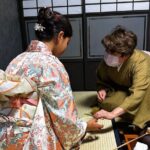
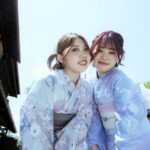
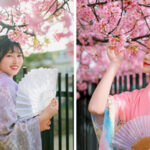
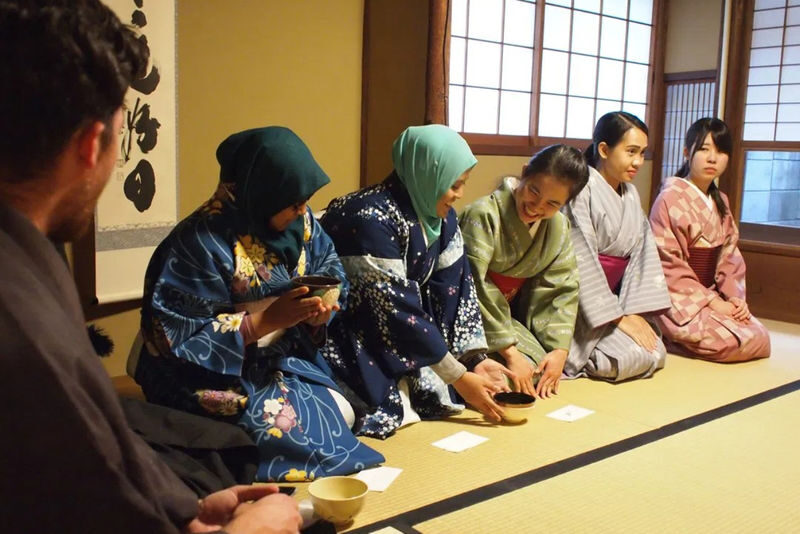
The kimono option makes the session feel more ceremonial and gives you a chance to wear traditional clothing without renting a kimono for a full day of sightseeing. The garment is worn for the class and returned before you leave. For many people, that is a sensible middle ground: you get the experience without having to manage the outfit on buses or around temples afterward.
The kimono is an add-on, not the main event. The central value remains the tea lesson, and the clothing will not turn a 45-minute class into a longer cultural program. If dressing up and taking photos are your main aims, check your expectations. The kimono is provided for the session, but the experience is focused on tea, and time for photographs may be limited.
Arrive with enough time to get settled, especially if you have chosen the kimono package. At the same time, do not arrive more than 30 minutes before the class, since an earlier session may still be in progress and entry is not permitted that far ahead.
Private classes and choosing a package
There are four options: a standard tea ceremony, a tea ceremony with kimono, a private tea ceremony, and a private tea ceremony with kimono. The standard experience is the simplest way to try the tradition. Choose the private format if you prefer a session reserved for your party or want a more personal setting.
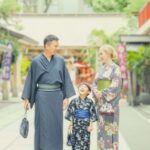
Children must be at least five to take part in the activity. Children aged five to twelve need a paying adult with them, and those aged thirteen or older pay the adult rate. Children aged zero to four can join private classes free, to preserve the private atmosphere. All infants and children must still be included in the passenger headcount.
If you or someone in your party cannot sit on a mat, stools have been provided in some sessions. This is a helpful detail, but it is not a formal accessibility guarantee, so contact the provider if you need to confirm arrangements.
Is the price worth it?
The starting price is $26.25 for the standard tea ceremony experience. For that, you get an English-speaking guide, a certified instructor, a demonstration and tasting, hands-on tea preparation, and a Japanese sweet. The value comes from learning the context and trying the process yourself, not from the length of the session.
For a short activity beside a major Kyoto sight, the price is reasonable if you are curious about Japanese tea culture. You are paying for instruction and a structured cultural experience, not transport, a meal, or an extended workshop. The kimono and private packages are separate choices, so compare the exact package and price before booking.
The class is a better fit for someone who wants a concise introduction than for someone hoping to master the ceremony or spend an hour in quiet contemplation. If you already have a full itinerary, the location and short duration make it easy to slot in. If you prefer a slower pace, consider whether a brief lesson will satisfy you.
Planning your visit
The meeting point is 37 Kinugasanishi Goshonouchicho, Kyoto, 603-8377. A detailed location and Google Maps link are provided on the voucher after booking confirmation. Use the address and map rather than relying only on the nearby temple name.
Bring your mobile voucher, and plan to arrive on time. Entry is not allowed more than 30 minutes before the class, and the voucher is valid only for the date and time specified. Confirmation is provided within 48 hours; if it does not arrive, contact customer support.
The activity lasts about 45 minutes. Transport and personal expenses are not included. You can receive a full refund if you cancel at least 72 hours before the activity date, based on local time. Changes and refunds outside that rule depend on availability.
Who will enjoy this tea ceremony
I would recommend this class to first-time visitors who want more than a quick temple photo, but who do not have time for a longer course. It also suits anyone curious about matcha, traditional etiquette, or the connection between tea and Zen practice. The private option can work well for families or small parties who would rather share the lesson among themselves.
The class may be less satisfying if you expect a loose, chatty activity or a long photo session in costume. Its value lies in the teaching and the chance to take part. Bring patience, follow the instructor’s lead, and accept that a formal tradition may feel different from an informal tasting.
Should you book it?
Book this experience if you want a short, hands-on introduction to Kyoto’s tea culture, especially if you are already visiting Kinkaku-ji. The chance to taste Uji matcha, prepare tea yourself, and learn from Urasenke instructor Rie gives the class substance beyond the setting.
Choose the kimono option if wearing one is part of the experience you want, but keep your expectations centered on the lesson. If you need a slow, spacious class with plenty of time for photos and questions, this 45-minute format may feel rushed. For most curious first-timers, though, it offers a practical and memorable window into the way of tea.
Traditional Japanese Tea Ceremony Experience in Kyoto
“Very nice introduction to the way of tea. Lovely host, small group. We enjoyed it. the location near Kinkaku-ji is also very convenient. You can co…”
FAQ
How long does the tea ceremony experience last?
The experience lasts approximately 45 minutes.
Where does the class meet?
It meets at 37 Kinugasanishi Goshonouchicho, Kita Ward, Kyoto, 603-8377. The location is about a one-minute walk from the Kinkakuji-michi city bus stop.
What is included in the experience?
The class includes an English-speaking guide, a certified professional instructor, a tea ceremony and tasting, and a chance to prepare tea yourself. A traditional Japanese sweet is also served.
Is wearing a kimono required?
No. You can choose a standard tea ceremony package or select one of the kimono options. The kimono is worn during the session and returned before you leave.
What is the minimum age to participate?
Participants must be at least five years old. Children aged five to twelve must attend with a paying adult. Children aged thirteen and older pay the adult rate.
Can I cancel for a refund?
A full refund is available if you cancel at least 72 hours before the activity date, using destination local time. Rescheduling, amendments, and other refunds depend on availability.