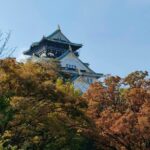
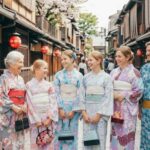
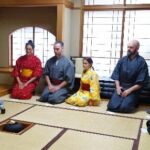
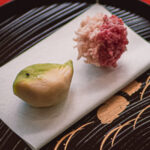
Near Osaka Castle, this is a chance to do more than slip into a kimono for a photo. You’ll join a formal tea ceremony lesson with a professional instructor, learn how matcha is prepared and received, and hear about the customs behind the movements.
I like two things in particular: the class aims to teach correct tea-room manners, not just stage a pretty scene, and the one-hour format gives you a cultural lesson without taking over your day. A past instructor named Sato was praised for patient explanations, though your teacher may differ.
The catch is that the advertised price is not the full cost: tea-room use adds at least ¥1,000 per person in cash, and kimono rental is a separate option from ¥4,000. The venue can also change, so check your email before setting out.
- What to know before you book
- A ceremony with a lesson behind it
- Kimono details to settle in advance
- What the one-hour session involves
- Finding the classroom near Osaka Castle
- Is the price fair for an hour?
- The strengths and the possible friction
- Should you book this tea ceremony?
- FAQ
- How long is the tea ceremony experience?
- What is included in the starting price?
- Is kimono rental included?
- What should I bring?
- Where is the Osaka Castle-area classroom?
- How early should I arrive?
- Can children take part?
- The Best Of Osaka!
- More Tours in Osaka
- More Tour Reviews in Osaka
What to know before you book
 1 / 8
 2 / 8
 3 / 8
 4 / 8
 5 / 8
 6 / 8
 7 / 8
 8 / 8
- This is a lesson, not a dress-up stop: Expect instruction in ceremony customs and matcha, with a more formal tone than a casual cultural demonstration.
- The base price starts at $49.95: Add at least ¥1,000 in cash for tea-room use. Rates vary by time of day.
- Kimono rental costs extra: The take-home kimono plan starts at ¥4,000 per person and needs advance details about each participant.
- Your room may change: The Osaka Castle-area classroom can be unavailable. Other rooms include Hommachi and Shitennoji, with other branches also listed.
- Plan for a precise start: Choose from set sessions, arrive at least five minutes early, and don’t bring large bags. Late arrivals cannot join or receive a refund.
- Bring socks: Shoes are not the only clothing detail to plan for. Socks are specifically required for the tea room.
👉 See our pick of the The Top 15 Workshops & Classes In Osaka
A ceremony with a lesson behind it
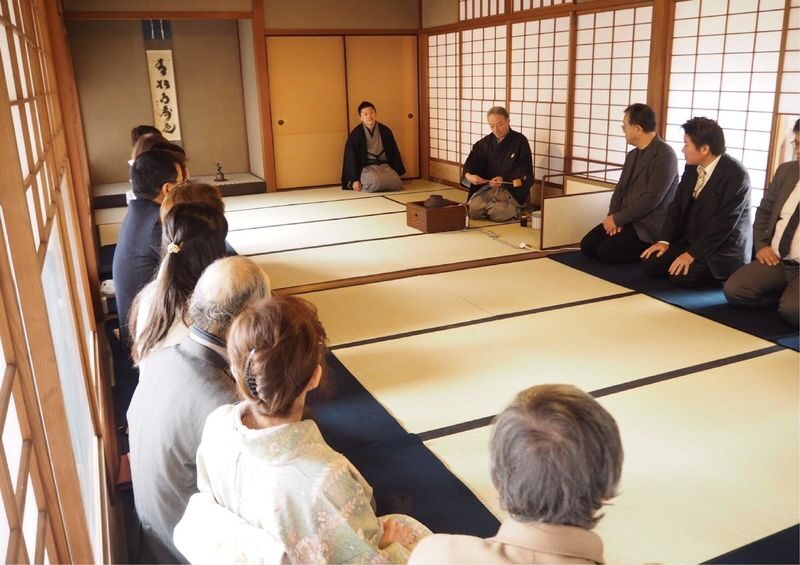
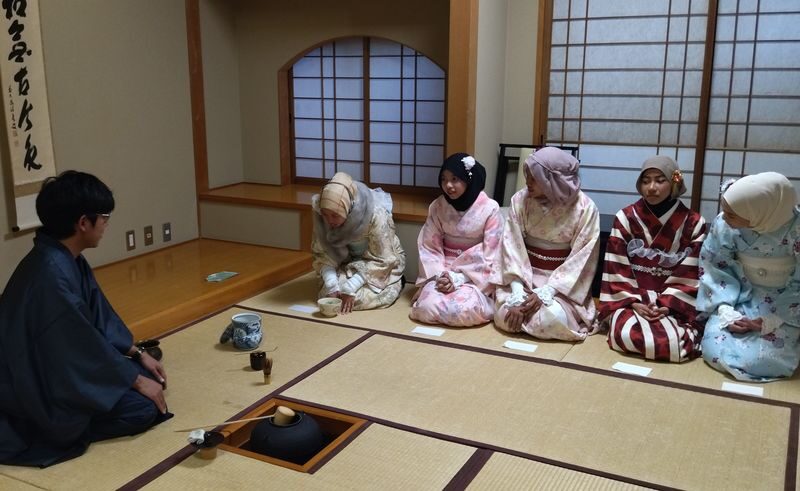
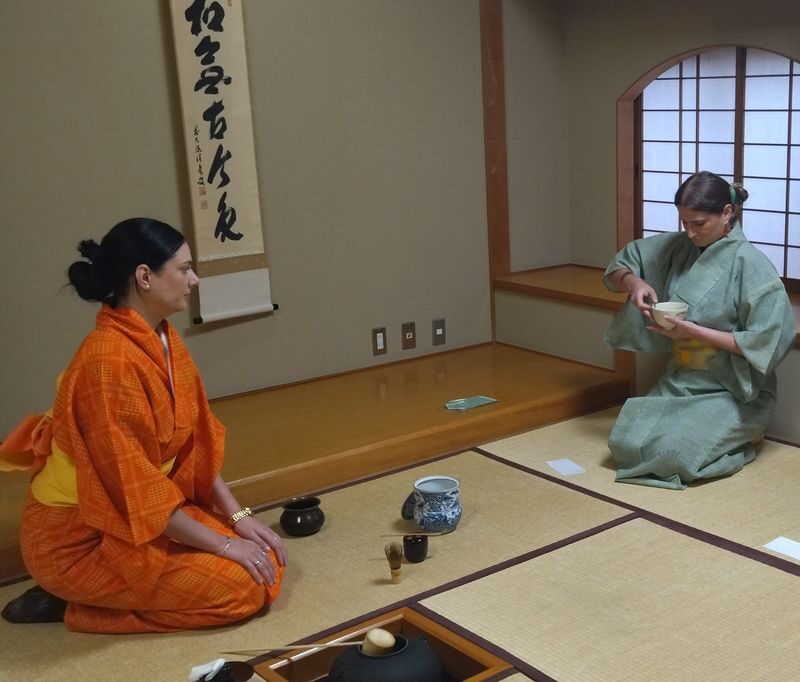
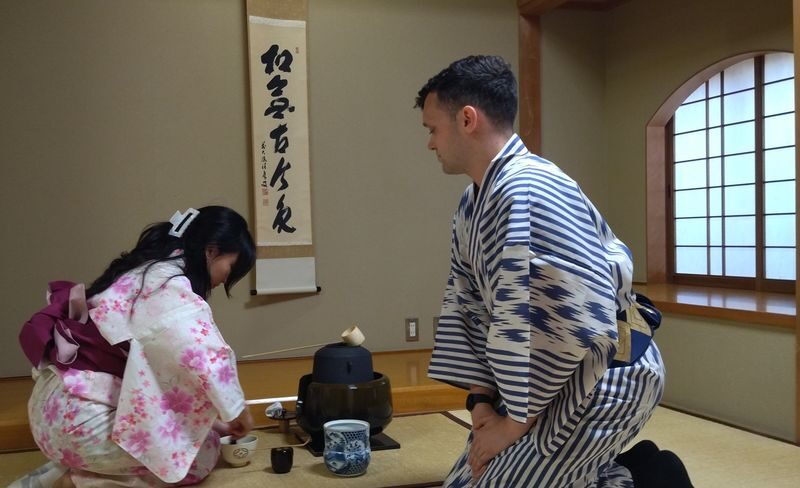
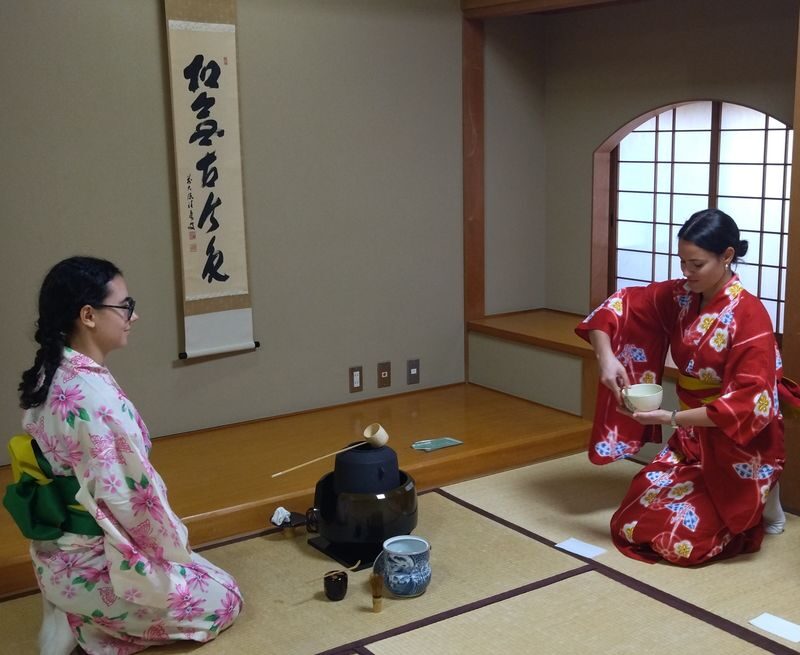
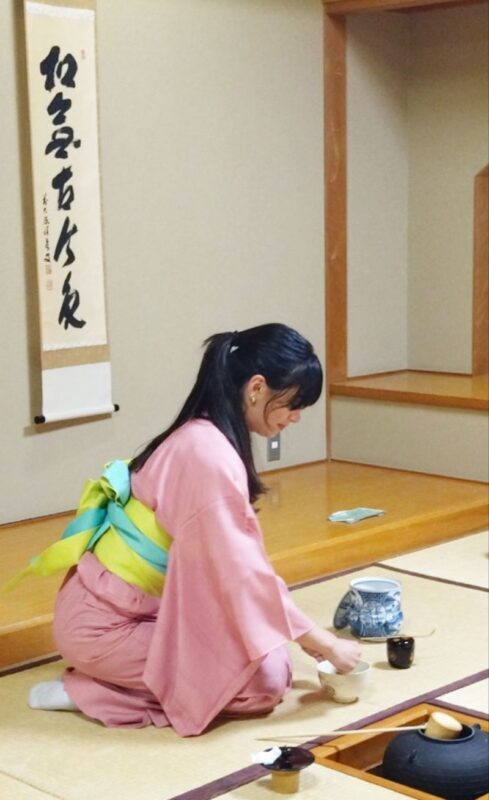
A Japanese tea ceremony is about more than drinking a bowl of matcha. The order of actions, the way you handle the bowl, and the care given to each step all matter. In this class, you’re invited to learn those details from a professional who teaches tea ceremony regularly.
That professional focus is what sets the experience apart from a short cultural showcase. The organizer describes the school as a formal, authentic culture program with six branches in Osaka and Kyoto, and says its instructors have taught at schools, companies, hotels, and community events. That breadth suggests a practiced teaching operation, though it doesn’t guarantee that every session will feel intimate or run at the same pace.
The class is intended for people who want to understand the etiquette, not only wear traditional clothes. Past participants describe learning about the ceremony’s history, its discipline and concentration, and the proper way to prepare and drink matcha. One account describes the teacher explaining the ceremony’s roots and its place in Japanese culture; another recalls making matcha and learning how to drink it.
There is a practical distinction between a cultural lesson and a photo opportunity. You may take pictures only within the venue’s rules, and unauthorized photography is prohibited. The experience is best approached as a class: listen, follow the instructor’s directions, and let the clothing and setting support the lesson rather than dominate it.
You can also read our reviews of more tours and experiences in Osaka.


Kimono details to settle in advance
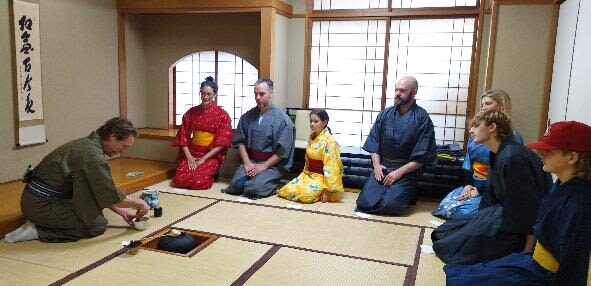
The activity is promoted as a kimono-wearing tea ceremony, but the price details separate kimono dressing from the base fee. The optional take-home plan starts at ¥4,000 per person, with advance reservation required. Confirm exactly what your booking includes before you pay, especially if wearing a kimono is central to your plans.
If you request the kimono option, provide each participant’s gender, height, size, and preferred color if you have one. The organizer says it cannot accommodate a request without the required sizing information; if you leave out a color preference, the host will choose. The supplied details do not spell out every dressing arrangement, so check what the add-on covers when booking.
Bring socks, even if you arrive in comfortable shoes. The tea room has its own use fee, and the organizer asks for payment in cash at the venue. The morning, daytime, and evening rates differ, so budget at least ¥1,000 per person, and carry enough cash to cover a higher rate. A past attendee was caught off guard by this charge, which is an avoidable hassle if you plan for it.
The class may be a good fit for teenagers as well as adults. One past session adapted its style for teens, while other accounts describe patient instruction. Still, this is not presented as a noisy, hands-on party activity. Children must be at least two to participate; children aged zero to two are free only if they do not occupy a separate seat.
What the one-hour session involves
The stated activity lasts one hour. You meet at the selected classroom, take part in the kimono and tea ceremony experience, then leave from the venue. The schedule is not a guided sightseeing route, and there is no tour guide included. English-speaking staff and a certified professional instructor are included.
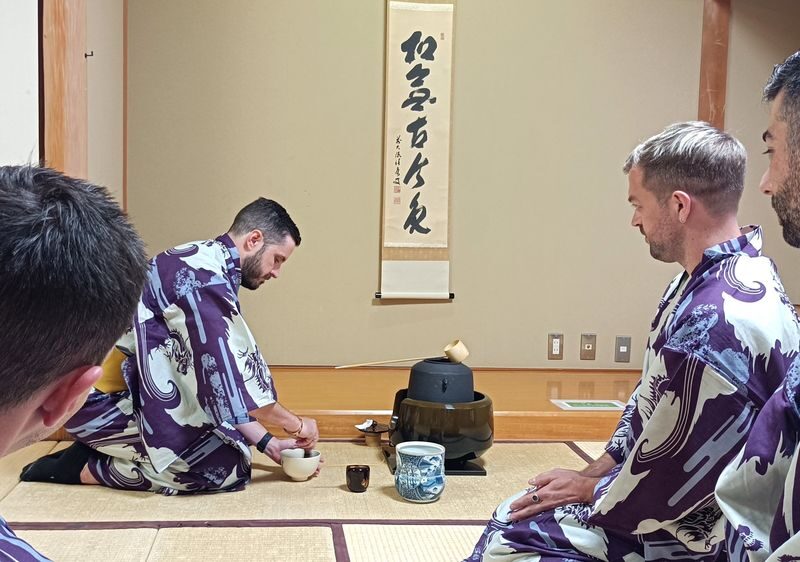
The exact sequence may depend on the teacher and group, but the core is a guided introduction to ceremony etiquette and matcha. Expect to pay attention to movements and manners, not just watch someone else prepare tea. Accounts of the class describe an instructor explaining the history and purpose of the ceremony, showing how to make matcha, and teaching how to receive and drink it appropriately.
That concentrated format makes the hour useful for visitors with a packed Osaka schedule. It also means there is limited room for a slow, private lesson if the class is busy. The school cites substantial demand, including large group bookings and high hourly reservation counts in recent years. Those figures point to an experienced operation, but also make it sensible to ask about group size if a small-room atmosphere is important to you. Group sizes are not specified in the booking details.
The experience can feel calm and absorbing when the teacher is patient and the room is not crowded. Several people appreciated the clear explanations and the chance to understand the ceremony’s discipline and cultural meaning. On the other hand, one participant found a large group stressful, and a few accounts describe tense or rushed interactions. The organizer’s claims about credentials and demand are encouraging, but your experience will still depend on the day’s class size, communication, and teaching style.
Finding the classroom near Osaka Castle
The Osaka Castle-area classroom is listed at 2-1-21 Shigino-nishi, Joto-ku, Osaka. It is about a ten-minute walk from the south exit of Kyobashi Station on the JR Osaka Loop or Tozai line, about ten minutes from the ticket gate at Osakajokoen Station, and about ten minutes from Exit 4 at Osaka Business Park Station on the Osaka Metro Nagahori Tsurumi-ryokuchi line.
Do not assume that the class will always be held at that address. Facility circumstances can lead to a change, and the organizer may direct you to another classroom or ask you to adjust your date or time. Listed alternatives include Hommachi, Shitennoji, Osaka Minami, and Hirakata. The Hommachi room is within walking distance of Hommachi Subway Station, at 4-2-2 Kitakyuhojimachi, Chuo-ku, in the Kyuho Building.
Some October 2026 dates are specifically marked for possible venue changes: October 2, 3, 5, 10, 11, 12, 13, 14, 16, 17, 19, 20, 23, 26, 27, and 28. The organizer says further changes may be announced. Check your registered email close to the activity date, and verify the address before you leave. Past participants have had trouble finding the building, and one person arrived at the wrong place after a venue change was not clear to them.
There is no luggage storage at the venue and no room for large bags. Leave suitcases and bulky items at your accommodation or in your vehicle. Arrive at least five minutes before the time you selected. Because the start is fixed and late arrivals cannot take part or receive a refund, build in a little extra time for finding the room.
Is the price fair for an hour?
The listed starting price is $49.95, but the separate tea-room charge means you should not compare that figure with an all-inclusive activity. Add at least ¥1,000 in cash per person, and add ¥4,000 or more if you choose the kimono take-home option. The fee varies by time of day, so the final cost depends on your session and clothing choice.
For that combined cost, you’re paying for instruction by a professional tea master, English-speaking support, access to a tea room, and a structured cultural lesson. If you’re keen to learn the rules and meaning behind the ceremony, that can be worthwhile. If you mainly want a quick kimono photo, you may find the formal lesson and extra fees less appealing.
The school presents a long record of work with international groups, companies, schools, hotels, and public cultural events. It reports more than 1,000 five-star ratings on other activity platforms and several awards, alongside large group bookings. Those credentials help explain why the class can be hard to reserve, but they are not a promise of a private session. The available details do not state a standard group size, so ask in advance if space and personal attention are priorities.
The strengths and the possible friction
The strongest part is the potential depth of the teaching. Many participants found the instructor careful, warm, and patient, and valued learning about the ceremony’s history as well as its gestures. Some described the experience as peaceful, with the focused rituals offering a welcome contrast to a busy day in Osaka.
The main risks are practical and interpersonal. There have been reports of a crowded room, hurried teaching, tense conversations, and confusion over the extra cash payment or a changed venue. Those are not reasons to assume the class will go badly, but they are good reasons to arrive prepared, read the venue messages, and keep expectations realistic. This is a popular, working cultural school, not a guaranteed private ceremony in a secluded house.
Photography also deserves a quick check. The rules prohibit unauthorized photos, and a past participant said the instructor took pictures but did not allow personal phone photography. Ask about the policy at the start if photos matter to you, and don’t assume that using your phone in the room is permitted.
The class is suitable for visitors who value hands-on cultural instruction, enjoy learning etiquette, and are willing to follow a formal structure. It is less suited to anyone who wants a fully relaxed drop-in activity, needs luggage storage, or would be upset by a possible venue adjustment. The organizer also prohibits outside food and drink and pets, and asks participants to avoid loud behavior that could disturb local residents.
Should you book this tea ceremony?
Book it if you want a real introduction to tea-room etiquette, matcha, and the customs around a Japanese tea ceremony, and if you’re comfortable with a formal lesson. The professional instruction and one-hour length make it a useful cultural stop near Osaka Castle, provided you treat the separate fees and venue details as part of the plan.
Before confirming, check whether kimono dressing is included or needs the ¥4,000 add-on, bring cash for the tea-room fee, and save the classroom address from your latest email. If you want a quiet, small-group setting or a no-surprises price, ask the organizer about class size and the exact total first. That little bit of preparation can help keep the ceremony focused on the tea, not the logistics.
Experience an authentic tea ceremony in kimono (near Osaka Castle)
“Excellent experience. Very instructive and gives us a better understanding of Japanese culture, focusing on discipline and concentration in process…”
FAQ
How long is the tea ceremony experience?
The activity lasts one hour. It includes the kimono and tea ceremony experience at the classroom.
What is included in the starting price?
The price starts at $49.95 and includes English-speaking staff and a certified professional instructor. Tea-room use costs at least ¥1,000 per person, paid separately in cash.
Is kimono rental included?
The details list kimono dressing as an optional advance-booked add-on, from ¥4,000 per person. Confirm what your selected package includes before booking.
What should I bring?
Bring socks and cash for the tea-room use fee. The venue has no luggage storage and cannot accommodate large bags.
Where is the Osaka Castle-area classroom?
It is listed at 2-1-21 Shigino-nishi, Joto-ku, Osaka. The classroom can change, so check your email for the confirmed location before travelling.
How early should I arrive?
Arrive at least five minutes before your selected start time. Late arrivals cannot join the activity and will not receive a refund.
Can children take part?
Participants must be at least two years old. Children aged zero to two are free if they do not occupy a separate seat.