A day of deer, temples, matcha, and red torii gates packs several of Kansai’s best-known sights into one coach trip. From Nara’s Great Buddha to Uji’s tea shops and Fushimi Inari’s long tunnel of gates, the route gives you a broad taste of the region without asking you to work out every train connection.
I like two things in particular: the bus links places that take planning to combine by public transport, and the free-time stops let you choose how to spend your visit. Guides such as CC, Amanda, Sarah, and Stephen have been praised for clear explanations and practical help, though the guide you get depends on your date and language option.
The trade-off is the clock. Nara, Uji, and Fushimi Inari each deserve more time than a short stop allows, and crowds, weather, or traffic can squeeze the schedule further. Treat this as an efficient sampler, not a slow, in-depth tour.
At a glance
- Three sightseeing areas, four place names: Travel from your Osaka or Kyoto pickup to Nara, Uji, and Fushimi Inari in Kyoto.
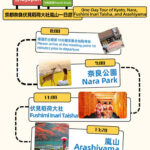
- Nara in 75 minutes: Allow about 45 minutes for Nara Park and 30 minutes for Todai-ji, including the Great Buddha Hall.
- Uji’s tea culture: Spend about 90 minutes around Byodo-in, the Uji River, and the matcha food street.
- A short torii-gate walk: You have about 80 minutes at Fushimi Inari, enough to see the famous gates without hiking the entire route.
- Low starting price, some extra costs: Rates start at $44.85, but temple admission, food, and drinks are not included.
- A big Kansai day, with the bus doing the connecting
- Nara Park: deer first, then the Great Buddha
- Uji: Byodo-in, river views, and matcha snacks
- Fushimi Inari: the famous gates, on a short visit
- What the price includes, and what it does not
- How to make the day work better
- Who should book this tour?
- FAQ
- How long is the tour?
- Where does the tour depart from?
- Which stops are included?
- Are temple admission fees included?
- Are meals and drinks included?
- What language does the guide speak?
- Is the tour accessible by wheelchair or stroller?
- How much luggage can I bring?
- The Best Of Nara!
- More Historical Tours in Nara
- More Tours in Nara
- More Tour Reviews in Nara
A big Kansai day, with the bus doing the connecting
The route covers Nara, Uji, and Fushimi Inari, with departure options from Osaka or Kyoto. A guide and round-trip transport from the meeting point are included, as are fuel, tolls, and parking fees. That makes the main value practical: you can visit several sites in a day without stitching together rail trips and local transfers yourself.
The day is listed as about 9.5 hours, with departure options at 08:00 or 09:00. Return times vary by starting point: the estimated drop-off window is 17:30 to 18:30 at Kyoto Station and 18:30 to 19:30 at Osaka Namba Station. Traffic and weather can change the schedule, so avoid planning a tight evening connection.
This is a guided day with self-guided sightseeing, not a private tour with a guide beside you at every monument. The guide can share background, explain the plan, and help you orient yourself, but each stop is designated for independent exploring. That balance suits people who want support on the road and freedom at the sites.
Guide quality matters on a fast-moving day. Names that have been praised include CC, Amanda, Sarah, Stephen, and Oscar, with comments highlighting clear history, helpful directions, and care for the group. Names are not guaranteed, of course. Some past outings have also run late or felt rushed, so flexibility and a willingness to keep an eye on the meeting time are useful.

👉 See our pick of the 9 Of The Best Workshops & Classes In Nara
Nara Park: deer first, then the Great Buddha
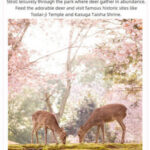
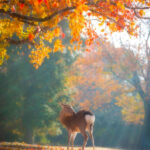
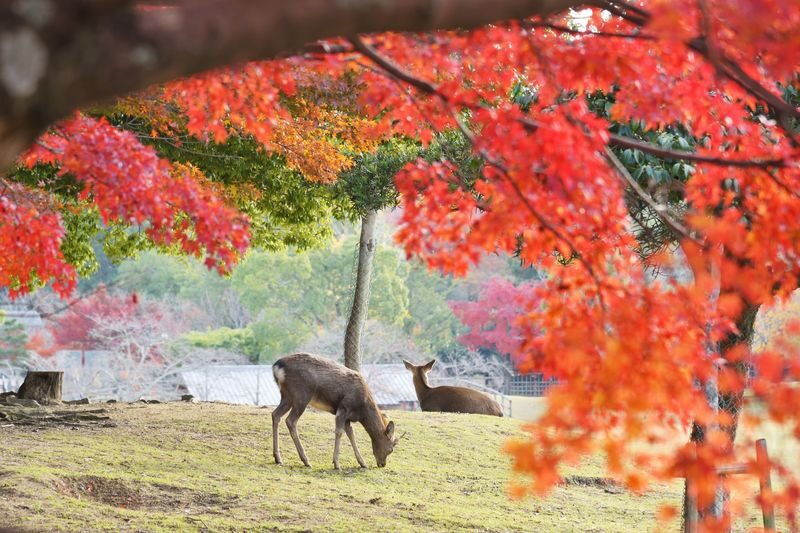
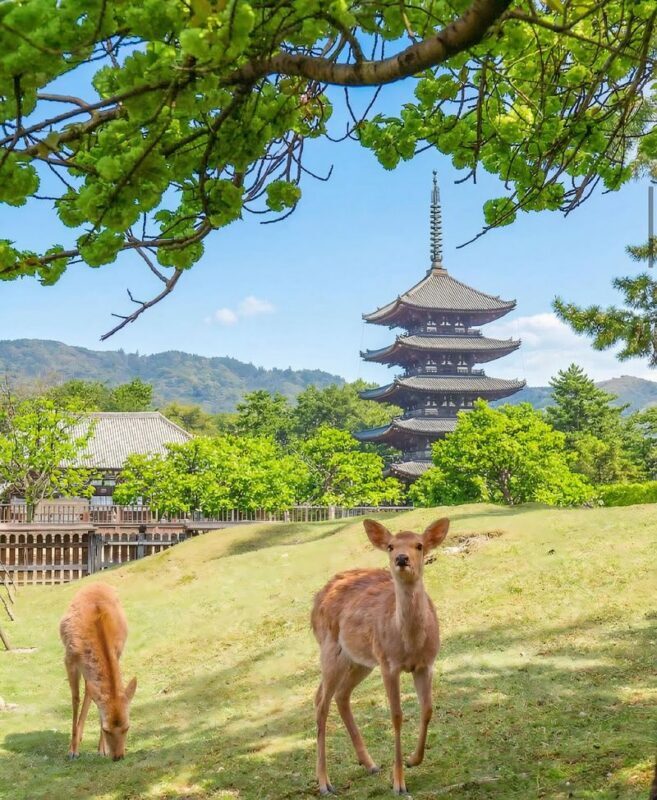
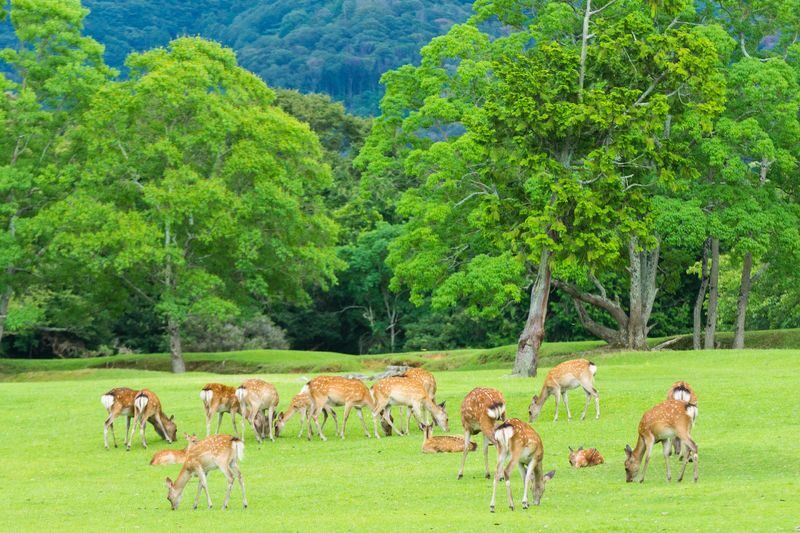
Nara Park gives you around 45 minutes to see its famous deer and wander the grounds. The deer roam freely, and you can buy deer crackers nearby to feed them. The animals may bow, but they are still wild: keep food tucked away until you are ready to offer it, and take care around a crowd of eager noses.
The short stop is enough for a first encounter and a few photos, but it does not leave much room to linger. The park is large, and you will need to choose between more time with the deer, a quick look around, or making your way toward Todai-ji. Wear shoes you are happy to walk in, since the tour involves getting between parking and attractions on foot.
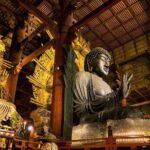
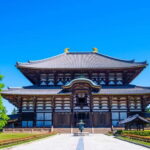
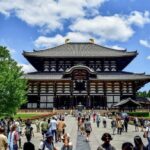
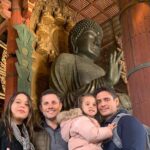
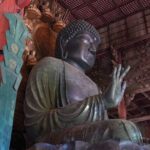
Todai-ji follows, with about 30 minutes set aside. Its Great Buddha Hall is described as Japan’s largest existing wooden structure, and inside sits the monumental bronze Vairocana Buddha. The temple’s scale is striking even before you reach the statue; the building and the image together make this one of the day’s most memorable stops.
Admission to Todai-ji is extra, so have money ready if you want to enter. Thirty minutes is a brisk visit, especially if there is a queue to buy tickets or the grounds are busy. You may need to focus on the Great Buddha Hall rather than exploring the wider temple precinct. A past visitor suggested choosing between a quick temple visit and a slower Nara Park stop, which is sensible advice if you prefer not to rush.
You can also read our reviews of more historical tours in Nara
Uji: Byodo-in, river views, and matcha snacks
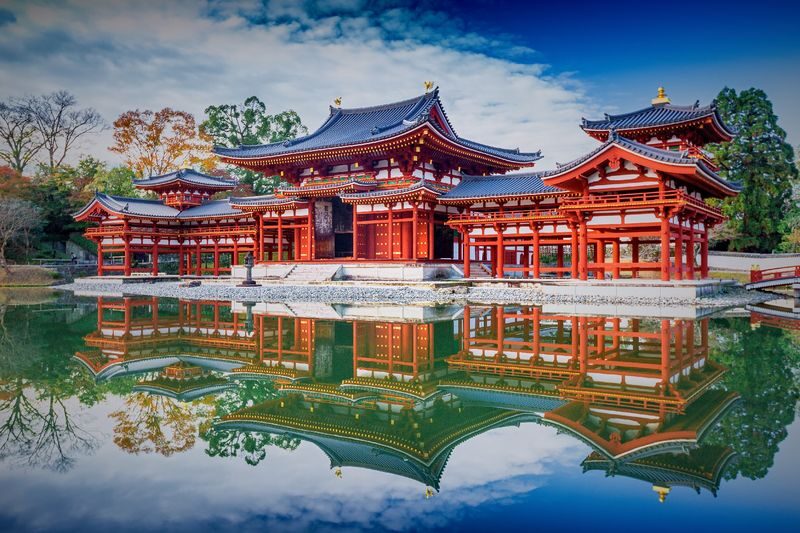
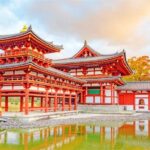
Uji gets about 90 minutes, a welcome pause after Nara. The plan includes Byodo-in Temple, the Uji River, and the local matcha food street. Uji is closely associated with Japanese green tea, so this is the right place to try matcha sweets rather than simply passing through another temple town.
Byodo-in is a UNESCO World Heritage site, known for its historic temple setting. Admission is not included, and the clock may force a choice between spending time inside and leaving room for a riverside stroll or food. If the temple is high on your list, head there first and save the snack browsing for whatever time remains.
The matcha street makes a practical lunch or afternoon-tea stop. Meals and drinks are not part of the tour price, so budget separately for noodles, sweets, or a matcha drink. Guides have been known to suggest local places to eat, but you should still keep an eye on the return time and the agreed meeting point.
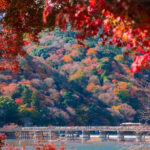
The Uji River and nearby parks offer a change of pace from indoor temple halls and busy shrine paths. You might also want to see Uji Shrine, which appears among the places associated with the trip, but the 90-minute allocation does not promise time for every nearby sight. Pick your priorities rather than trying to tick off everything.
Fushimi Inari: the famous gates, on a short visit
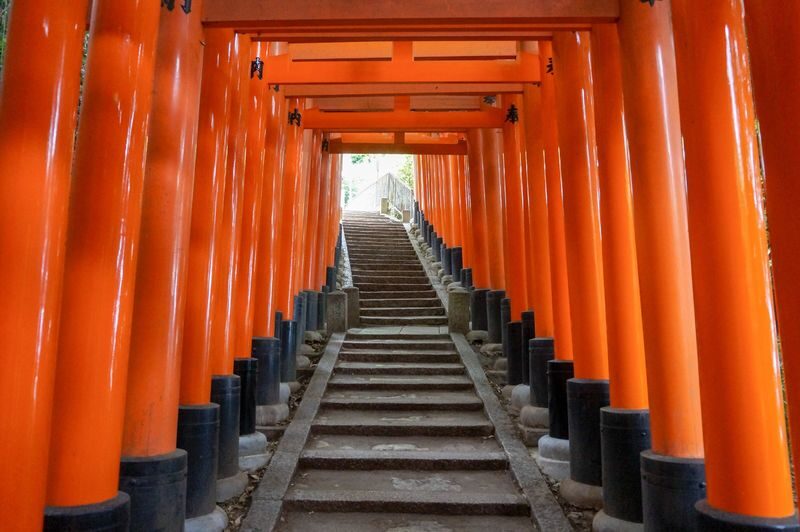
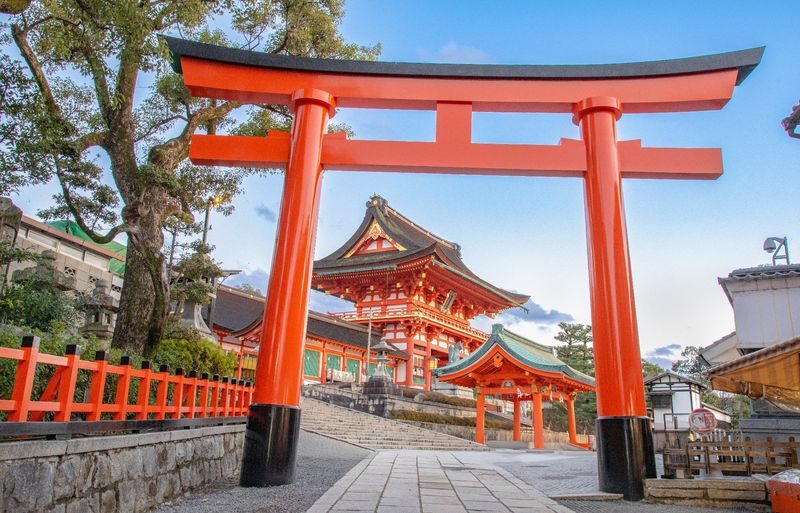
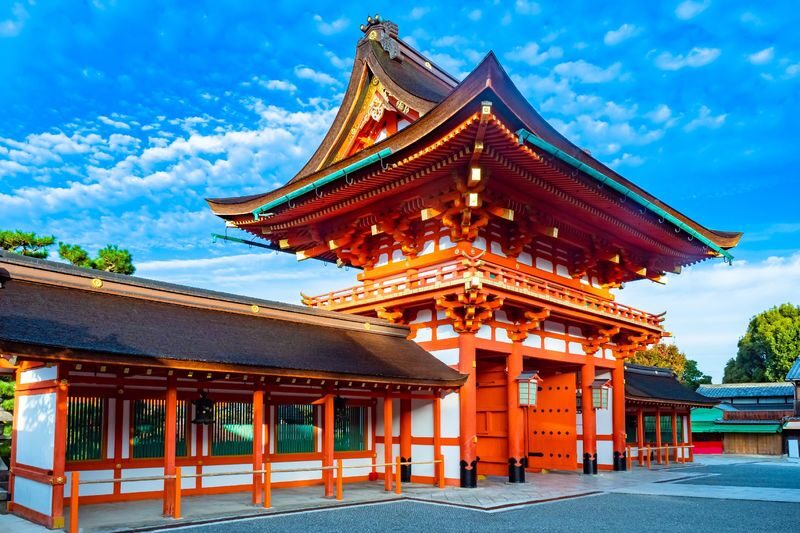
The final stop is Fushimi Inari Taisha, with about 80 minutes to explore. The shrine is famous for its rows of vermilion torii gates, often called Senbon Torii. There are more than ten thousand gates across the wider grounds, creating the striking corridor most people come to photograph.
You do not need to walk the full mountain route to see the iconic gates. With this time allowance, many people will want to head to the torii paths first, take photos, and then look around the shrine or nearby shops if time permits. The site can be crowded, and a slow photo queue can eat into your visit.
Fushimi Inari is a working shrine, not just a scenic backdrop. A guide may offer some context on shrine customs, but the depth of explanation can vary. If you want a closer look at the practices, take time to observe respectfully and read the signs where available. The tour description also frames the shrine as a place to pray for good fortune and career success.
The stop’s position at the end can be a mixed blessing. You will have already spent much of the day on your feet, but the visit gives you a dramatic finish. Shops and food stalls nearby may be closing toward the end of the afternoon, so prioritize the shrine paths over browsing if you arrive late.
What the price includes, and what it does not
At a starting price of $44.85, the trip can be good value if you want transport and several major sights in one day. You are paying for the route, guide, and transfers, not for a fully escorted tour with every entrance and meal covered. Add Todai-ji and Byodo-in admission, plus lunch and snacks, when comparing the total cost with arranging the day independently.
The coach is also a useful place to rest between stops. One family described using the ride to nap and save energy, while other accounts note that walking from parking areas can add effort, especially in hot or humid weather. The vehicle’s access to all sites is helpful, but it does not eliminate walking once you arrive.
The tour offers English- and Chinese-speaking guide options, and a separate Osaka hotel-transfer package is also available. The standard meeting-point option asks you to arrive 15 minutes early. Guide details are sent by email around 18:00 the day before, so check your spam folder if you do not see them.
Children and infants must be included in the passenger count, and child seats are not available. The activity is not stroller- or wheelchair-accessible and is not recommended for people with limited mobility, pregnancy, or certain medical conditions. The listed luggage allowance is two standard-size pieces.
How to make the day work better
Eat breakfast before departure. The schedule starts early, and you may not reach Uji, where there is more time for food, until later in the morning or around midday. Carry water, particularly in warm weather, and keep a little time in reserve for walking from the bus to each attraction.
Decide in advance what matters most at each stop. In Nara, choose between a longer deer encounter and a quicker temple visit. In Uji, prioritize Byodo-in or the food street if you find the 90 minutes tight. At Fushimi Inari, go to the gates first, then browse if time allows.
Keep your phone charged and note the guide’s meeting instructions. A few past outings have lost time when people became separated or could not find the bus. The guide can help with directions, but at free-time stops you are responsible for returning on time.
Who should book this tour?
Book it if you have one day to spare, want to see Nara, Uji, and Fushimi Inari, and value having transport arranged. It is especially useful if you are moving between Osaka and Kyoto, since some package options allow hotel pickup or a drop-off at Kyoto Station after a day trip. Confirm the exact option when booking.
Skip it if you want hours at each temple, a full Fushimi Inari hike, or a detailed guided walk through every site. The pace is built around coverage, not lingering. If that sounds like a fair trade, this is a practical way to see several essential Kansai sights without spending the day changing trains.
One-Day Tour of Three Ancient Capitals in Kansai, Japan: World Heritage Sites Todai-ji Temple & Byodo-in Temple & Fushimi Inari Shrine’s Thousand Torii Gates & Adorable Deer in Nara Park & Uji Matcha Gourmet Street (Departing from Osaka/Kyoto)
“The tour guide gave an enthusiastic explanation, we had a great time today, and I give it a five-star review.”
FAQ
How long is the tour?
The activity is listed as approximately 9.5 hours. Departure options are shown at 08:00 and 09:00, with return times depending on whether you finish in Kyoto or Osaka.
Where does the tour depart from?
You can choose a departure from Osaka or Kyoto. An Osaka hotel-transfer package is also offered.
Which stops are included?
The route includes Nara Park and Todai-ji, Uji and Byodo-in, then Fushimi Inari Taisha and the Senbon Torii gates.
Are temple admission fees included?
No. Admission to Todai-ji and Byodo-in is not included in the tour price.
Are meals and drinks included?
No. Meals and beverages are extra, as are personal expenses.
What language does the guide speak?
Package options include an English-speaking guide or a Chinese-speaking guide.
Is the tour accessible by wheelchair or stroller?
No. The activity is listed as not wheelchair- or stroller-accessible and is not recommended for people with impaired physical mobility.
How much luggage can I bring?
The stated allowance is two pieces of standard-sized luggage.