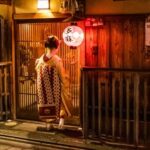
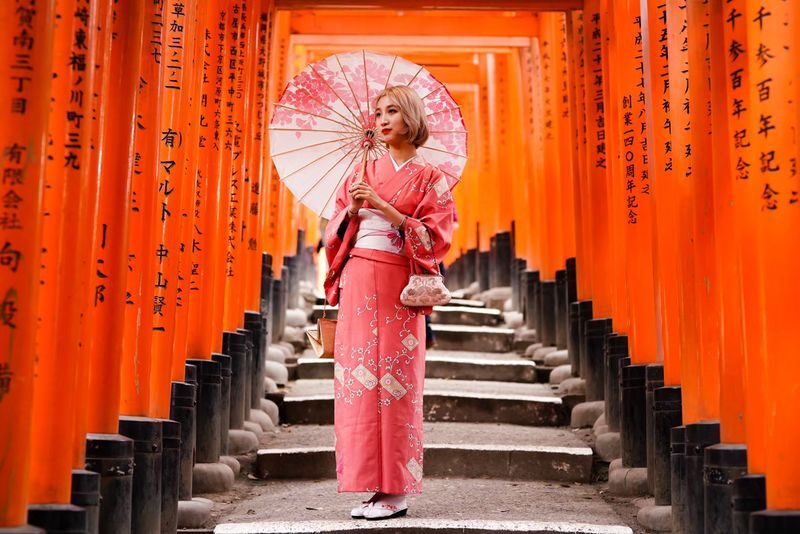
At Rental Kimono First, your shrine visit can begin with a choice of more than 500 kimono styles, help getting dressed, and a short walk to Fushimi Inari’s famous red torii gates. I like the combination of an easy-to-reach shop and a memorable setting where you can wear your outfit right away.
I also like that June through September, you can choose a yukata or a same-price kimono after arriving, and that the shop offers styles for men and children as well as women. One point to weigh: the lowest-priced plan has a limited selection, and popular upgrades can add to the bill.
- At a glance
- Why wear a kimono at Fushimi Inari?
- Choosing your kimono and understanding the price
- What happens at the shop
- From the dressing room to the torii gates
- Hair, makeup and photo extras
- Timing, returns and a few useful cautions
- Who will get the most from this rental?
- Should you book it?
- FAQ
- How far is the shop from Fushimi Inari Shrine?
- How do I get to Rental Kimono First?
- Can I choose a yukata instead of a kimono?
- Are hair styling and makeup included?
- What time must I return the kimono?
- Are children’s kimonos available?
- Can I cancel or change my booking?
- The Best Of Kyoto!
- More Tours in Kyoto
- More Tour Reviews in Kyoto
At a glance
 1 / 9
 2 / 9
 3 / 9
 4 / 9
 5 / 9
 6 / 9
 7 / 9
 8 / 9
 9 / 9
- A two-minute walk from JR Inari Station: The shop is close to both the station and Fushimi Inari Shrine, so you spend little time getting from the fitting room to the torii gates.
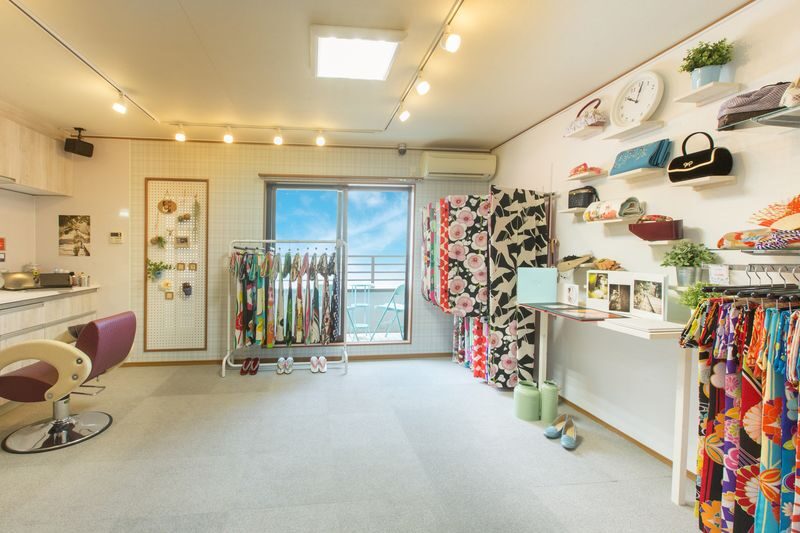
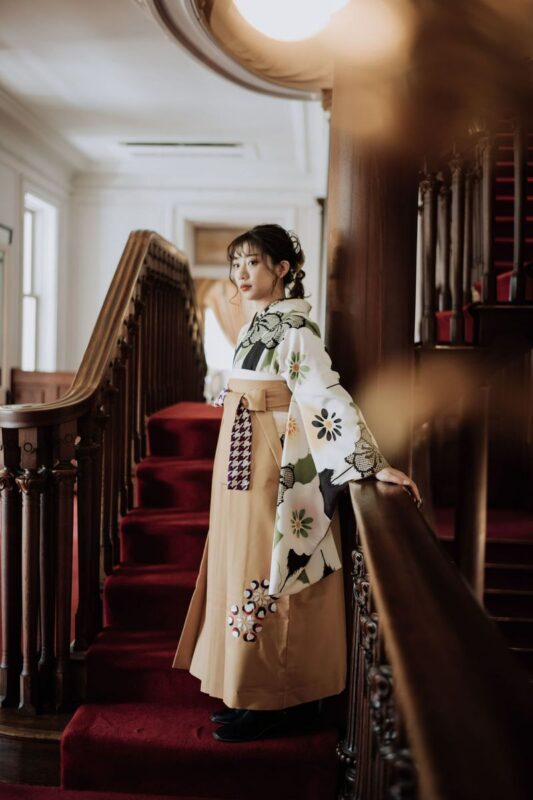
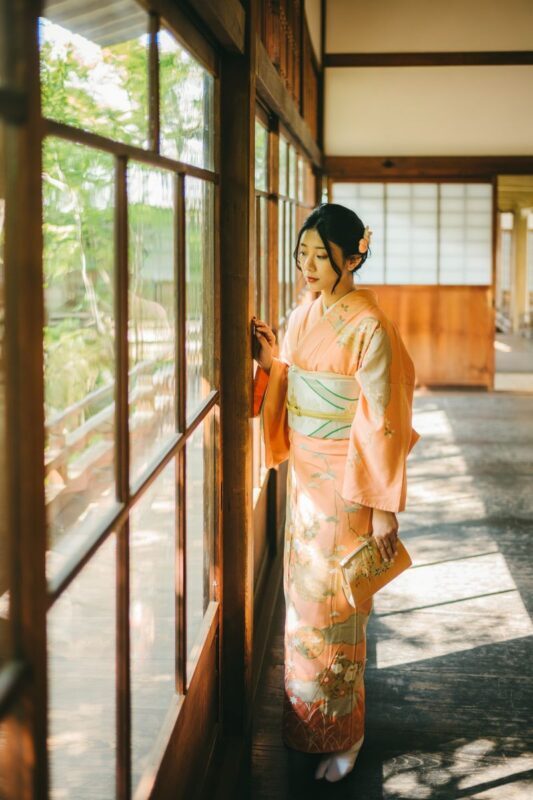
- More than 500 styles: Options range from casual komon to Taisho-retro, lace, furisode and hakama styles, with new patterns added regularly.
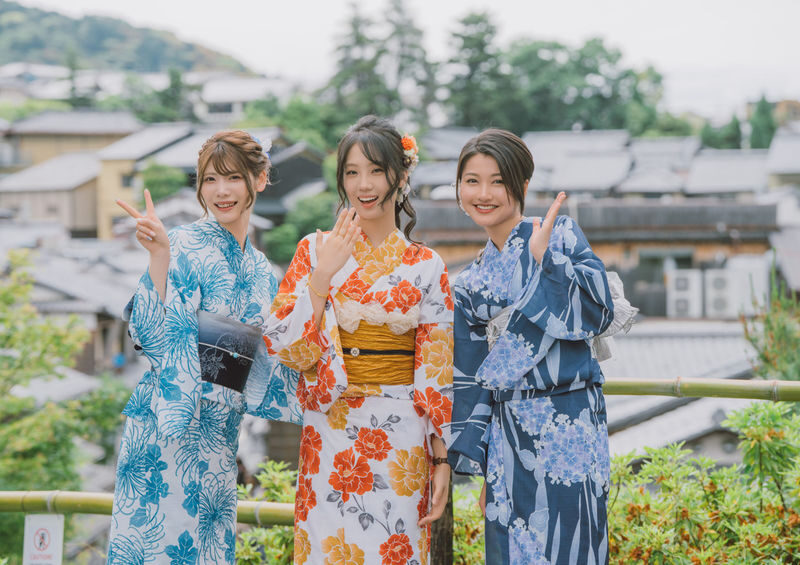
- Summer choice at the same price: From June through September, you can switch between a kimono and yukata at the shop.
- Hair styling costs extra: Hair and makeup are optional add-ons, not part of the basic rental.
- Return by 6:00 PM: The standard rental is for the same day. Next-day, hotel and cross-store returns may be available, but you need to confirm details with staff.
- Check fit and upgrade costs before choosing: Some visitors have found limited options for larger bodies, and more elaborate styles may carry an extra charge.

👉 See our pick of the We Rank Kyoto’s 15 Top Workshops & Classes
Why wear a kimono at Fushimi Inari?
Fushimi Inari is one of Kyoto’s most recognizable sights, known for the long paths of red torii gates leading up the hillside. Renting a kimono nearby gives you a chance to make the shrine visit feel a little different from a quick stop for photos. You can dress at the shop, then head straight out to explore.
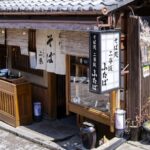
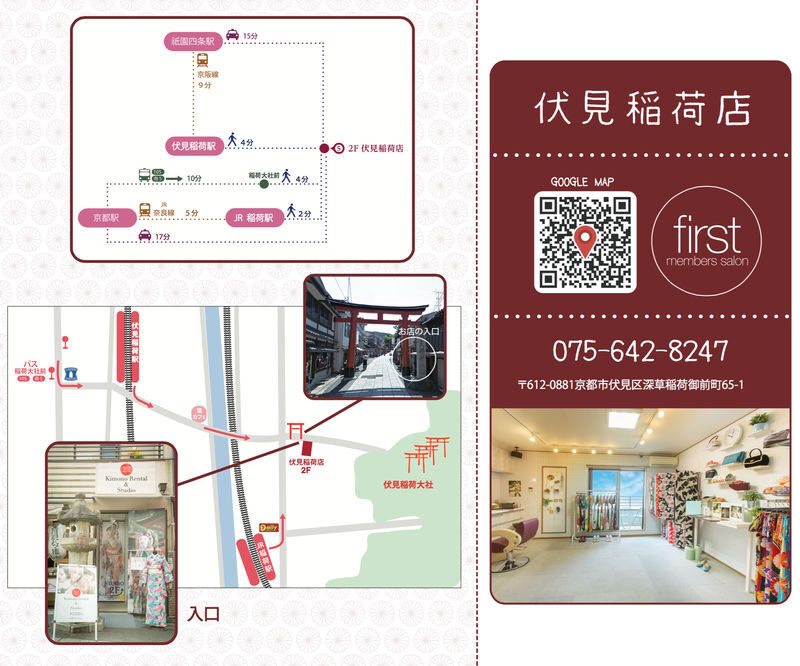
The location is the main practical advantage. Rental Kimono First is at 65-1 Fukakusa Inarionmaecho, about a two-minute walk from JR Inari Station and a short walk from Fushimi Inari Shrine. Keihan Railway riders can use Fushimi-Inari Station, while Kyoto City Bus riders can get off at Inari Taisha-mae and walk about three to four minutes.
This closeness matters because getting dressed takes time, and a kimono is not the outfit you want to wear for a long journey across town before you even reach the shrine. You can keep the outing focused: choose your style, get ready, and walk to the site.
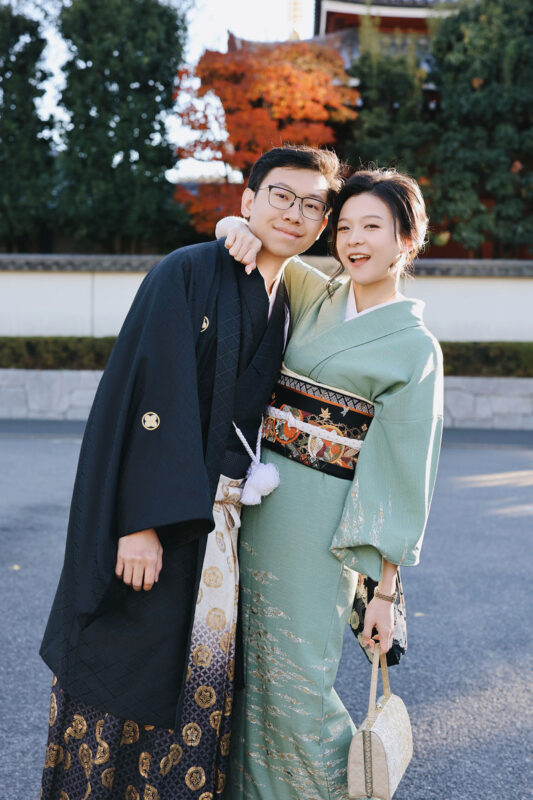
The setting is also a good match for a special occasion or a family outing. The shop offers adult women’s, men’s and children’s options, plus formal and decorative styles such as furisode and hakama. Children’s kimono sizes are listed for heights of 85 to 140 centimeters. If you are booking for a group, check each person’s package and sizes before you reserve.
You can also read our reviews of more tours and experiences in Kyoto.



Choosing your kimono and understanding the price
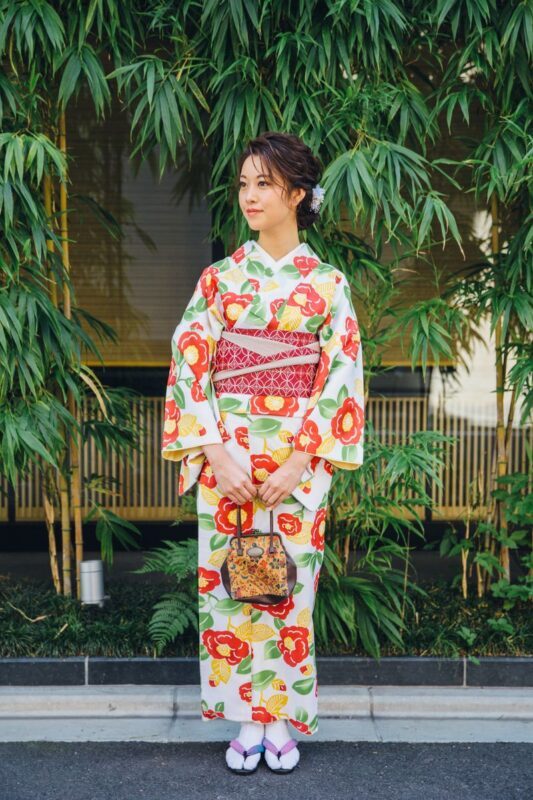
There is a wide range of styles, including komon kimono, Nishaku-sode, Taisho-retro and lace designs, furisode, hakama, men’s kimono and children’s outfits. In practice, the number of choices available to you depends on your selected package. The basic single-kimono option is limited and is for adult women, while the two-person package has no gender or age restrictions.
The single package is listed at 2,500 yen, subject to advance reservation and limited availability. The two-kimono package costs 8,800 yen and includes two outfits valued at 5,500 yen each. If you choose an outfit priced above 5,500 yen, you pay the difference at the shop. Credit card payment is supported.
The advertised starting price is attractive, but treat it as the entry point rather than a promise that every style is included. One visitor who booked a lower-priced plan found only a small selection within that tier and was surprised by the cost of upgrades. Before you settle on an outfit, ask which garments are covered by your package and what each upgrade costs. You can upgrade by paying the difference, but downgrading does not earn a refund.
For an easy choice, start with the package that fits your budget and ask staff to show you its included styles. If you have your heart set on a particular furisode, lace design or other special garment, confirm its price before getting dressed. The shop has more than 500 styles overall, but that does not mean every style is included in every rate.
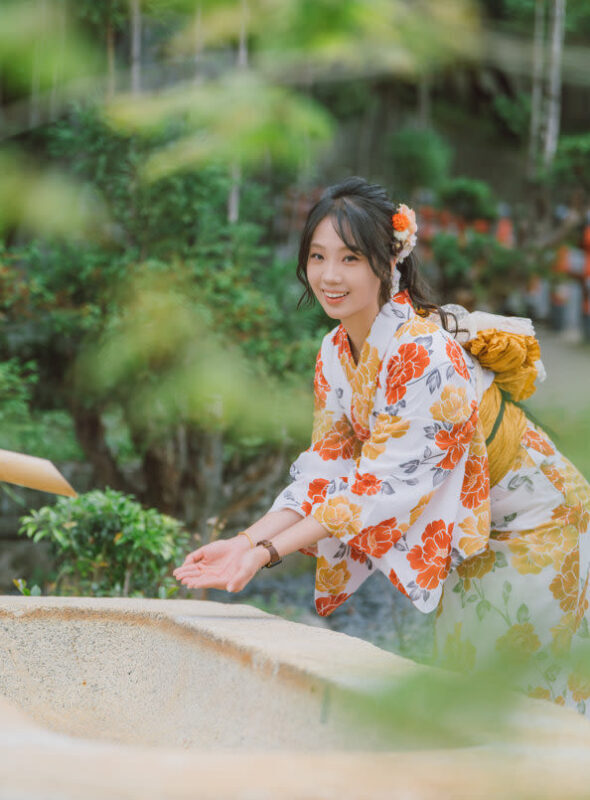
From June through September, the shop offers yukata and kimono at the same price, and you can change your choice after arriving. That flexibility is handy if you would rather decide after seeing the fabrics and colors in person. Remember that a more elaborate hairstyle or makeup is a separate charge.
What happens at the shop
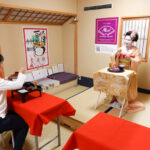
The experience starts at the store, where you choose your kimono and accessories. The staff help with color and accessory choices, then dress you and arrange the layers and obi, the broad sash tied around the waist. Getting the details right is part of the appeal: a carefully tied obi and coordinated accessories can change the look of the whole outfit.
Allow time for this process rather than planning to dash in and out. One group of four took about an hour to get ready, with staff checking the details. Your time may vary depending on the group, outfit and add-ons. If you want hair styling, build in extra time and add it when you book or confirm it with the shop. Hair styling and makeup cannot be ordered on their own without a kimono rental.
Service is available in Chinese, English, Korean and Japanese. Communication can still be a little uneven, according to some experiences, but picture-based choices and simple questions can help you make decisions. Staff have been described as patient when helping people choose a kimono, obi and hair accessories. A customer named Azusa was specifically praised for helping two friends with their outfits and hair; staff members can vary, so do not assume you will meet her.
Men’s packages are available, but the men’s rental does not include free hair design or hair accessories. Some hairstyles may be available for an extra fee, so ask ahead if that matters to you. The range for men is a useful feature, but fit can be more limited for taller men. Larger women may also find fewer suitable options; one report found little choice for sizes around 14 and above, and noted that size 18 and above would not fit. If fit is a concern, contact the shop before booking rather than finding out at the fitting.
From the dressing room to the torii gates
Once you are dressed, the shrine is close enough that you can begin your visit without another train or bus ride. The torii-lined paths make an immediate backdrop for photographs, and the nearby location is especially useful if your main goal is to take pictures in traditional clothing.
Fushimi Inari is a working religious site as well as a popular place to visit, so treat it as more than a photo set. You can enjoy the visual effect of the gates while still being considerate of people visiting to pray. The rental does not include a guided shrine tour or a photographer by default; a Fushimi Inari photoshoot is a separate option. For photography, the shop asks you to consult customer service.
A kimono is also less suited to brisk walking than everyday clothes. You may want to plan a relaxed visit rather than a long, fast-paced day across Kyoto. One guest found the outfit comfortable for walking, while another spent only a couple of hours in a formal kimono on a warm day. Your comfort will depend on the weather, the outfit and how long you want to wear it.
Cold-weather visits call for layers under the rental outfit where appropriate. Staff have offered extra socks in cold or snowy conditions, but do not count on a particular item being available. Summer has the opposite challenge: June through September brings the option of a yukata, which may feel better suited to warm weather.
Hair, makeup and photo extras
Hair styling and makeup are not included in the basic rental price. Hair styling and hair accessories are available as add-ons, and the shop also lists an exquisite makeup option. These services can make the outing feel more finished, particularly if you are dressing for a celebration or want portraits. They also add cost and time, so decide before you arrive whether they matter to you.
The men’s package has a specific limitation: it does not include free hair design or hair accessories. Some hairstyles can be added, but you should check availability and cost with customer service. Do not assume that the same styling inclusions apply to every person in a pair.
You can also ask about photography around Fushimi Inari. It is not part of the standard kimono package, and you need to consult the shop’s customer service about arranging it. A parasol or a more elaborate outfit may also involve an extra charge. Get a clear price for each extra before agreeing, particularly if you are comparing the basic package with a more formal look.



Timing, returns and a few useful cautions
The latest daily experience time is 3:00 PM, and the shop asks you to return the kimono by 6:00 PM on the same day. A 3:00 PM booking leaves little room for delay, as dressing staff may be off duty if you arrive late. If you are more than an hour late without notice, the booking is treated as forfeited with no refund. Contact the shop if you are running behind.
Next-day, hotel and cross-store returns may be possible, but confirm the arrangement with staff in advance. A deposit may be required for late, next-day or hotel returns, and for noticeable stains or damage. Damage to the rental outfit can also result in a charge. Ask what deposit applies to your chosen return plan before you leave the shop.
The shop will provide the items needed for the rental, so you do not need to bring kimono accessories yourself. Keep your own belongings organized, and check what happens to them while you are dressed. A visitor reported that leaving belongings at the shop meant a refundable 10,000-yen deposit for two people was waived; treat that as a detail to confirm, not a guaranteed policy.
Changes to a booking are allowed until 24 hours before the activity, subject to exceptions for certain booking types. Cancellation at least 24 hours before the activity date qualifies for a full refund. Your voucher is valid only for the date and time shown, so check those details before setting out.
Who will get the most from this rental?
I would choose this experience if you want to pair Fushimi Inari with an outfit that suits the setting, without spending time crossing Kyoto to reach a rental shop. It is also a practical option for couples, friends or families, since the shop offers men’s and children’s clothing as well as women’s styles. The two-person plan has no gender or age restrictions, while the limited single plan is for adult women.
It is a less straightforward fit if you need a particular size, want a specific high-end garment at the lowest price, or are uncomfortable with possible add-ons. Check sizing and included styles before booking, then budget for optional hair or makeup if those are part of your plan. Also consider the return deadline: the outing has a clear end time, and a late return may require a deposit or advance arrangement.
Should you book it?
Book if you want the convenience of dressing close to Fushimi Inari, value a broad choice of styles, and are happy to check the package details before you choose. The shrine is just a short walk away, staff help with dressing and accessories, and summer visitors can choose between a yukata and kimono at the same price.
Look elsewhere or ask more questions first if fit, a particular style or a strict budget is your deciding factor. The entry-level choice is limited, upgrades cost extra, and the regular return time is 6:00 PM. With those points settled in advance, this can be a memorable, well-placed addition to a Kyoto day.
Fushimi Inari Kimono Rental Experience (Kyoto/Provided by Rental Kimono First)
“Wonderful experience! The kimonos were lovely, and our hair came out beautifully. experience:”
FAQ
How far is the shop from Fushimi Inari Shrine?
The shop is described as about a one-minute walk from the shrine. It is about a two-minute walk from JR Inari Station.
How do I get to Rental Kimono First?
Take the JR Nara Line to Inari Station and walk about two minutes. You can also use Keihan’s Fushimi-Inari Station or the Kyoto City Bus stop at Inari Taisha-mae, then walk about three to four minutes.
Can I choose a yukata instead of a kimono?
From June through September, yukata and kimono are offered at the same price, and you can change your choice after arriving at the shop.
Are hair styling and makeup included?
No. Hair styling and makeup are add-ons and are not included in the basic kimono rental. The men’s package does not include free hair design or hair accessories.
What time must I return the kimono?
The standard return deadline is 6:00 PM on the same day. Next-day, hotel and cross-store returns may be available if you arrange them with staff in advance.
Are children’s kimonos available?
Yes. Children’s kimono sizes are listed for heights from 85 to 140 centimeters. The two-person package has no age or gender restrictions, while the limited single package is for adult women.
Can I cancel or change my booking?
A full refund is available if you cancel at least 24 hours before the activity date. Changes are allowed until 24 hours before the activity, with exceptions for some booking types.