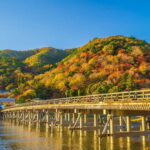
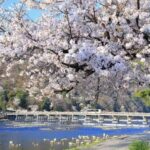
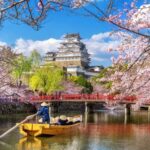
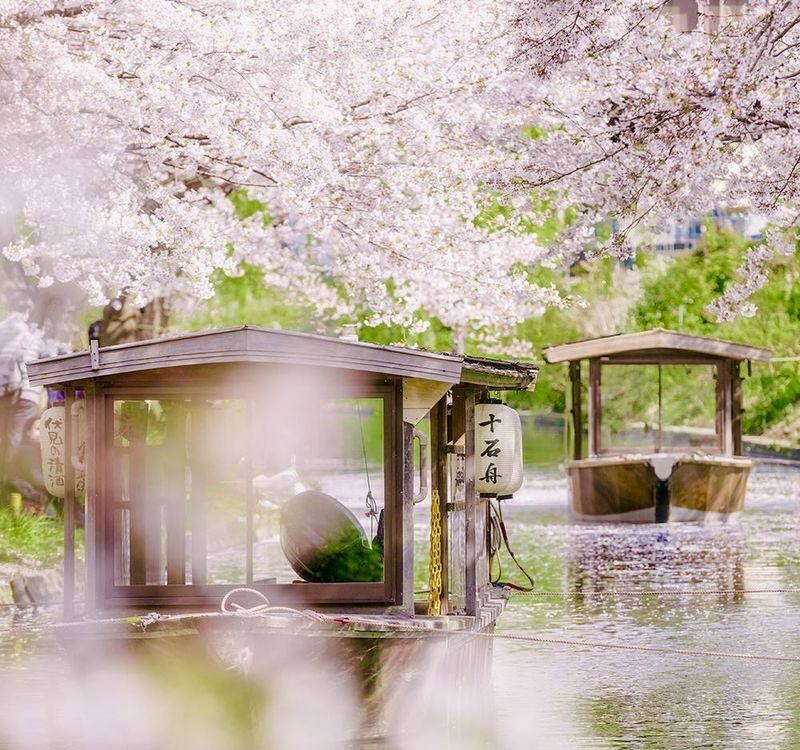
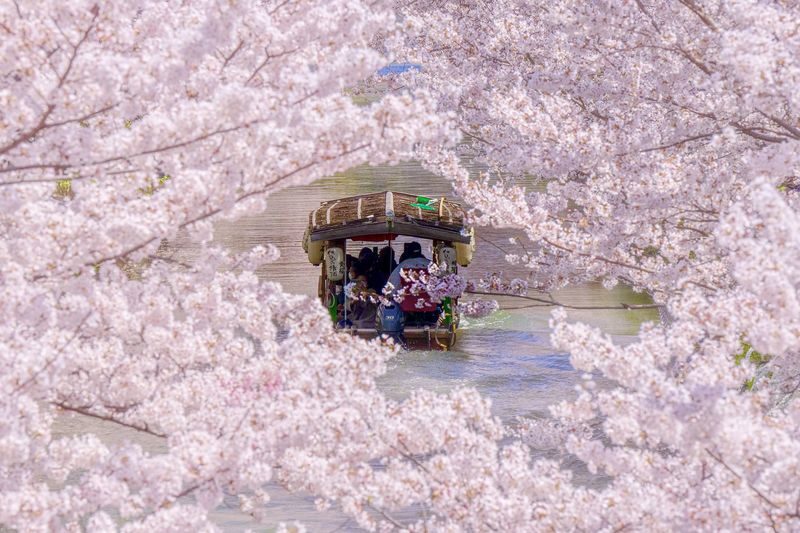
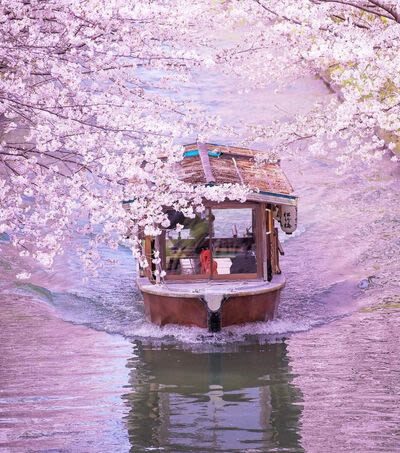
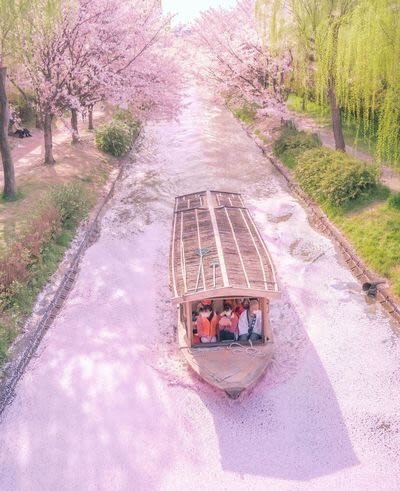
Fushimi’s Jikkokubune boat carries you along an old canal beneath rows of cherry trees, with petals sometimes gathering on the water like a drifting raft. I like that you see the blossoms from both the towpath and the boat, and that the route brings you close to Fushimi’s shrine and temple district.
I also like the choice of a boat-only package or one with a seasonal meal. The trade-off is that the tour’s value depends heavily on what you want: the boat is the main event, while the shrine and temple visits can be brief or self-guided.
- What to know before you book
- A canal ride with a short season
- Chokenji Temple and the canal-side walk
- On board the Jikkokubune
- Gokonomiya Shrine and its famous water
- What the guide adds, and what they may not
- Picking the meal that fits your day
- Cost, timing, and practical limits
- Should you book the Fushimi boat tour?
- FAQ
- How long does the tour last?
- How long is the boat ride?
- Which languages are available?
- Are meals included?
- Is the tour accessible by wheelchair or stroller?
- Can I cancel for a refund?
- The Best Of Kyoto!
- More Half-Day in Kyoto
- More Tours in Kyoto
- More Tour Reviews in Kyoto
What to know before you book
 1 / 9
 2 / 9
 3 / 9
 4 / 9
 5 / 9
 6 / 9
 7 / 9
 8 / 9
 9 / 9
- The canal is the main attraction: The Jikkokubune ride is the draw, especially when cherry trees are in bloom on both banks.
- Expect some walking: The route links the canal, Chokenji Temple, and nearby shrine grounds on foot, not by car.
- Visits may be self-guided: The guide may explain the area and help with the boat, but do not count on a long, structured tour at every stop.
- Choose your meal carefully: The lunch option is described as mini kaiseki; the dinner package is described as a traditional multi-course kaiseki meal.
- Blossom timing is uncertain: Full bloom shifts with the weather, and the canal can still be lovely after many petals have fallen.
- The price buys convenience: Boat tickets can be difficult to secure in peak season, but the tour costs more than a boat ticket alone.
👉 See our pick of the We Rank Kyoto’s 15 Top Workshops & Classes
A canal ride with a short season
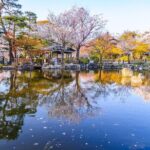
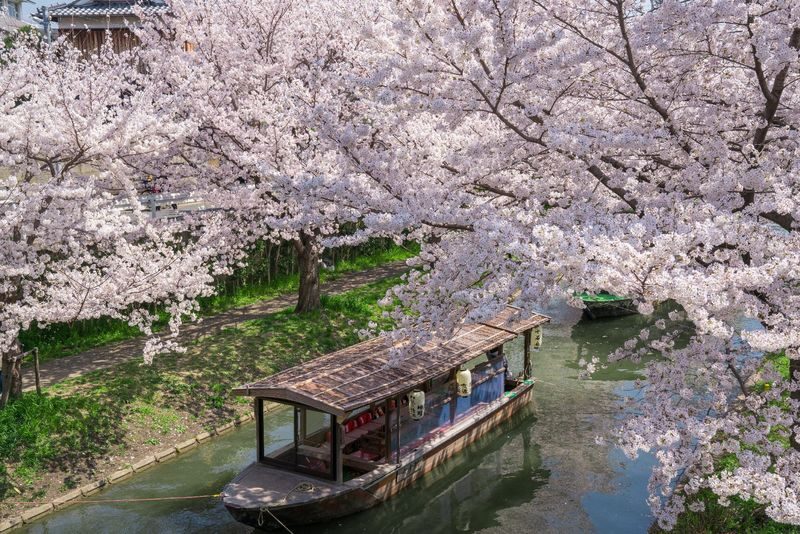
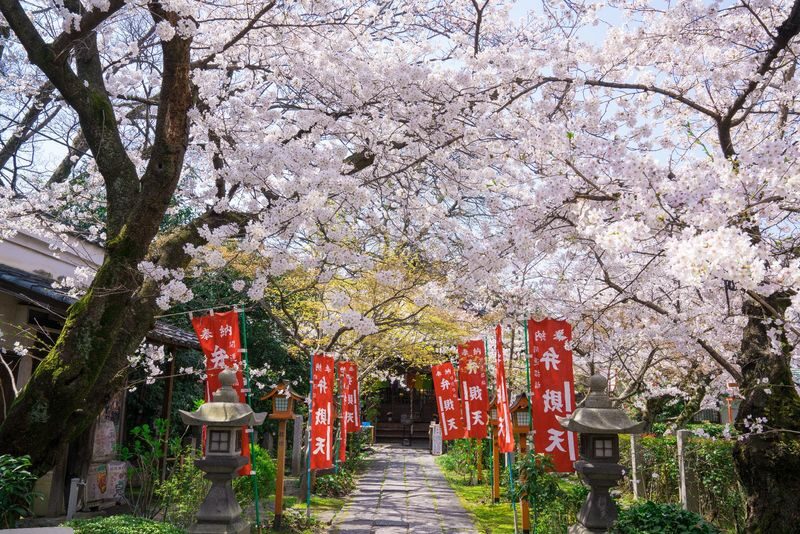
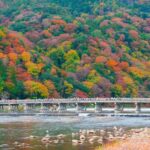
Fushimi’s cherry trees turn the canal into a spring corridor, and the Jikkokubune offers a low, water-level view of the branches. The old-style boat gives the outing a different feel from viewing blossoms beside a road or in a crowded park. When petals fall, they can gather on the surface in what is known as a hana ikada, or flower raft.
The boat ride is the clearest reason to book. It is a calm way to see the canal and its banks, and the experience feels most special when the blossoms are near full bloom. But nature does not follow a booking calendar. The bloom date changes with local weather, so you might see peak flowers, early buds, or a carpet of fallen petals instead.
The tour is described as three hours, with a 9 a.m. to noon schedule in the general outline. Package choices also show several other start times, including 10:10, 11:30, 14:30, and 15:50. Check the time attached to the specific package you select, then plan the rest of your day around that time rather than assuming every departure follows the morning schedule.
You can also read our reviews of more tours and experiences in Kyoto

Chokenji Temple and the canal-side walk
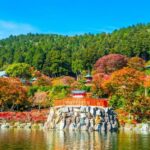
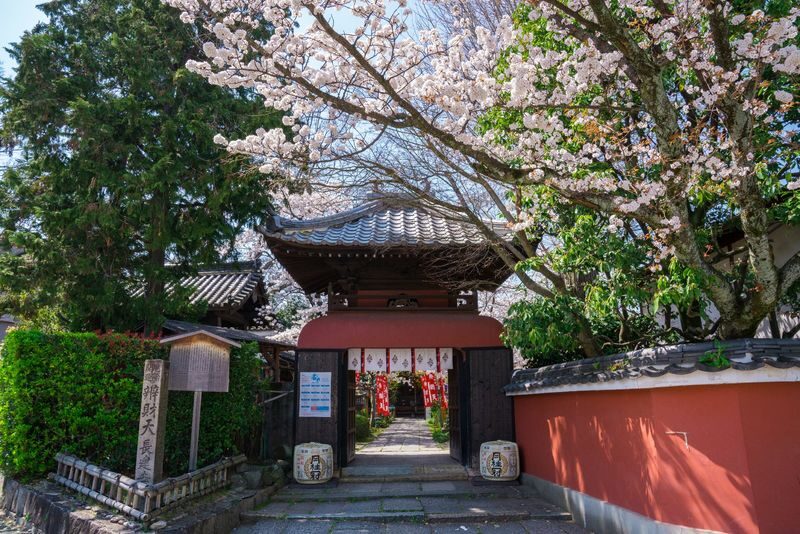
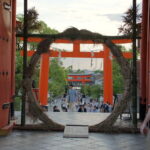
Chokenji Temple is known for its vermilion-lacquered gate, an Edo-period feature that makes a striking contrast with the softer colors of spring. The temple is associated with Benzaiten, a deity linked with learning, creative pursuits, and good relationships. You may have a short self-guided stop here, rather than an extended temple visit with a full explanation.
The canal and Fushimi Benten Bridge offer some of the best places to pause before boarding. From the bridge, you can look along the waterway and see the cherry trees arching over both banks. This is a useful time to take photos, but allow for other people stopping in the same places, particularly during the blossom rush.
The outing is a walking tour in practice. Distances between stops are not described as long, but you should be comfortable getting around on foot. One route account included a walk of about a kilometer between the shrine area and the boats, and the tour does not include car transfers.
On board the Jikkokubune
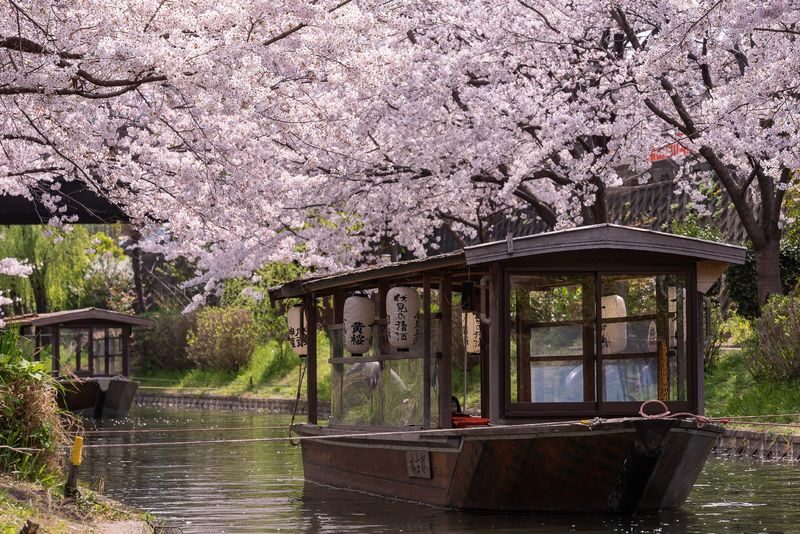
The Jikkokubune is an Edo-style canal boat, and its appeal is its unhurried pace. You sit close to the water while the banks slide past, with cherry branches framing the canal. The listed boat segment is 50 minutes, though the moving portion may be shorter: one account described about 20 minutes on the water and a separate stop at a water-gate museum. Treat the precise ride length as something that can vary with the operating schedule.
The tour ticket is valuable in peak season because boat spaces are limited and can sell out quickly. Some people who tried to book independently found it difficult to get a place, so a package can save the scramble. The compromise is price. At a starting price of $94.75, this is far more than the boat ticket alone, which has been cited at around 1,900 yen. You are paying for access and coordination, along with a guide and nearby stops, not simply for the boat.
Boarding order and timing matter when seats are assigned or managed by number. Arrive on time, listen carefully to the guide’s instructions, and keep your ticket details close. Delays can happen, and departure times may shift, so avoid scheduling a tight connection or an important activity immediately afterward.
Gokonomiya Shrine and its famous water
Gokonomiya Shrine is associated with prayers for safety, relationships, and academic success. Its spring water, Gokosui, is counted among Japan’s famous waters and is said to have flowed for a very long time. If the shrine is open and time allows, it is a pleasant contrast to the canal: quieter, more contemplative, and rooted in local worship.
Still, be realistic about how much of the shrine you will see with the group. It is listed as a stop, but the meeting point and the actual visit can blur together, and some departures may give you only a short time there. If exploring the shrine matters to you, arrive early if possible and ask the guide how much time is planned before the boat departure.
The meeting and return details can also vary across the package information. Benzaiten Choken Temple is given as the meeting location, while Okashi Shrine appears as a return point. Read the final instructions sent by the guide the day before, and use the contact link in that message if you need to confirm where to meet.
What the guide adds, and what they may not
A good guide can make the walking portions more useful by explaining the local customs, shrines, buildings, and Fushimi’s sake culture. Guides named Joy, Scarlett, Charles, Ellie, and Mimi have led departures, and the tour includes English- and Chinese-speaking guidance. The particular guide and languages available on your date are not guaranteed by those names, so check the pre-tour message if language support is essential.
The guide’s role is not always the same as a continuously narrated sightseeing tour. Some departures include clear explanations and attentive help; others may leave you to explore on your own before the boat, then focus on getting the group boarded. The boat commentary itself may be in Japanese, so do not assume you will hear a full English narration while afloat.
This distinction matters. If you want a guide to lead you through every shrine and temple, explain each detail, and keep the group together at every moment, this may feel too loose. If you mainly want help securing a hard-to-get boat ticket, plus a guide who can orient you to the area, the arrangement makes more sense.
Picking the meal that fits your day
The boat-only option keeps the outing focused and leaves you free to choose your own meal. If the boat is your priority and you are comfortable finding lunch or dinner nearby, this is the simplest package. It is still expensive compared with the boat fare alone, so its value rests on access and group coordination.
The lunch package is described as a light mini kaiseki served in a machiya setting. The word mini matters: expect a smaller seasonal meal, not necessarily the elaborate, multi-course kaiseki dinner many people picture. The meal may be a good fit if you want an easy, planned lunch, but do not book it expecting a grand feast.
The dinner option is described as an authentic, traditional multi-course kaiseki meal at a long-established restaurant. It costs more and suits a later departure, with the meal serving as the end of the outing. Menus can change with the season and ingredient availability, so the dishes are not fixed in advance.
Cost, timing, and practical limits
At $94.75 and up, this is a premium way to see Fushimi. The strongest case for the cost is the difficulty of securing boat tickets during cherry blossom season. A guide, coordination, and a meal option add convenience, but they do not turn the outing into a private tour or guarantee a full program at each stop.
The activity requires a minimum group of two. The operator also notes that a departure may be rescheduled or refunded if fewer than four participants are confirmed, so check any update before setting other plans in stone. Confirmation is normally sent within 24 hours, and guide contact details are sent by email around 6 p.m. the day before. Check your spam folder as well as your inbox.
The tour is not recommended for people with impaired mobility or pregnant participants, and it is not wheelchair- or stroller-accessible. Infants and children must be included in the passenger count. Arrive ten minutes early: late arrivals and no-shows are not refundable. Free cancellation is available with at least seven days’ notice, while severe weather can lead to cancellation, a reschedule, or a refund.
Should you book the Fushimi boat tour?
Book it if the canal ride is high on your Kyoto wish list, you are visiting during cherry blossom season, and you would rather pay extra than risk missing a scarce boat ticket. The best payoff comes when the trees are in bloom, but the walk and water views can still be worthwhile if the flowers are fading.
Skip it if you expect three hours of continuous guided sightseeing or want the lowest-cost way onto the boat. You may be happier booking the boat independently if you can secure a ticket, then exploring the shrine district at your own pace. For everyone else, choose the boat-only package if the ride is enough, or add lunch or dinner only if the meal itself appeals to you.
Klook Exclusive: Kyoto Fushimi Jikkokubune Half-Day Small Group Cherry Blossom Tour
“So beautiful during full bloom season!!! Boat the boat ride and walking along the canal felt amazing!”
FAQ
How long does the tour last?
The activity is listed as three hours, with one general schedule running from 9 a.m. to noon. Package departure times also include 10:10, 11:30, 14:30, and 15:50, so check the time for your selected option.
How long is the boat ride?
The boat segment is listed as 50 minutes. The actual time moving along the canal may be shorter, and the schedule can include a stop at the water-gate museum.
Which languages are available?
The tour includes an English- or Chinese-speaking guide. The specific guide and language arrangement can depend on the departure.
Are meals included?
Meals are not included with the boat-only option. You can select a package with mini kaiseki lunch or a traditional multi-course kaiseki dinner.
Is the tour accessible by wheelchair or stroller?
No. The activity is not wheelchair- or stroller-accessible and is not recommended for people with impaired physical mobility or pregnant participants.
Can I cancel for a refund?
You can receive a full refund if you cancel at least seven days before the activity date, based on local time at the destination. Severe weather may lead to a rescheduled tour or a full refund.