Wazuka’s countryside gives this short udon class a different feel from a cooking lesson in central Kyoto. You make thick noodles from scratch, then sit down to eat them with matcha and sweet chadango in a quiet rural town.
I like two things about the idea: you handle the dough yourself, from mixing and kneading to cutting, and the setting lets you pair a local food activity with a visit beyond Kyoto’s busy center. The udon itself has been praised for its taste, and the host staff have been described as nice.
The main drawback is the gap between the advertised cooking experience and what you may actually learn. The hands-on work can focus almost entirely on the noodles, English is limited, and the trip out to Wazuka takes time. If you want a full lesson on broth, toppings, and cooking techniques, this may feel too brief.
- The noodle work is hands-on: You mix, knead, flatten, and cut the udon dough yourself.
- The setting is rural Wazuka: Expect a quiet countryside outing, not a cooking class in central Kyoto.
- Broth instruction may be limited: The experience describes broth and toppings, but the practical lesson may concentrate on making noodles.
- Your meal has listed extras: A bowl of udon, Wazuka matcha, and sweet chadango are included.
- Plan for a long ride: Public transport from Kyoto Station takes about 1.5 hours, including a train and bus.
- English communication may be basic: The host may use a translation machine, so simple questions and patience help.
- Making udon in rural Wazuka
- What happens at the worktable
- The bowl, matcha, and chadango
- How much English to expect
- The journey from Kyoto Station
- Is the price worth the trip?
- Who will enjoy this class
- Booking details to keep in mind
- Should you book the Wazuka udon class?
- FAQ
- How long does the udon-making experience take?
- How do I get to the meeting point from Kyoto Station?
- What is included in the class?
- Is the class suitable for vegetarians?
- Can children take part?
- Is the experience accessible by wheelchair or stroller?
- The Best Of Kyoto!
- More 1-Hour Experiences in Kyoto
- More Tours in Kyoto
- More Tour Reviews in Kyoto
Making udon in rural Wazuka
 1 / 6
 2 / 6
 3 / 6
 4 / 6
 5 / 6
 6 / 6
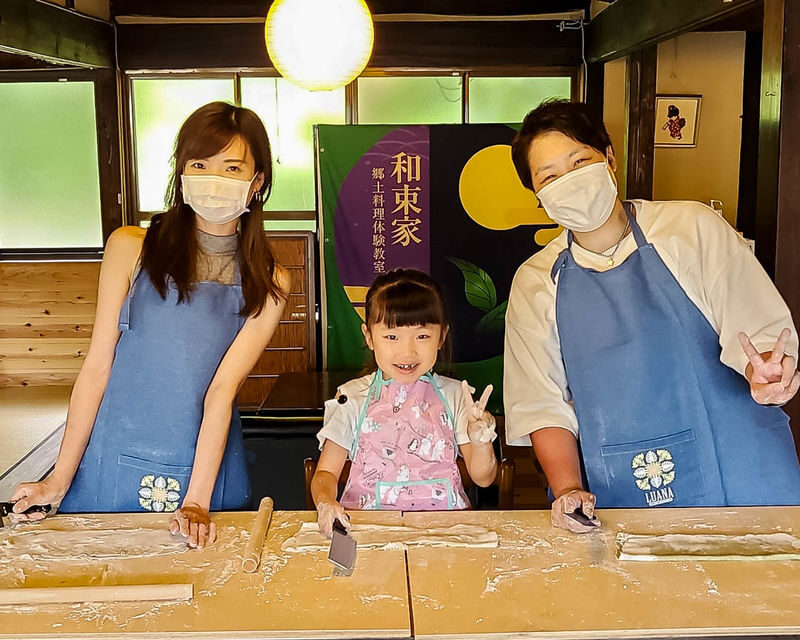
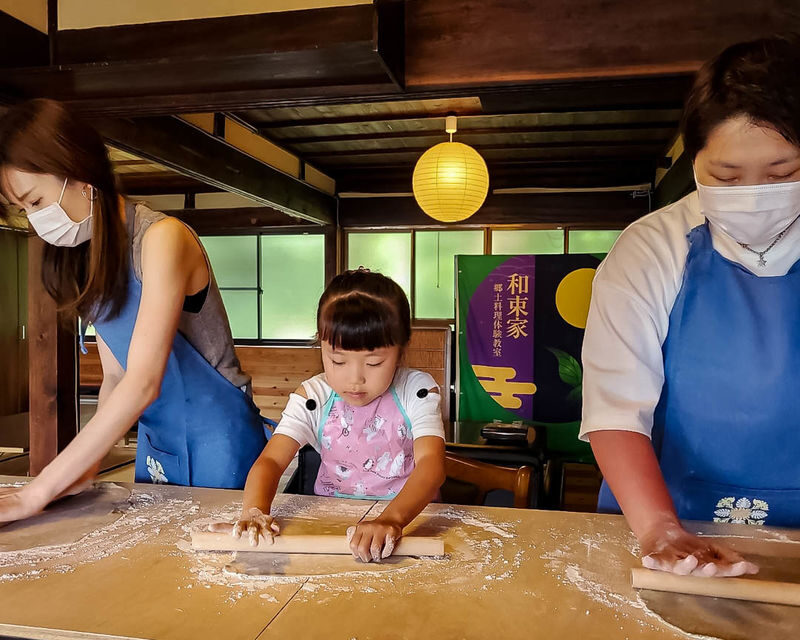
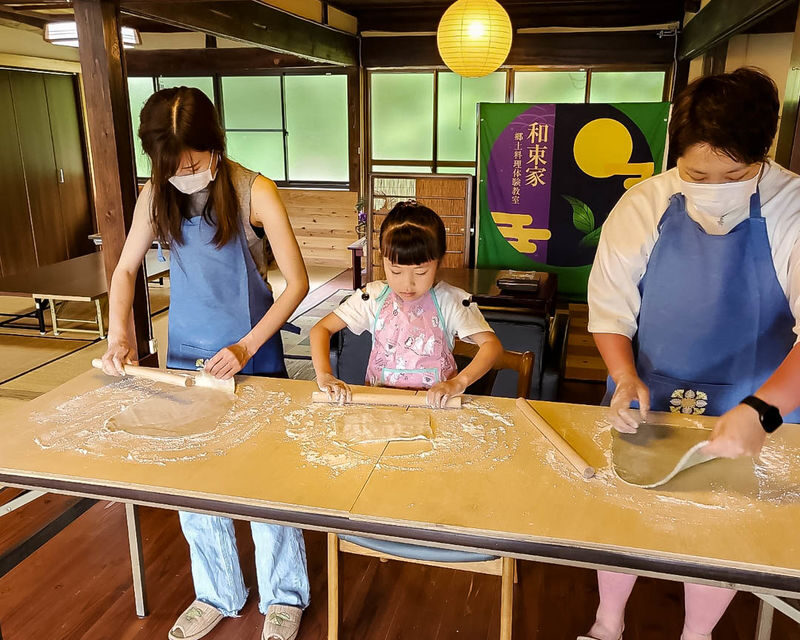
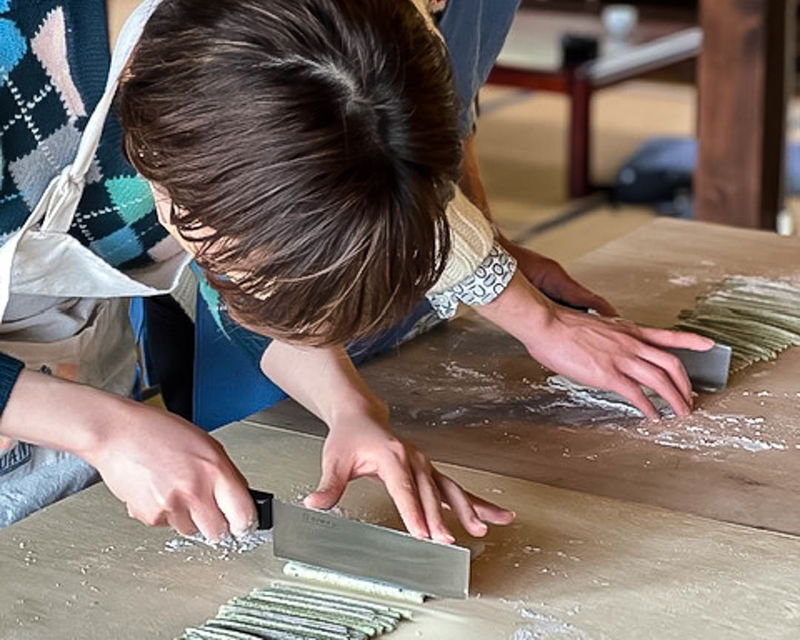
This is a compact, participatory class built around one central task: turning flour and water into udon noodles. You work through the dough by hand, kneading it, flattening it, and cutting it into thick strands. That direct contact is the appeal. Instead of watching someone else make a local dish, you take part in the tactile steps that give udon its shape and texture.
Udon is a familiar comfort food across Japan, but making it yourself can make the bowl feel less ordinary. The experience is designed to take about an hour, including time to eat, though the meal portion can vary by around twenty minutes depending on the group. So think of it as a short food activity, not a long workshop with several dishes.
The setting is part of the point. Wazuka is a quiet town in Kyoto Prefecture, well away from the city’s central sights and crowds. If your Kyoto plans already include a countryside excursion, this class can give the outing a practical focus: you travel out, make lunch, and have a taste of local tea culture.
👉 See our pick of the We Rank Kyoto’s 15 Top Workshops & Classes
What happens at the worktable
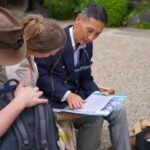
Expect to begin with ingredients and cooking utensils provided for the class. The core sequence is straightforward: mix water with flour, knead the dough, flatten it, then cut it into noodles. The steps are simple enough to follow by demonstration, but the details matter. Dough consistency, thickness, and cutting all affect the finished bowl.
The lesson’s clearest strength is that you do the physical work yourself. You are not just receiving a prepared meal or watching a cooking demonstration. On the other hand, the experience may not explain every step in depth. One participant found the instruction largely limited to noodle making, without hands-on broth preparation or much discussion of the other ingredients.
That distinction matters if you are choosing between cooking classes. The description mentions a rich broth made with bonito flakes, seaweed, and local toppings, but the actual class may not give you a full role in making it. Do not assume you will prepare every part of the dish from scratch. If learning the broth recipe is important to you, ask the host before booking, ideally with a written translation or by using a translation app.
You can also read our reviews of more tours and experiences in Kyoto


The bowl, matcha, and chadango
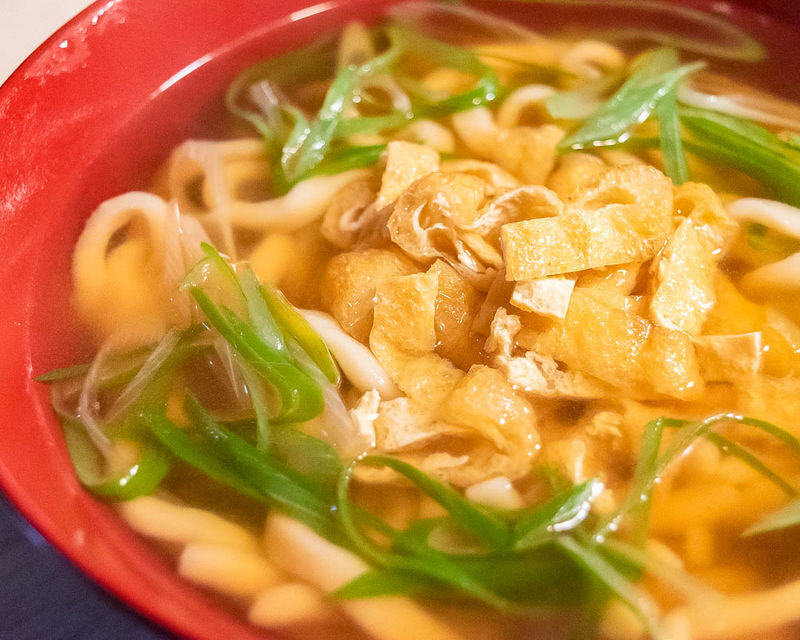
After the noodle-making, you eat a bowl of udon. The finished dish has earned praise for its taste, which is a useful counterweight to the concerns about the depth of instruction. A simple class can still deliver a satisfying meal, especially when the noodles you are eating are the ones you just made.
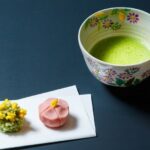
The included items are listed as one bowl of udon, Wazuka matcha, and sweet chadango, the skewered dumplings. These are the specific inclusions to count on when comparing the price. The experience is not described as a full multi-course lunch, and one attendee felt the meal was less substantial than expected. Set your expectations accordingly: it is a noodle-making session with a bowl and two traditional accompaniments, not a broad tasting menu.
There is also a practical point about toppings. A visitor misunderstood a menu as a way to choose included toppings and later discovered that the selected item cost extra. The language gap may make this easy to miss. Before ordering anything beyond the stated inclusions, ask clearly whether there is an additional charge. A short translation on your phone can prevent an awkward surprise.
How much English to expect
The host’s English is limited, and communication may rely on a translation machine. This does not prevent you from following a physical demonstration, but it can make a detailed lesson harder. If you want to ask why a particular ingredient is used, how long to knead the dough, or what distinguishes this udon from noodles elsewhere, you may not get a full verbal explanation.
I would prepare a few questions in advance if the cooking method is your main reason for going. Keep them short and specific. You can also use a translation app to ask about broth ingredients, toppings, or extra charges. That will not turn the class into an English-language lecture, but it can help you get more from the time.
The limited English is especially relevant because the class is short. There may not be much spare time to work through complicated questions while everyone makes dough and eats. If you are comfortable learning by watching and copying, this is less of a concern. If you want a detailed, conversational cooking lesson, the language barrier is a real consideration.
The journey from Kyoto Station
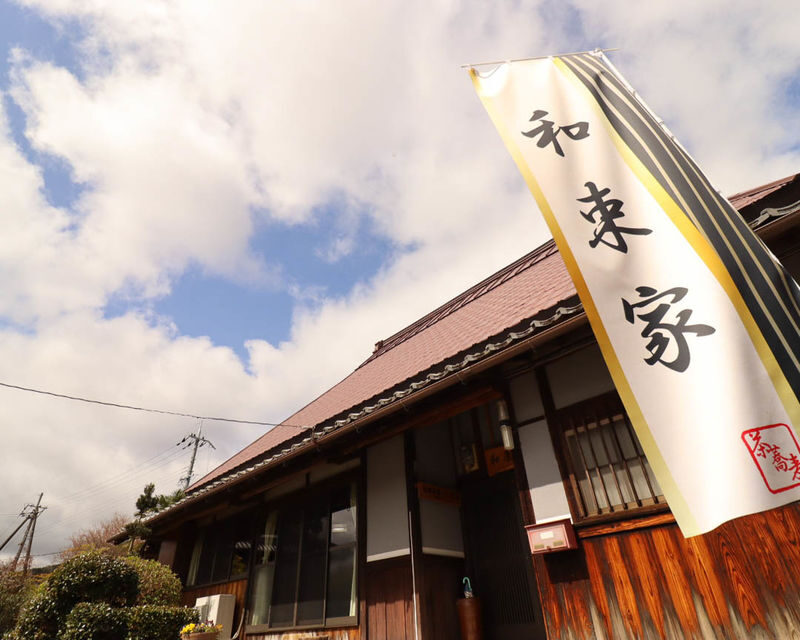
The meeting point is Hatsuohira-21 Ishitera, Wazuka, Soraku District, Kyoto. The address is also associated with 蕎麦打ち体験教室 和束家. Check the final voucher for the detailed location and route, since the meeting point is in a rural area rather than beside a major Kyoto station.
By public transport, the journey is described as about 1.5 hours from Kyoto Station. The route involves taking a train to JR Kamo Station, which takes about an hour, then transferring at the west exit to a bus. The bus ride to Wazukatakahashi takes around eight minutes. Transfer timing and waiting can add to the trip, so leave a generous margin rather than planning a tight connection.
Driving from Kyoto Station takes about an hour, according to the route information. Transport is not included in the class price, so you will need to arrange and pay for the journey separately. The trip is a meaningful part of the outing, not a quick hop across town. If you have only a short stay in Kyoto, weigh that travel time against the roughly one-hour activity.
Arrive on time. If you are more than 15 minutes late, you cannot take part, and the host asks you to notify them if you are running behind. This is not the place to gamble on a delayed connection.
Is the price worth the trip?
The standard class starts at US$44.19, with a package that includes a gift starting at US$50.95. Ingredients, utensils, the udon bowl, matcha, and chadango are included in the standard option. Transport and personal expenses are not.
At that price, the value depends on what you want. If you are keen to make Japanese noodles by hand and enjoy a small food activity in the countryside, the base cost is reasonable for a hosted class with a meal and tea. You are paying for the activity and setting, not simply for a bowl of udon.
If your priority is detailed cooking instruction, the value is less certain. The lesson may focus on noodle production, and the broth or toppings may not be part of your hands-on work. Add the cost and time of getting to Wazuka, and the outing becomes a larger commitment than the class price alone suggests. The gift package may be appealing if you want its specific extra, but the available details do not describe what the gift is, so check that before paying more.
This experience has received a modest overall rating of 2.5 out of 5 from two ratings. That is a small sample, but the concerns are consistent enough to take seriously: the class can feel limited, lunch expectations may not match the reality, and English is scarce. The strongest points are the pleasant rural location, friendly staff, and tasty udon. Book for those features, not for a guaranteed, in-depth culinary course.

Who will enjoy this class
This is a good fit for noodle fans who like doing a simple food activity with their hands and are happy to learn through demonstration. It may also suit families with older children, provided the children are comfortable following instructions and accompanied by a paying adult when required. Children aged 1 to 4 are free, but they still must be included in the passenger headcount. Children aged 13 and older pay the adult rate.
Vegetarian diets can be accommodated, but you should notify the host in advance about dietary requirements. Anyone with a buckwheat allergy cannot participate. Do not assume that asking for a vegetarian meal removes the allergy restriction.
The class is not stroller- or wheelchair-accessible. If mobility or access needs affect your plans, confirm whether the venue will work for you before booking. Dates outside the regular calendar may be possible for groups of ten or more, by inquiry.
I would skip this if you want a complete cooking lesson in English, need a substantial lunch, or have a packed Kyoto schedule. The countryside location is a plus only if you are willing to spend the time getting there.
Booking details to keep in mind
The voucher is valid only on the date and time you book, and you present it on your mobile device. Confirmation is due 72 hours before the activity; if it does not arrive, contact customer support. You can receive a full refund if you cancel at least 72 hours before the activity date, using the destination’s local time.
If you are arranging a group, ask about dates outside the standard calendar when you have ten or more people. For everyone else, make sure the chosen time works with the train and bus connection, and leave room for the return trip as well.
Should you book the Wazuka udon class?
Book it if you want a modest, hands-on noodle-making session and value the chance to eat your work in rural Wazuka. The included matcha and chadango add a pleasant local finish, and the udon itself may be the best part of the experience.
Pass if your main goal is to learn broth-making, explore toppings, or have a detailed lesson in English. The class is short, the journey is long compared with the activity, and optional menu items may cost extra. Go with clear expectations, ask about add-ons before ordering, and treat the countryside setting as part of what you are paying for.
Kyoto Countryside Udon Making from Scratch (1 Hour)
FAQ
How long does the udon-making experience take?
The class is described as about one hour. Eating time is included and can vary by around twenty minutes depending on the group.
How do I get to the meeting point from Kyoto Station?
Public transport takes about 1.5 hours. Take a train to JR Kamo Station, then transfer to a bus at the west exit and get off at Wazukatakahashi. The bus ride takes around eight minutes. Driving takes about an hour.
What is included in the class?
Ingredients and cooking utensils are provided, along with a bowl of udon, Wazuka matcha tea, and sweet chadango dumplings. Transport and other personal expenses are not included.
Is the class suitable for vegetarians?
Vegetarian diets can be accommodated. Tell the host about your dietary needs in advance. People with buckwheat allergies cannot participate.
Can children take part?
Children aged 1 to 4 are free but must be included in the headcount. Children aged 1 to 12 must be with a paying adult. Children aged 13 and older pay the adult rate.
Is the experience accessible by wheelchair or stroller?
No. The activity is not wheelchair- or stroller-accessible.