A pool of molten metal and a mold turn ninja lore into a hands-on workshop at Ninja Sanctuary in Arashiyama. You choose a shuriken shape, help make it, then polish a piece you can take home. This is craft with a little theatrical heat, not just a display of weapons behind glass.
I like two things in particular: you get to make choices about your design, and the finished souvenir is something you shaped yourself. English-speaking staff guide each step, so you do not need metalworking experience to join in.
One consideration: the workshop is more about making a compact souvenir than studying ninja history in depth. Some finishing work involves cutting and sanding metal, so ask the instructor about eye protection and take care around metal scraps.
What makes this workshop worth considering
- You take part in the casting process: Design a shuriken, prepare a mold, pour heated metal, and polish the result with guidance.
- Your souvenir is made by you: The mini package includes a compact metal shuriken to take home.
- English-language help is available: Staff explain the steps, and instructor Yuki is singled out by name in several accounts.
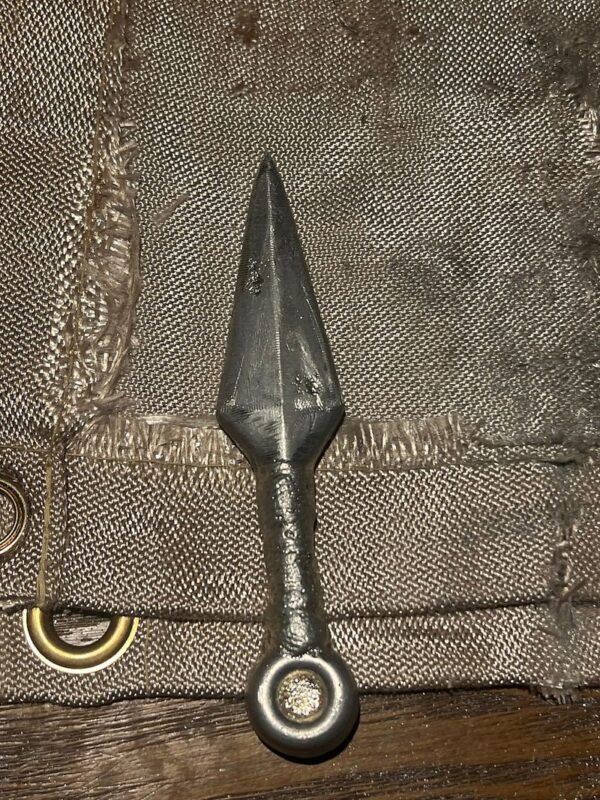
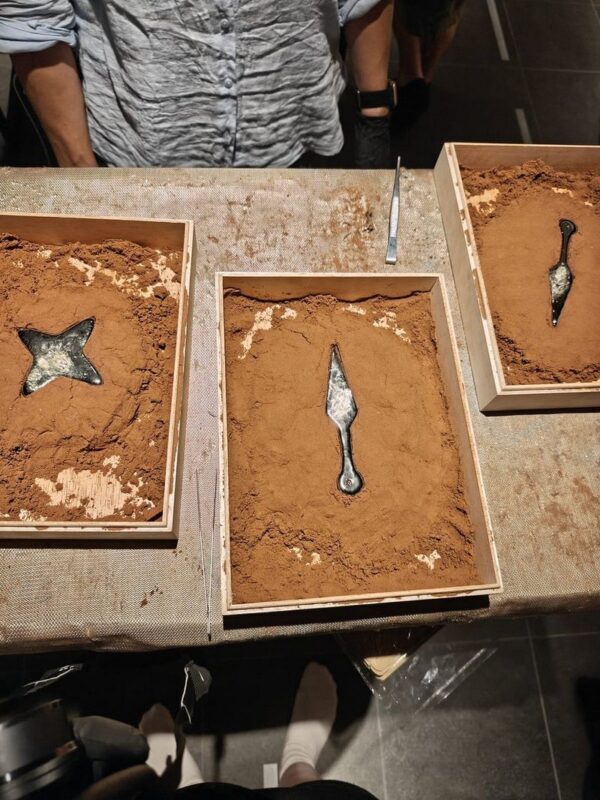
- You can choose a different shape: Some participants have been able to make a kunai or choose a larger shuriken for an added fee, subject to availability.
- It fits an Arashiyama visit: The meeting point is Ninja Sanctuary at 2F, 3-25-2 Sagatenryuji Susukinobabacho, Ukyo Ward.
- Arriving on time matters: Come 15 minutes early. Arriving five minutes or more after the start means you cannot join that session.
👉 See our pick of the We Rank Kyoto’s 15 Top Workshops & Classes
- What makes this workshop worth considering
- From ninja lore to a working mold
- The molten-metal moment
- Choosing mini, standard, or an upgrade
- What the time and setting add
- Who will enjoy making a shuriken
- The practical details that matter
- Should you book this Kyoto workshop?
- FAQ
- Where does the workshop take place?
- What will I make?
- Is the workshop conducted in English?
- Can I make a kunai or a larger shuriken?
- Can I turn my shuriken into a necklace?
- What is the minimum age?
- Is the venue wheelchair or stroller accessible?
- How early should I arrive?
- What is included, and how does cancellation work?
- The Best Of Kyoto!
- More Tours in Kyoto
- More Tour Reviews in Kyoto
From ninja lore to a working mold
 1 / 7
 2 / 7
 3 / 7
 4 / 7
 5 / 7
 6 / 7
 7 / 7
The workshop begins with a short introduction to shinobi history and Japan’s hidden weapon culture. That context helps make the shuriken more than a star-shaped trinket, though the main event is the making, not a long history lesson.
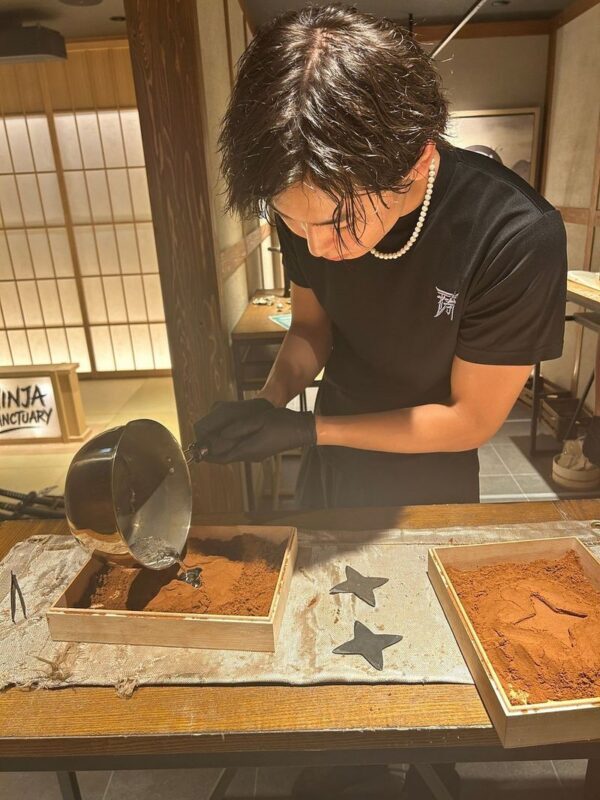
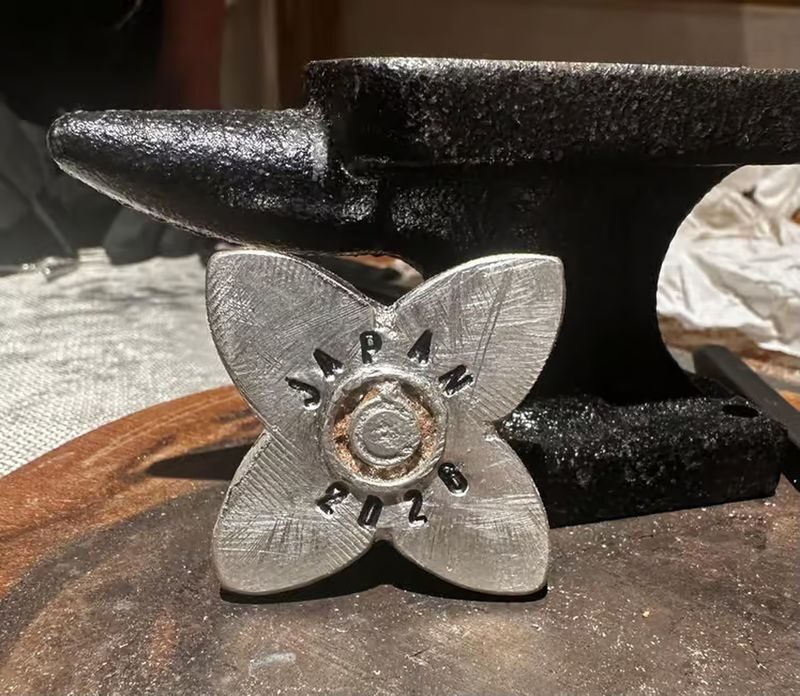
You then choose the shape of your piece and prepare its mold. This is where the experience becomes personal: you are not simply handed a finished item, and some participants have also been able to engrave their shuriken. That detail is not listed as a guaranteed feature, so ask the staff before you count on it.
The steps are explained as you go, with English-speaking staff available to help. That matters if you are new to craft work. The process can be harder than it looks, but the instructor’s guidance makes it accessible to beginners, including people who do not think of themselves as handy.
You can also read our reviews of more tours and experiences in Kyoto.



The molten-metal moment
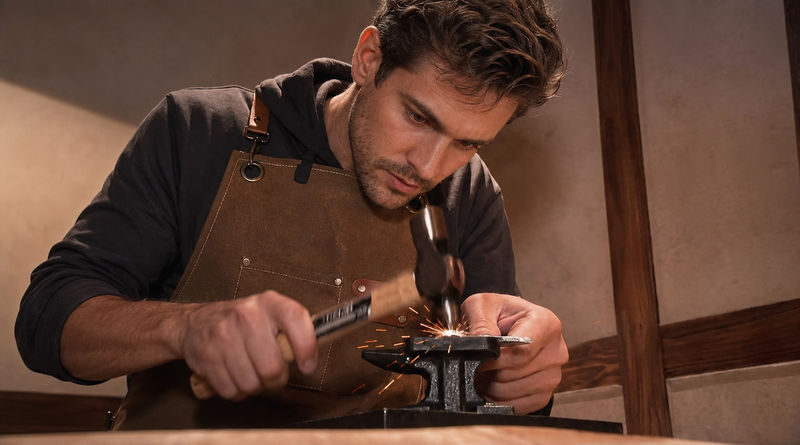
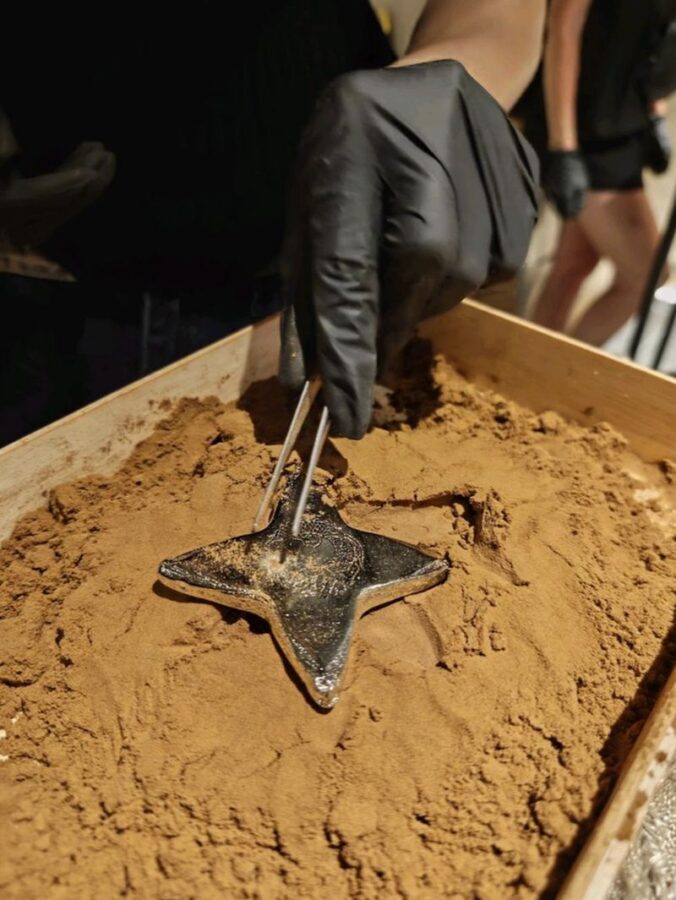
The most dramatic part is watching the metal heat and then seeing it poured into the mold. The exact metal is not specified consistently in the available descriptions, so I would not book based on a particular alloy. What you can expect is a guided casting process that turns your mold into a solid piece.
Pouring is the part that can feel nerve-racking. Staff give instructions and support, and one account describes the safety measures as thorough. Still, this is a workshop with hot material and metal finishing, not a passive craft demonstration. Pay close attention to directions and ask about eye protection before cutting or sanding.
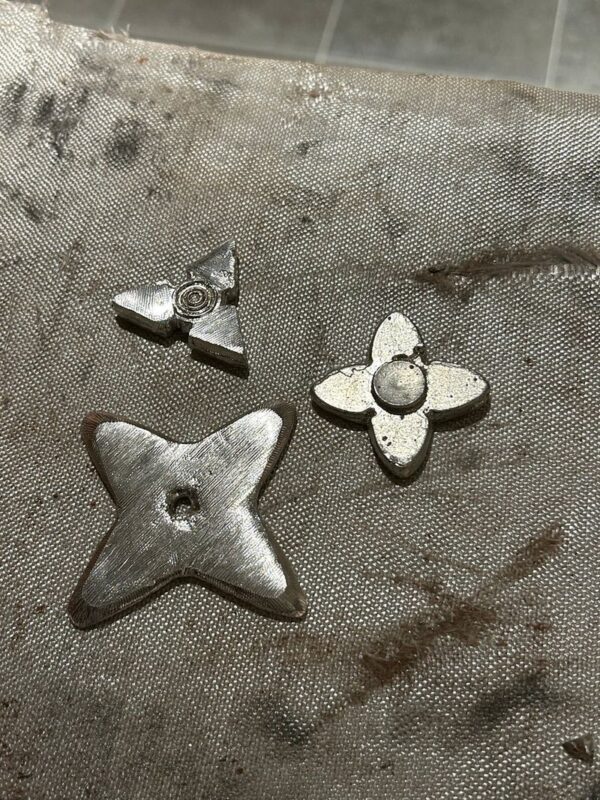
After the metal cools and hardens, you work on the finish. Cutting and sanding help shape the piece, but these steps are also where a little care is needed. One participant raised concerns about metal clippings on the floor and the absence of safety glasses. That does not cancel out the positive reports about staff support, but it is a fair point to keep in mind, especially if you are bringing a child.
You will take home the shuriken included with your package. The finished piece has a satisfying weight, according to one account, and the handmade character is part of the appeal. It is a souvenir with a story attached: you can point to the mold, casting, and finishing rather than simply saying you bought it.
Choosing mini, standard, or an upgrade
The Mini Shuriken Making Experience is the lower-cost package, listed from US$31.60, and includes a compact shuriken. The activity’s general starting price is also shown as US$25.29, so treat that figure as a from-price rather than a dependable total for every date or package.
The standard Shuriken Making Experience is listed from US$63.09. The information does not spell out every difference between the two options, so check the package details before booking if size or scope matters to you. On-site upgrades may include a big-size shuriken or a kunai, subject to availability. The venue can also upgrade a shuriken into a necklace.
These extras may appeal if you collect handmade objects or want a larger display piece. They are not necessary to get the core experience: the mini option still gives you a chance to take part in the casting and leave with your own compact creation. Ask about upgrade prices and availability at the venue rather than assuming a particular item will be offered.
At the listed starting prices, value depends on what you want from the session. If you want a practical, low-cost craft activity with a souvenir, the mini package is the clearer fit. If making a larger piece matters to you, compare the standard package and ask what it includes before paying more. Either way, the value comes from the hands-on process, not from the amount of metal you take home.
What the time and setting add
Ninja Sanctuary is in Arashiyama, at the address 2F, 3-25-2 Sagatenryuji Susukinobabacho, Ukyo Ward, Kyoto. The workshop can slot into a day in the area, but transport is not included. You will need to arrange your own way there and back.
One participant describes spending about two hours at the workshop. That is a useful planning guide, not a guaranteed duration for every session. Leave breathing room in your schedule rather than trying to sprint from the casting bench to a timed attraction.
The setting is presented as a real ninja house, giving the activity a distinct theme that a generic craft studio would not have. The supplied details do not establish the building’s age or historic status, so think of the value as a themed workshop with ninja context, not a museum visit. Its strongest point is that you get to make something in a space built around that subject.
Finding the meeting point takes a small bit of care. Searching the street address on Google Maps may not show the correct location; search for Ninja Sanctuary instead. If the map is unclear, contact the shop through Instagram or call directly.
Who will enjoy making a shuriken
This activity suits you if you like Japanese ninja culture, want a hands-on break from sightseeing, or enjoy bringing home something you made rather than another shop purchase. It can also work well for families: children aged seven and older may participate, and children from seven to twelve must be accompanied by a paying adult.
The English-speaking staff make the workshop approachable for visitors who do not speak Japanese. The guidance is step by step, and the instructor is there to help when a task proves tricky. If you have a teenager who likes ninja stories or craft activities, this could be a memorable change of pace from temples and gardens.
It is less suited to you if you want a detailed historical lecture, a purely observational activity, or a fully accessible venue. It is not wheelchair or stroller accessible. And if you dislike handling tools or working around hot metal, consider whether watching or choosing another activity would suit you better.


The practical details that matter
Arrive 15 minutes before your booked start time. The session runs on a strict schedule, and an arrival five minutes or more after the start means you cannot join. If you are late, you may be able to move to another available time for a special rescheduling fee, but do not count on that as a backup plan.
The voucher is valid only on the date and time specified, if a time is shown. You can cancel for a full refund at least 24 hours before the activity date, using local time in Kyoto. No refund is issued for participants who arrive five minutes or more late.
The booking confirmation should arrive within minutes. If it does not, contact customer support. Hotel pickup, drop-off, and transport are not included, so plan your own route to the Ninja Sanctuary meeting point.
Should you book this Kyoto workshop?
Book it if the idea of shaping a real metal souvenir sounds more appealing than another quick photo stop. The strongest parts are the casting process, the chance to choose a design, and the helpful English-speaking instruction. It is also a good fit for families with children aged seven and older, as long as the child is accompanied by a paying adult when aged seven to twelve.
Skip it if your main goal is a deep study of ninja history, or if accessibility and a completely clean, tool-free setting are priorities. For most curious makers, the mini option is a sensible way to try it without paying extra for a larger piece. If you want a kunai or oversized shuriken, ask about the upgrade before you book or arrive, since options depend on availability.
Kyoto: Make a Metal Shuriken in a Real Ninja House
“A very unique workshop! We prepared our own personalized Shuriken.”
FAQ
Where does the workshop take place?
It meets at Ninja Sanctuary, 2F, 3-25-2 Sagatenryuji Susukinobabacho, Ukyo Ward, Kyoto, 616-8385, Japan. Search for Ninja Sanctuary on Google Maps, since the street address may not display the correct location.
What will I make?
The mini package includes a compact metal shuriken to take home. You design its shape, prepare a mold, pour heated metal, and work on the finish.
Is the workshop conducted in English?
English-speaking staff are included and guide participants through the process.
Can I make a kunai or a larger shuriken?
On-site upgrades to a big-size shuriken or kunai may be available for an extra fee. Availability is not guaranteed.
Can I turn my shuriken into a necklace?
The venue offers the option to upgrade your shuriken into a necklace. Ask staff about the details and any added cost.
What is the minimum age?
Participants must be at least seven years old. Children aged seven to twelve must be accompanied by a paying adult.
Is the venue wheelchair or stroller accessible?
No. The experience is not wheelchair or stroller accessible.
How early should I arrive?
Arrive 15 minutes before the start time. If you arrive five minutes or more after the session starts, you cannot join that booked session.
What is included, and how does cancellation work?
Admission to the shuriken metal-casting activity, English-speaking staff, and a compact shuriken are included with the mini package. Transport and hotel pickup or drop-off are not included. You can receive a full refund if you cancel at least 24 hours before the activity date, in Kyoto local time.